| 015 | Tin, Tin in Kashmir | 70 pp · 30 × 28 cm | 2019–2025 |
| Kashmir has been described so many times that the descriptions have become the place. Many of those descriptions arrived with a camera. Read the full textSamuel Bourne came to India in 1863 and made three treks into the Himalaya, in 1863, 1864 and 1866, one of them nine months long. Wet collodion had to be coated and developed on the spot, so the darkroom travelled with him: two large plate cameras, two hundred and fifty glass plates at twelve by ten inches, four hundred more at eight by four and a half, chemicals, tents and tripods, all of it carried by about eighty men he called coolies. He came back with some two thousand two hundred views, and Bourne and Shepherd sold them. Landscape photography was not his invention. The Kashmir view was: what the valley should look like, from which angle, with what in the foreground. He worked in the picturesque, which meant making the Himalaya resemble the Alps closely enough for an English eye to hold it, and which meant getting people out of the frame or leaving them in as scenery. The material in these photographs came from the same country and the same few decades. Corrugated iron was patented in London in 1829 by Henry Robinson Palmer, engineer to the London Dock Company. The fold was the whole of it: pressed into waves, thin iron carries a load it could not bear flat. Within three years the patent had been sold on and portable buildings were being advertised for export. Galvanising followed in 1837, a coat of zinc to hold off the rust. Photography was announced in 1839. The sheet and the plate are the same object twice: a thin support made useful by a coating, and a coating whose whole job is to govern what happens when a surface meets air. Zinc postpones that reaction. A photograph is the same reaction encouraged and then halted. Both travelled the same way as well, flat and in pieces, assembled on arrival. Empire moved as kit. One version prefabricated the shelter and the other prefabricated the view, and both arrived somewhere before deciding whether to stay. In 1846 the East India Company sold Kashmir to Gulab Singh, and the line he founded then refused Europeans the right to own land in the valley. The British answer was to live on the water. They took the local cargo boats and had them fitted out, so for the rest of the century the men who administered and photographed Kashmir slept in structures that could not be permanent, because permanence was not on offer to them. Since 1947 a disputed sovereignty has arranged the same condition for everybody else, and the provisional has been made permanent by how long the situation has lasted, and by the people living inside it. This is a book about people, made almost without picturing them. What is left of them has to be read off the surfaces they keep standing. The tin is in every frame, though not always where the eye goes first, and nothing has been cleared away to make the landscape available. Clearing was what the picturesque was for. Each sheet is a palimpsest: a voice written on the tin, the state's coat of paint over it, the slogan surfacing again beneath the rust. Rust is iron remembering air, and a photograph is the same reaction taught to behave. Both are ways of not forgetting, in a place asked year on year to forget. 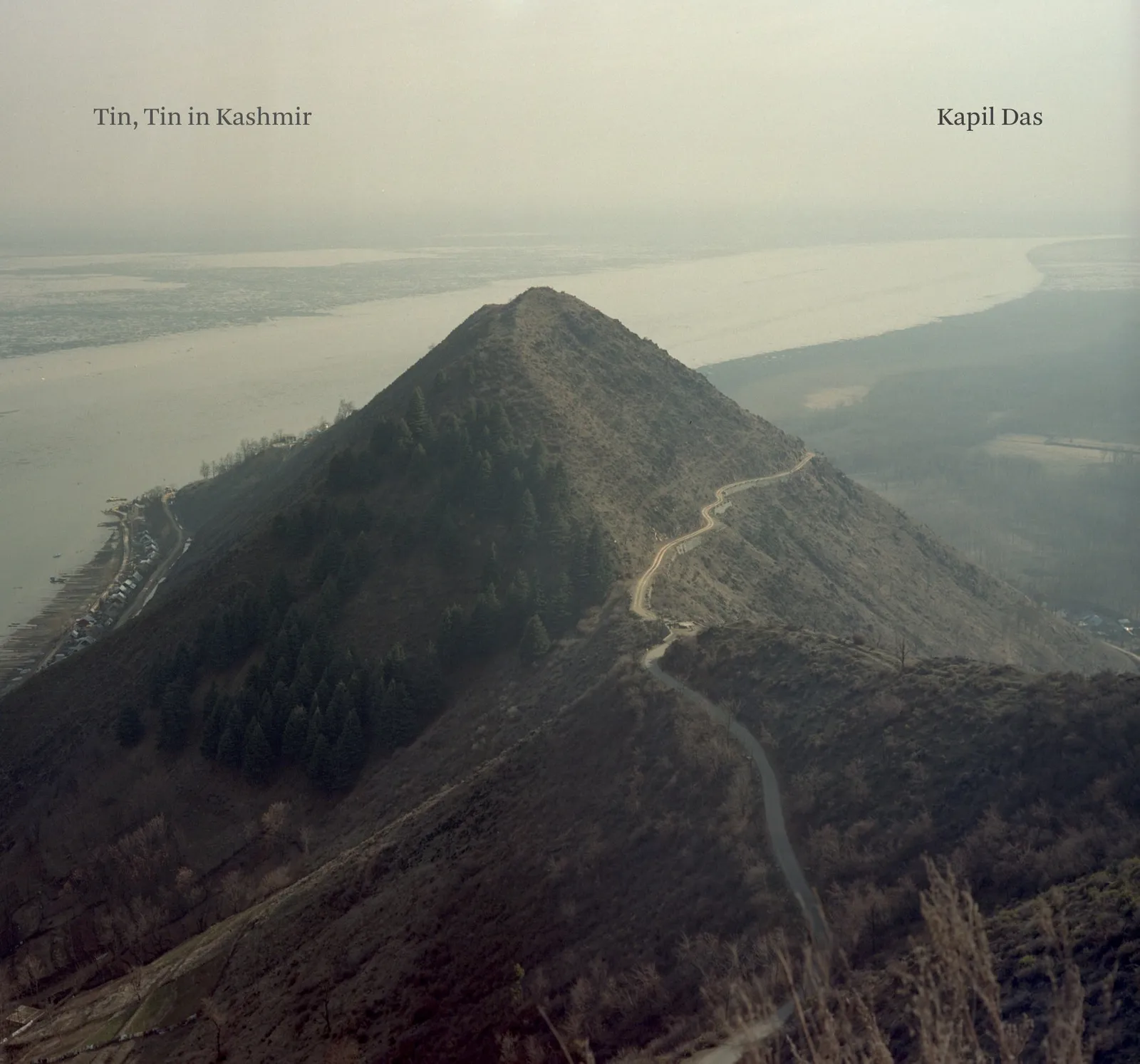 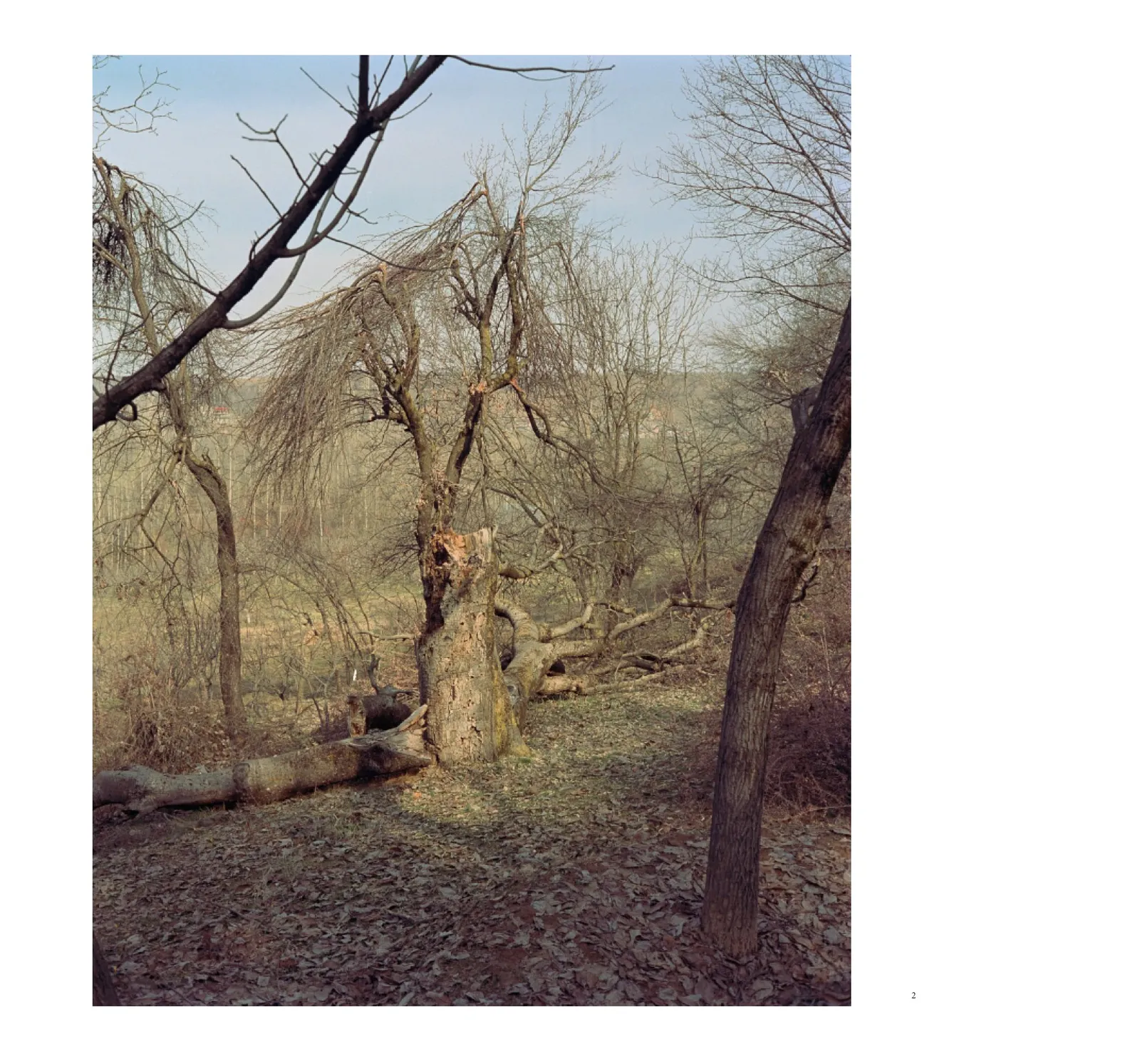   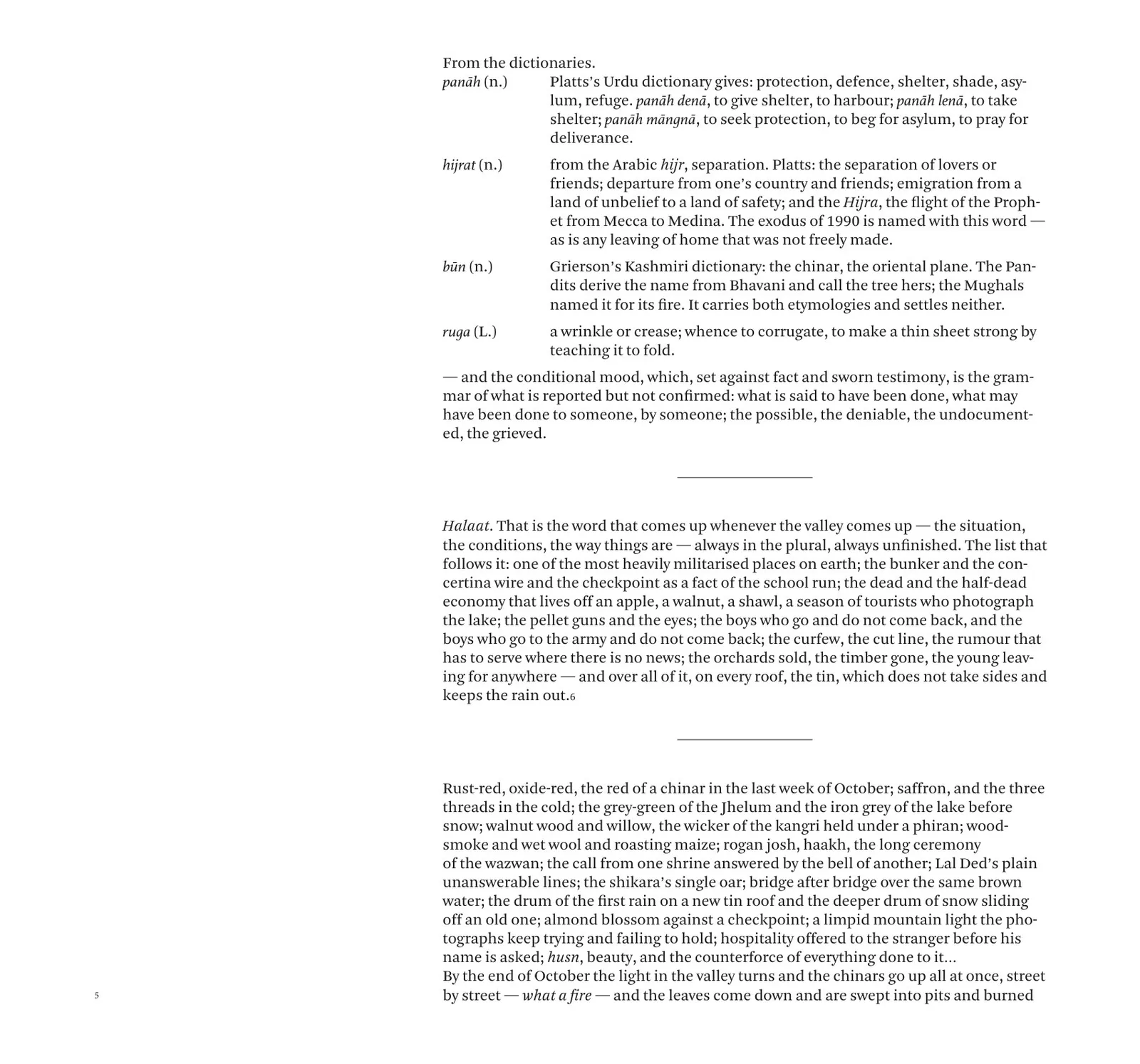 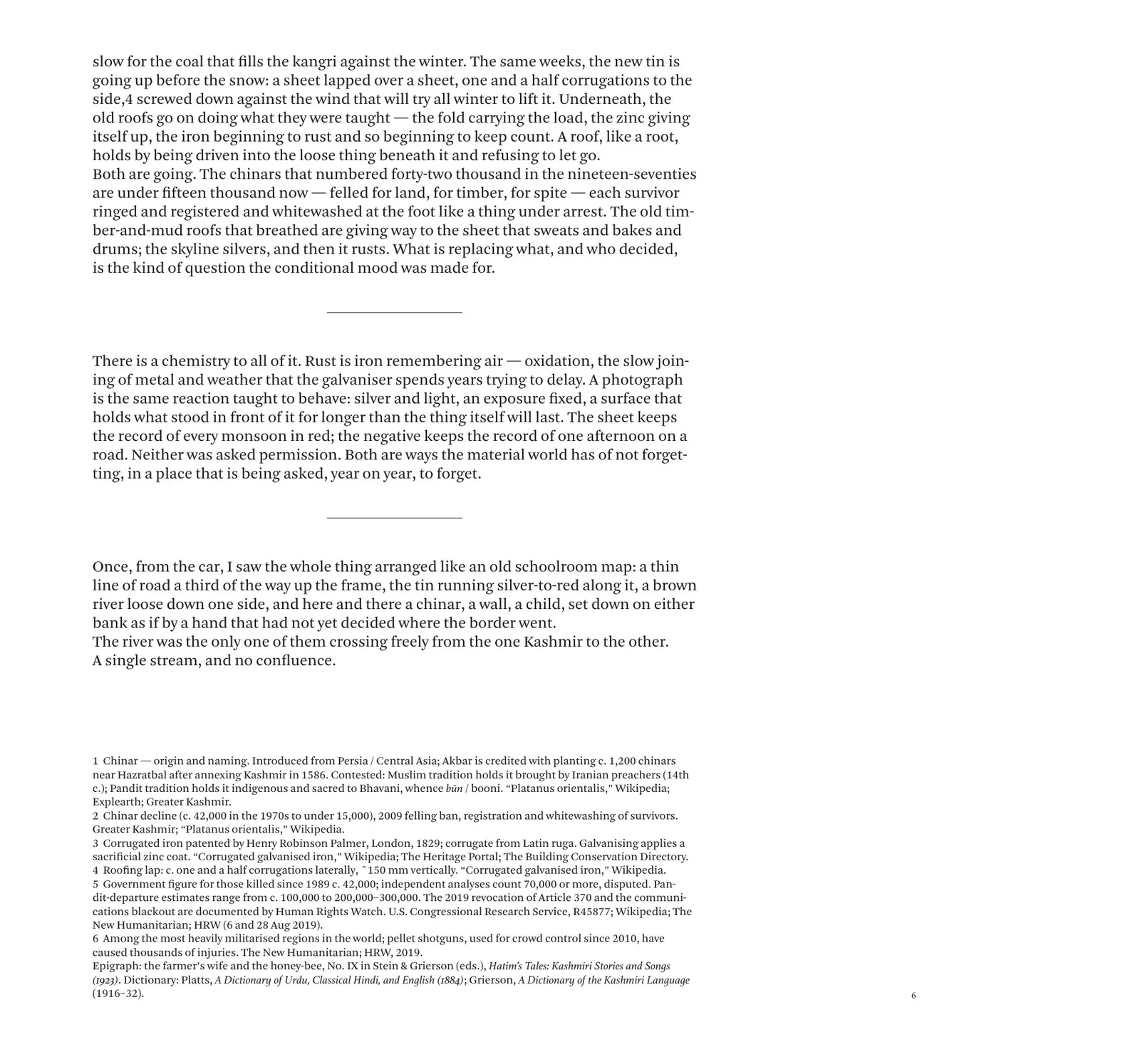 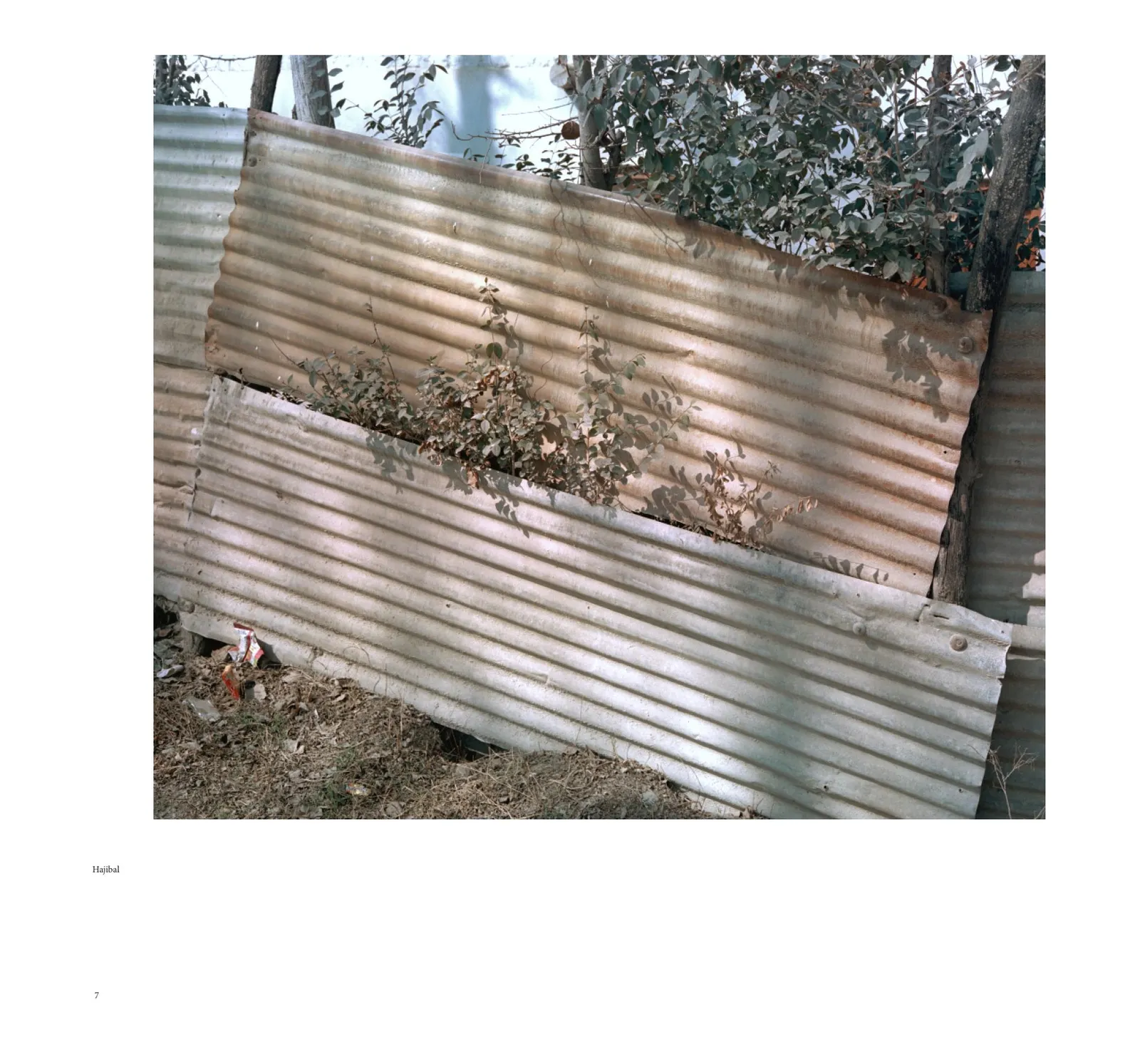 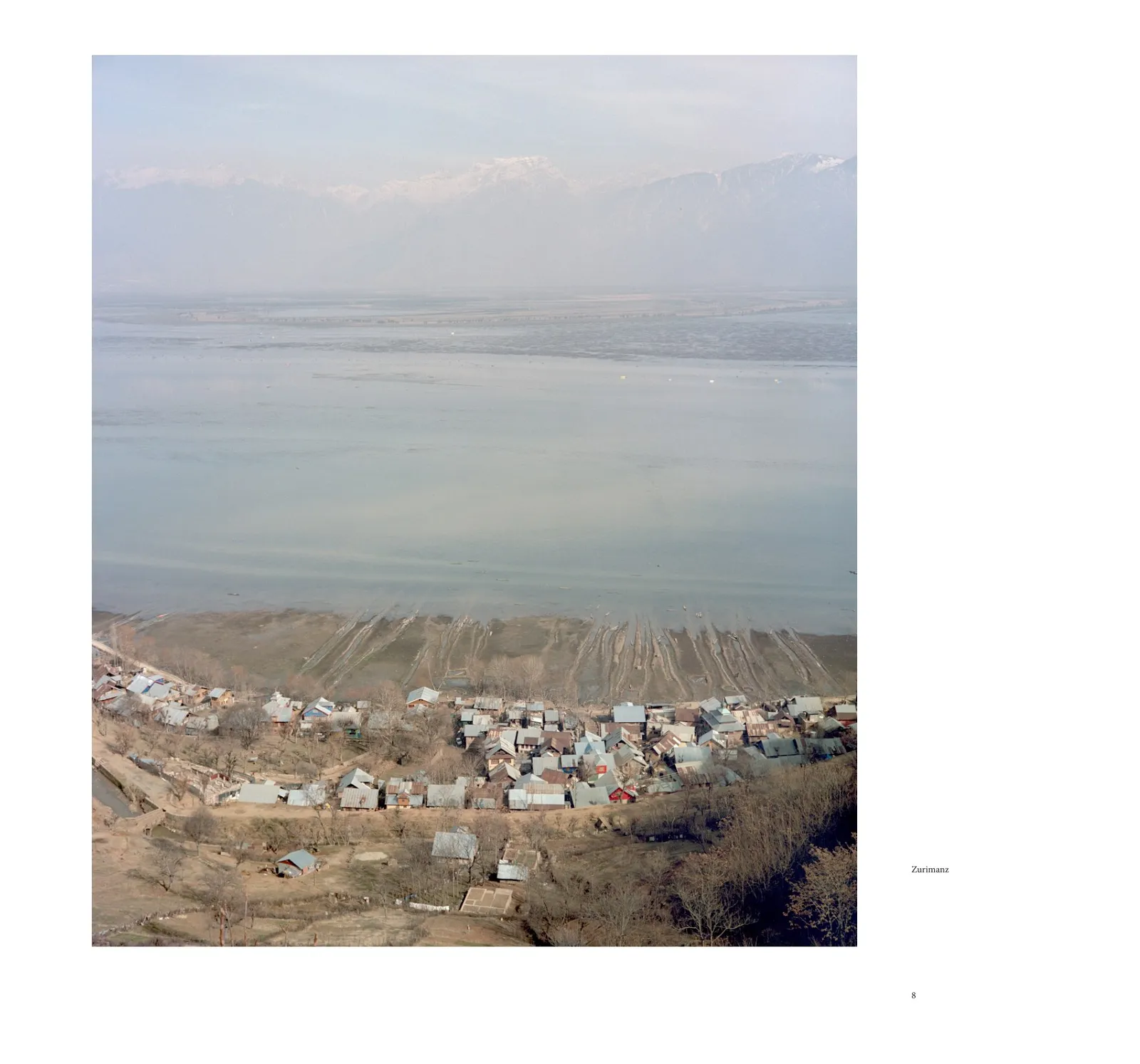 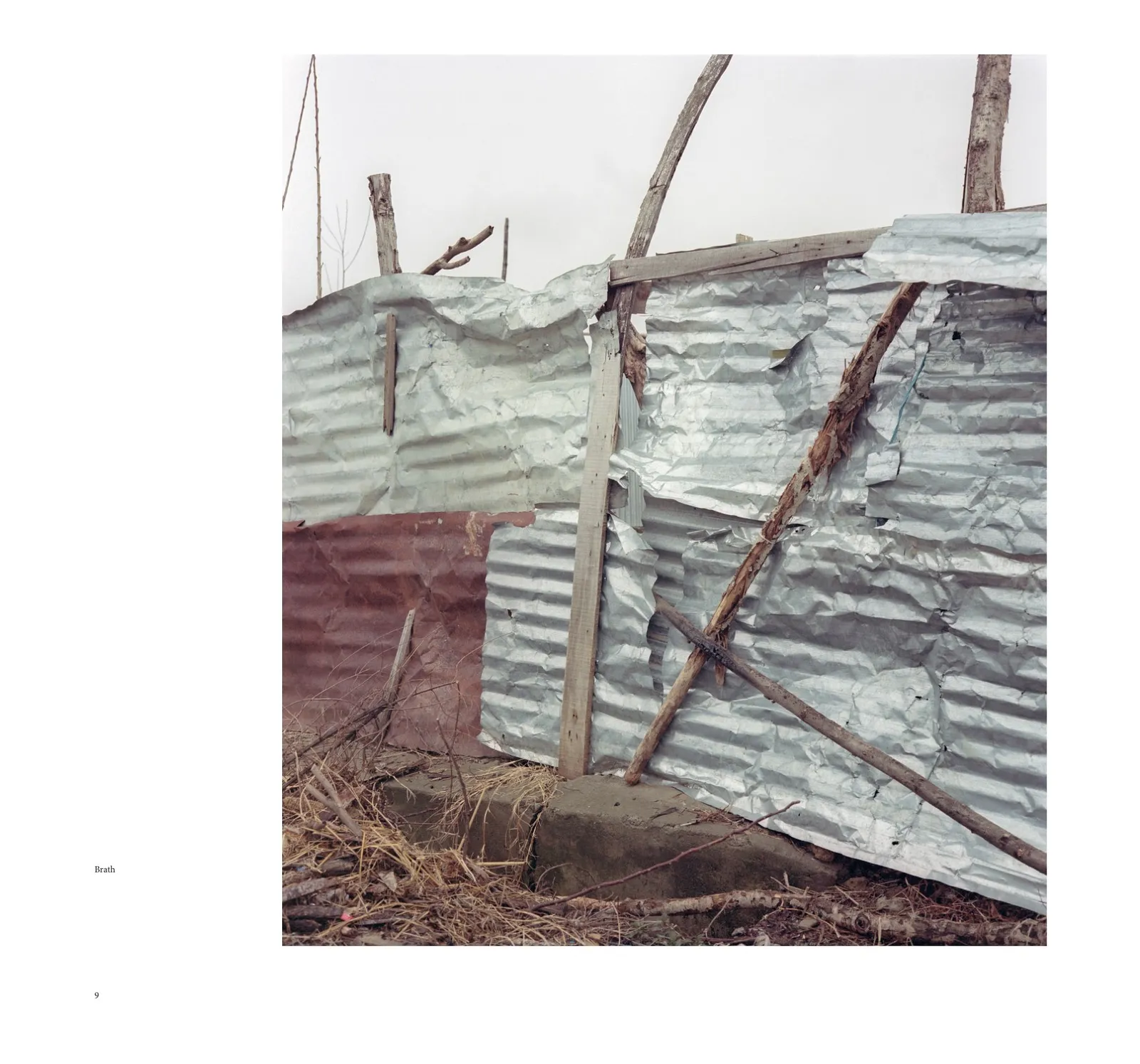  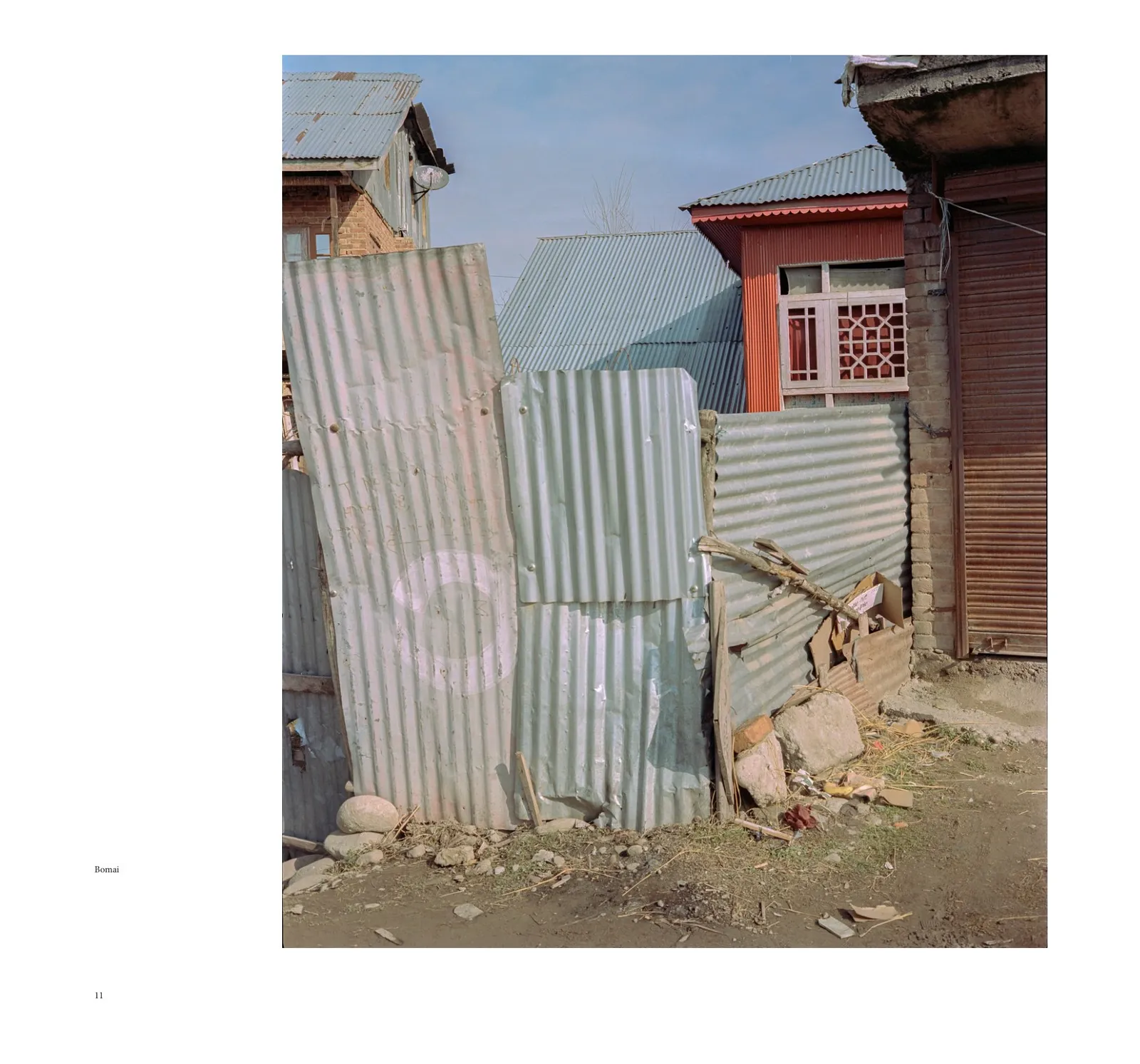 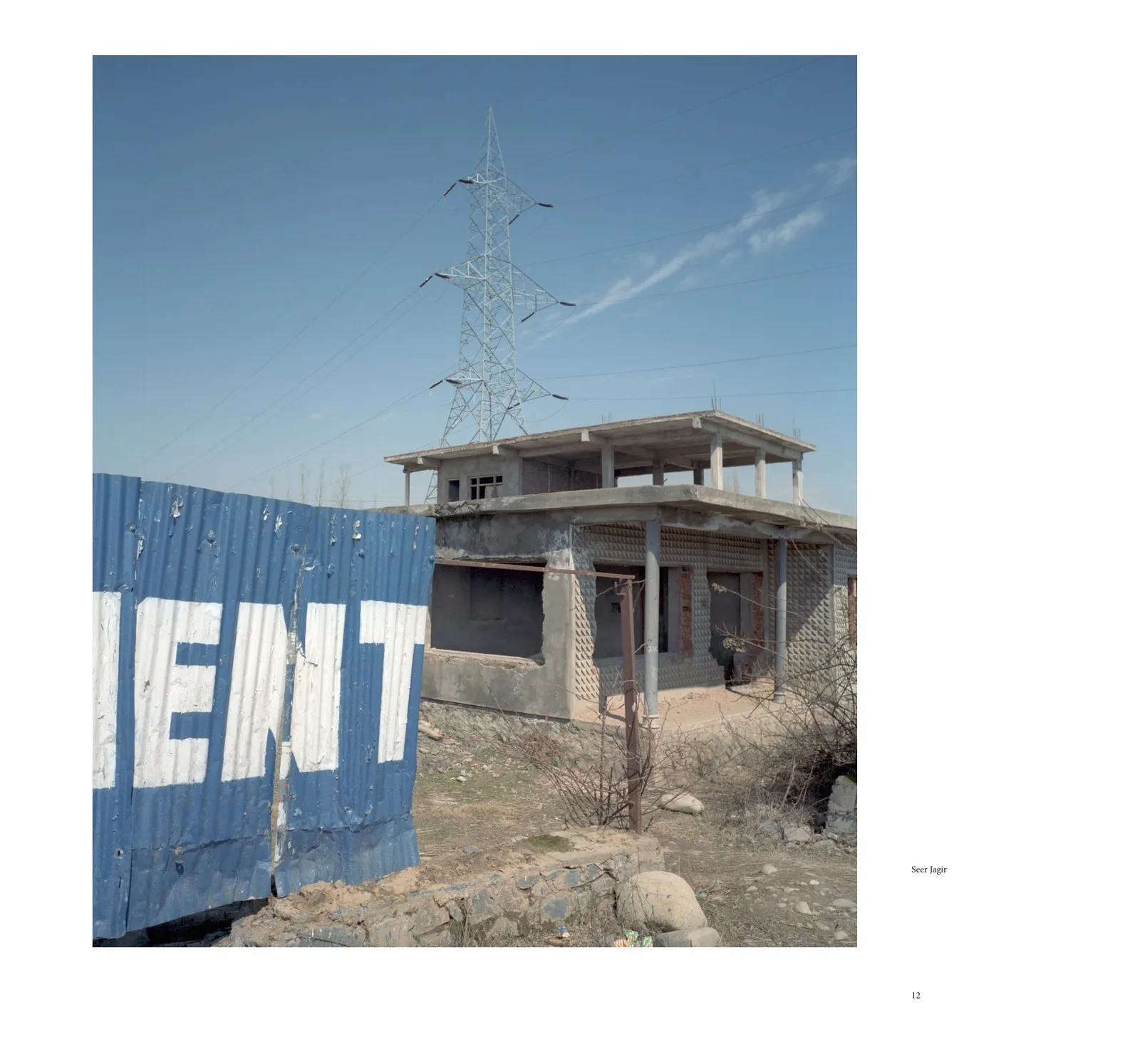 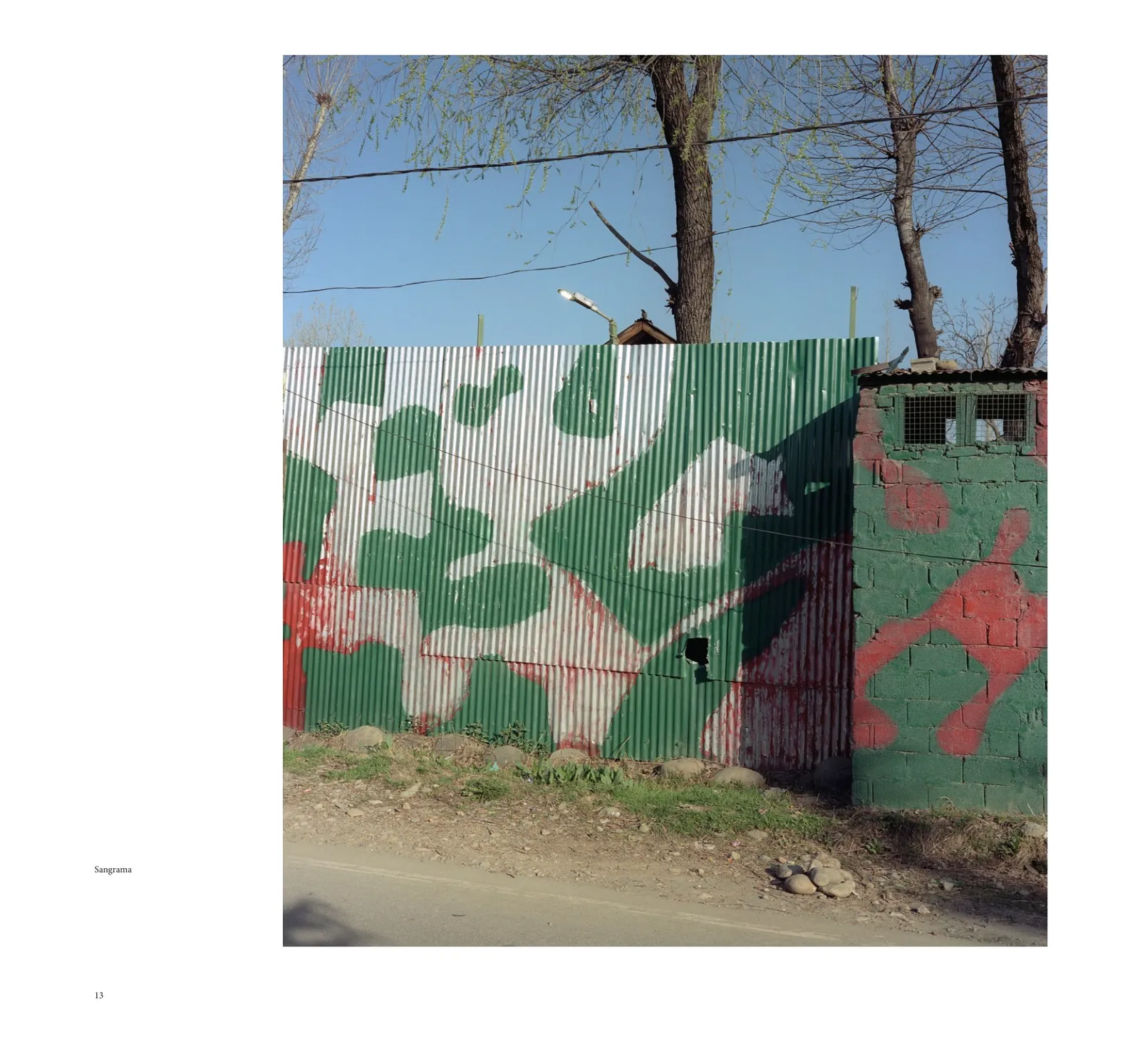 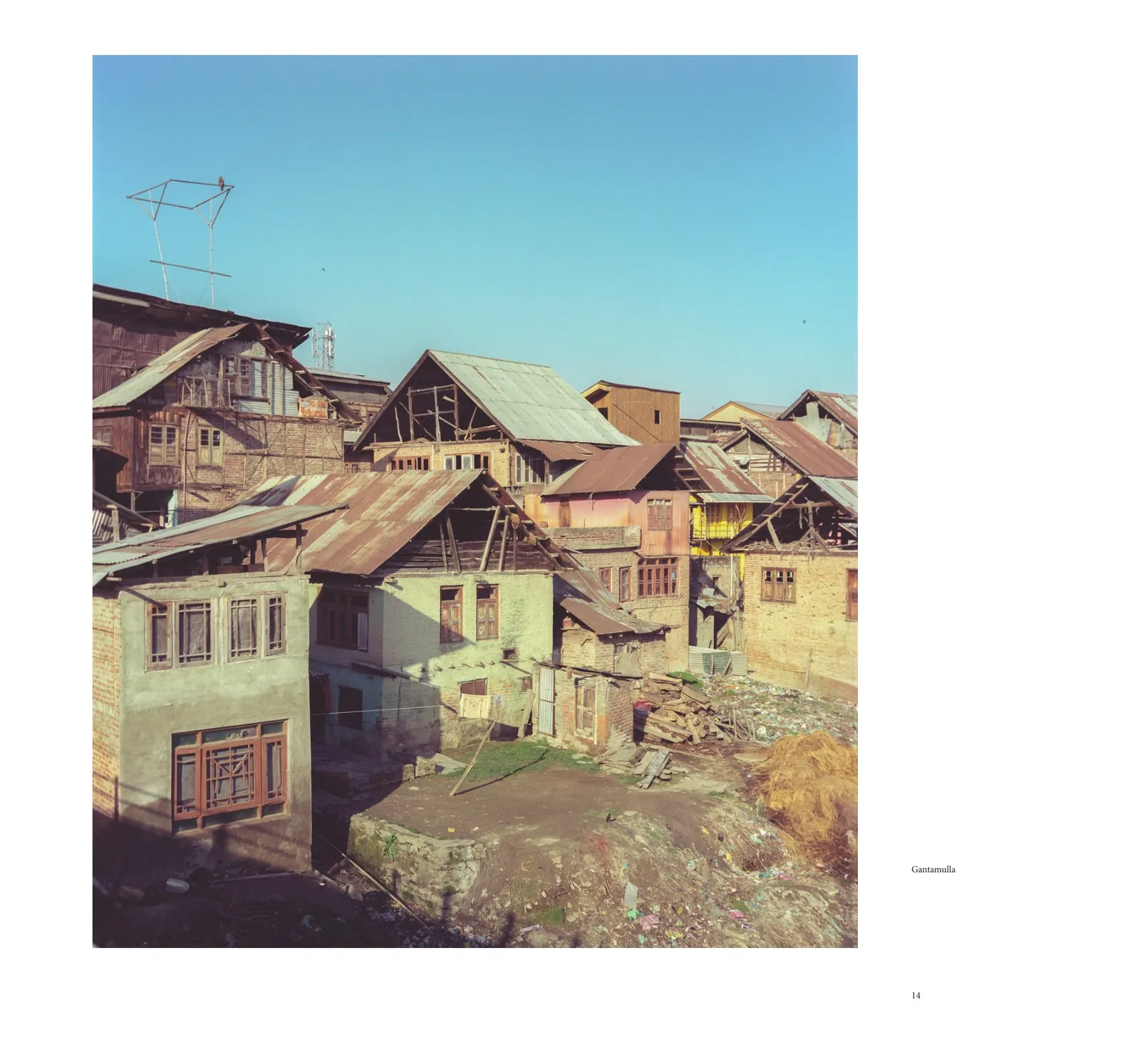 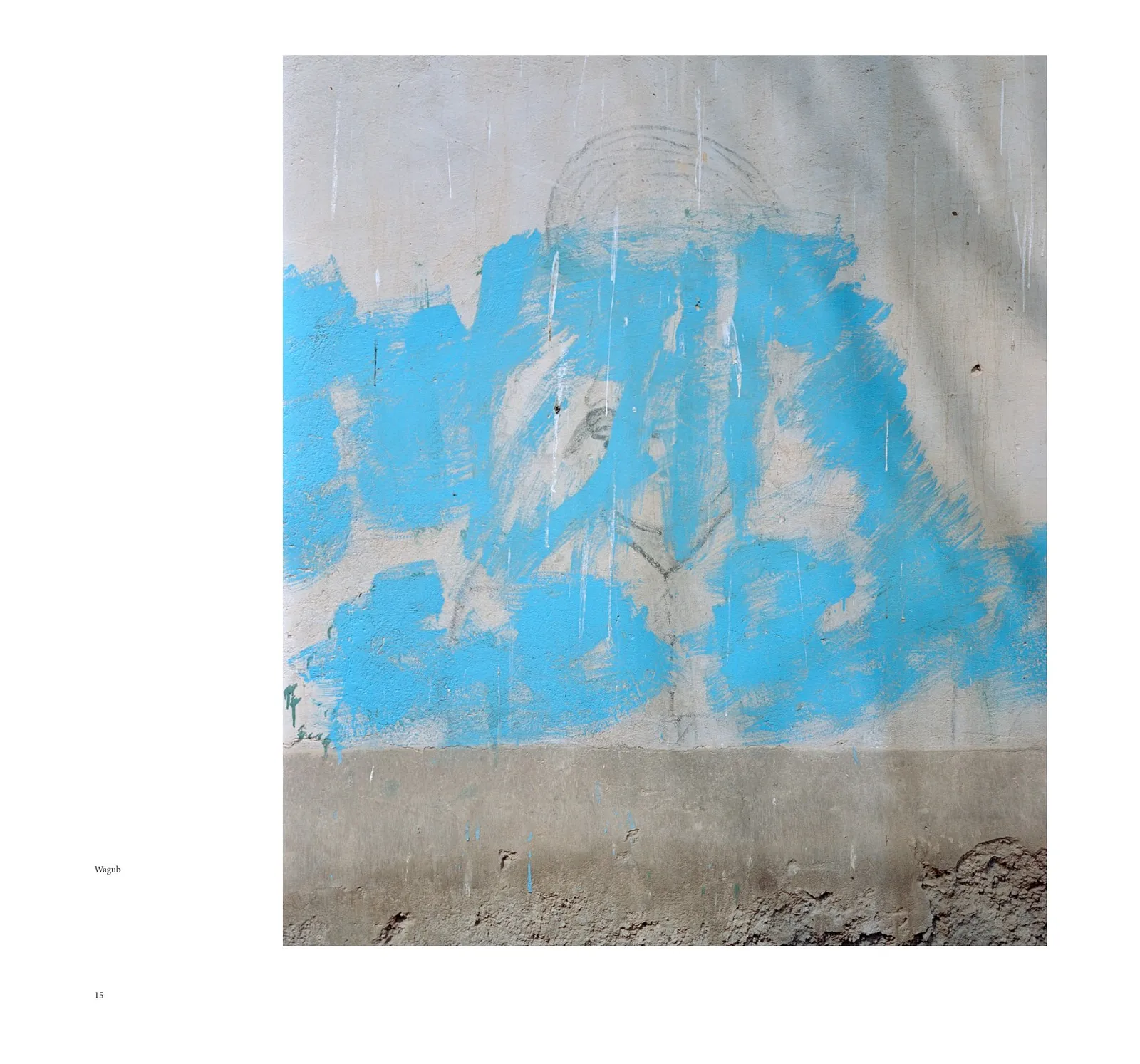 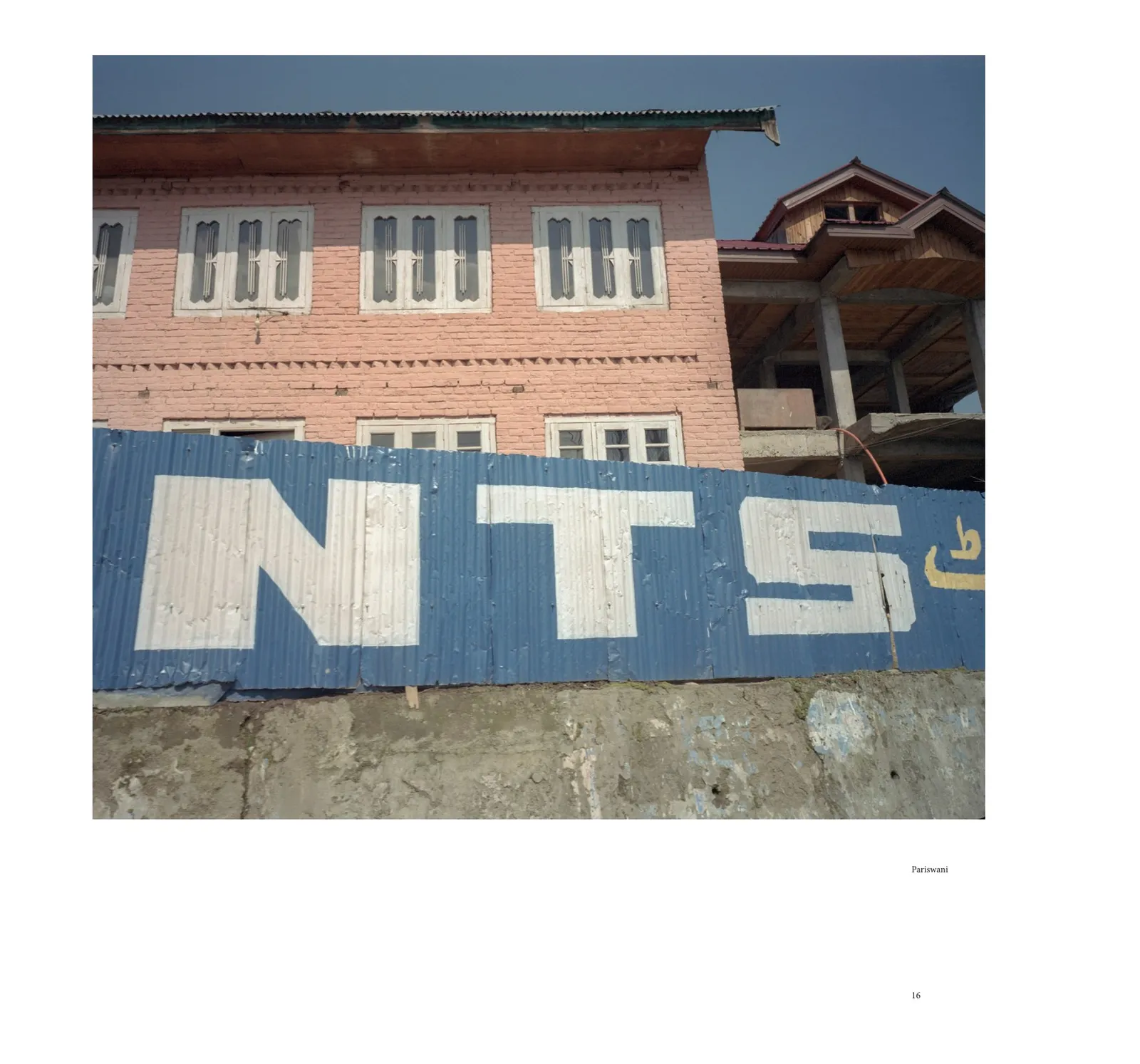 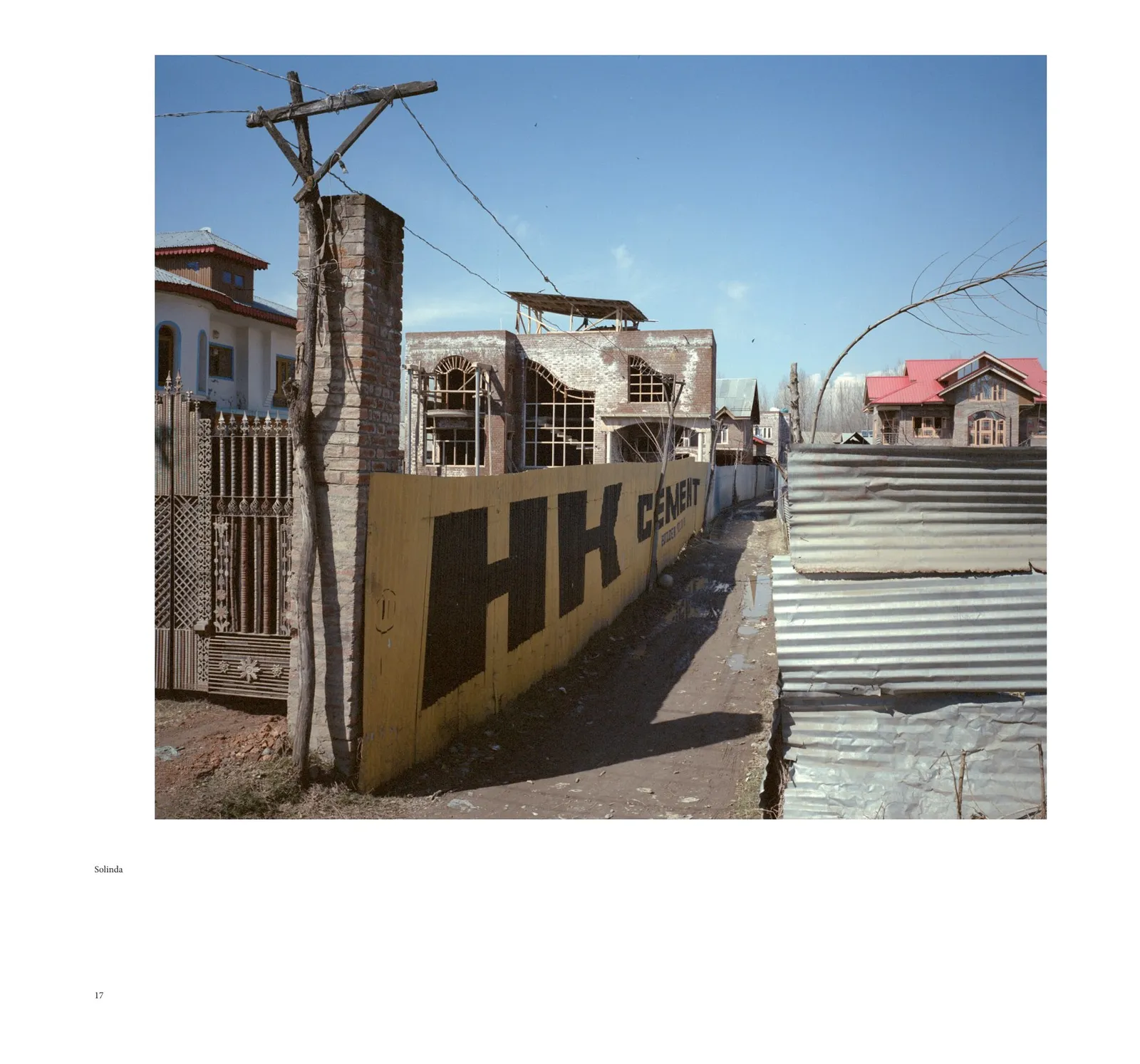 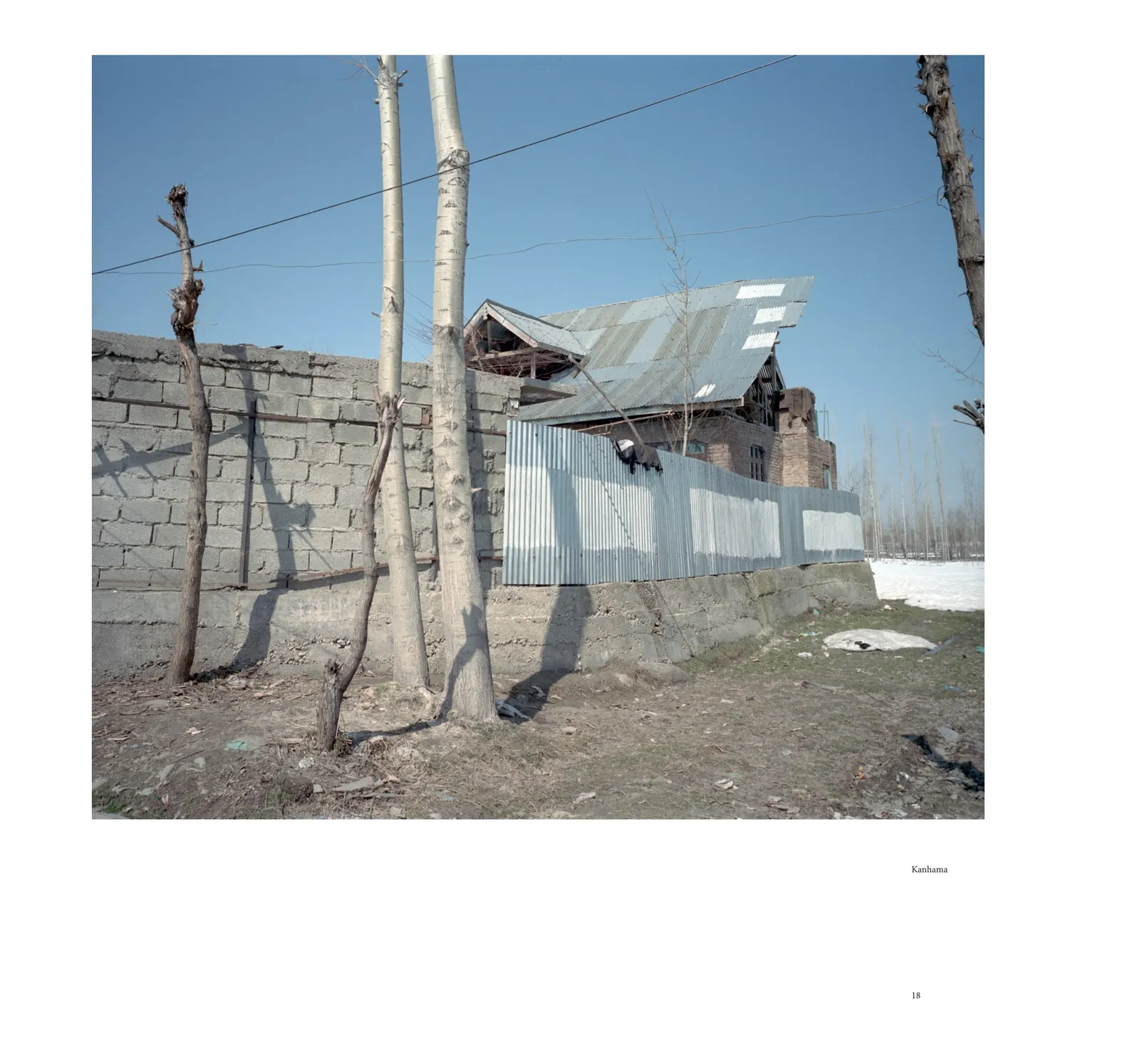 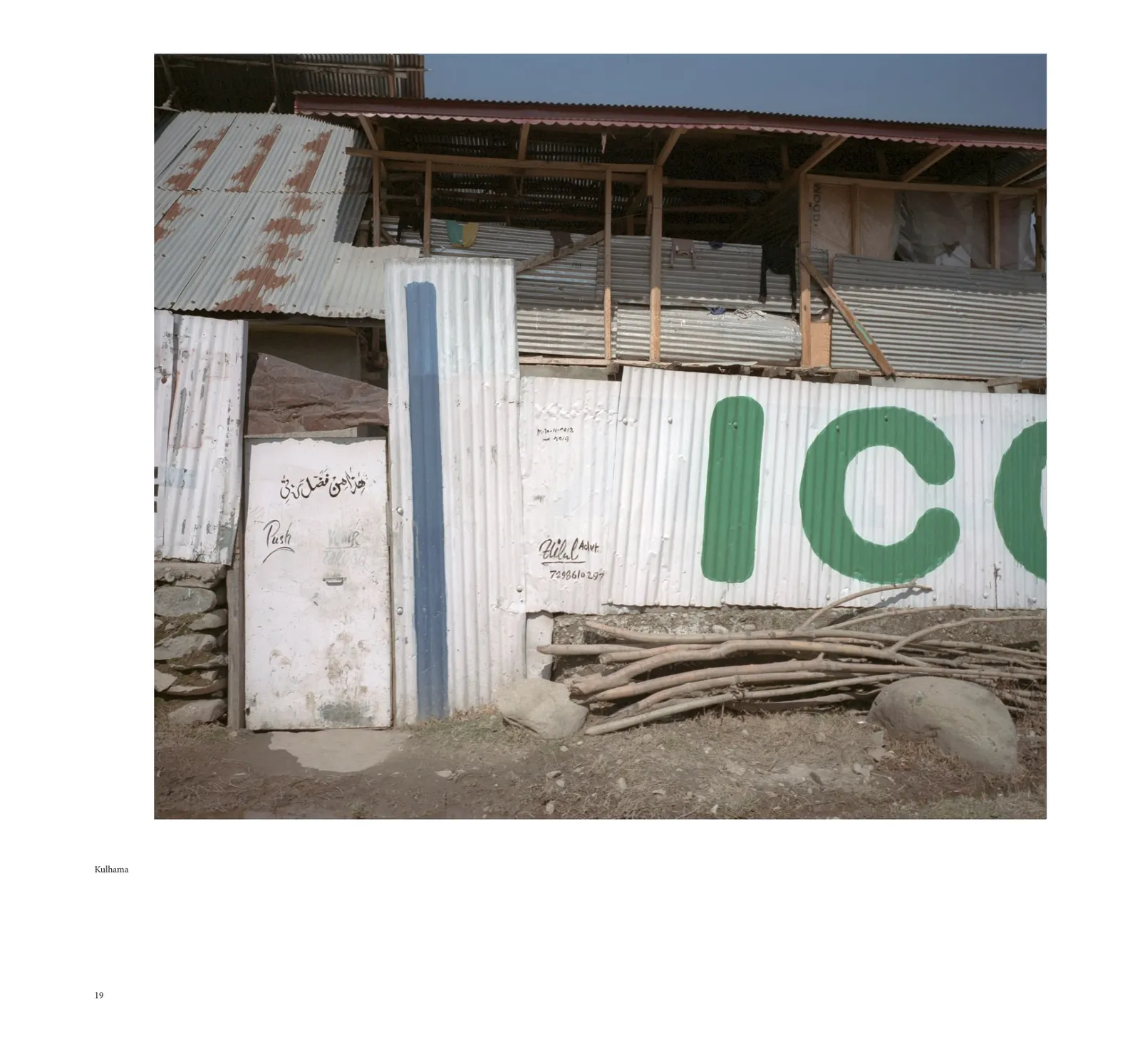  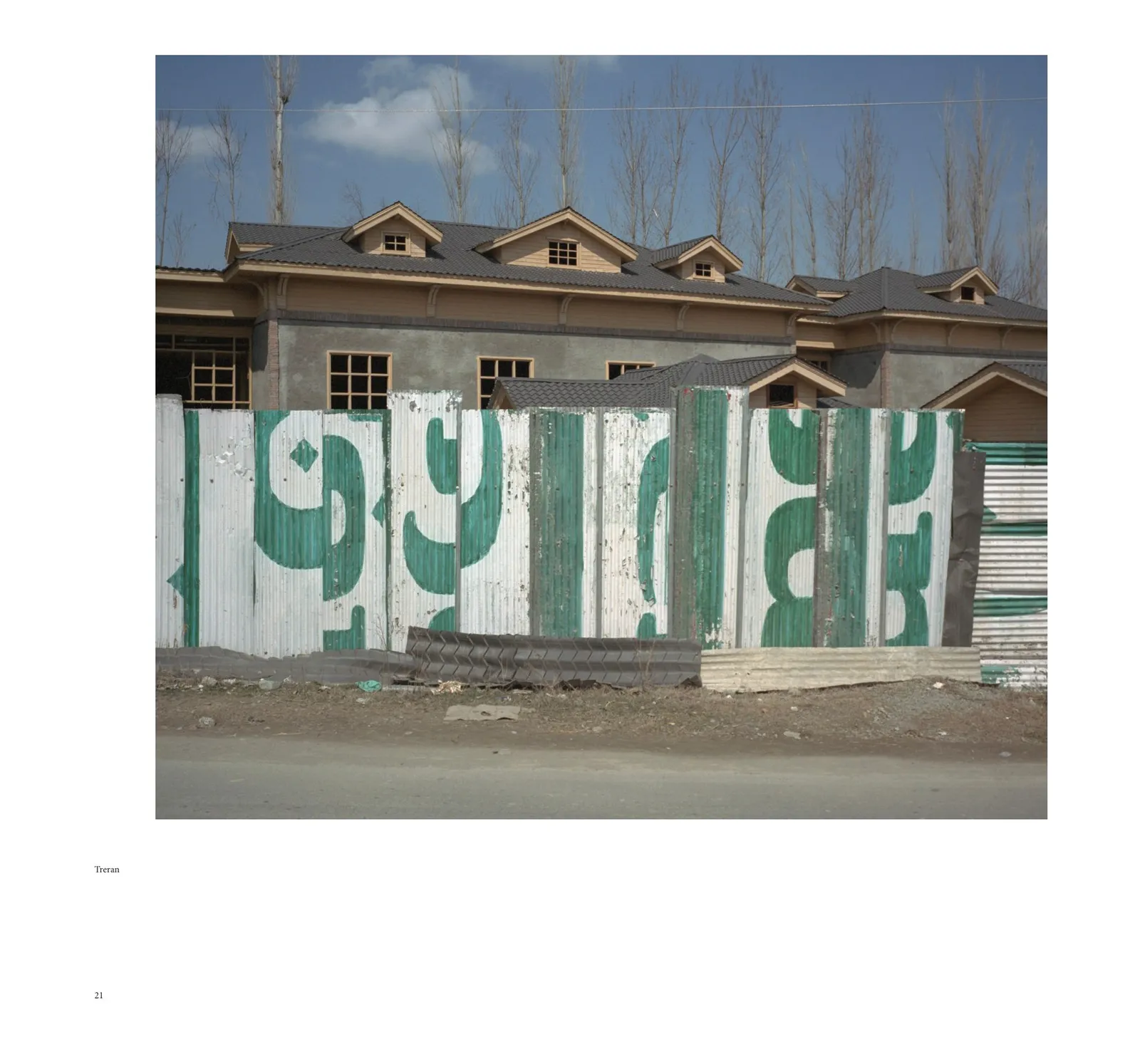  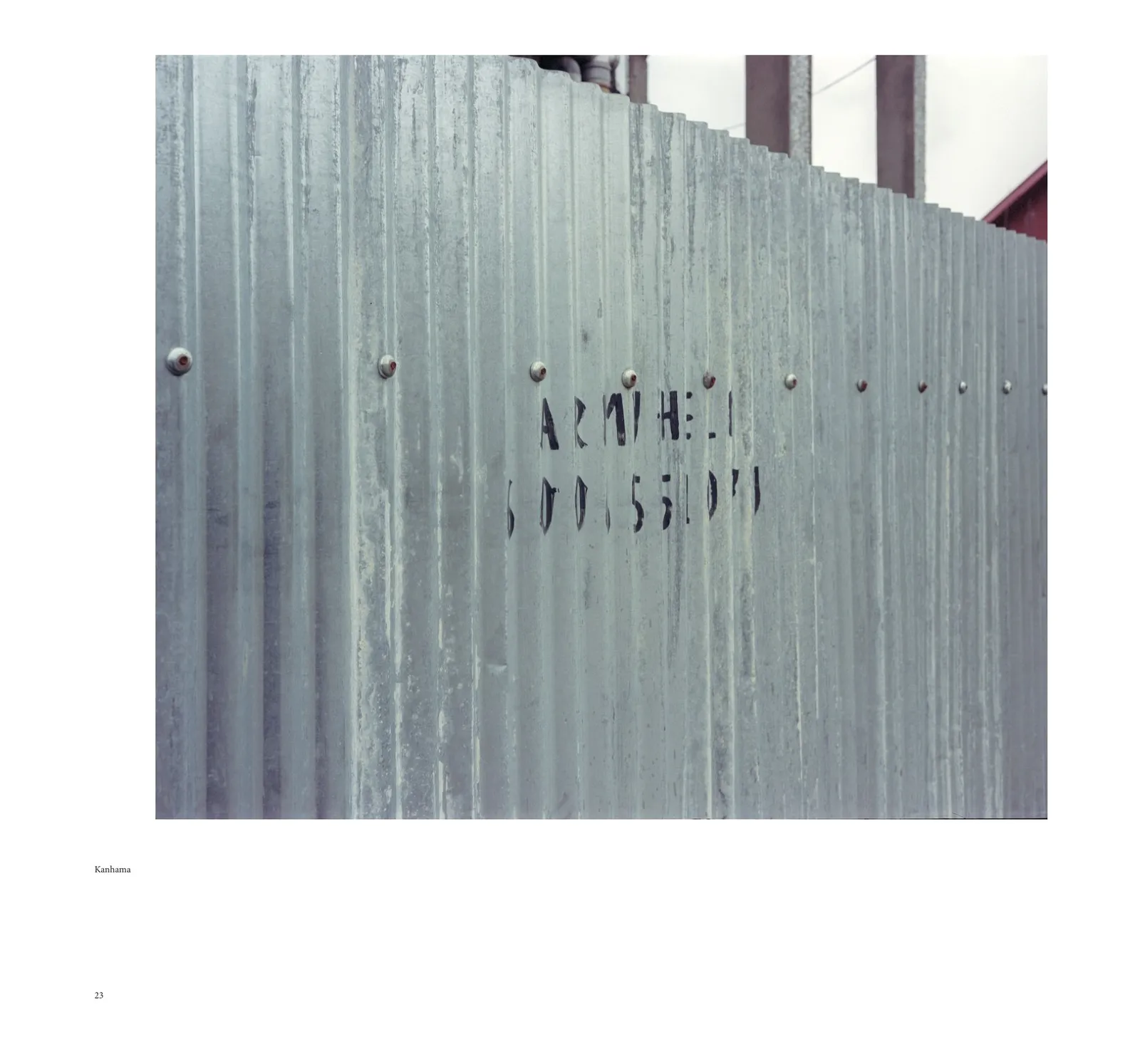 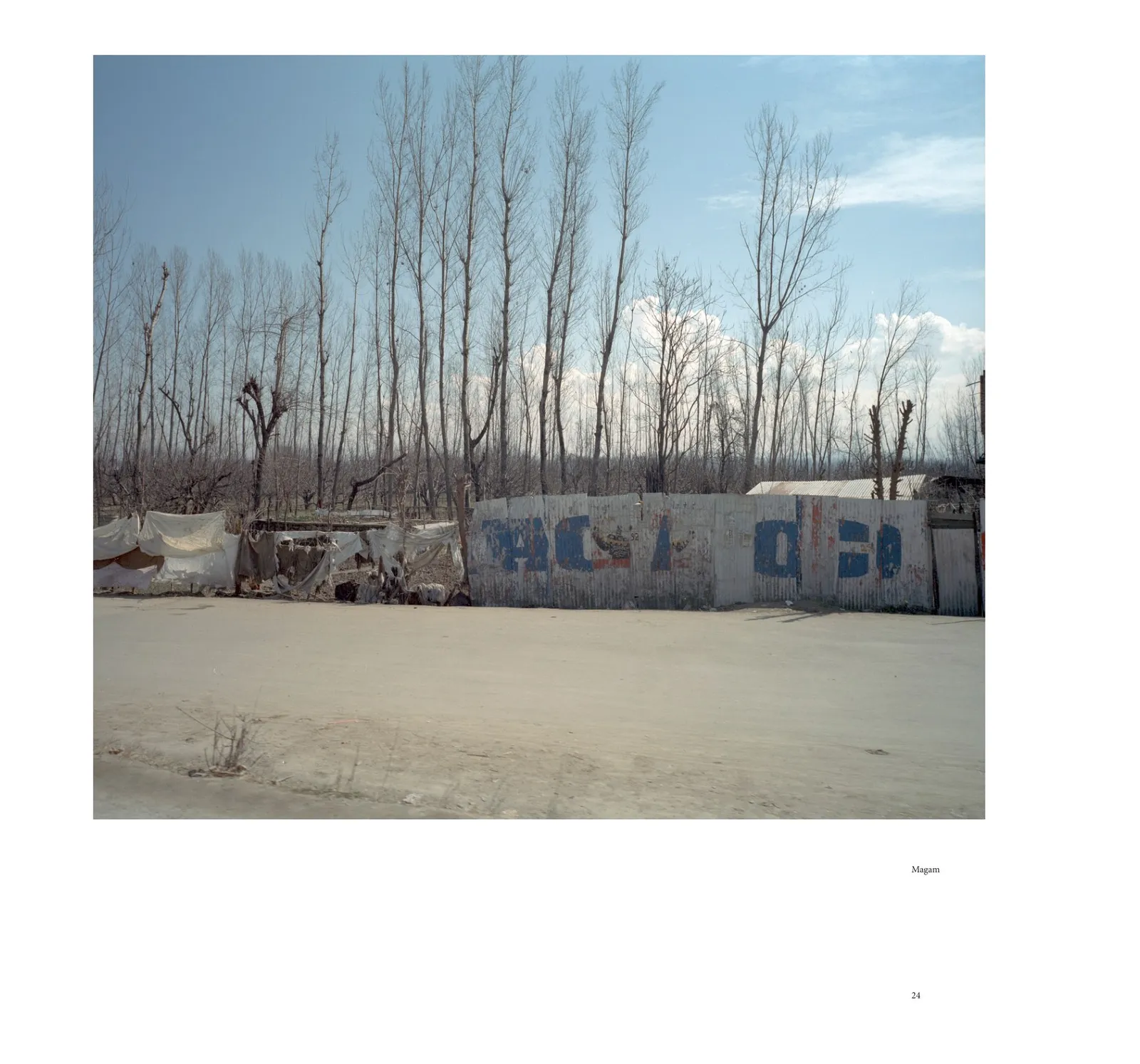 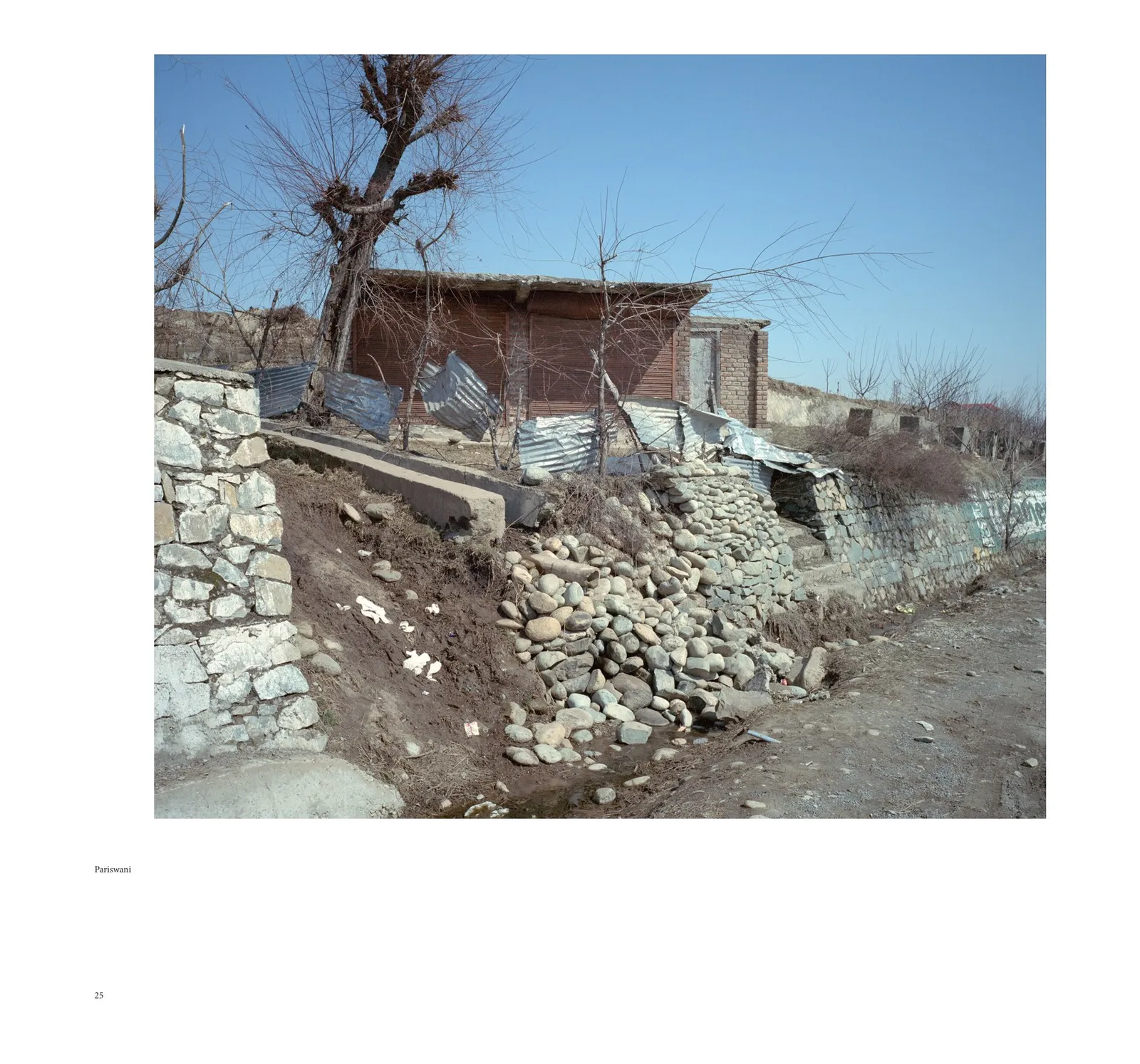 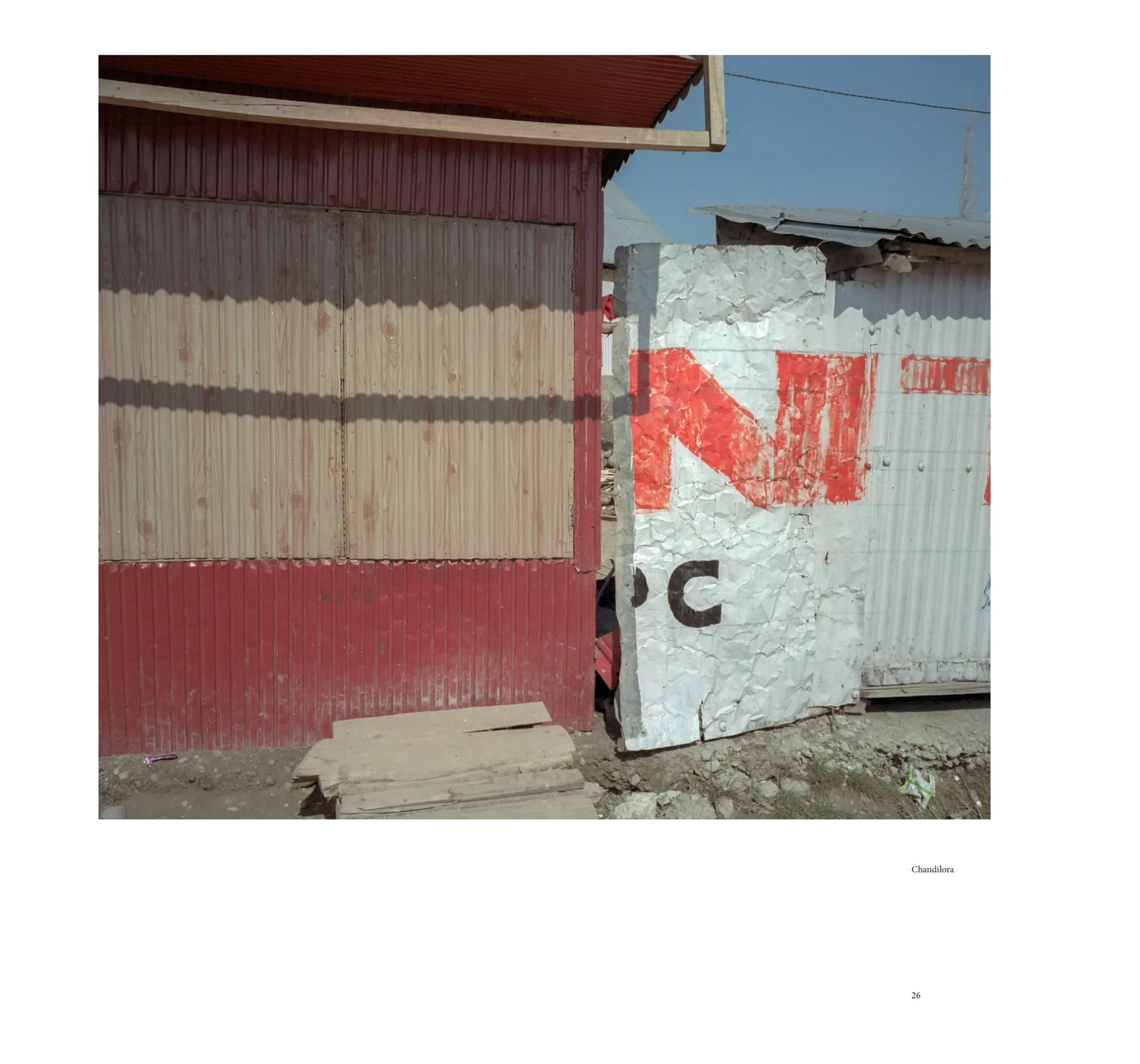 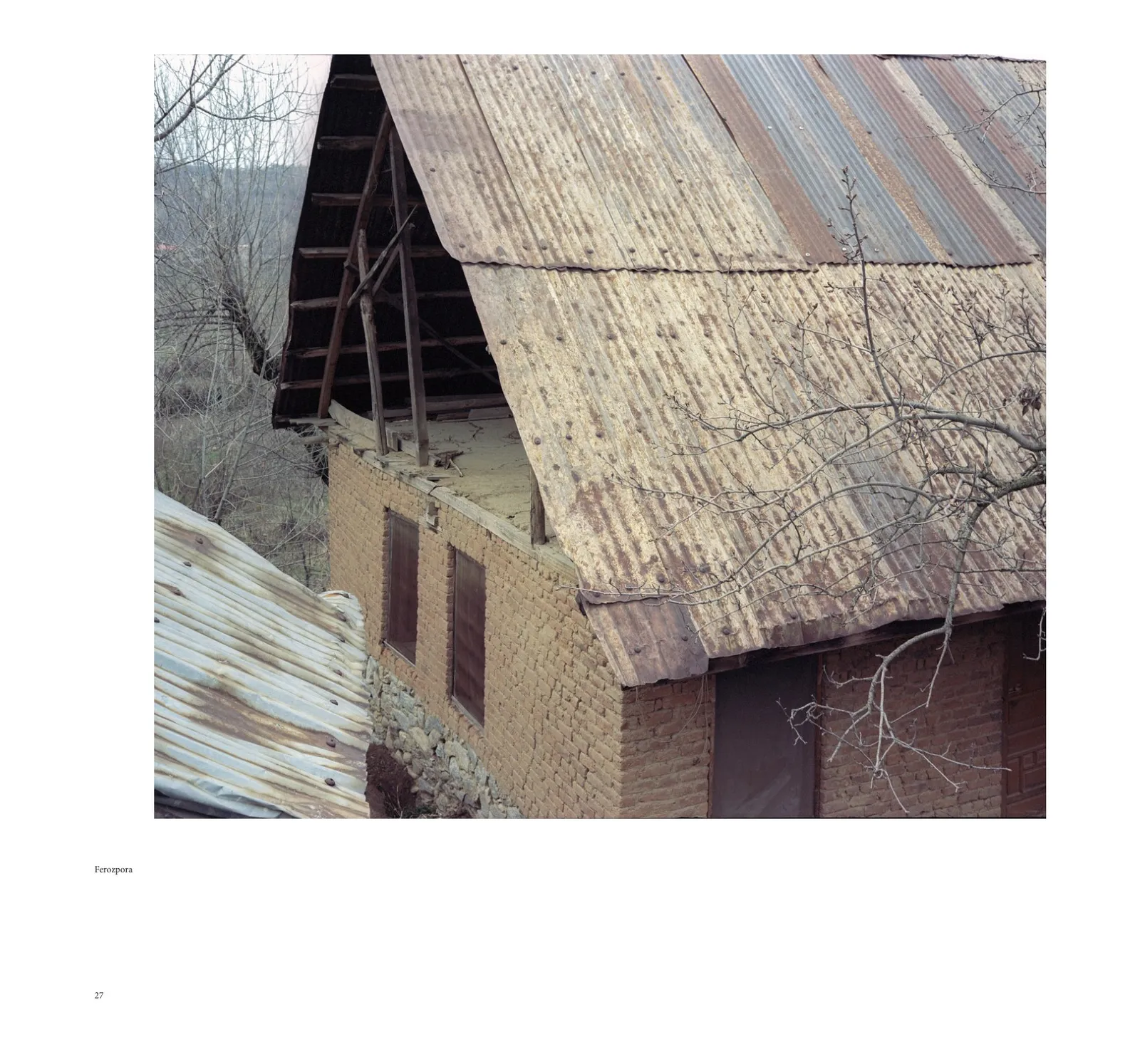 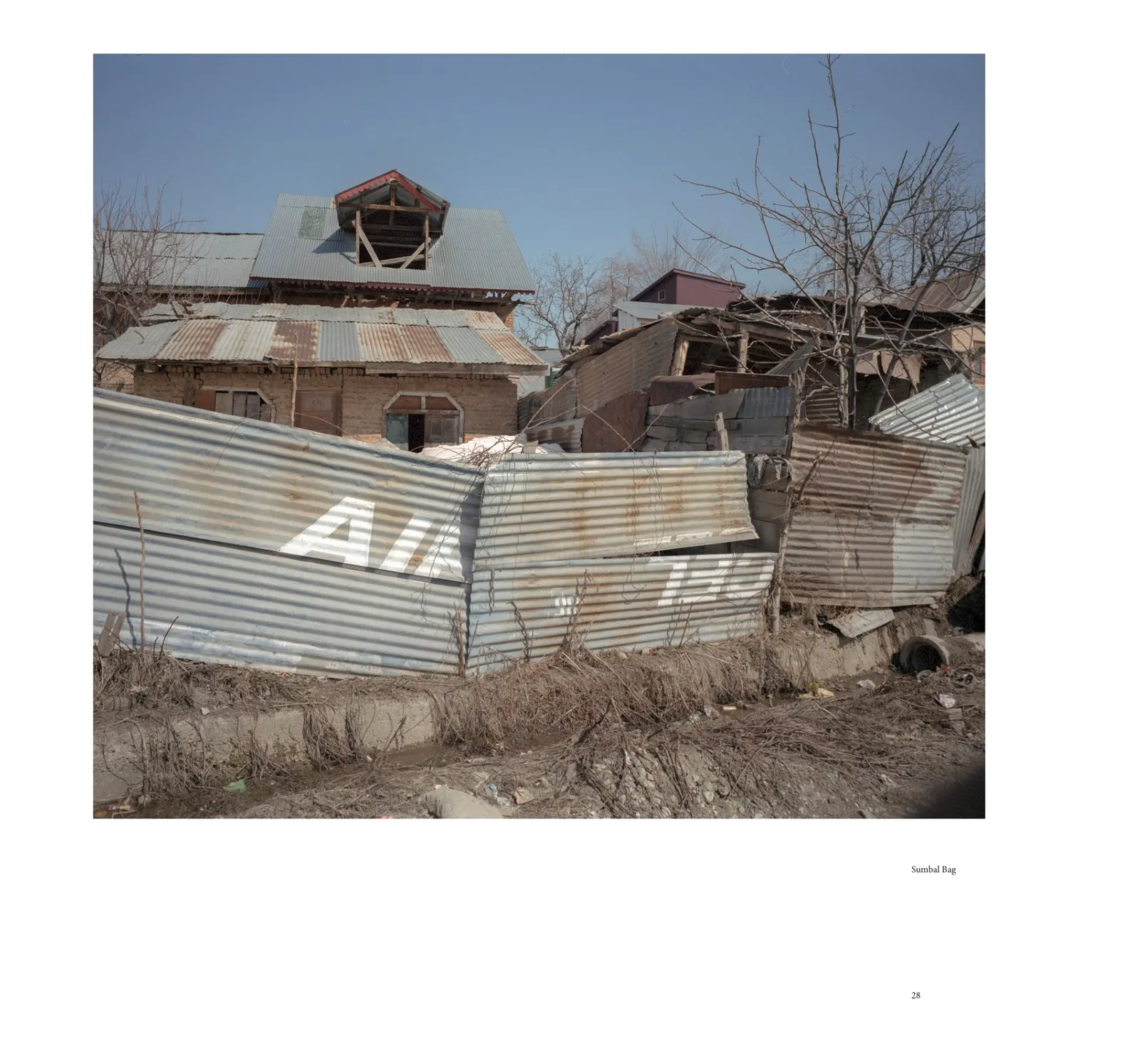 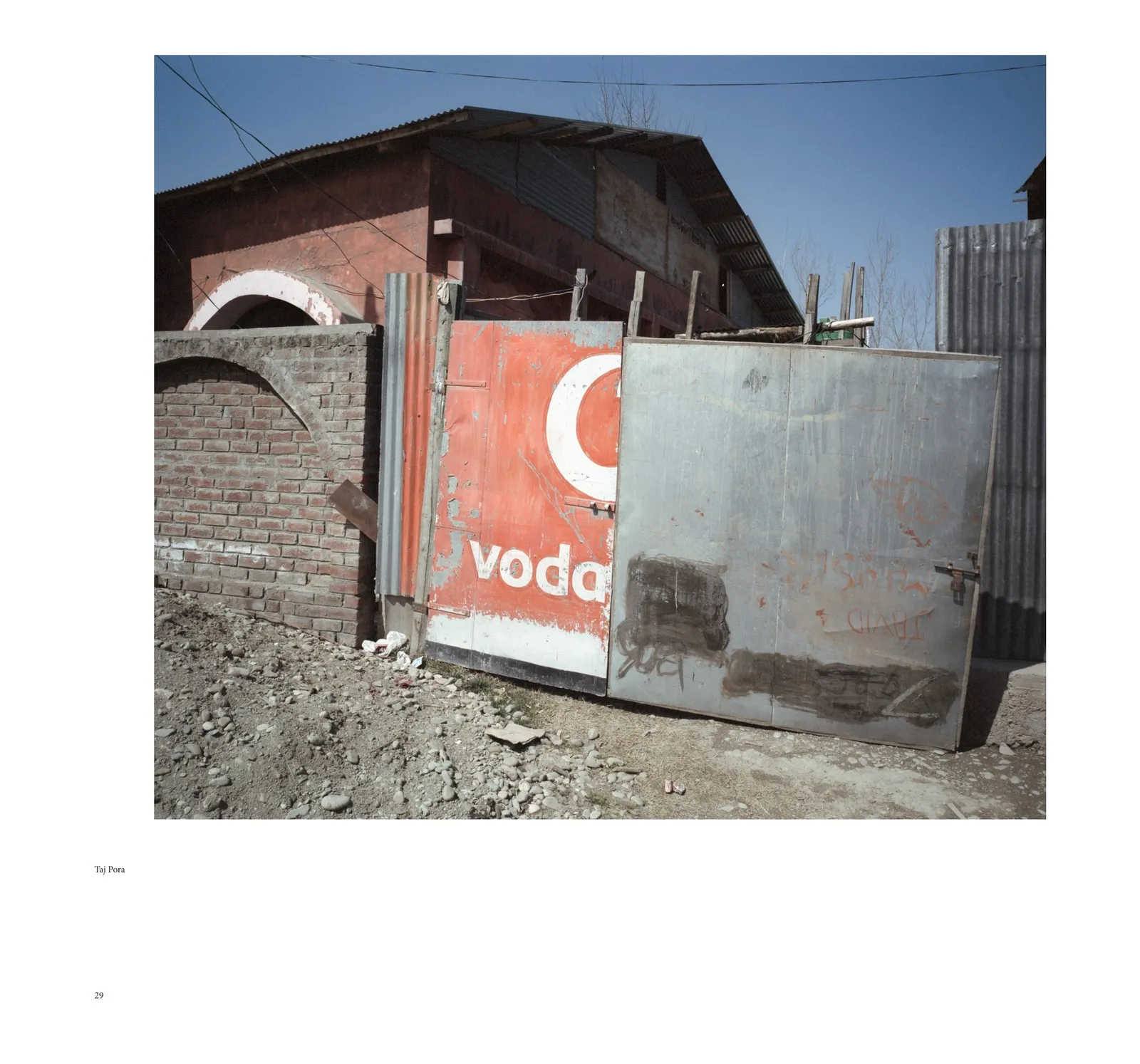 | |||
| 014 | Terassippi | 8 min · Single Channel | 2025 |
| Terassippi is an eight-minute work of cameraless cinema, a portrait of a town that was built rather than filmed. A narrator assembles his world piece by piece, and admits all the while that he cannot feel the thirst or rain he renders. When the calculation fails, water enters the simulation, and the film lets its world drown. Shown at ‘The Barge’ during the Serendipity Arts Festival, December 2025. | |||
| 010 | The Laughing Man | 12 min · 2 Channel · 9:16 · 16mm CCD | 2023 |
| The Laughing Man follows a single figure, a man in dark round goggles, across sixteen vertical sequences shown edge to edge as one continuous strip. There is no dialogue, only foley: the landscape speaking in its own sounds. When the goggles come off, the film ends with the world showing in their black glass. Made as part of the group AVC. | |||
| 009 | Goan Roadkill | 42 pp · 16 × 18.5 cm | 2022 |
| In Goan Roadkill the coconut palms of Goa are roadkill in the literal sense, felled along the state’s expanding coal transport corridor. The concrete columns of a new flyover cut them from underneath and pushed them off the roadside into the middle of a multi-track highway. Stranded in the median, they are accidental sculptures, decaying in place, and a record of an ecosystem given up to heavy industry and automated commerce. Out of print 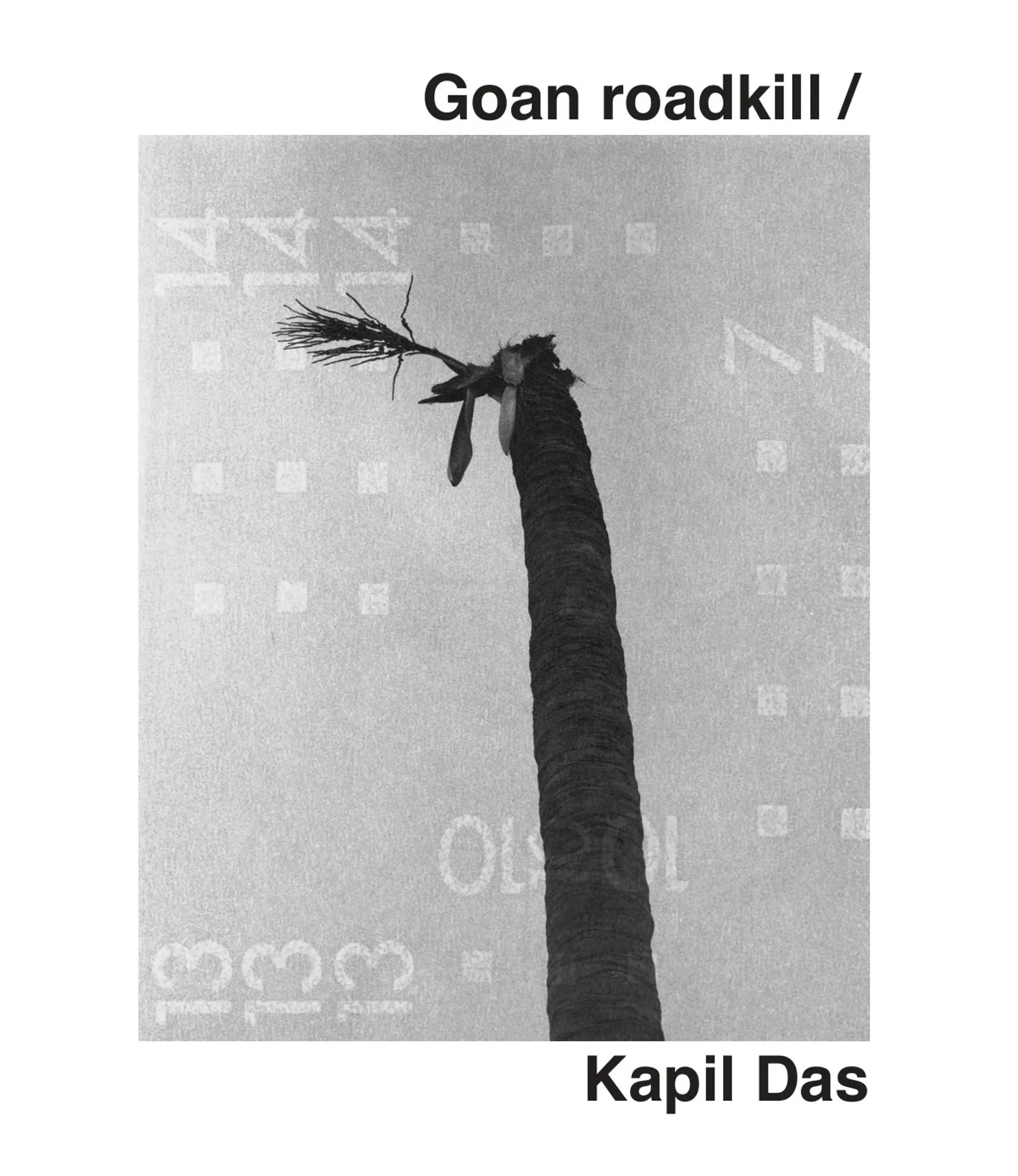  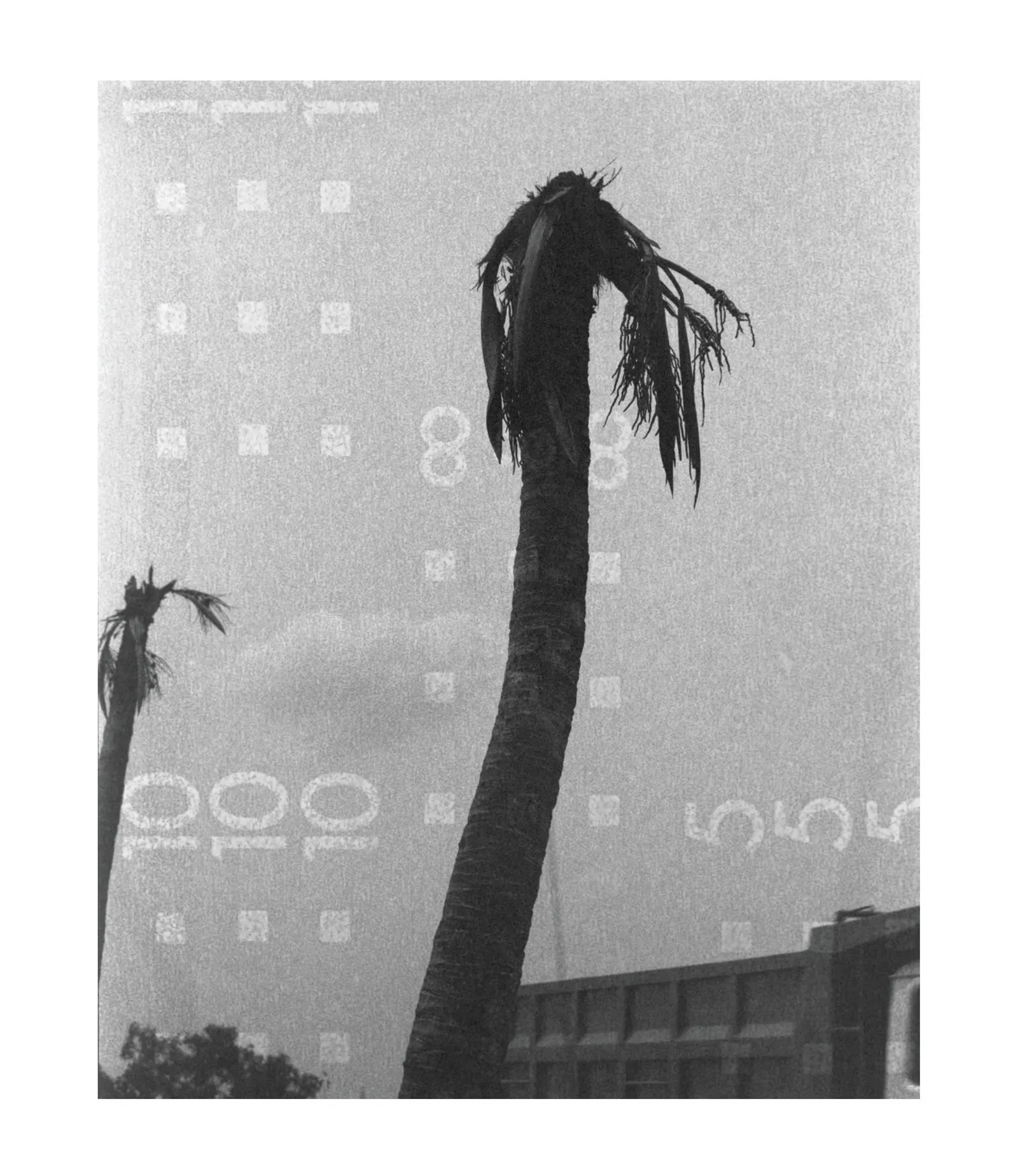 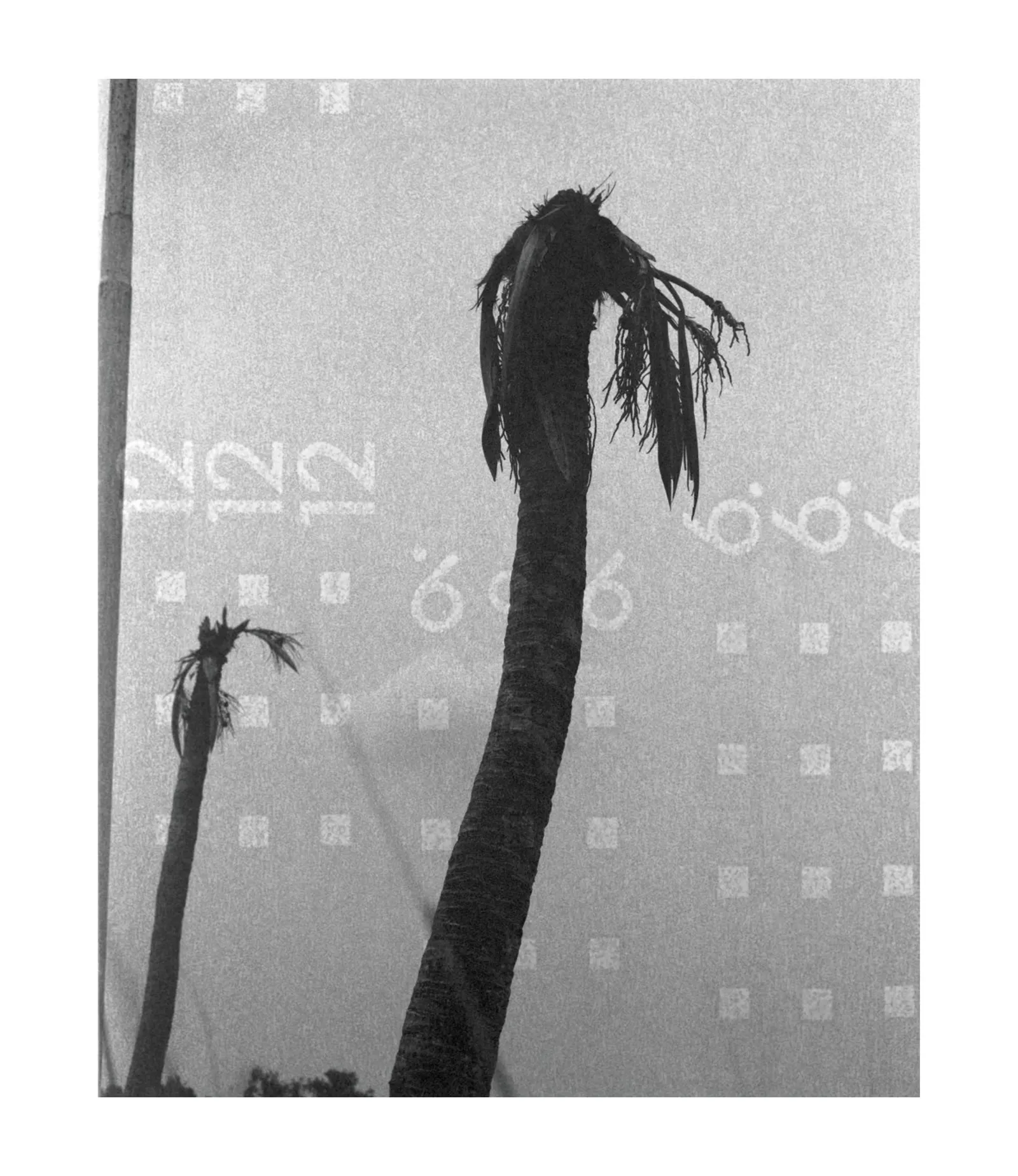 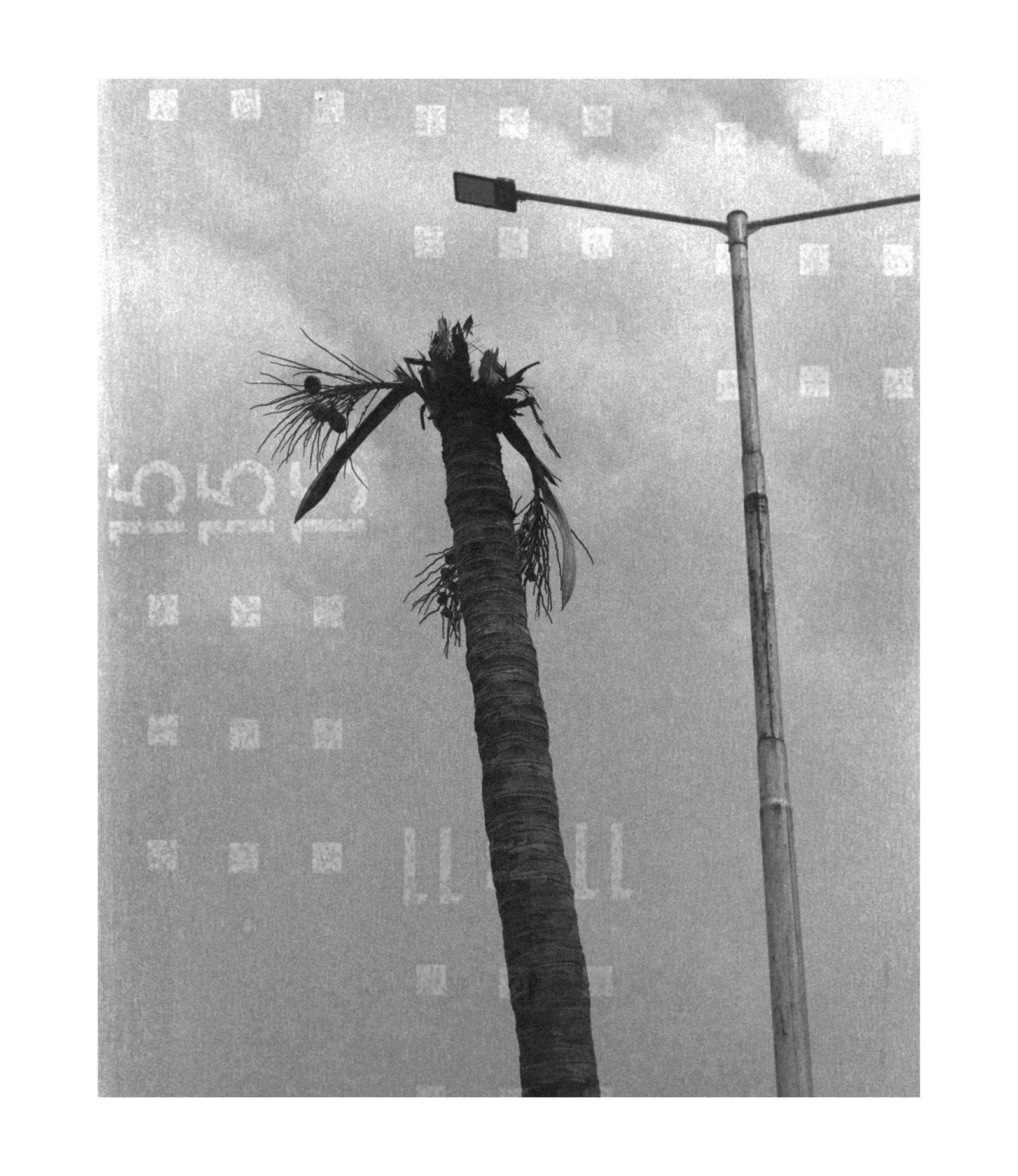 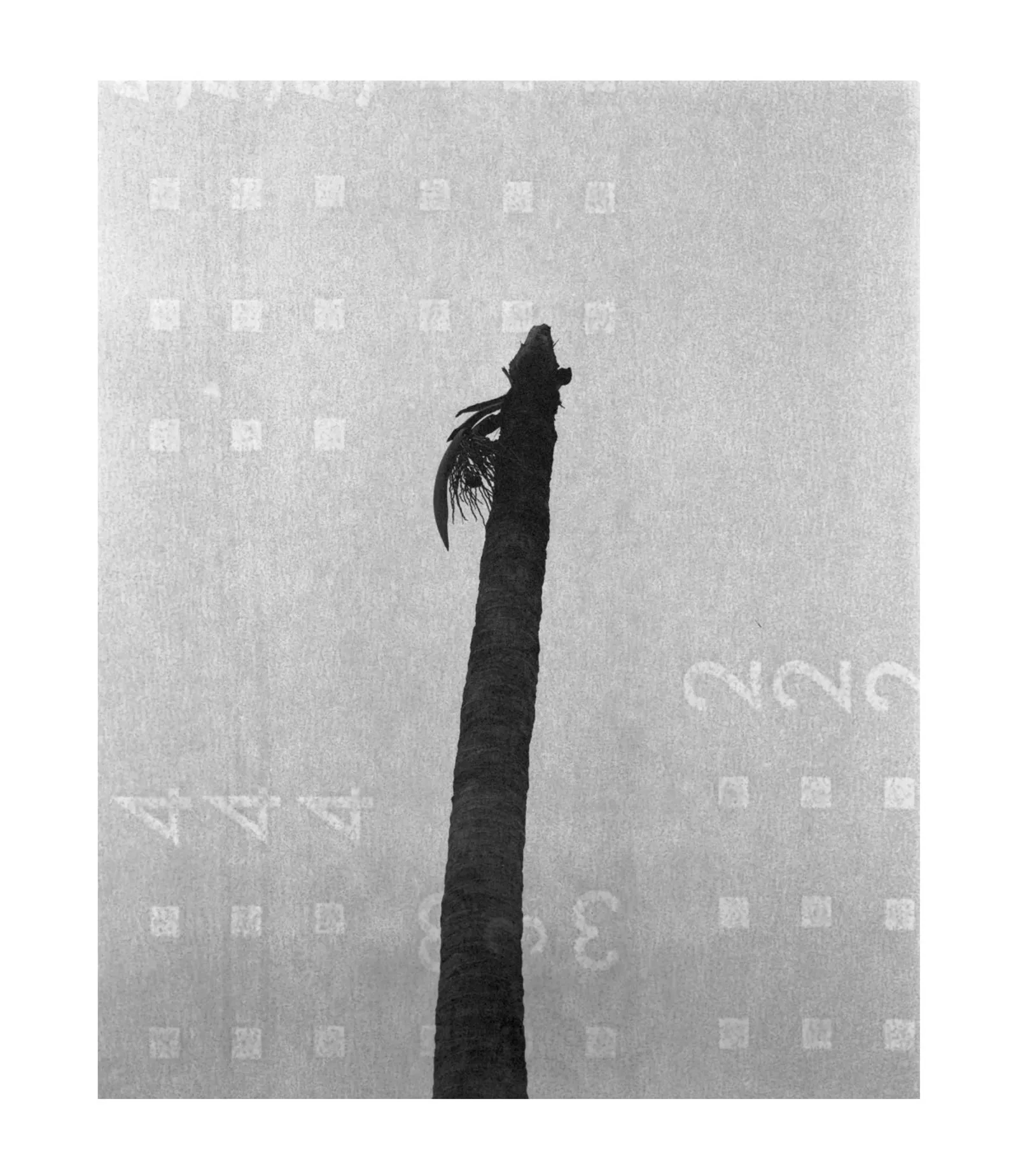 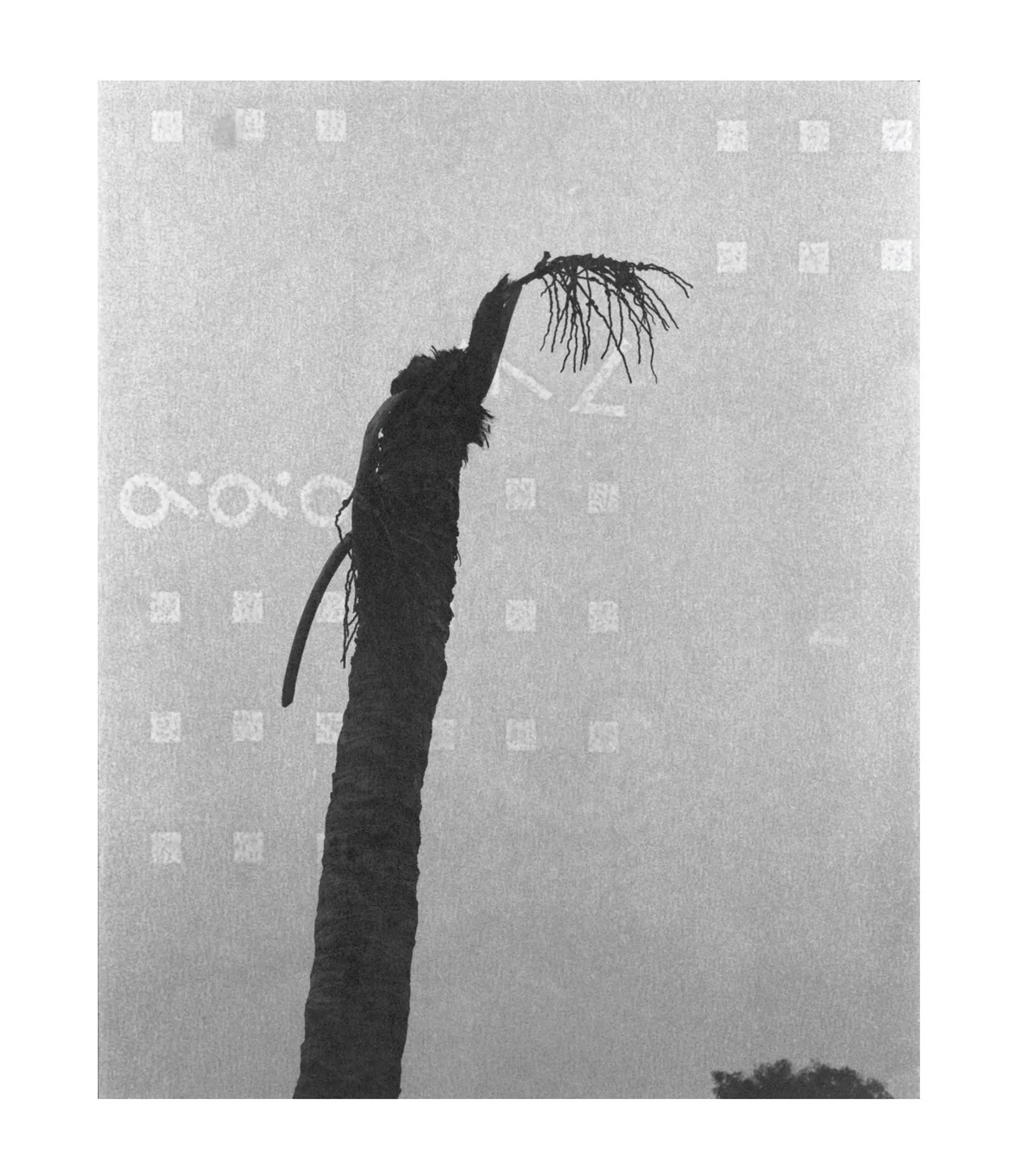 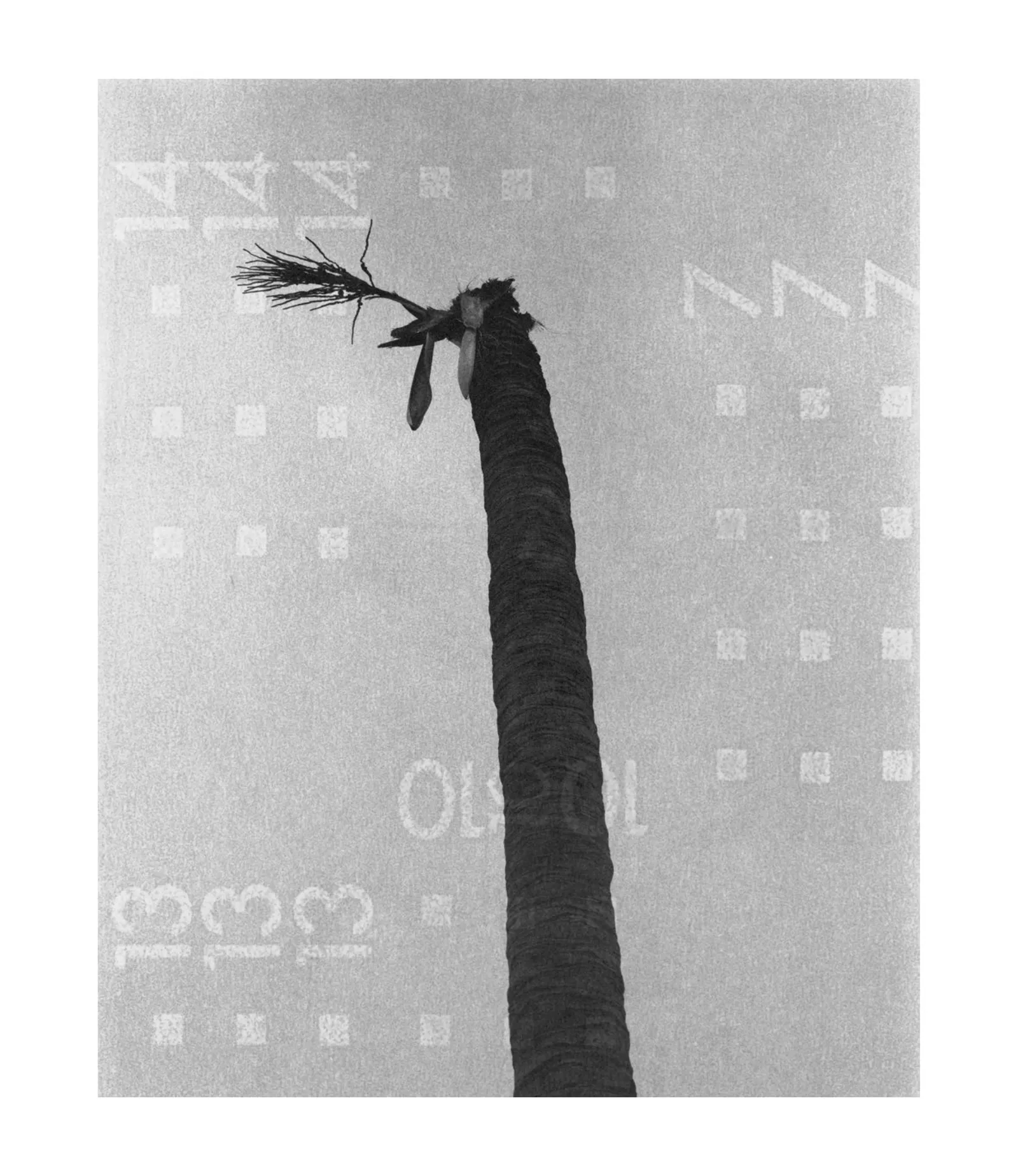 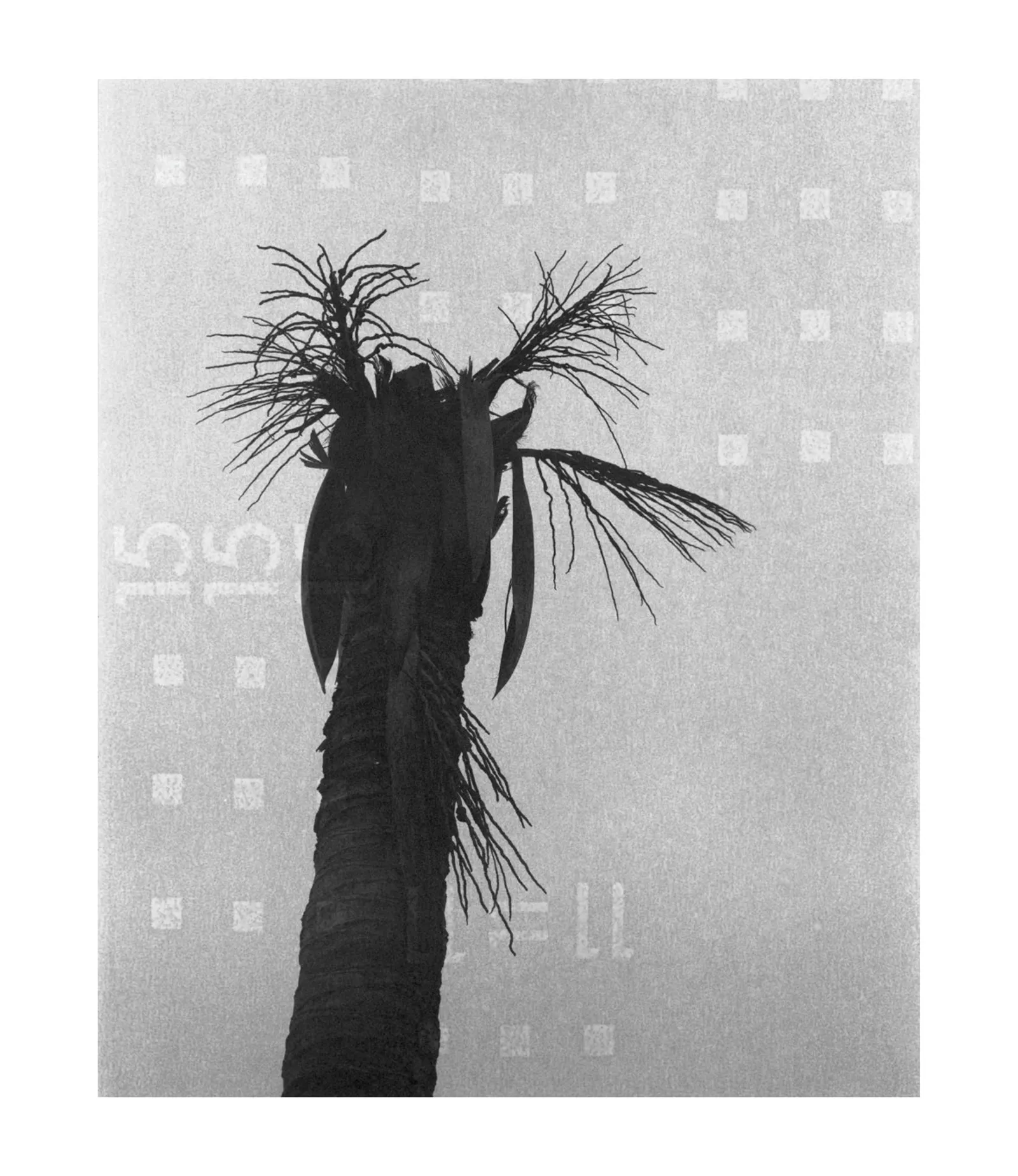 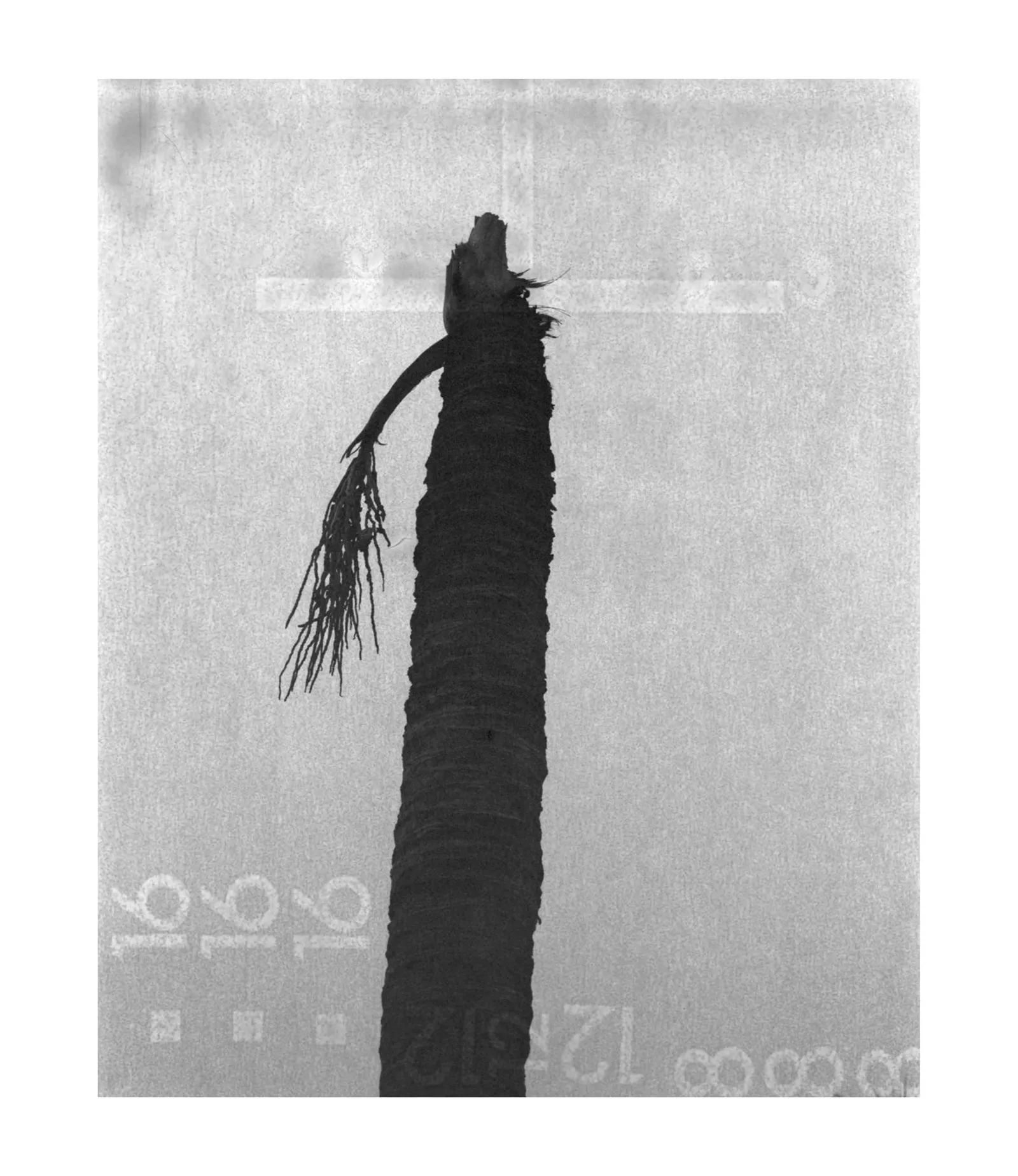 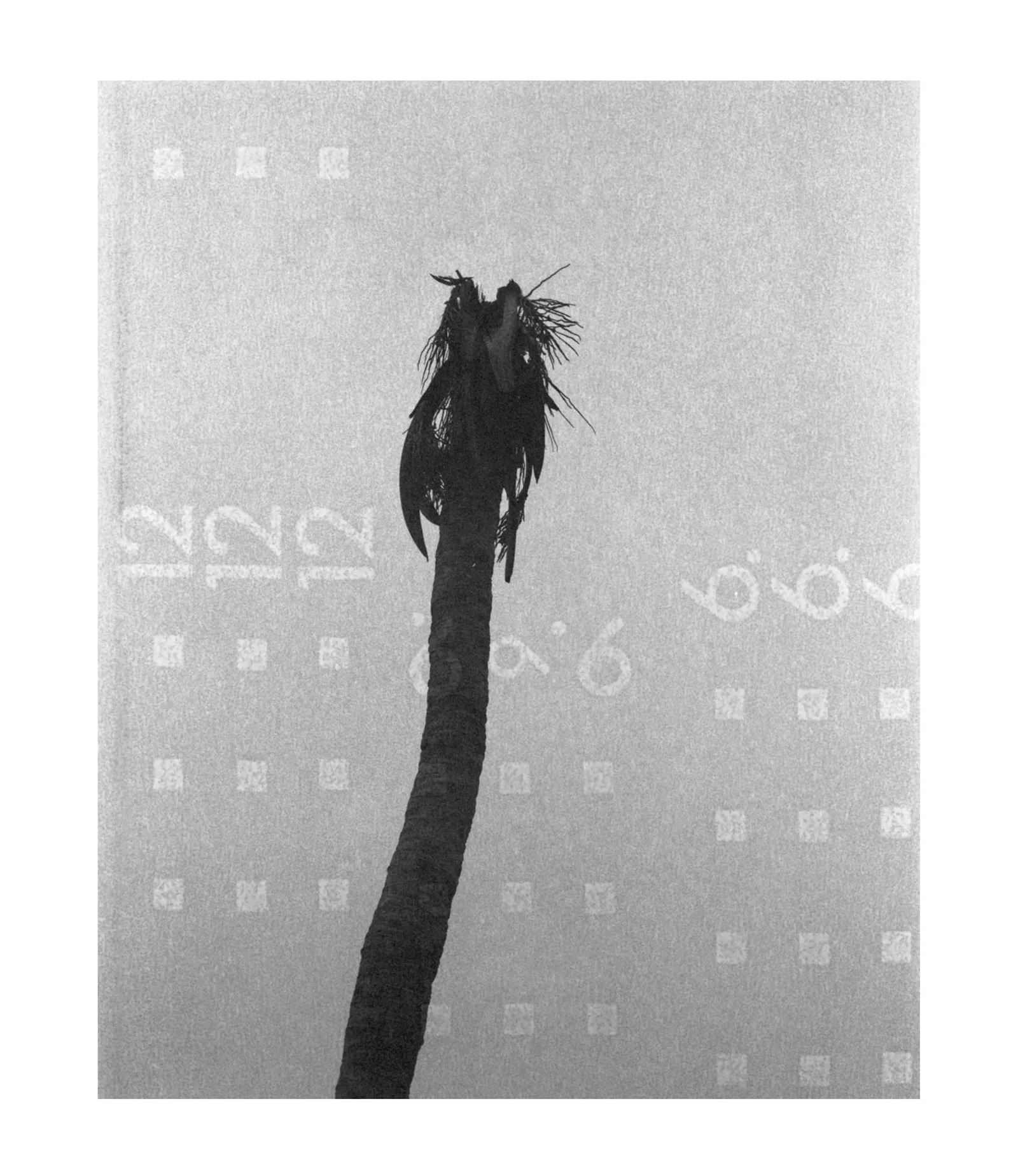 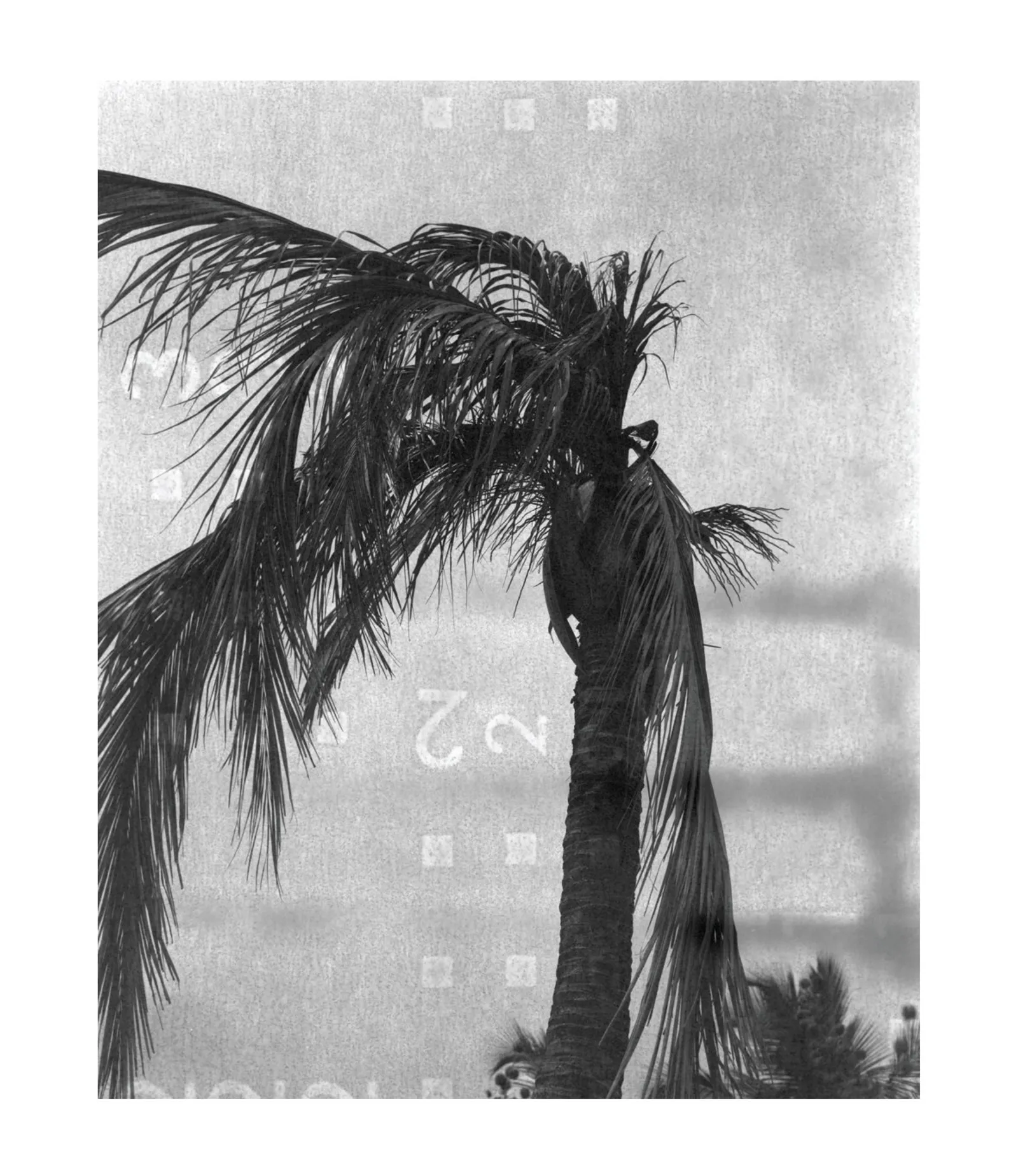 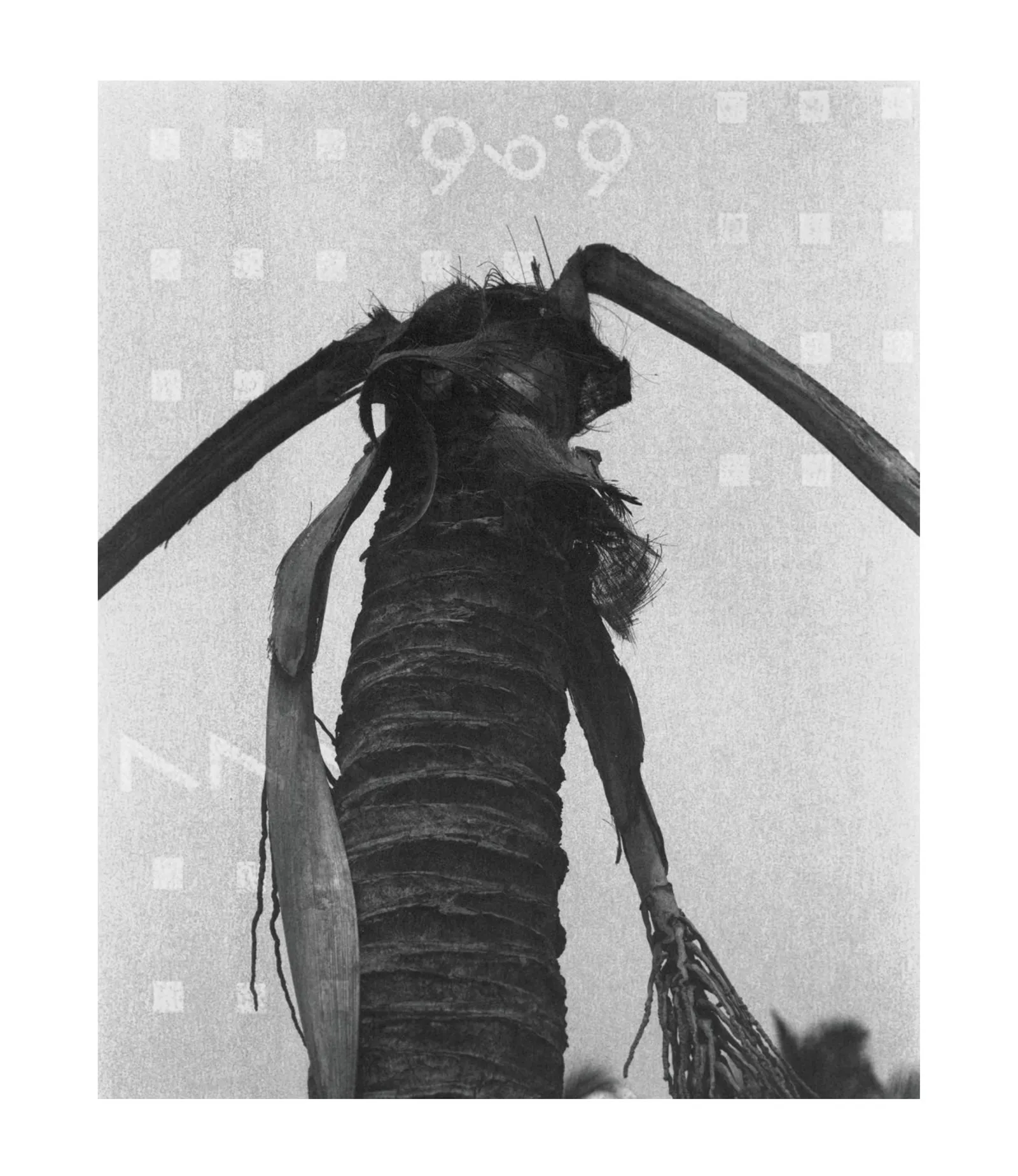 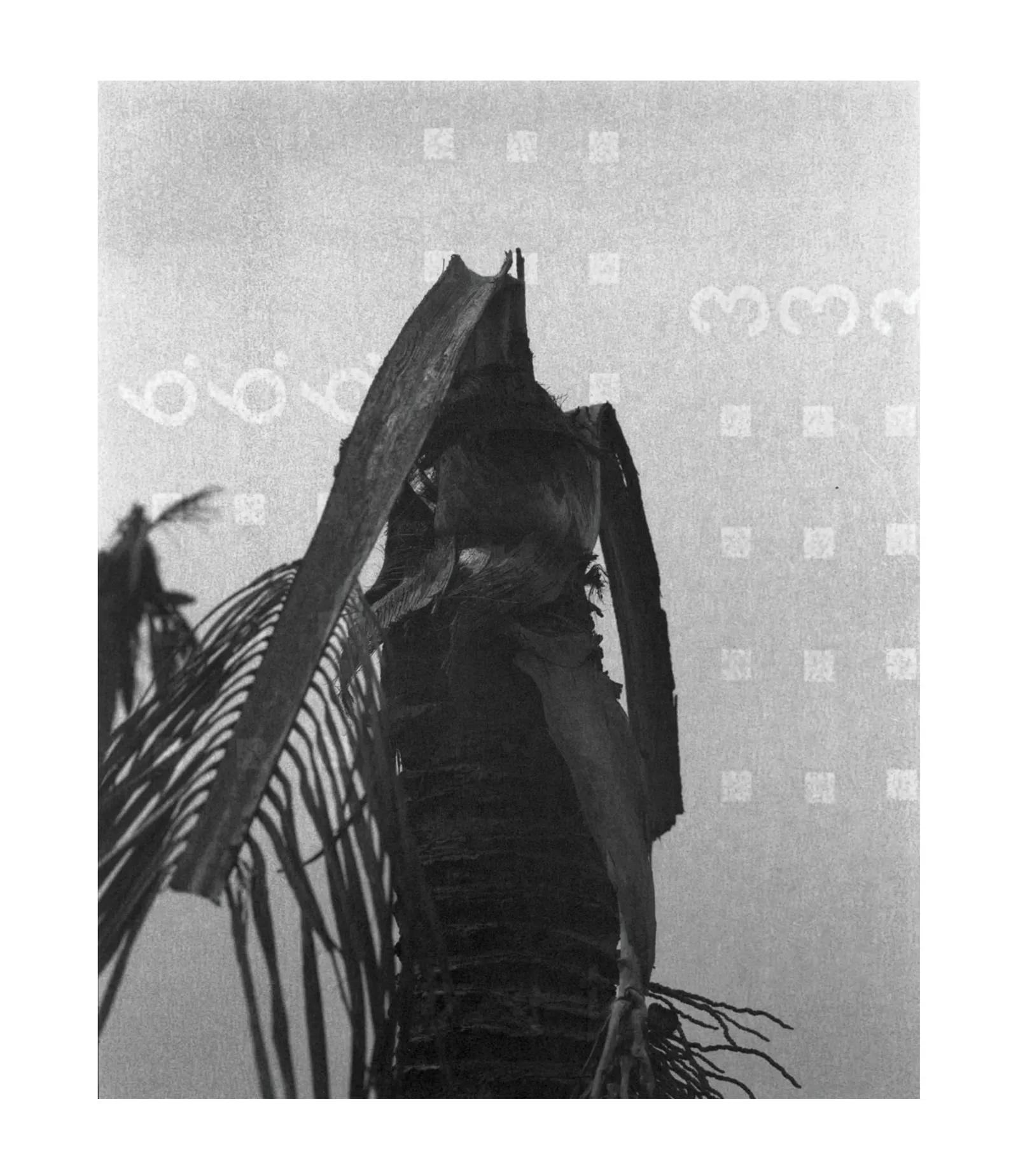 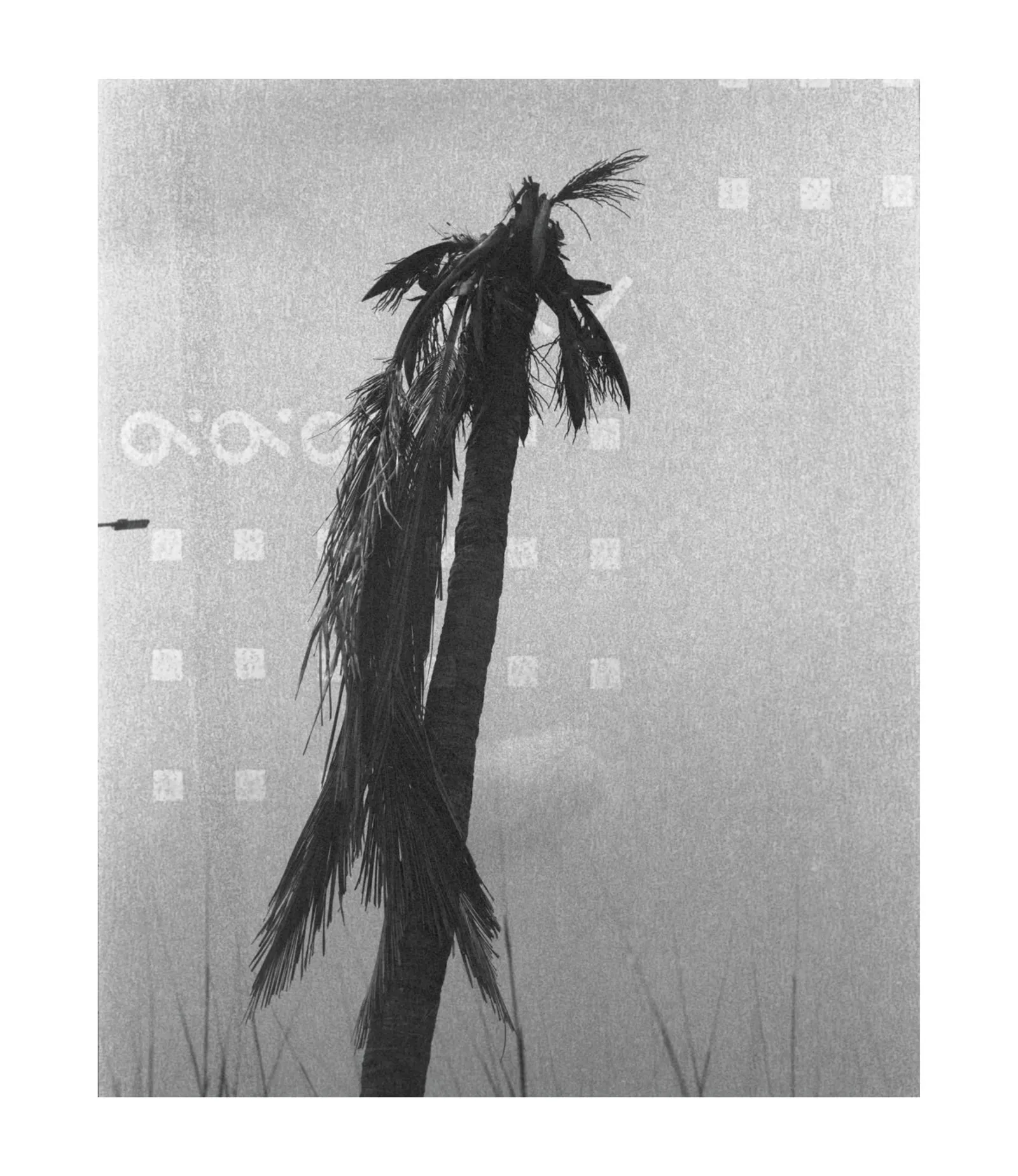 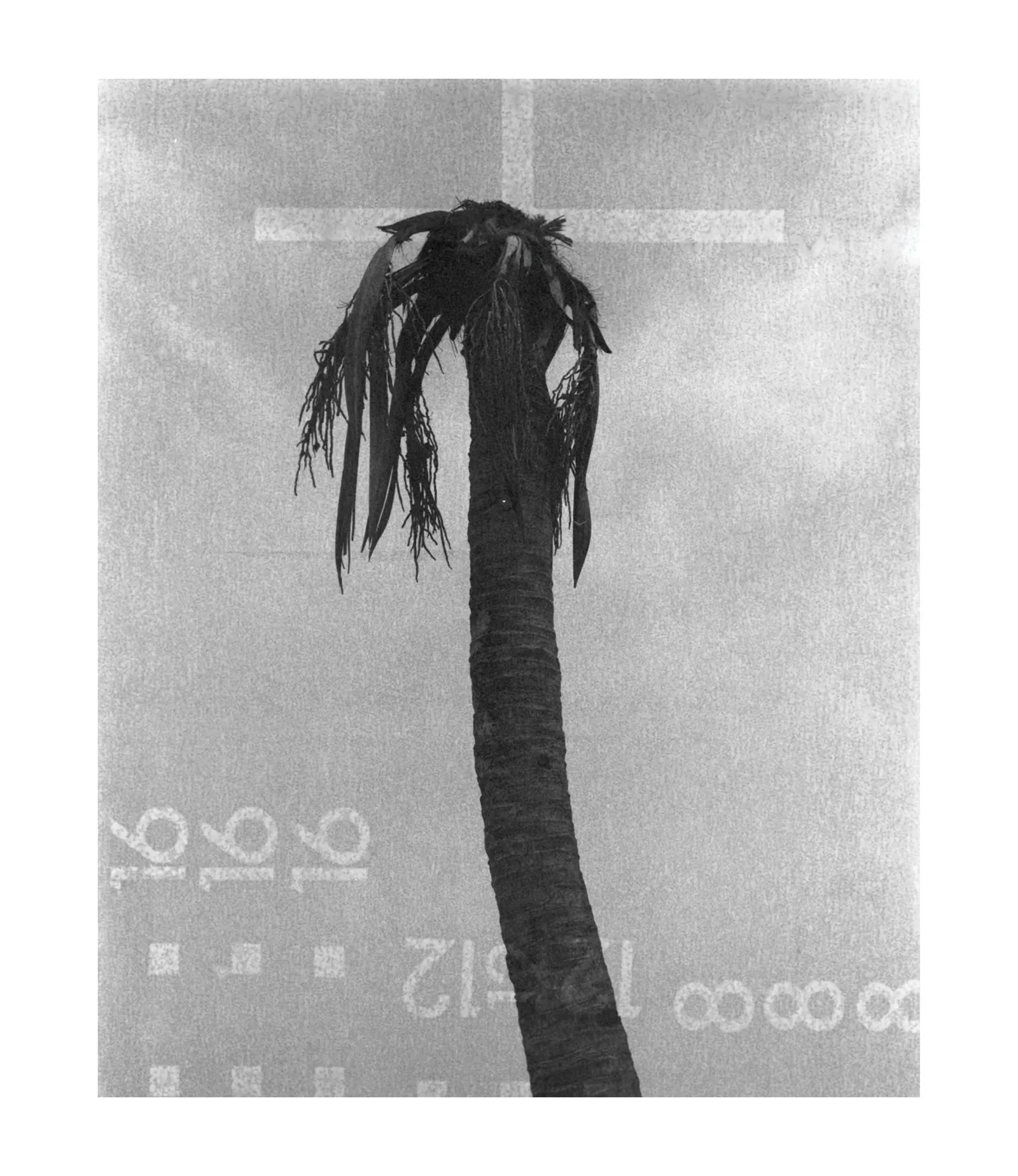 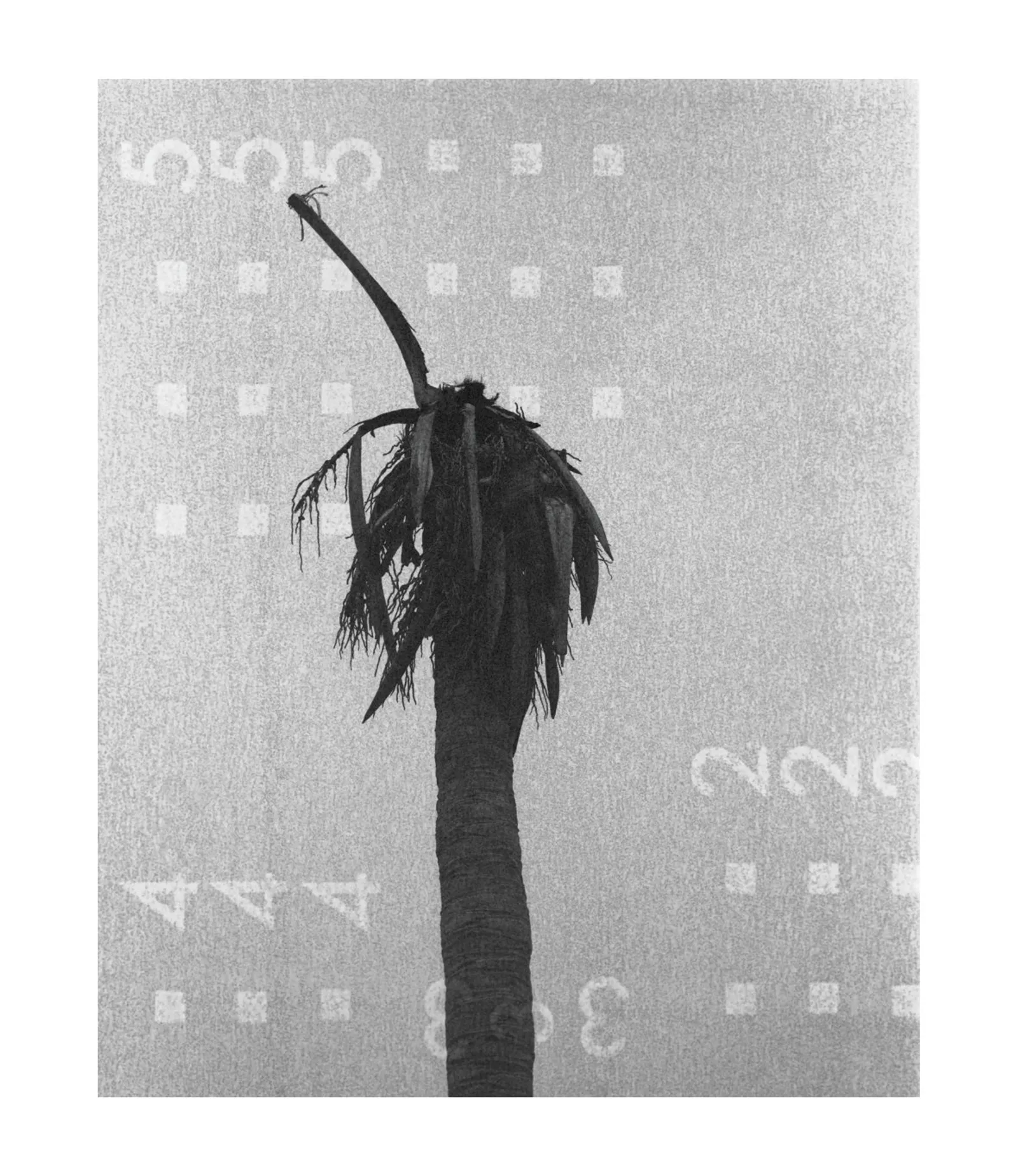 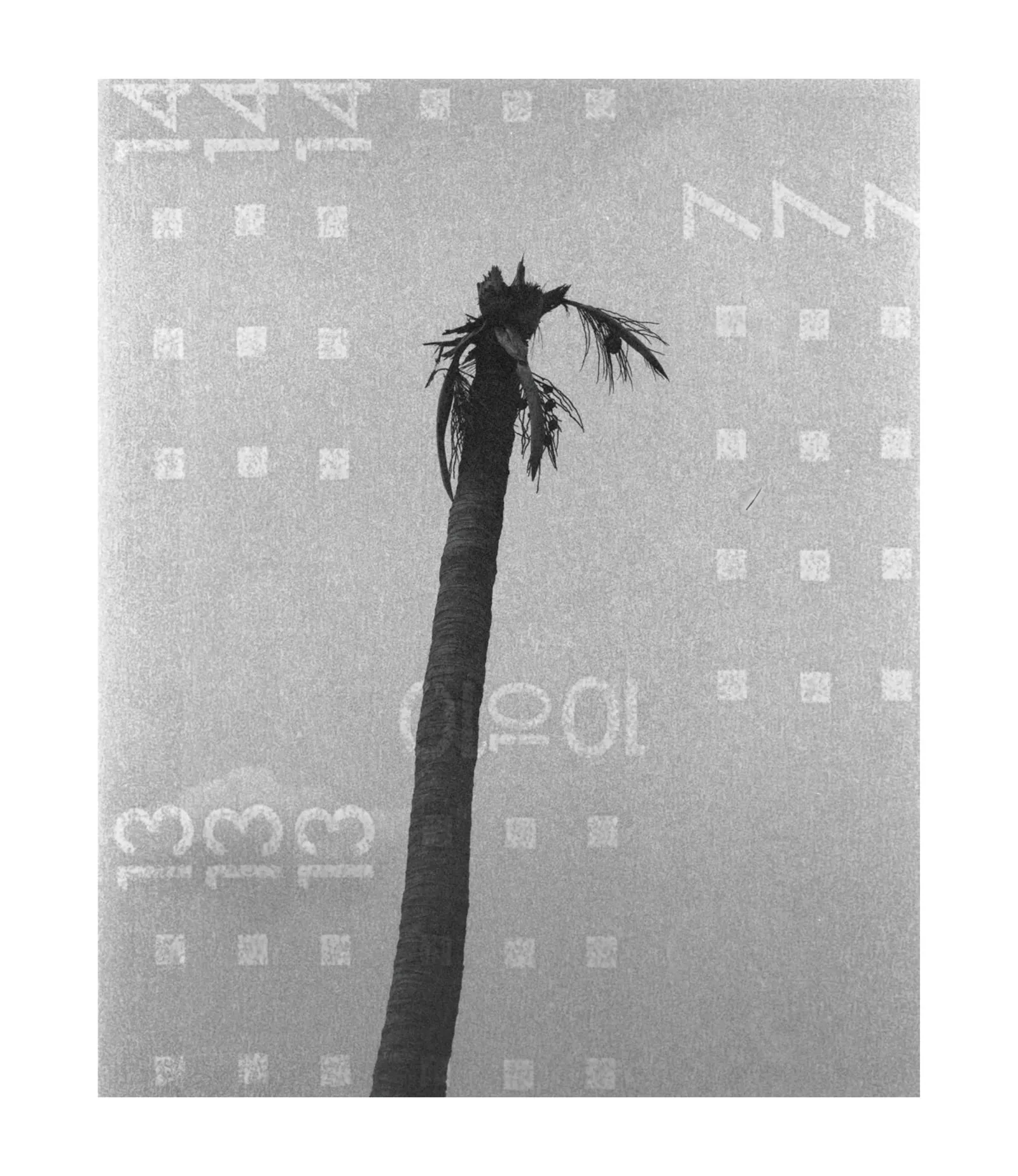 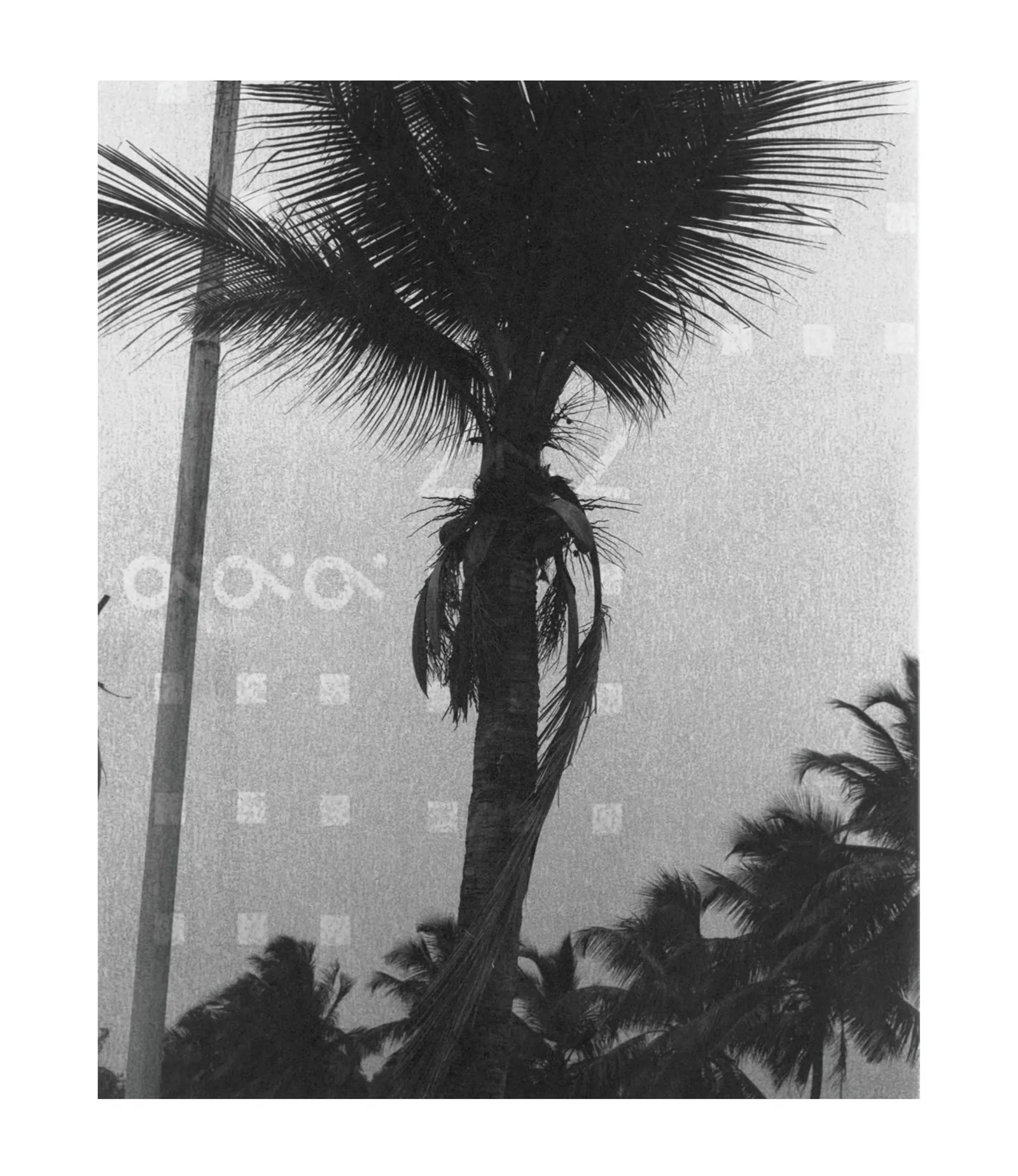 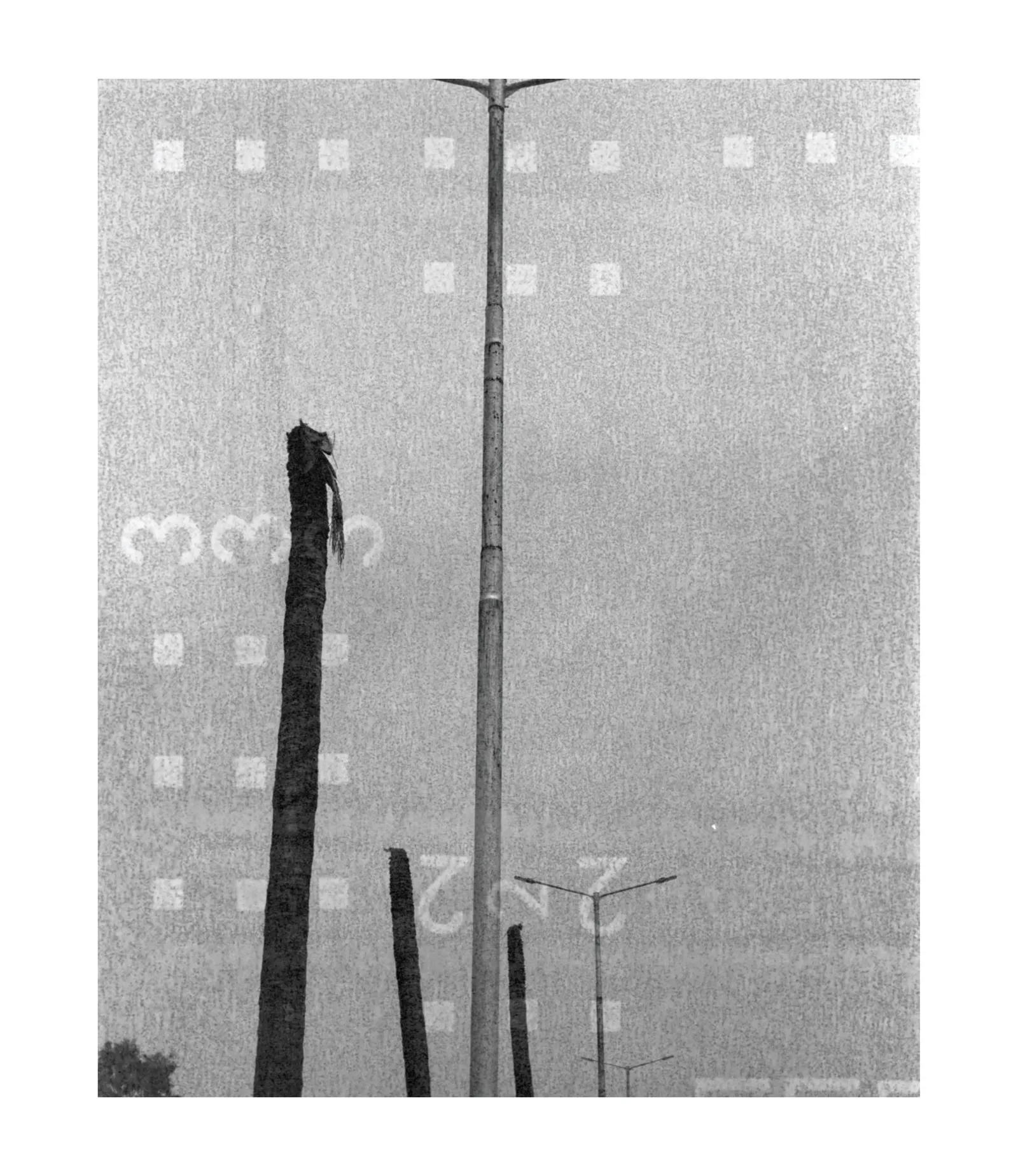 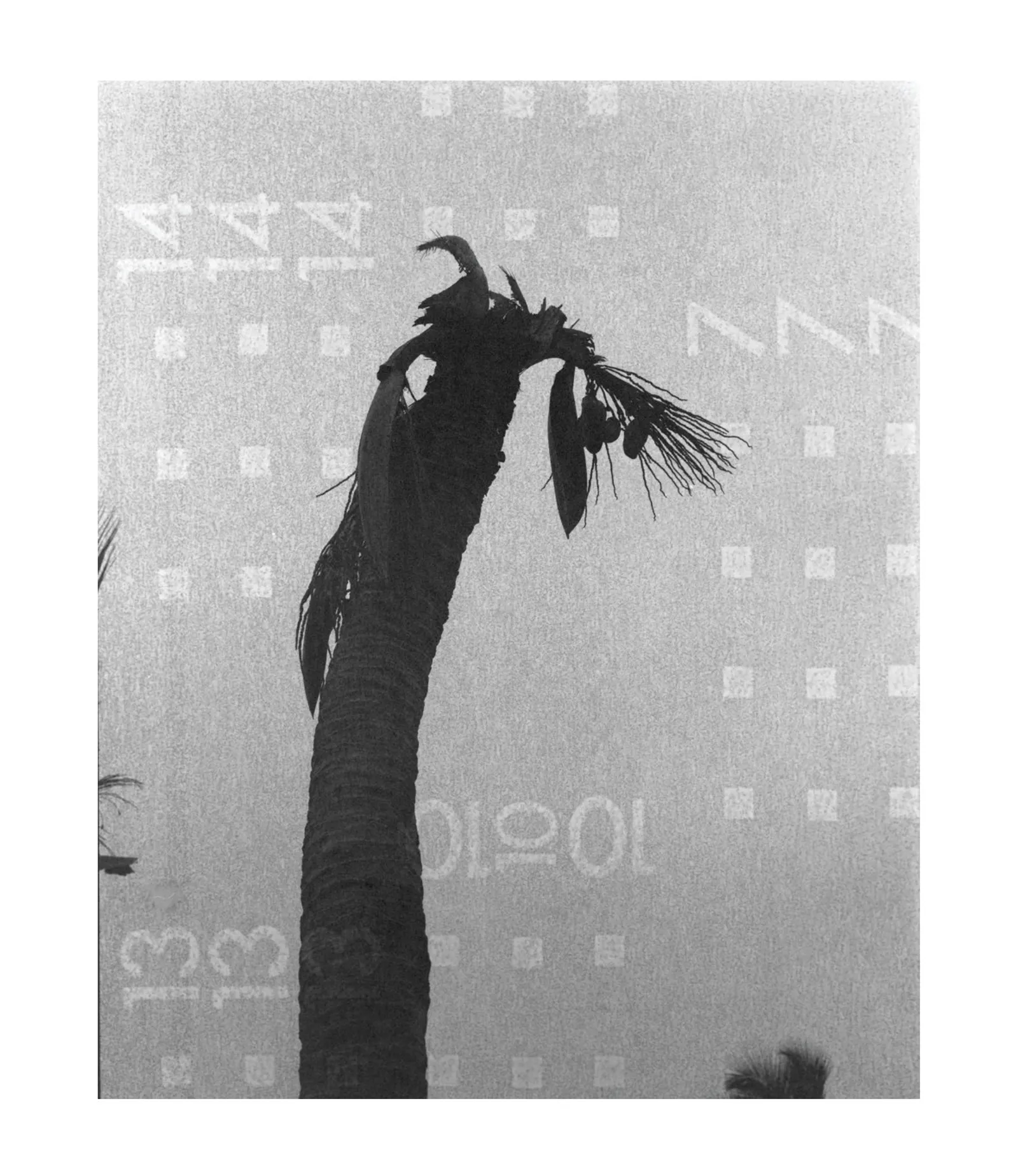 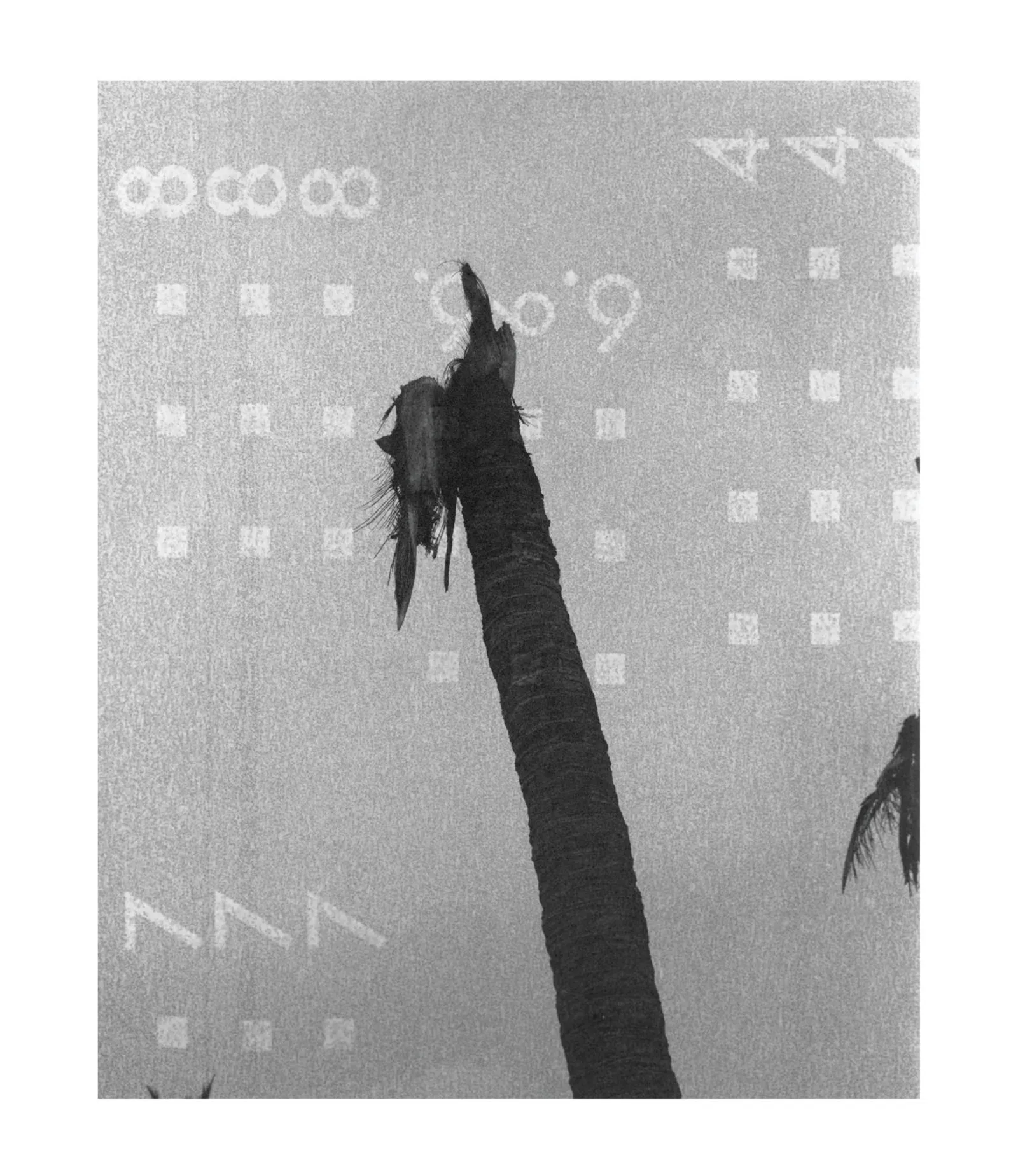 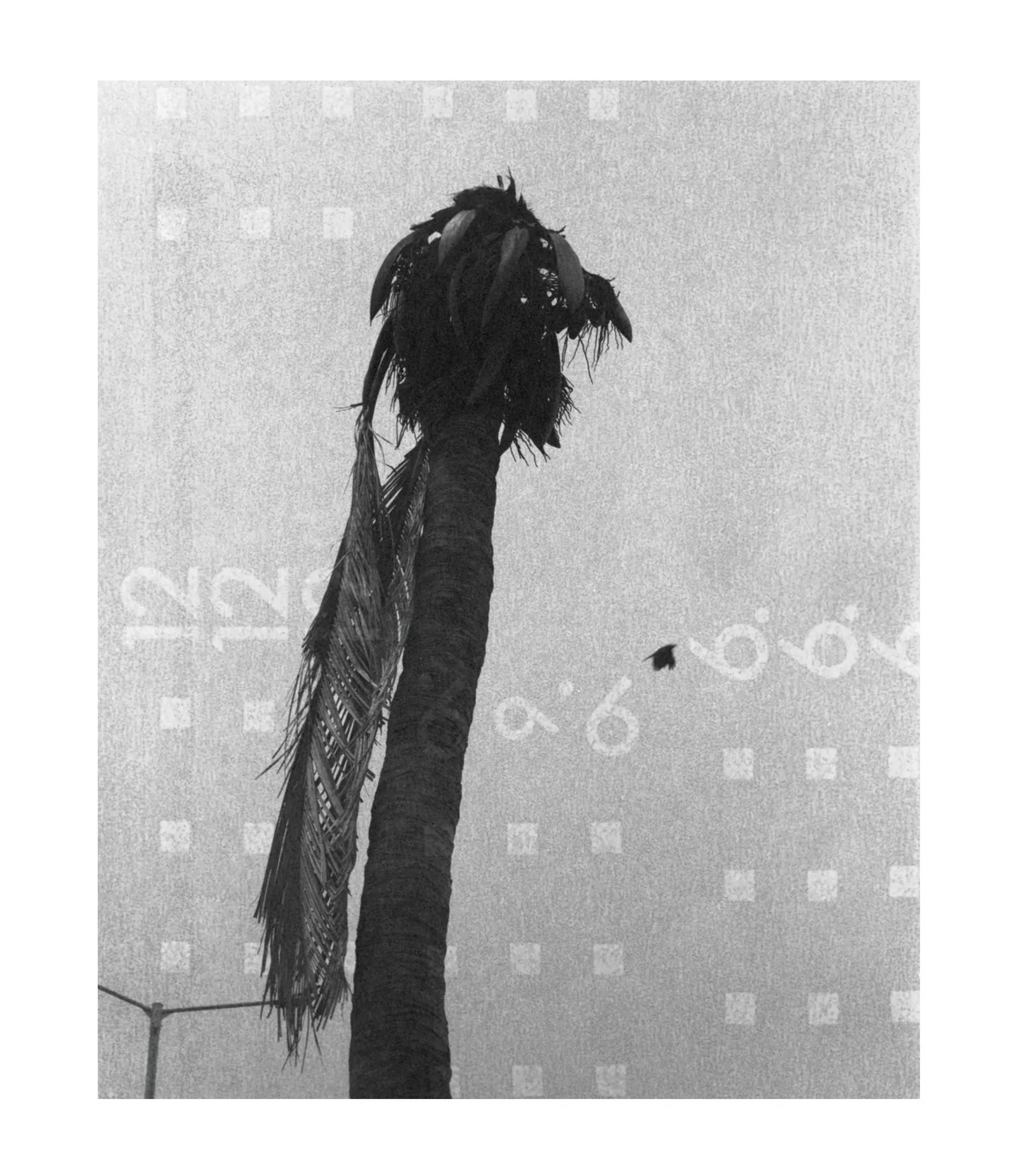 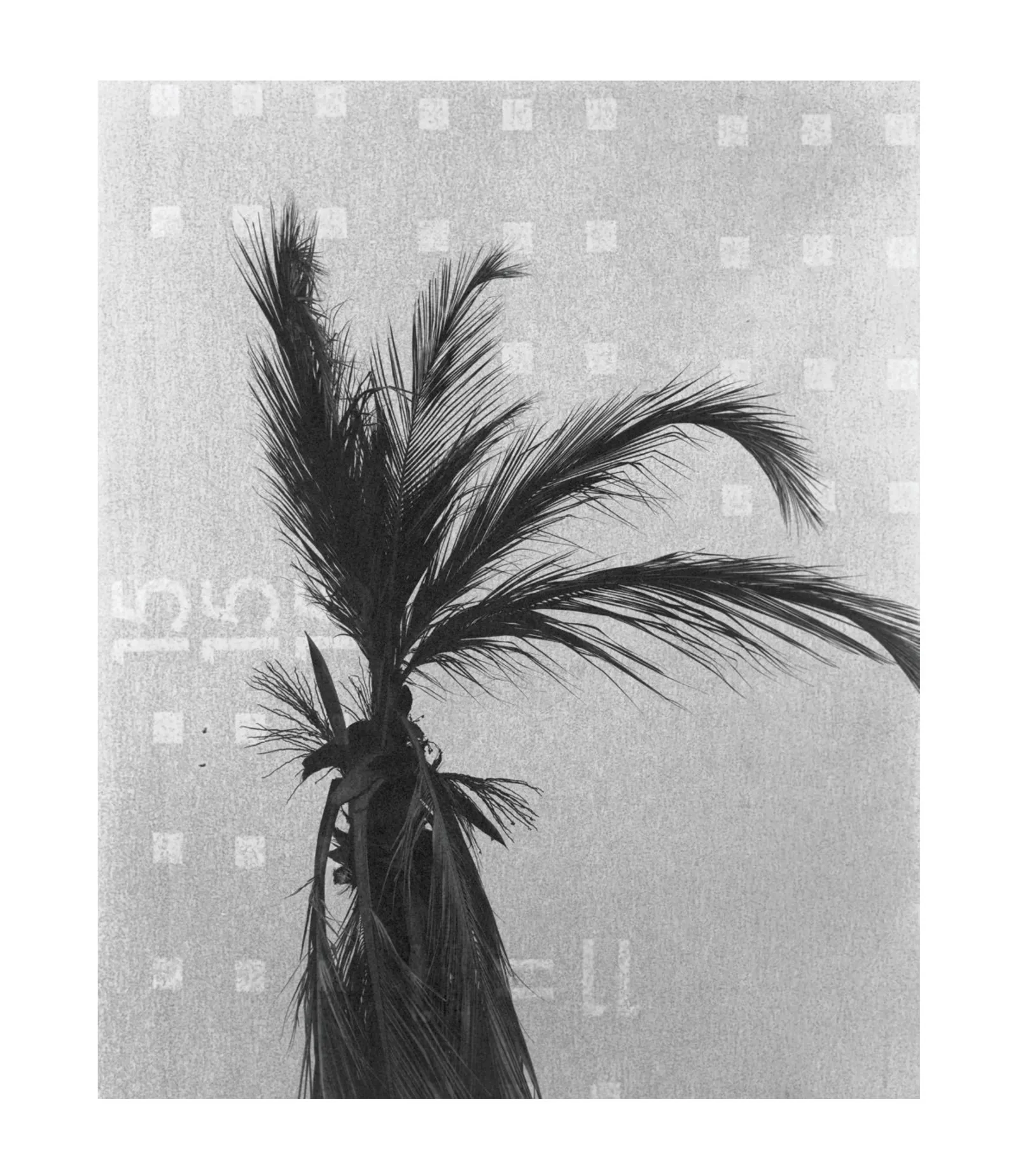 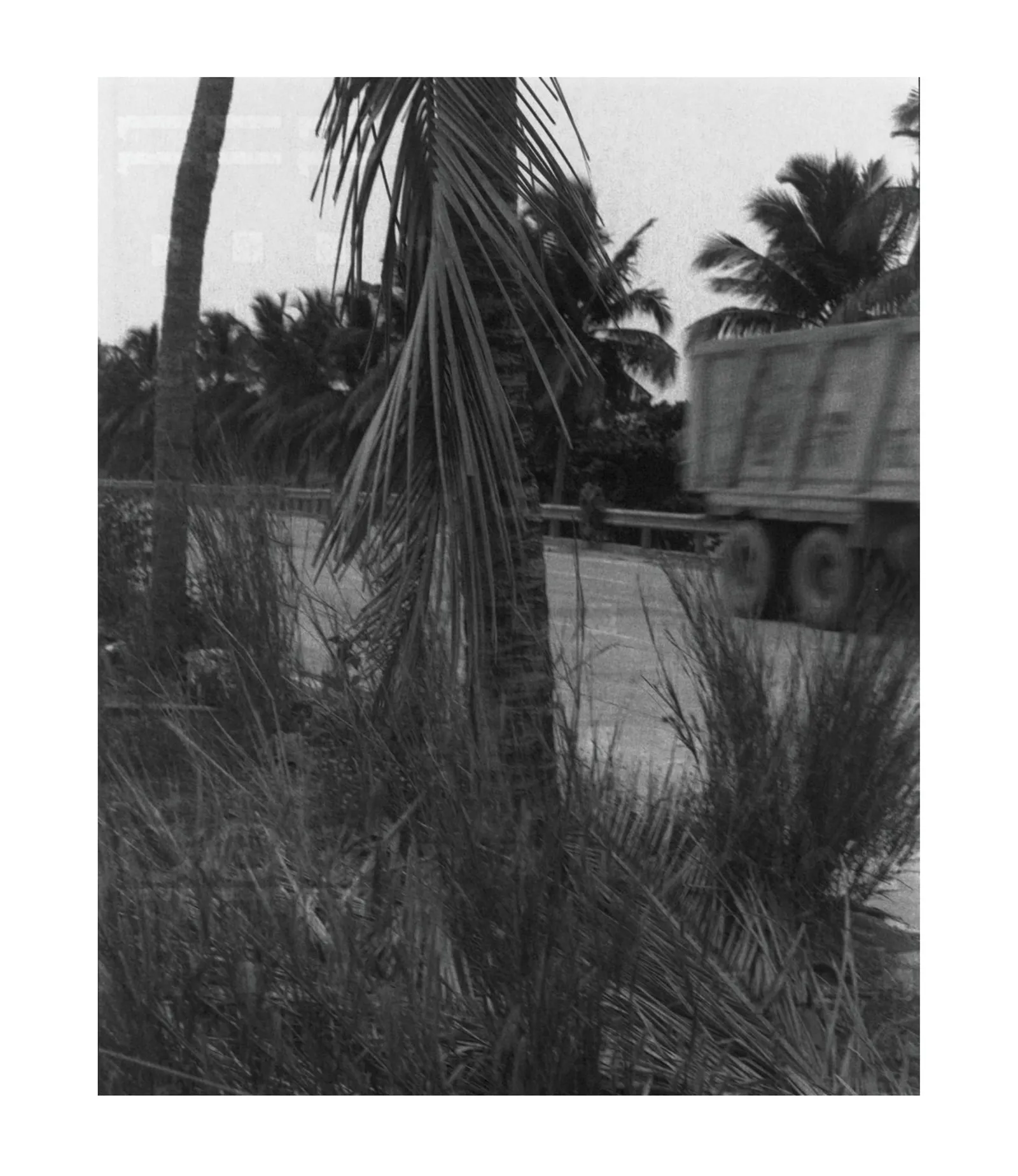 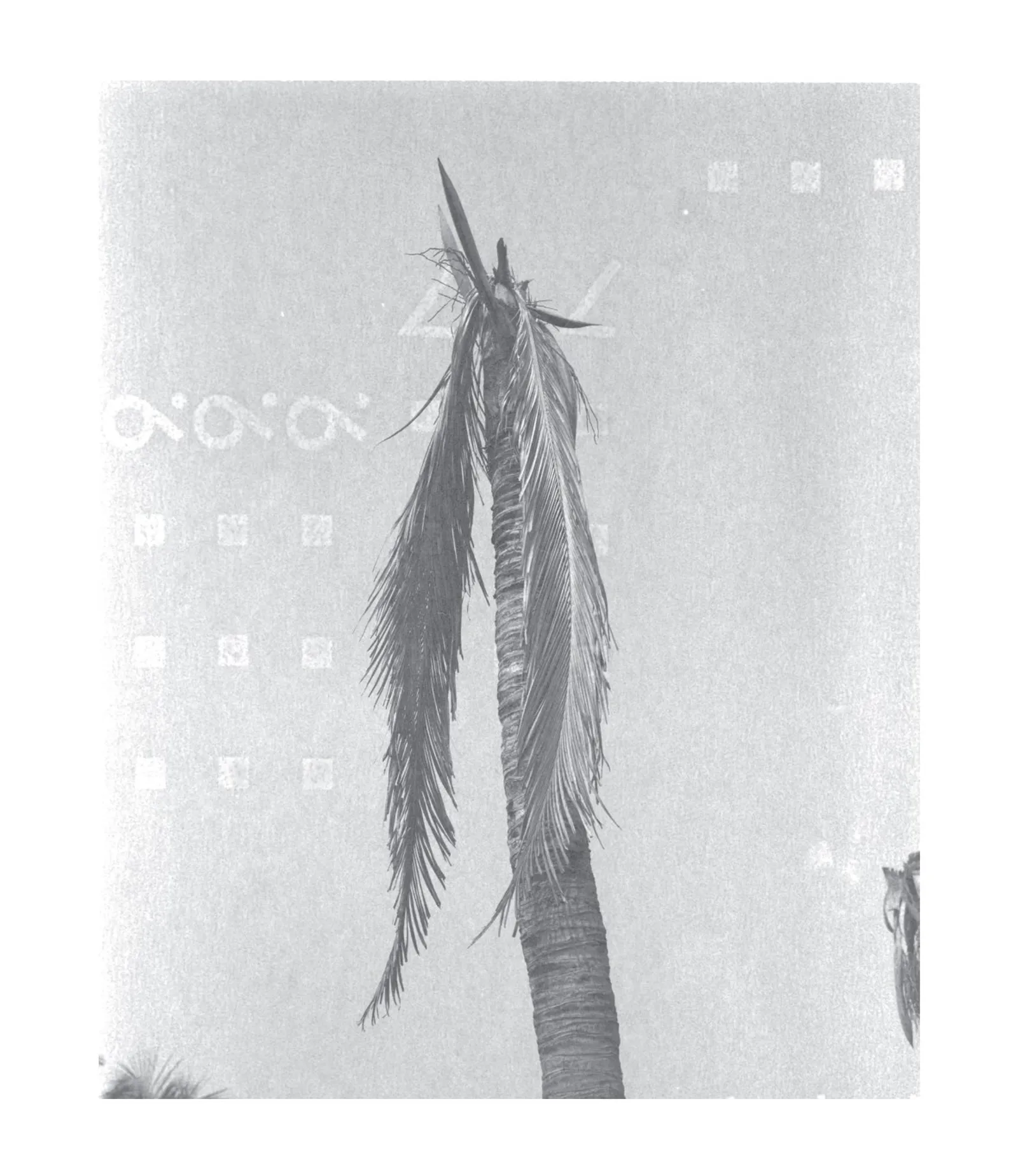 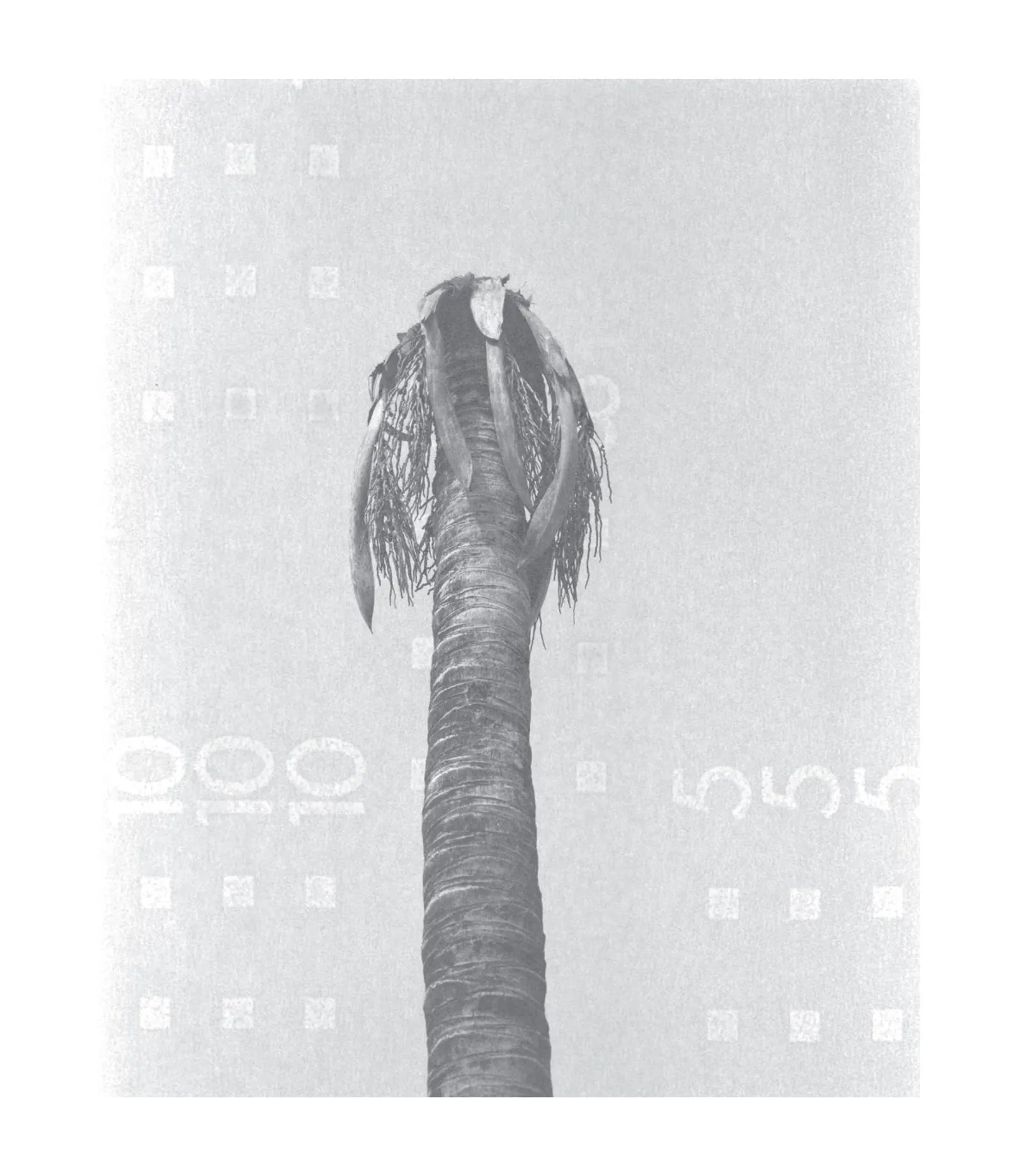 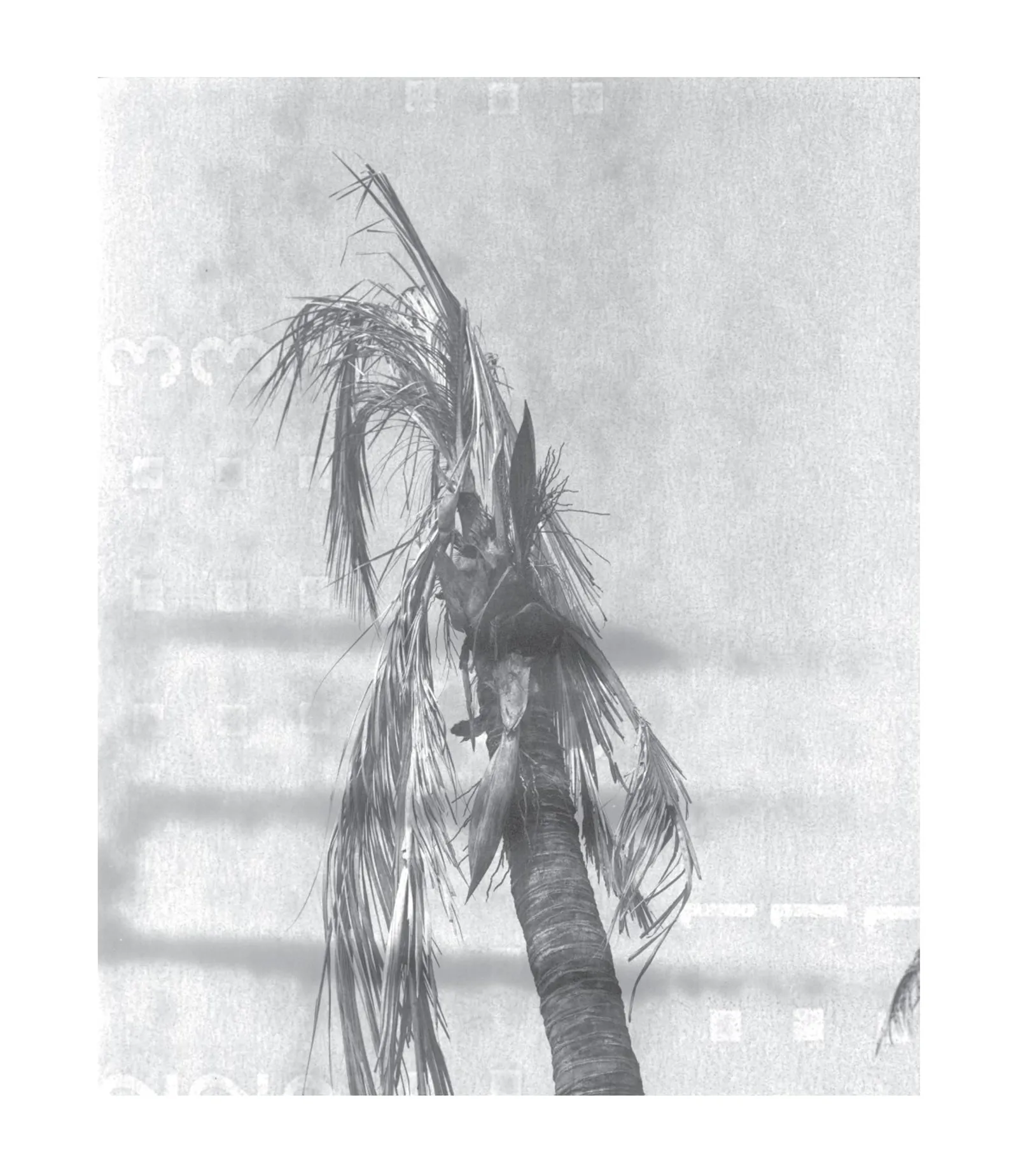 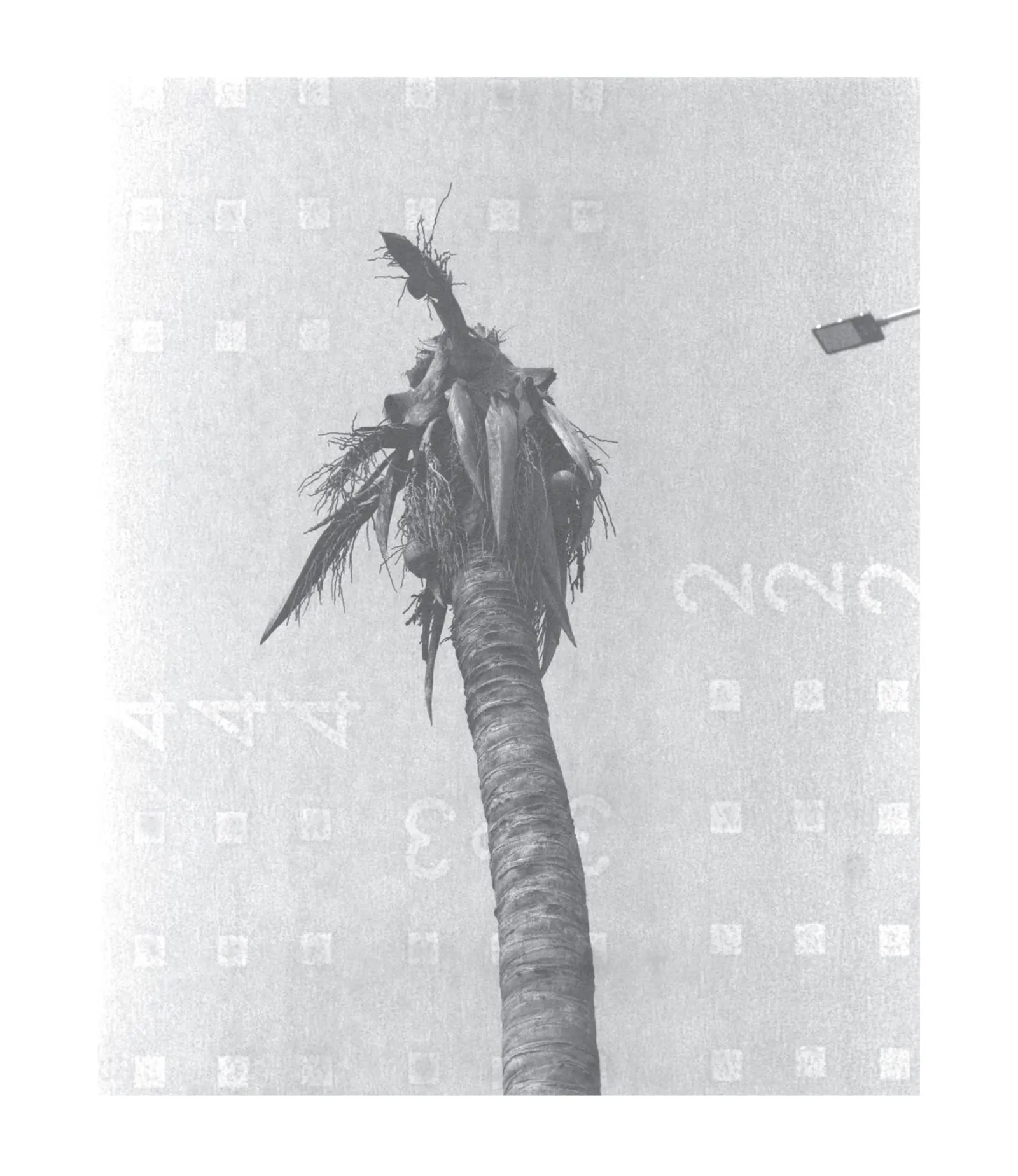 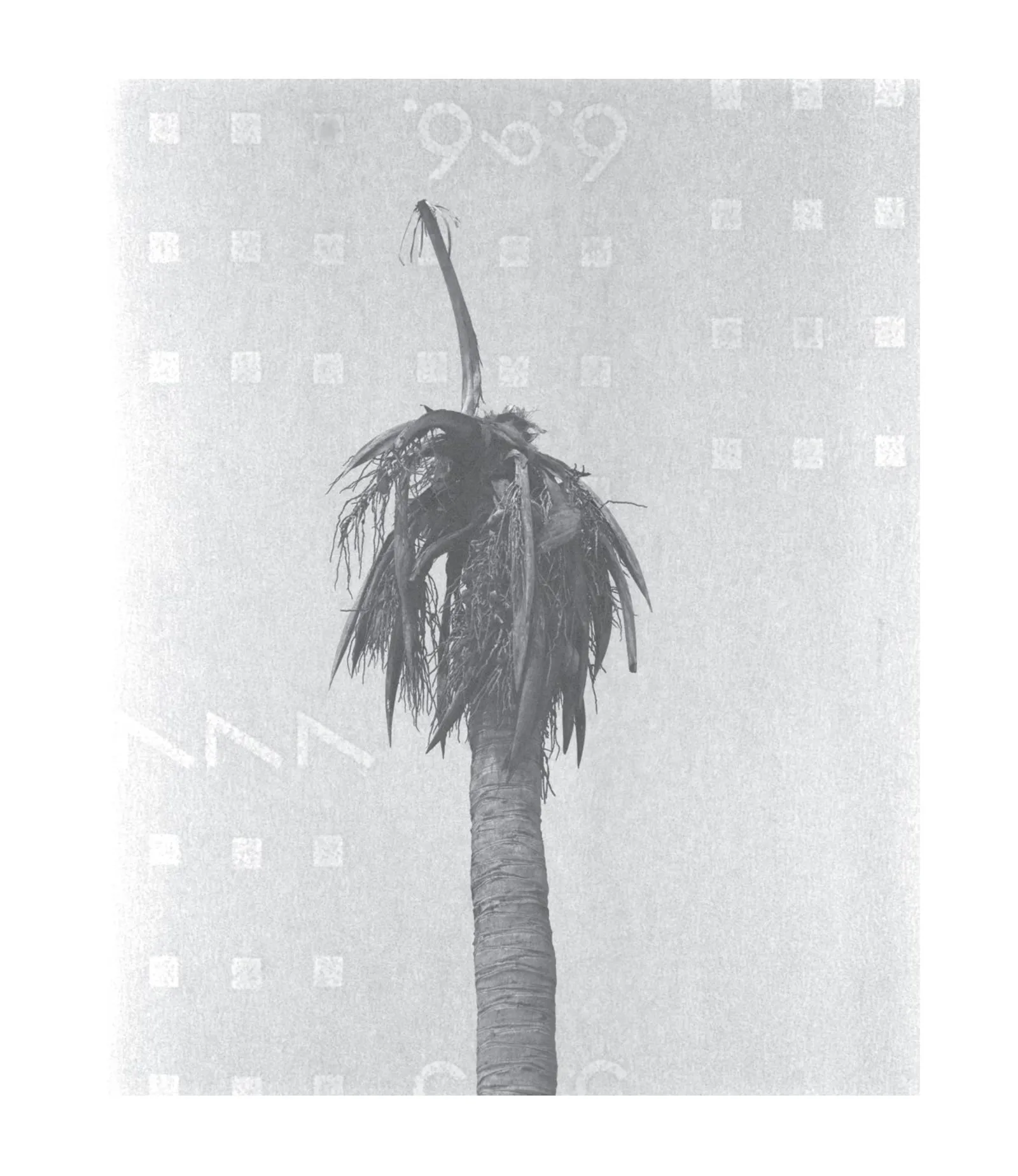 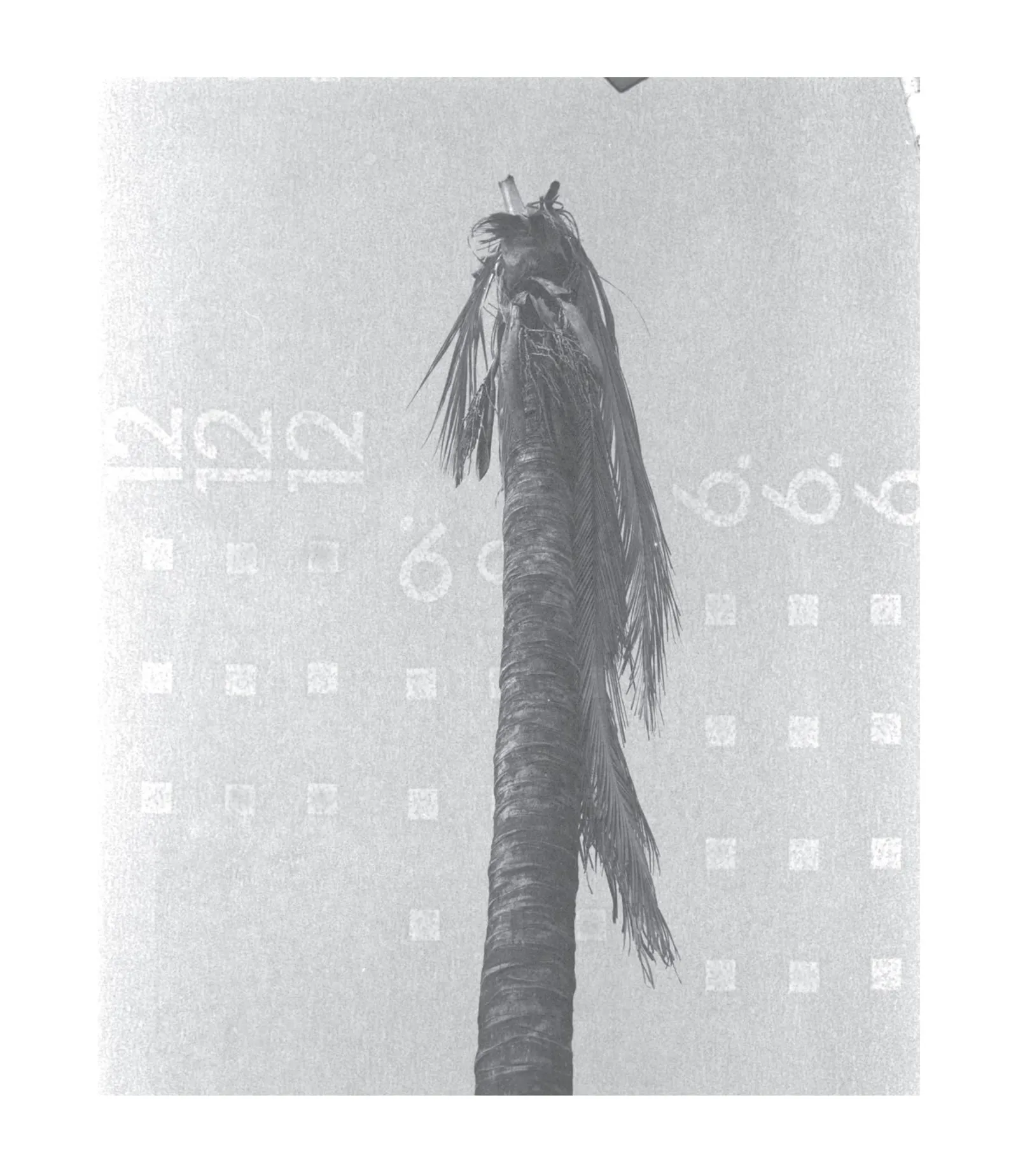 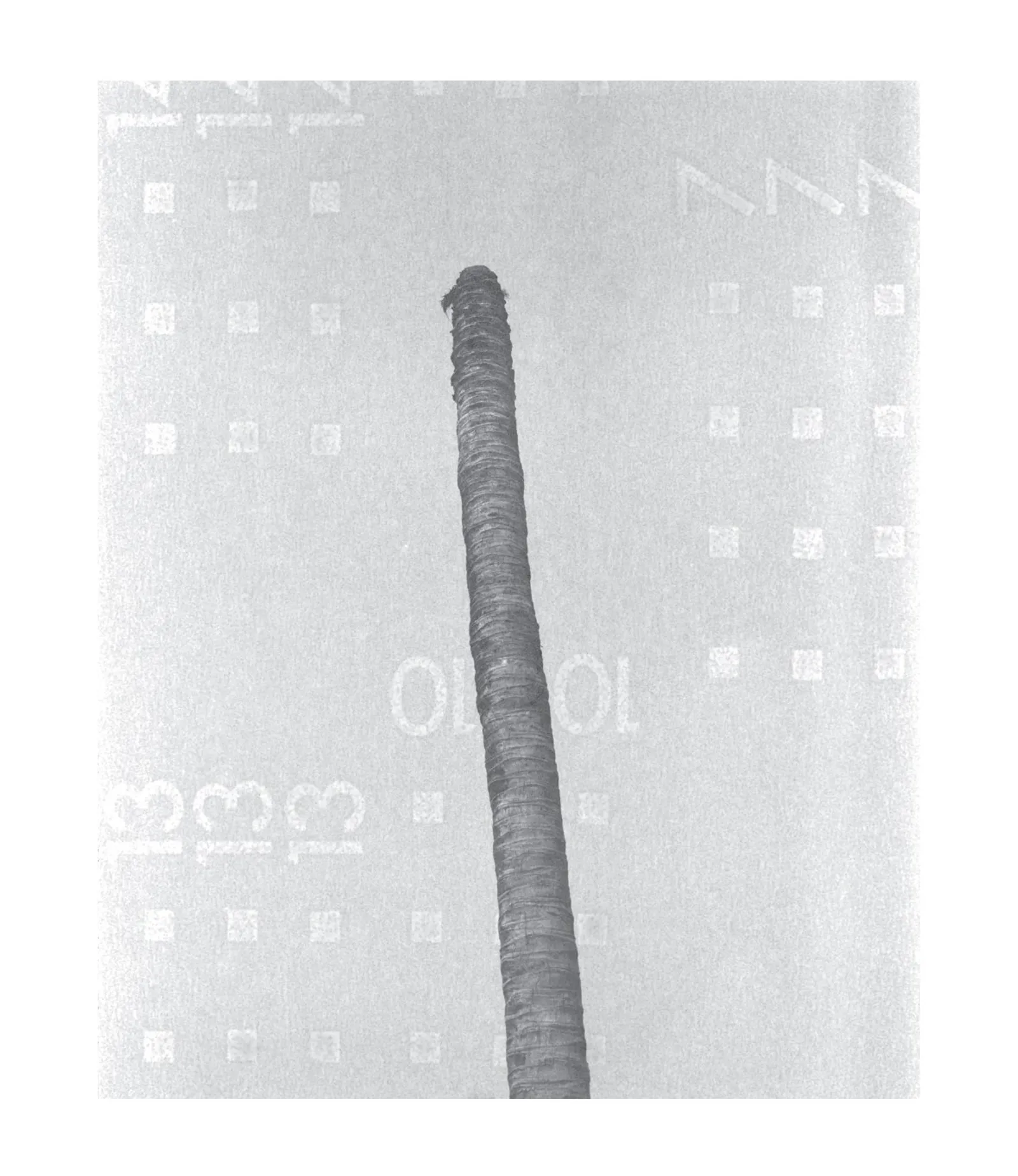 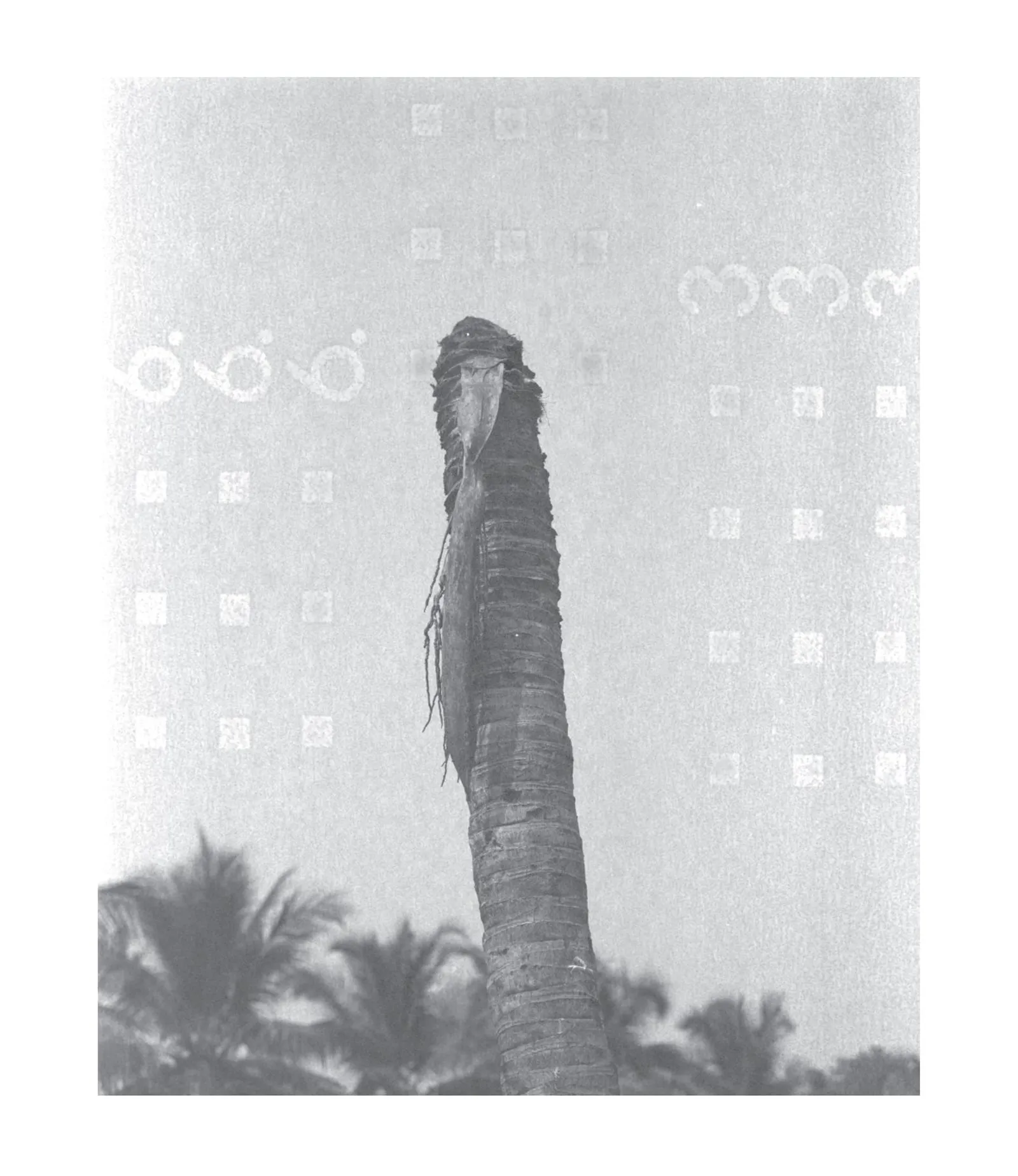 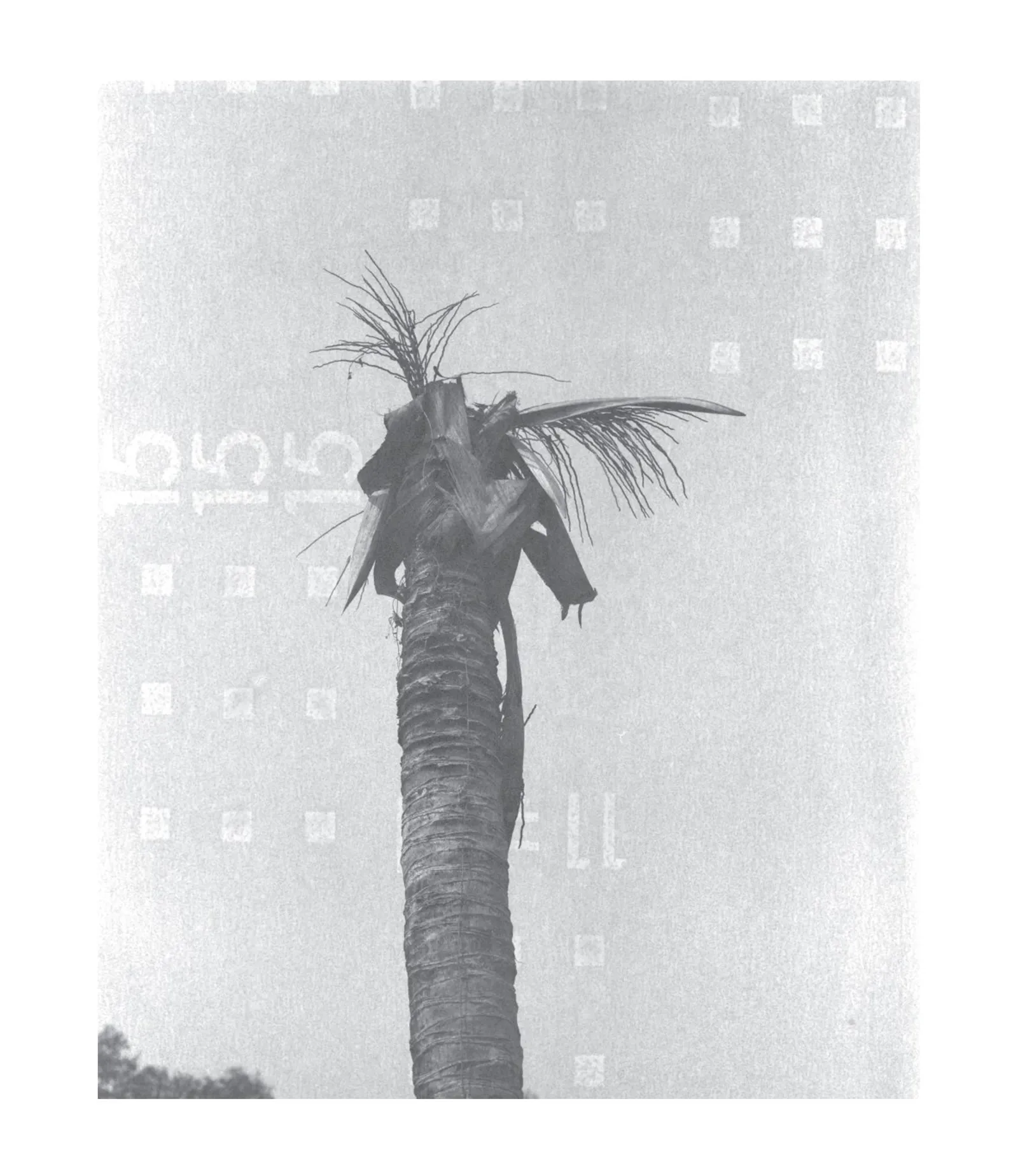 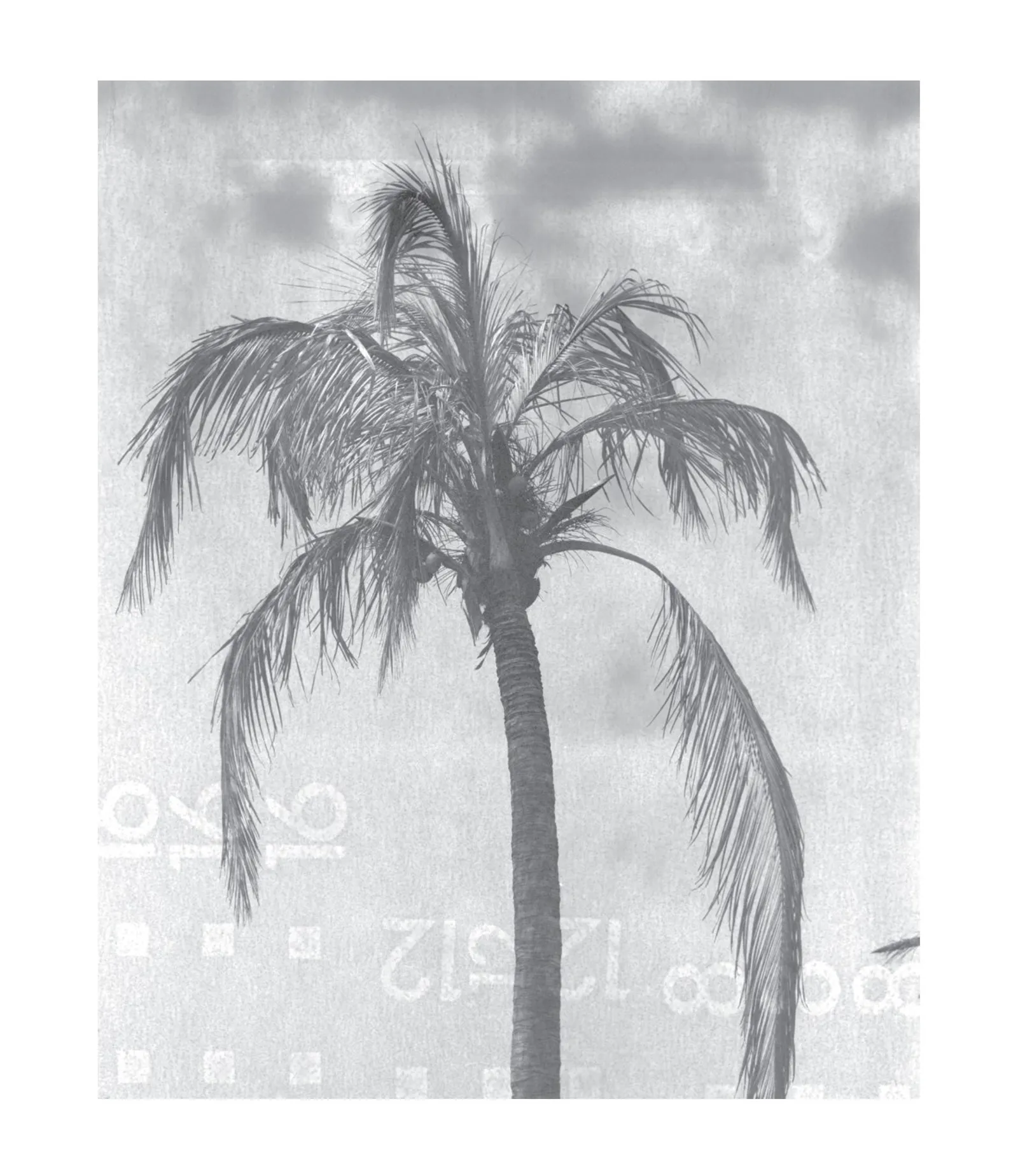  | |||
| 008 | Yak Shaving | 154 pp · 21 × 26 cm | 2020 |
| Yak shaving is a programmer’s term for the absurd chain of detours between you and the thing you actually meant to do. To fix one bug you must update a library, which wants a newer tool, which needs a setting you don’t have, and an afternoon later you are, figuratively, shaving a yak, with no clear memory of why you started. This book is assembled the same way. A hundred and fifty-four photographs follow one another by association rather than argument, each frame a tangent off the last, the original subject forever deferred. It reads as a picture of how a life accumulates: by digression rather than plan, one small necessary task opening onto the next, until the sum of the detours turns out to have been the work all along. Not for sale 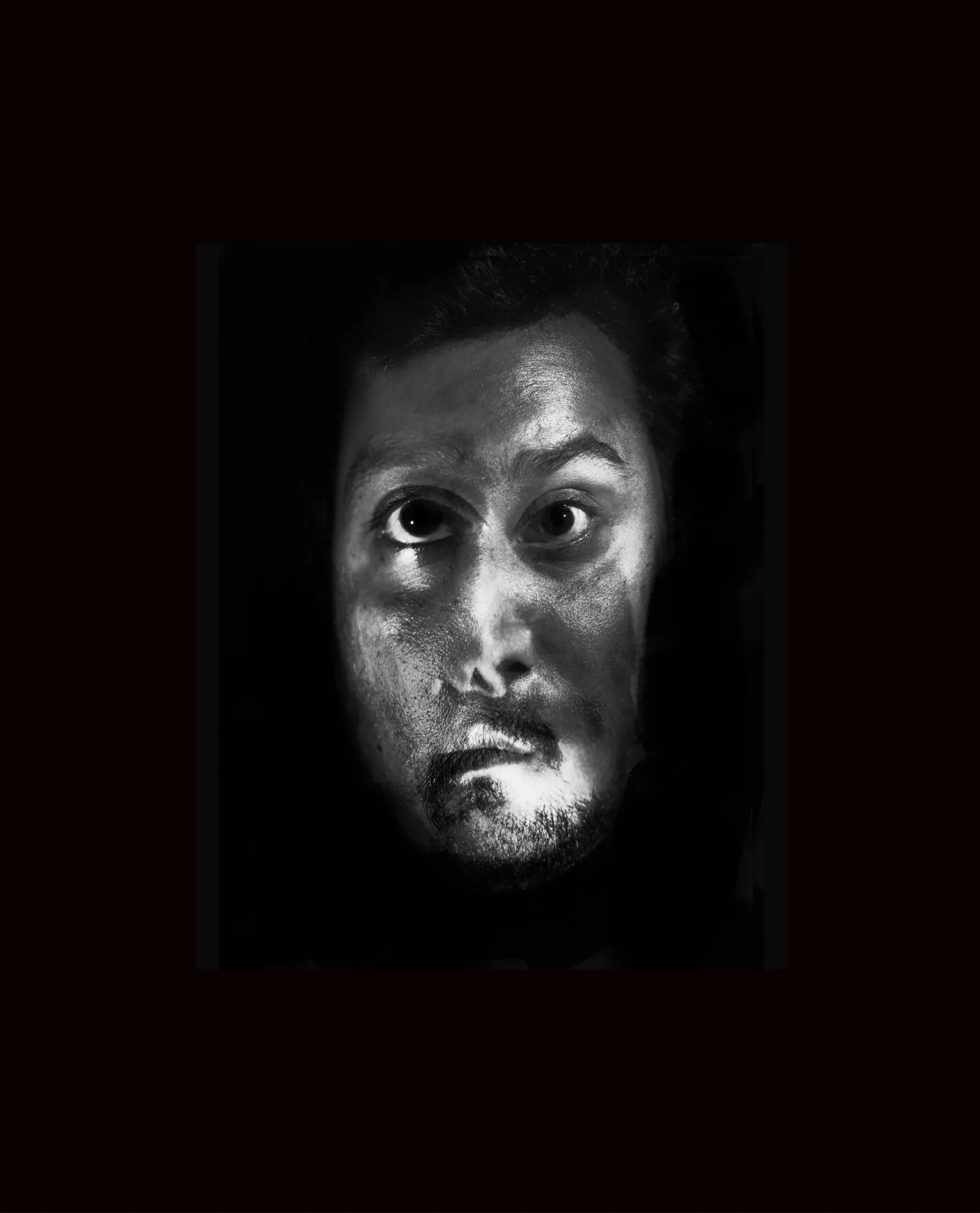  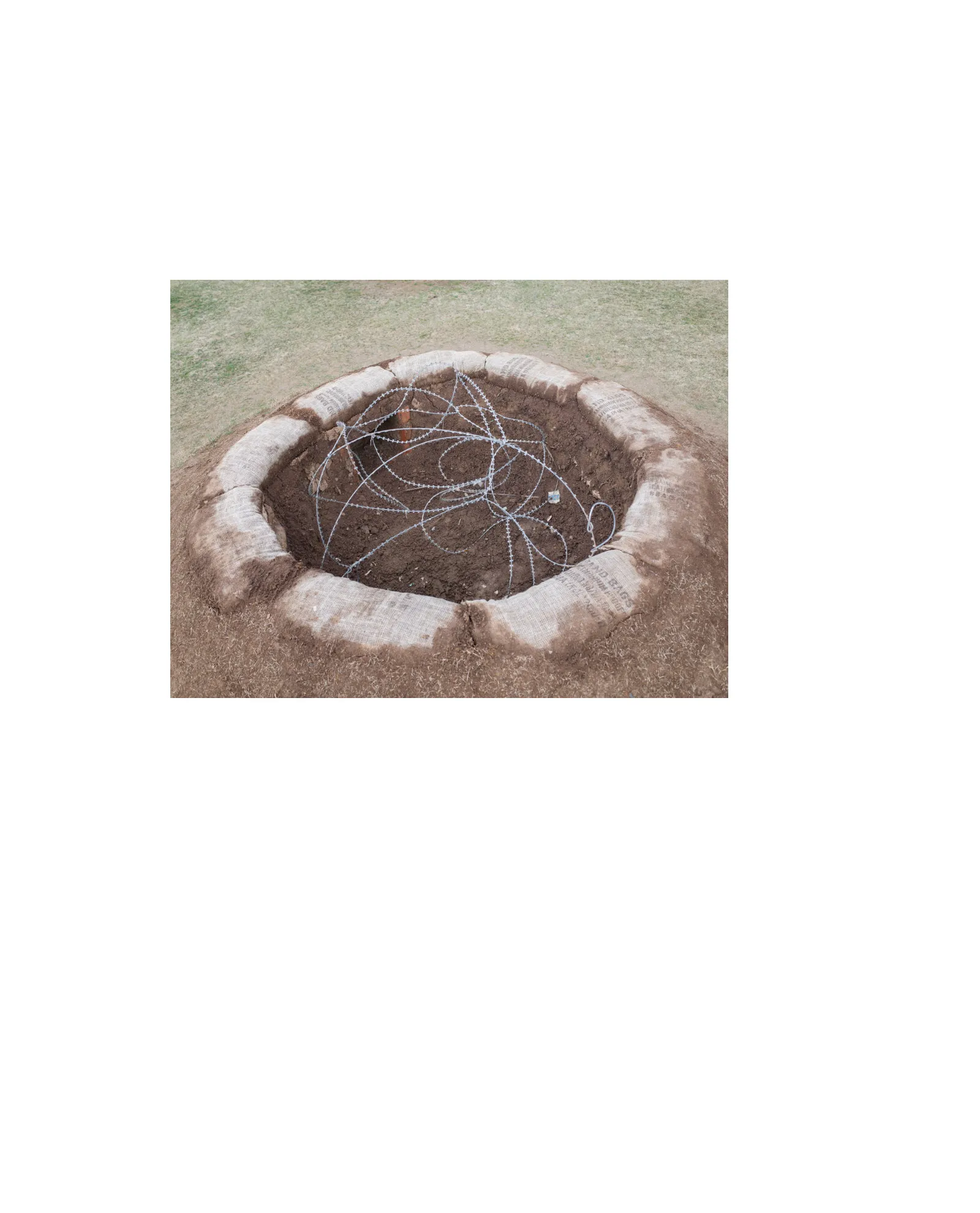  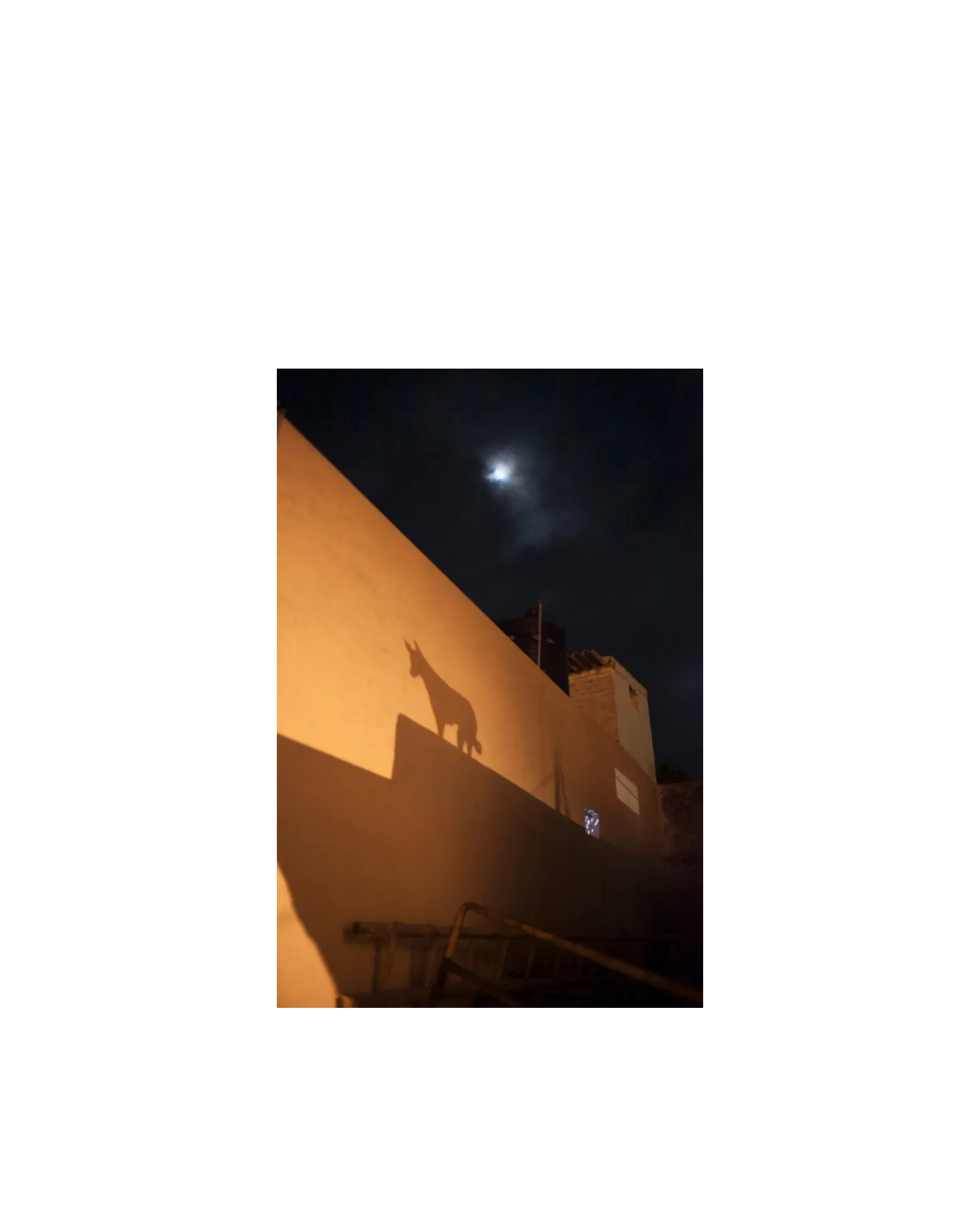 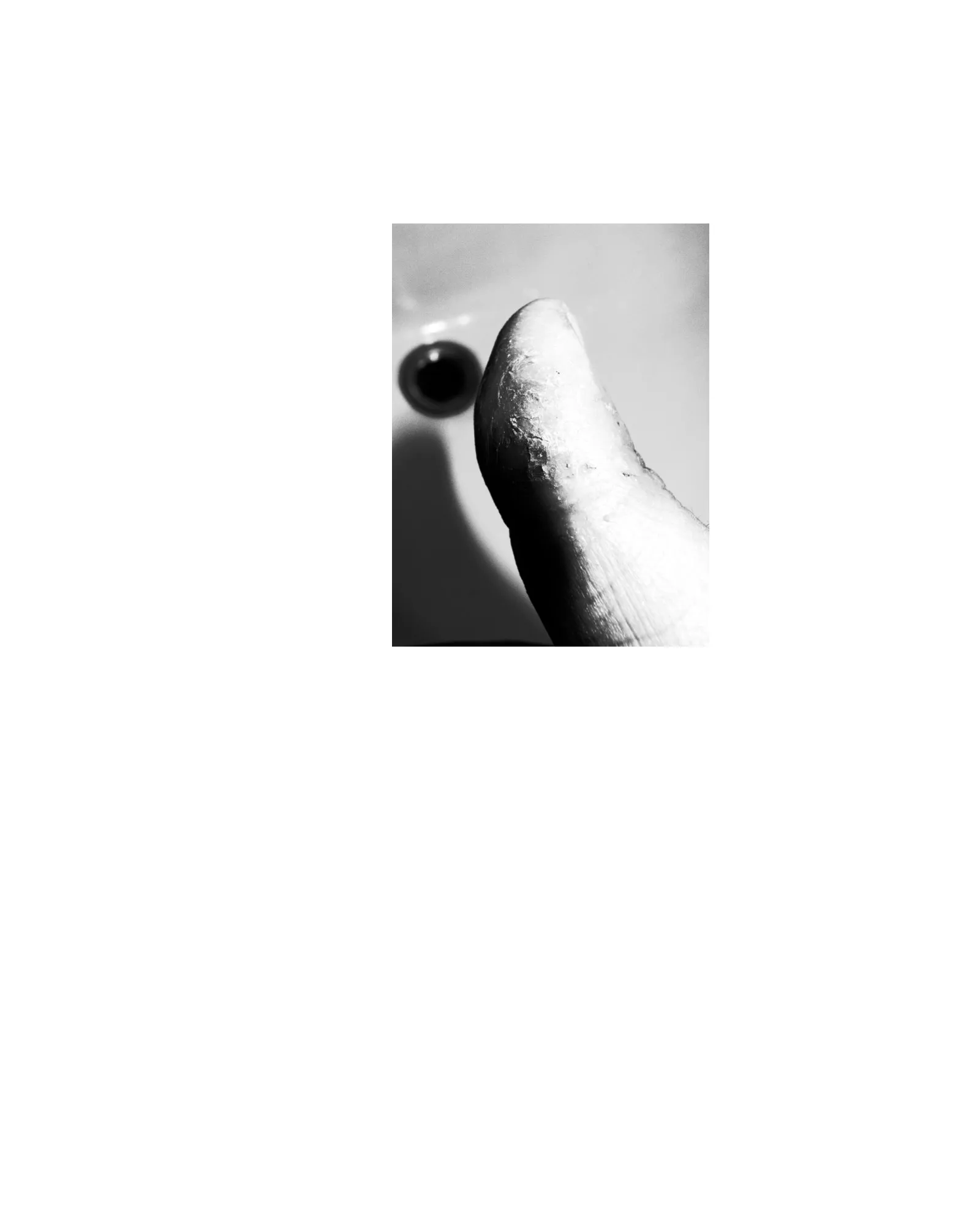 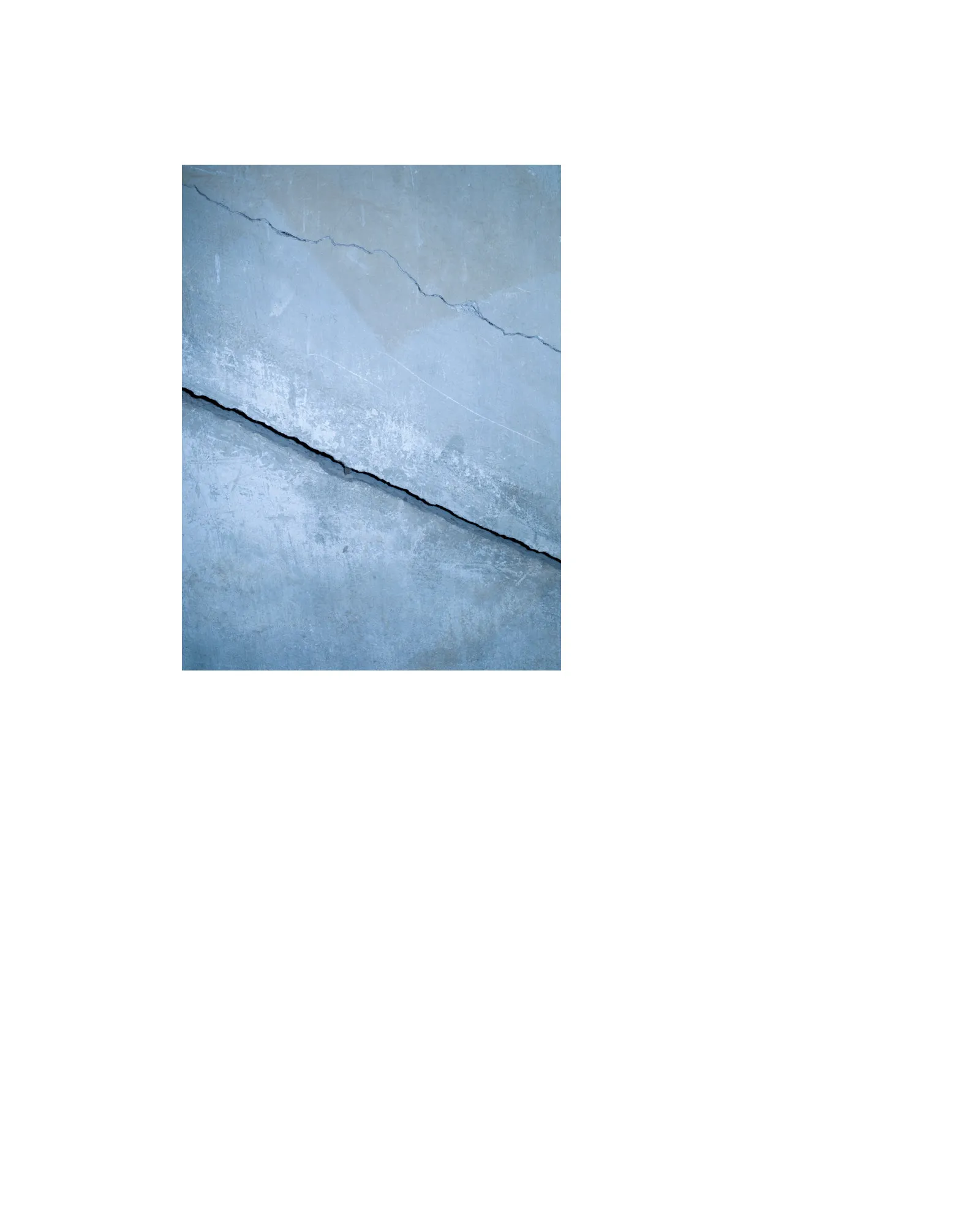 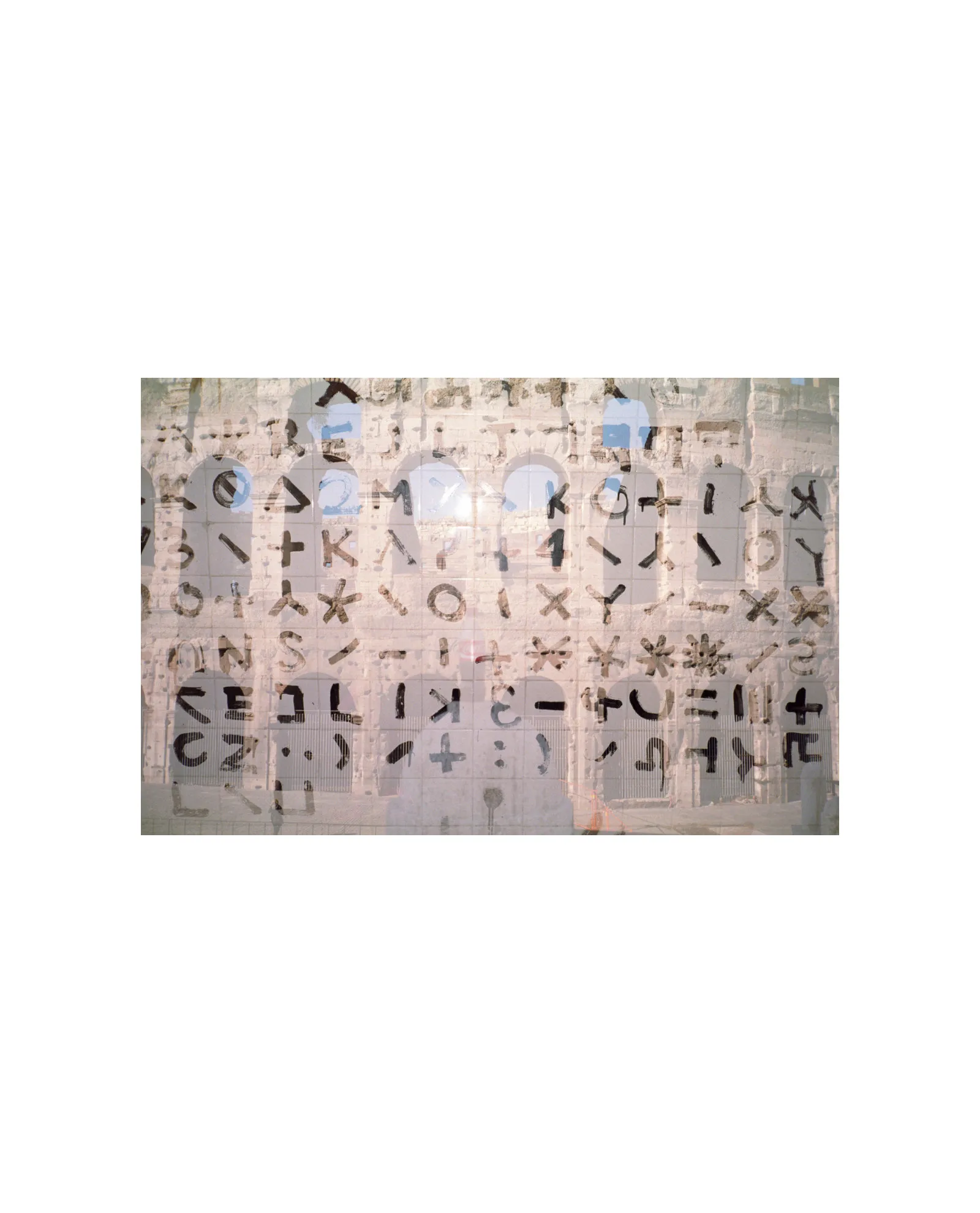  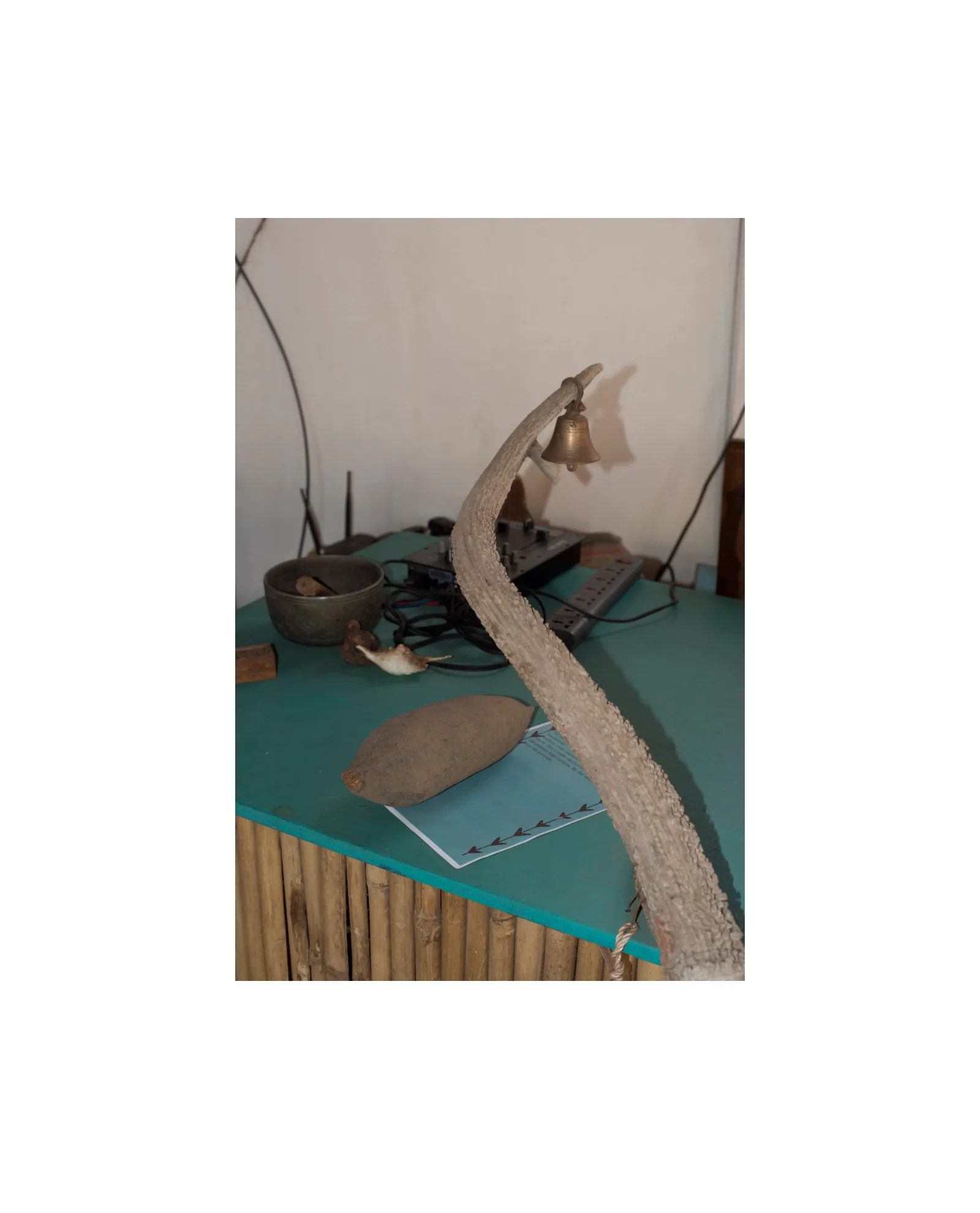 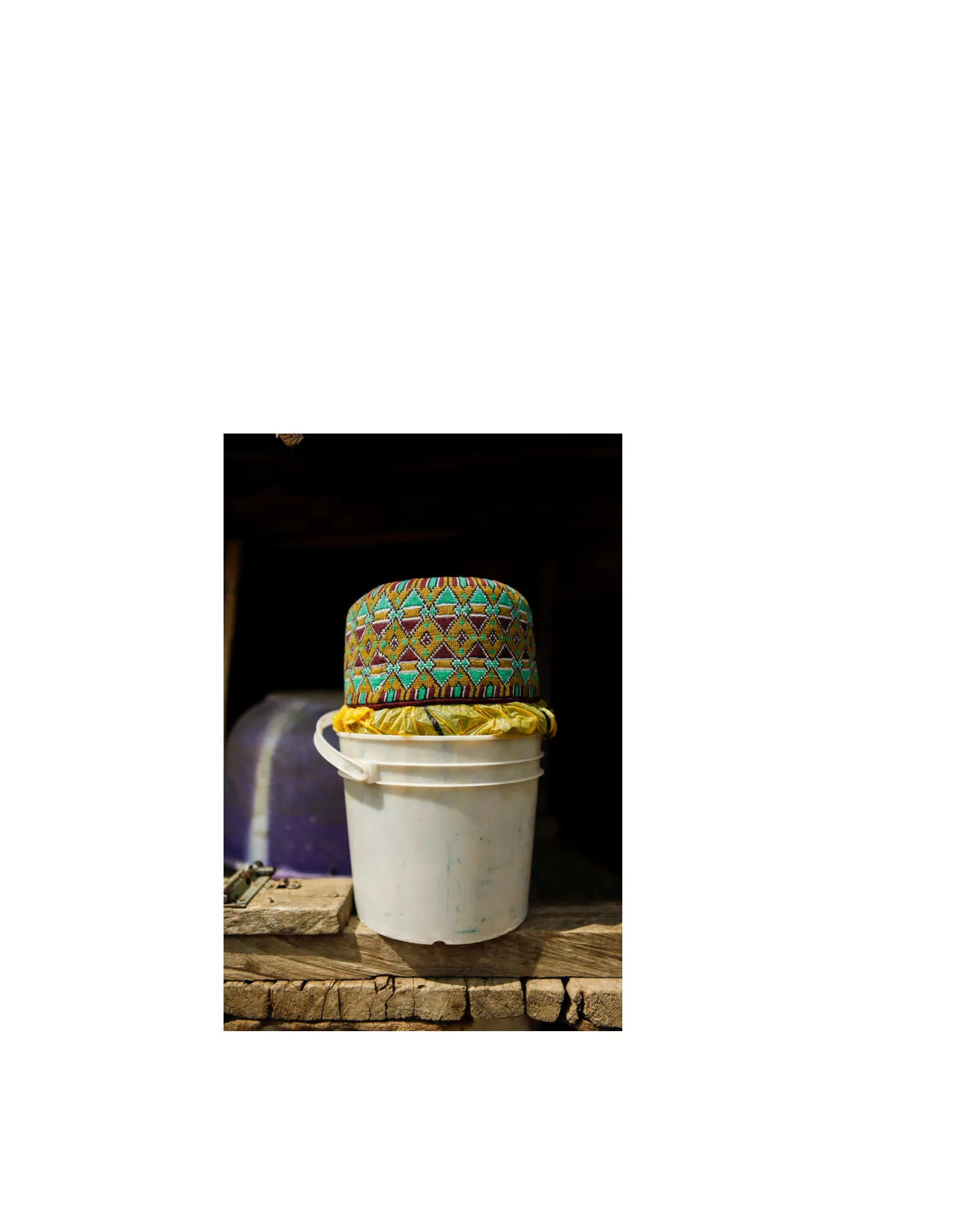 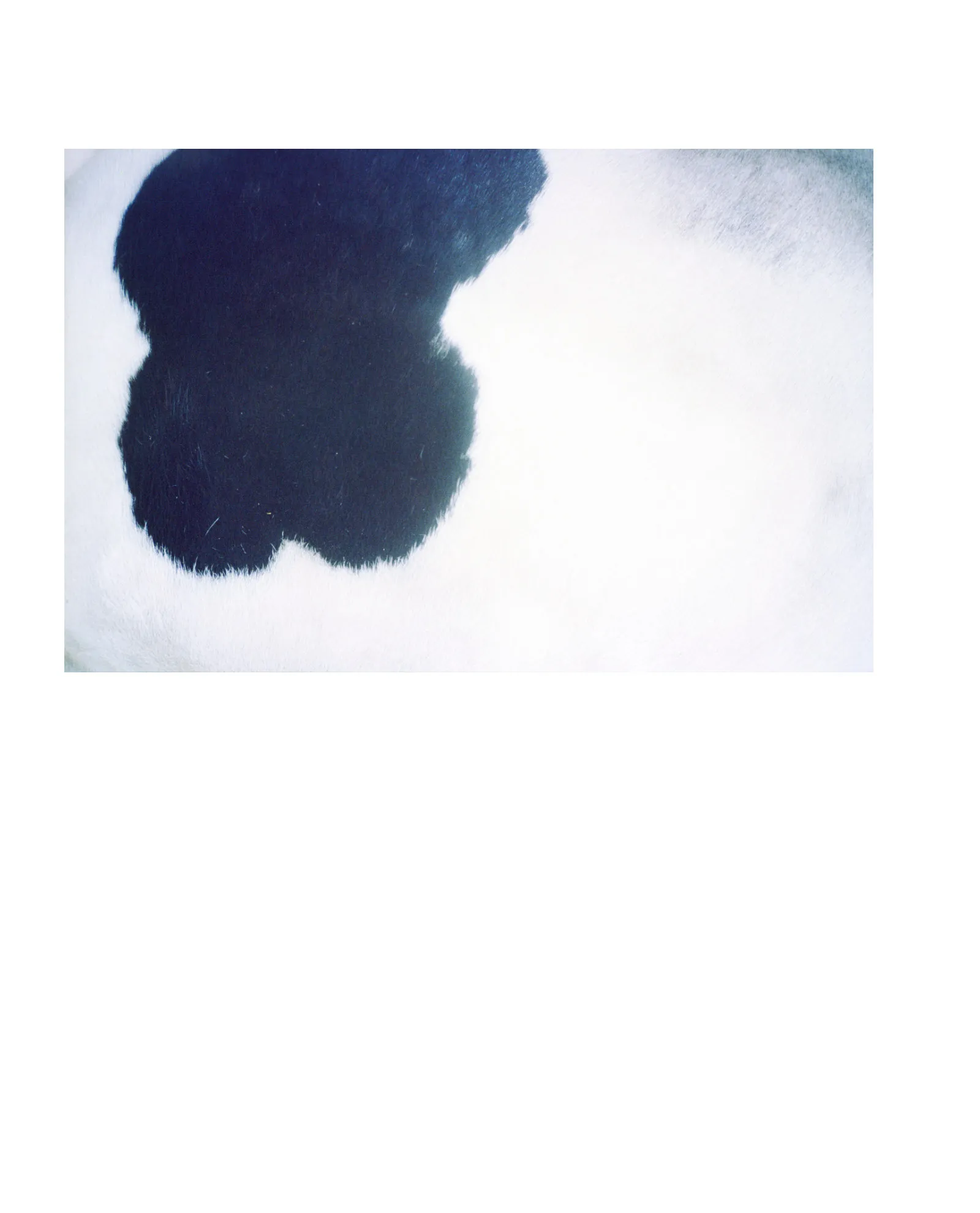 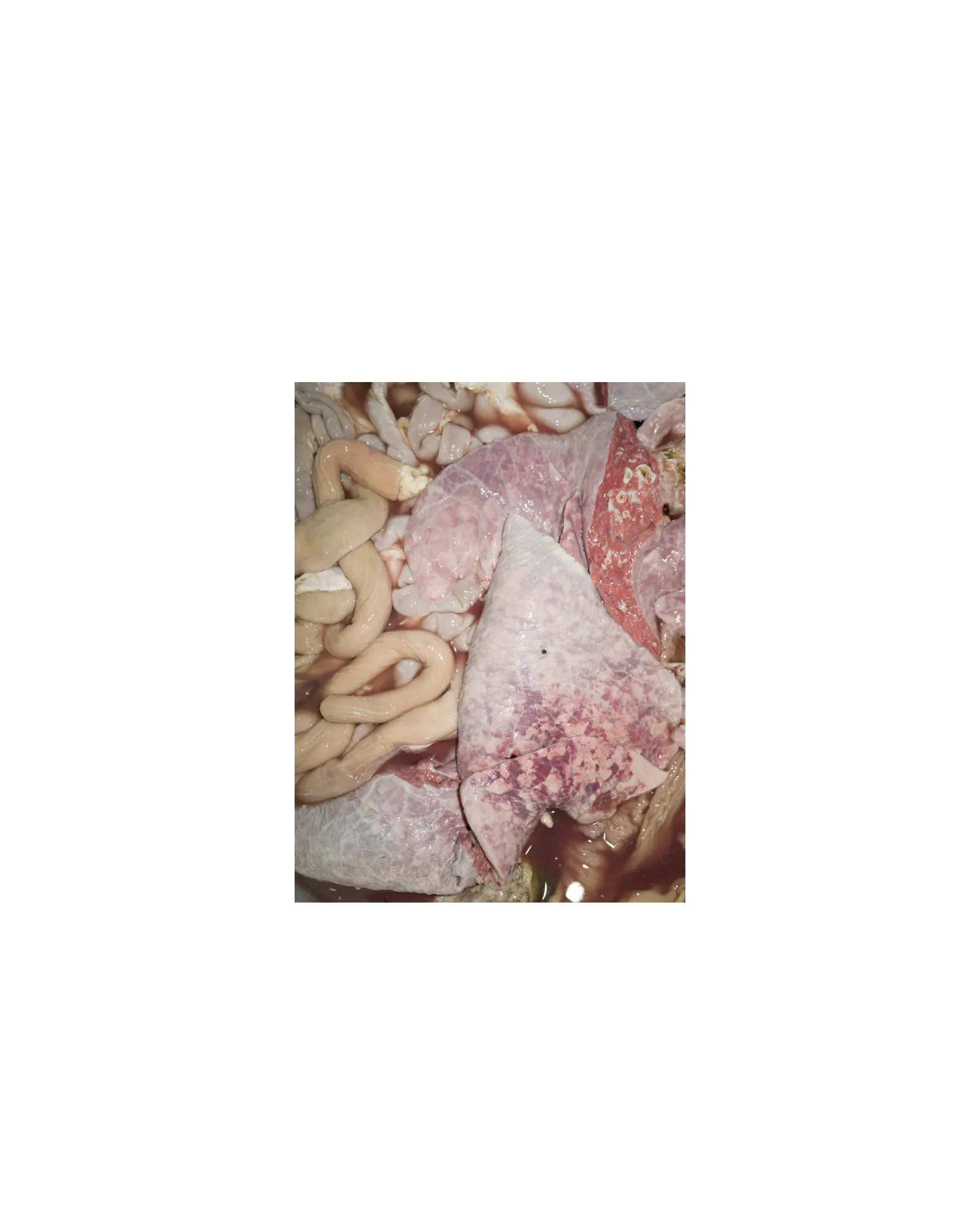 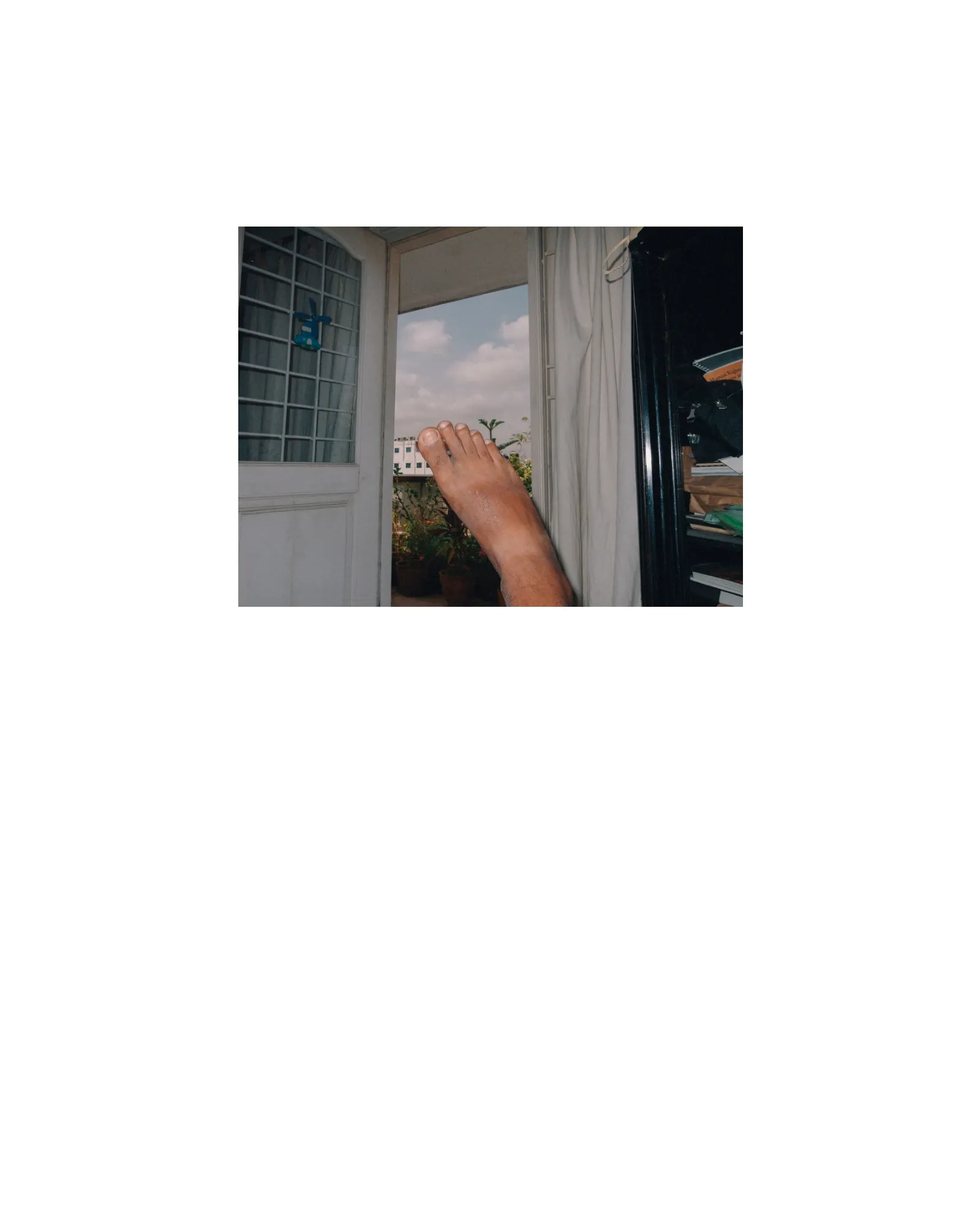 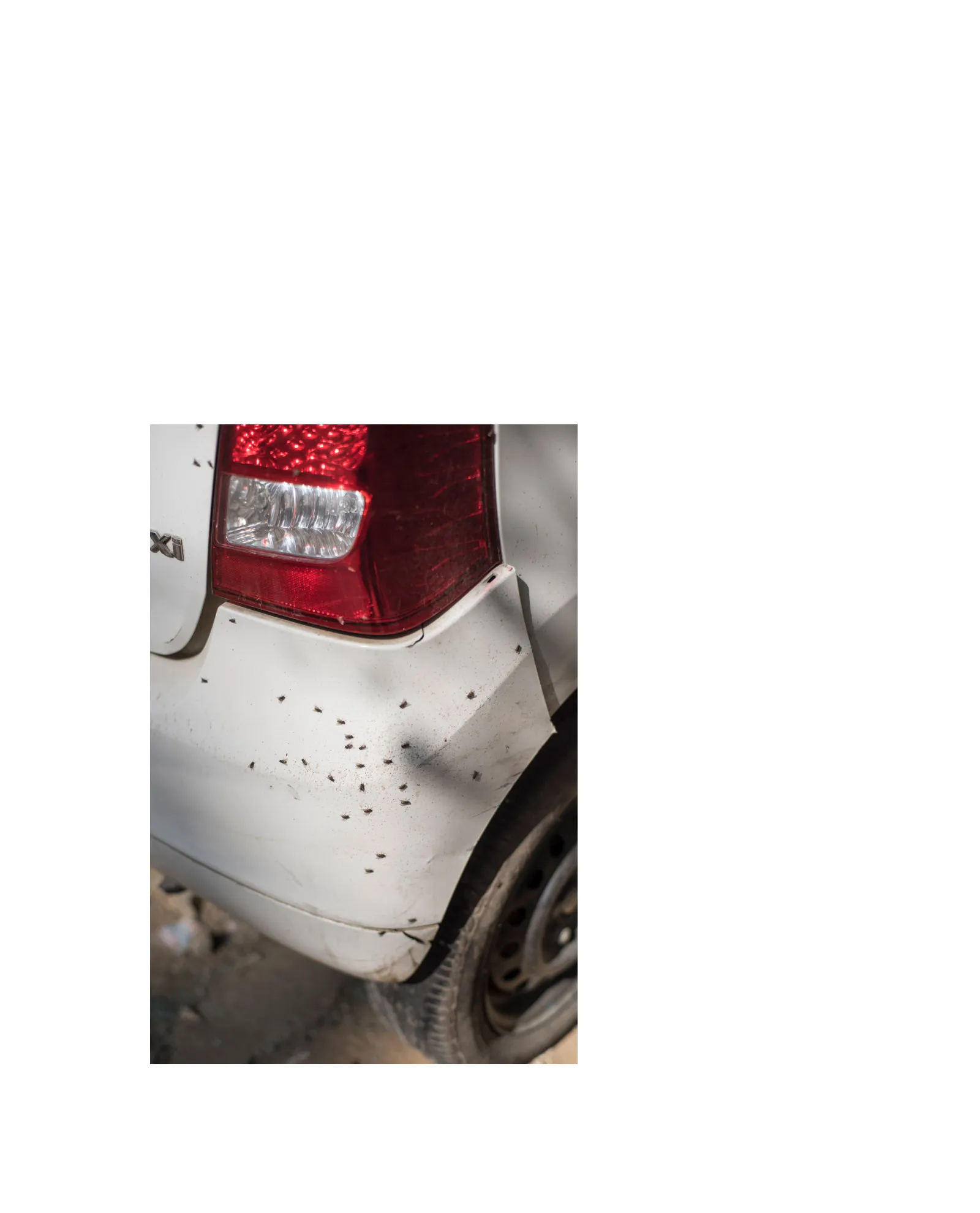 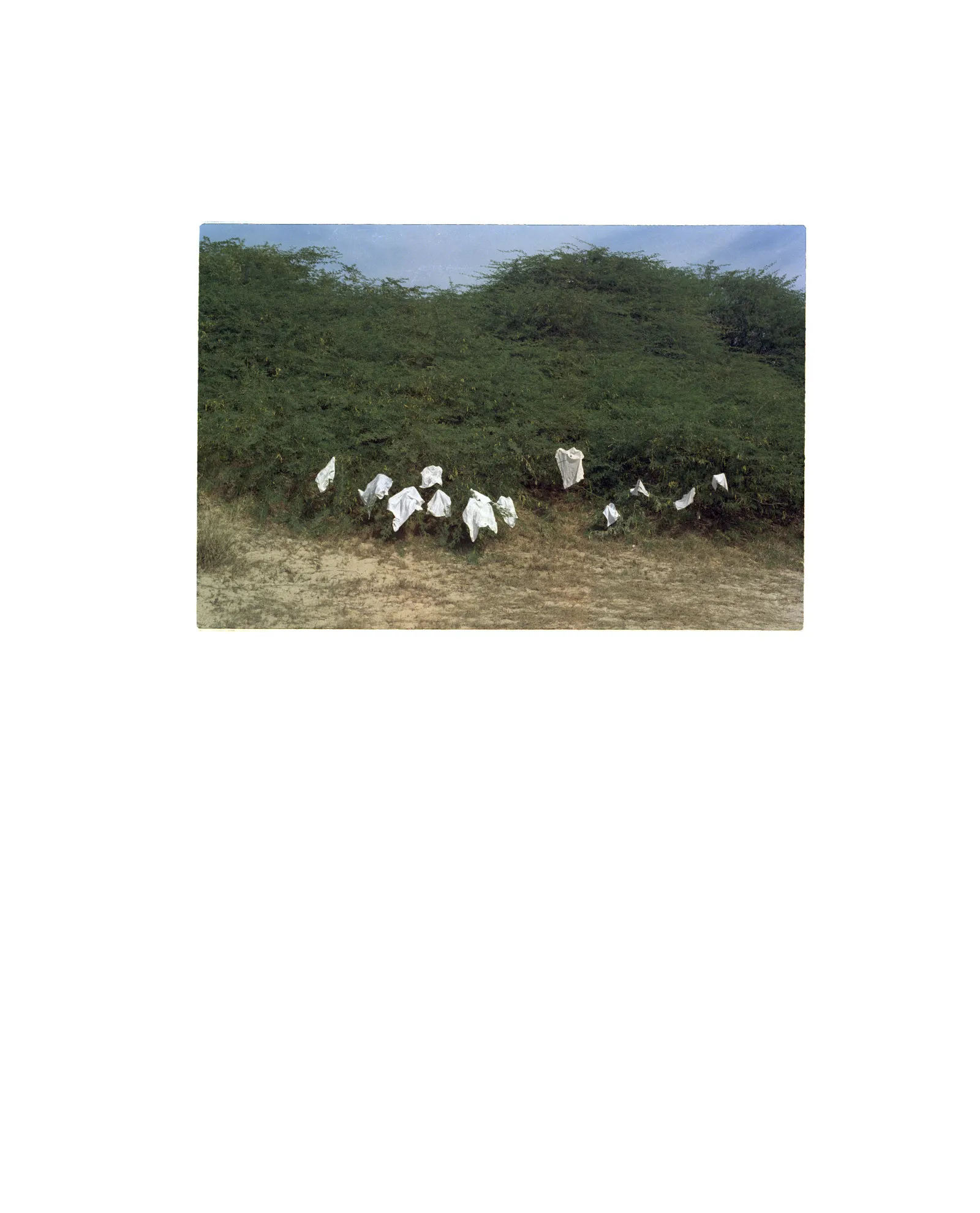 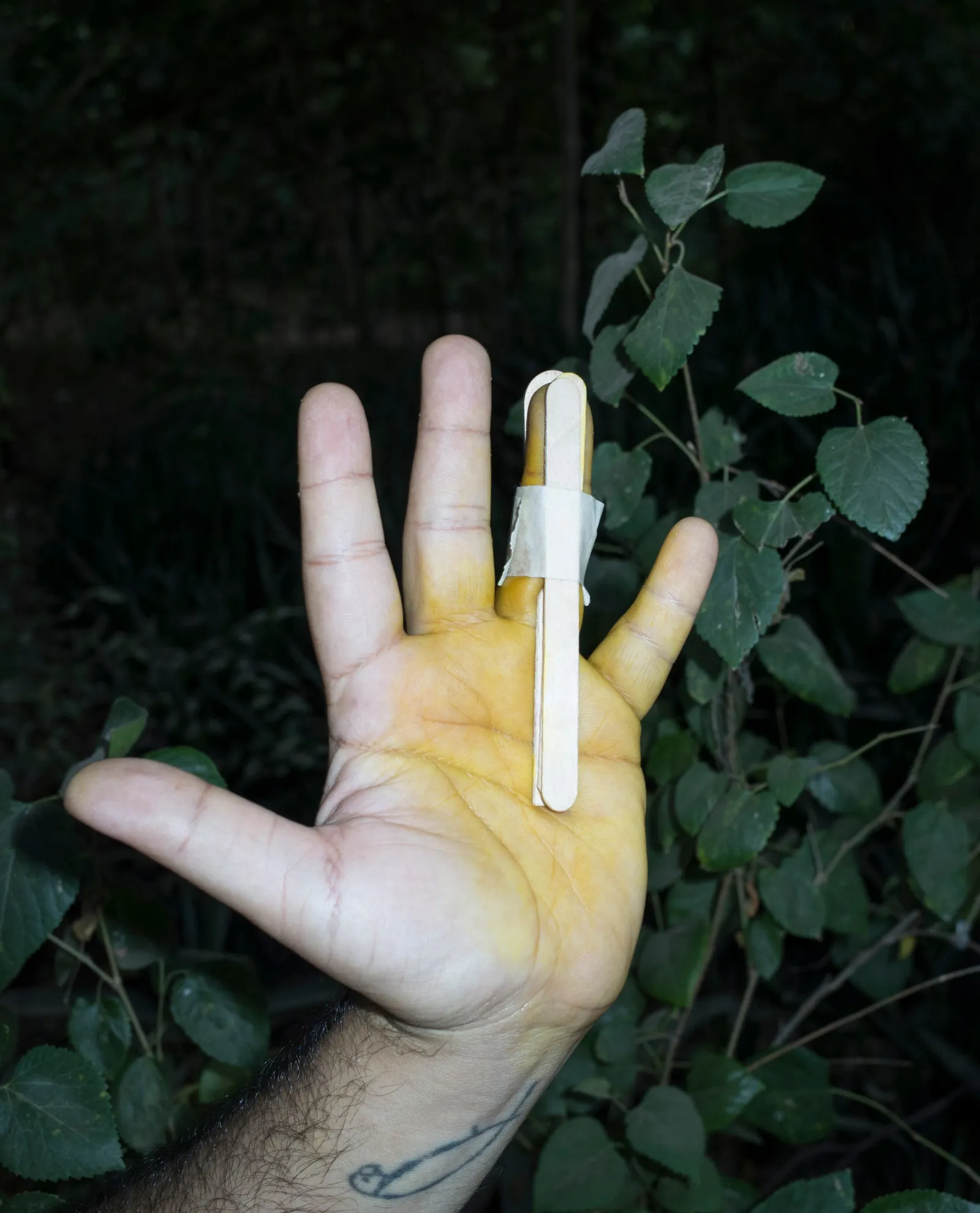 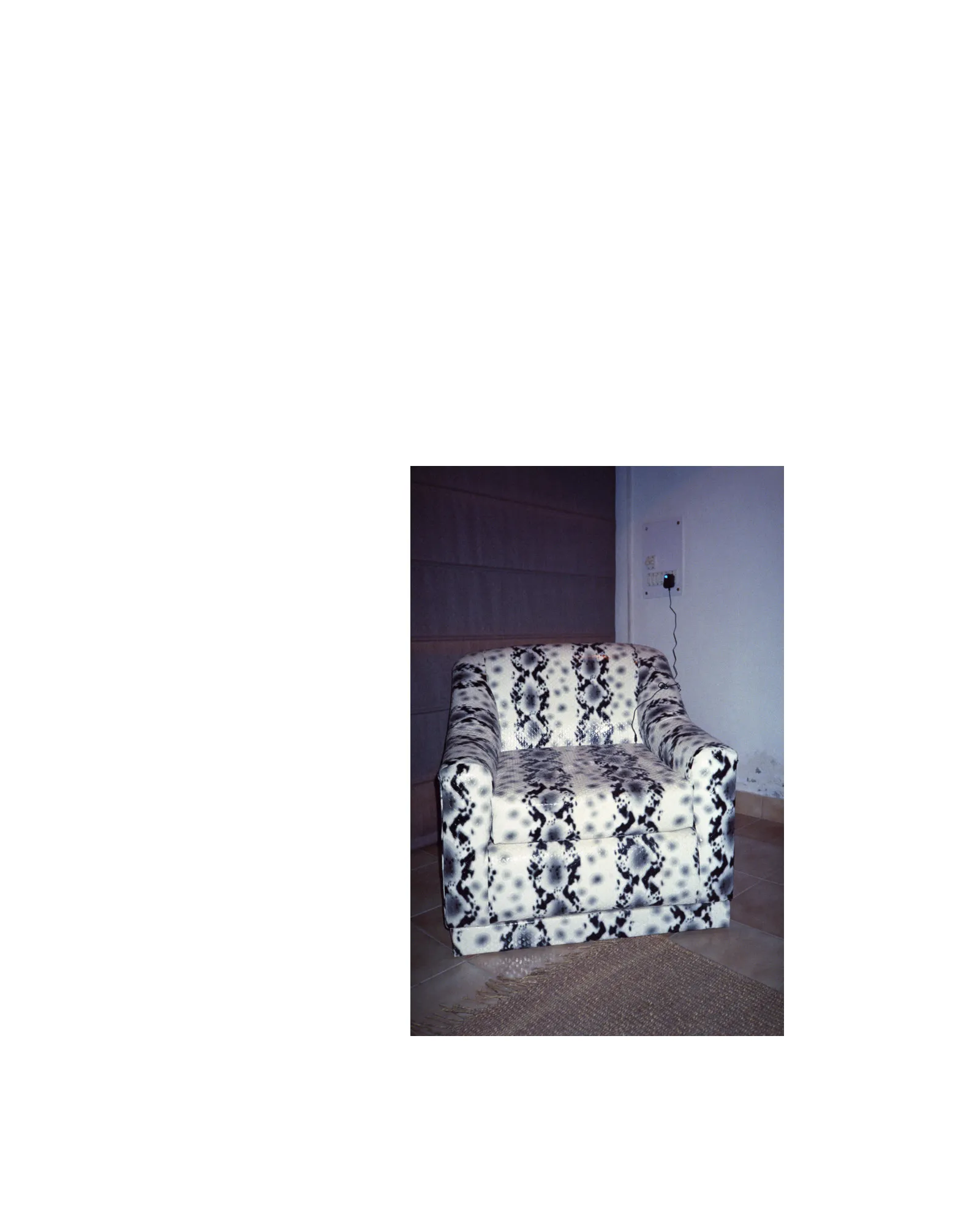 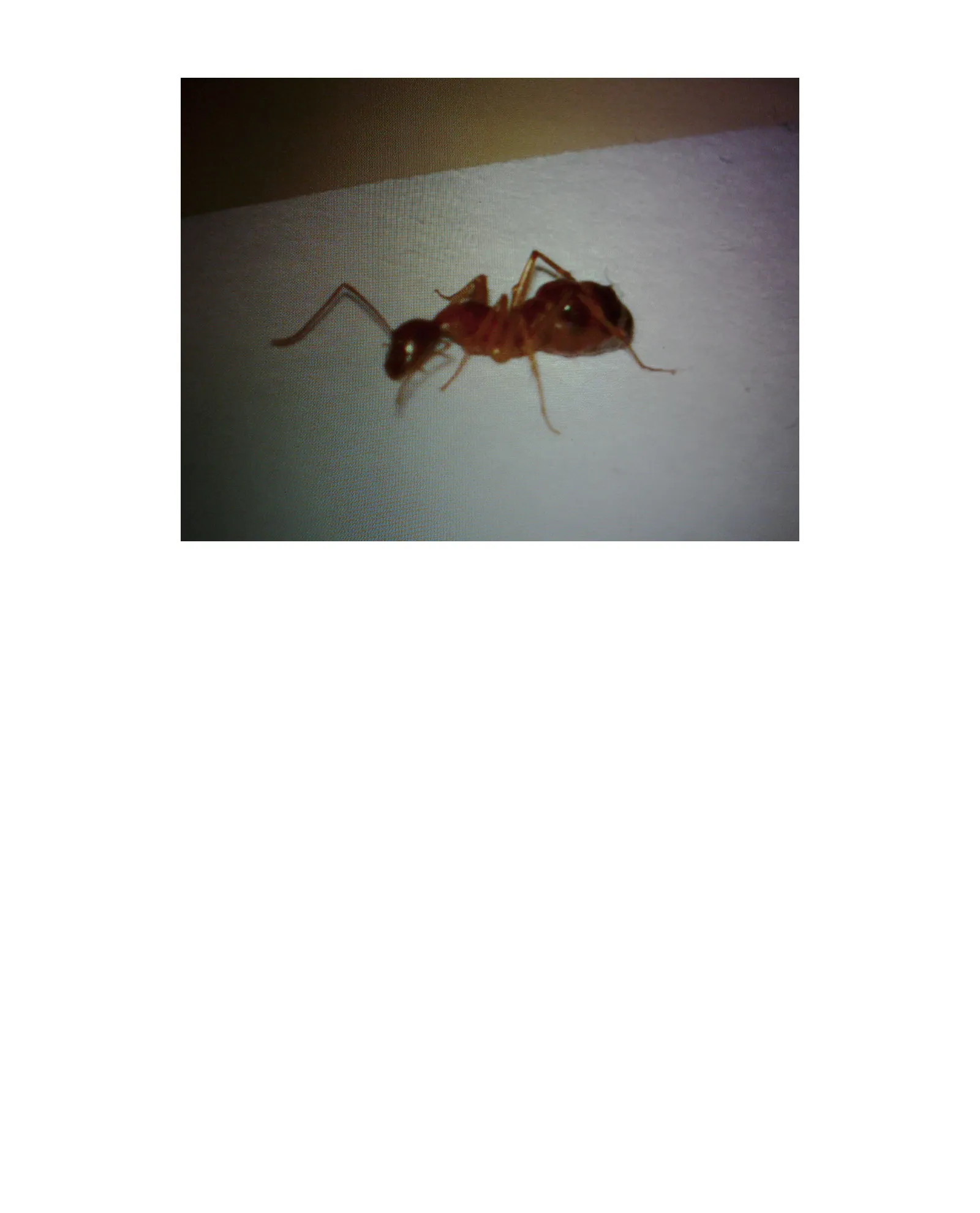 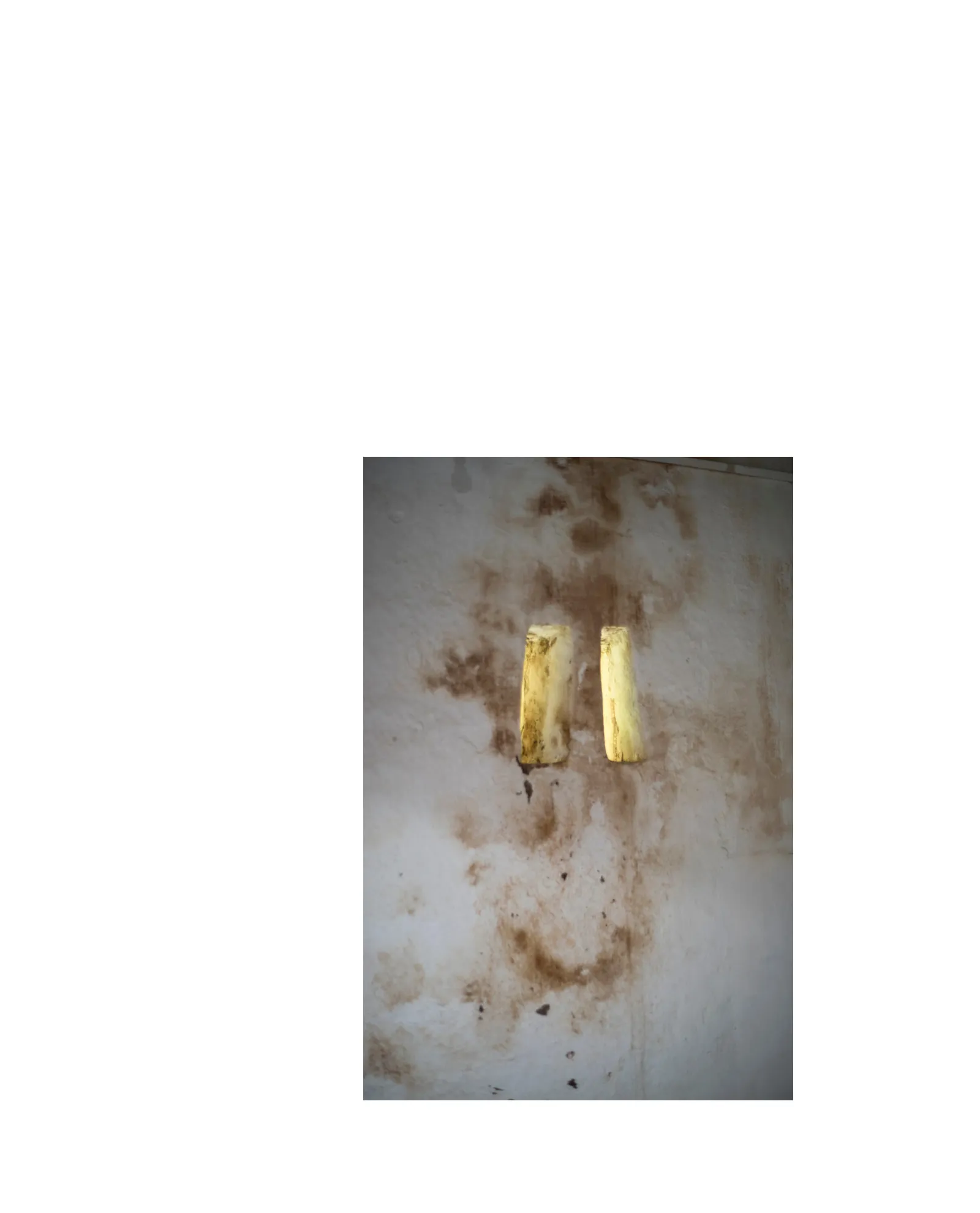 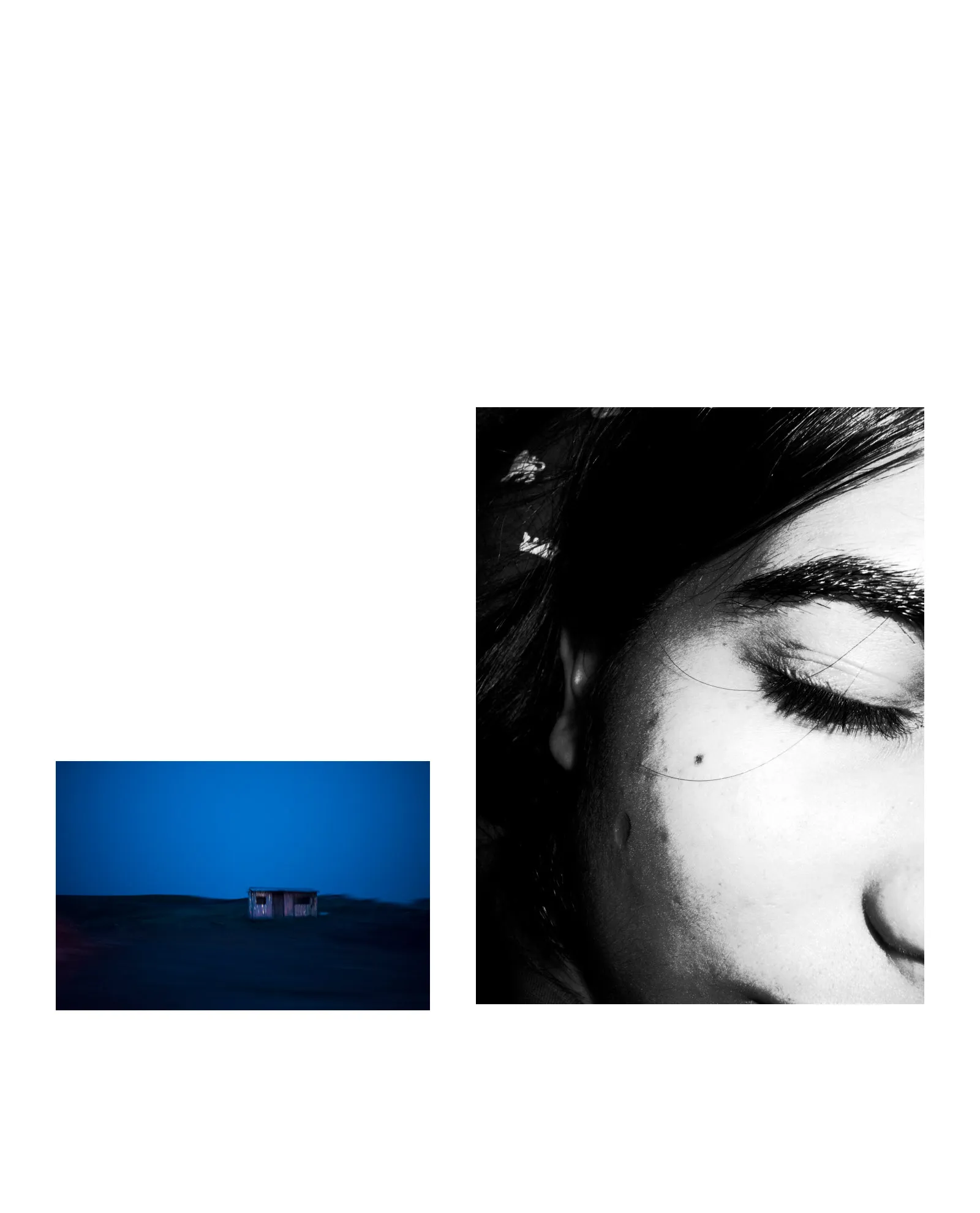 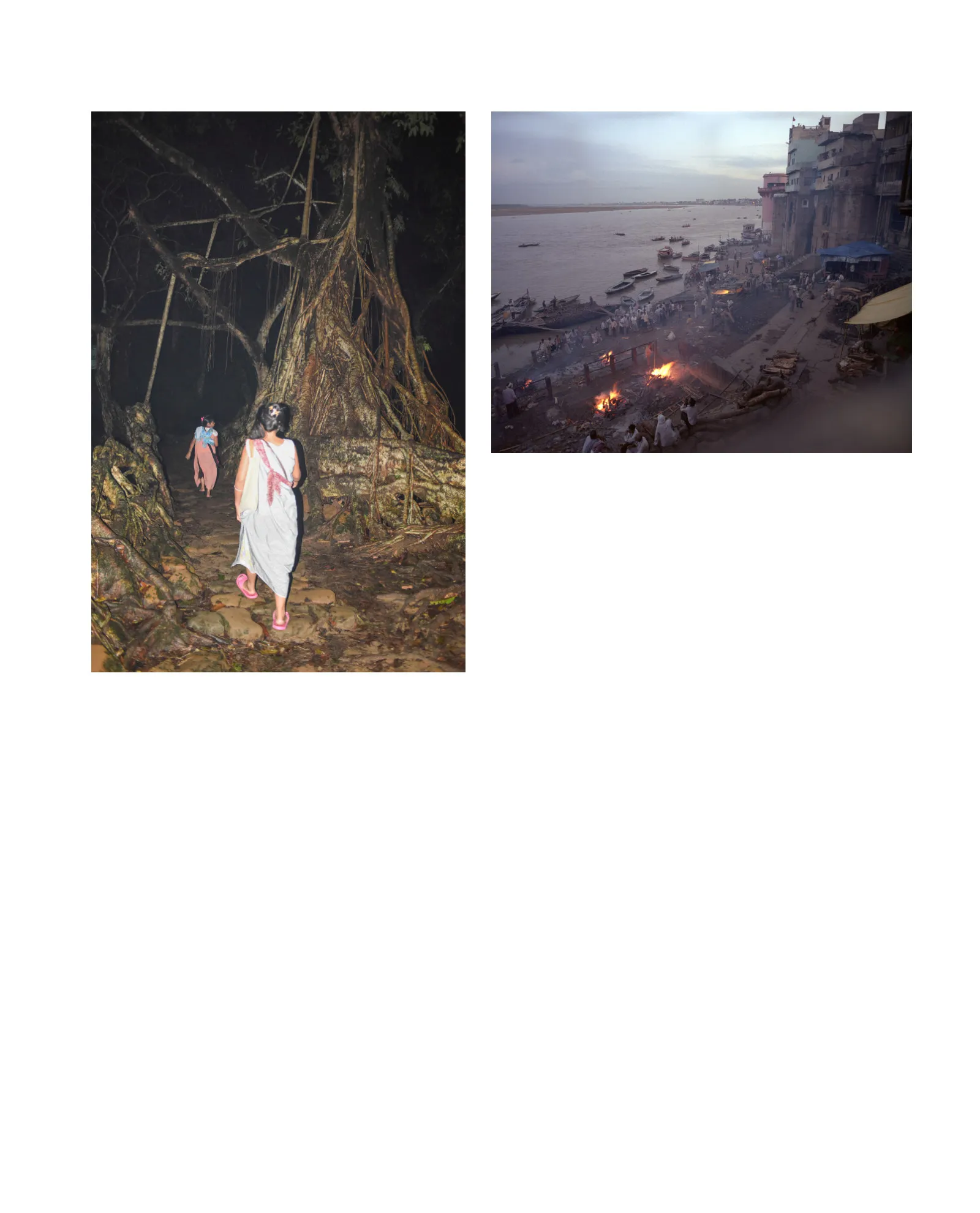 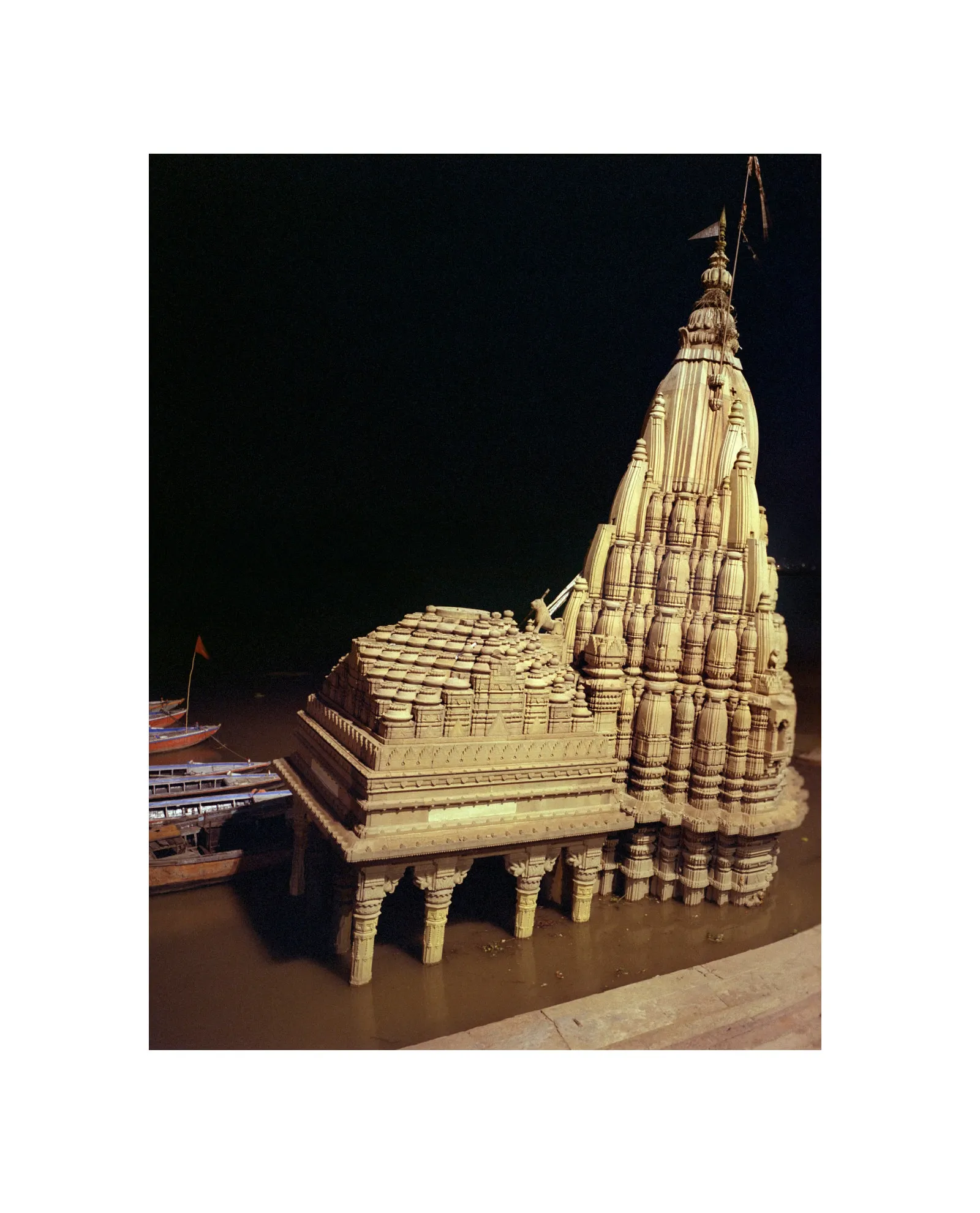 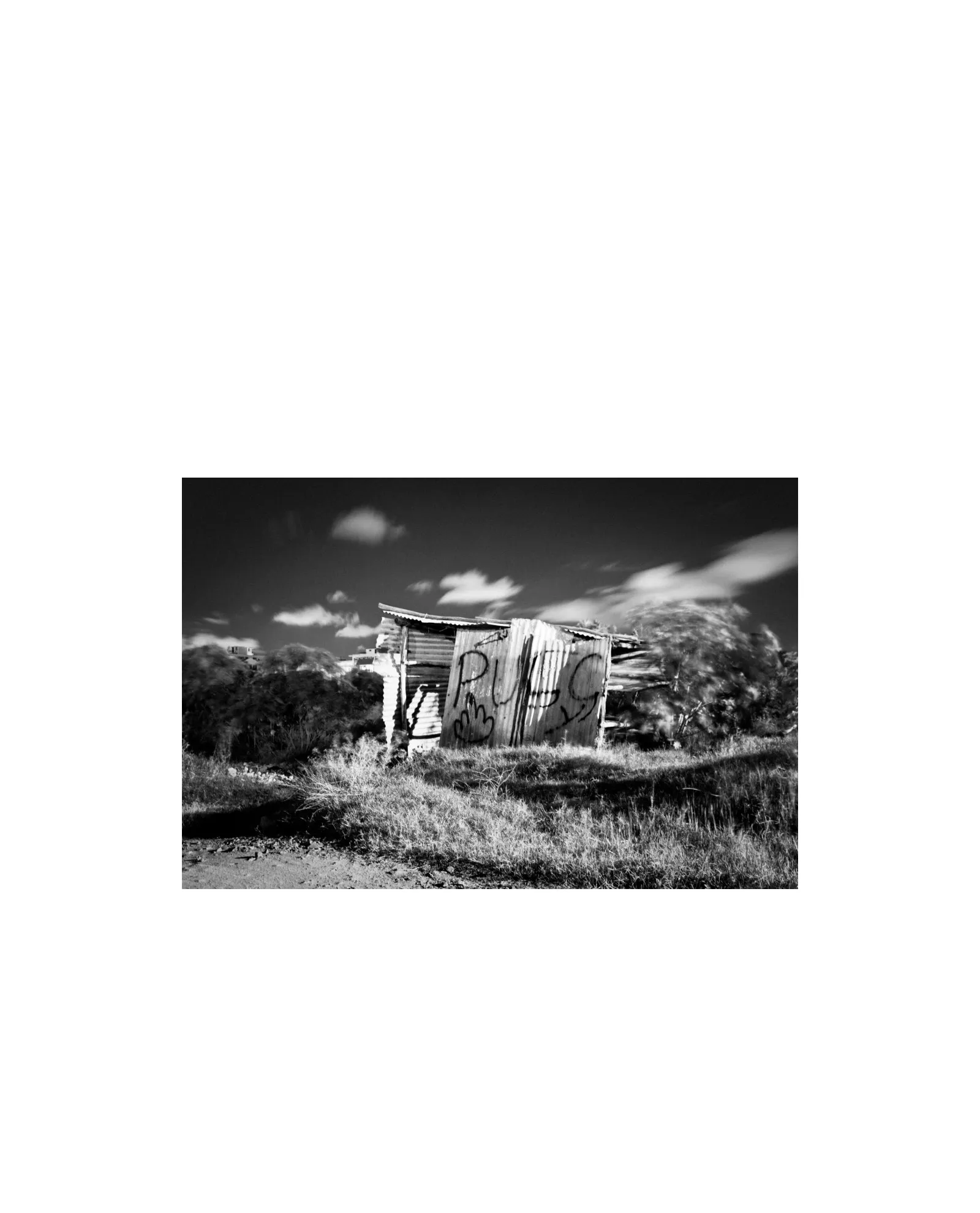 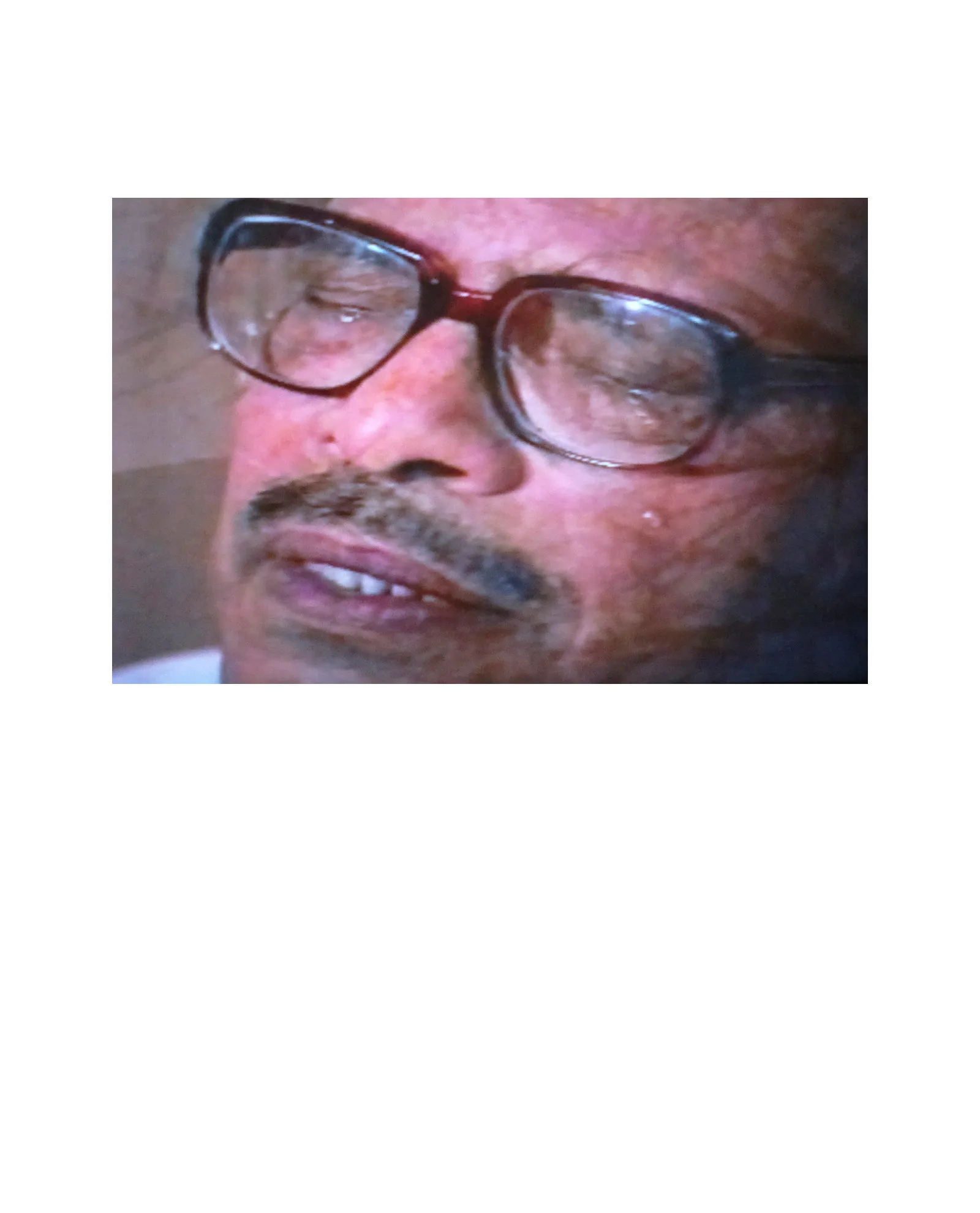 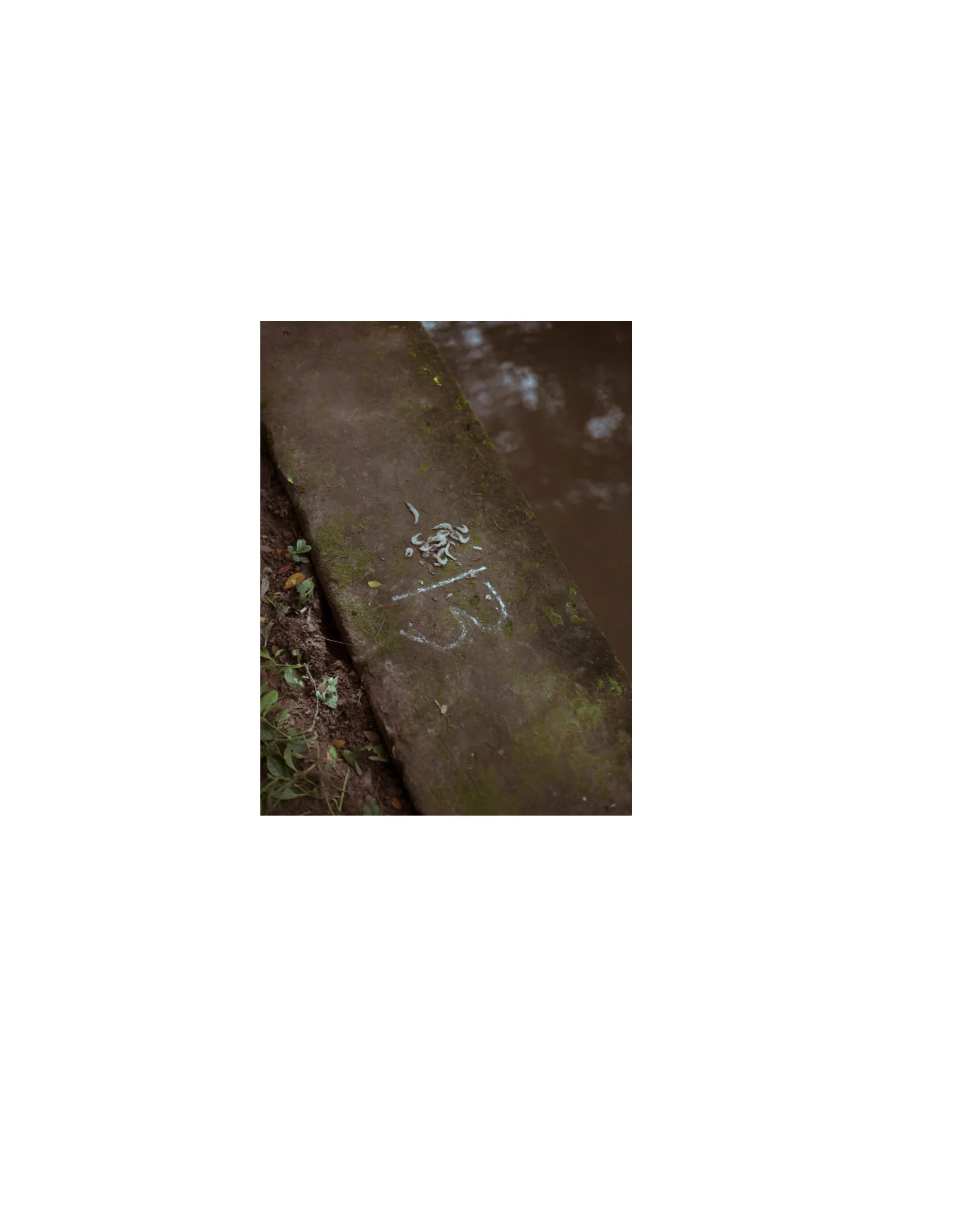 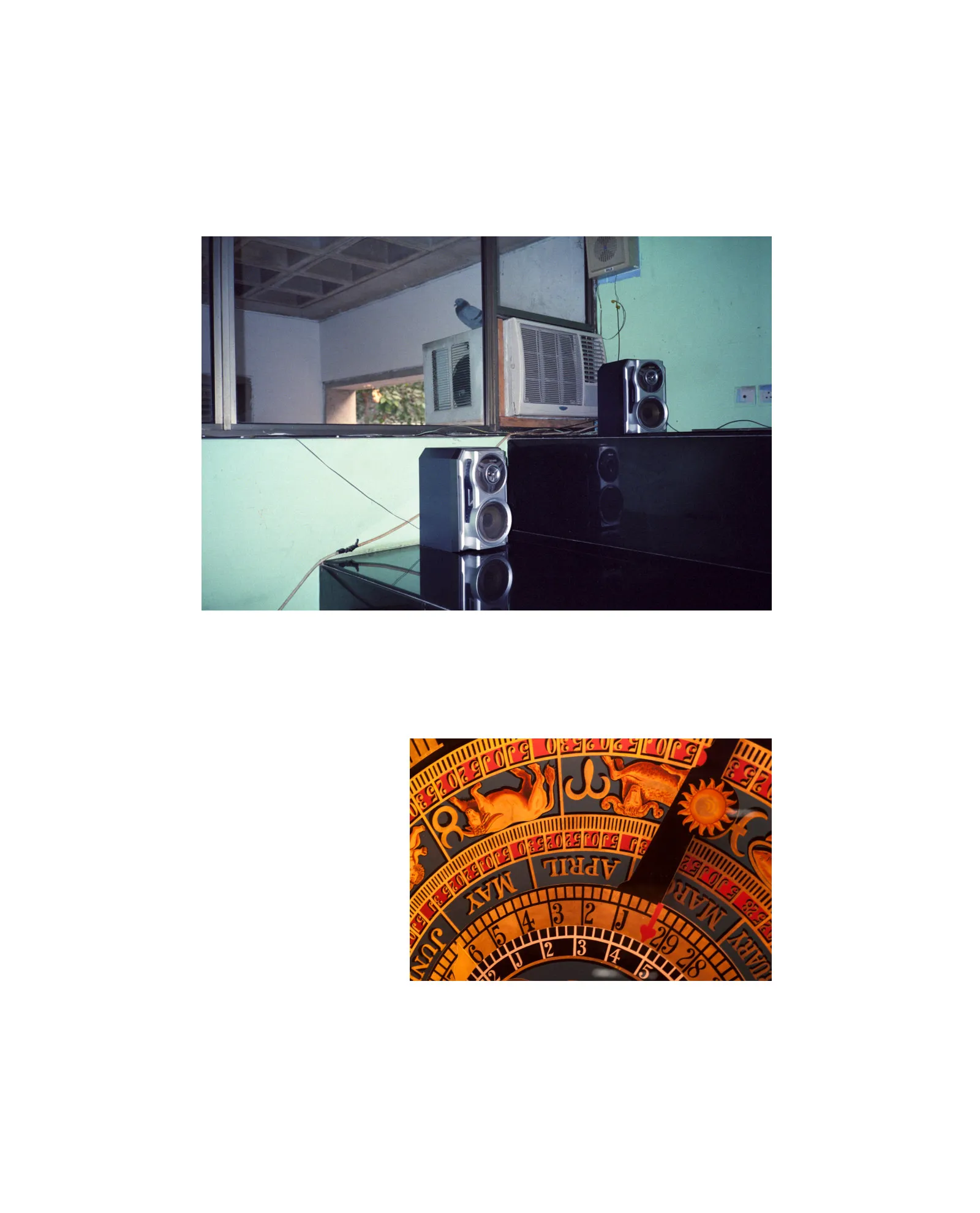 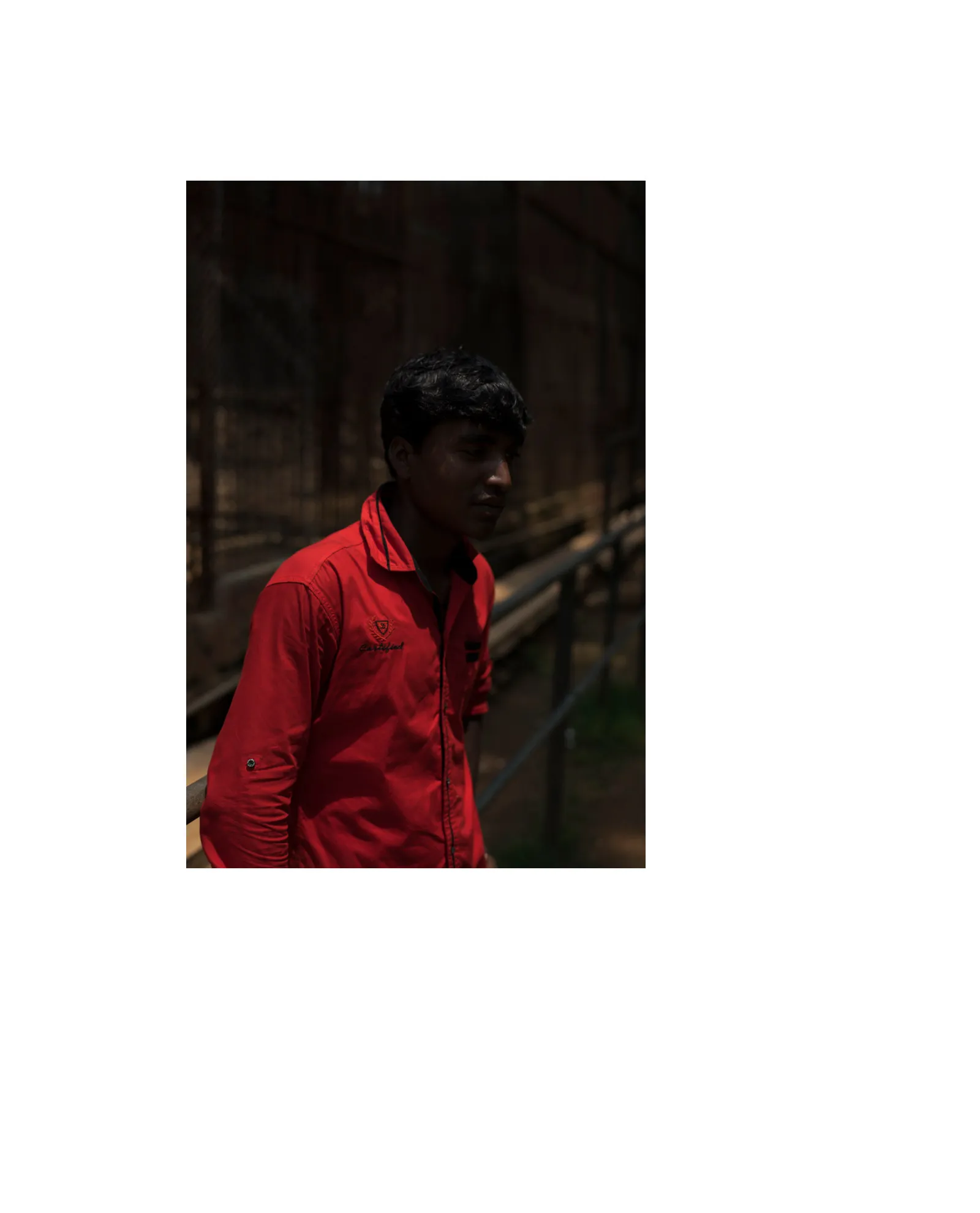 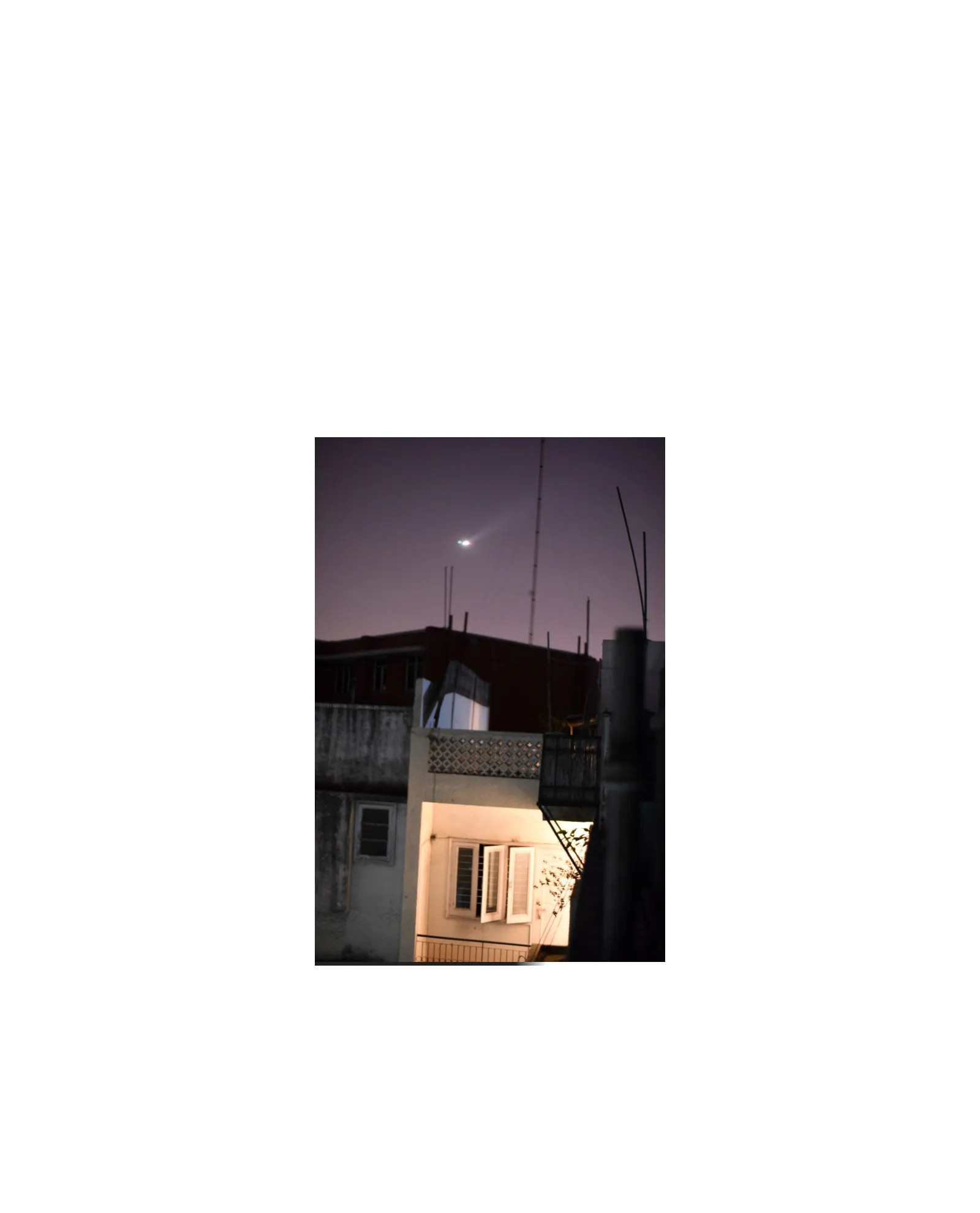 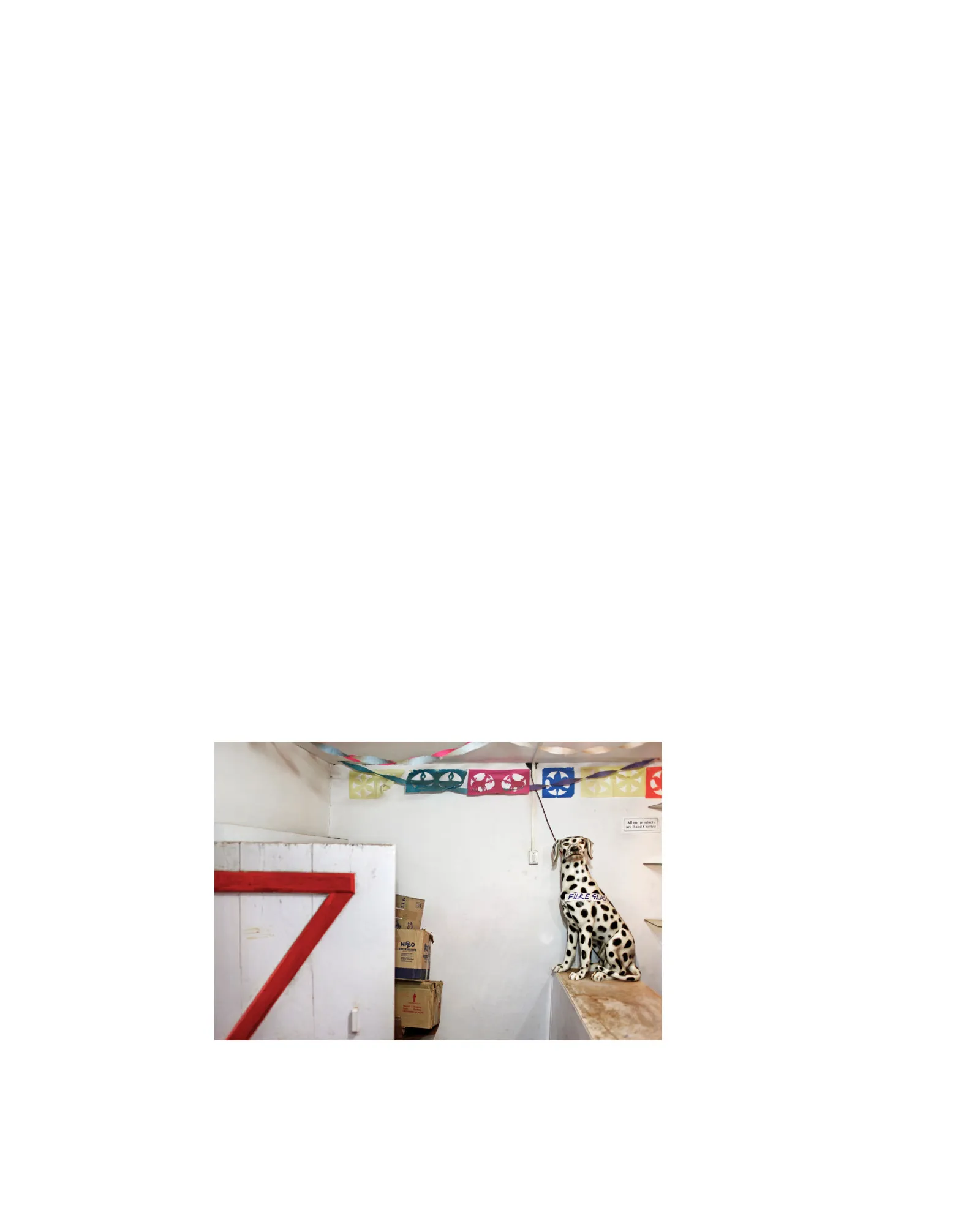 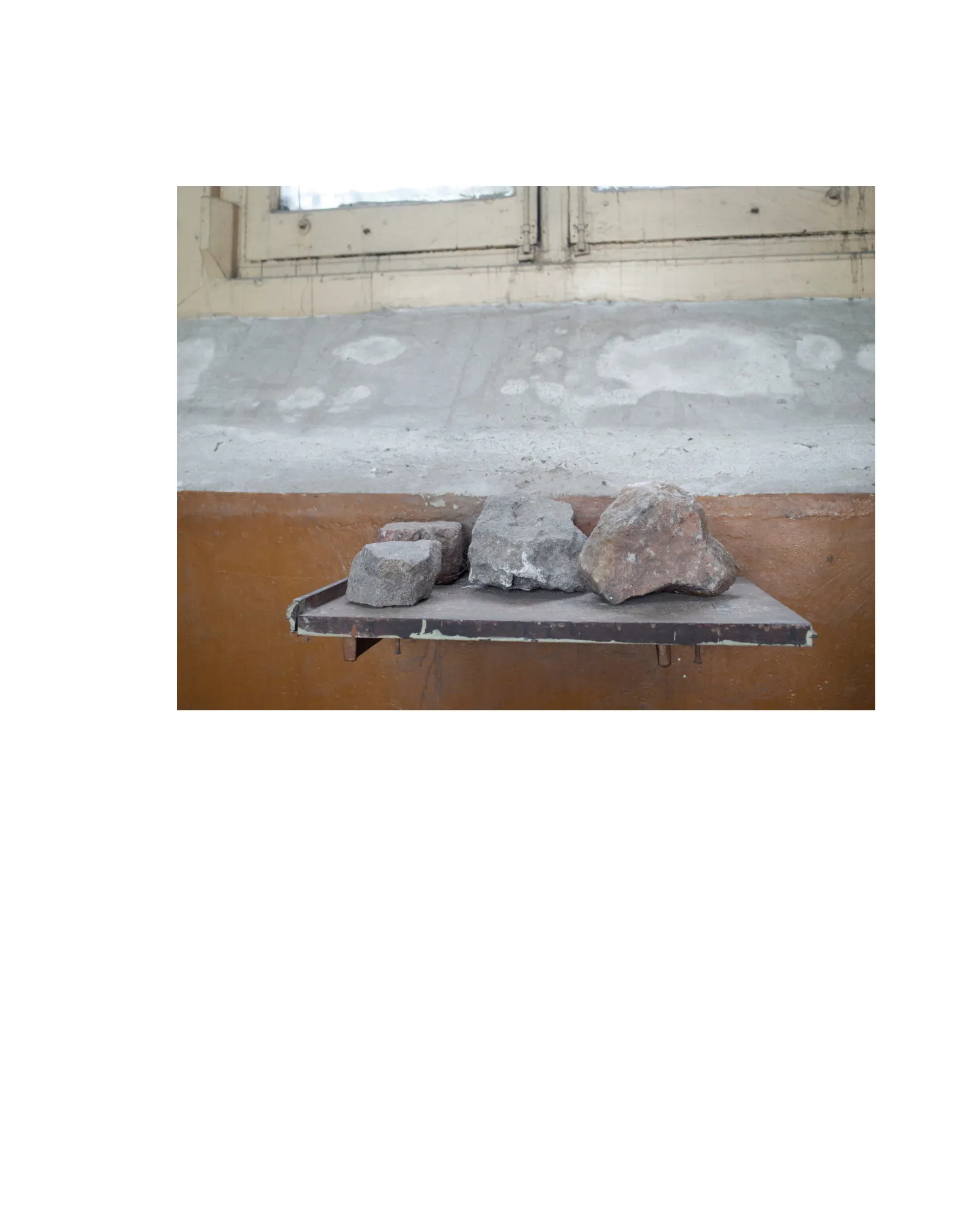 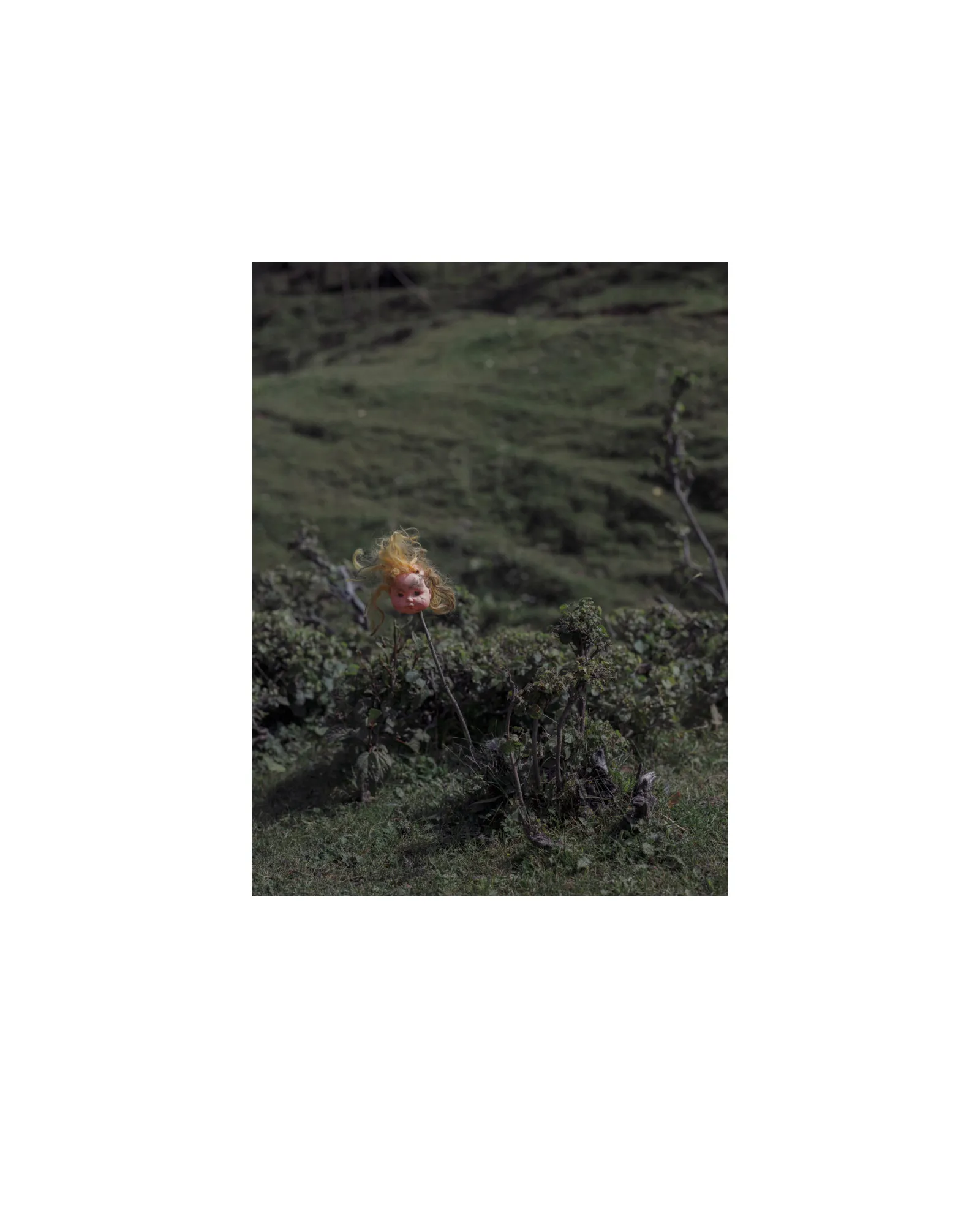 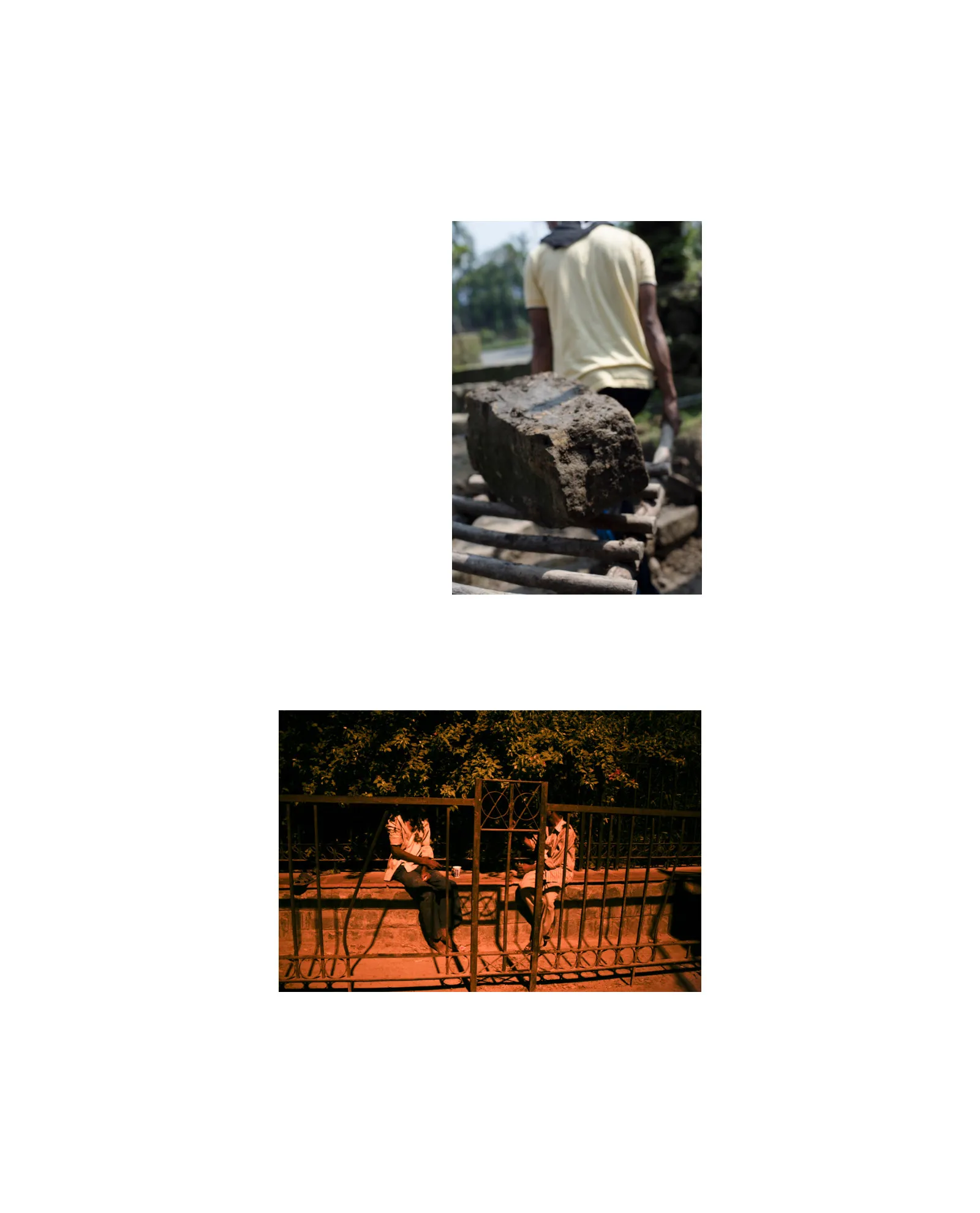 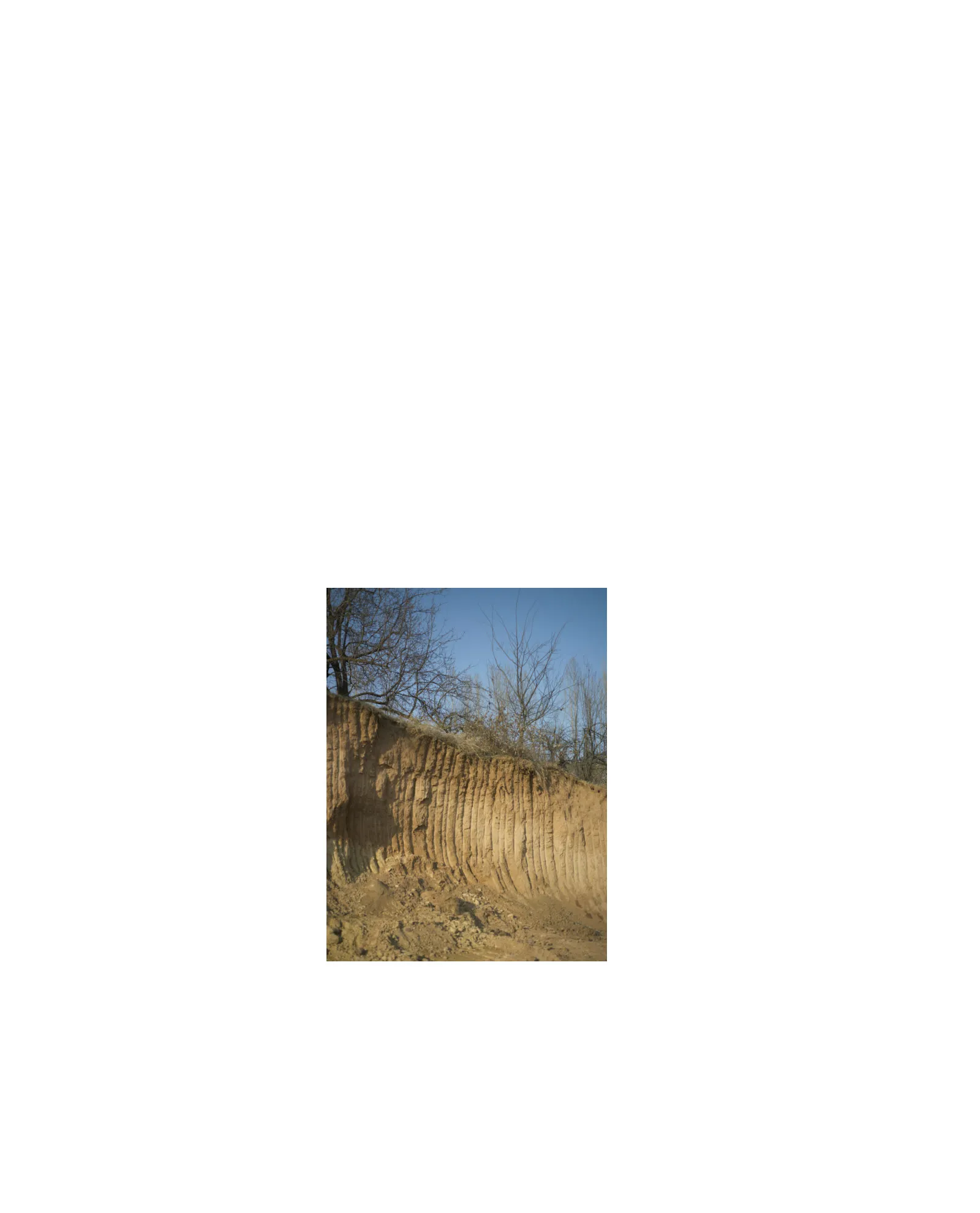 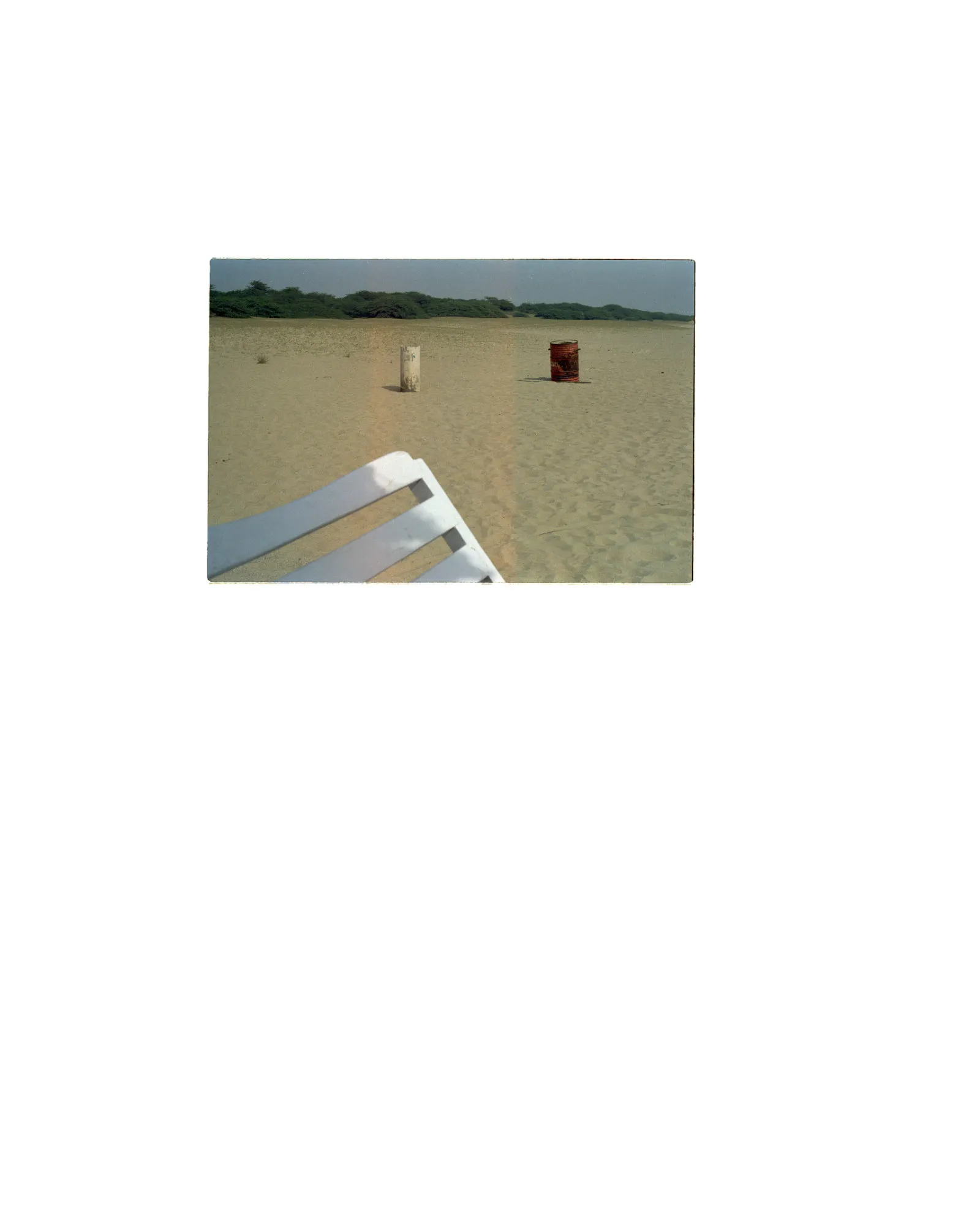 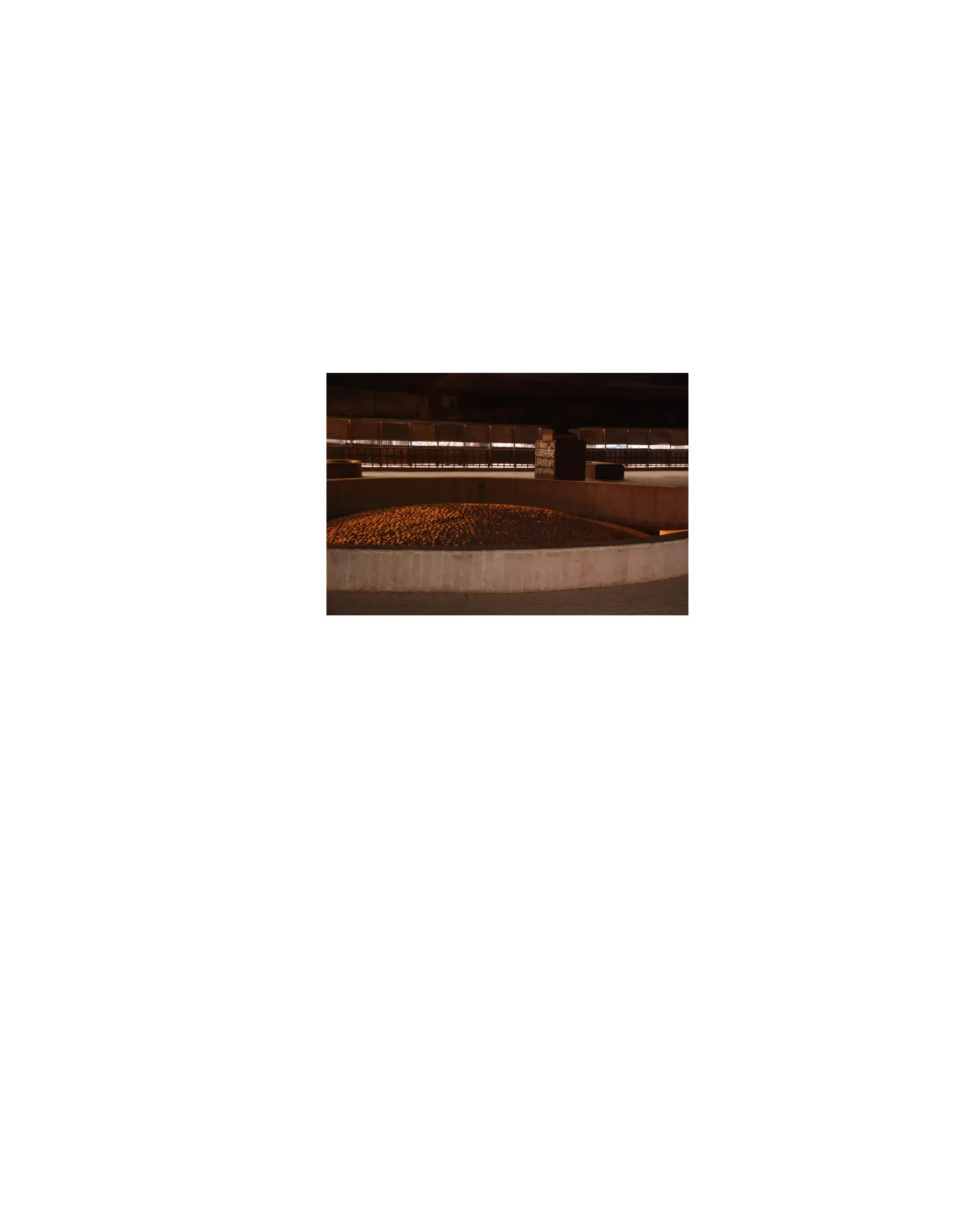 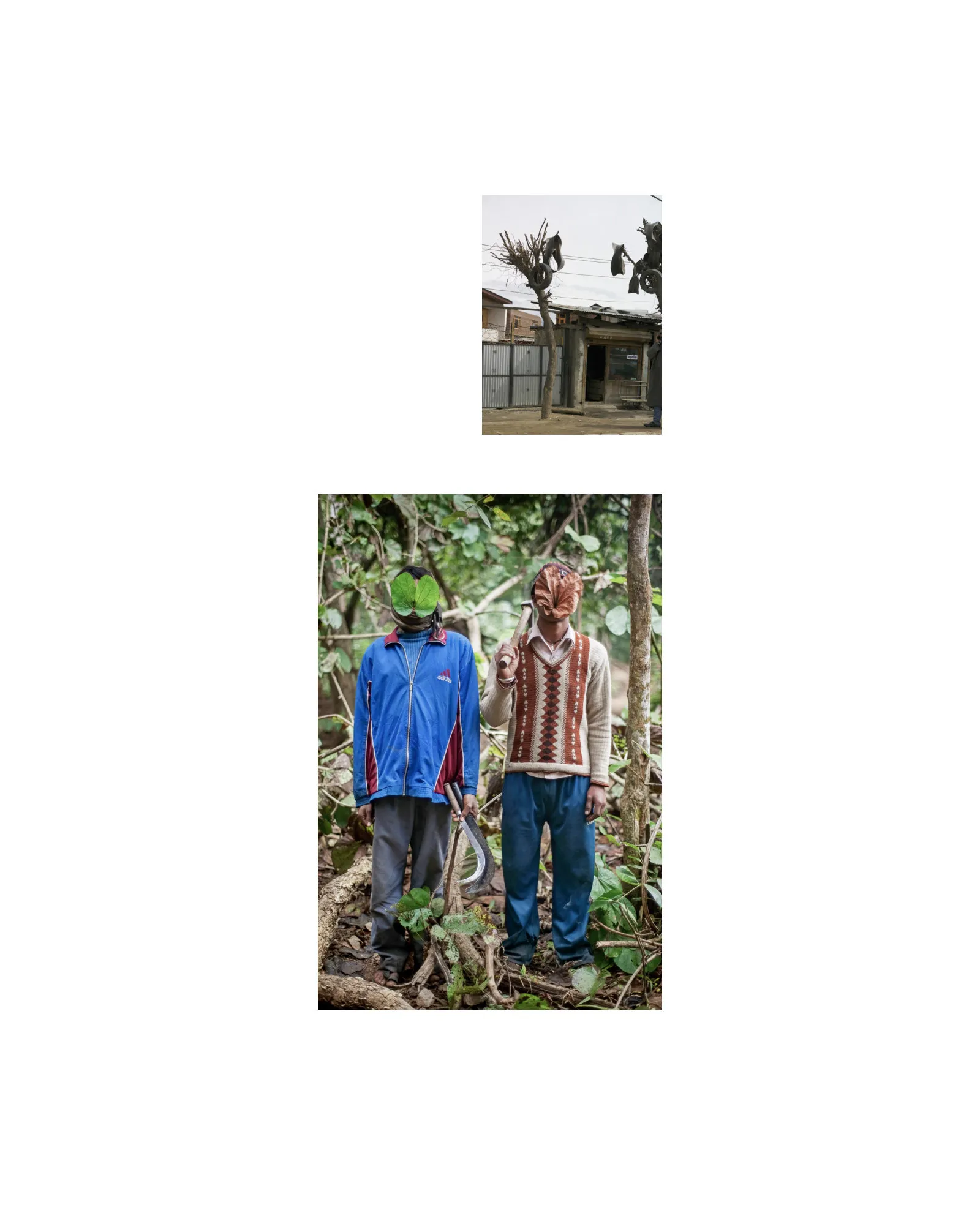 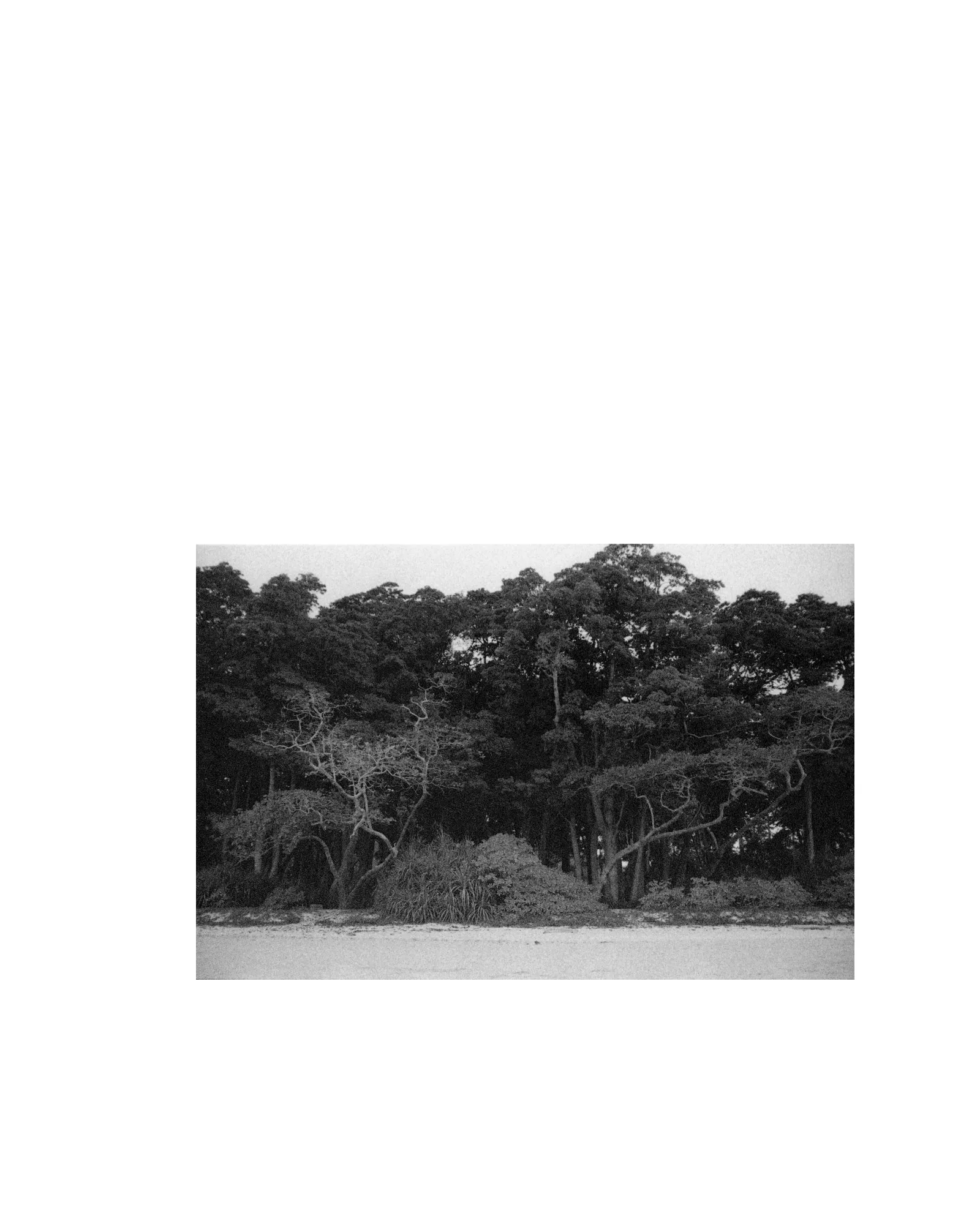 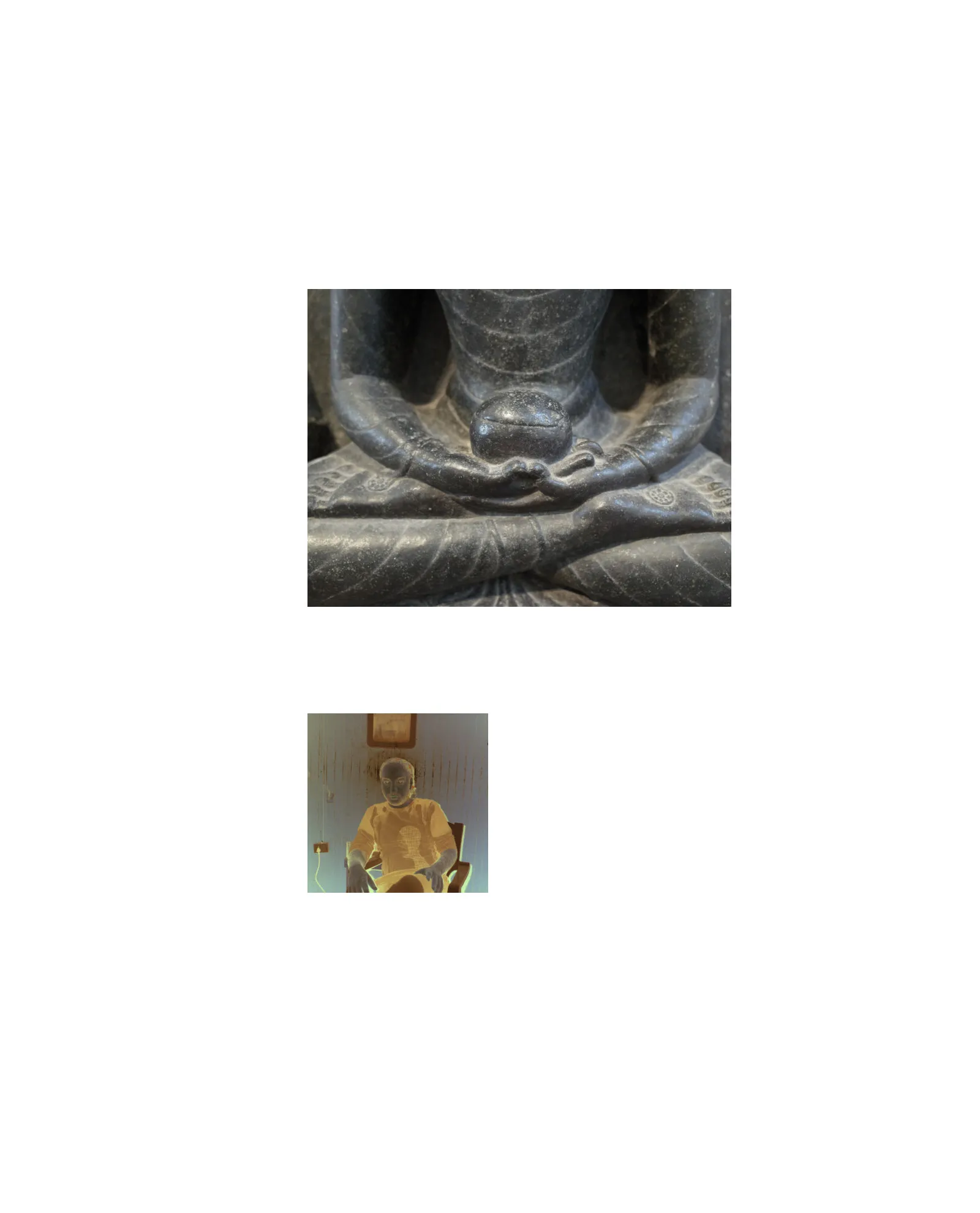 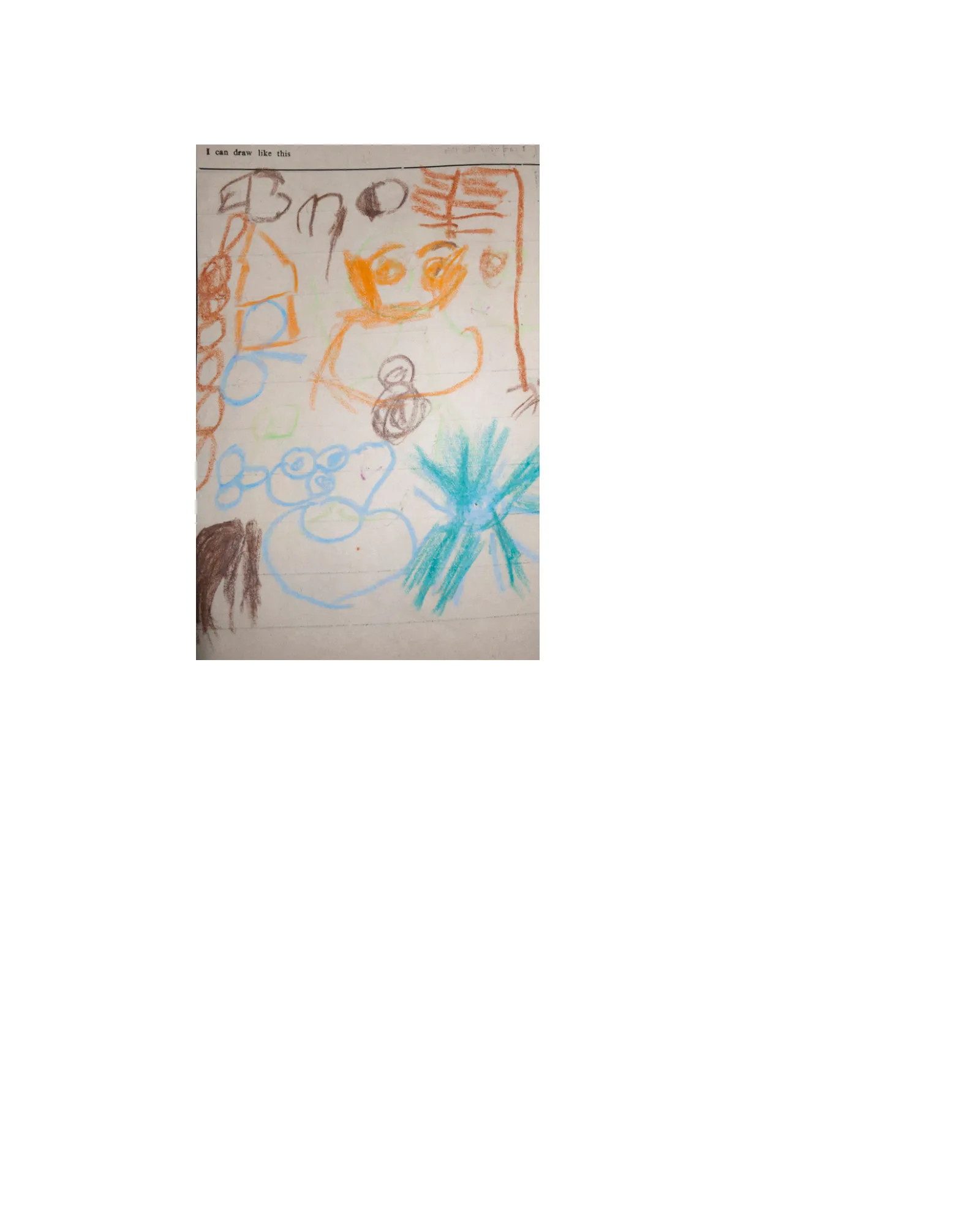 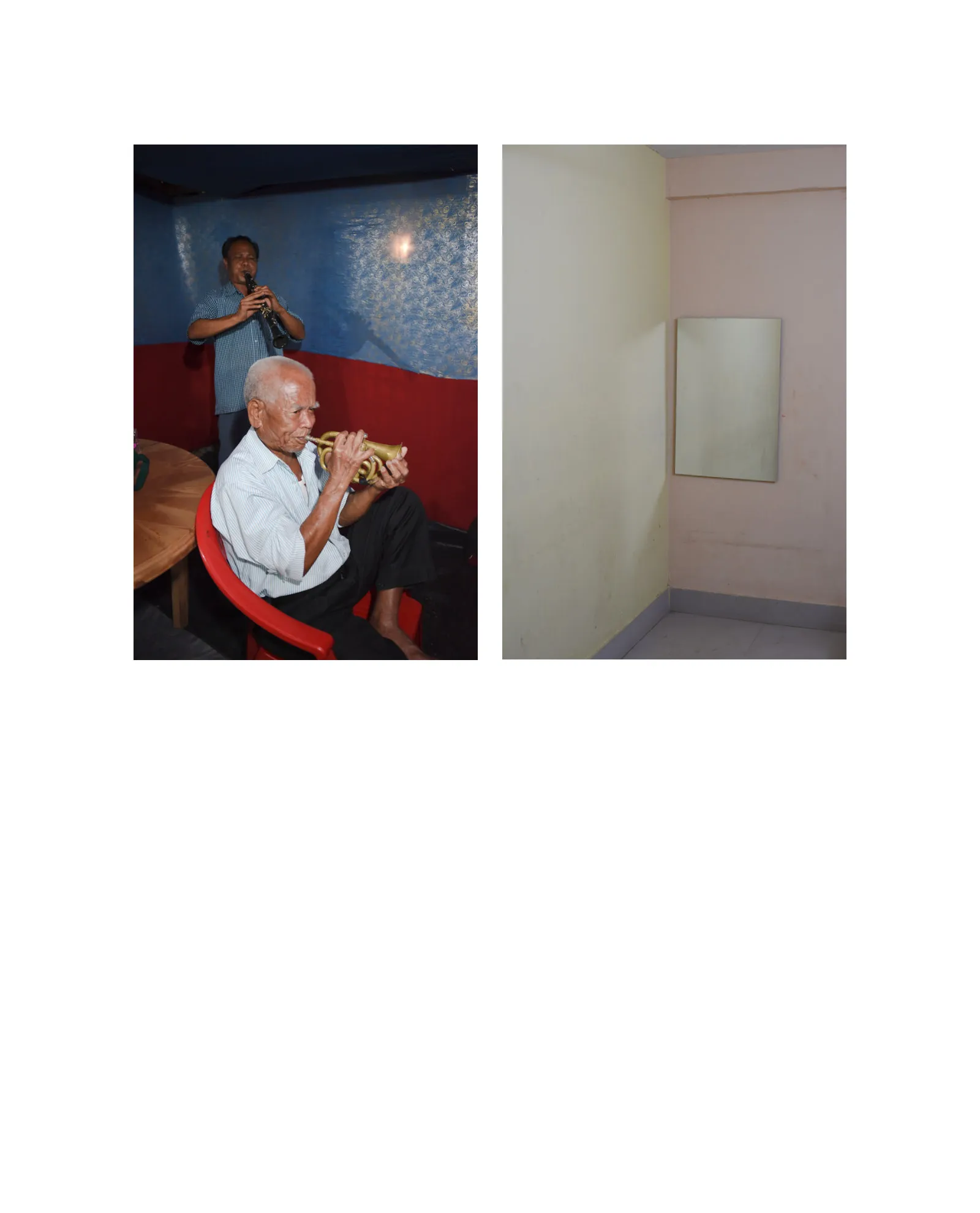 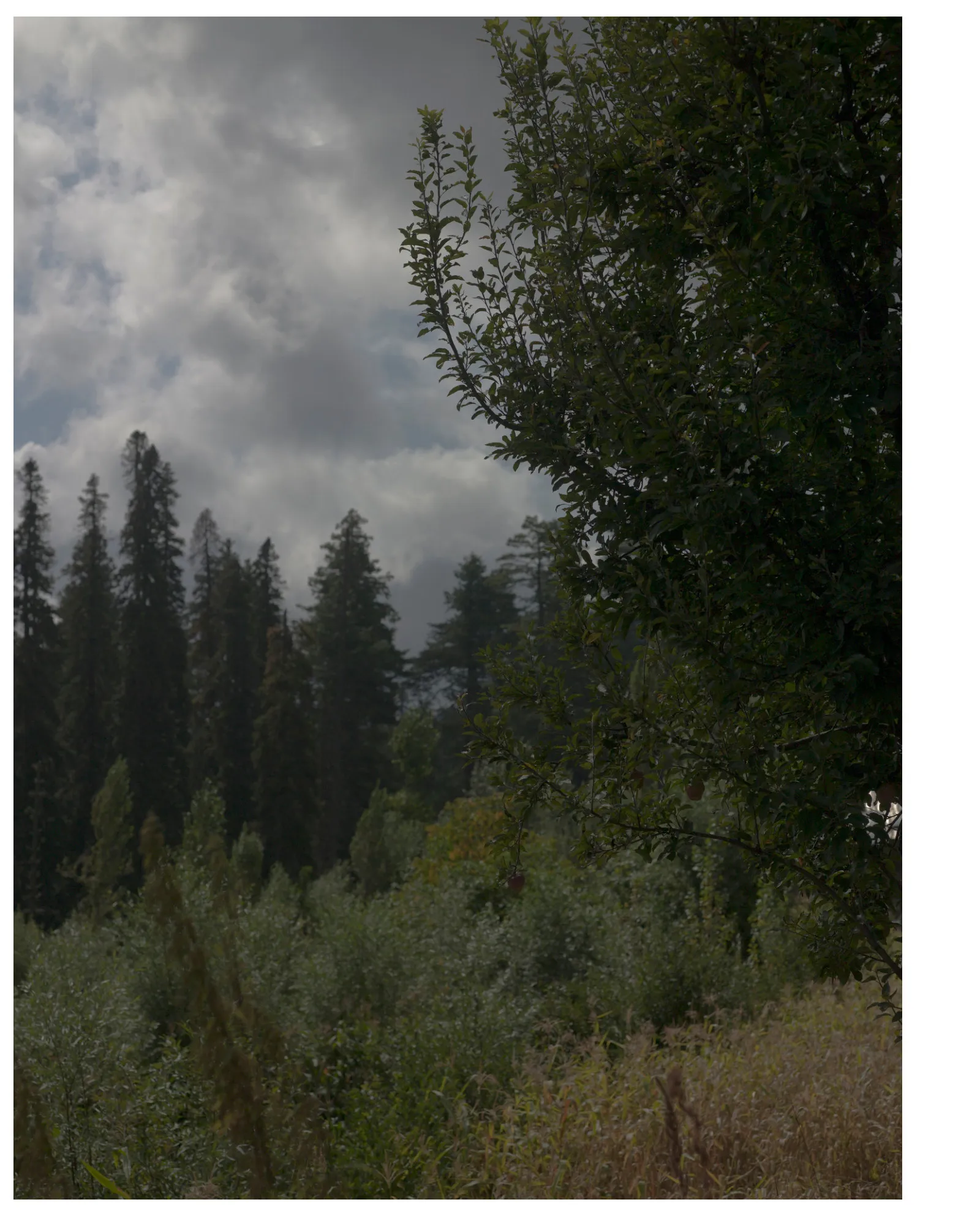 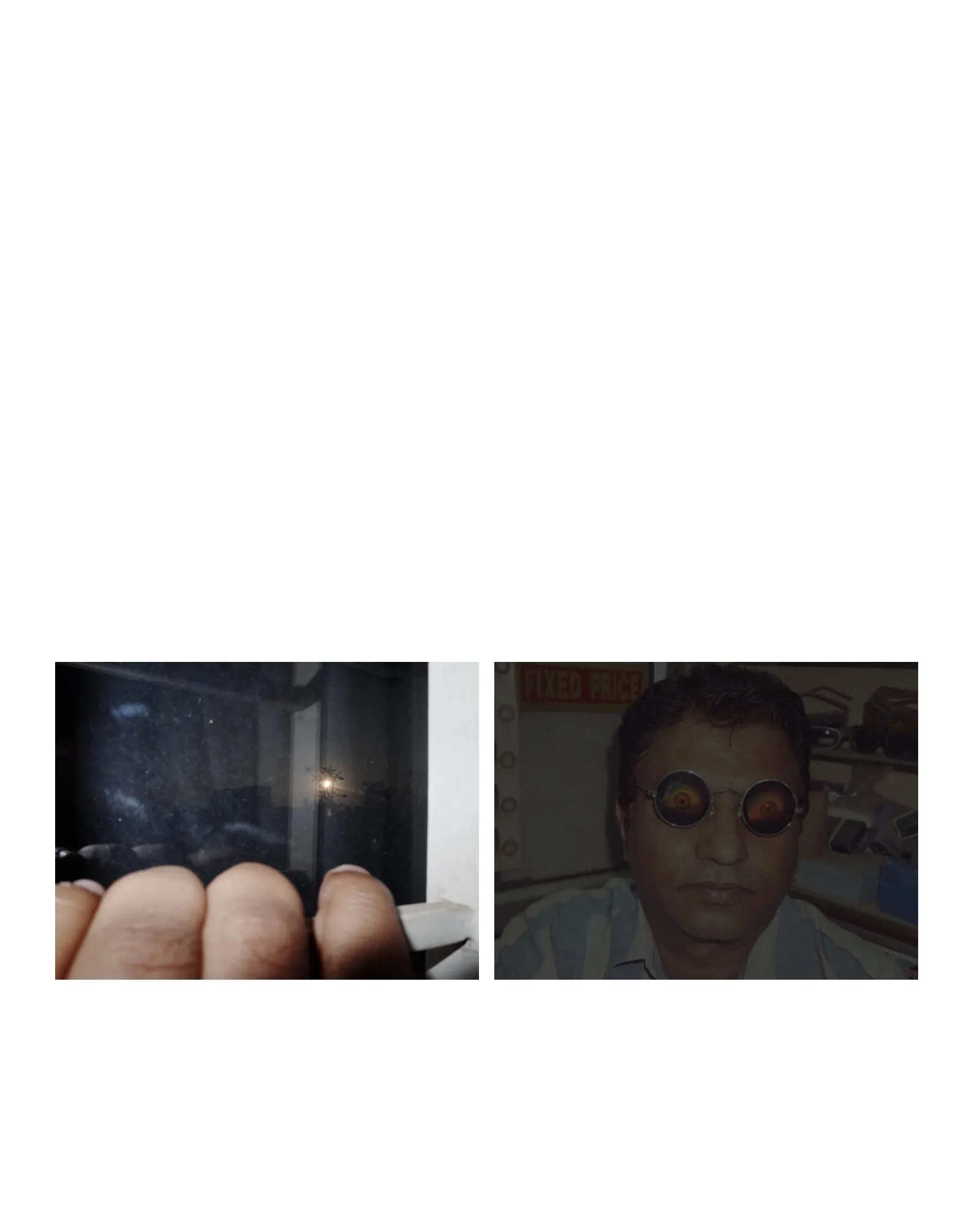 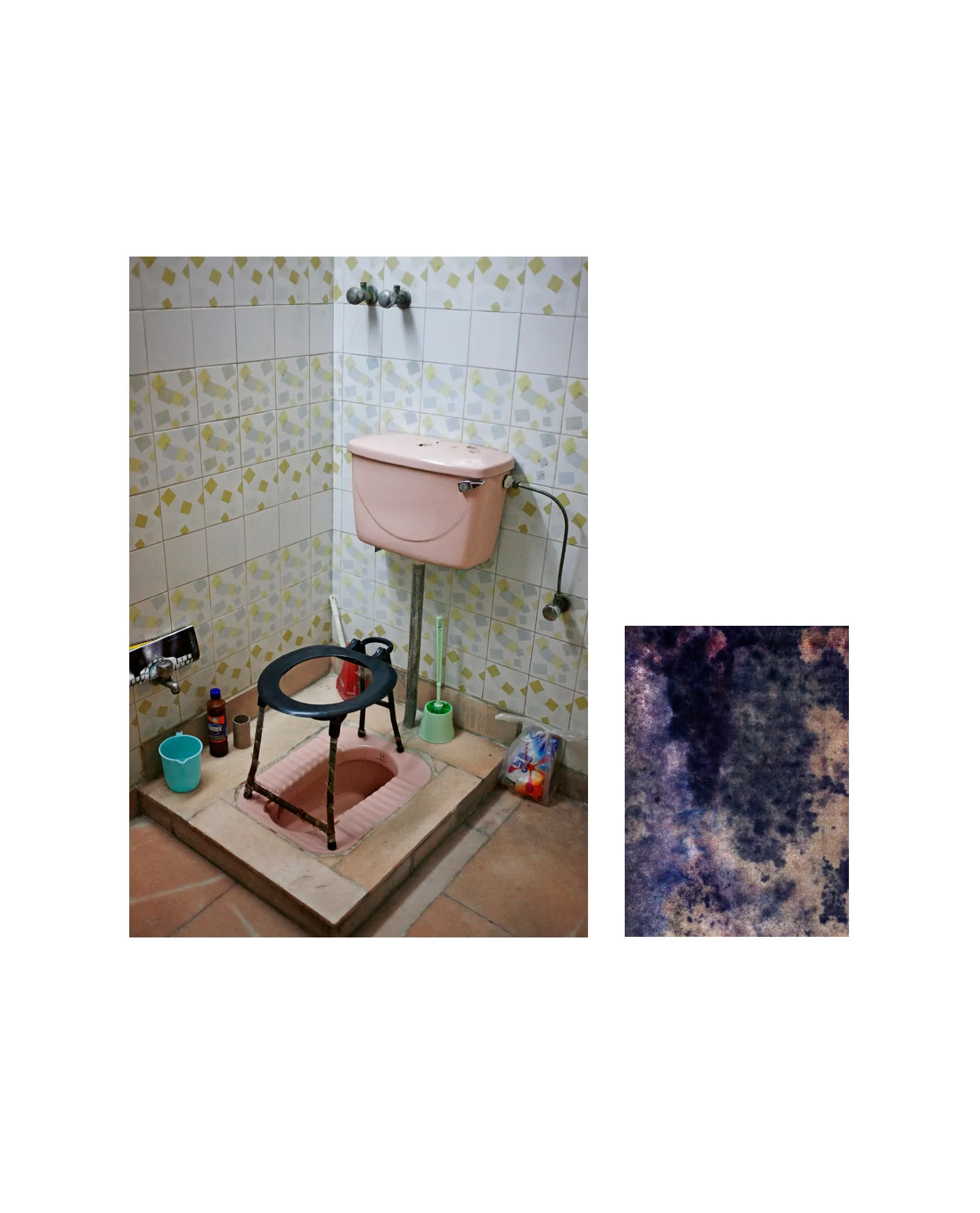 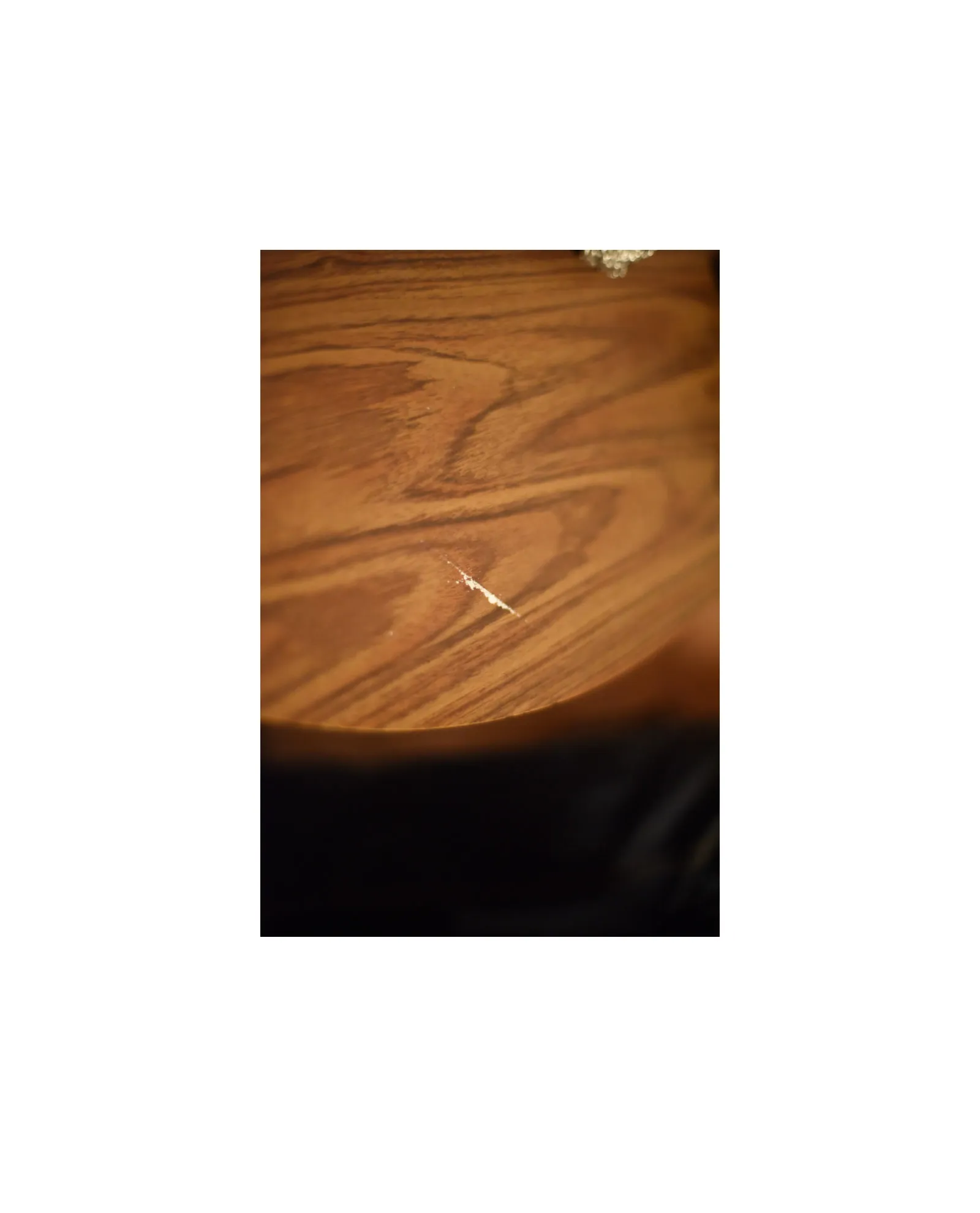 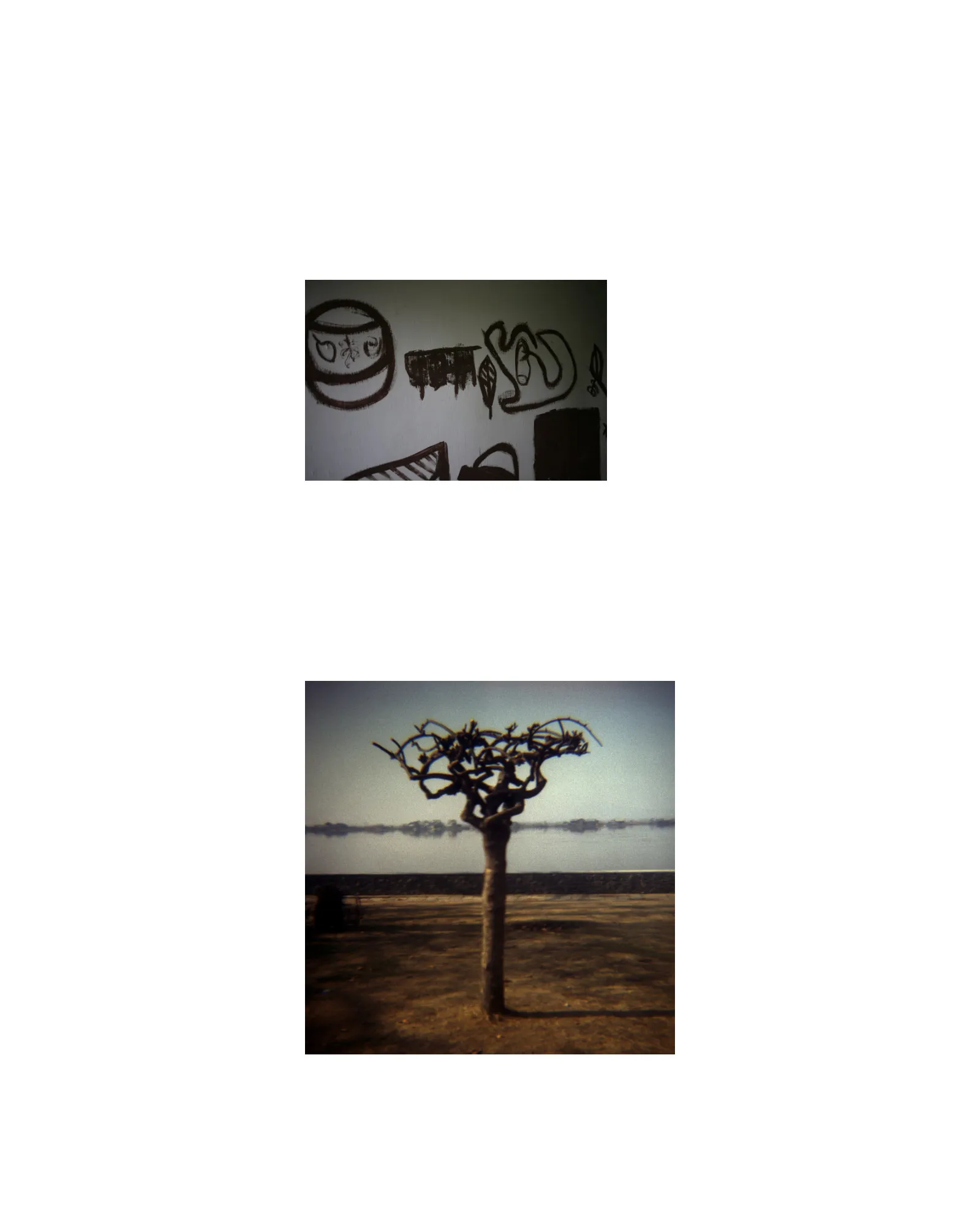 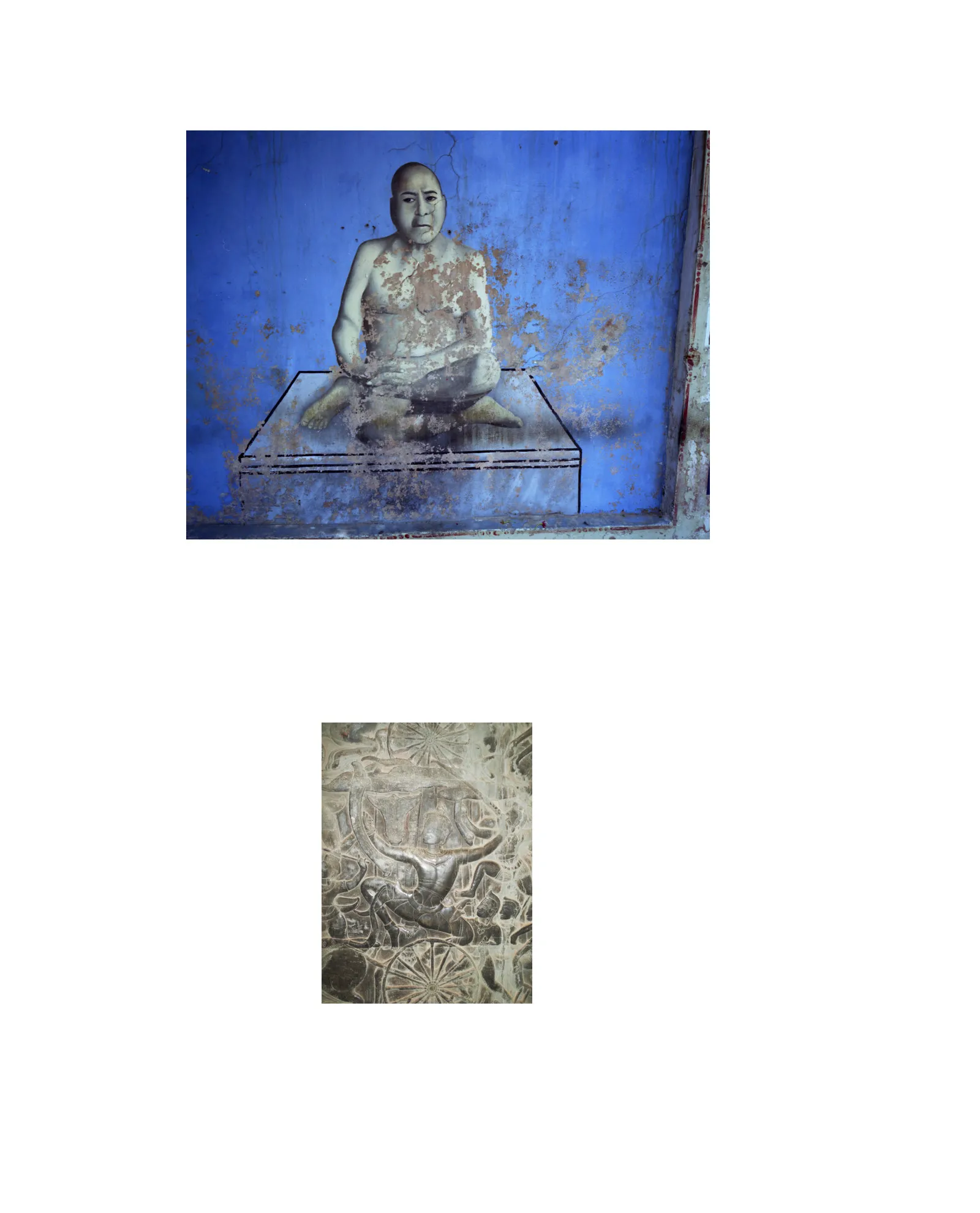 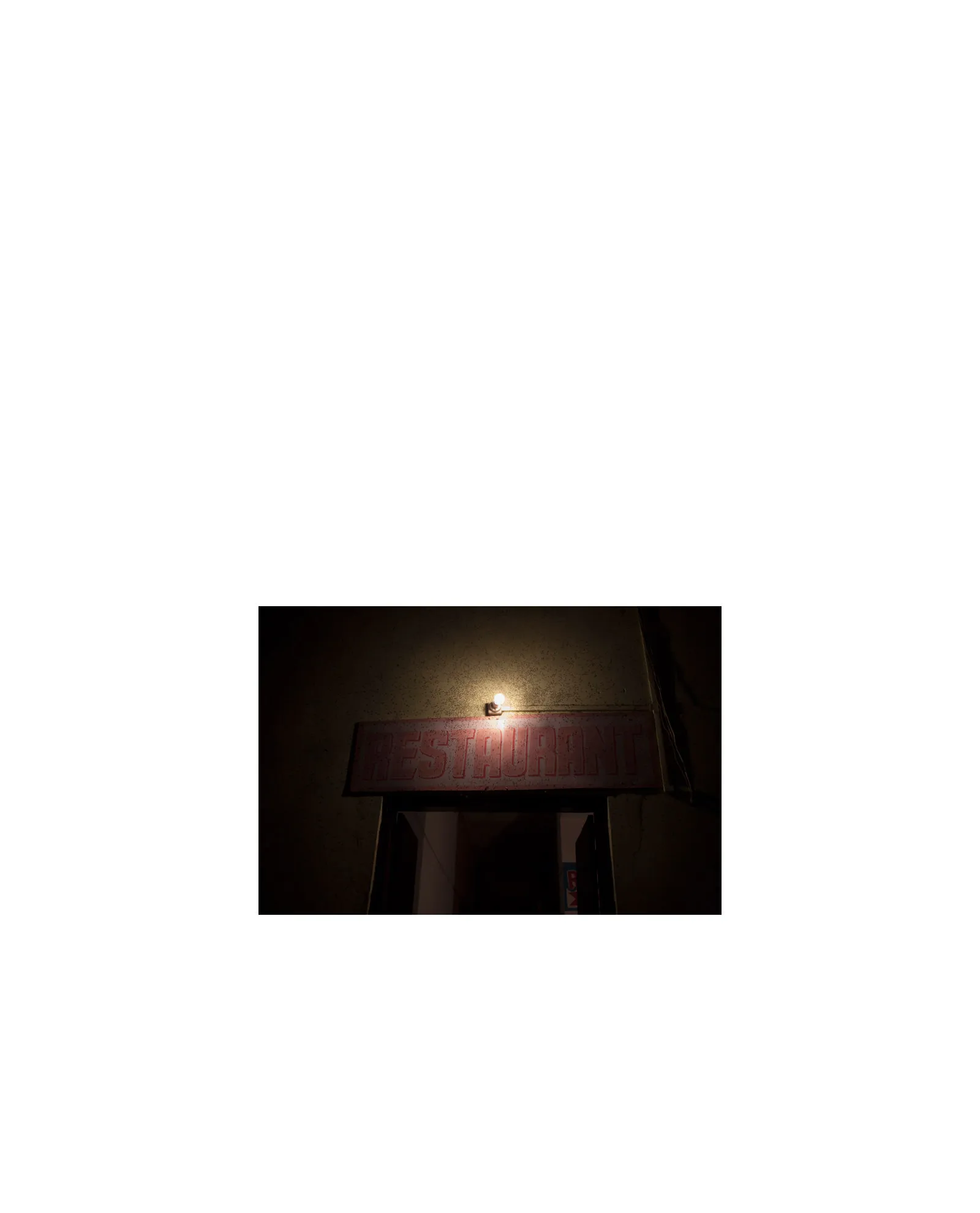 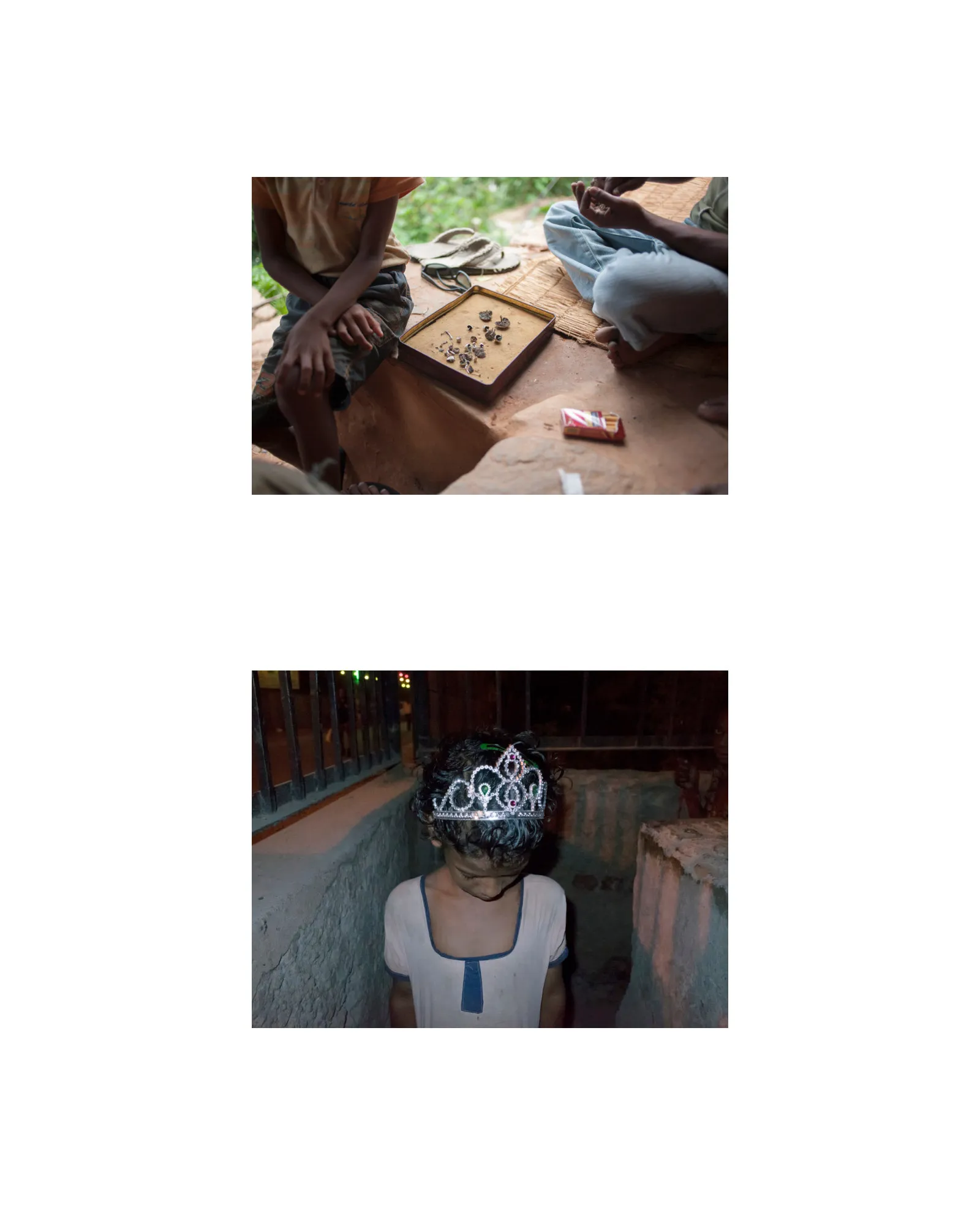 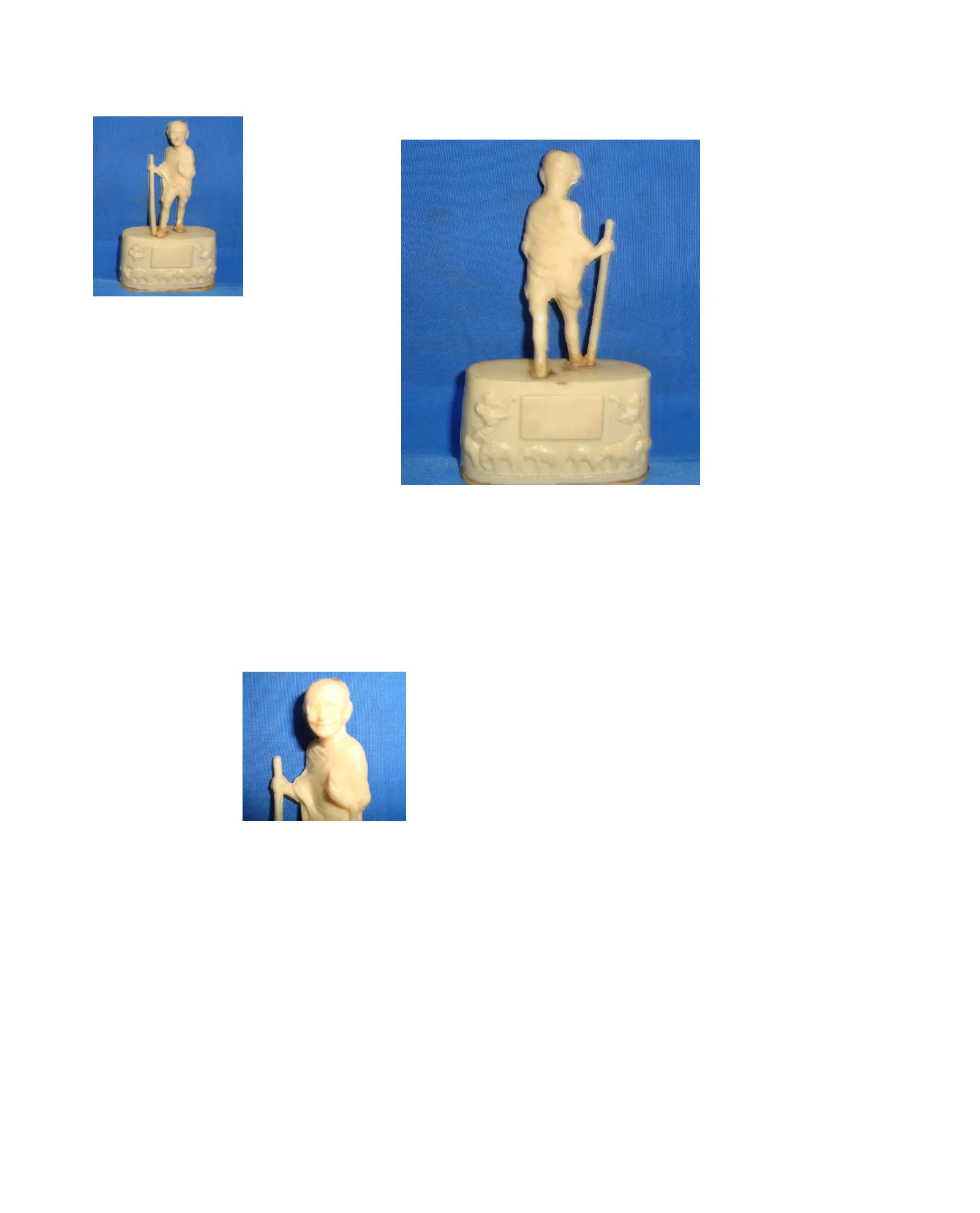 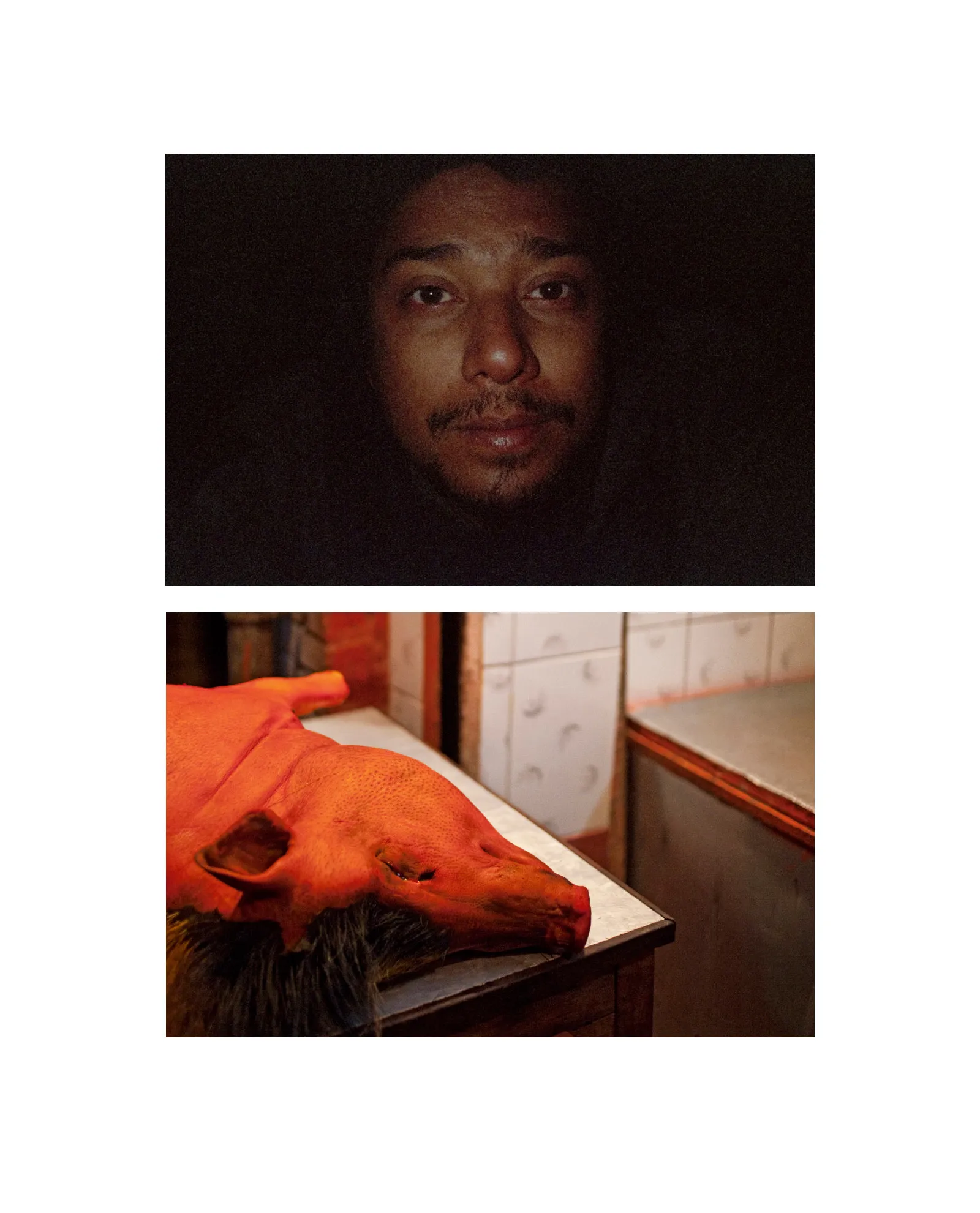 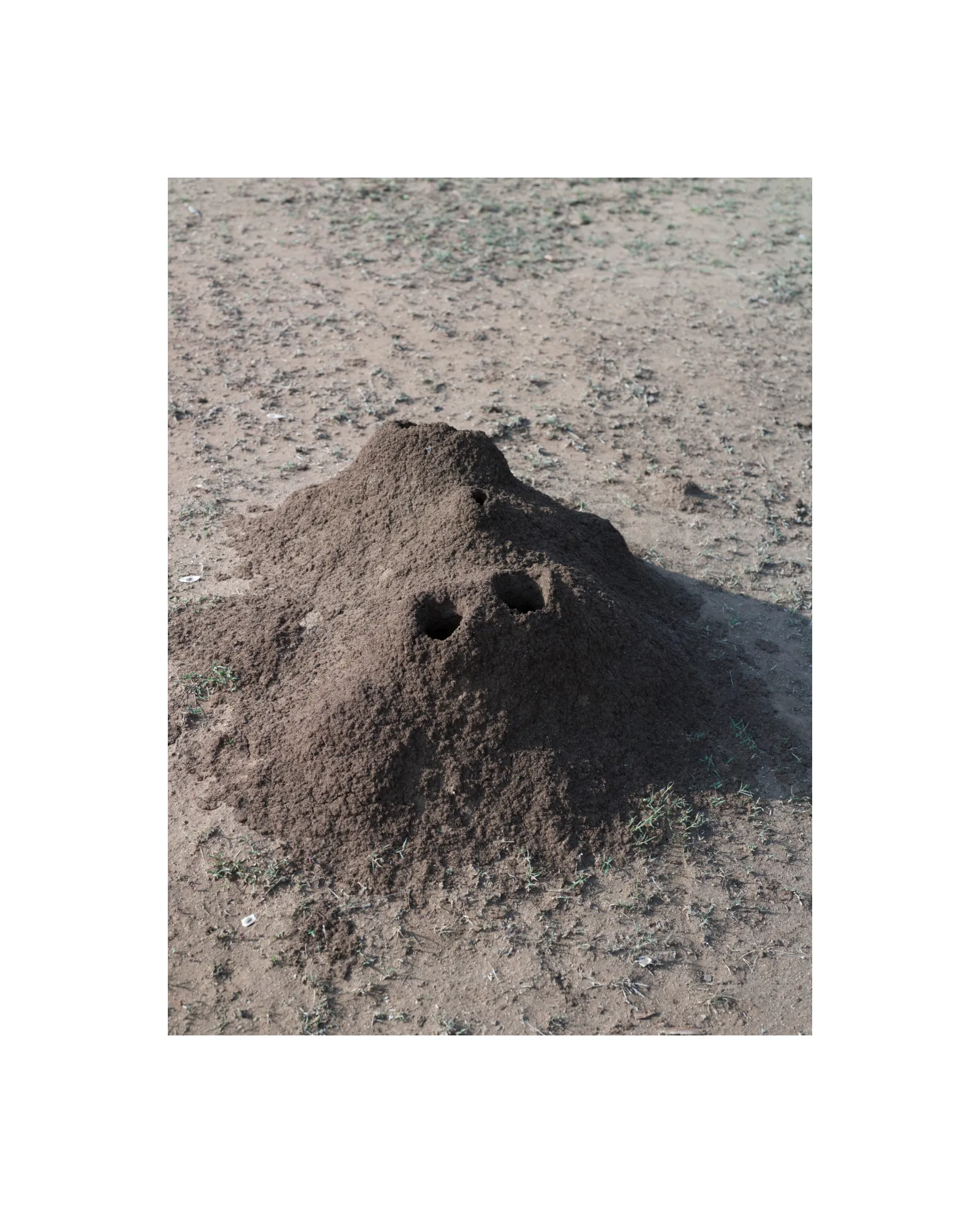 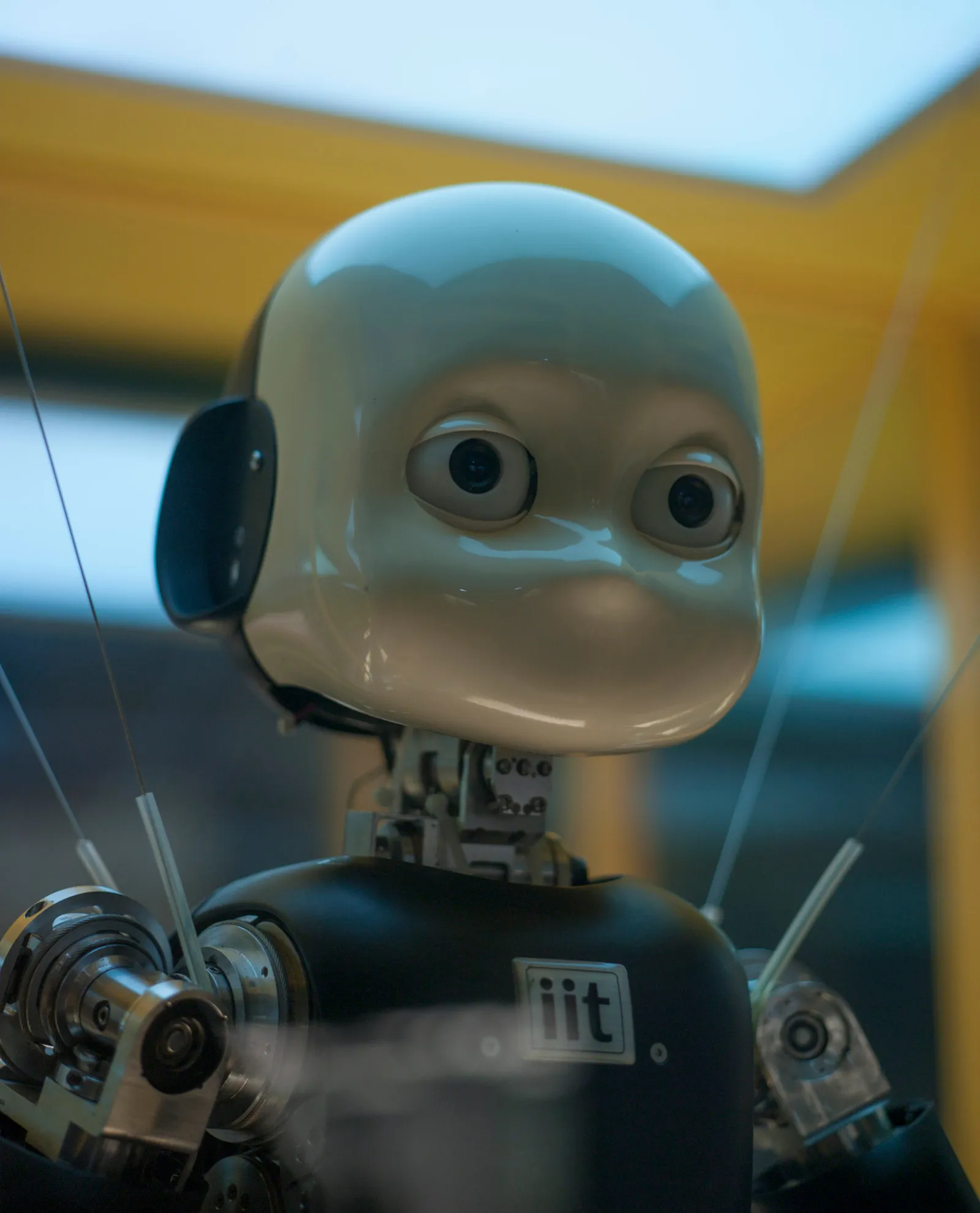 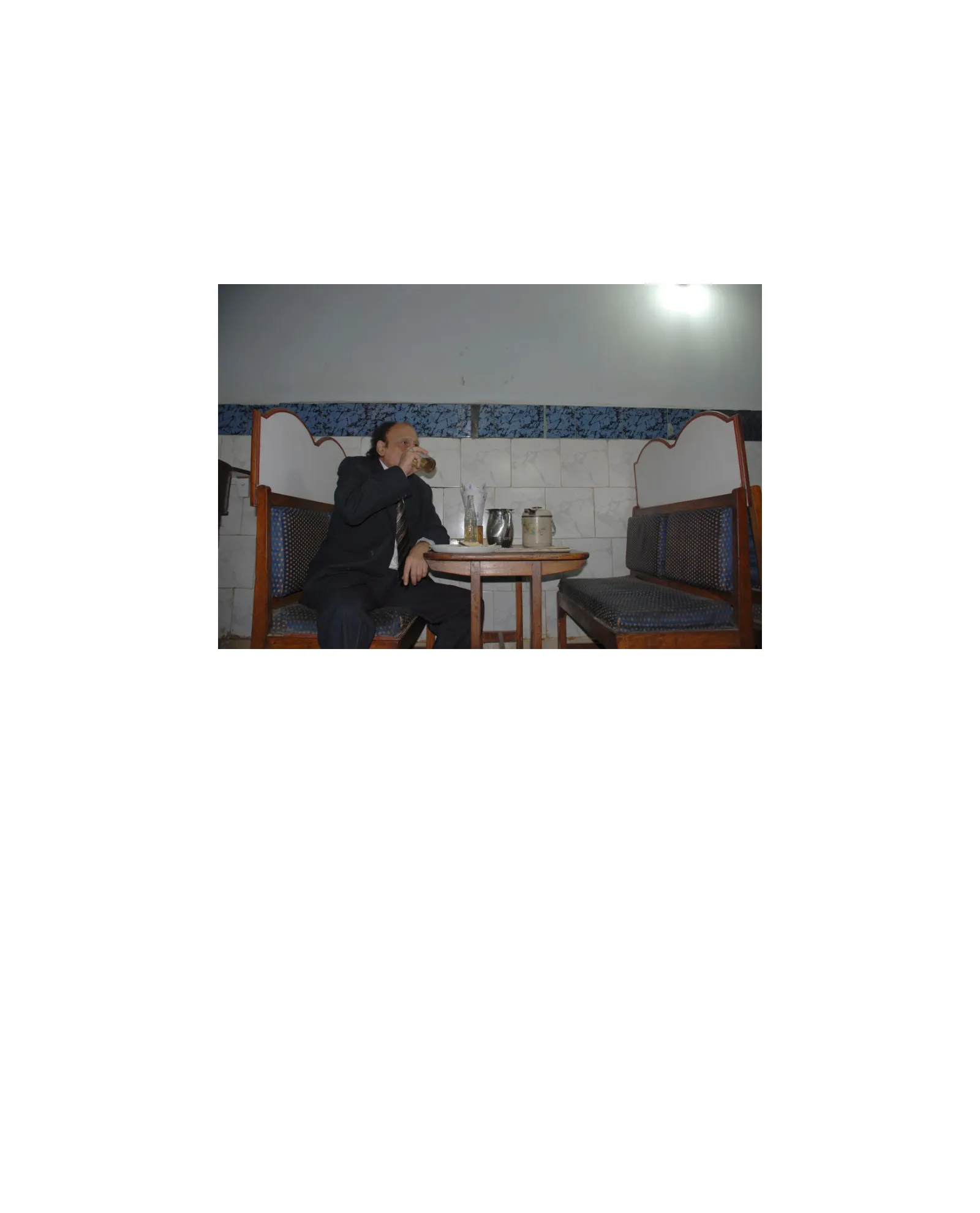 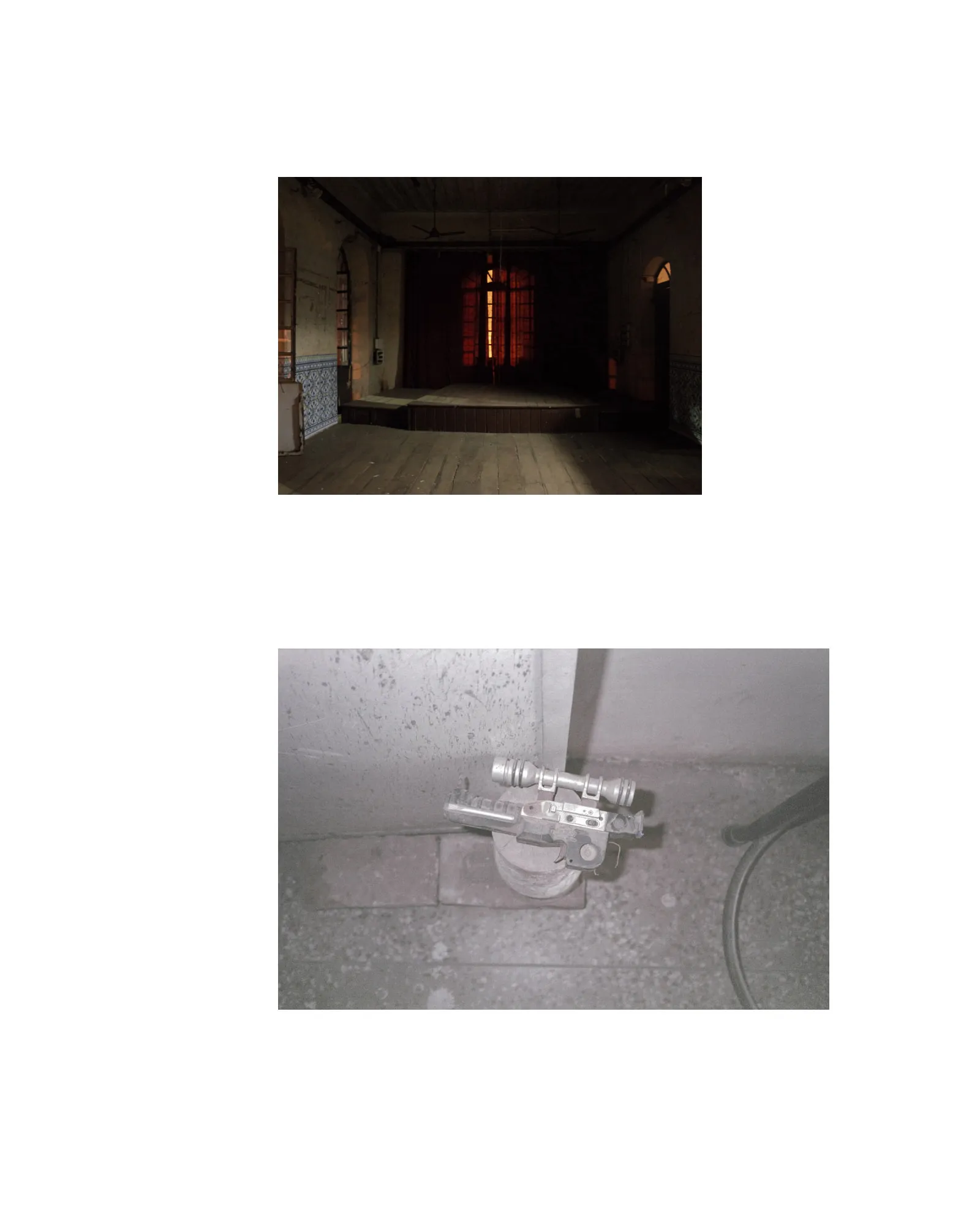 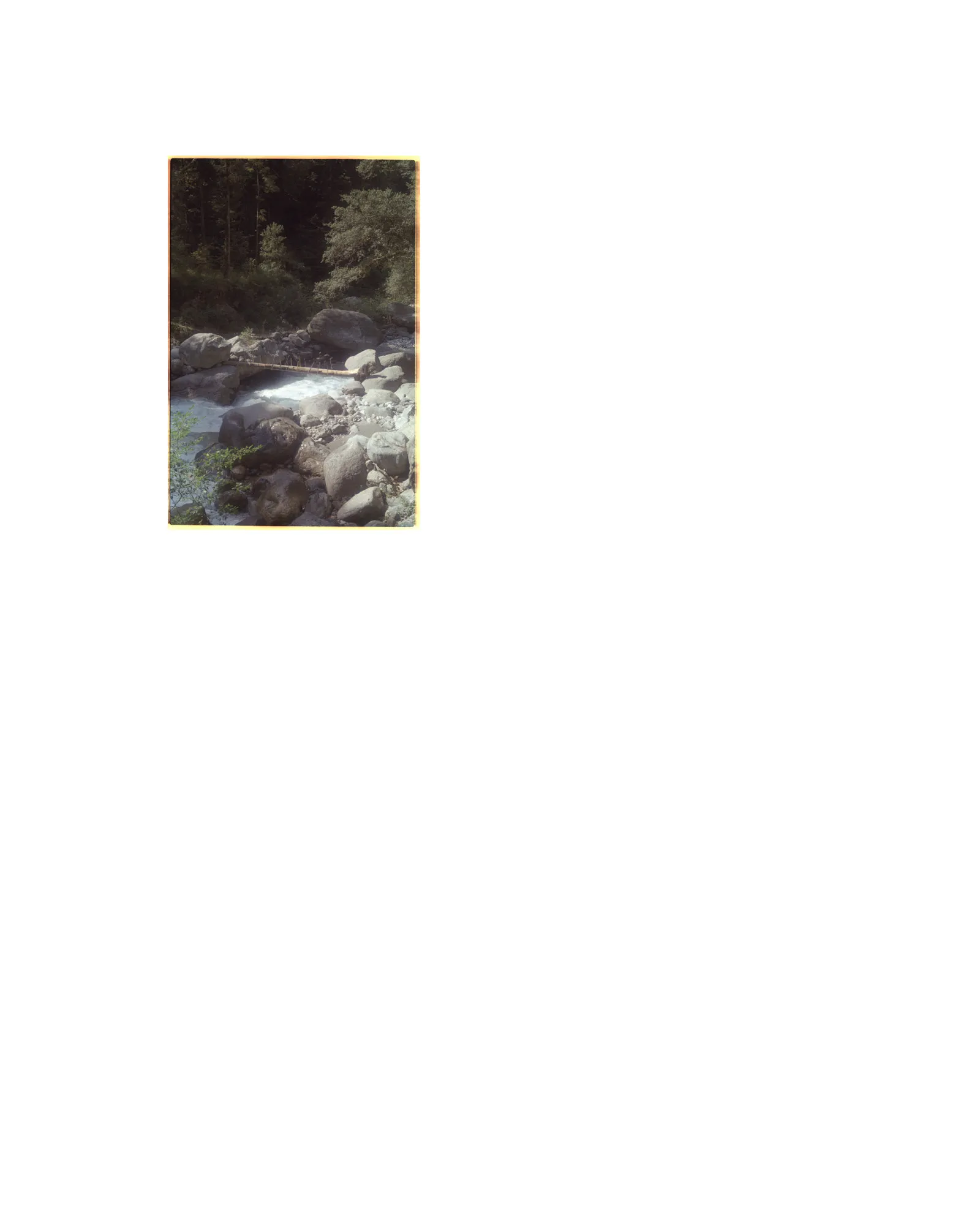 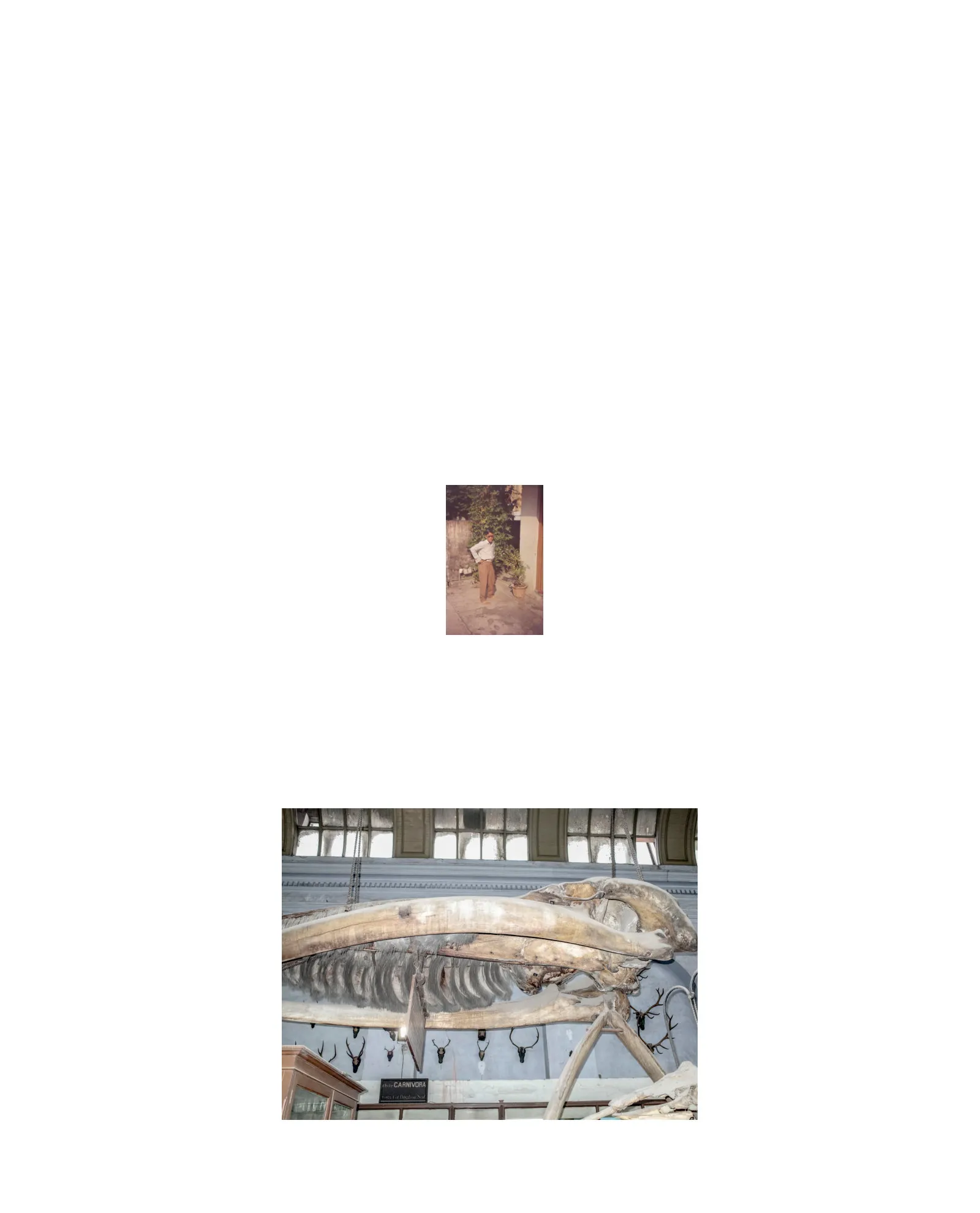  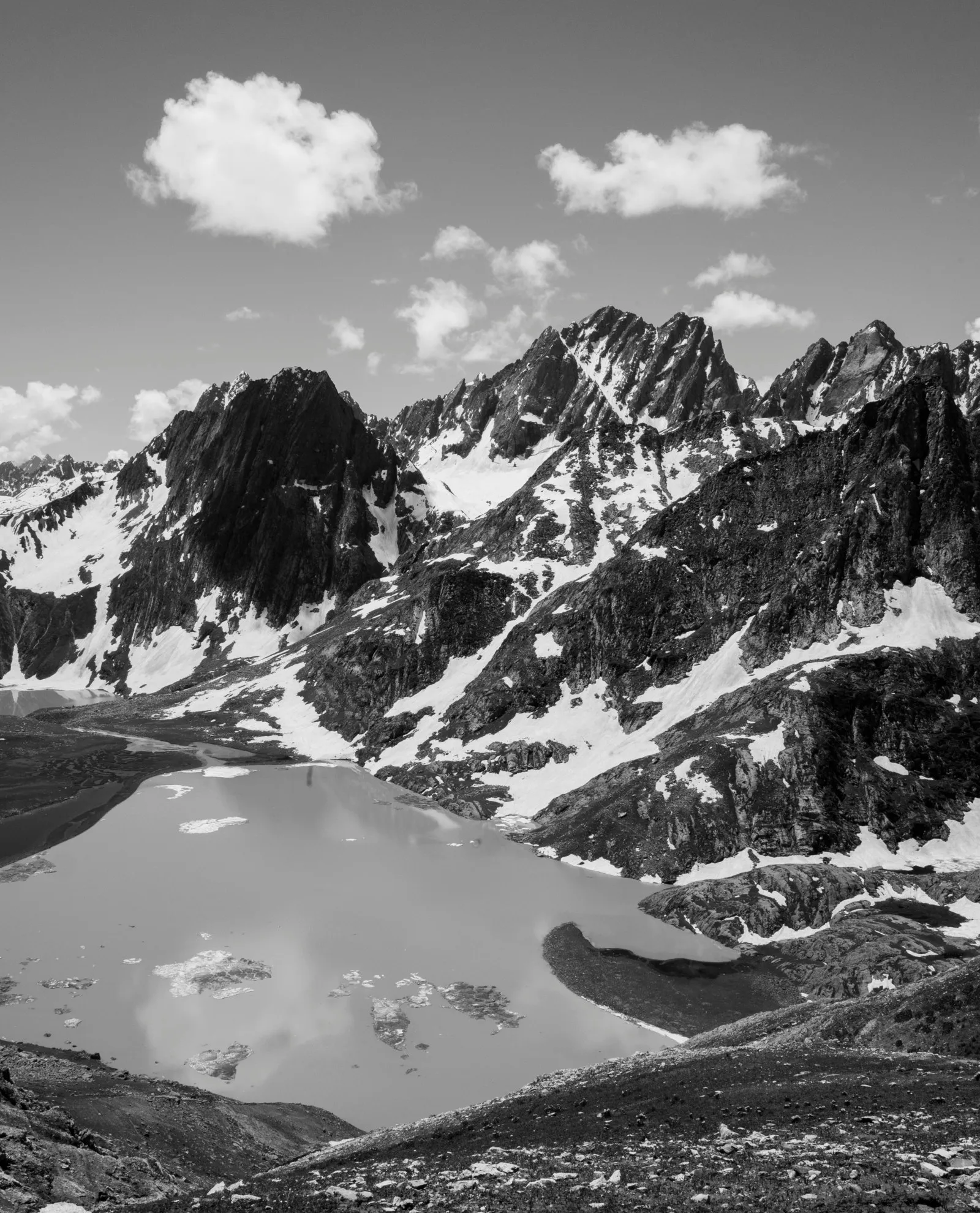 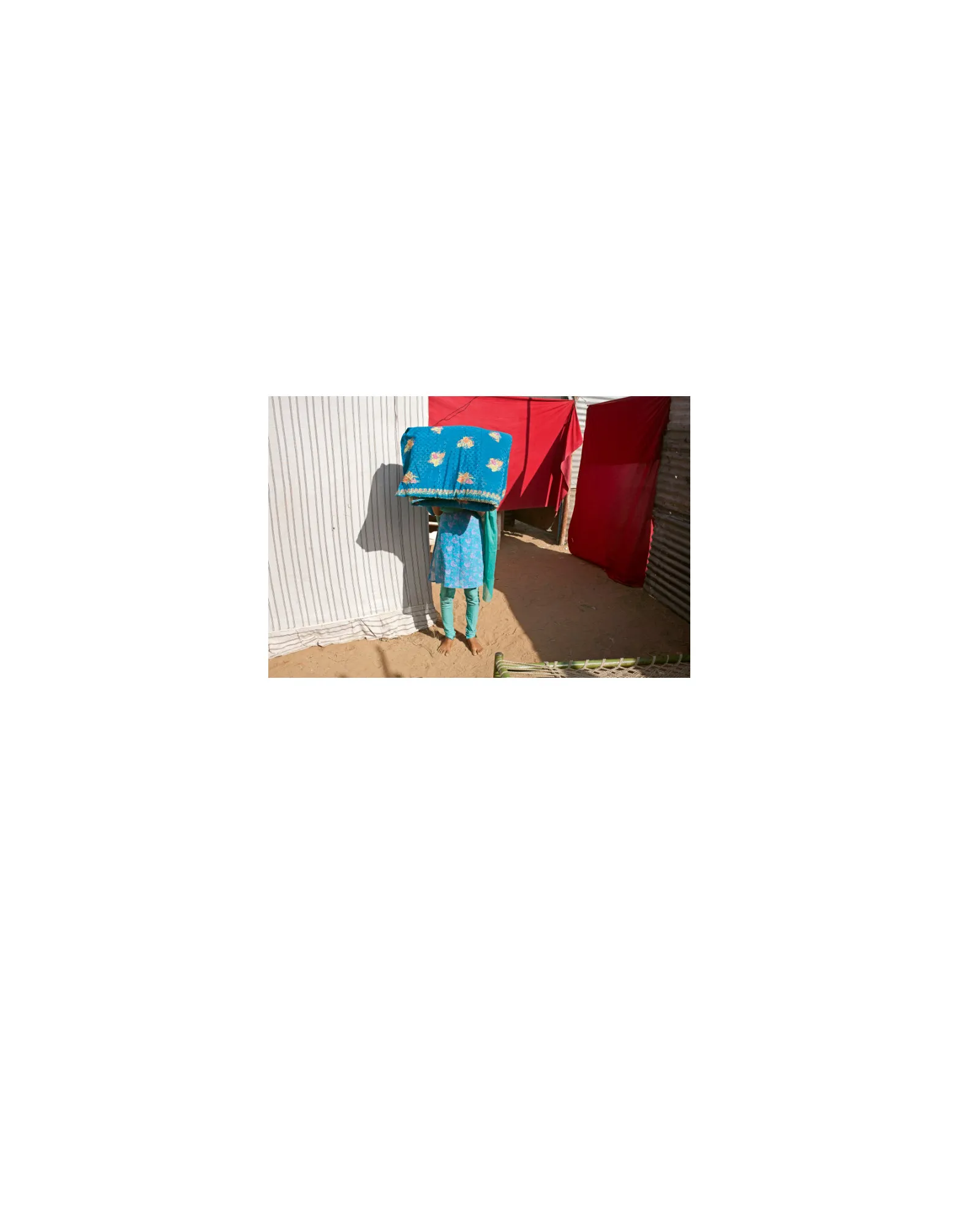 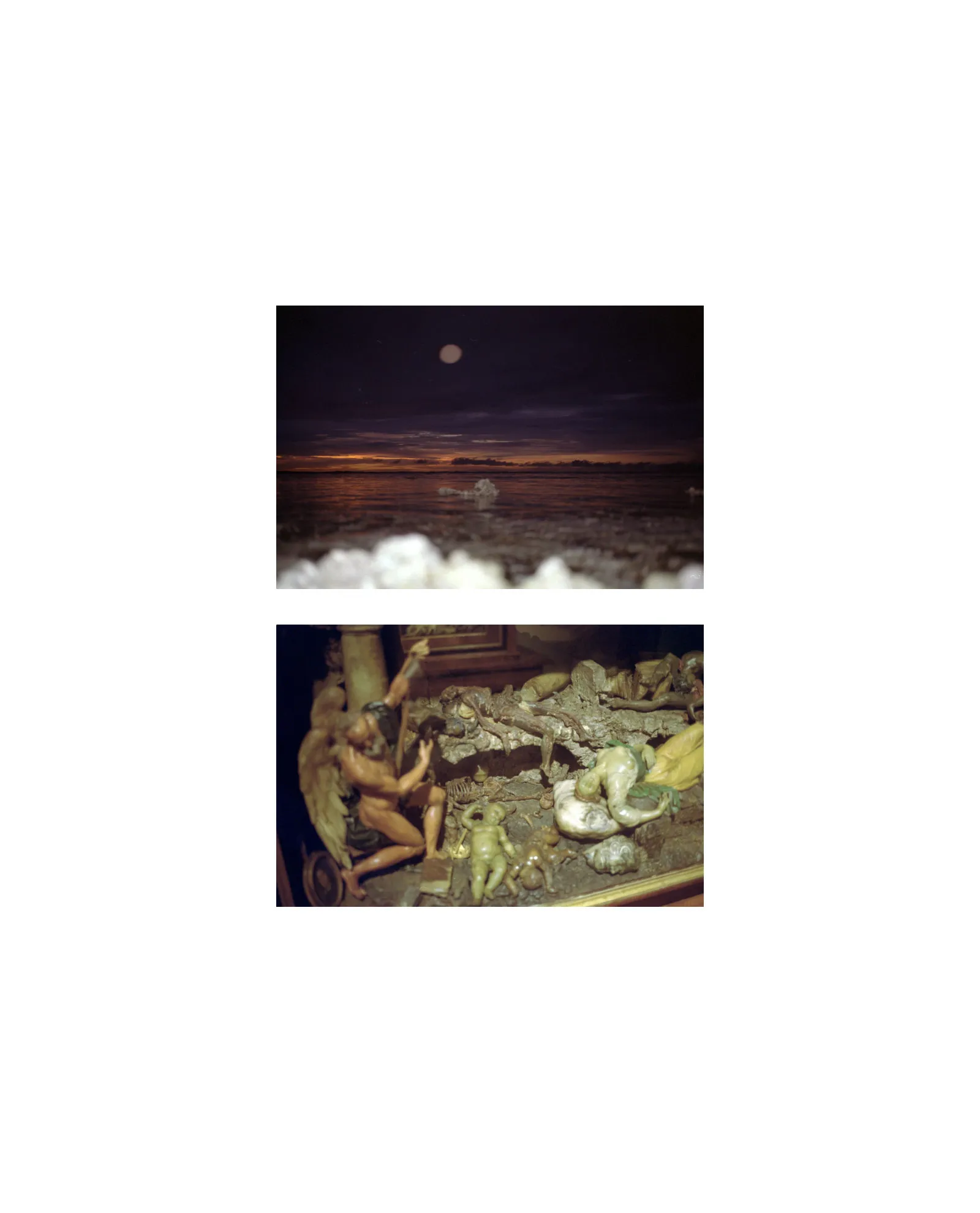 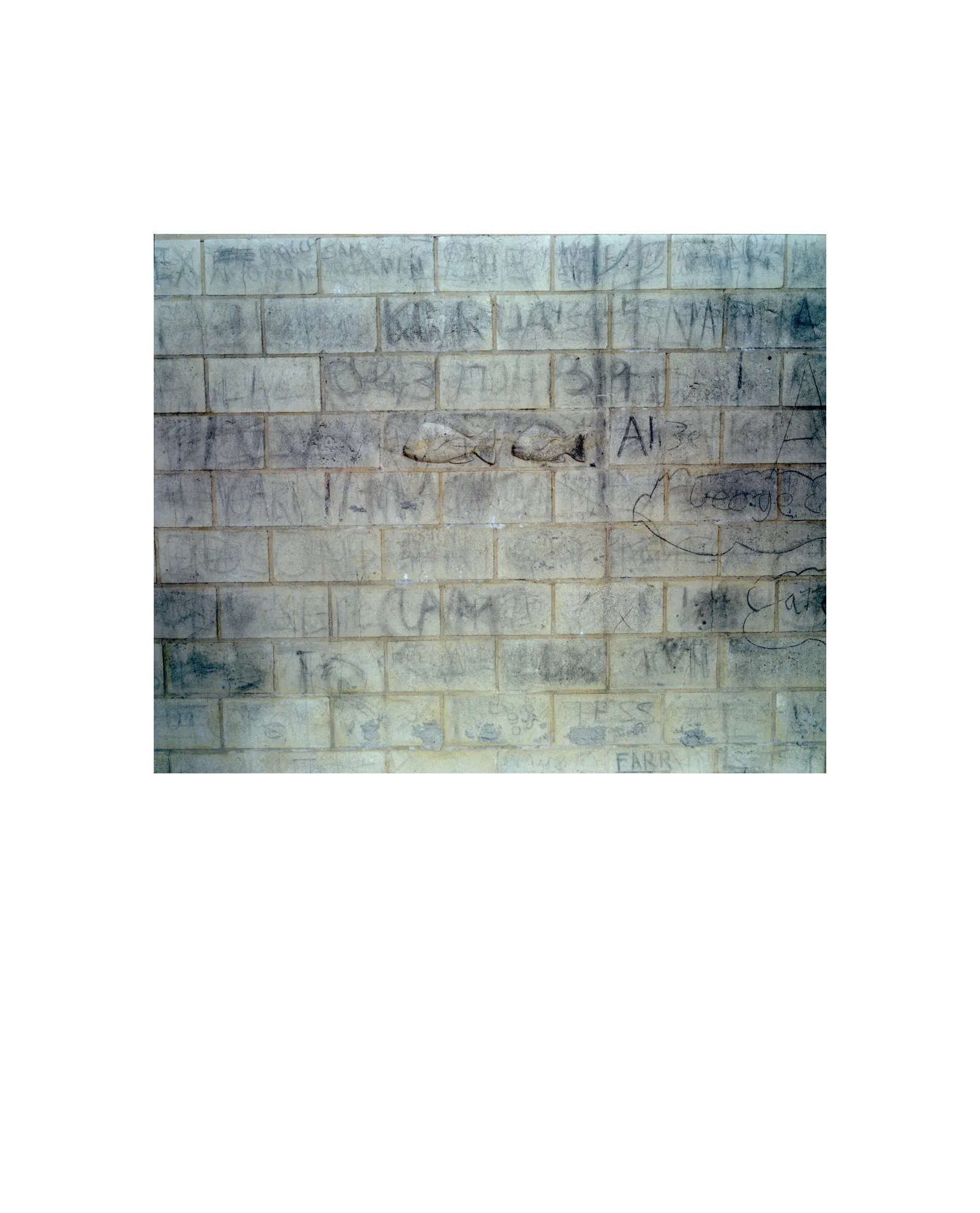 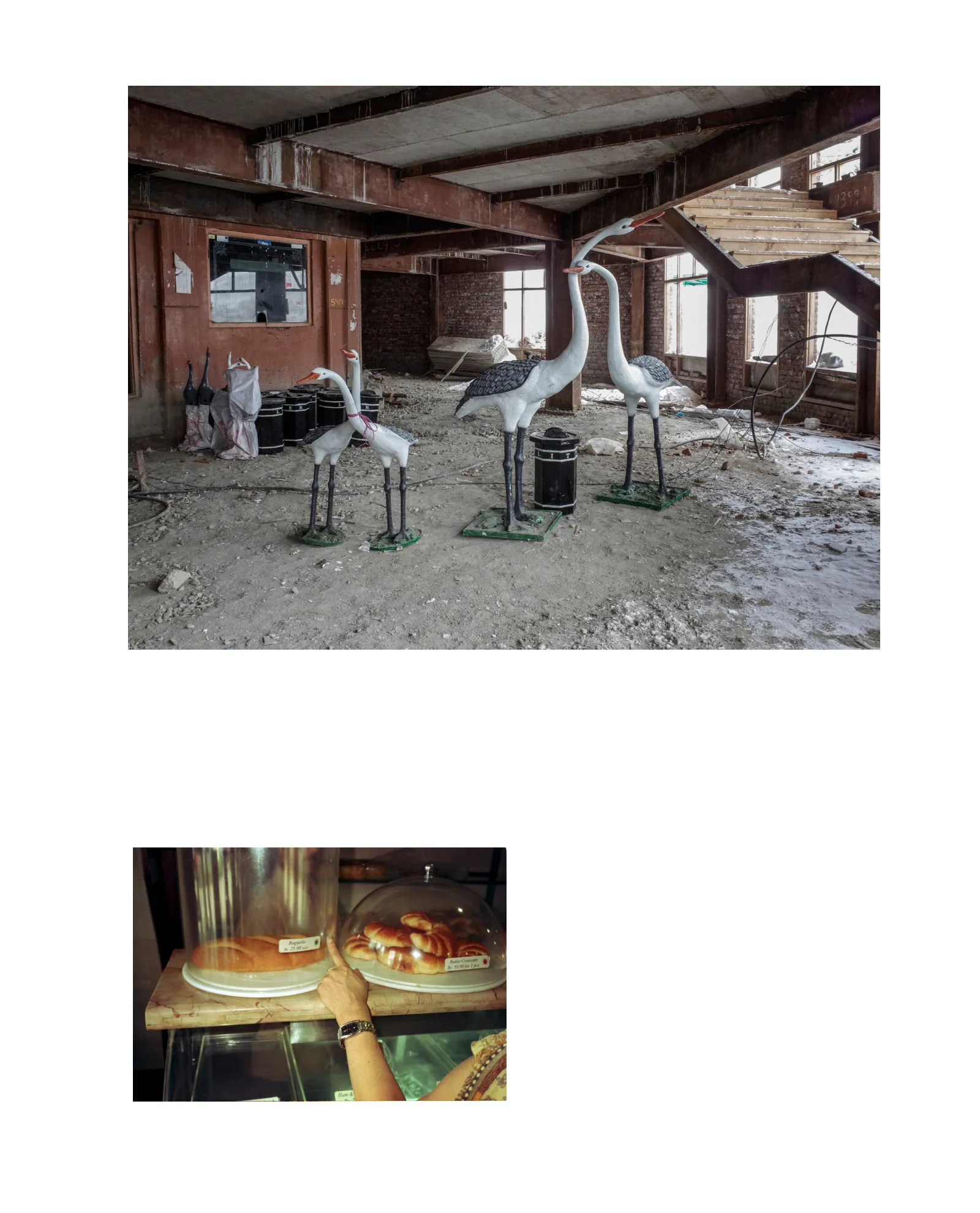 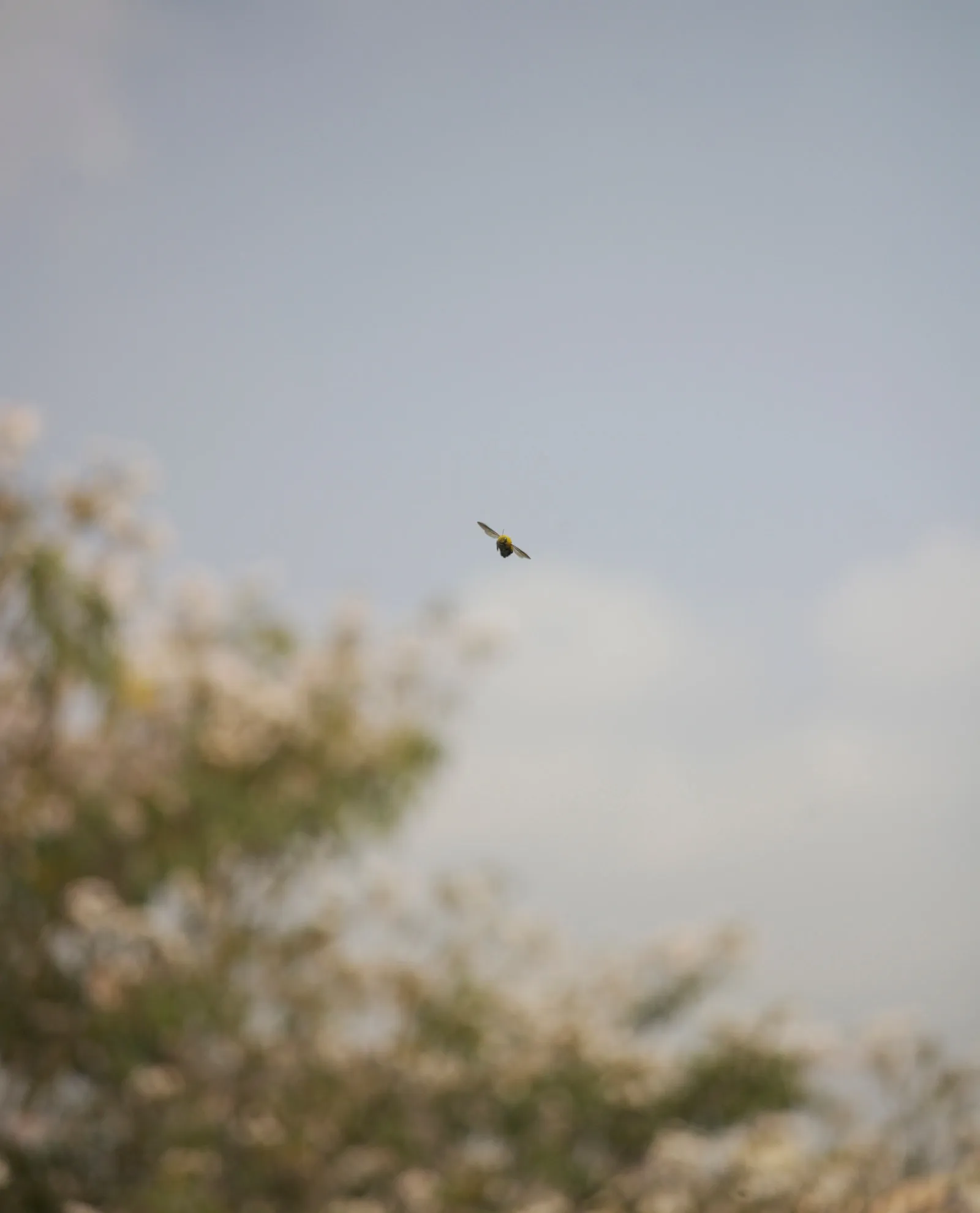 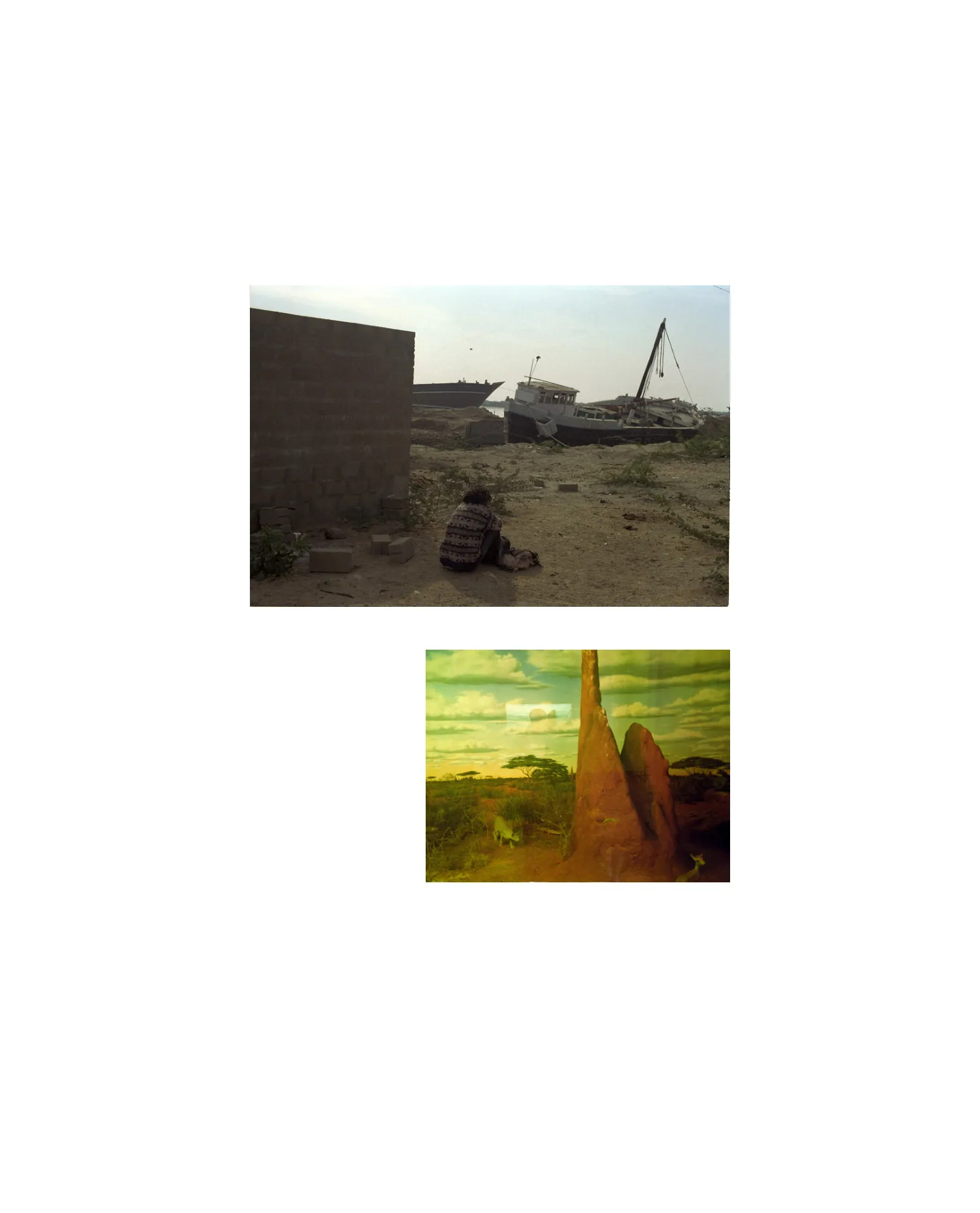 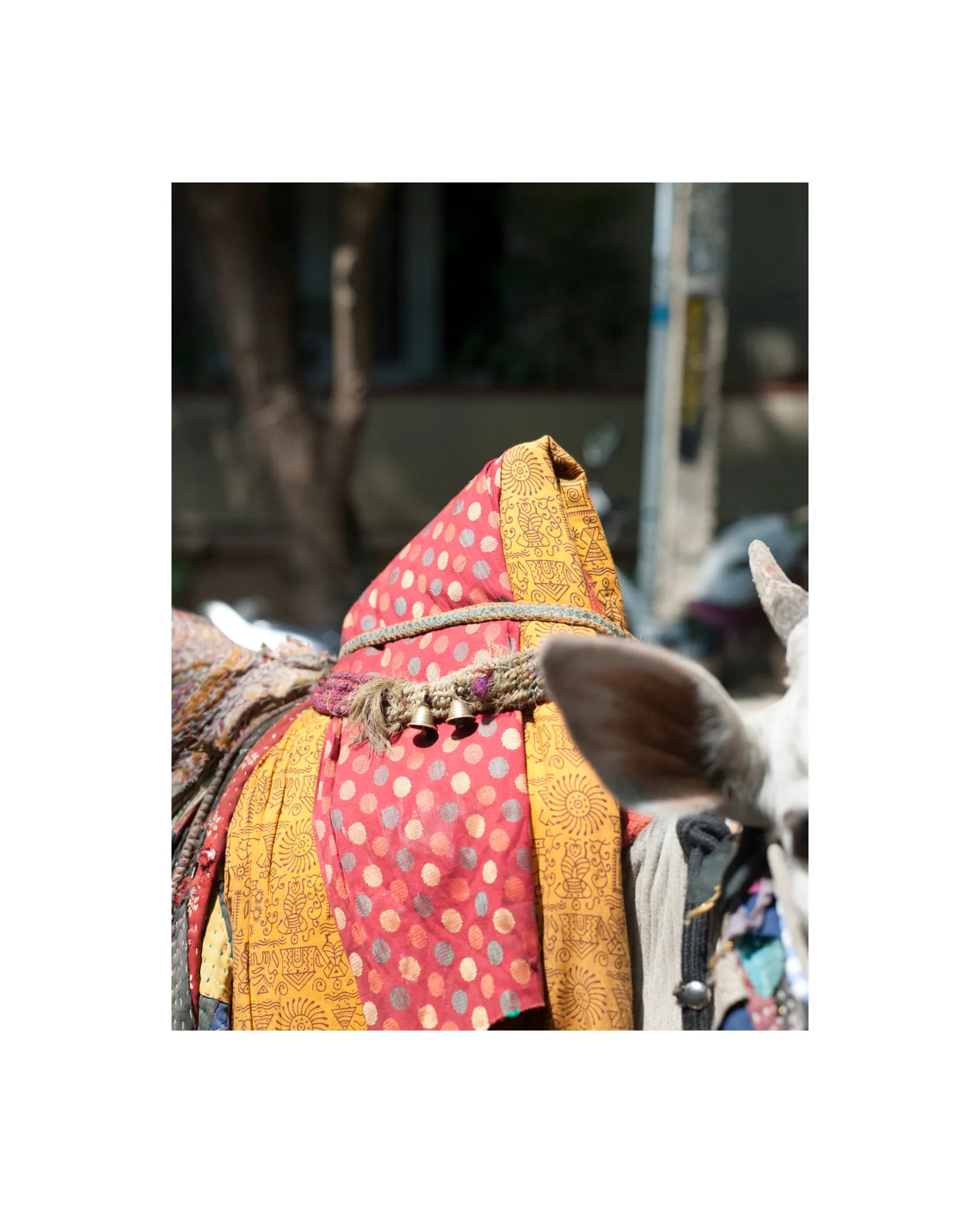 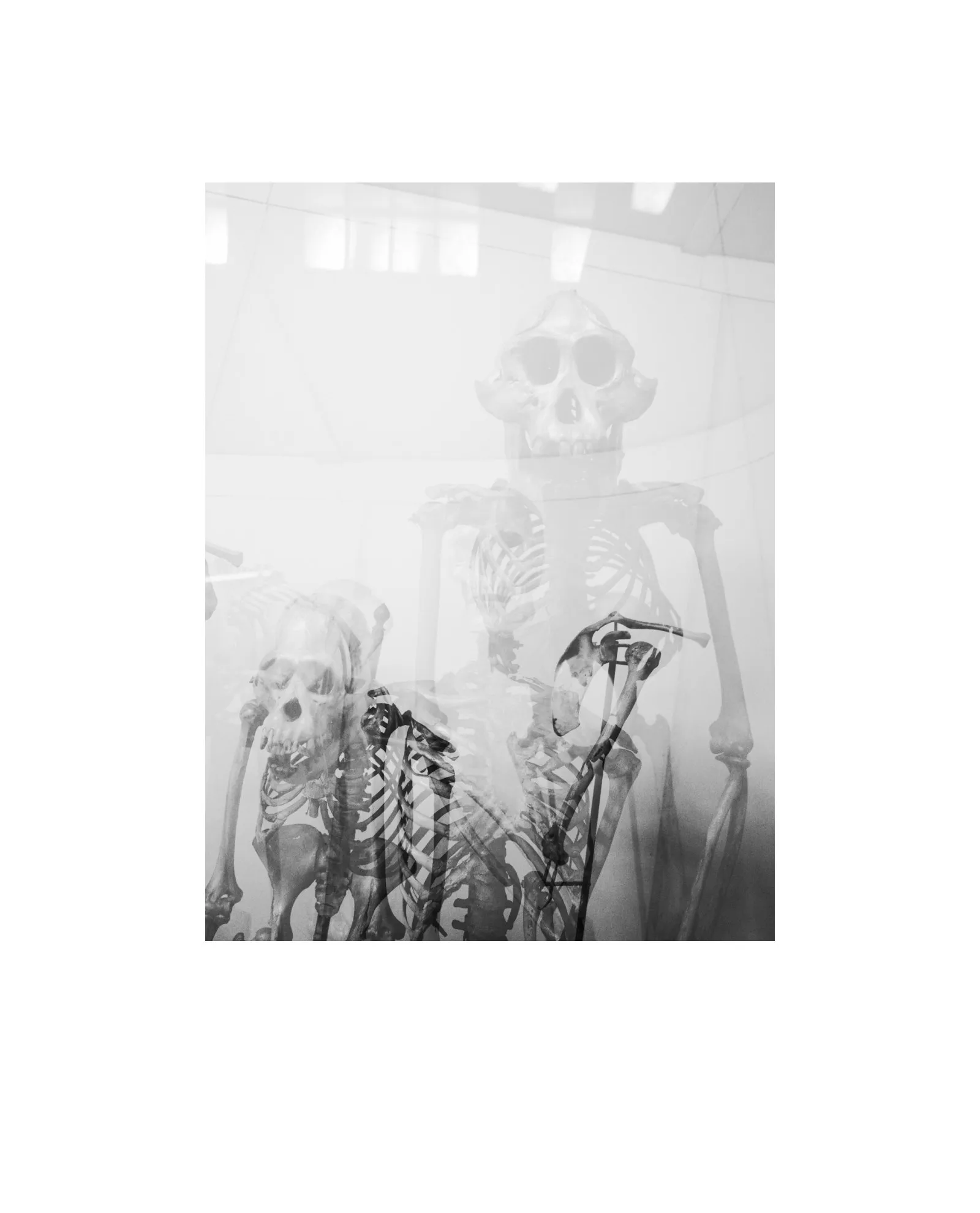 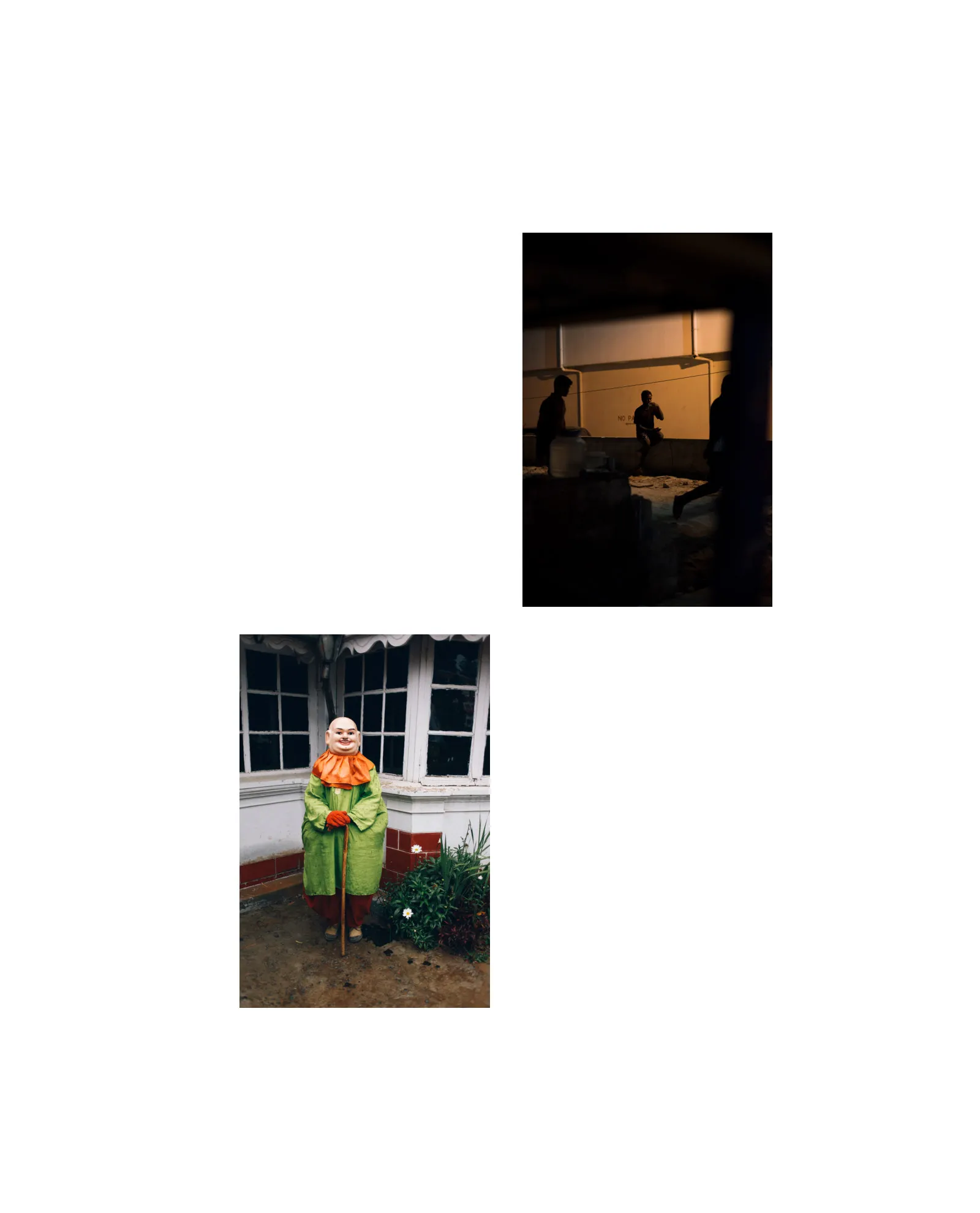 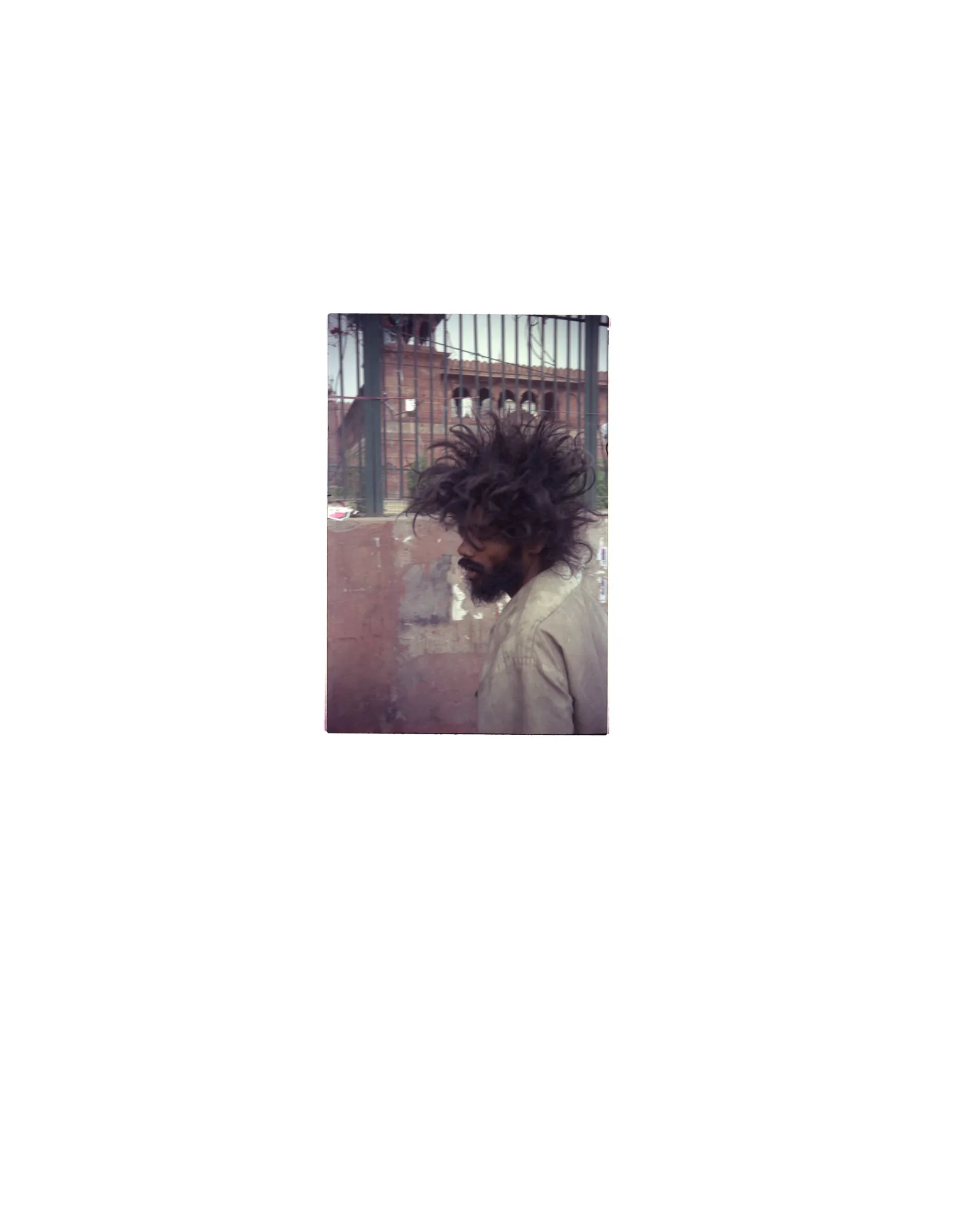 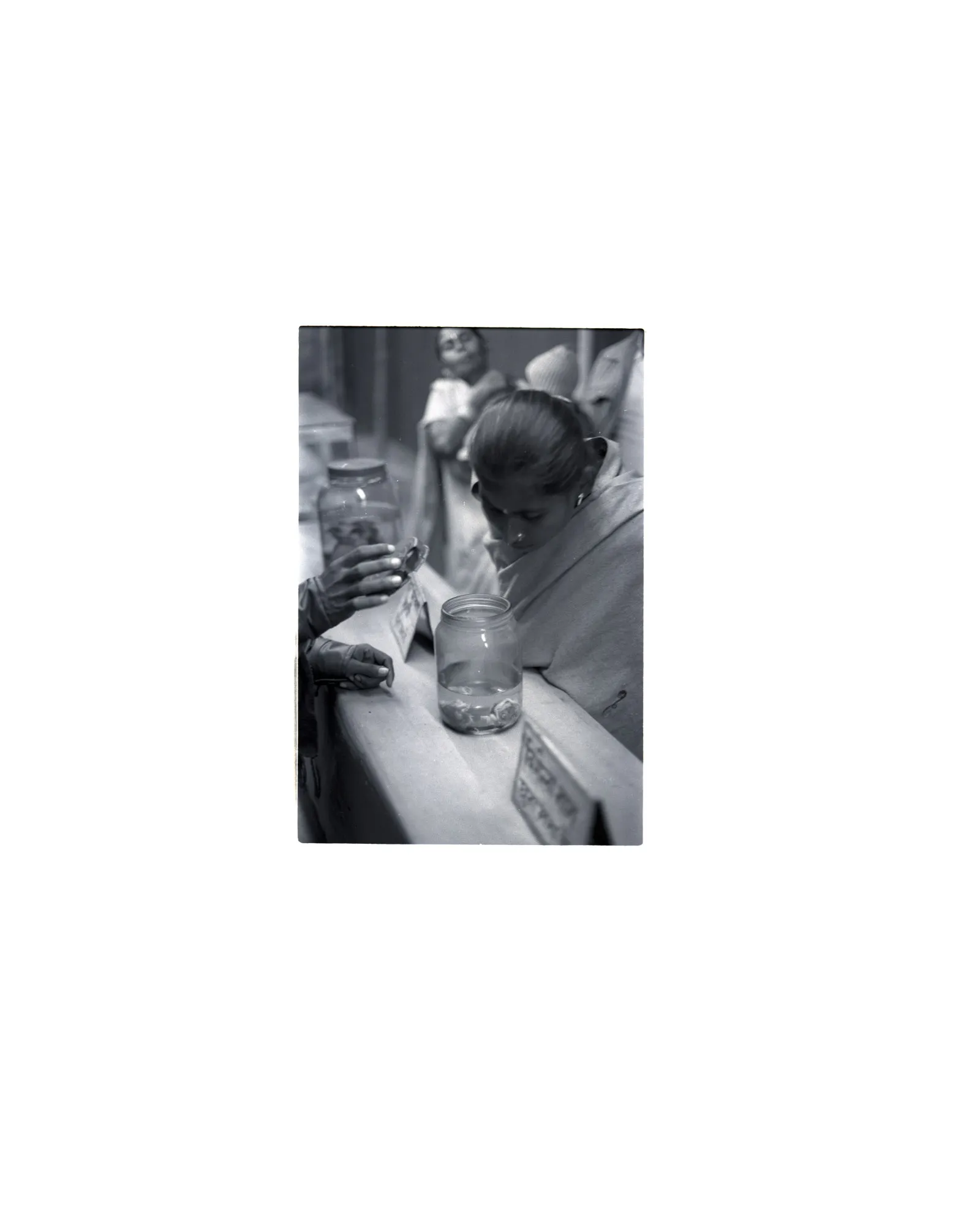 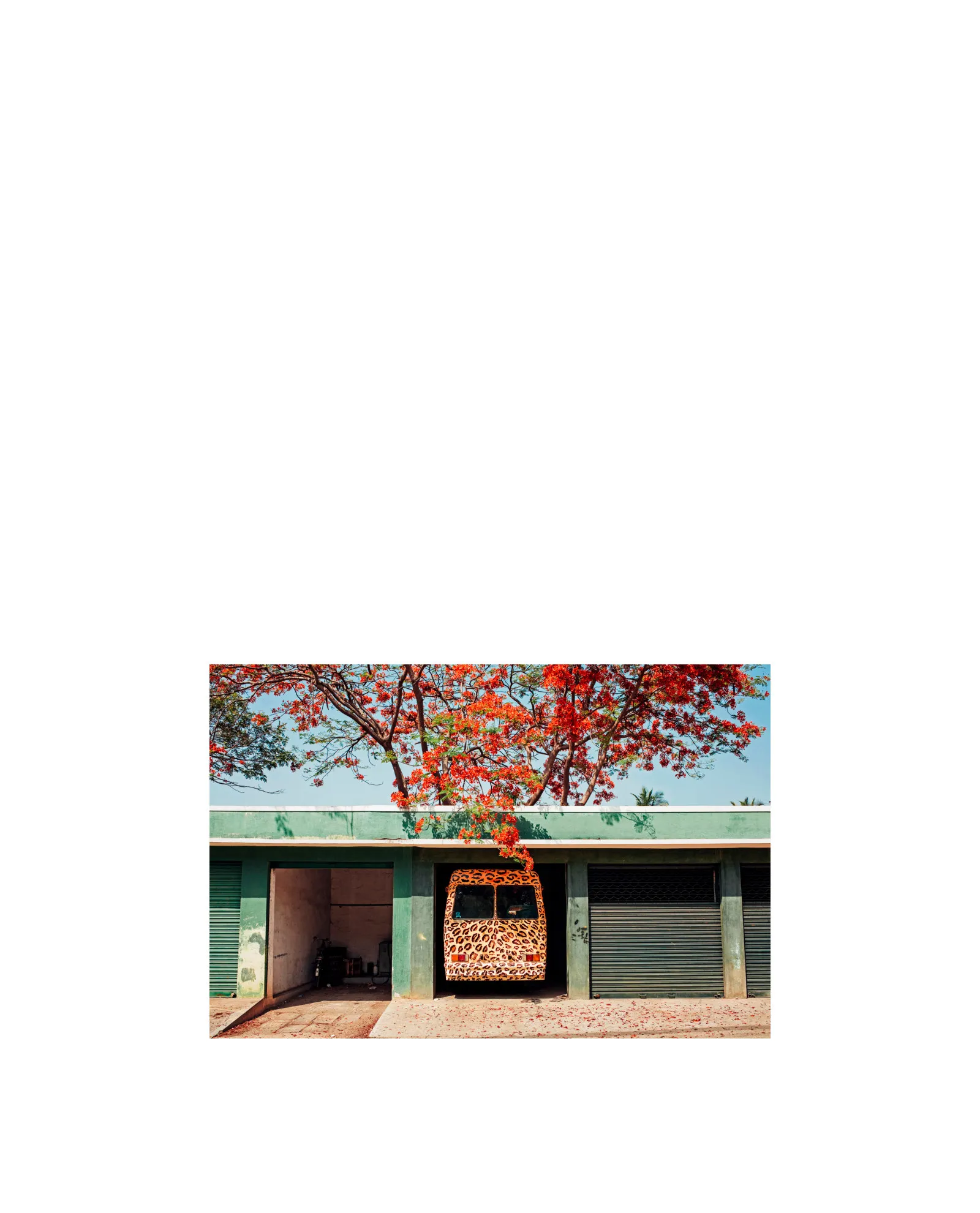 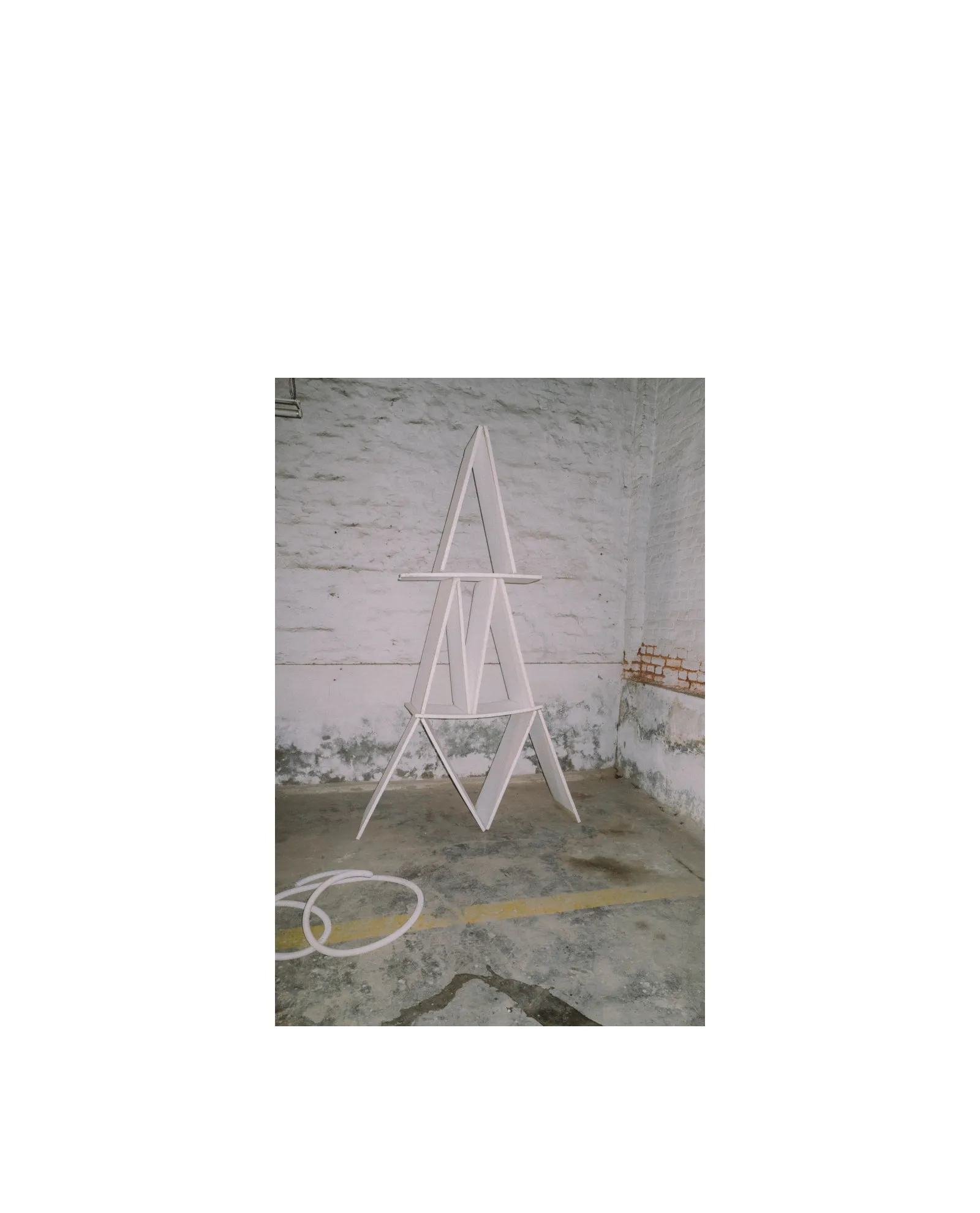 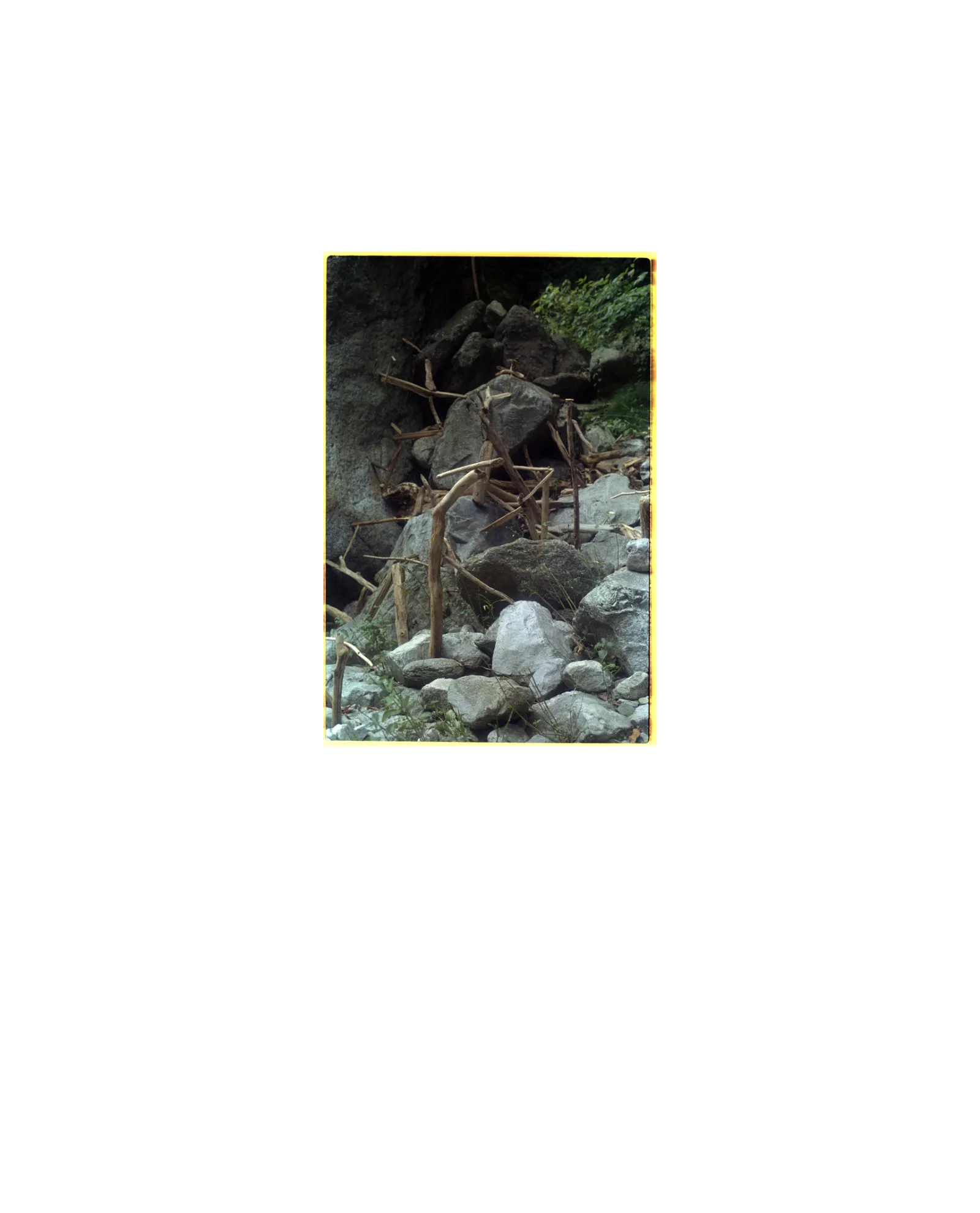 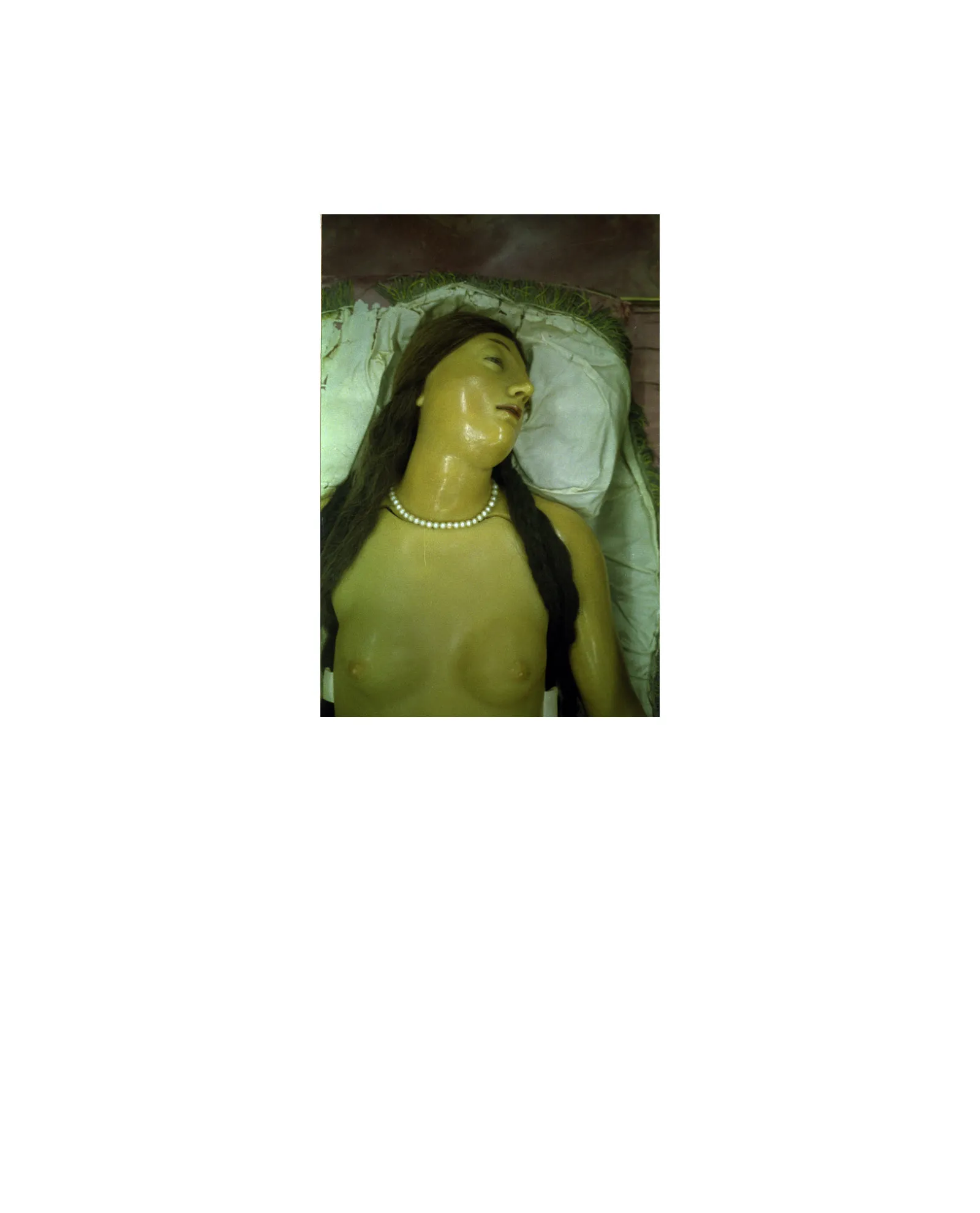 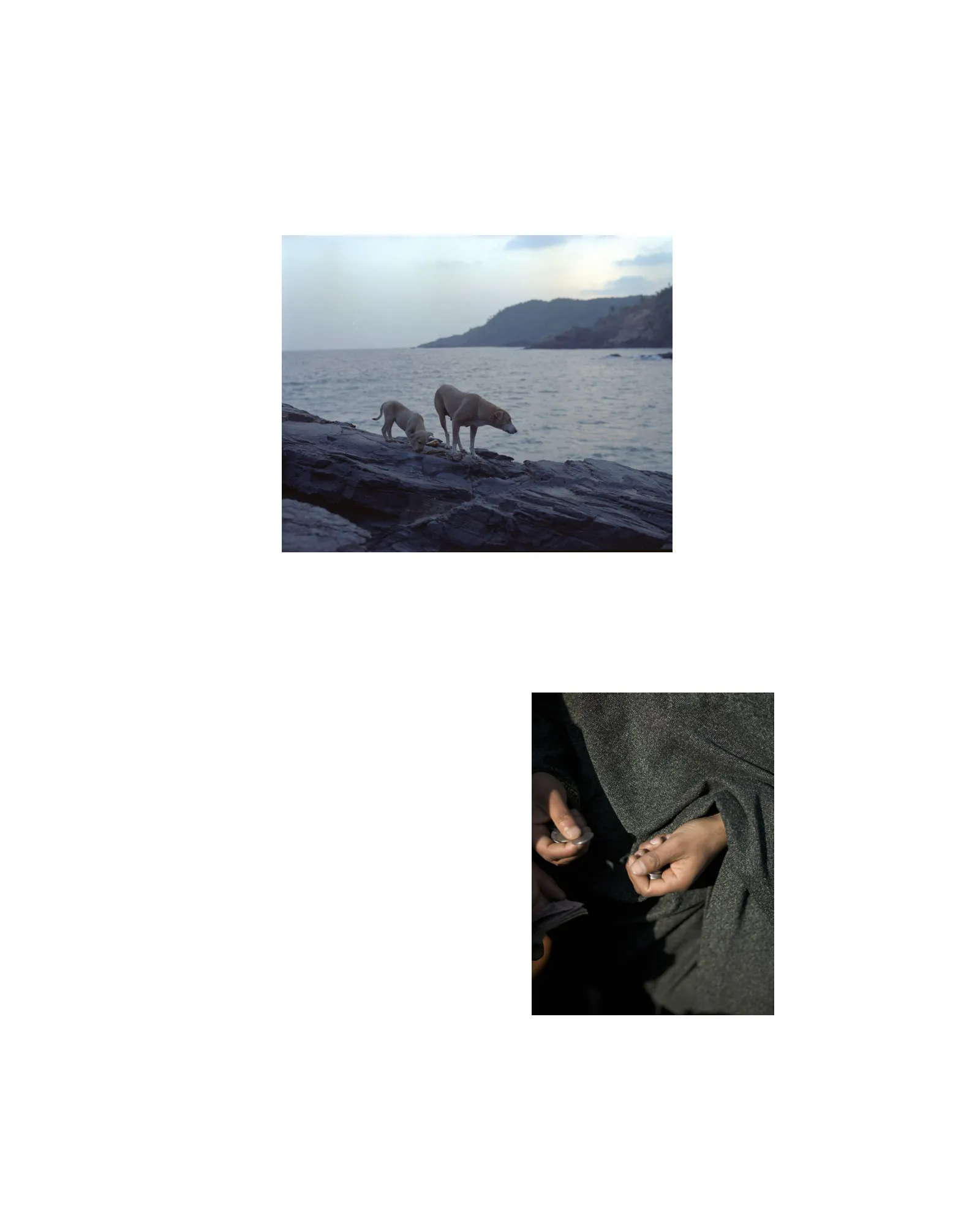 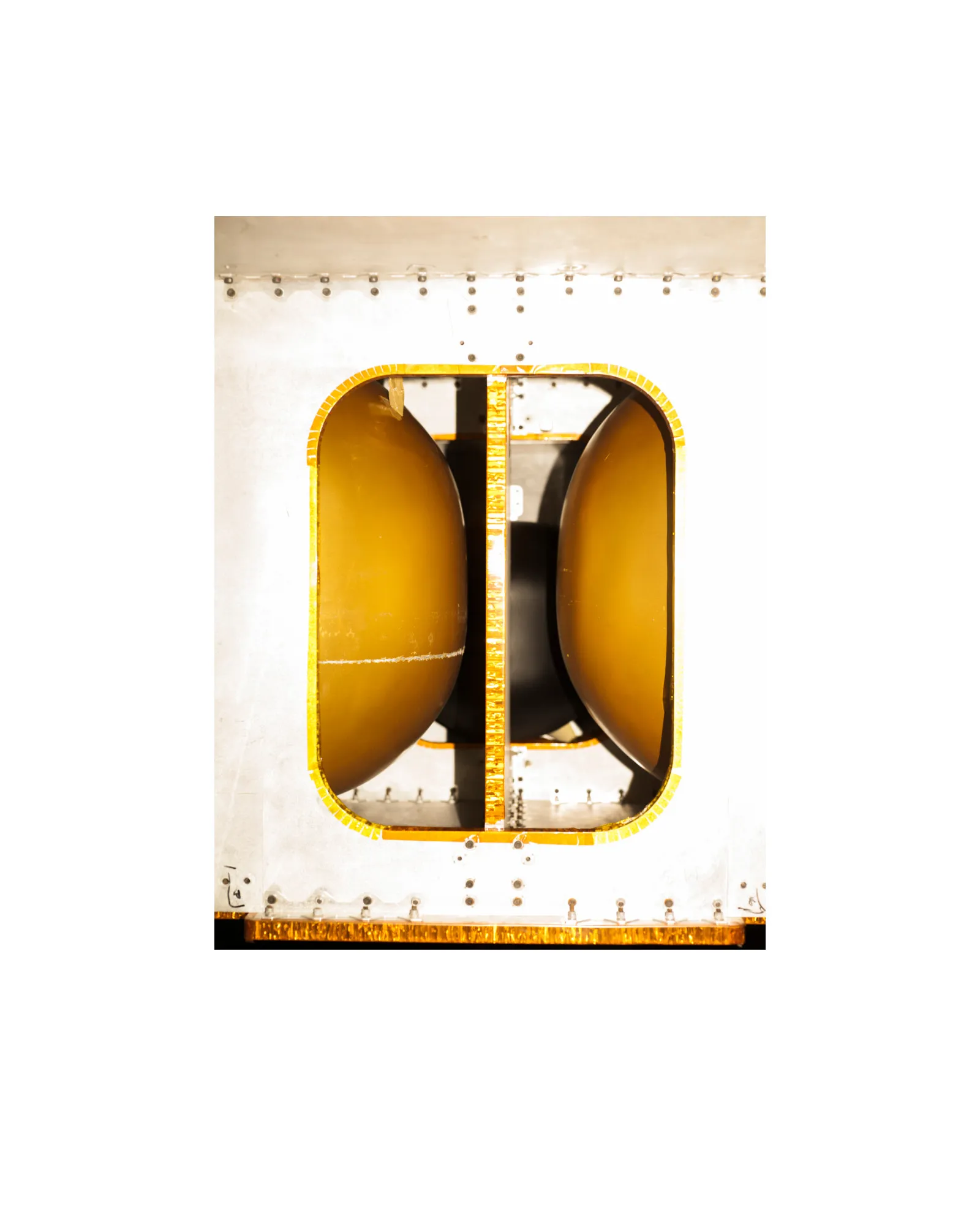 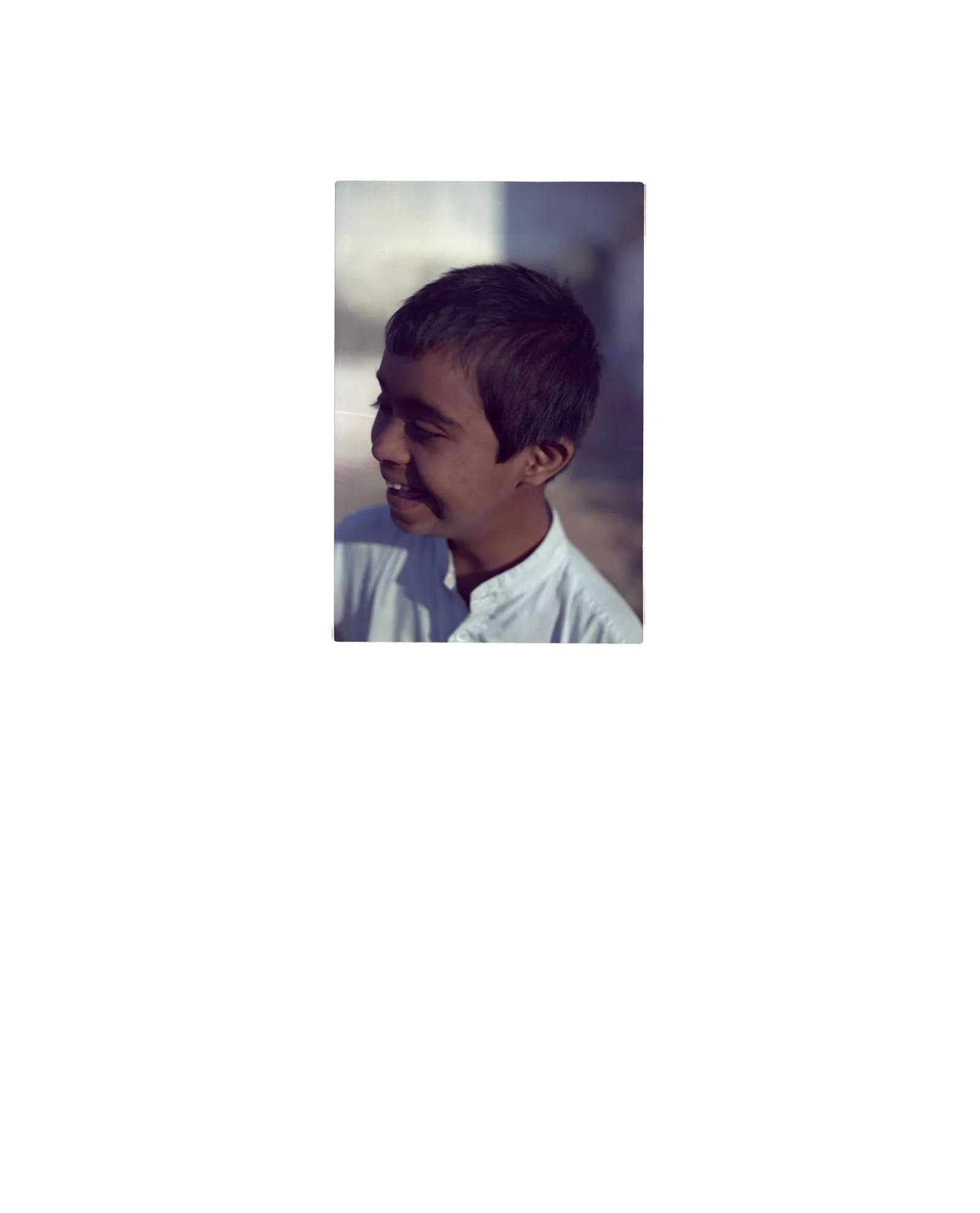 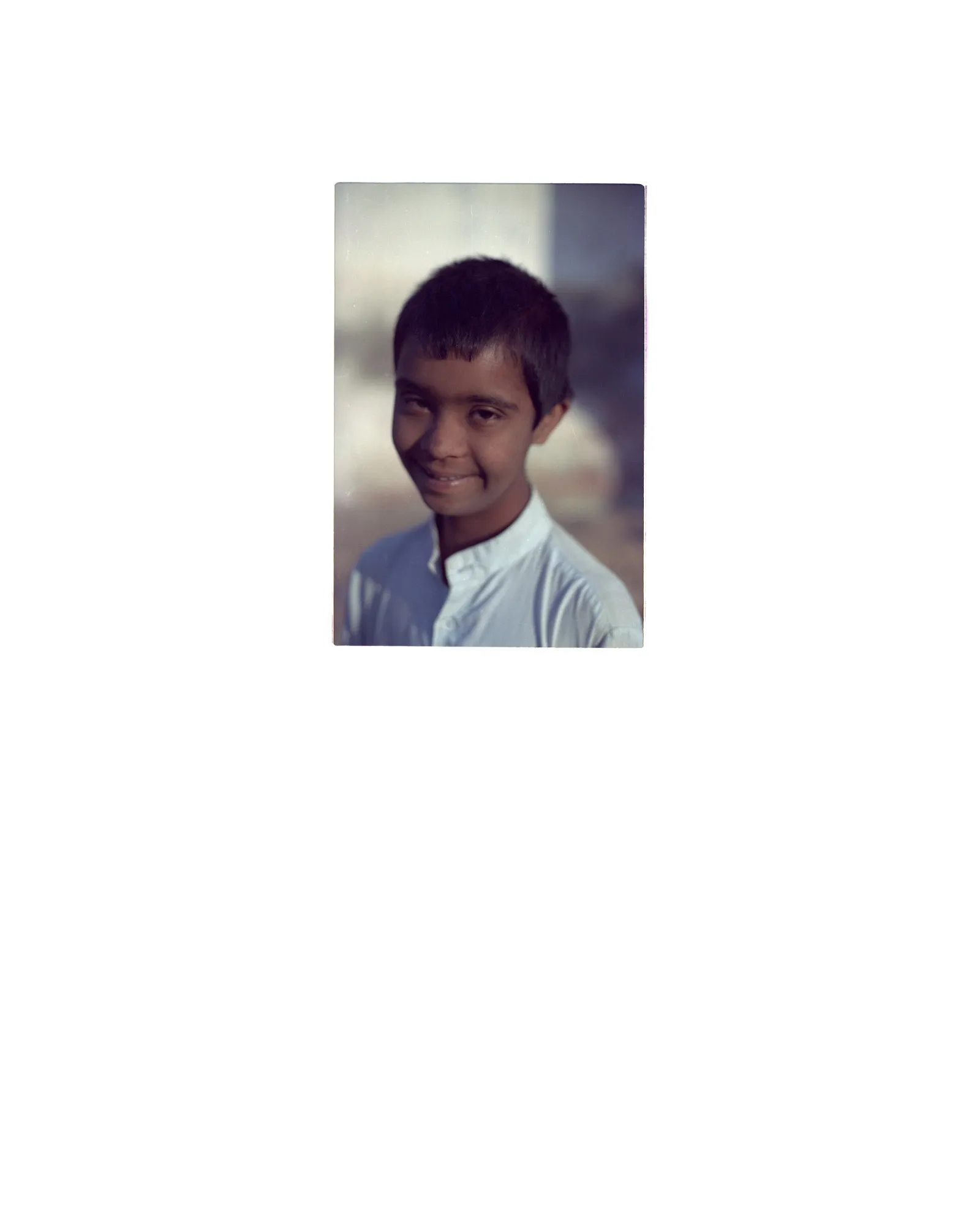 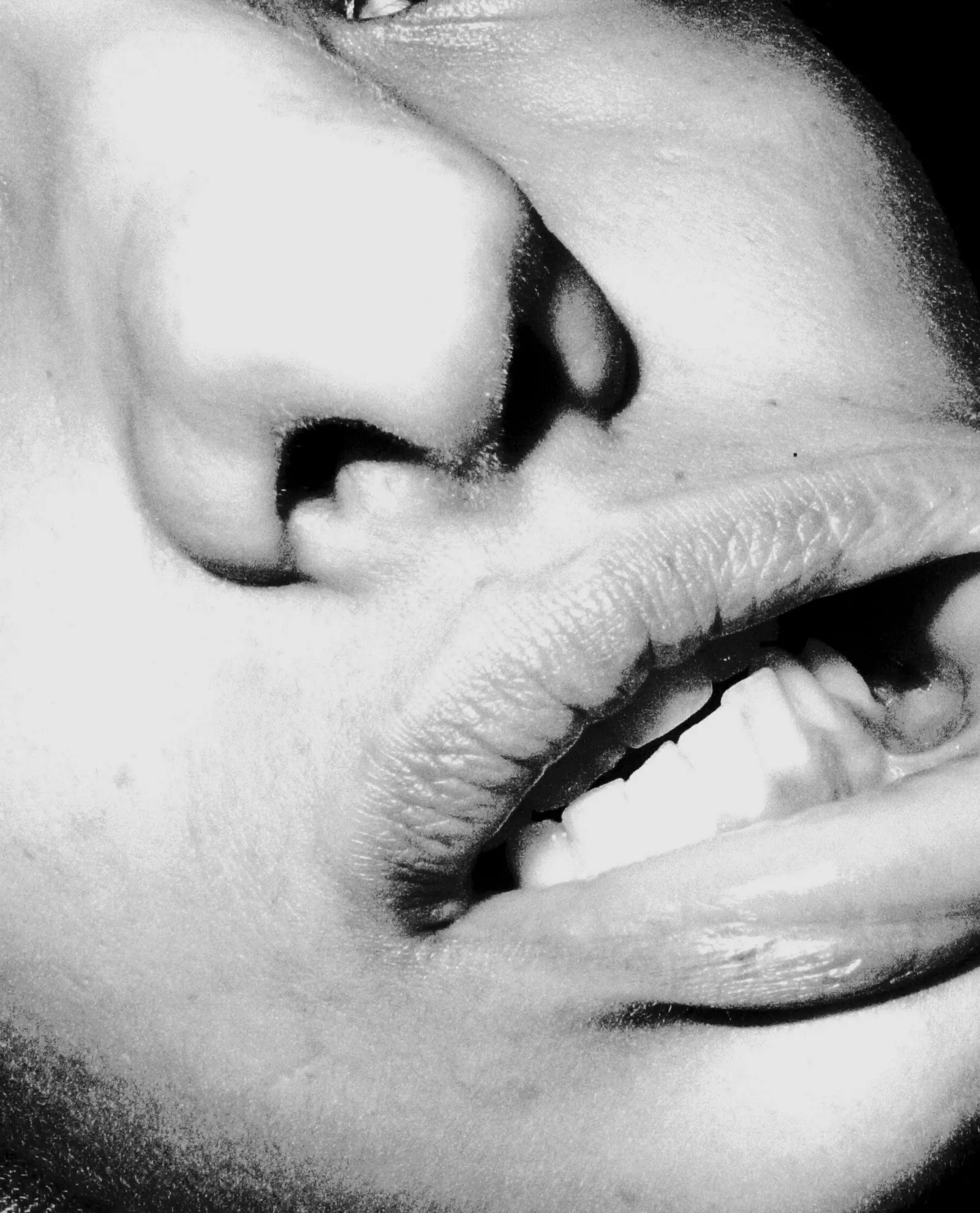 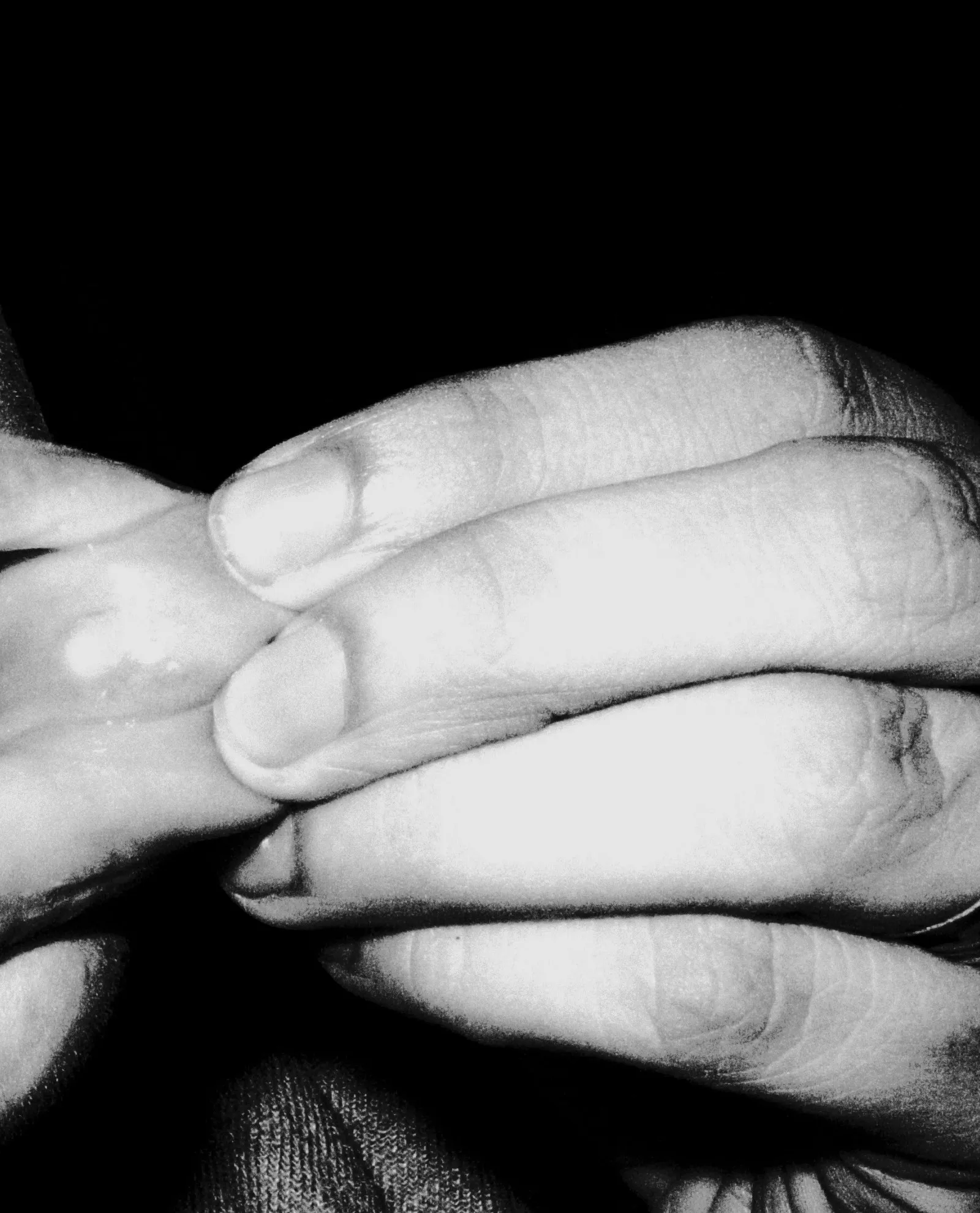 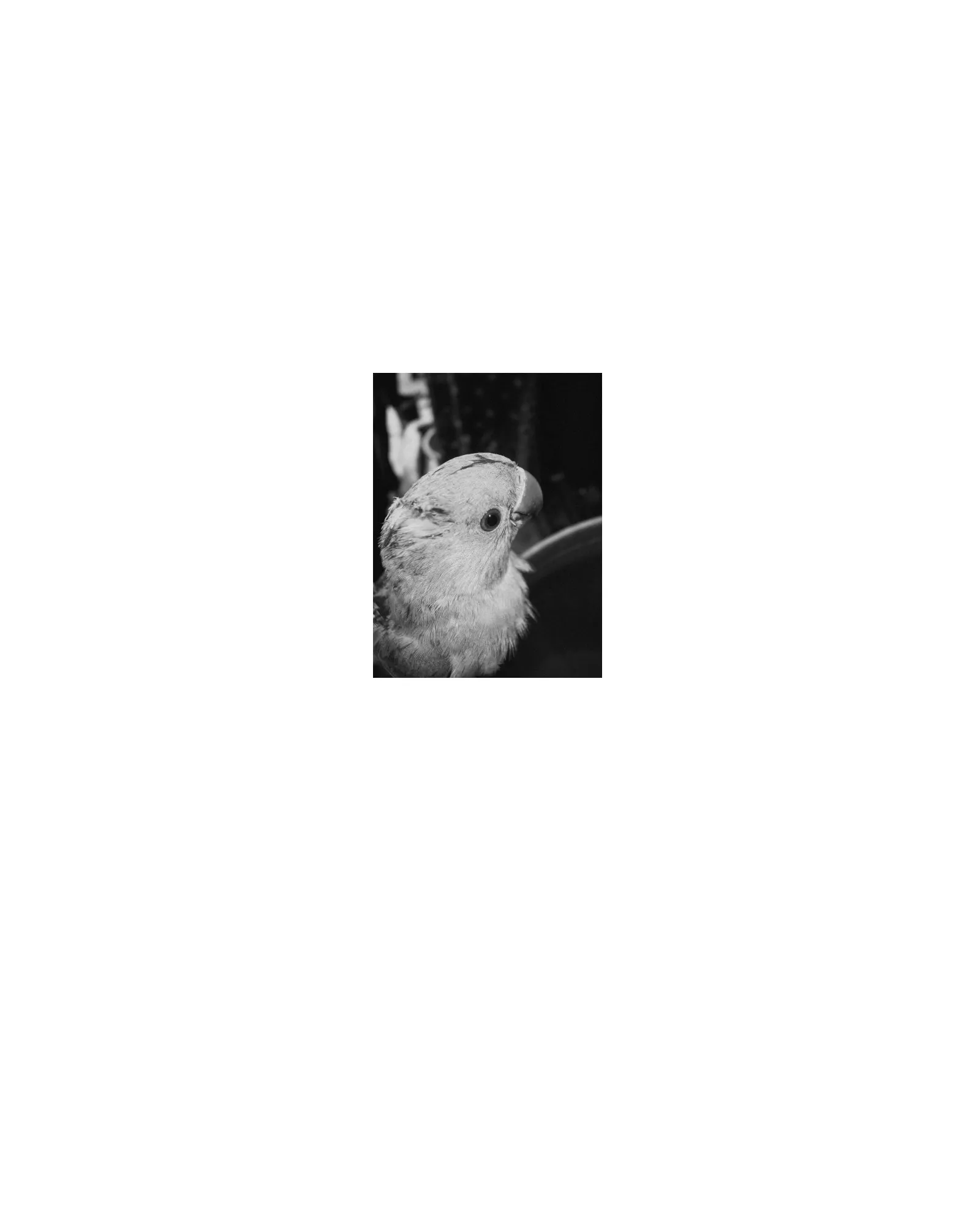 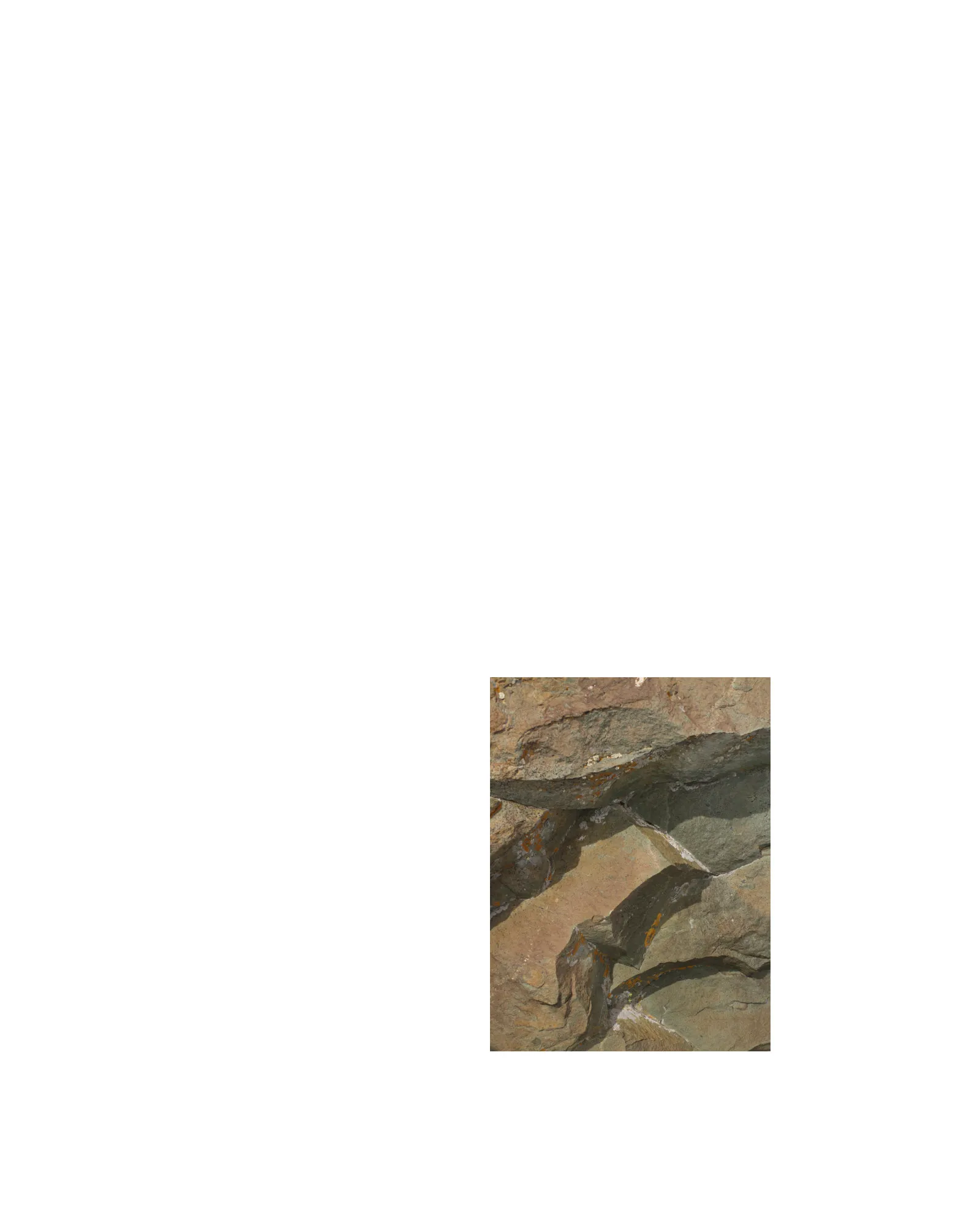 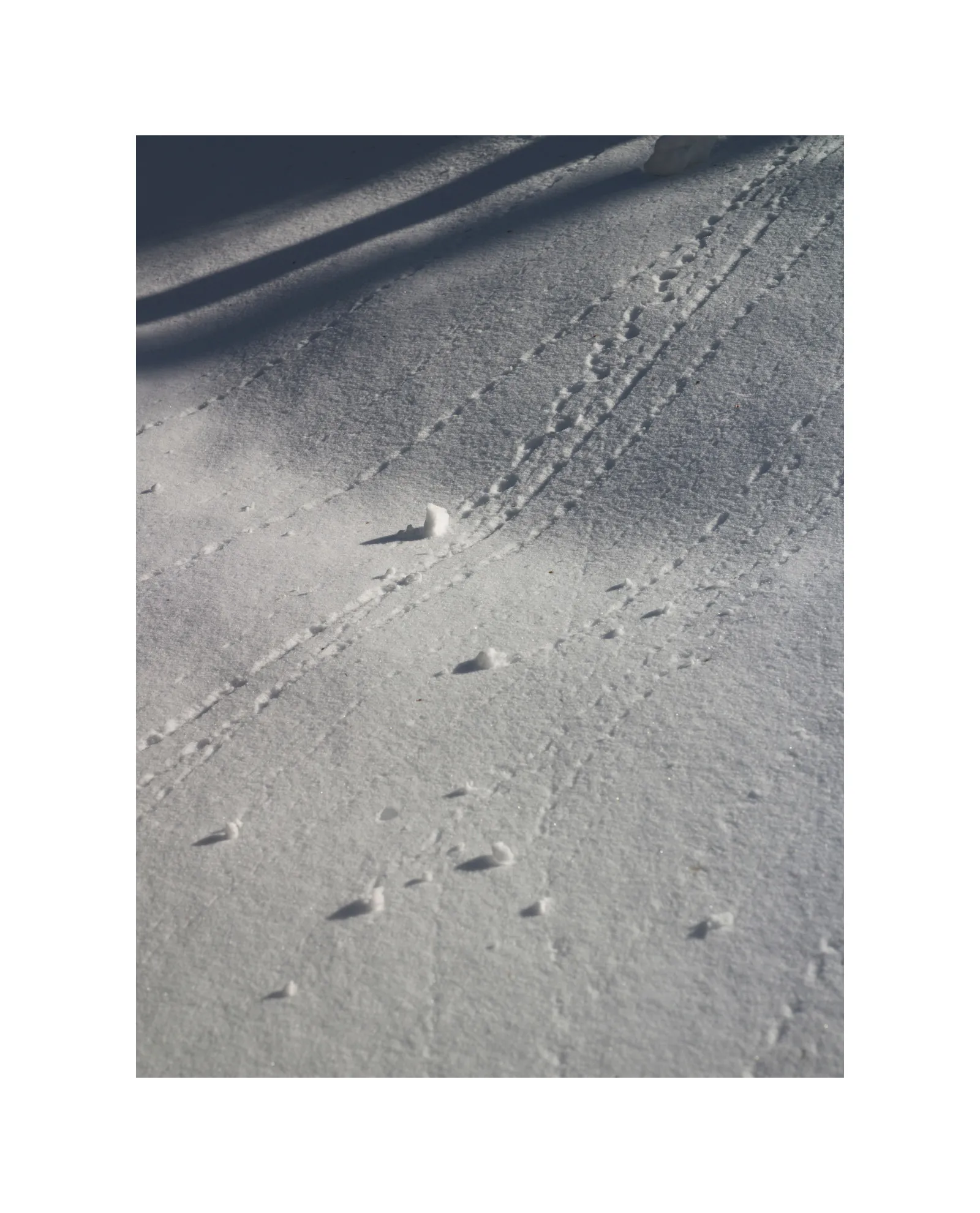 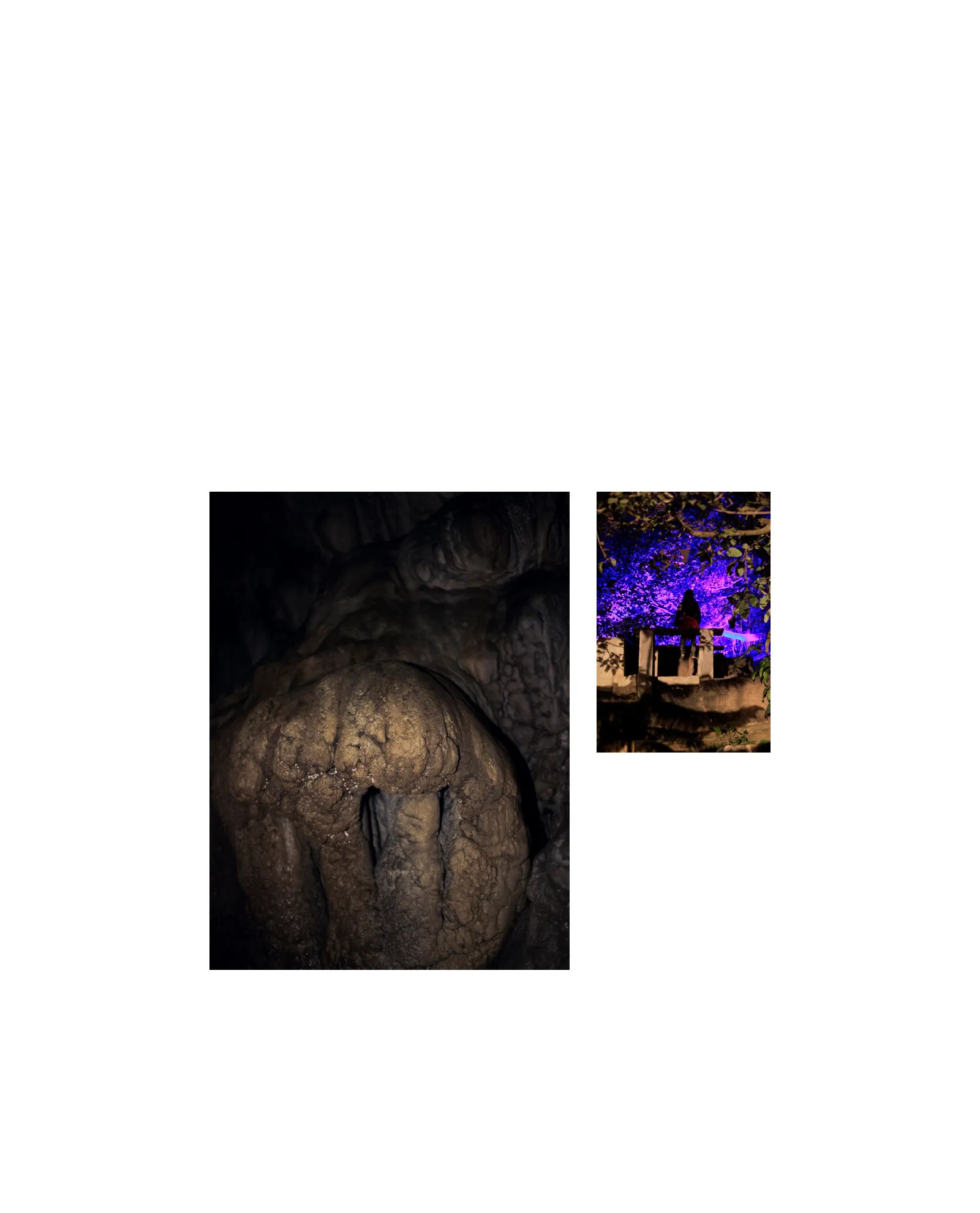 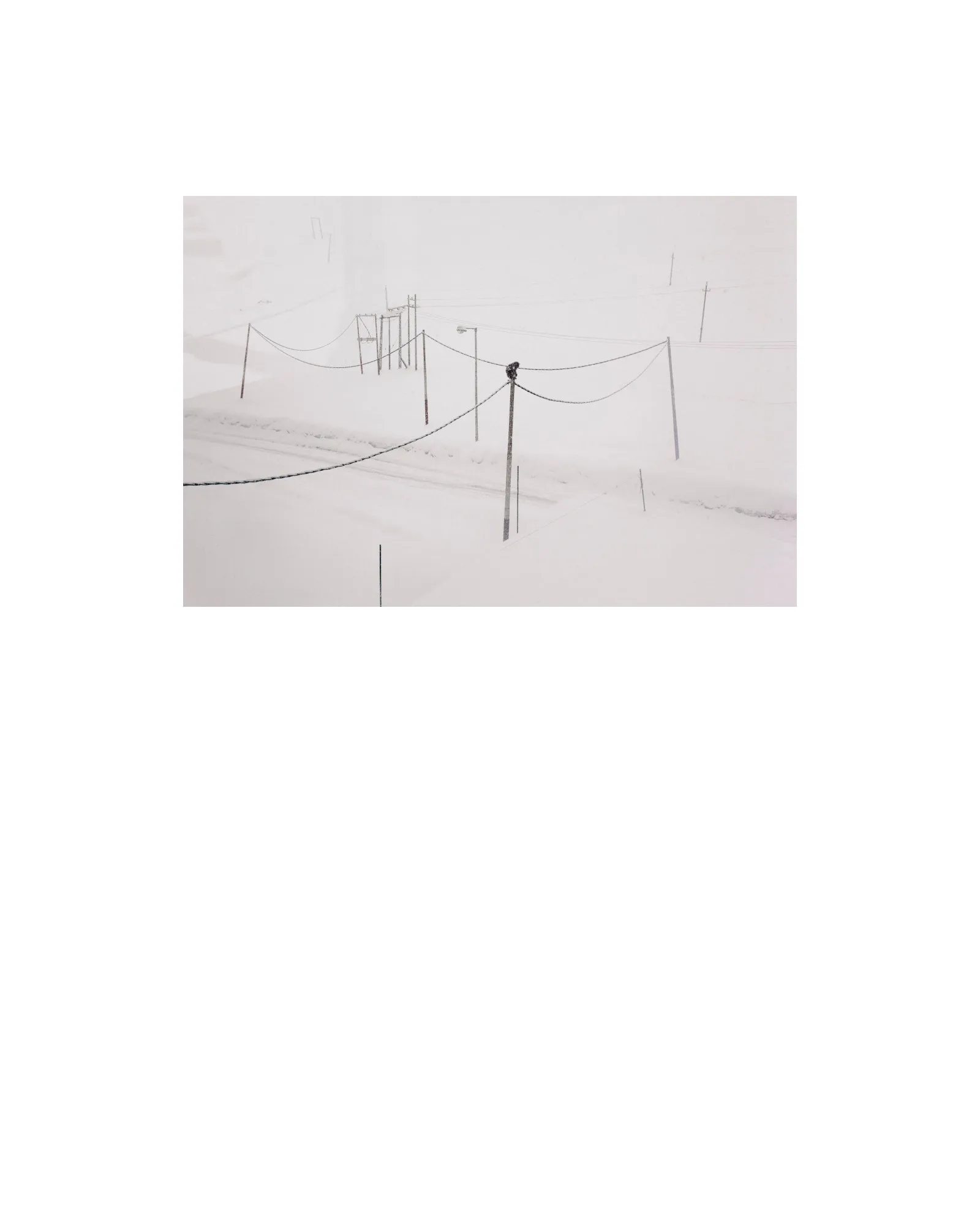 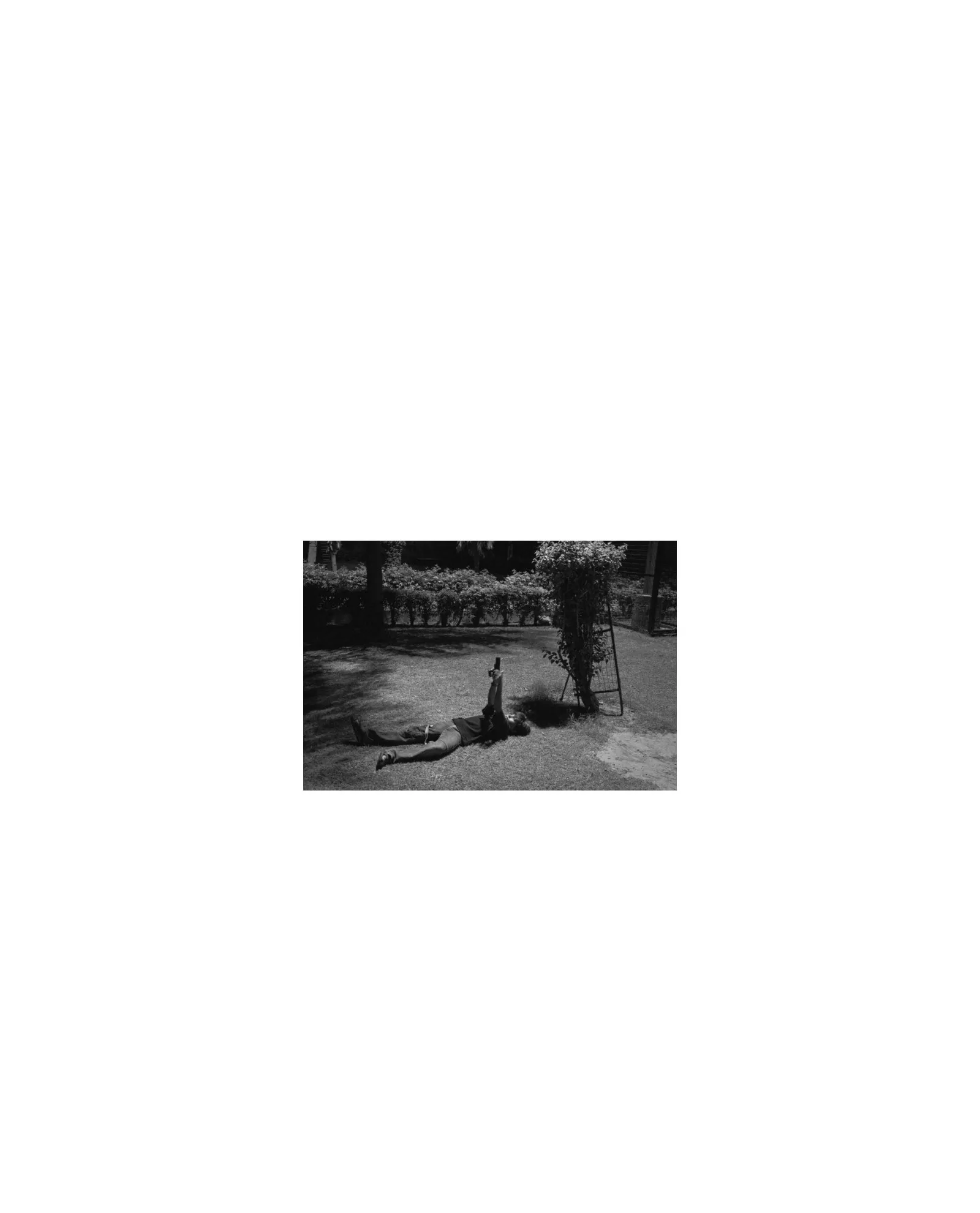 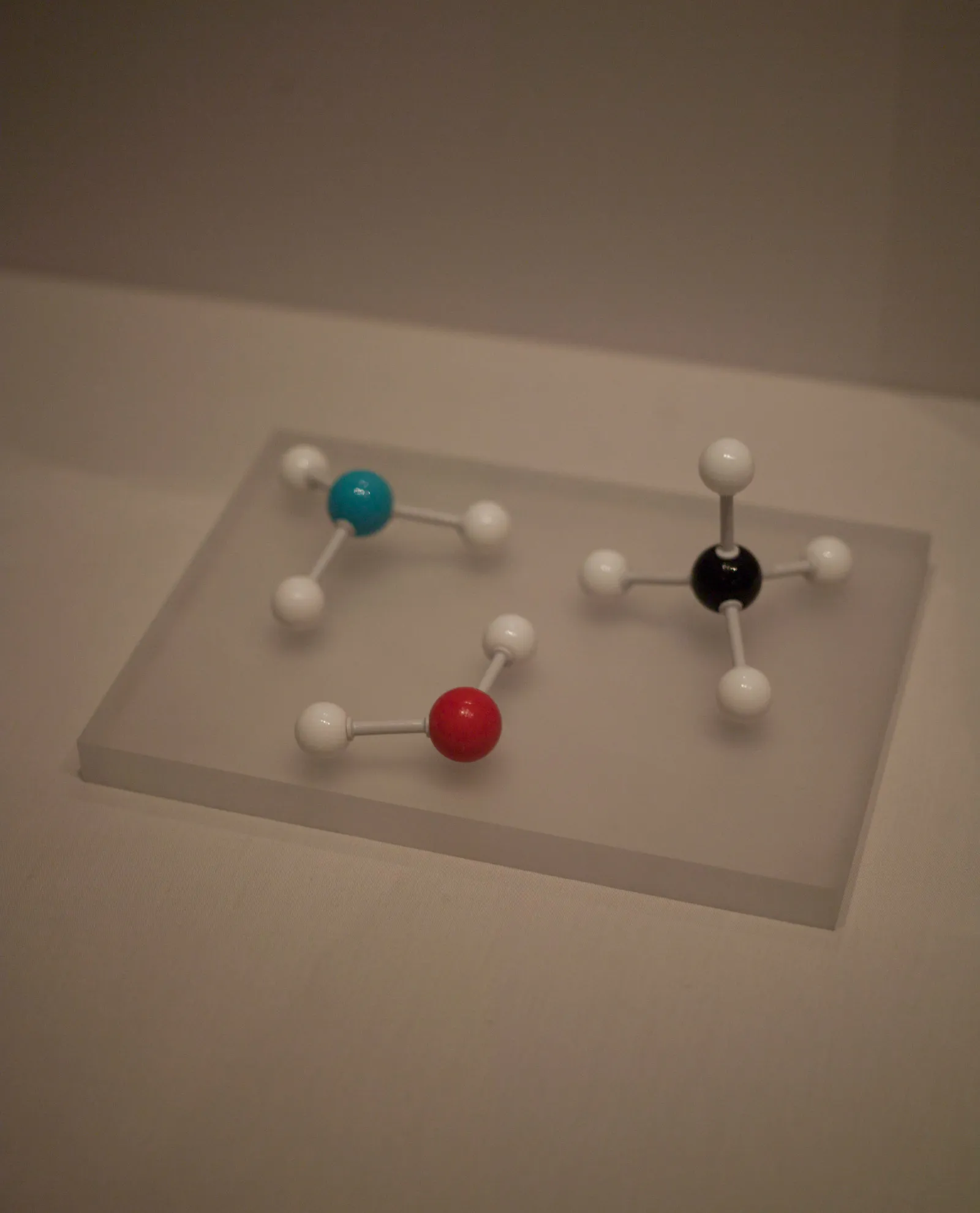 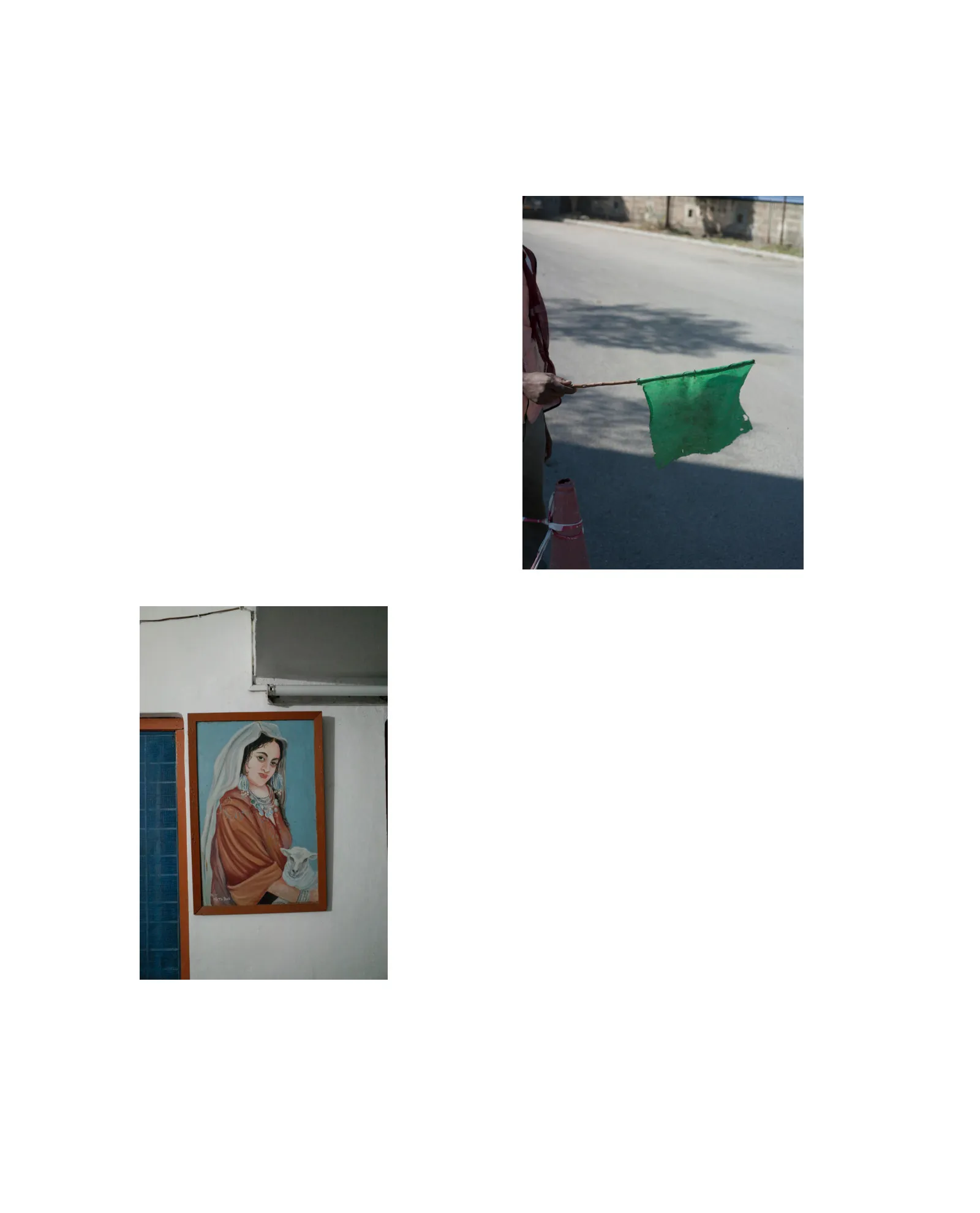 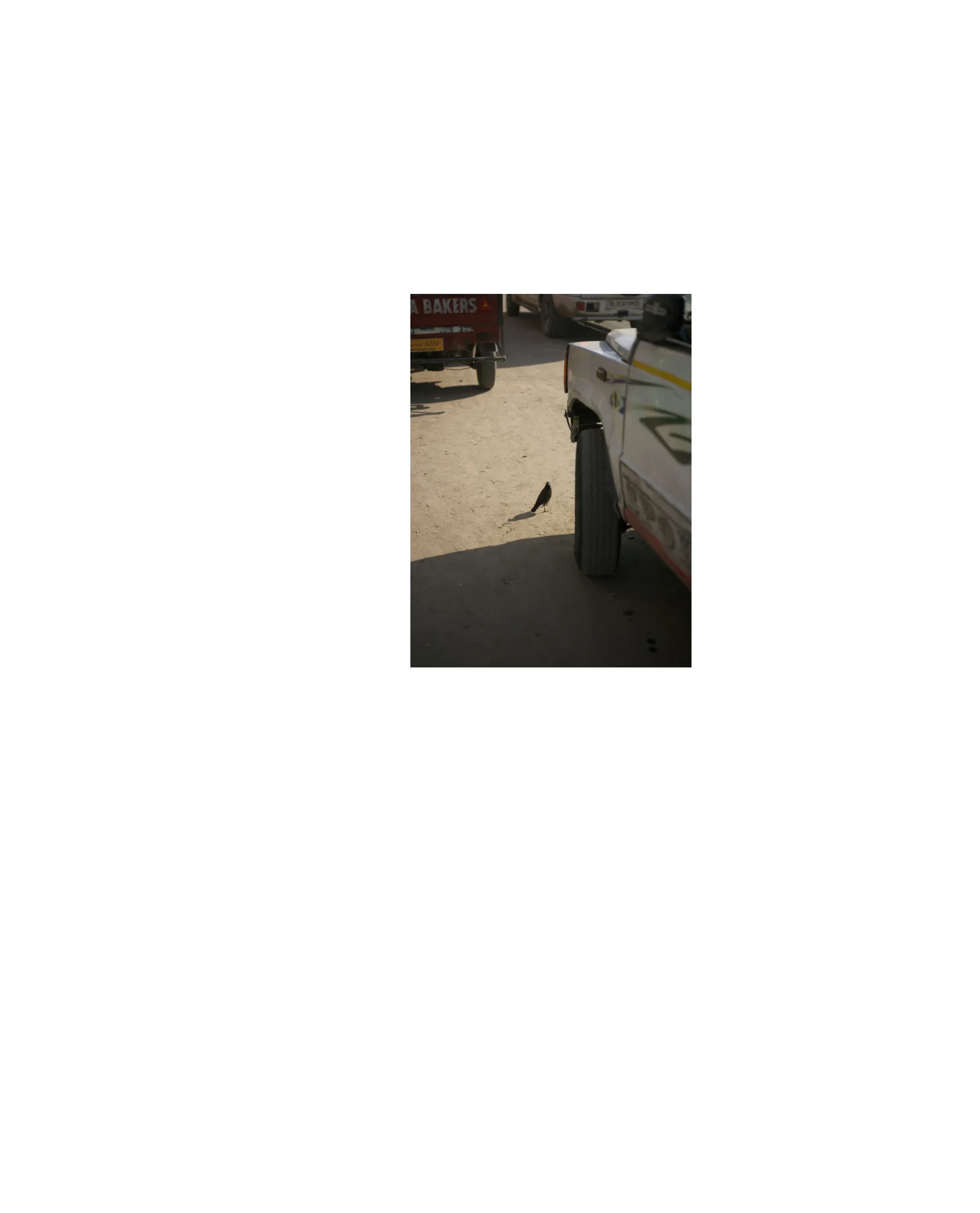 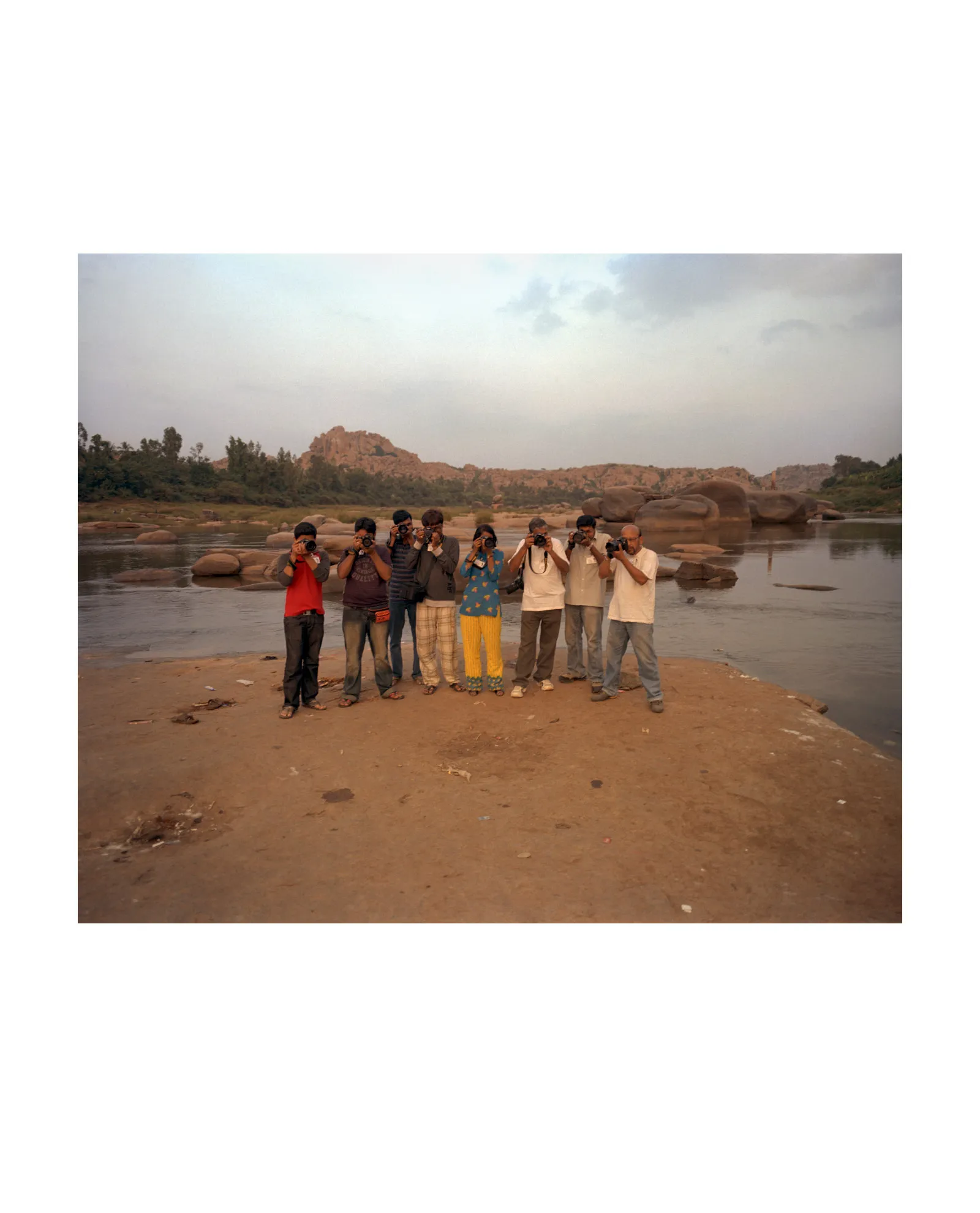 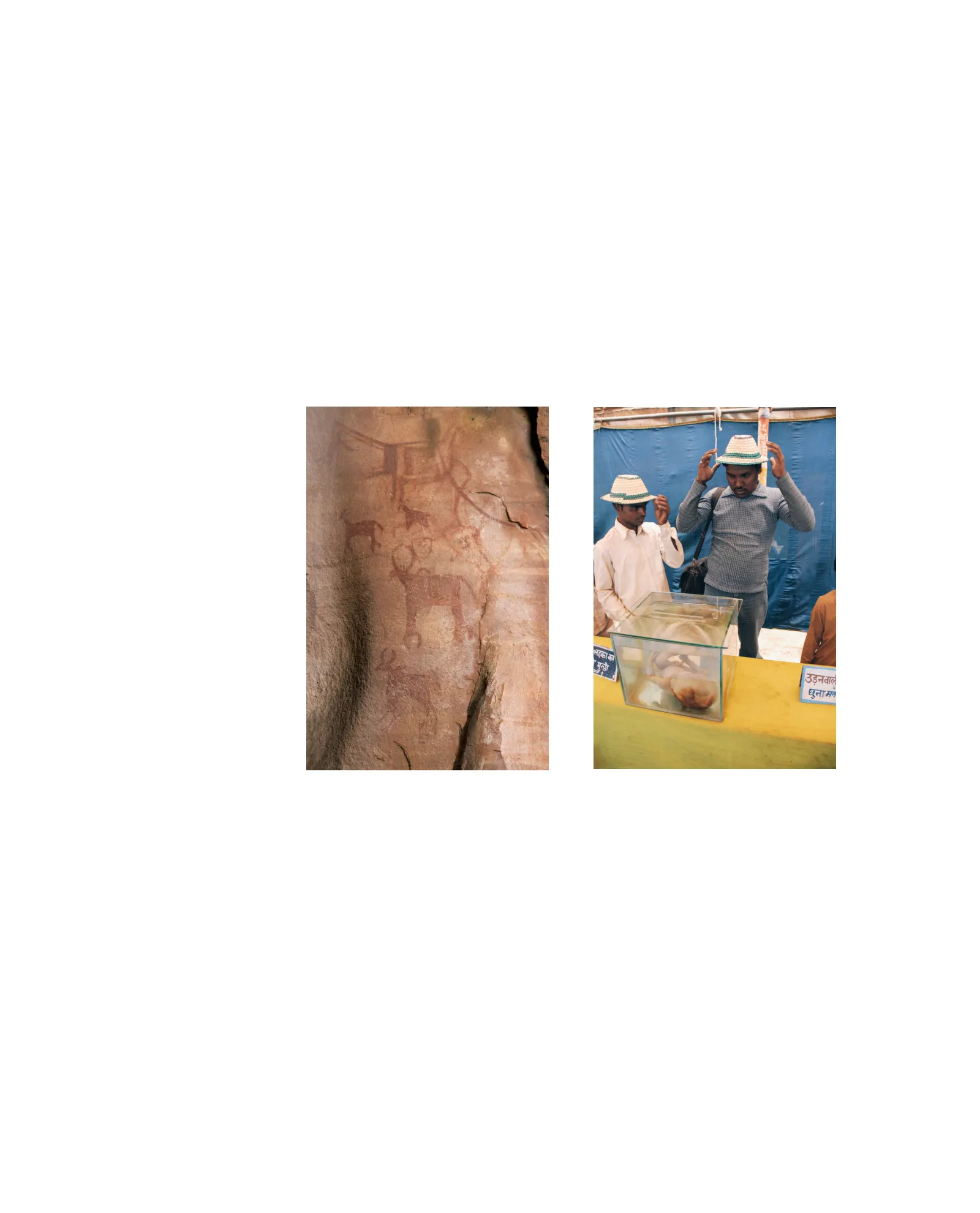 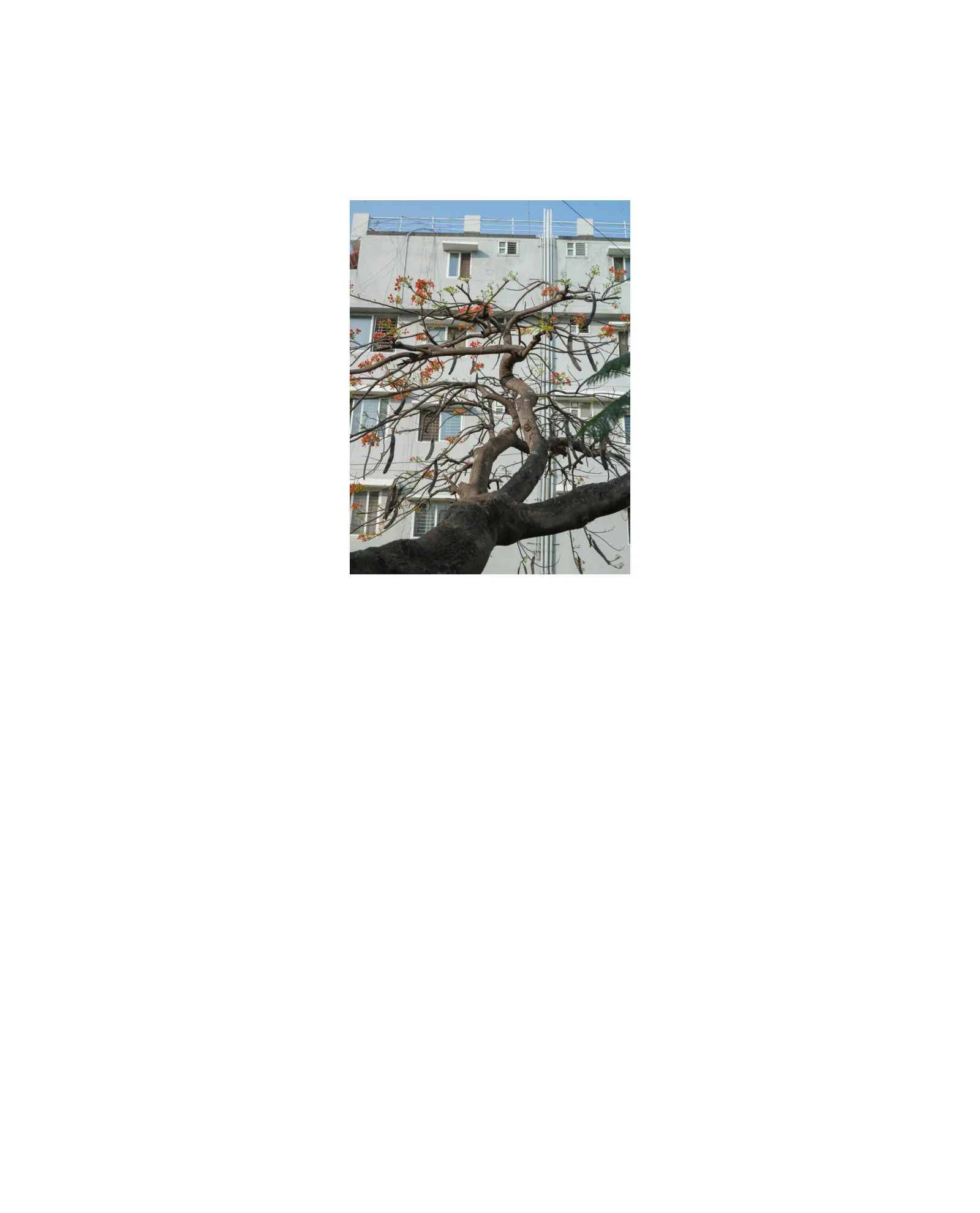 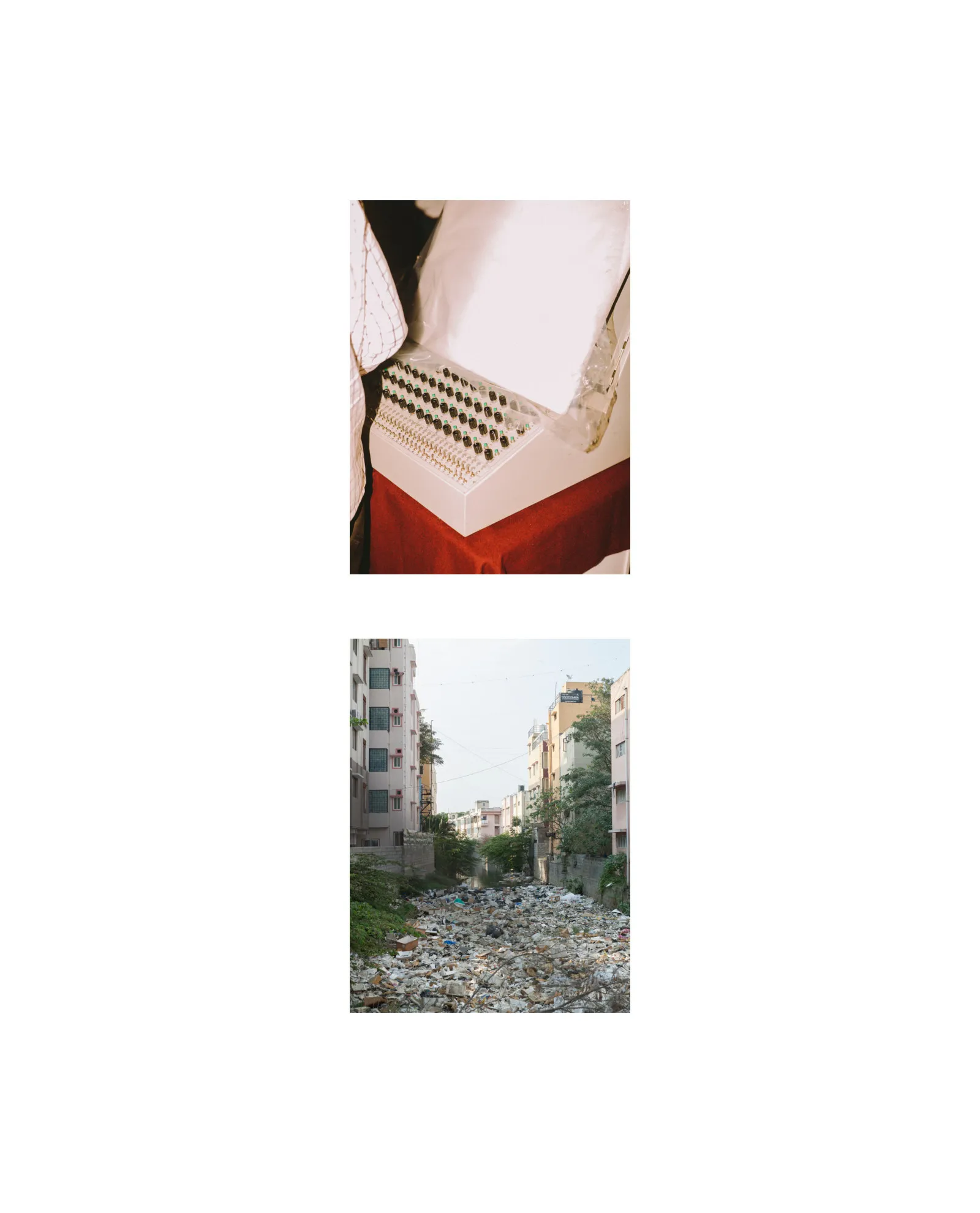 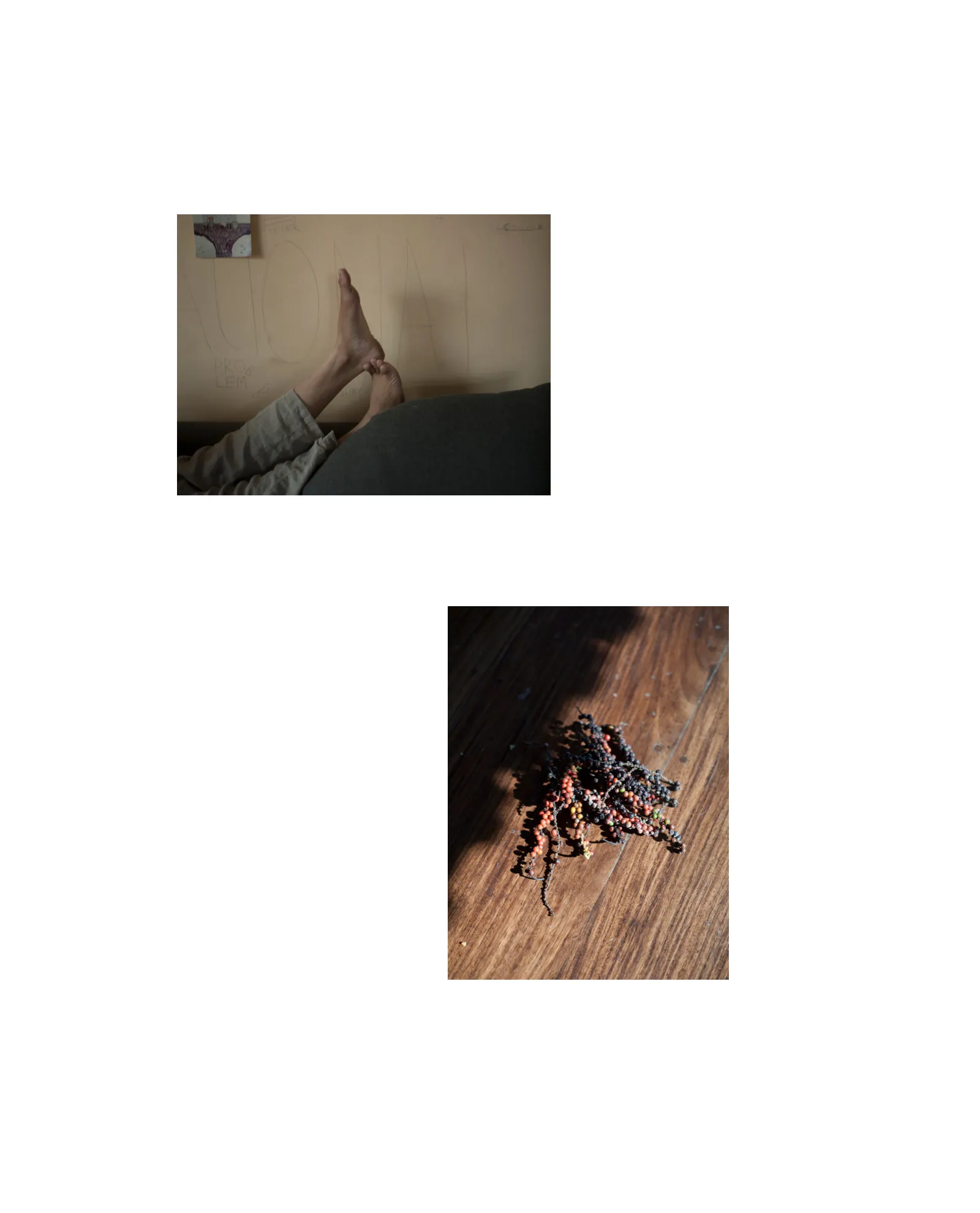 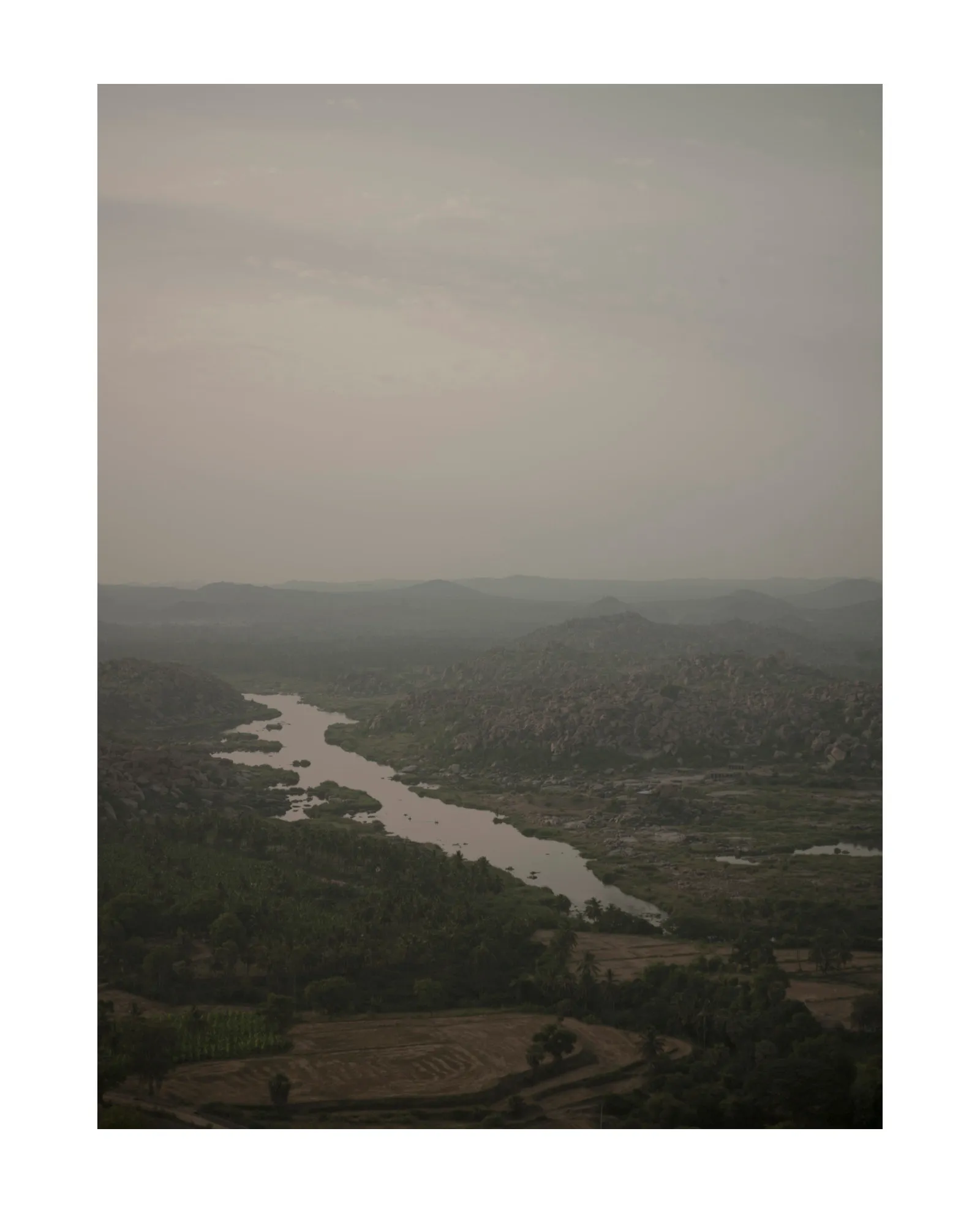 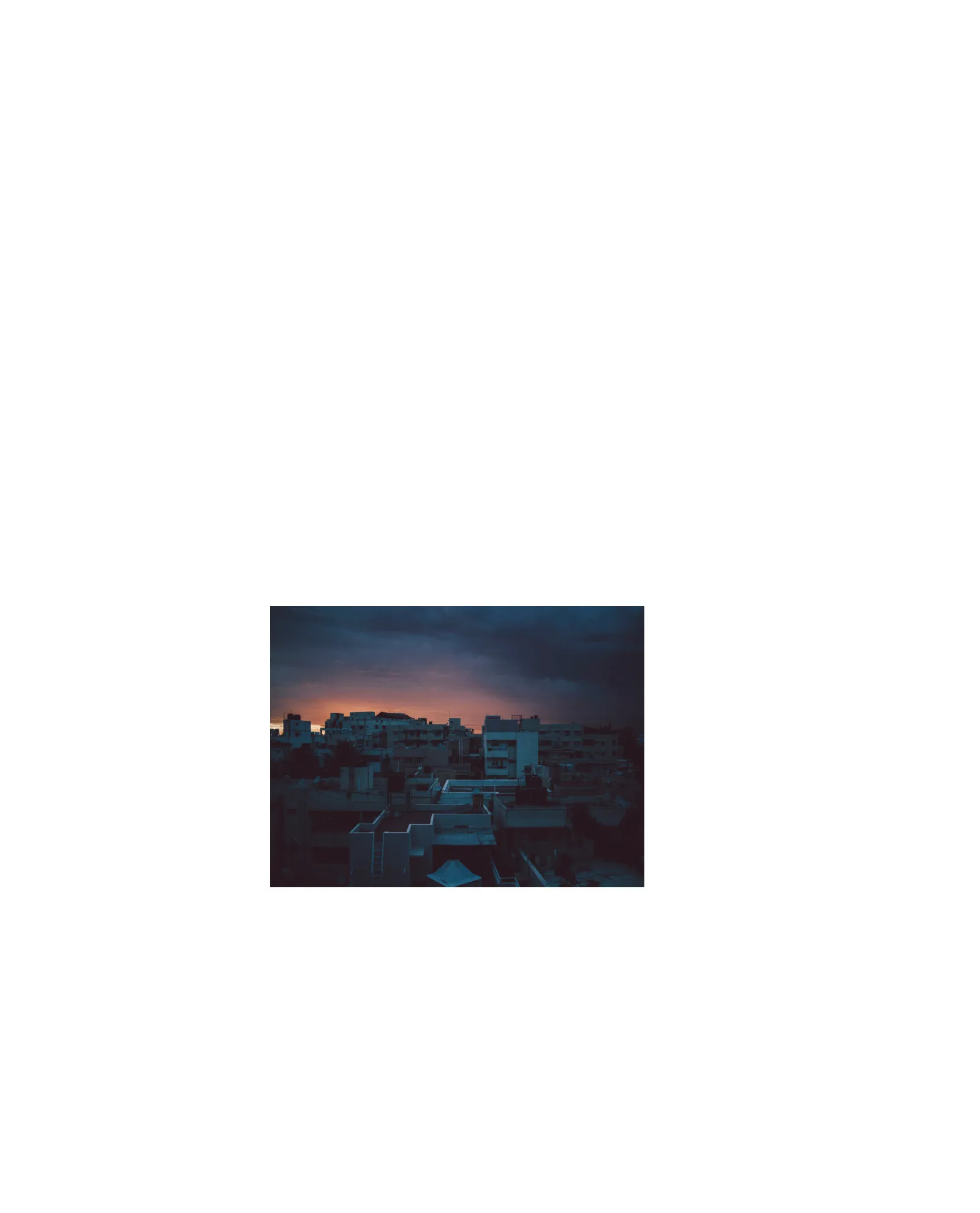 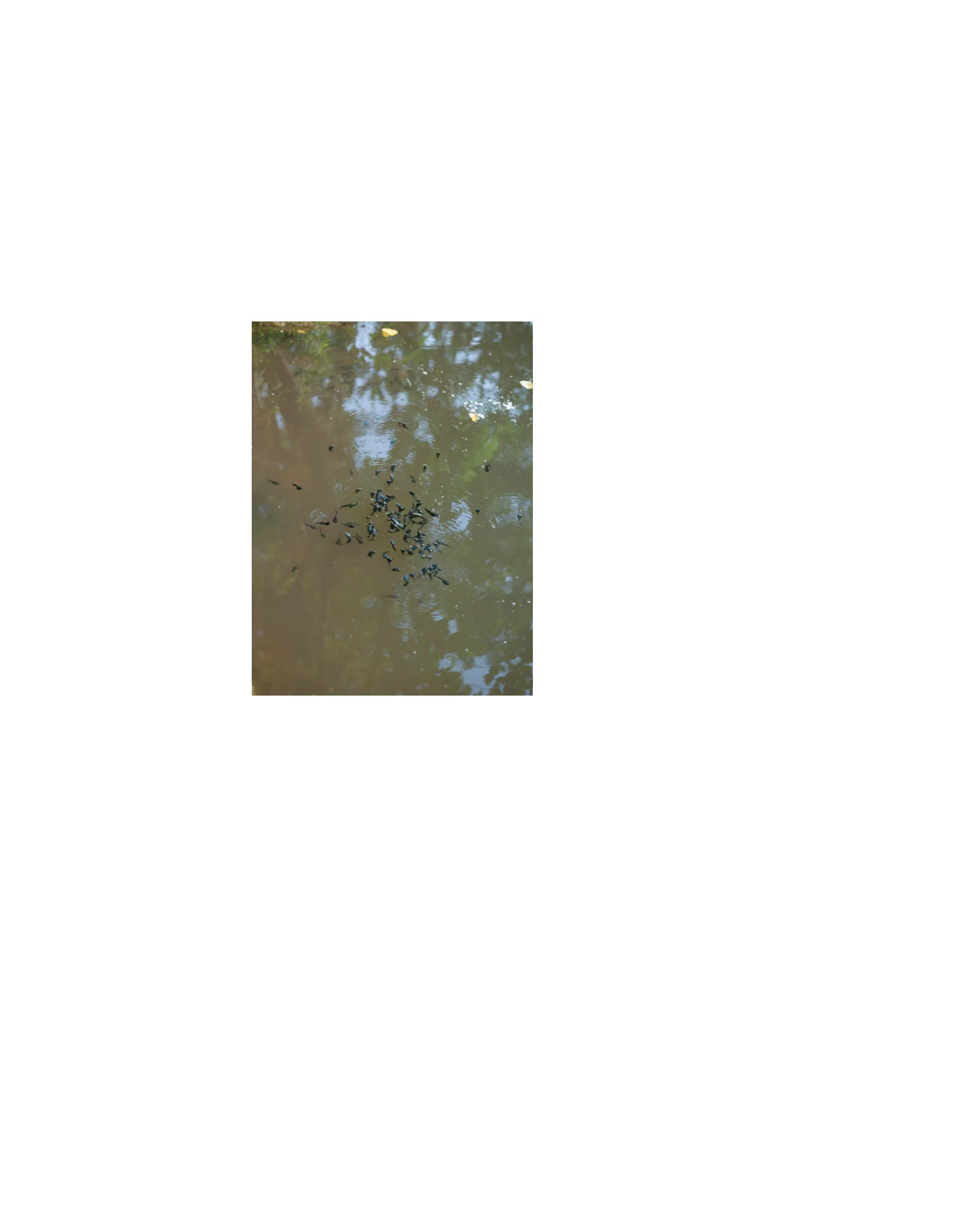 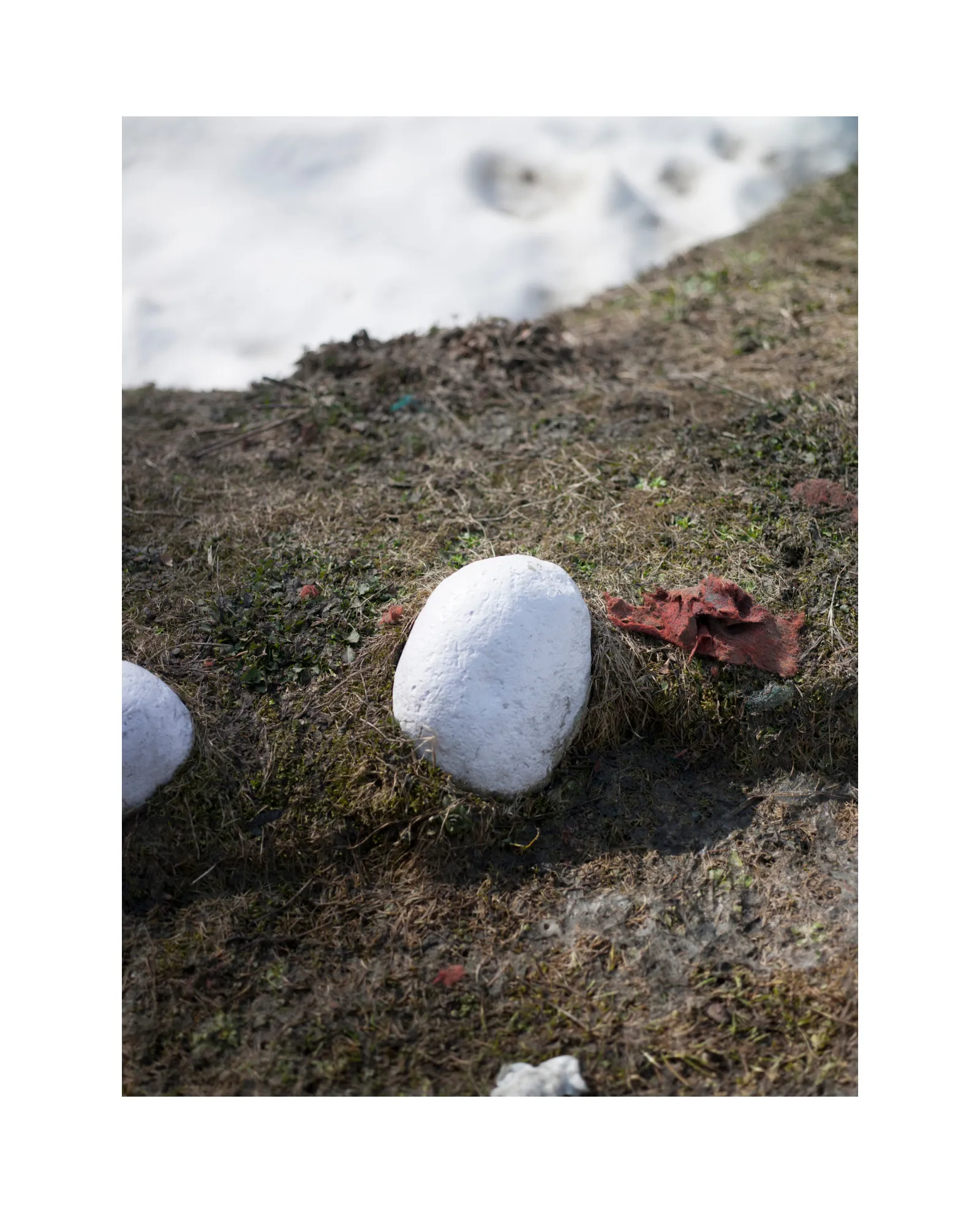 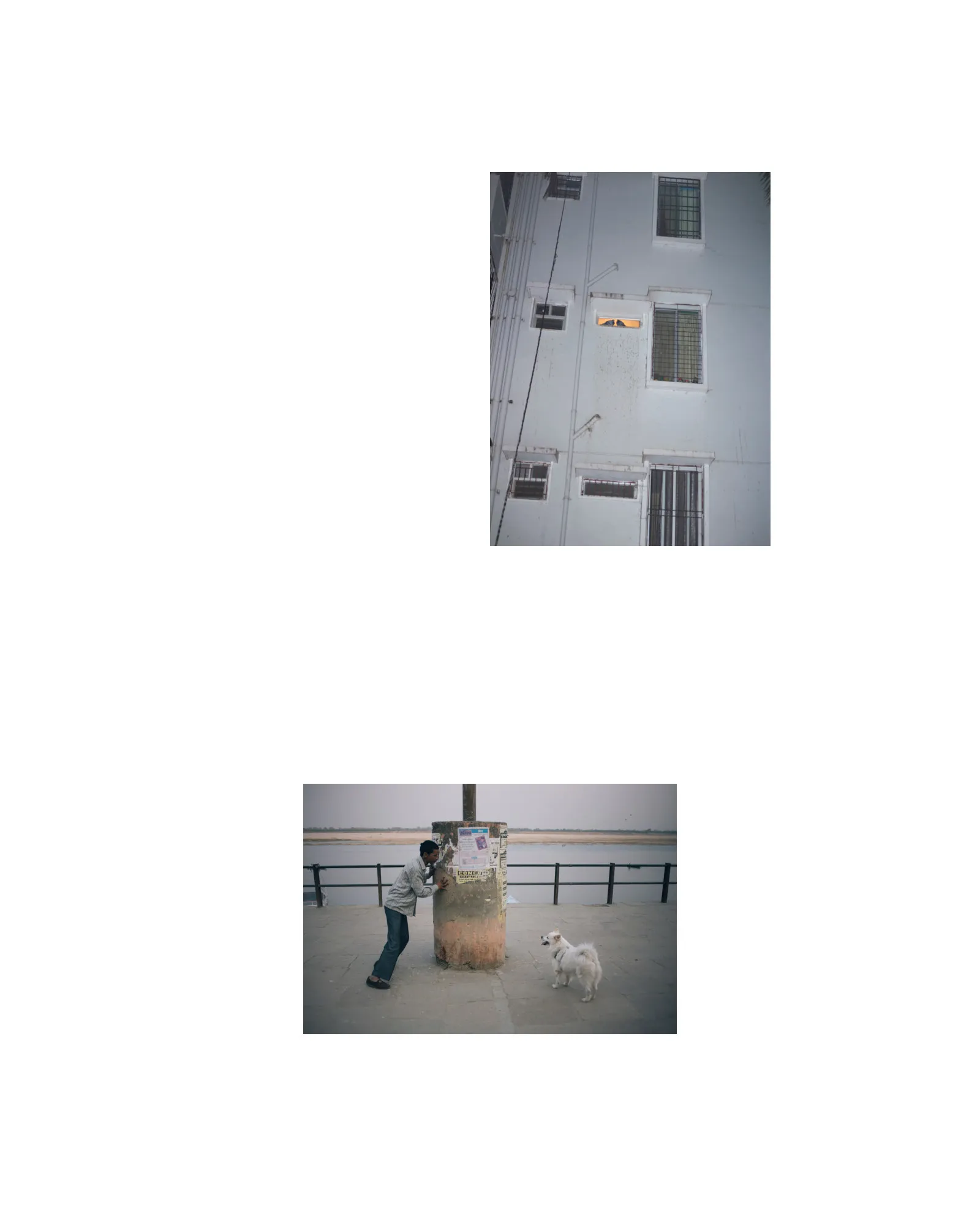 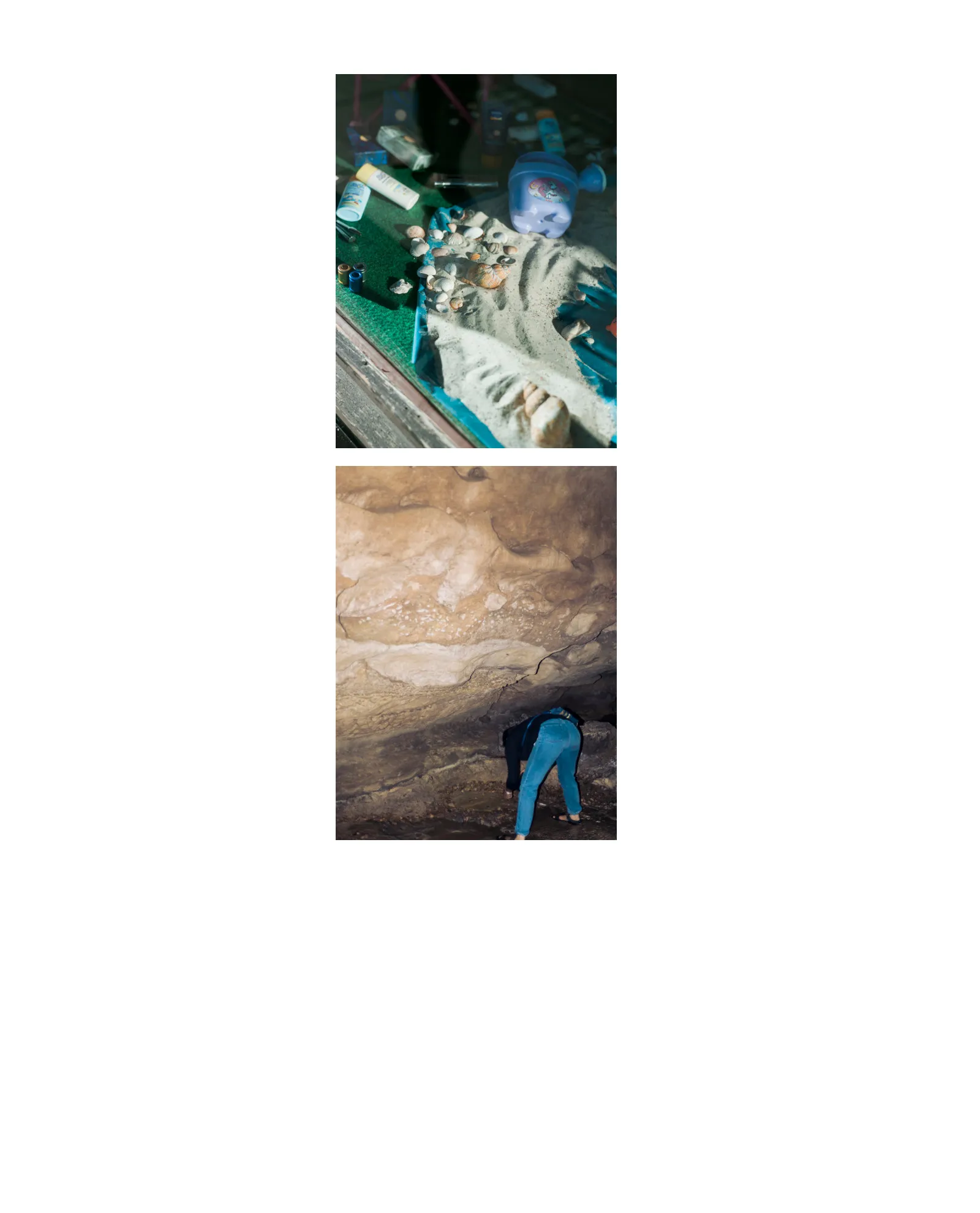 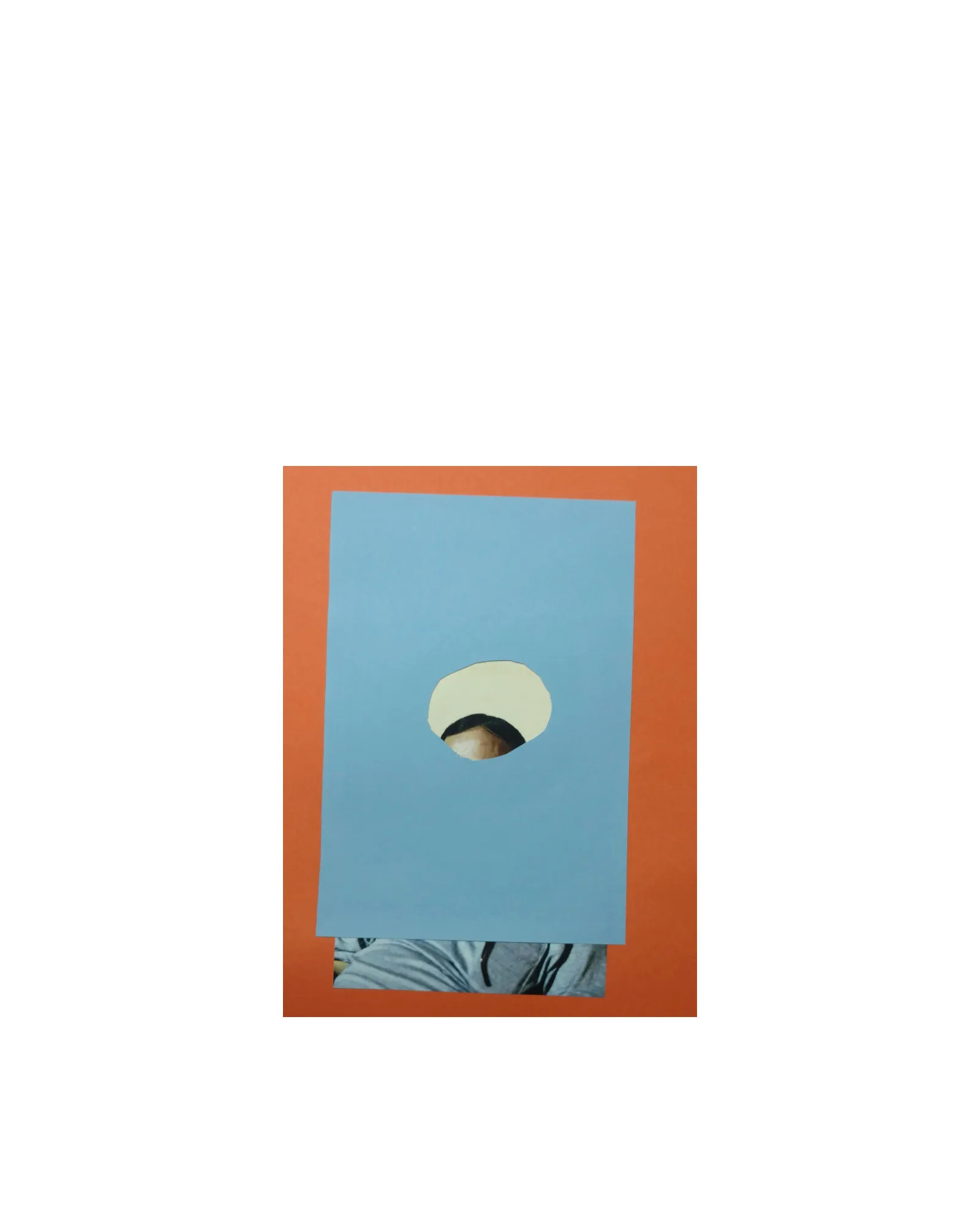 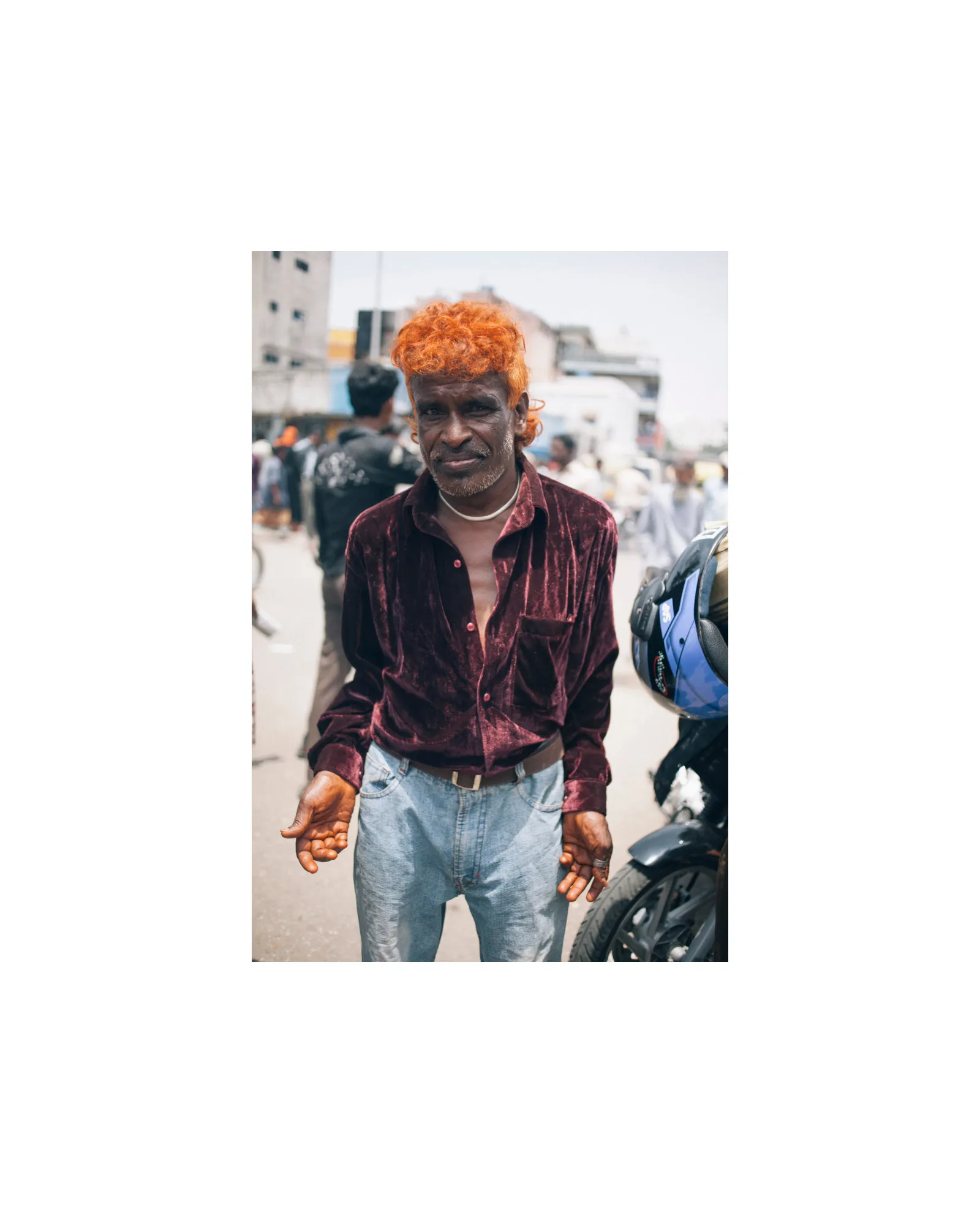 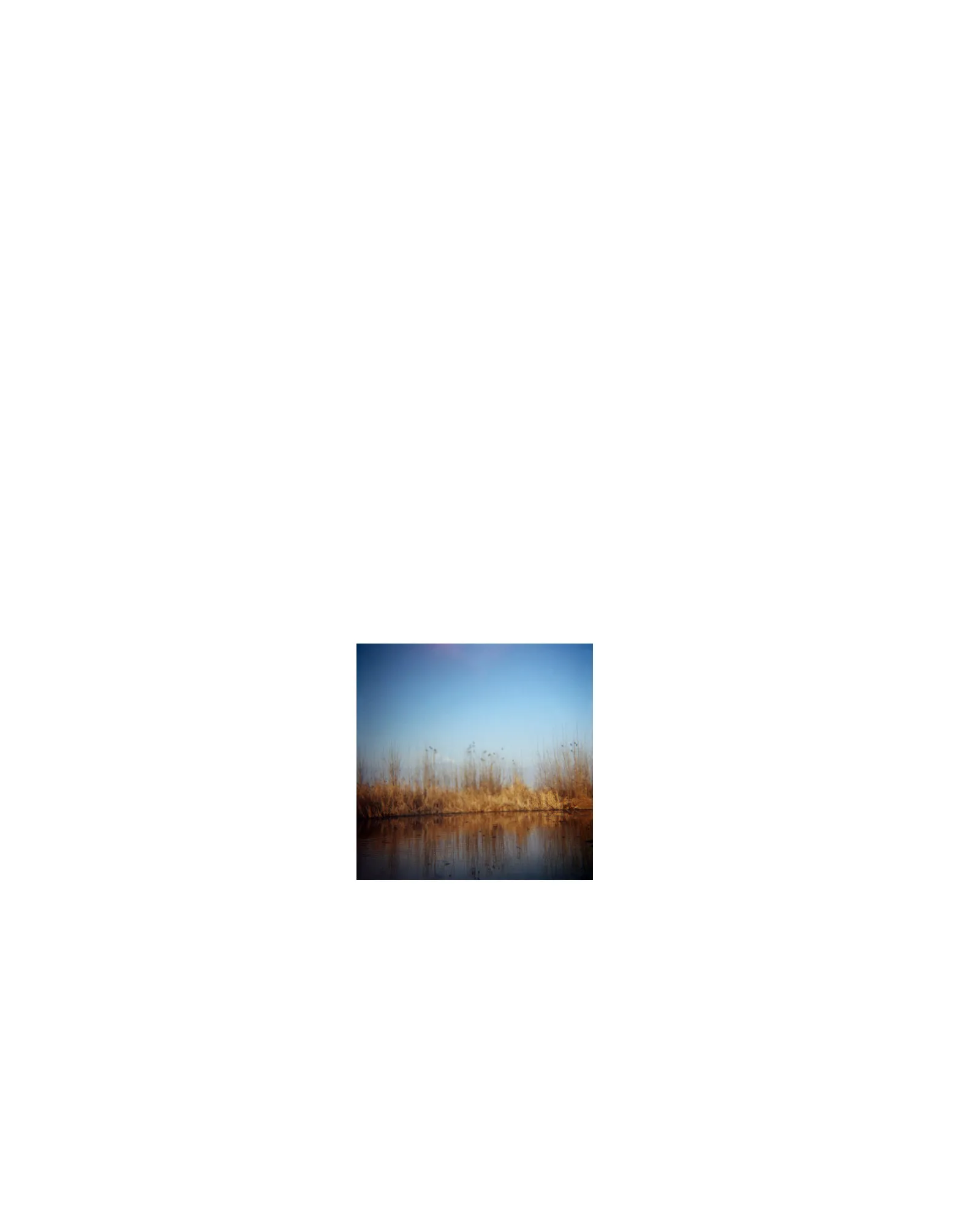 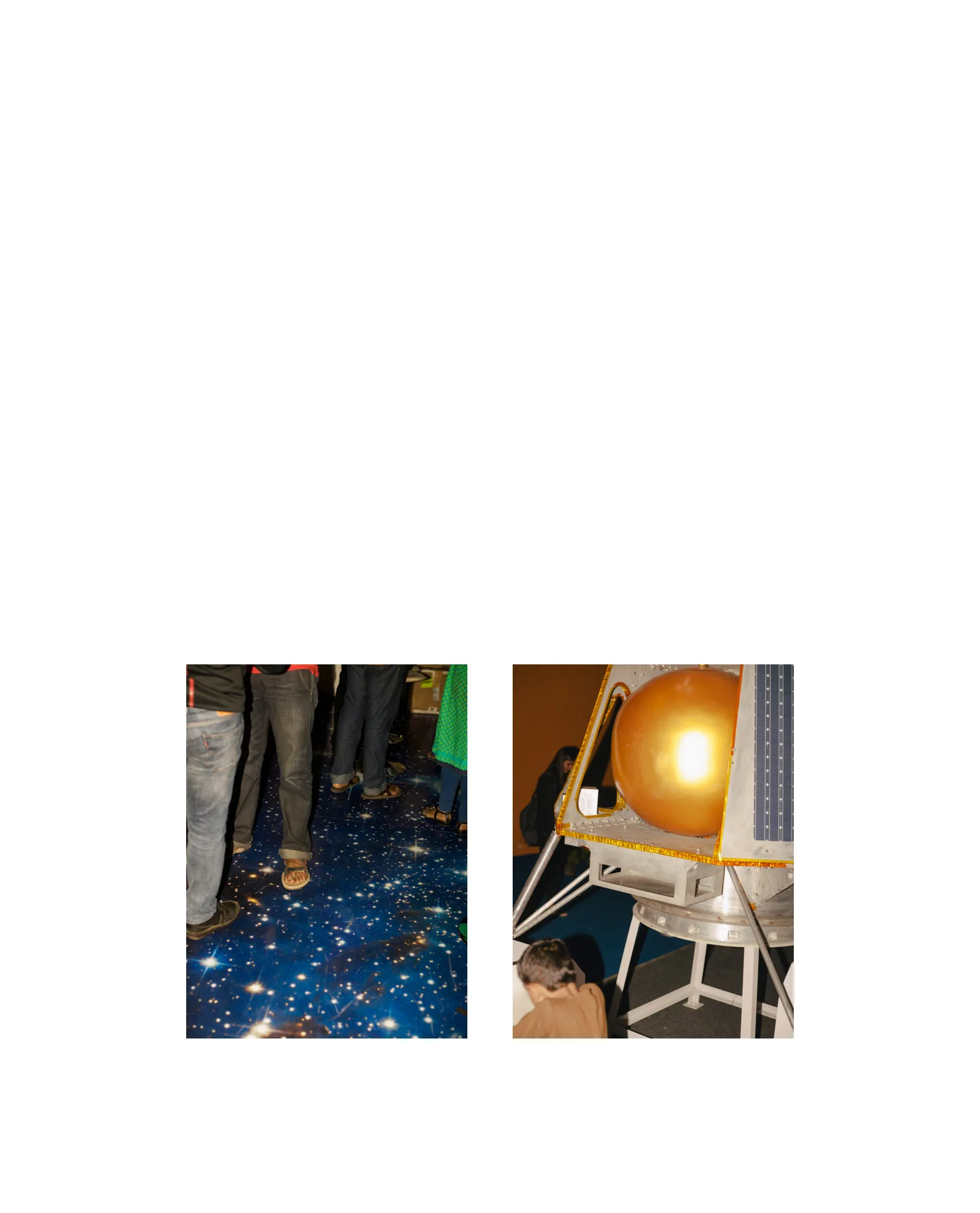 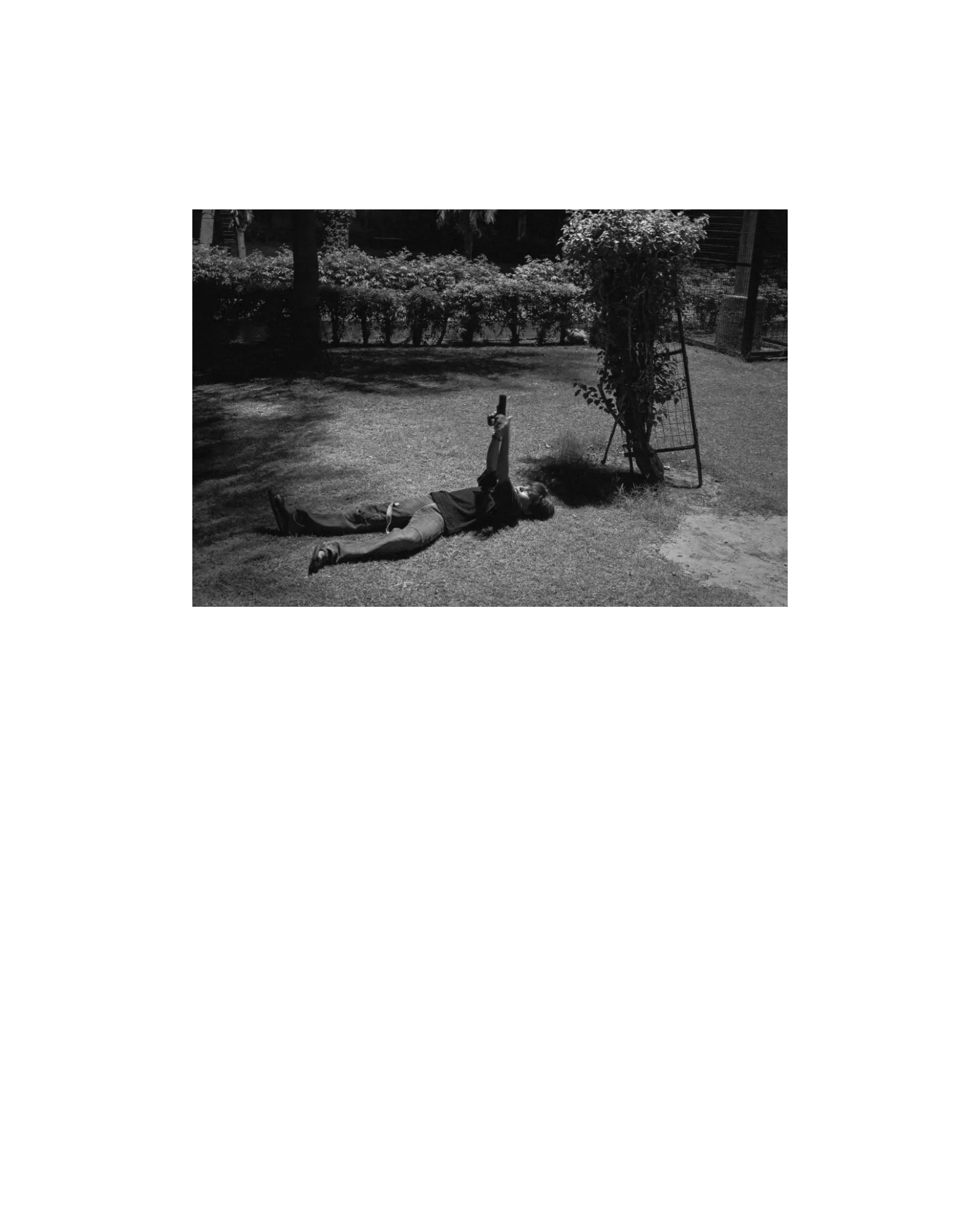 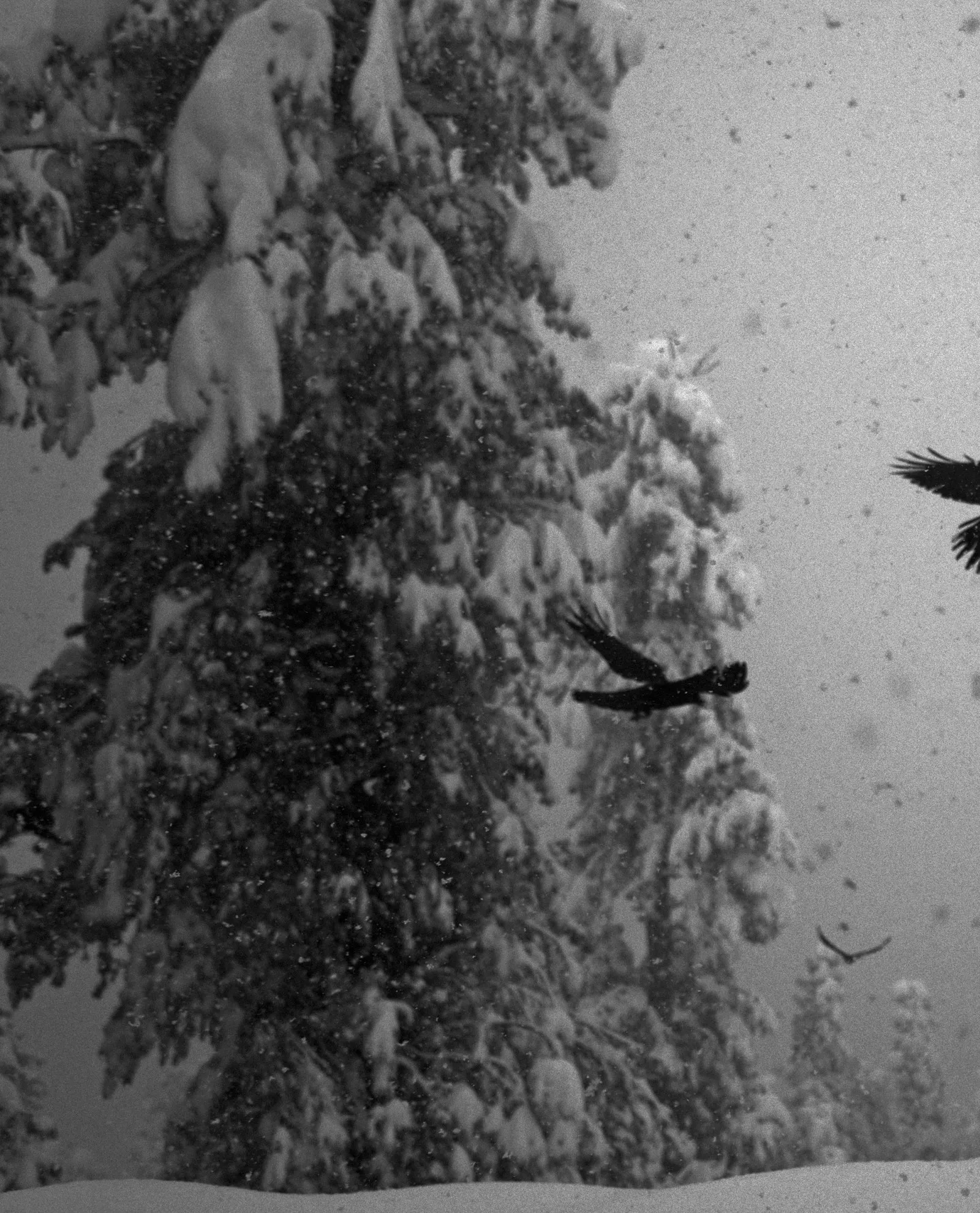 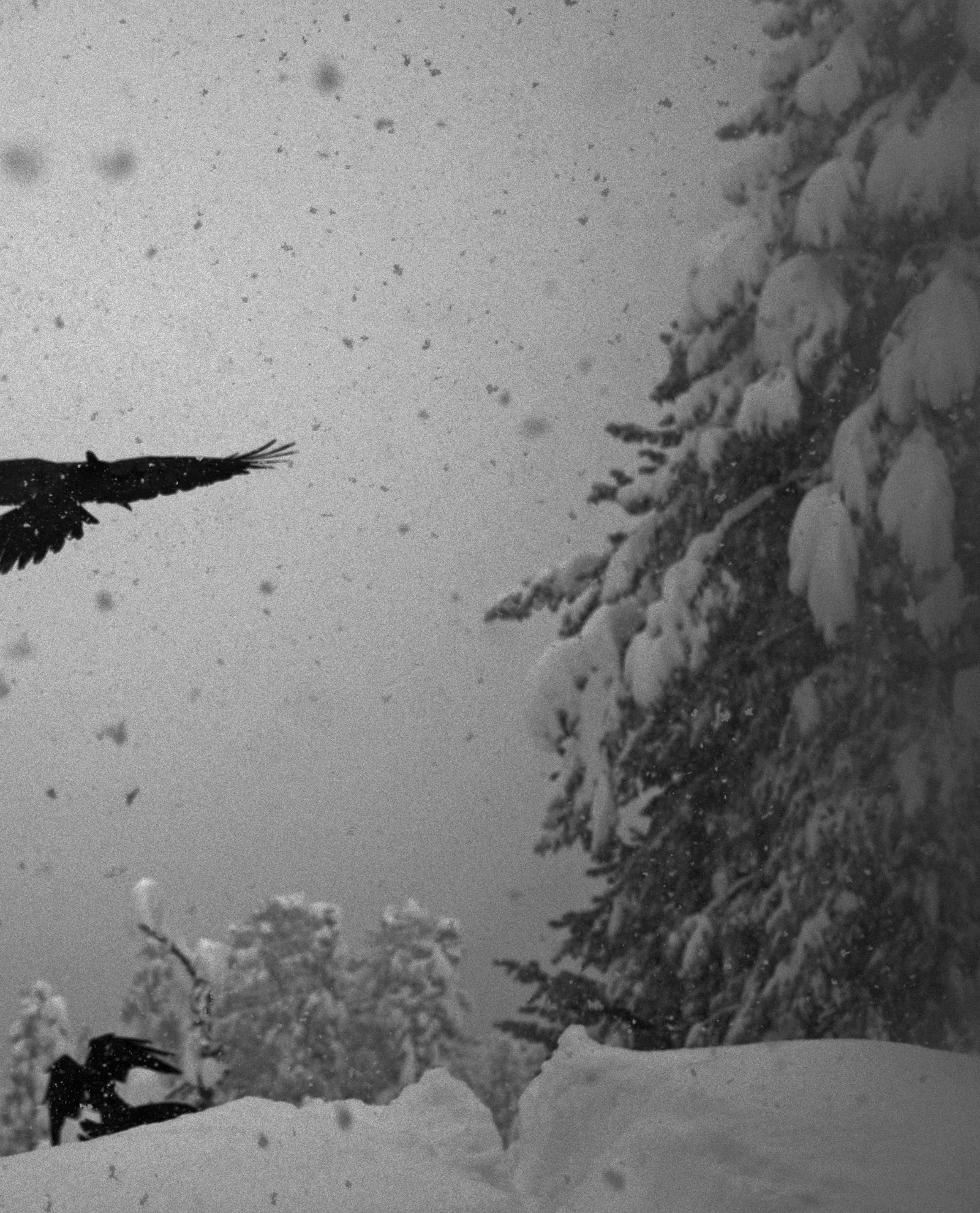 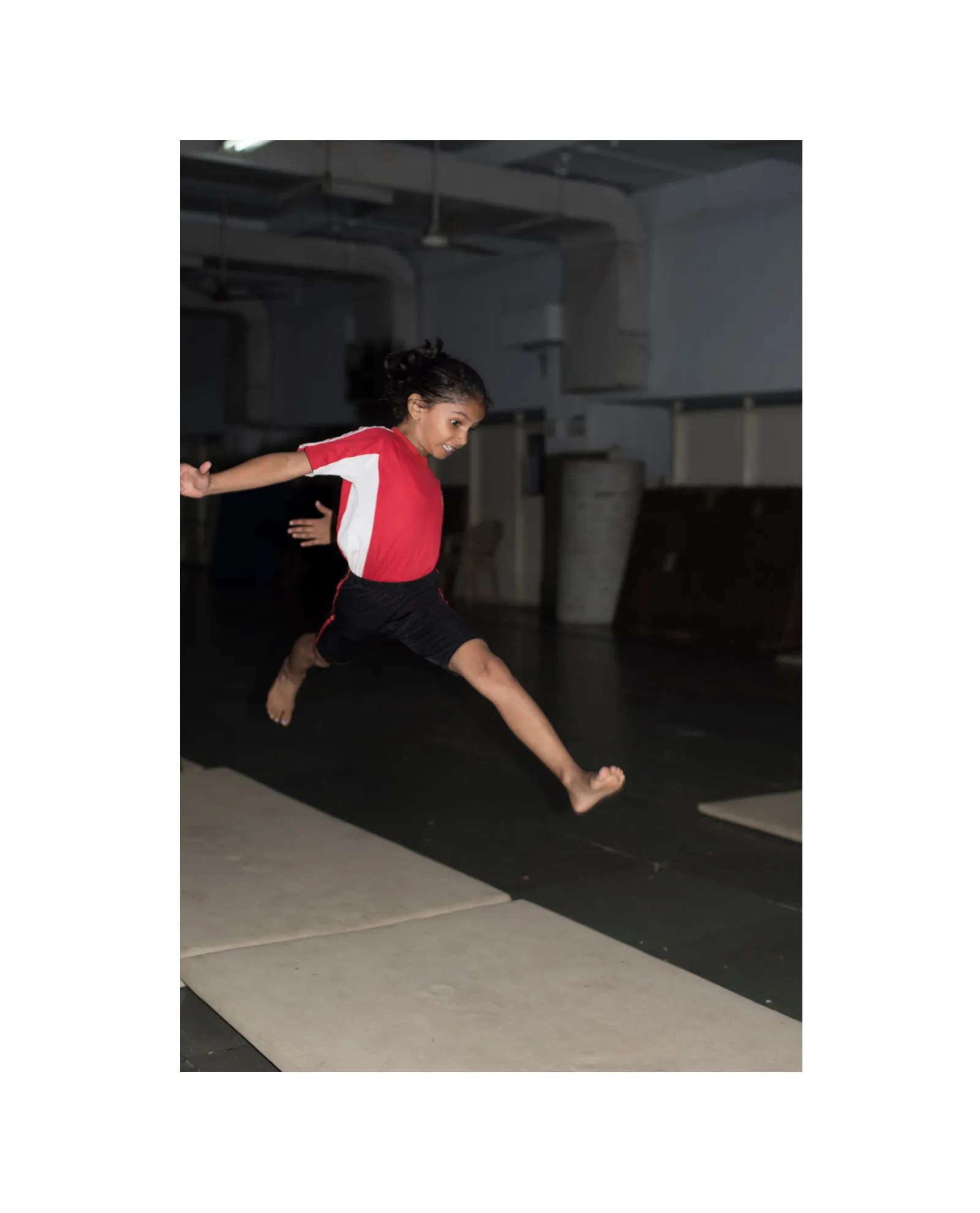 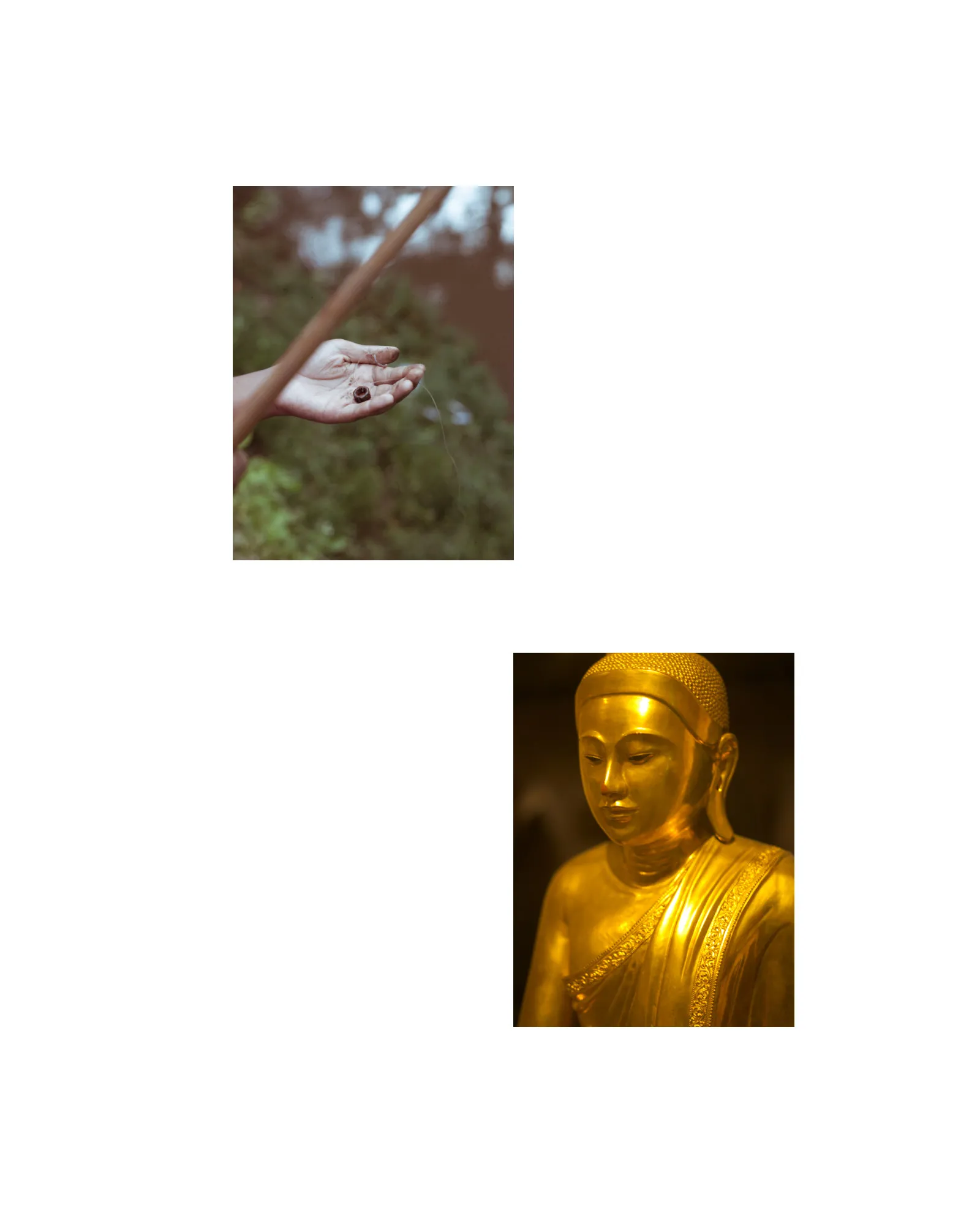 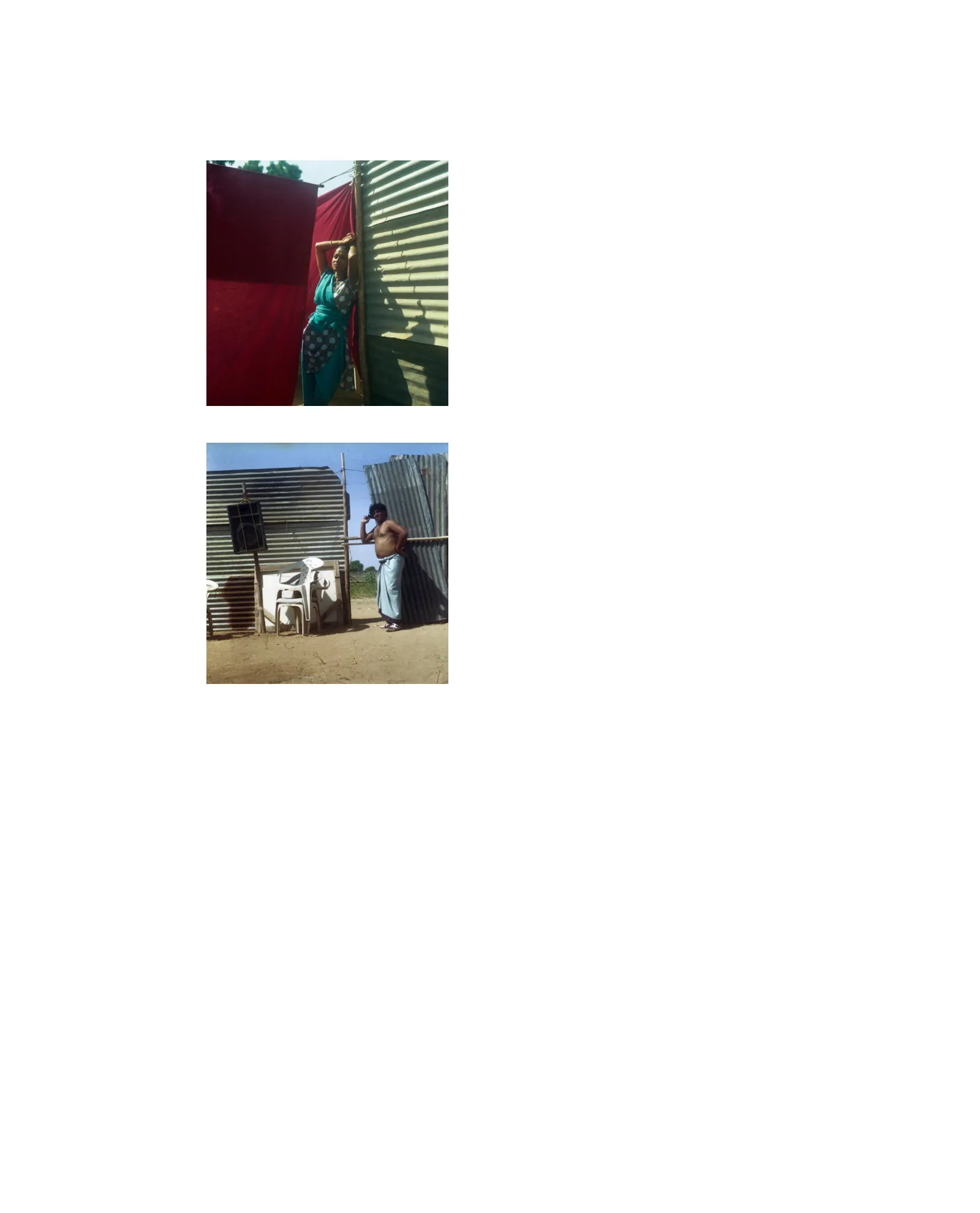 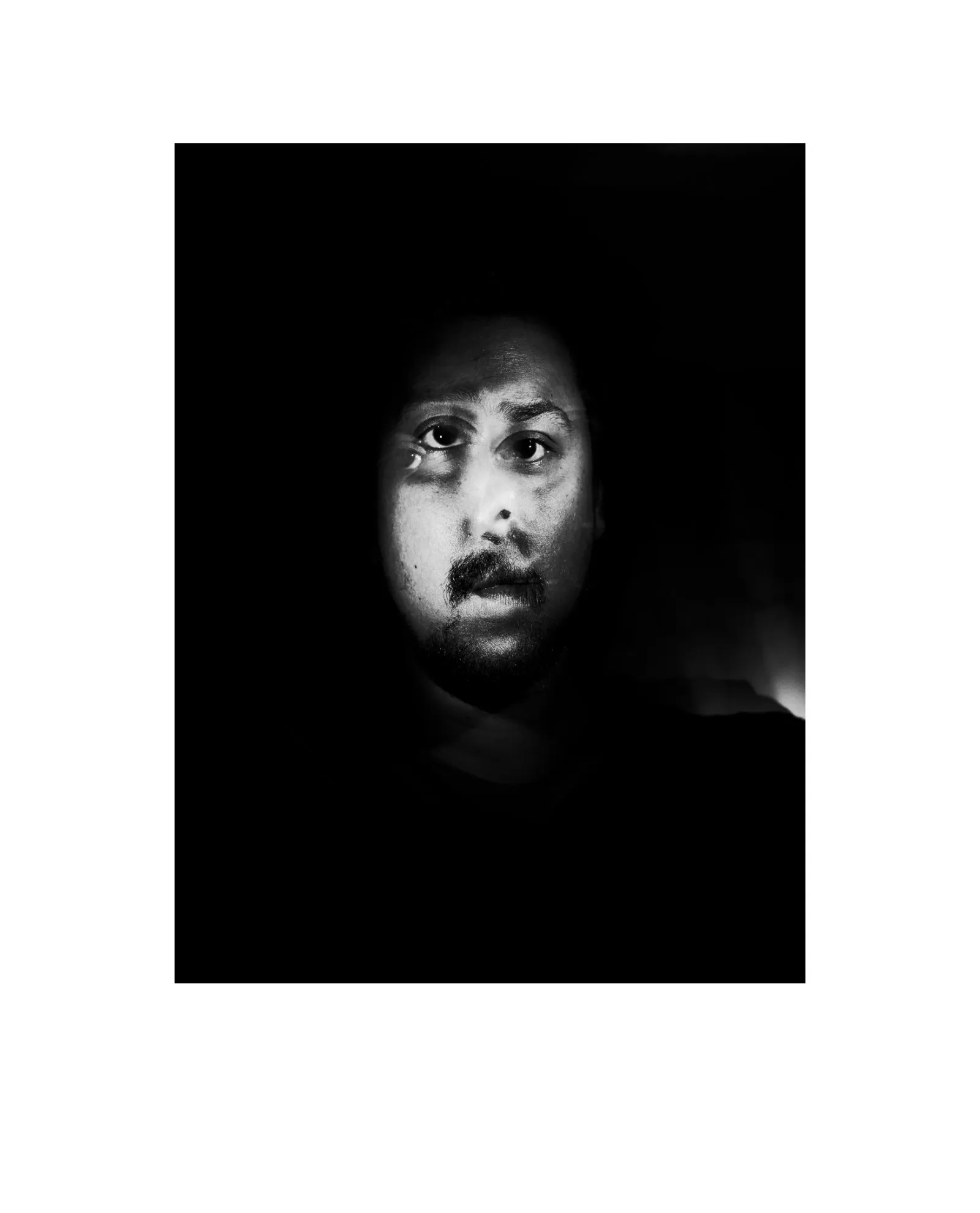 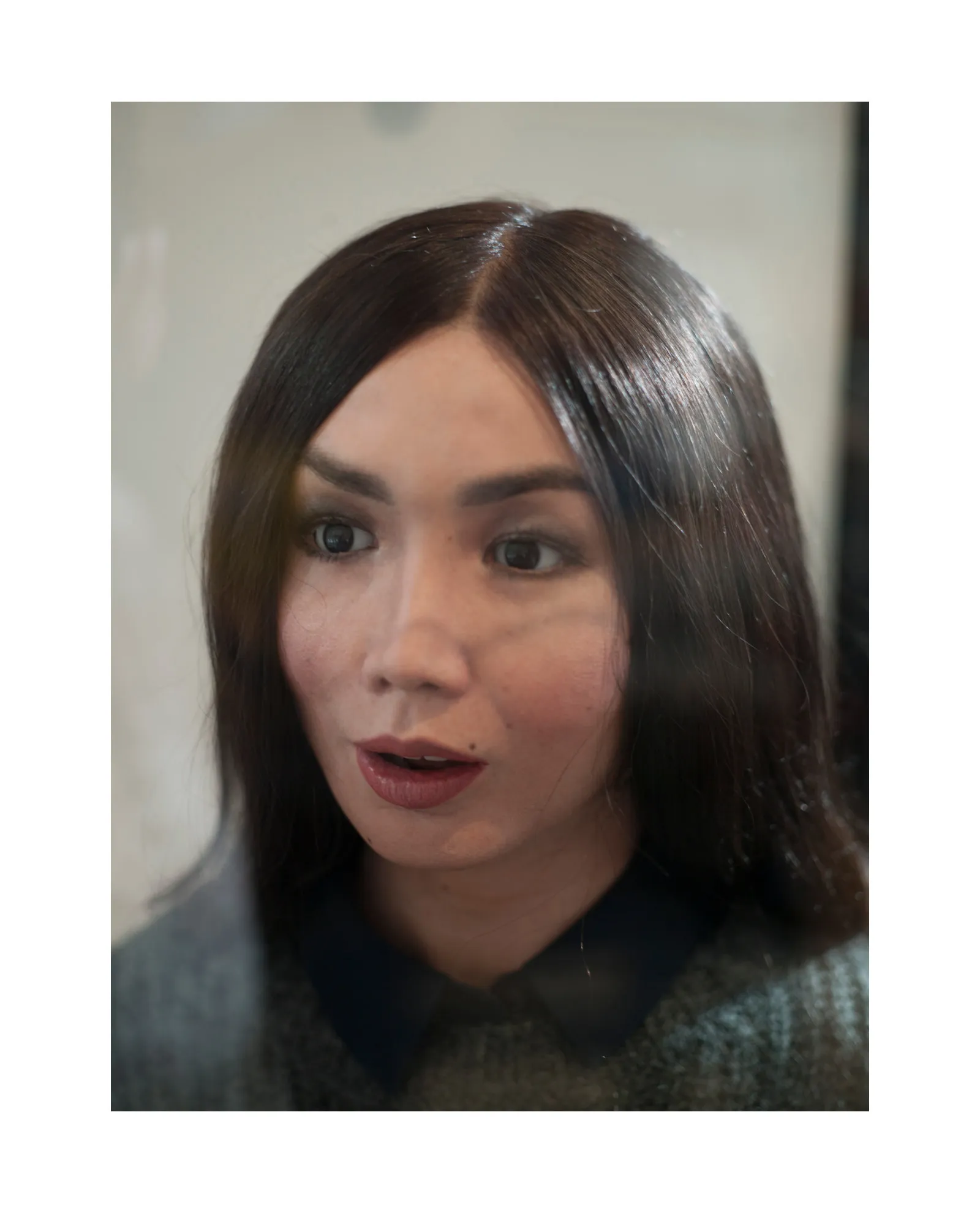 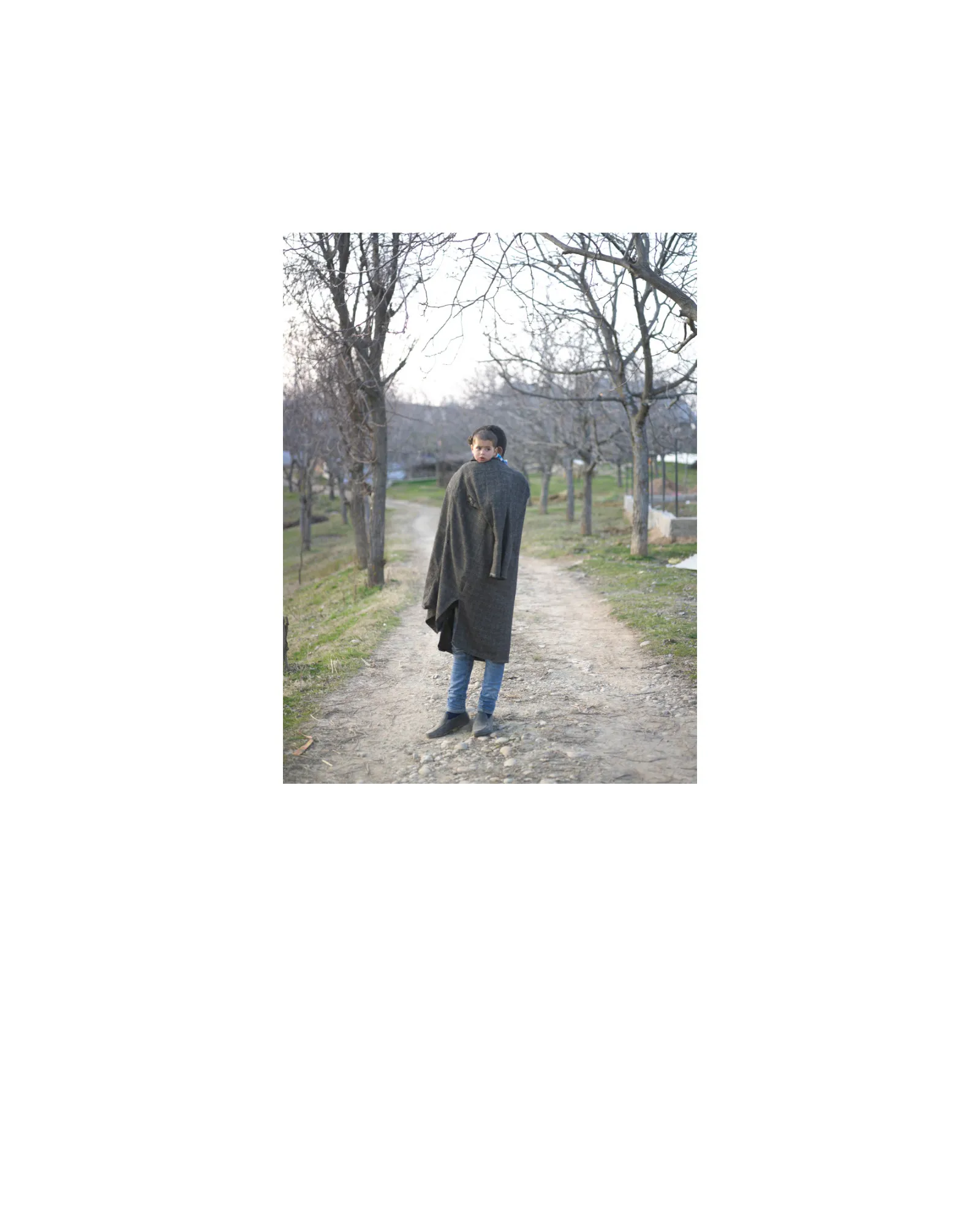 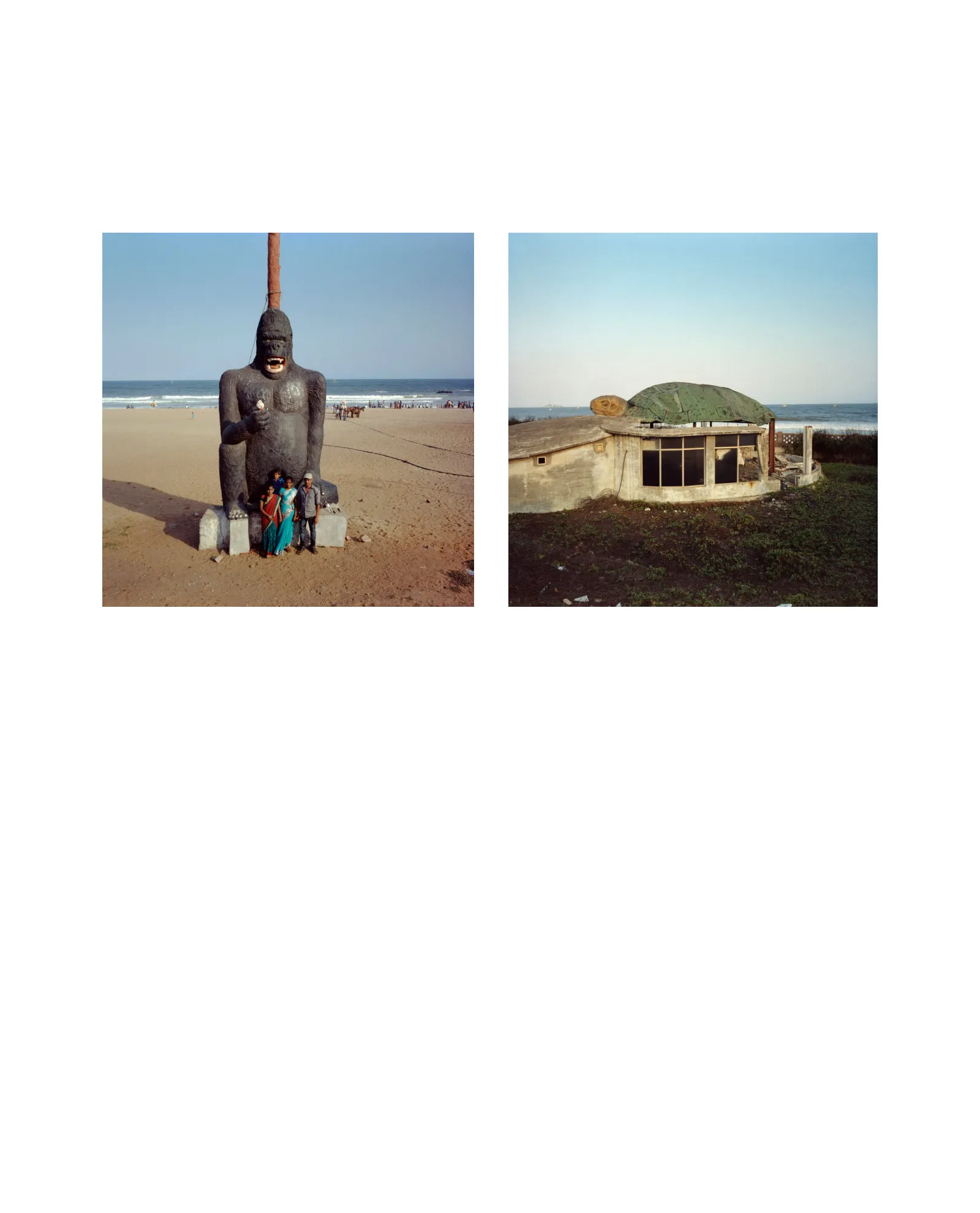 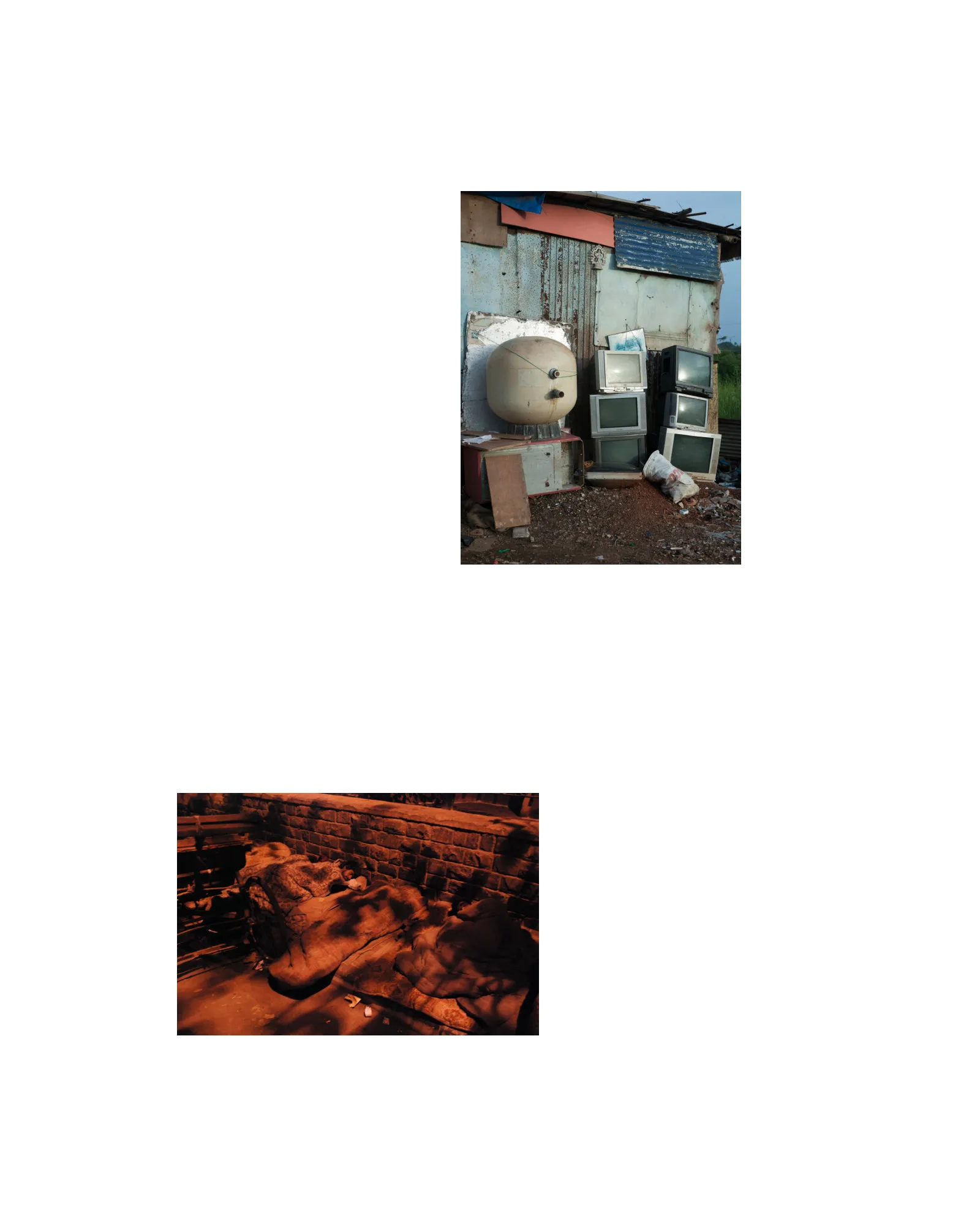 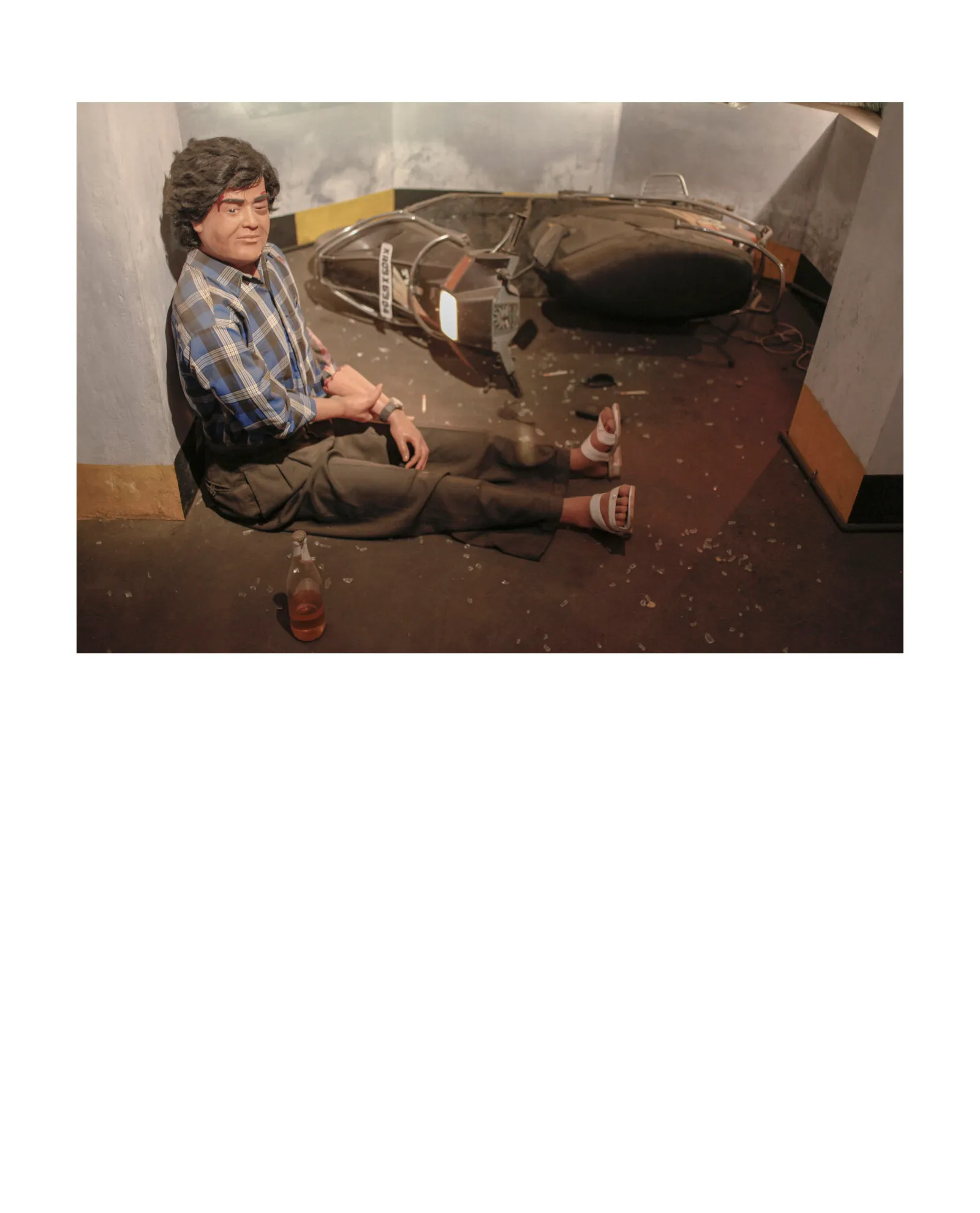 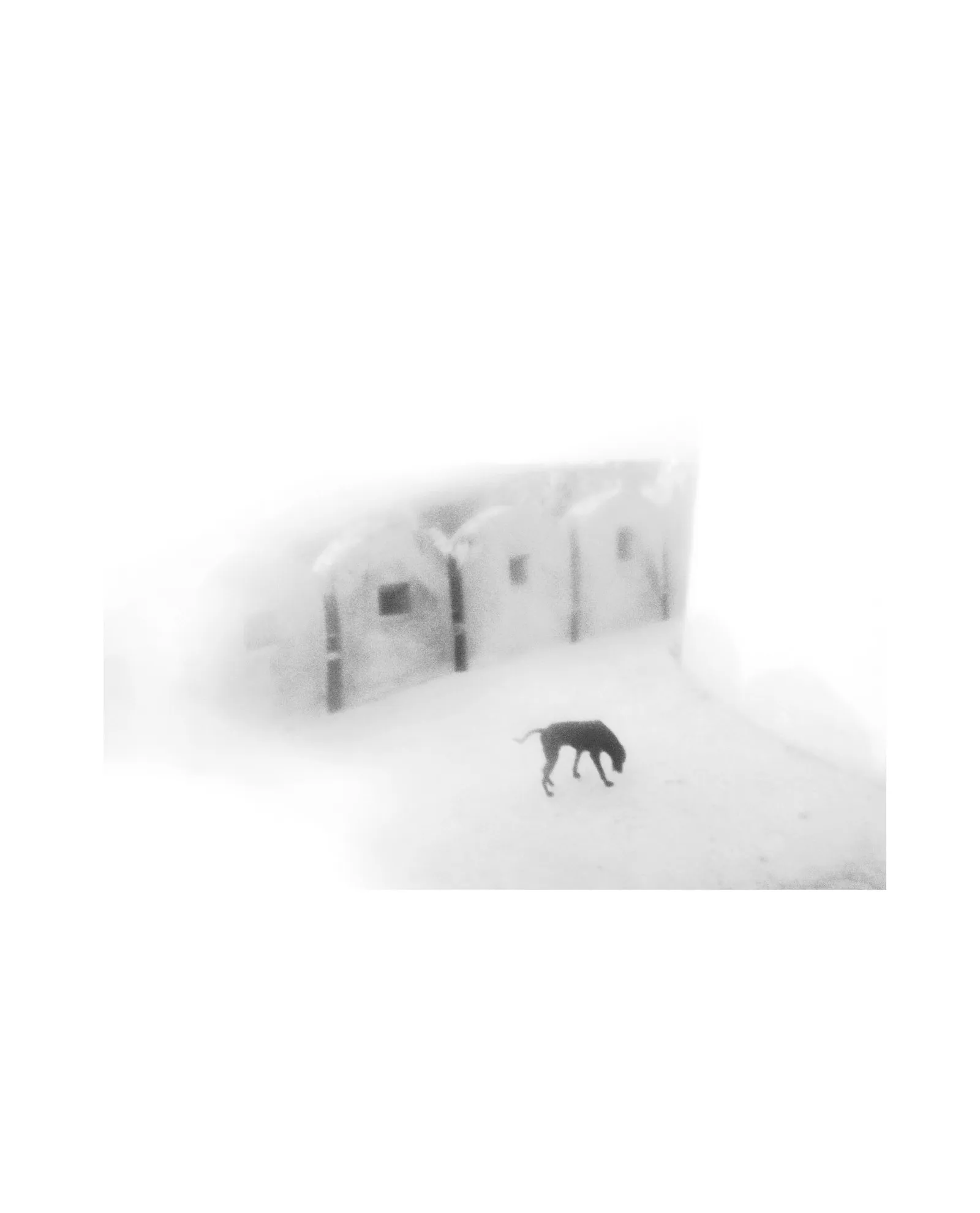 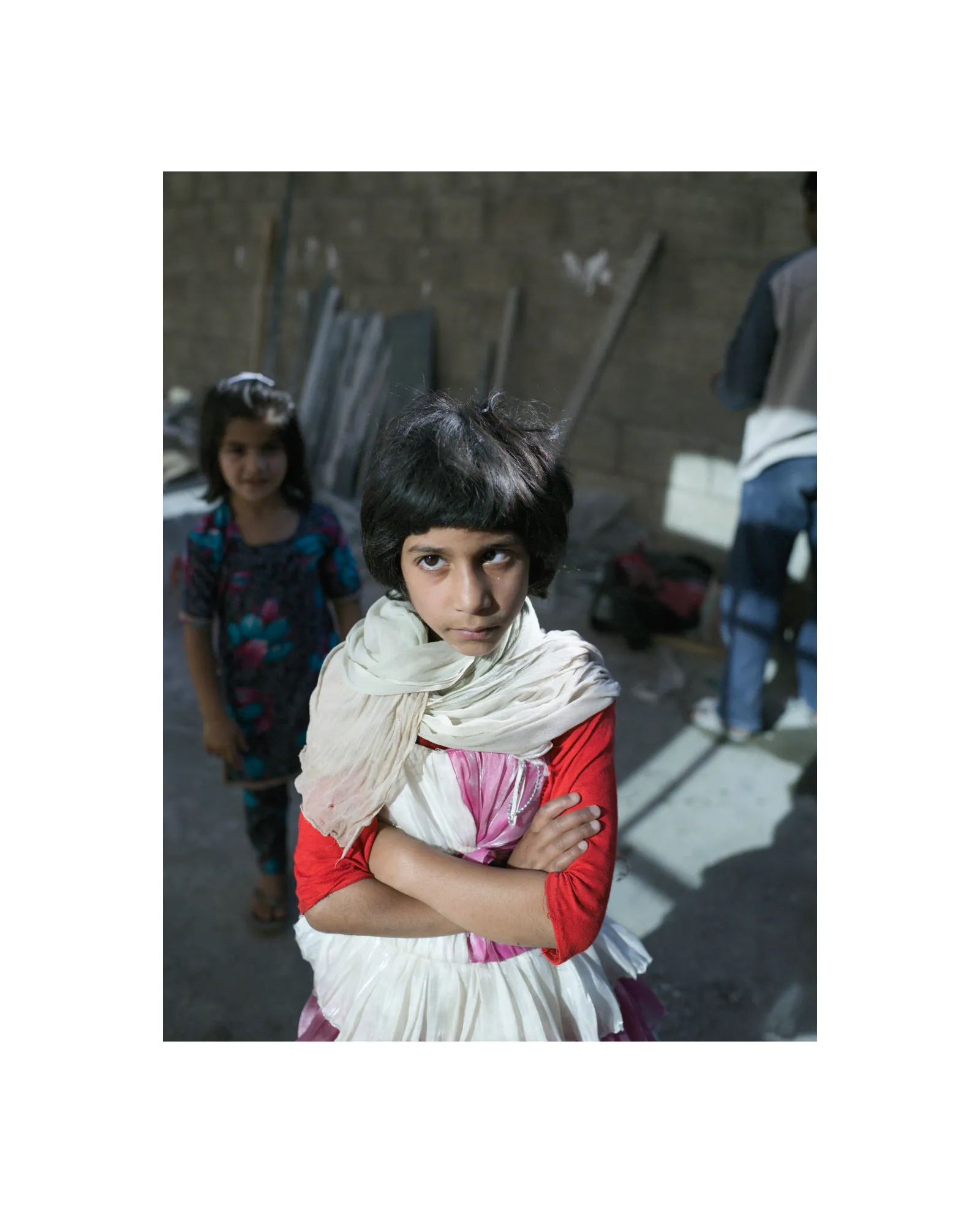 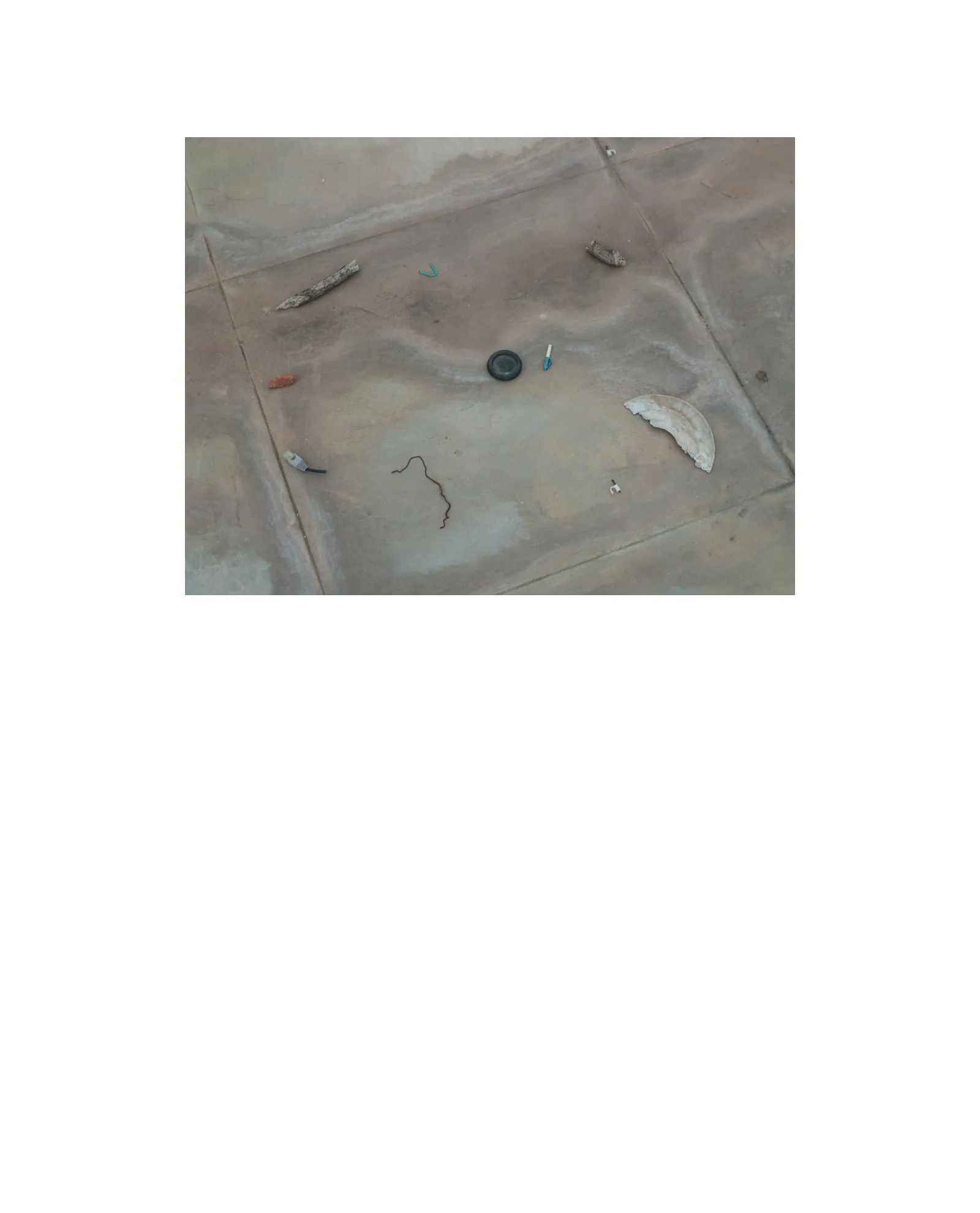 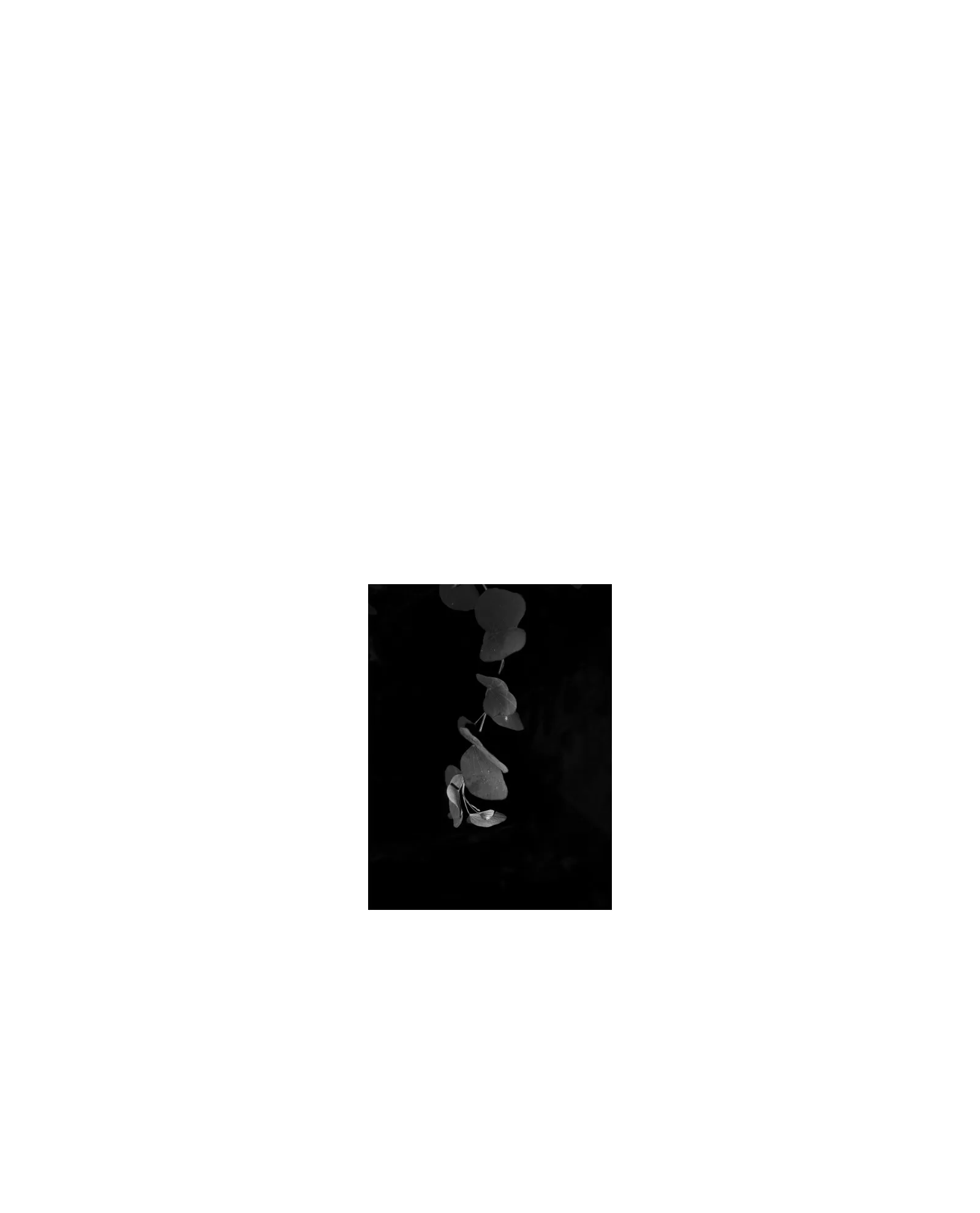 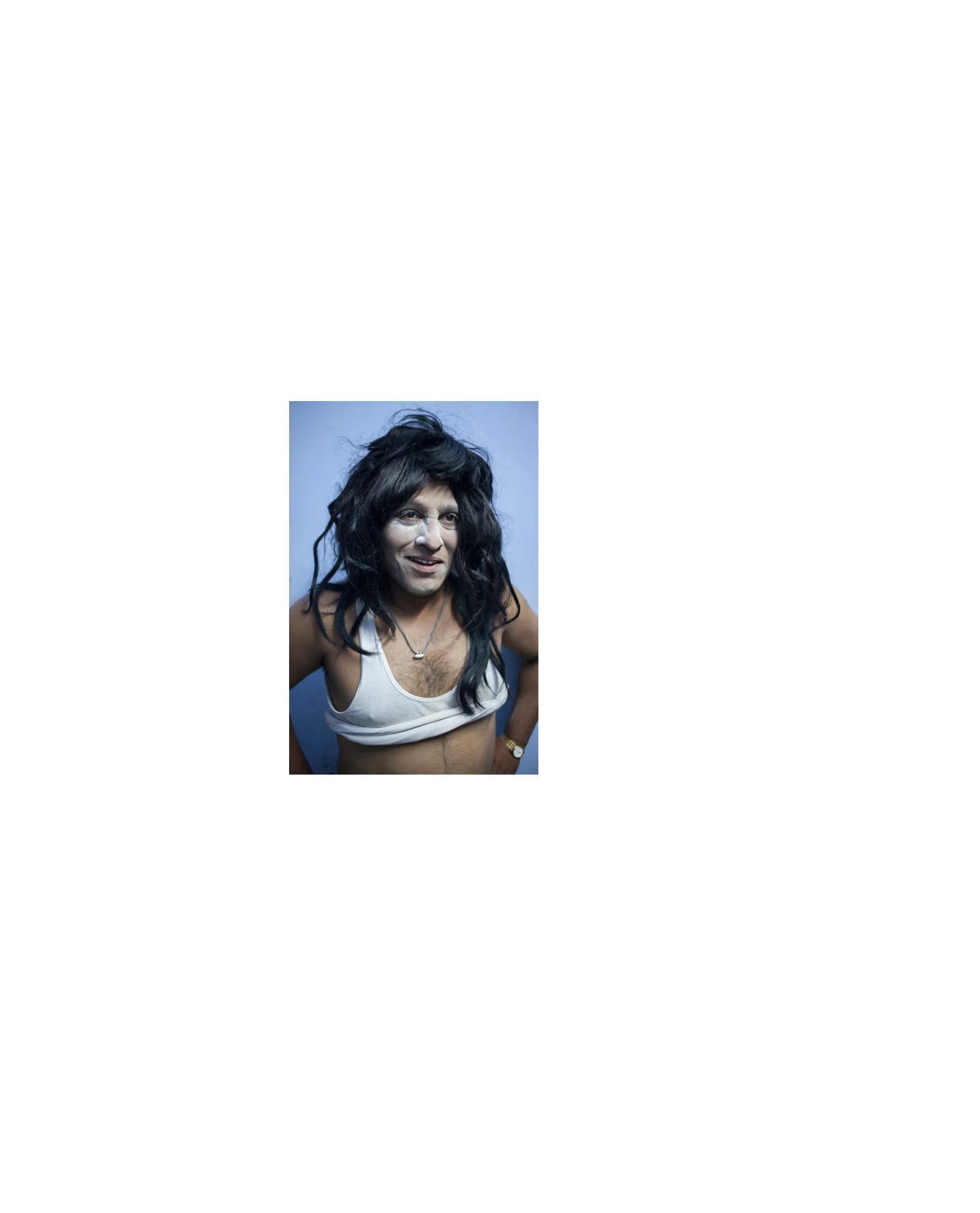 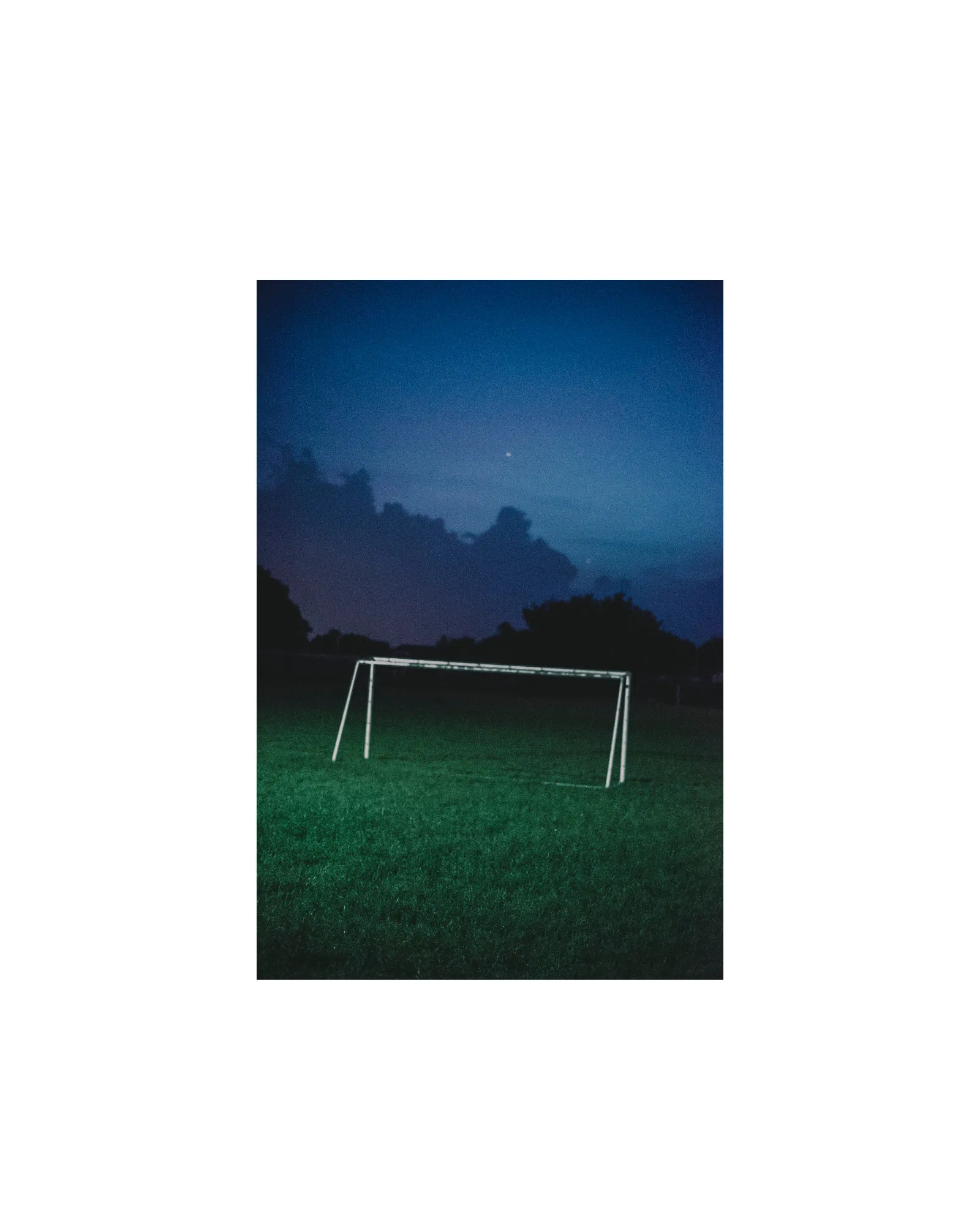 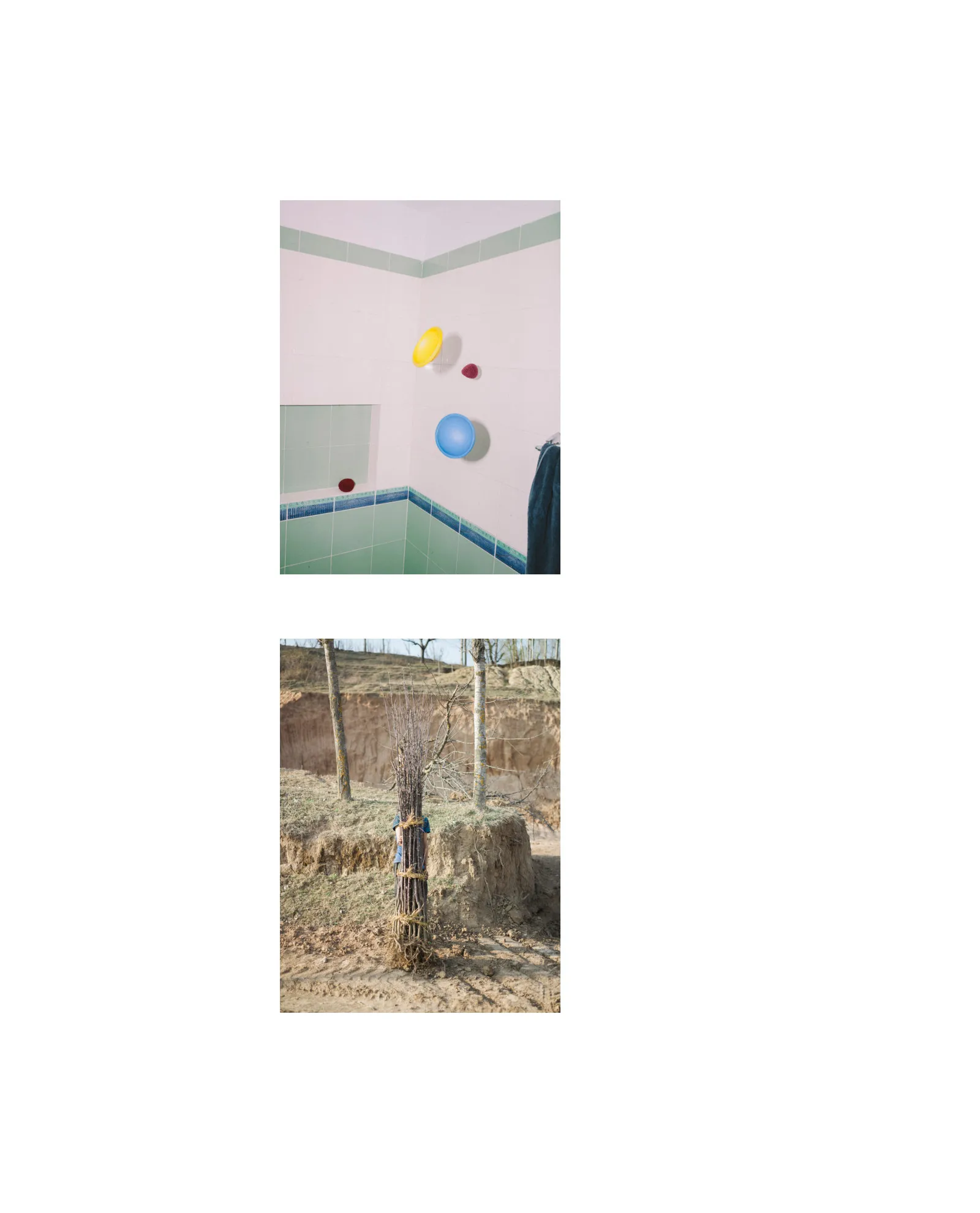 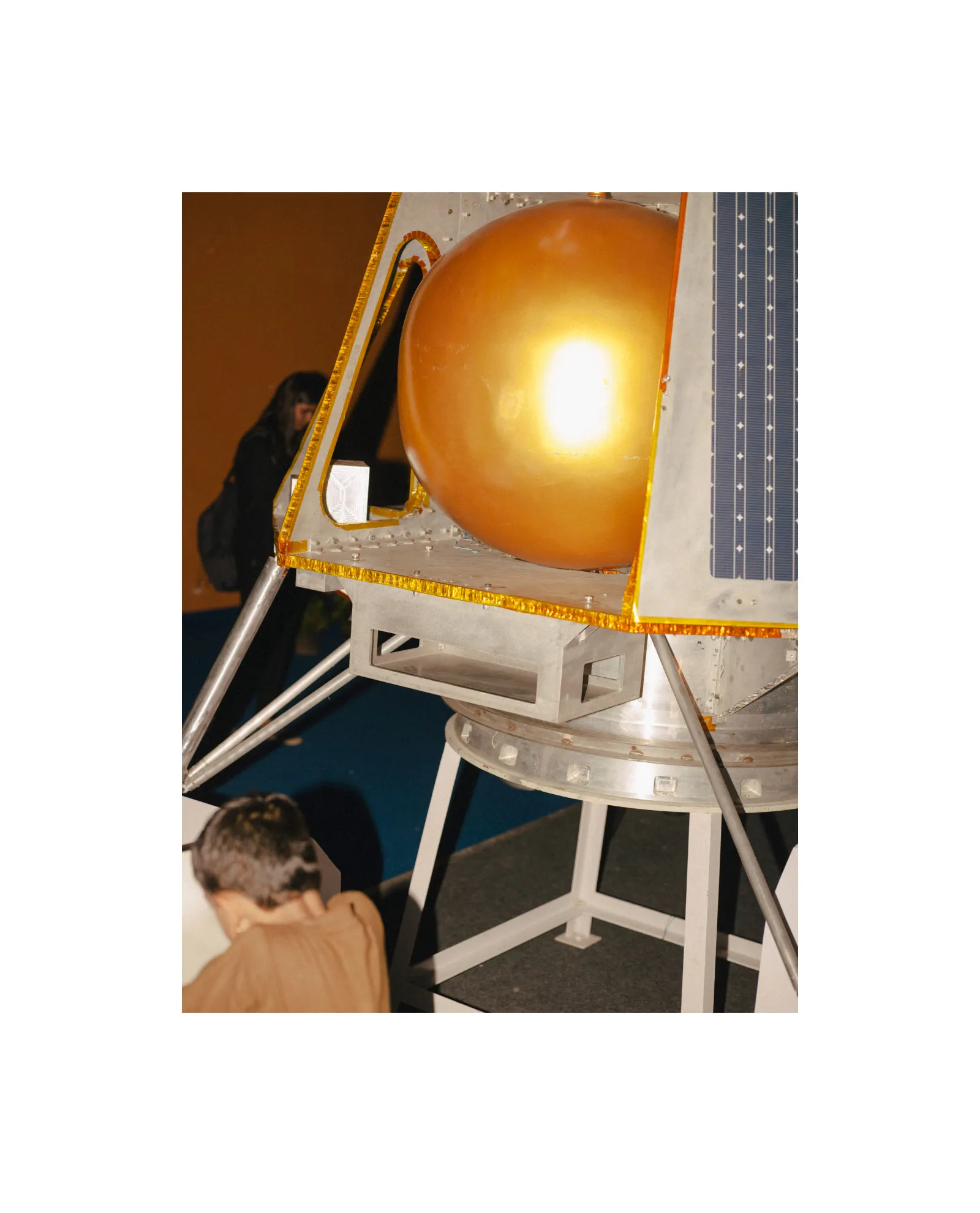 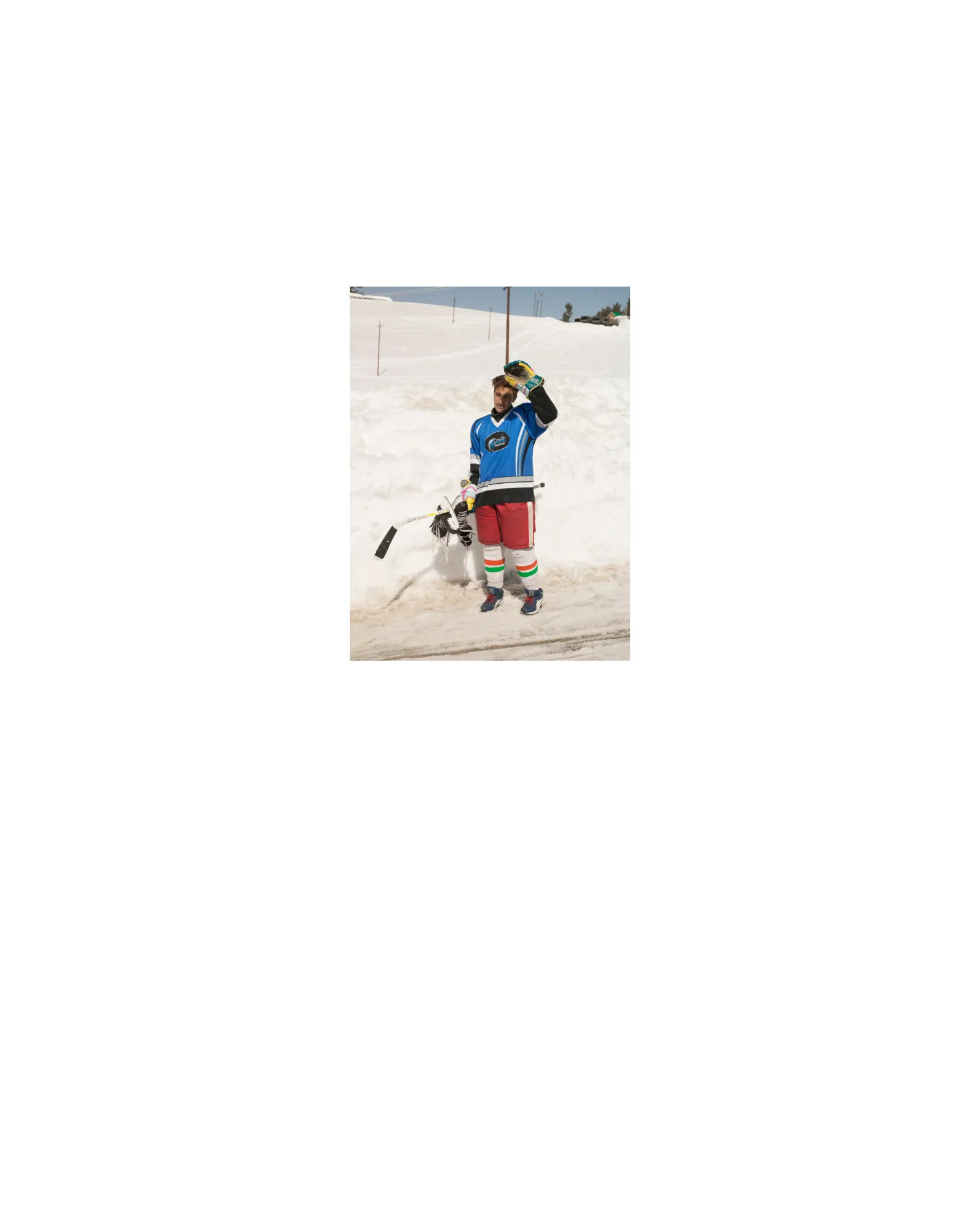 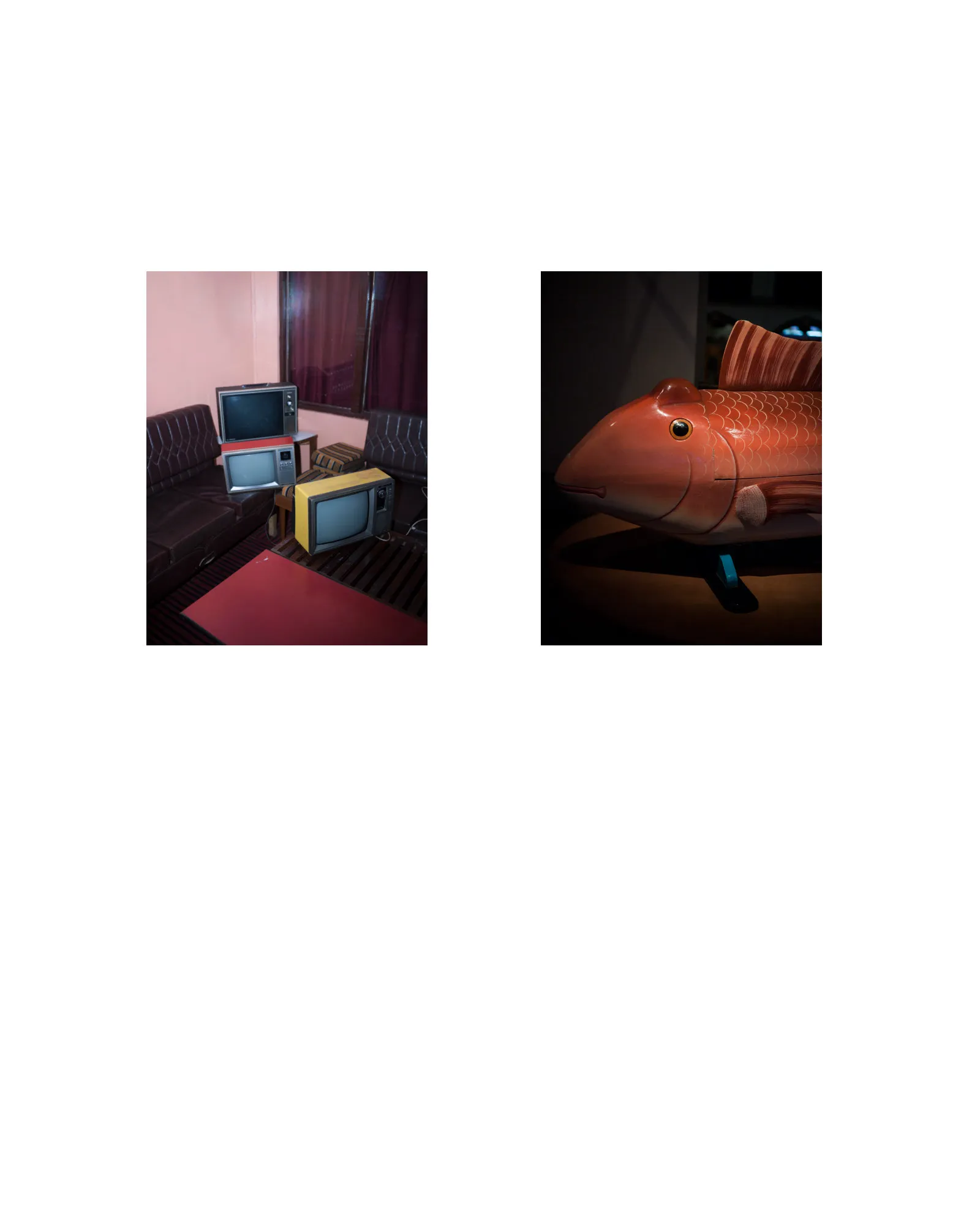 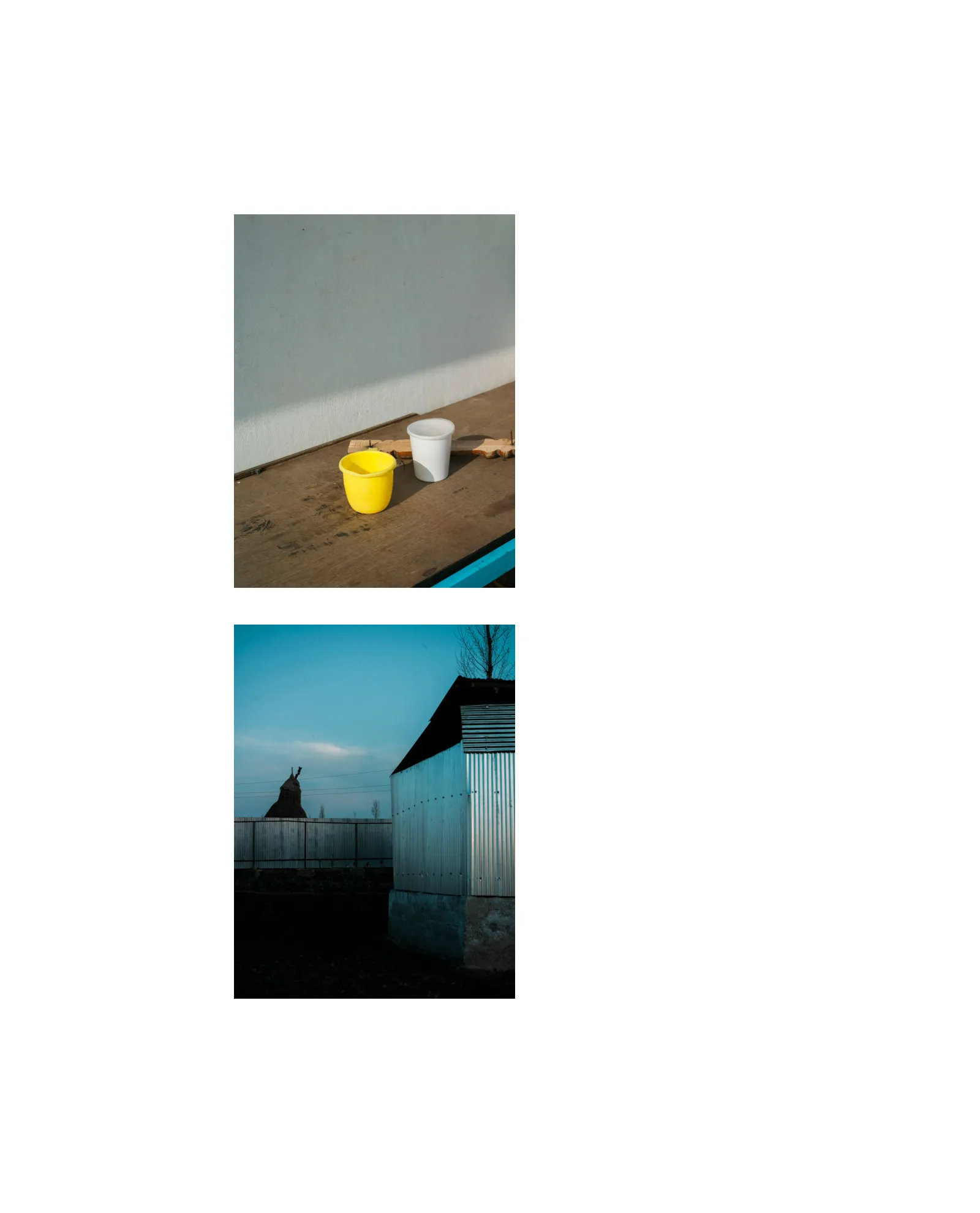 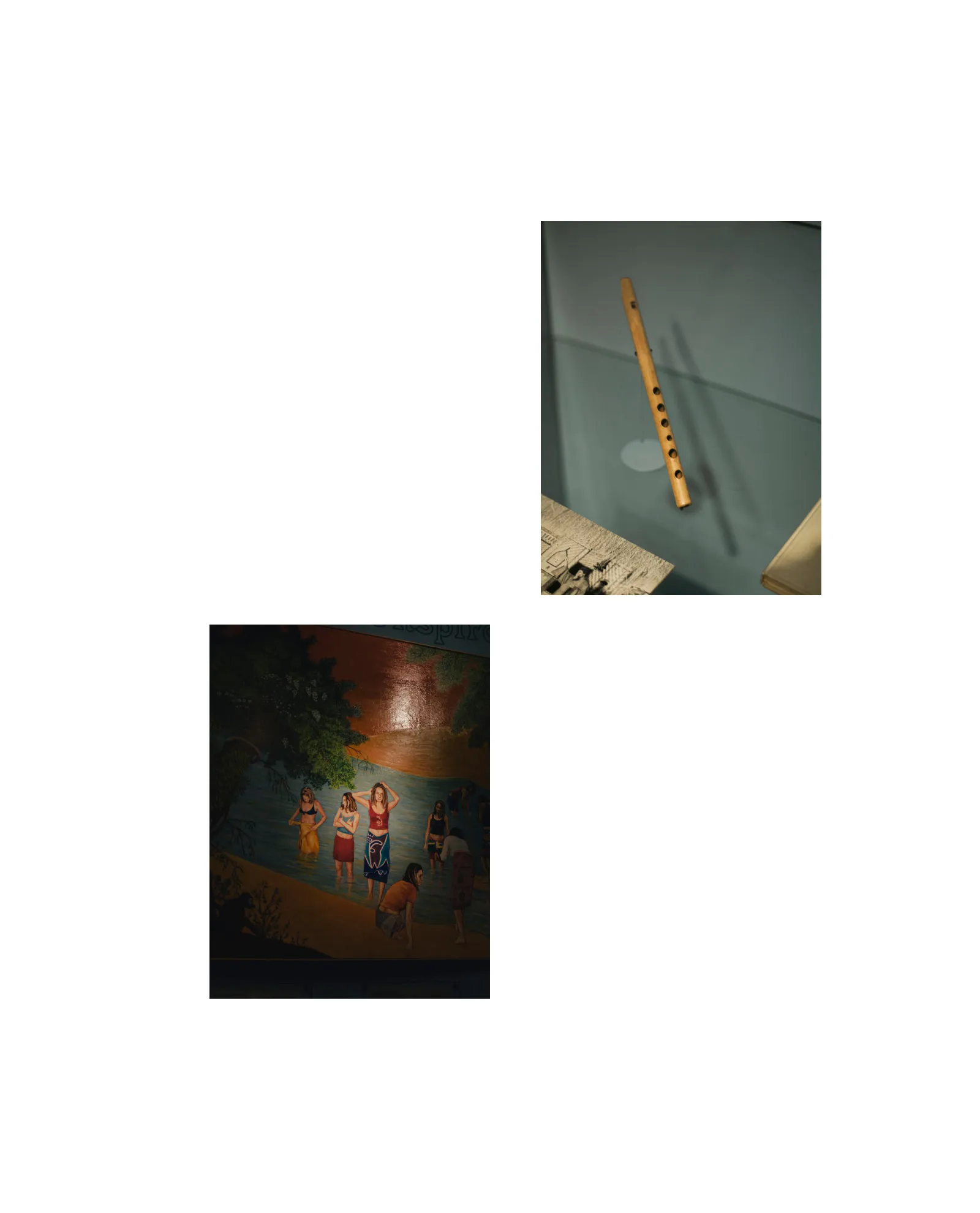 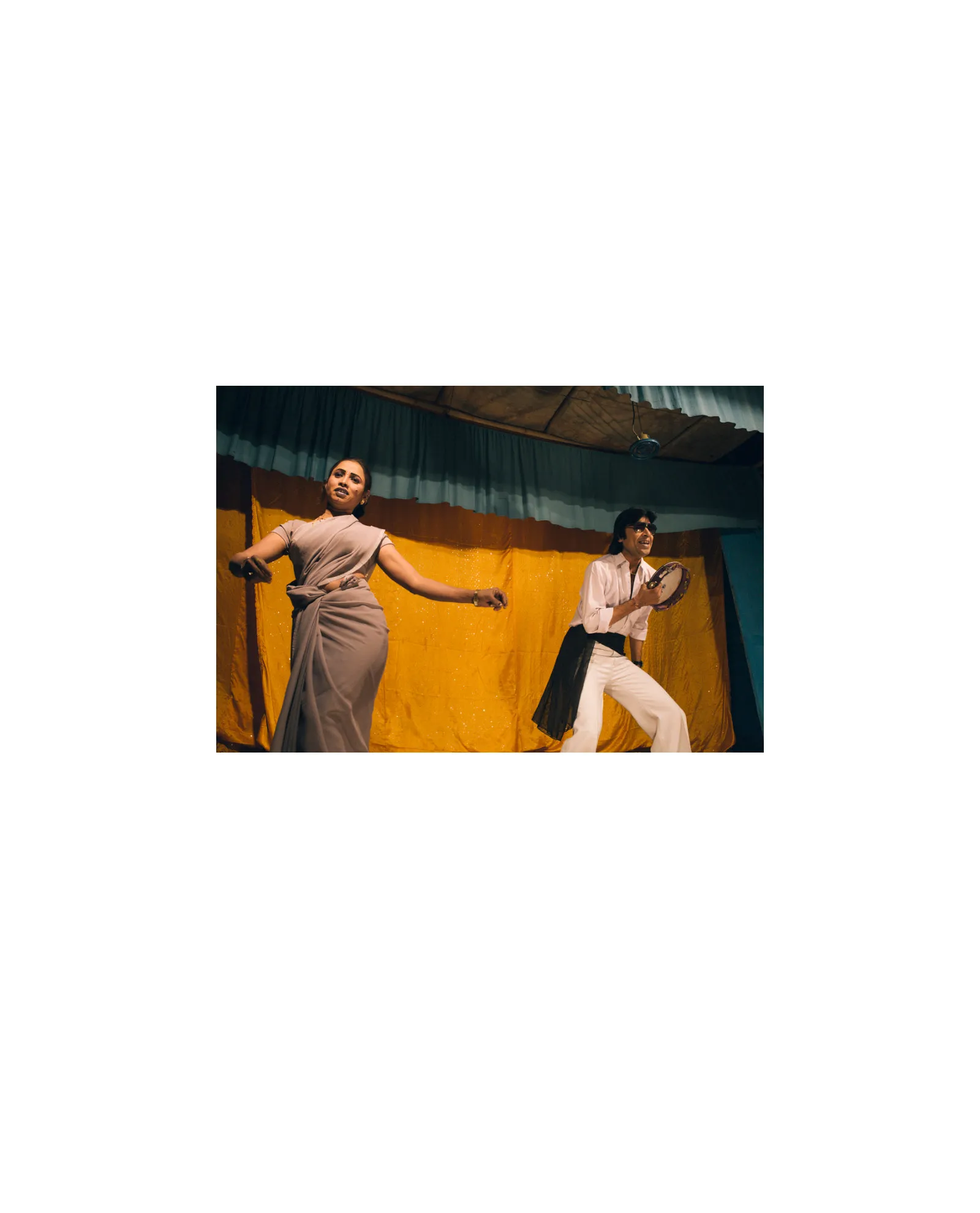 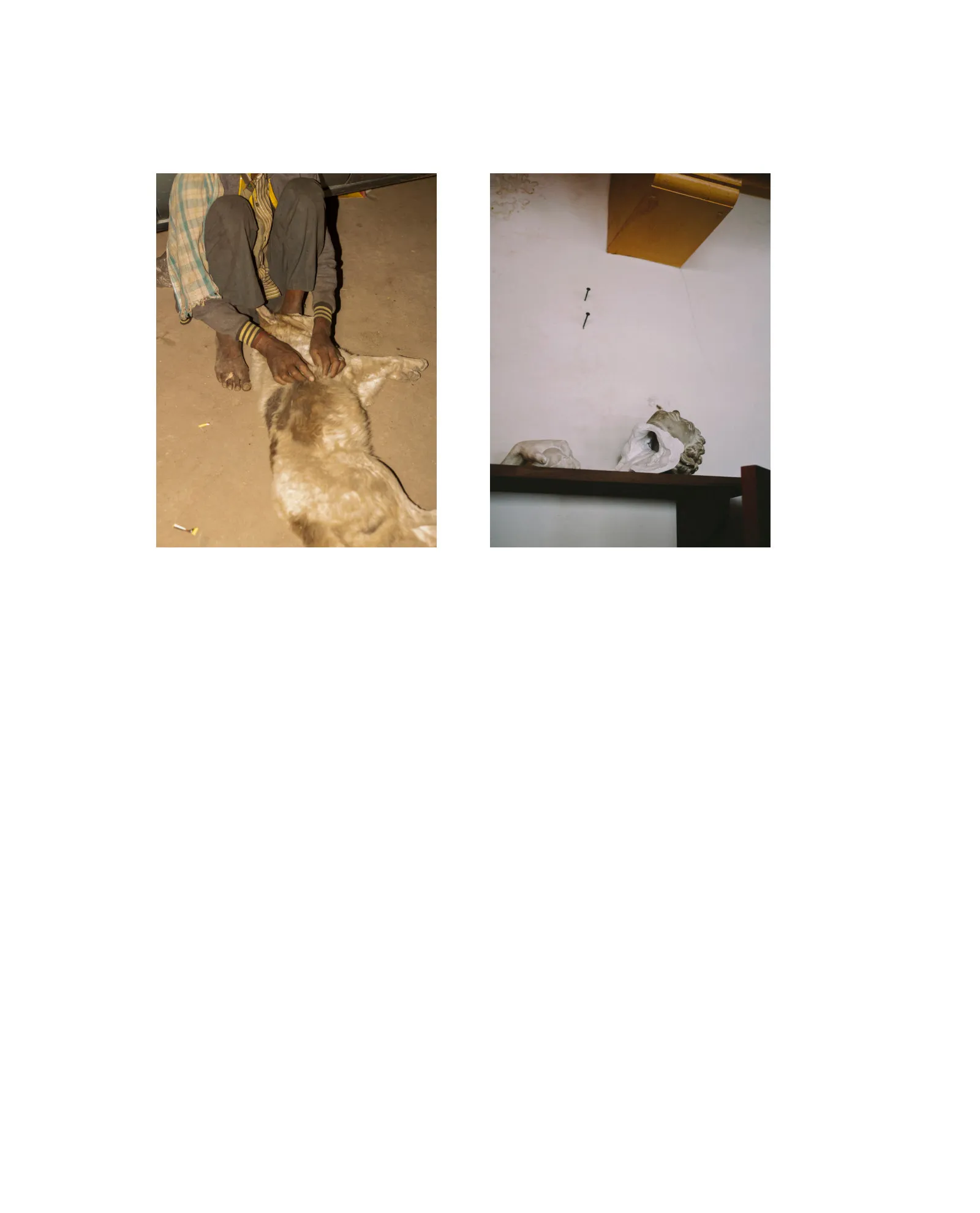 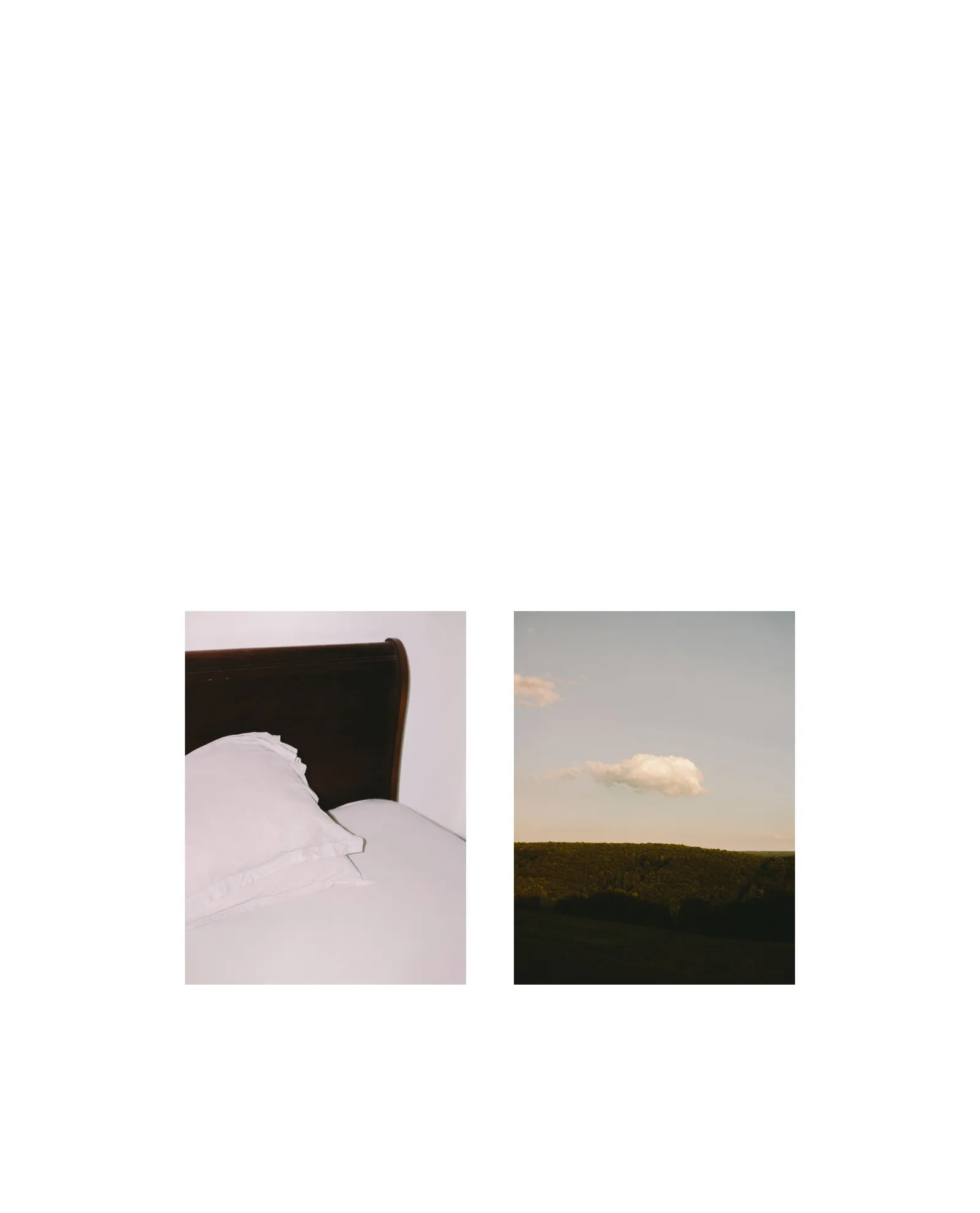  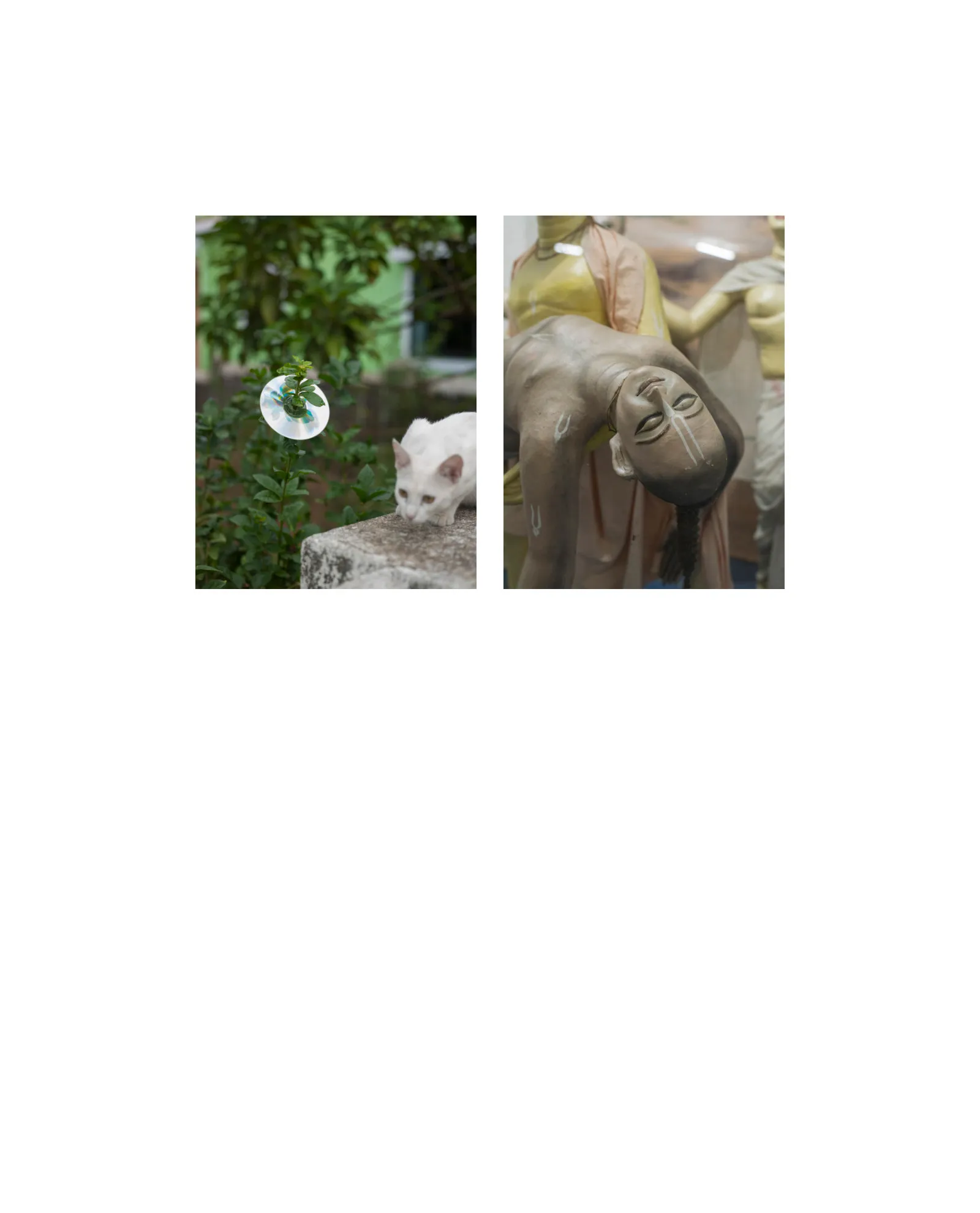 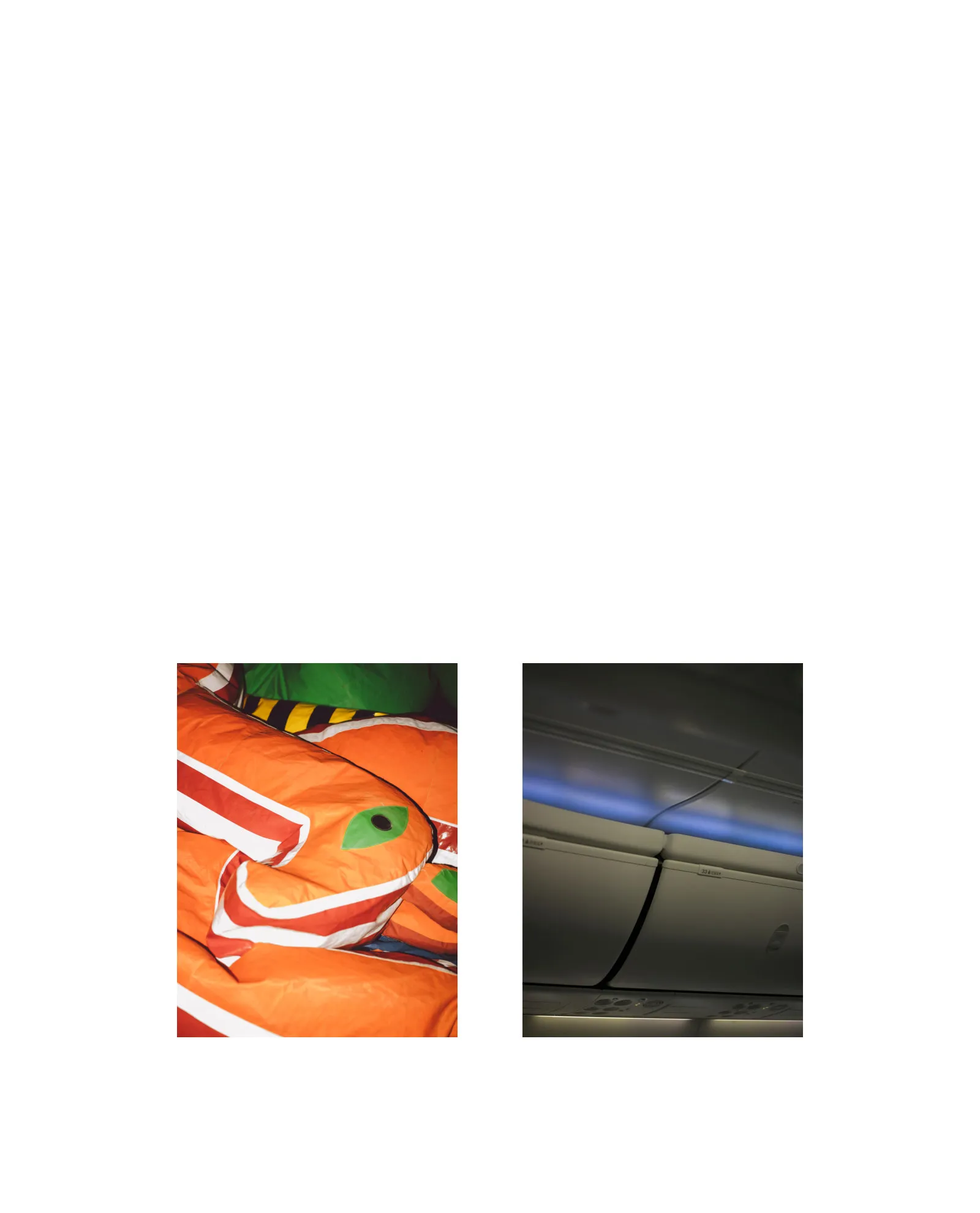 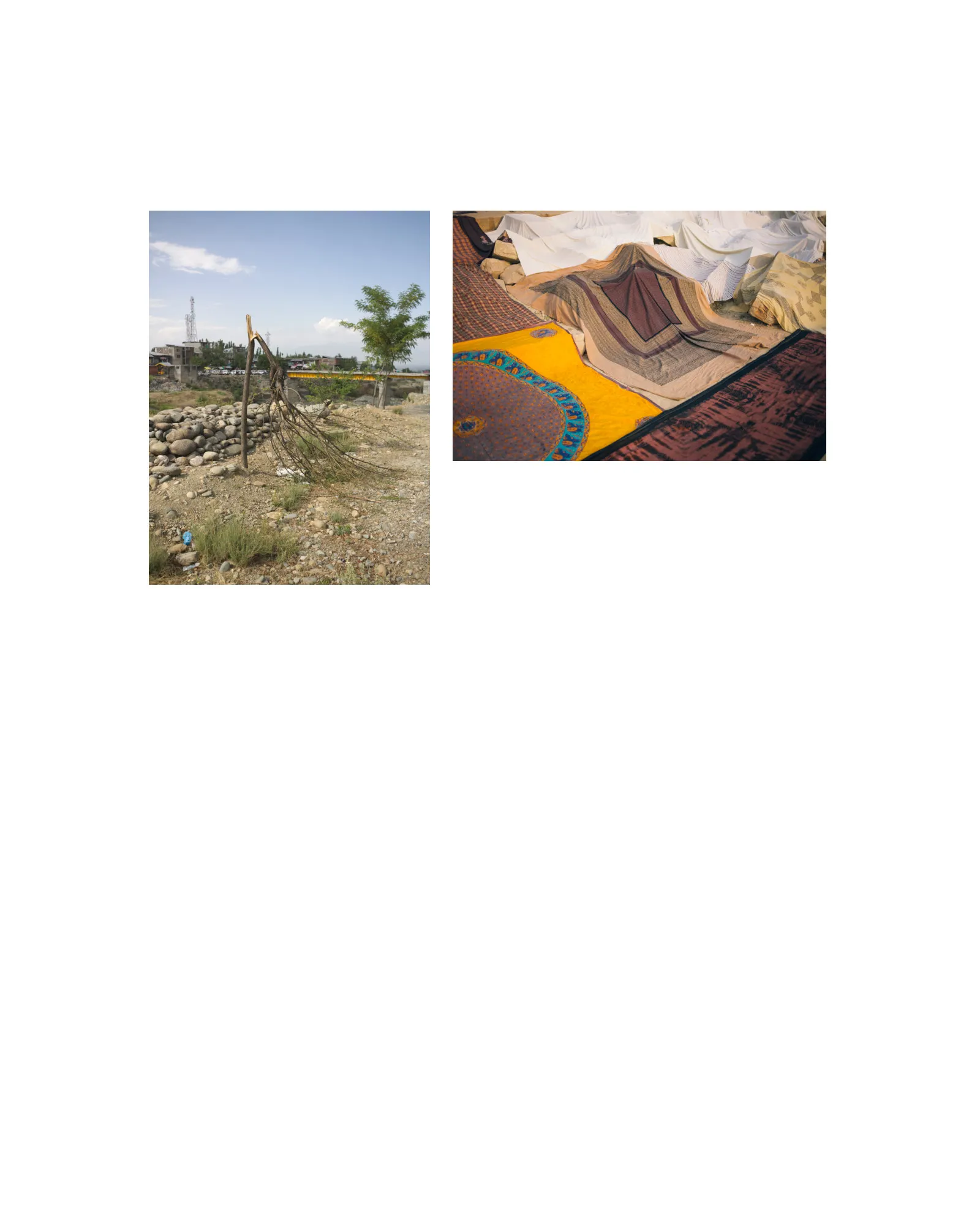 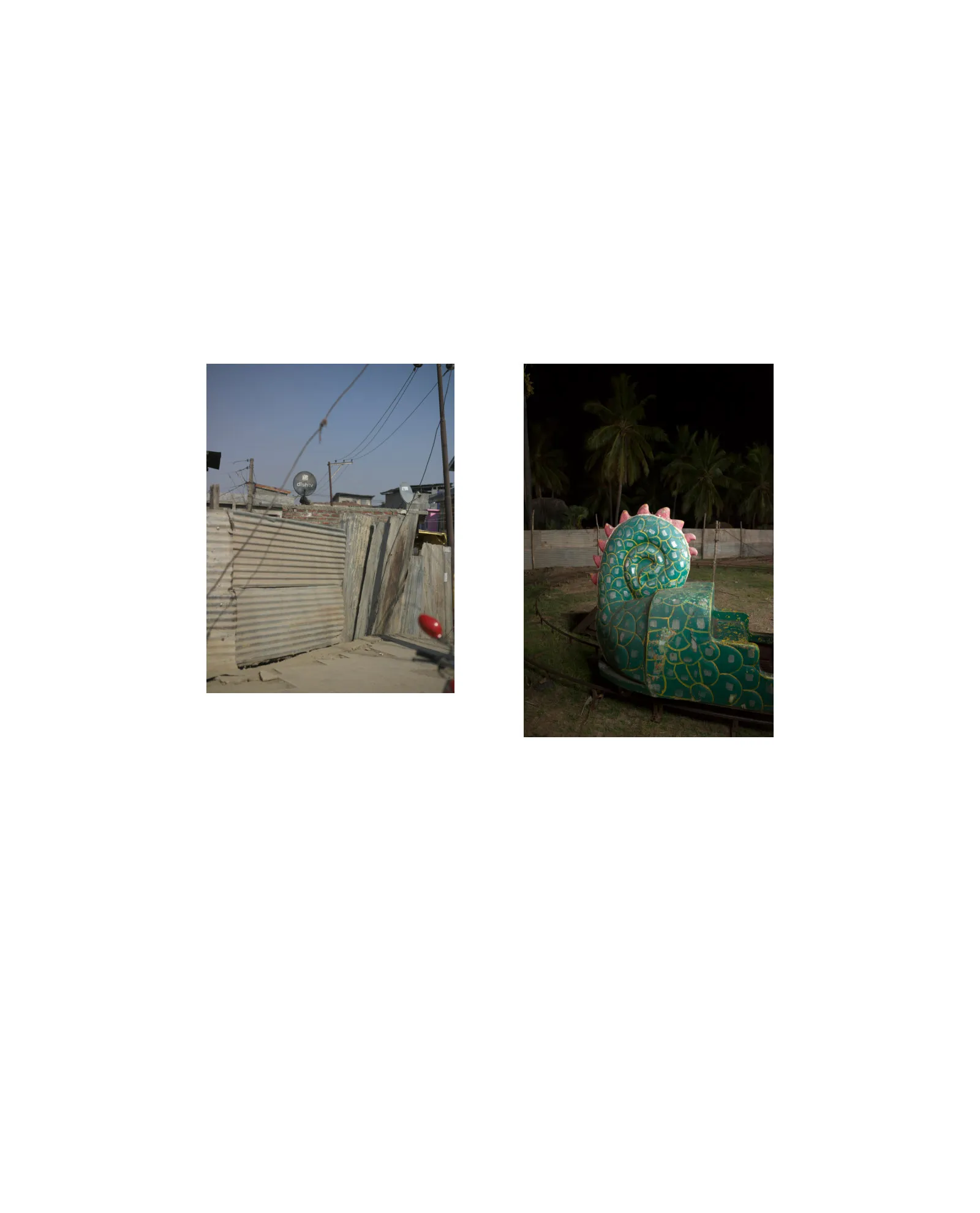 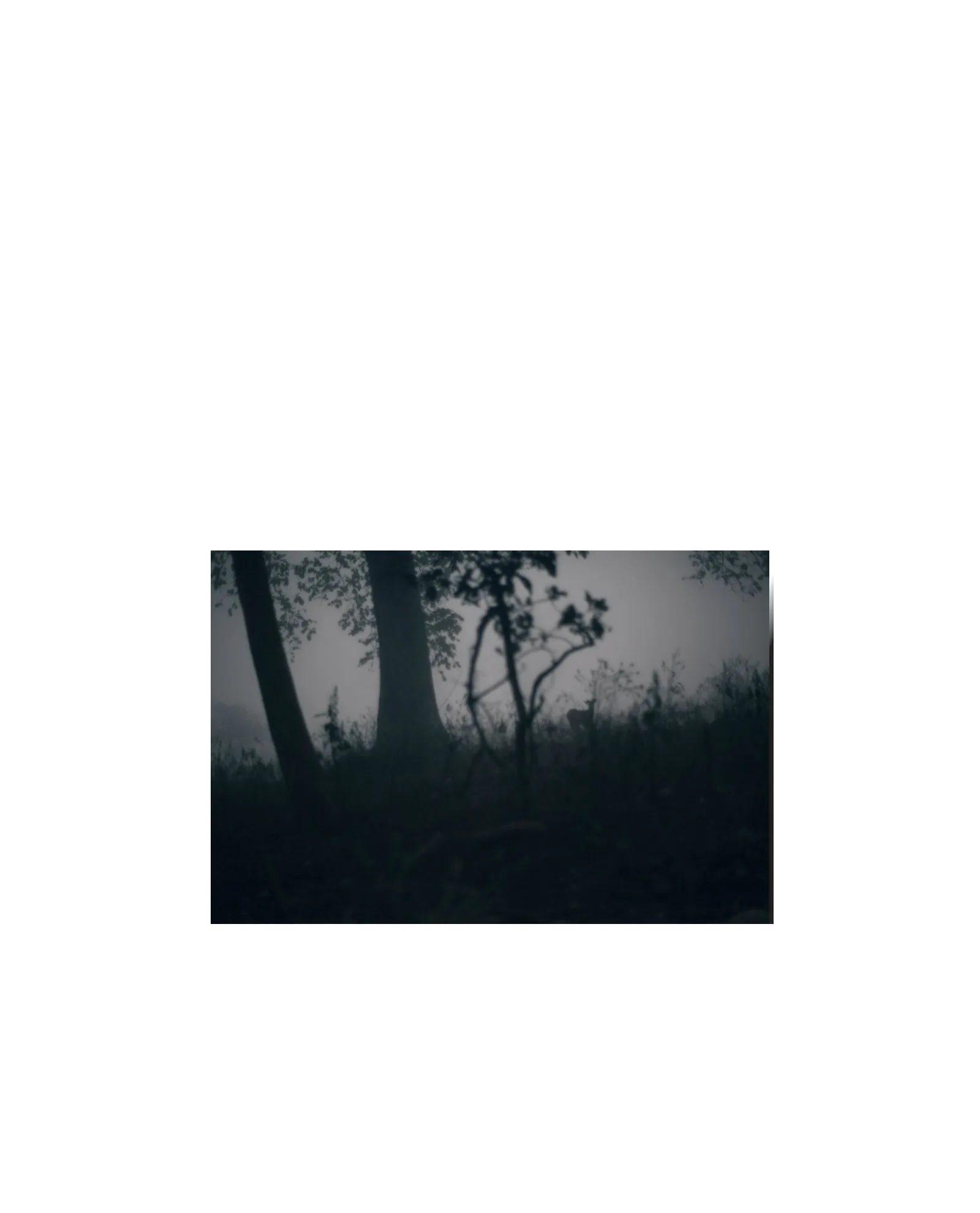  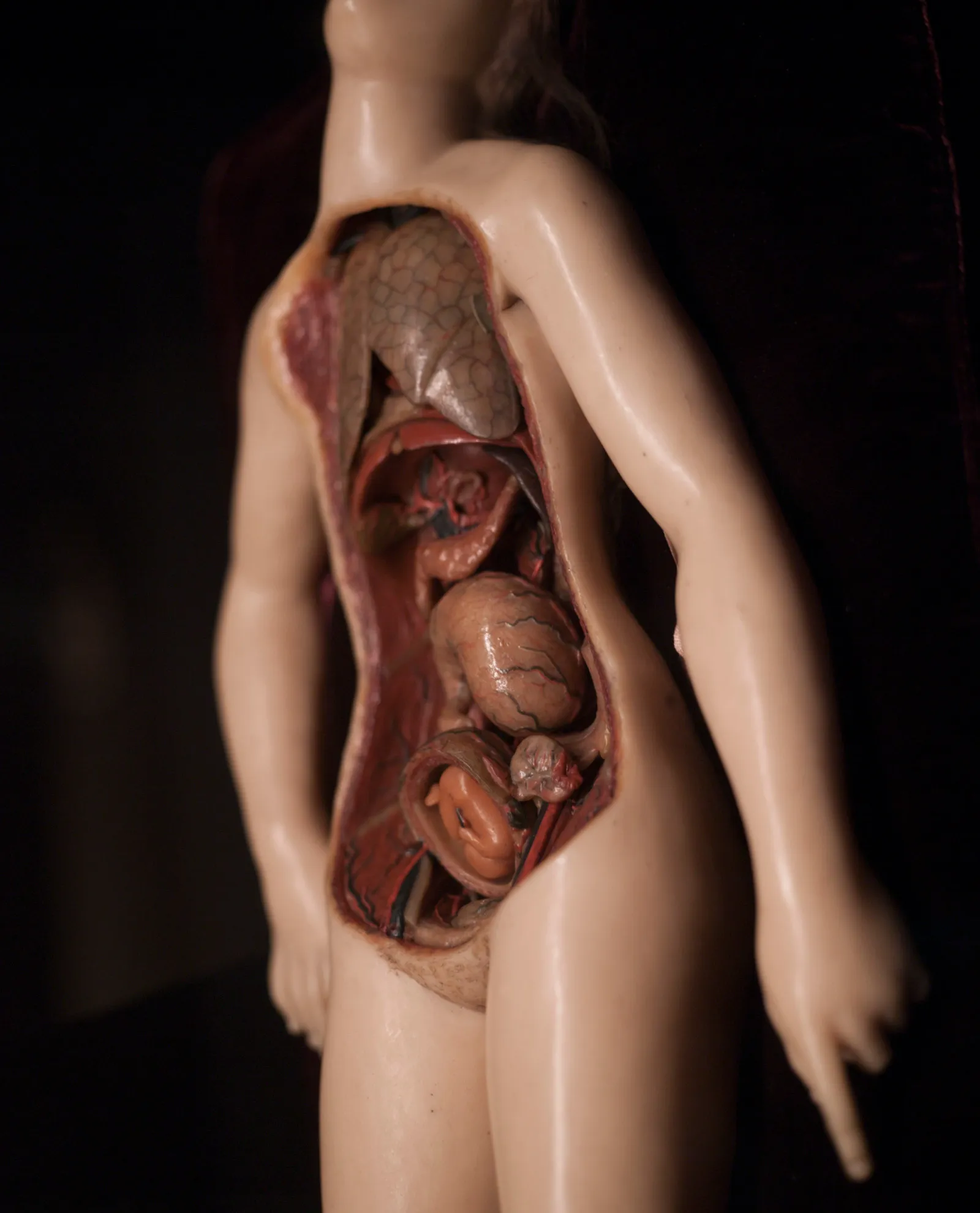  | |||
| 007 | Lemon Sour Diesel | 60 pp · 21 × 28 cm | 2019 |
| Somewhere online a breeder sets out exactly what Lemon Sour Diesel is descended from and exactly what an evening on it will feel like. The strain’s name sounds less like a plant than like something pumped from a tank, and the book takes both the name and the copy: advertised genetics, the claims made for the effects, and the anonymous reviews answering underneath. All of it runs against a drifting sequence of photographs, none of them captioned. The pictures stay quieter than the writing. A photograph will not commit to anything that specific, and the book lets the two disagree.     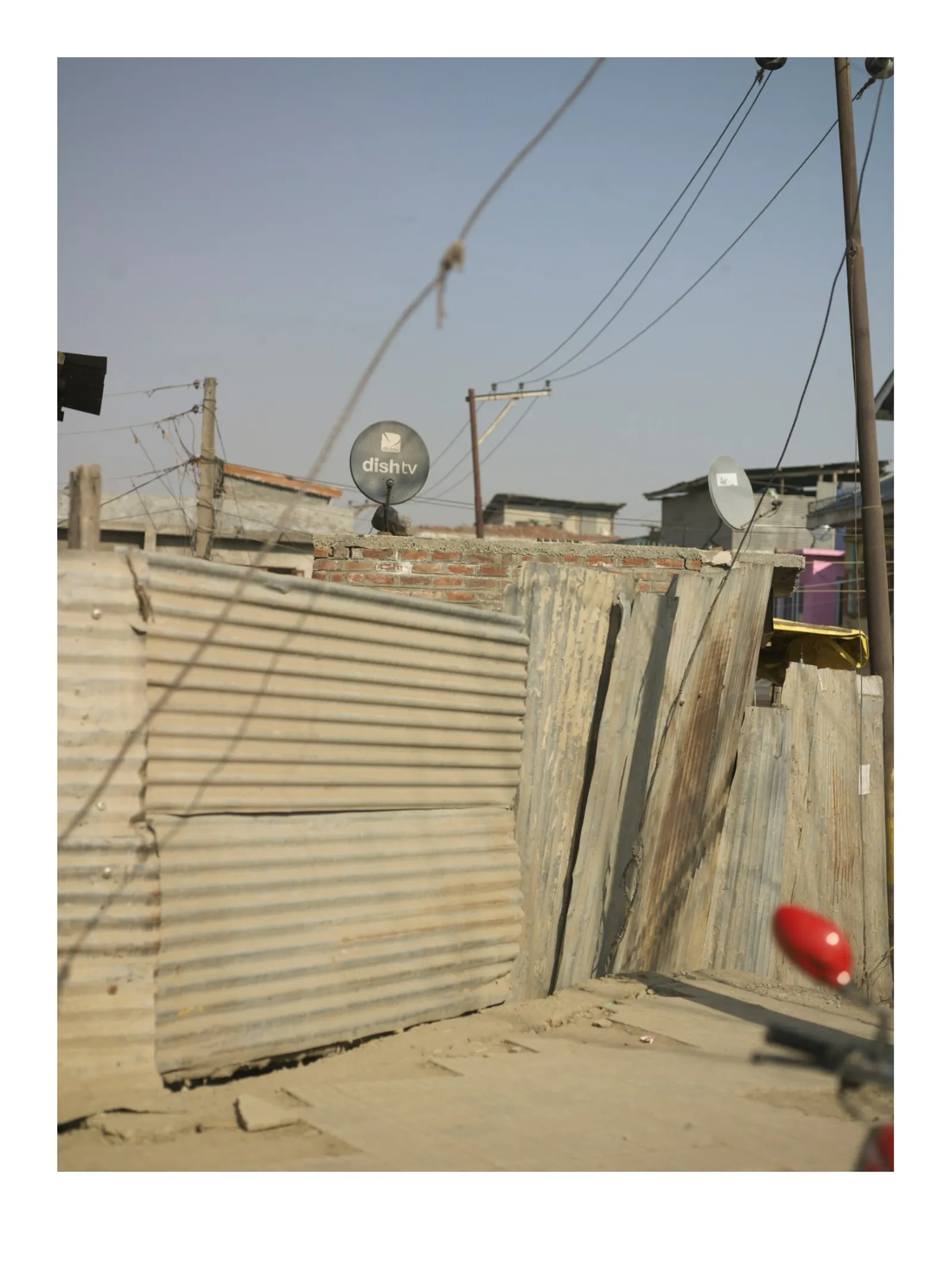 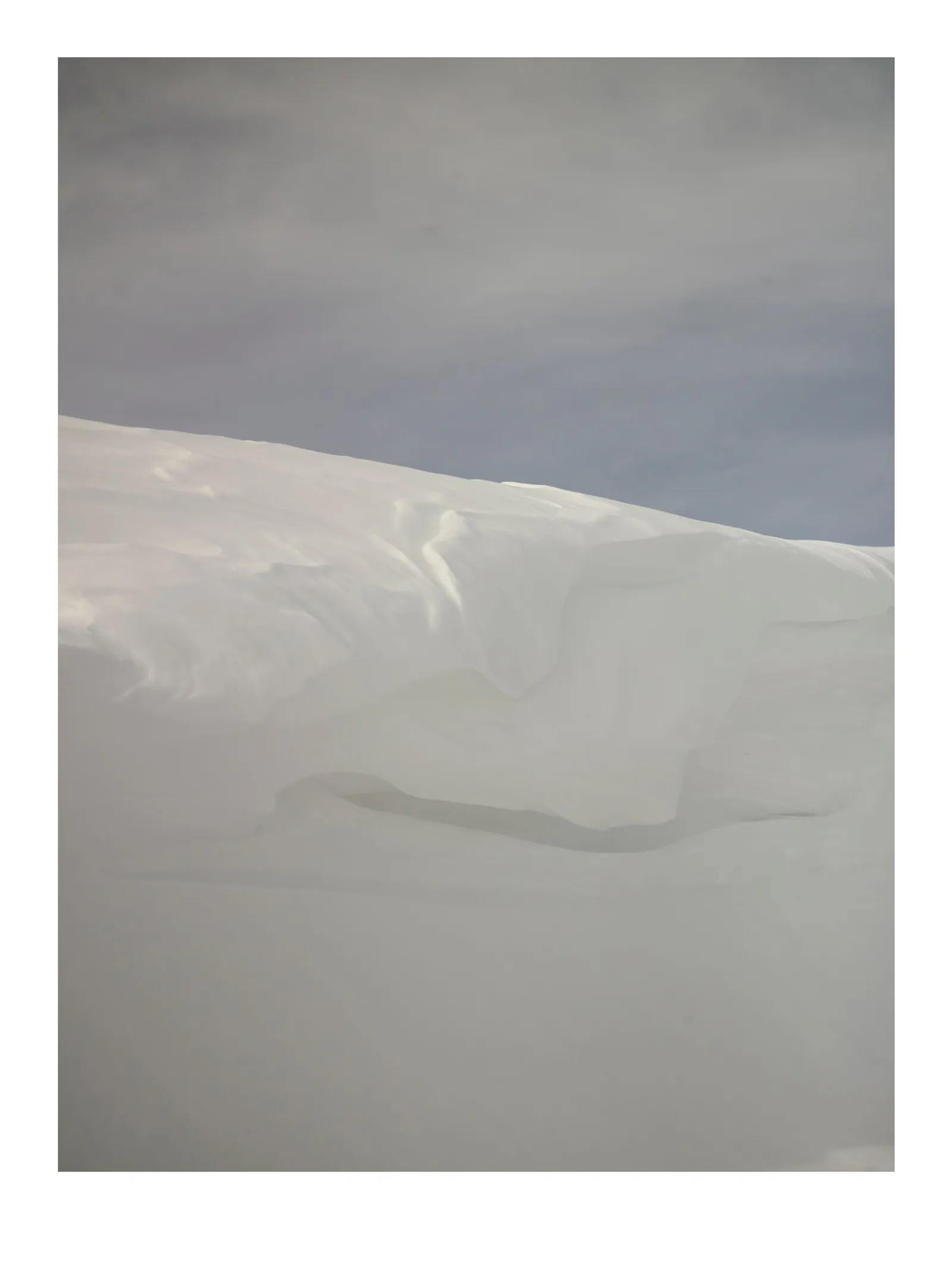 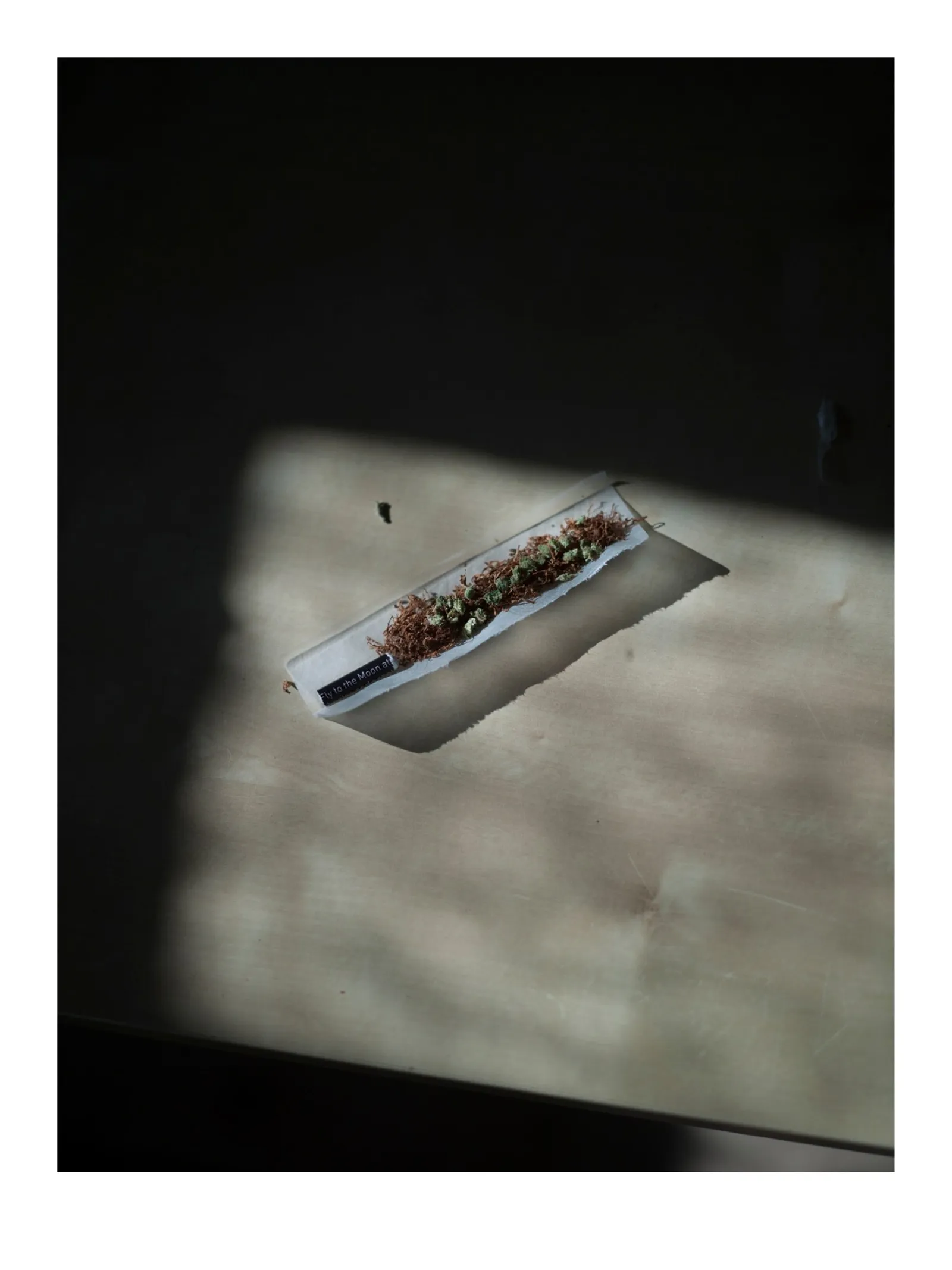 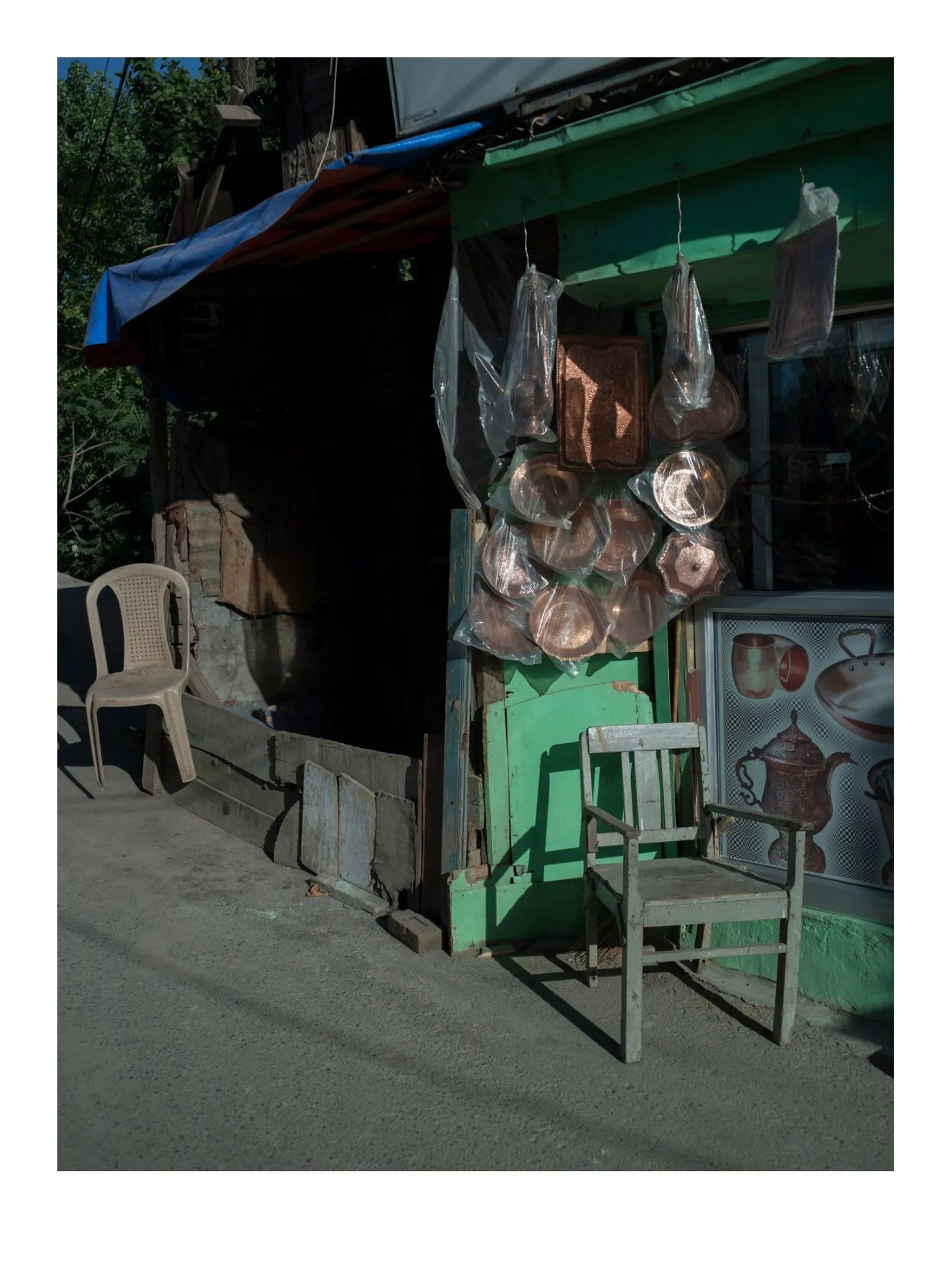 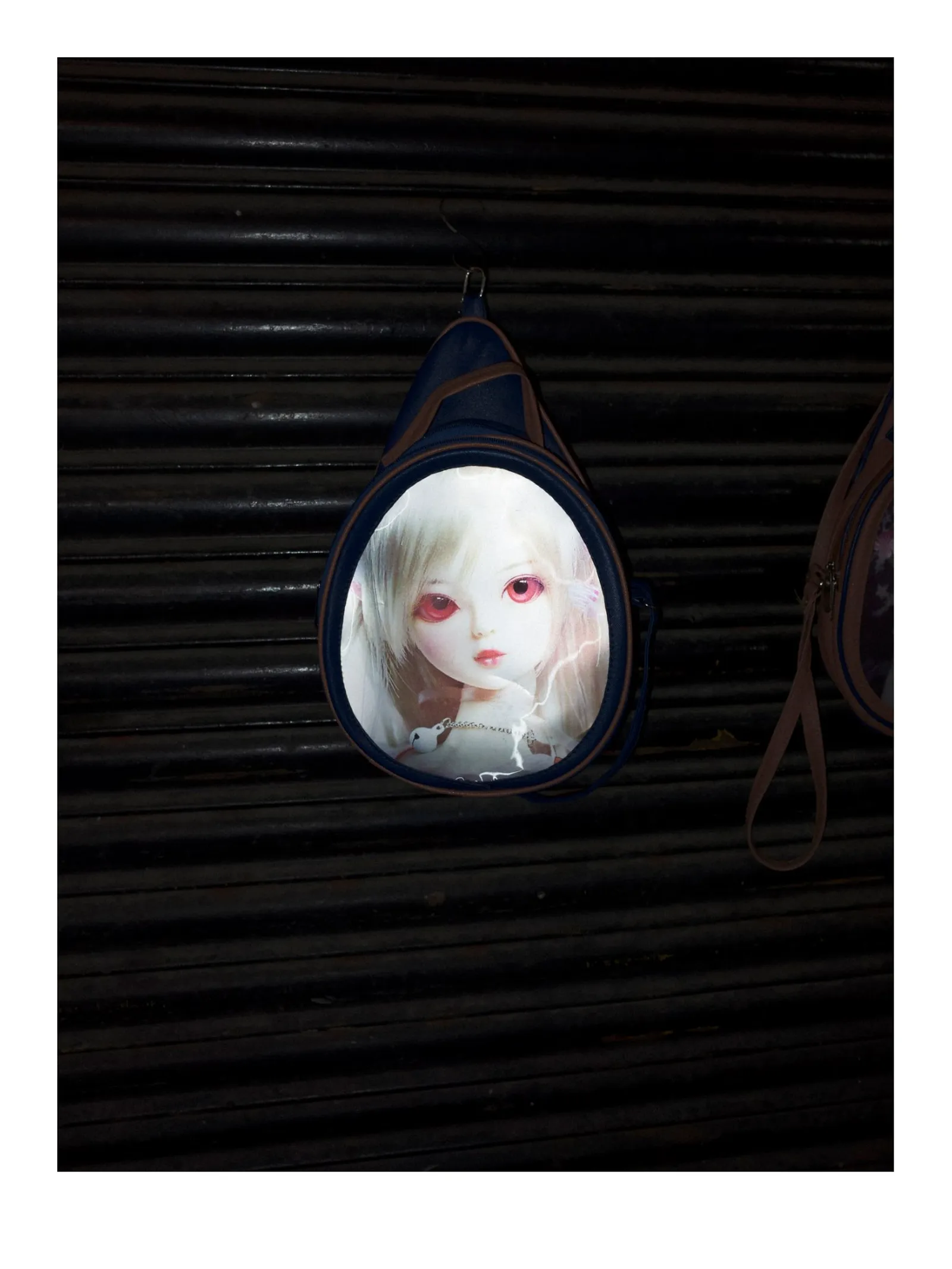 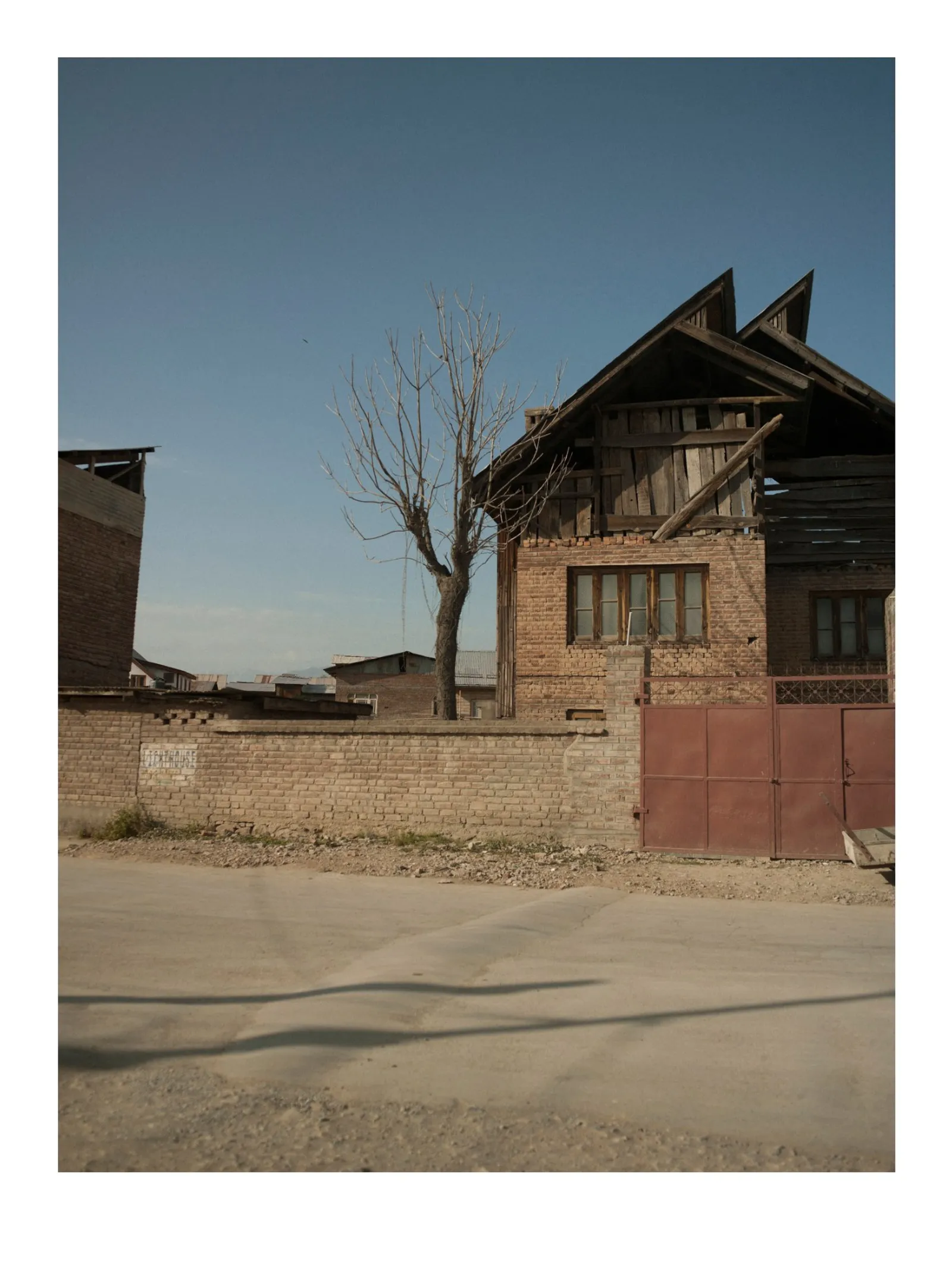 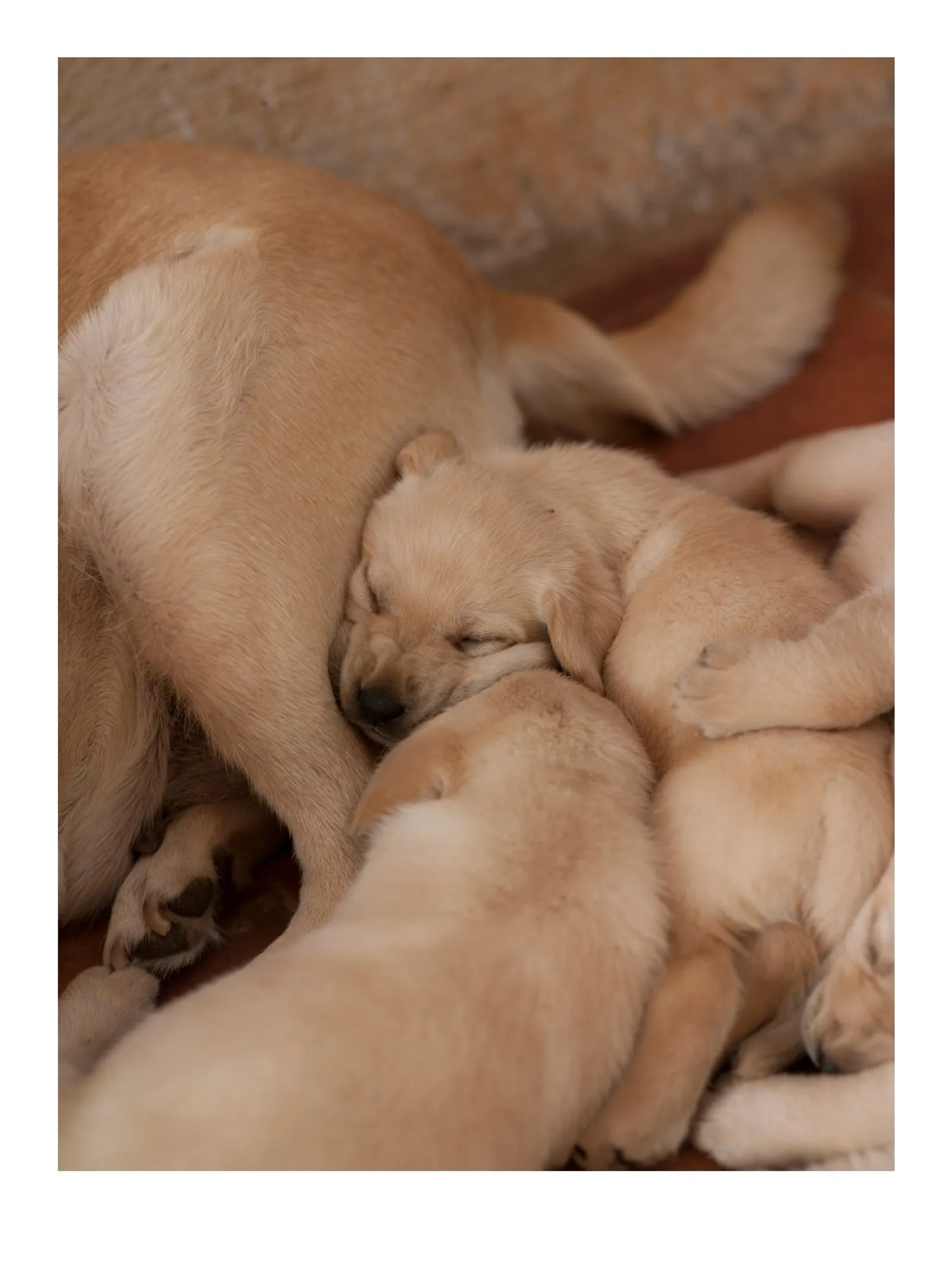 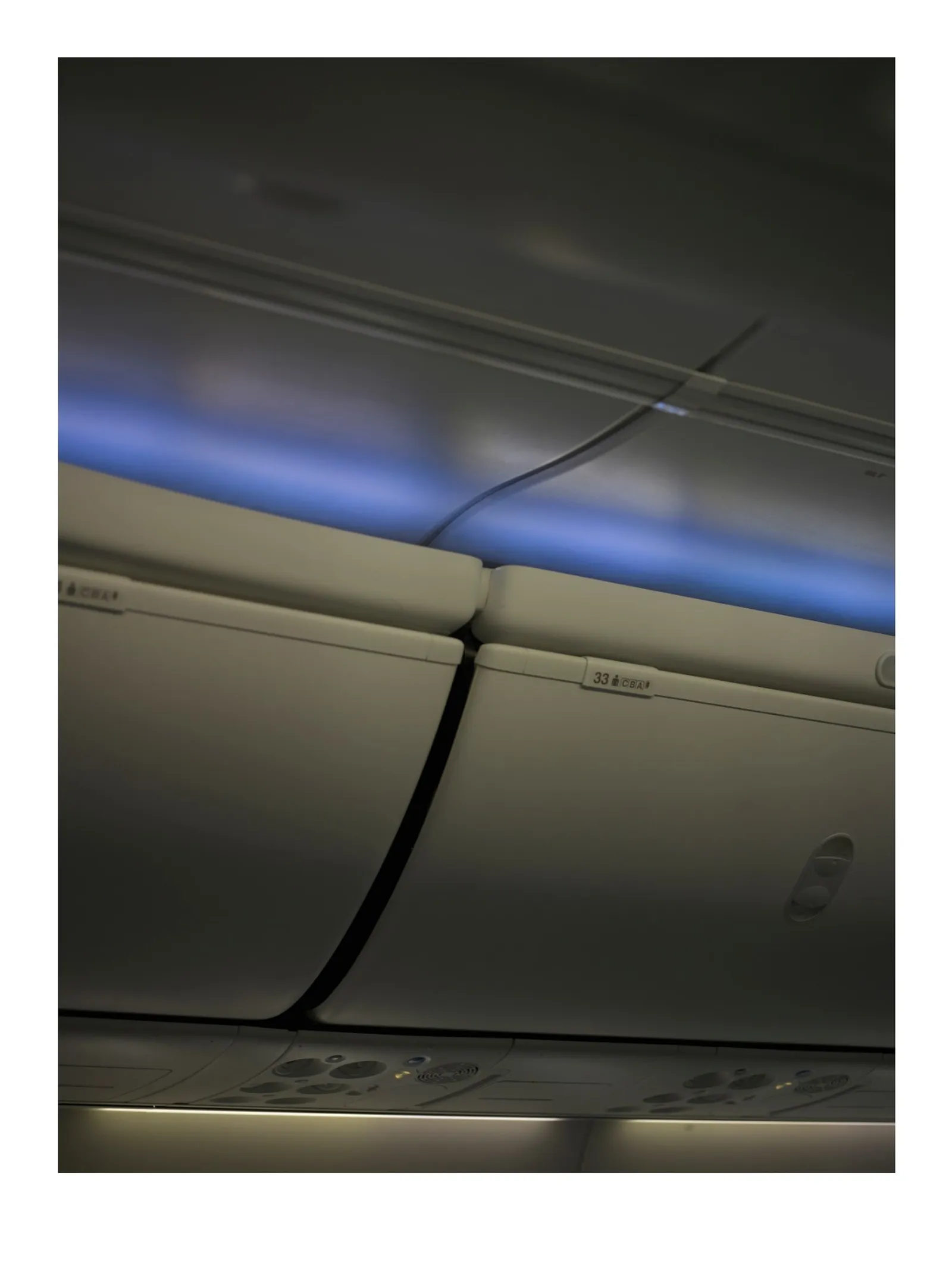 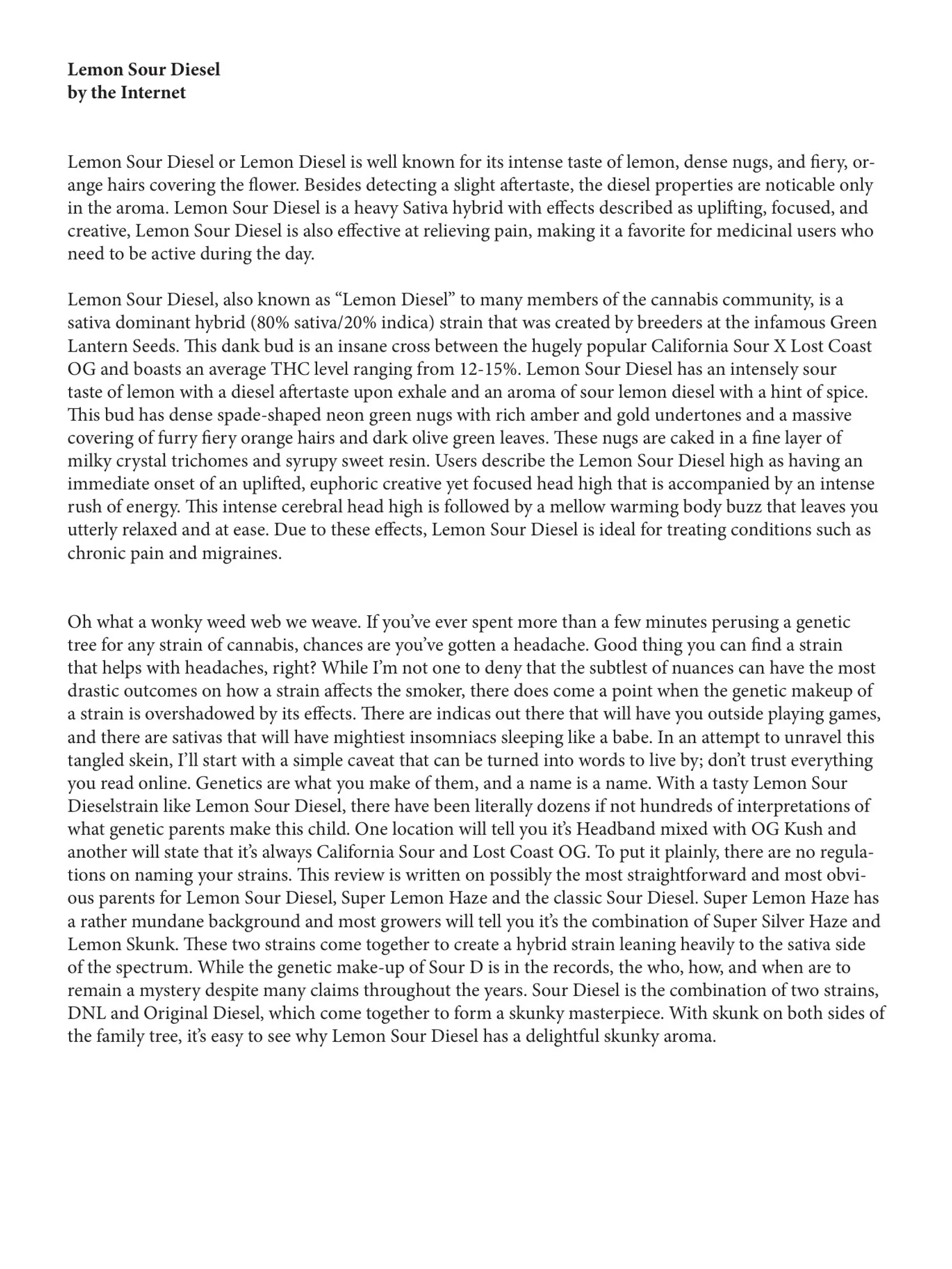 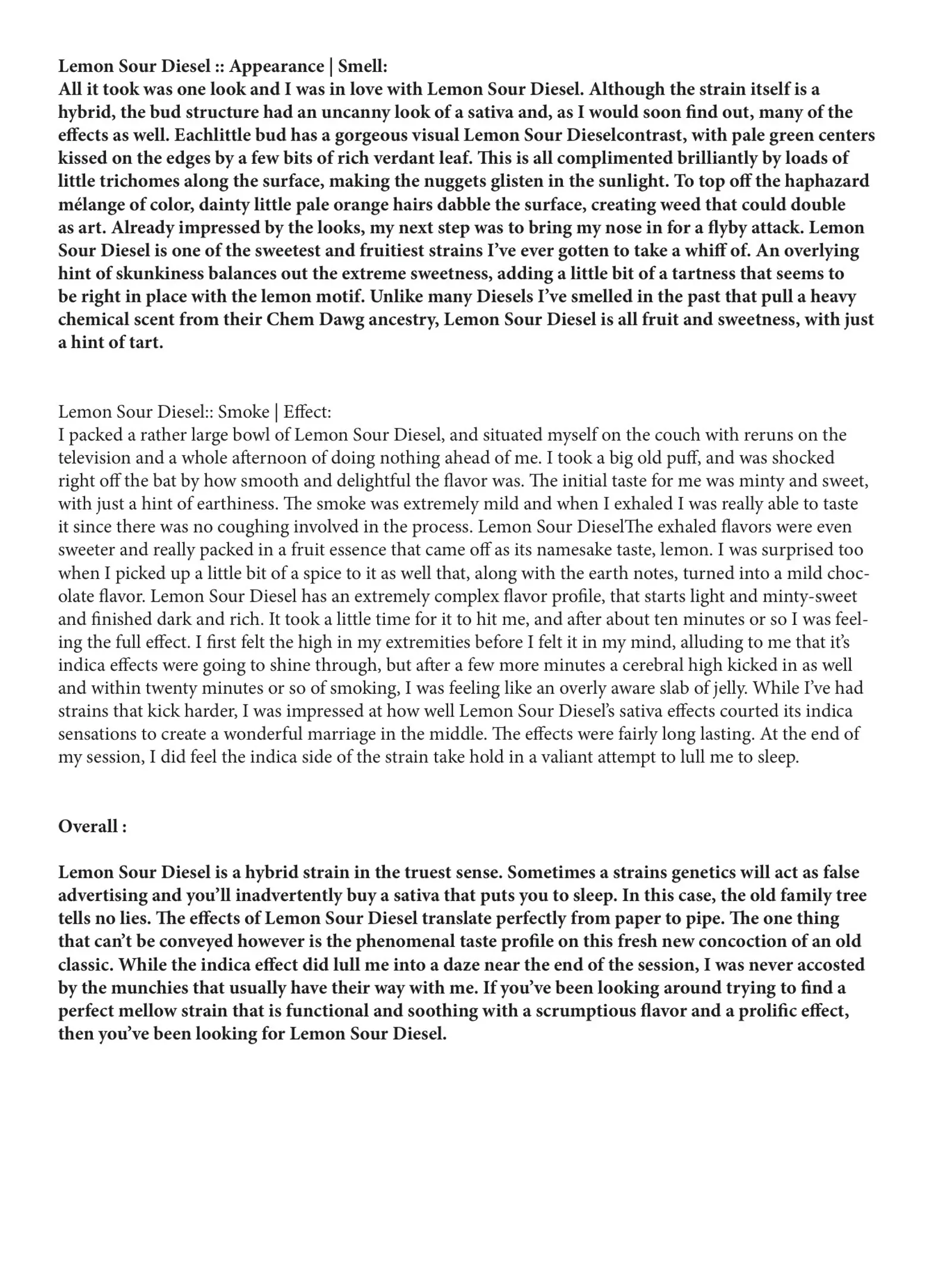  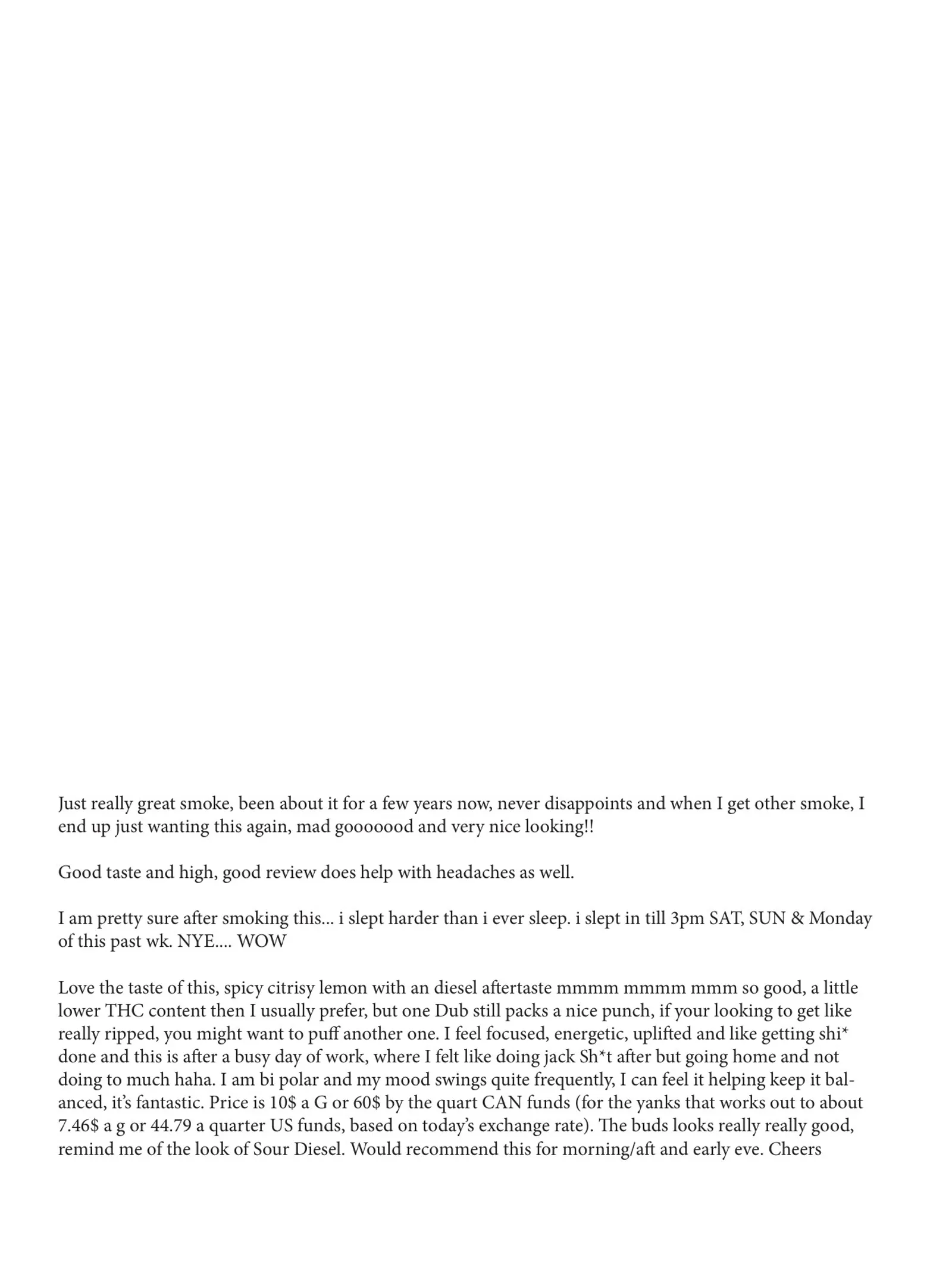 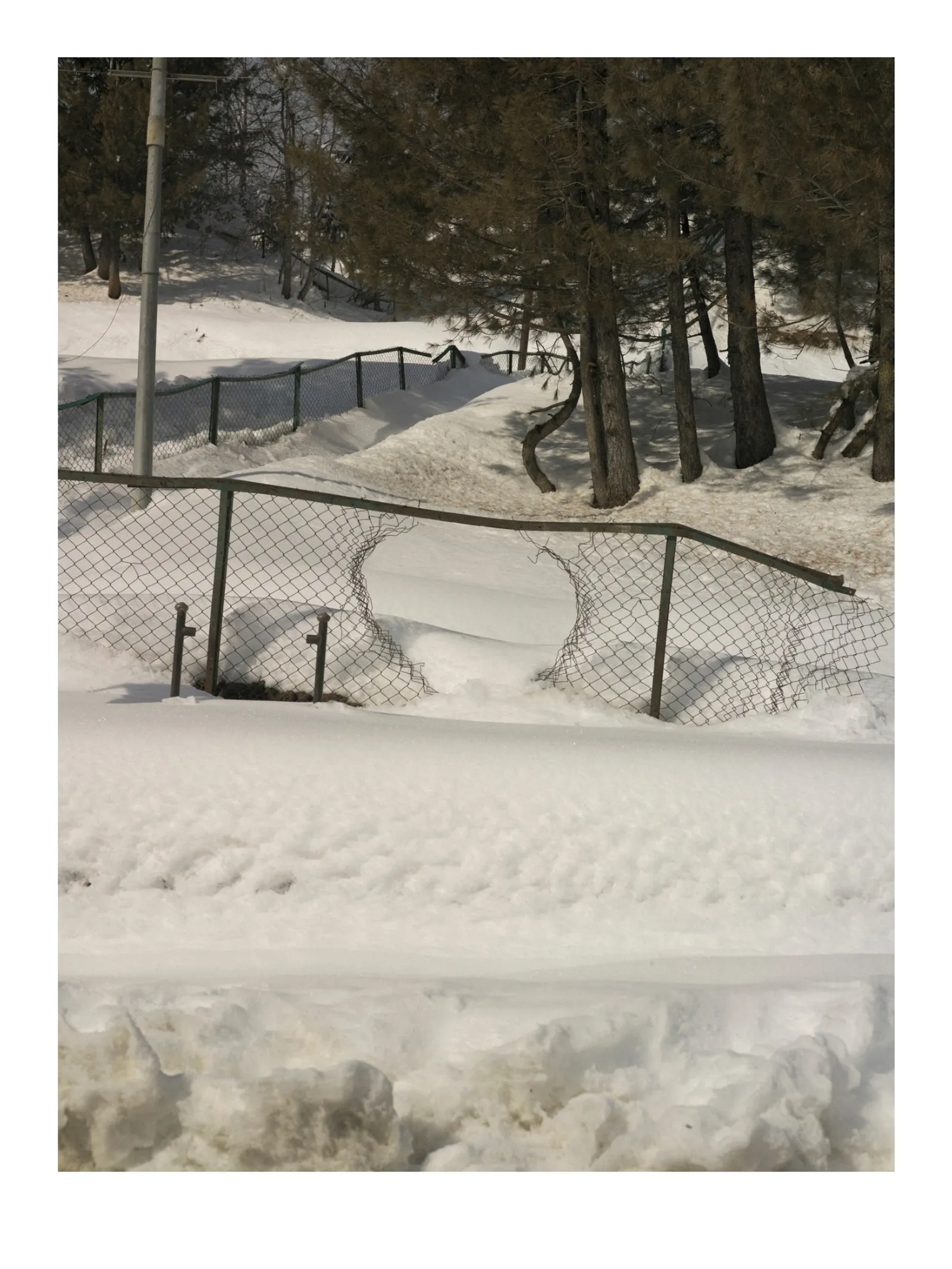 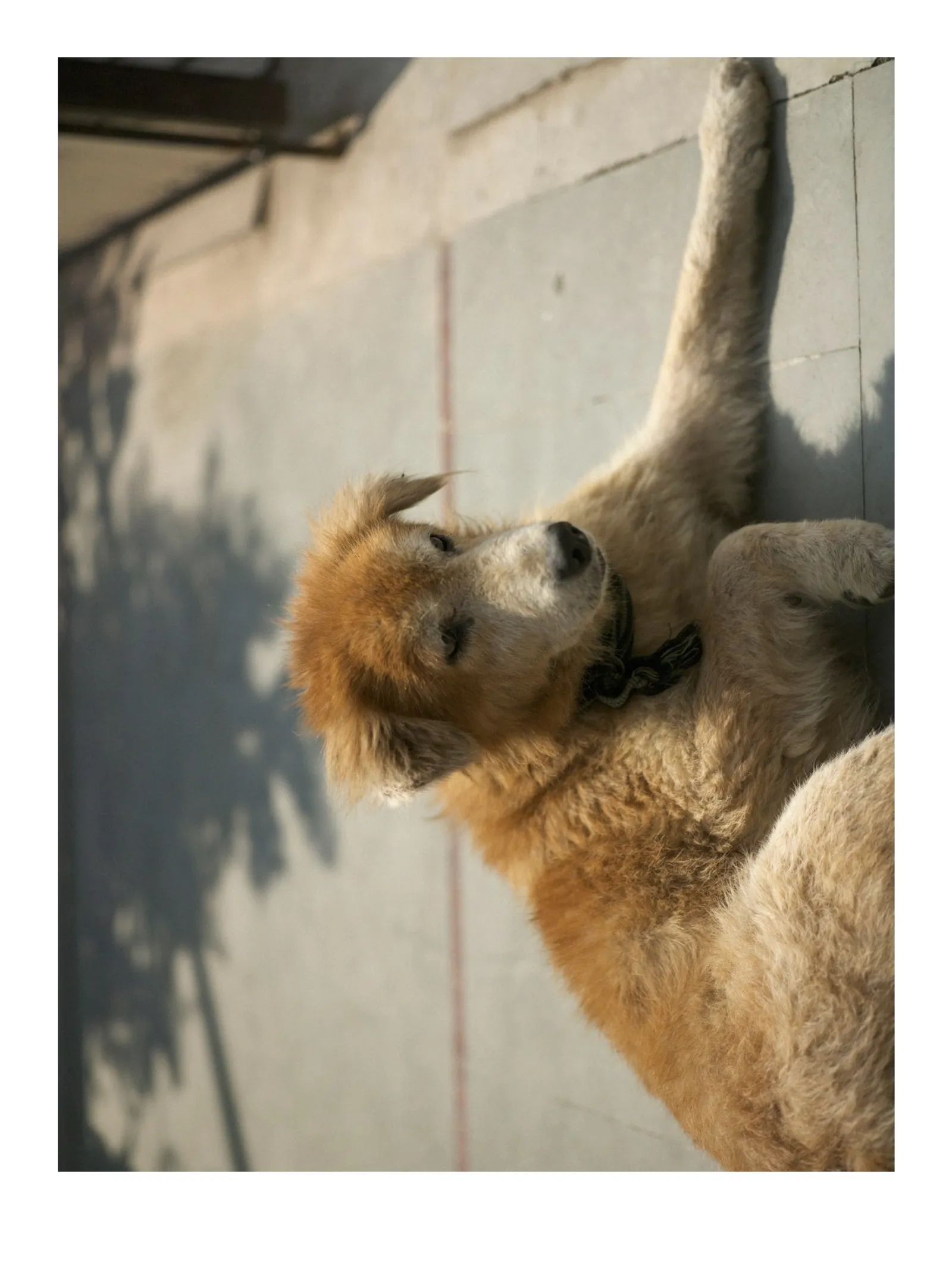 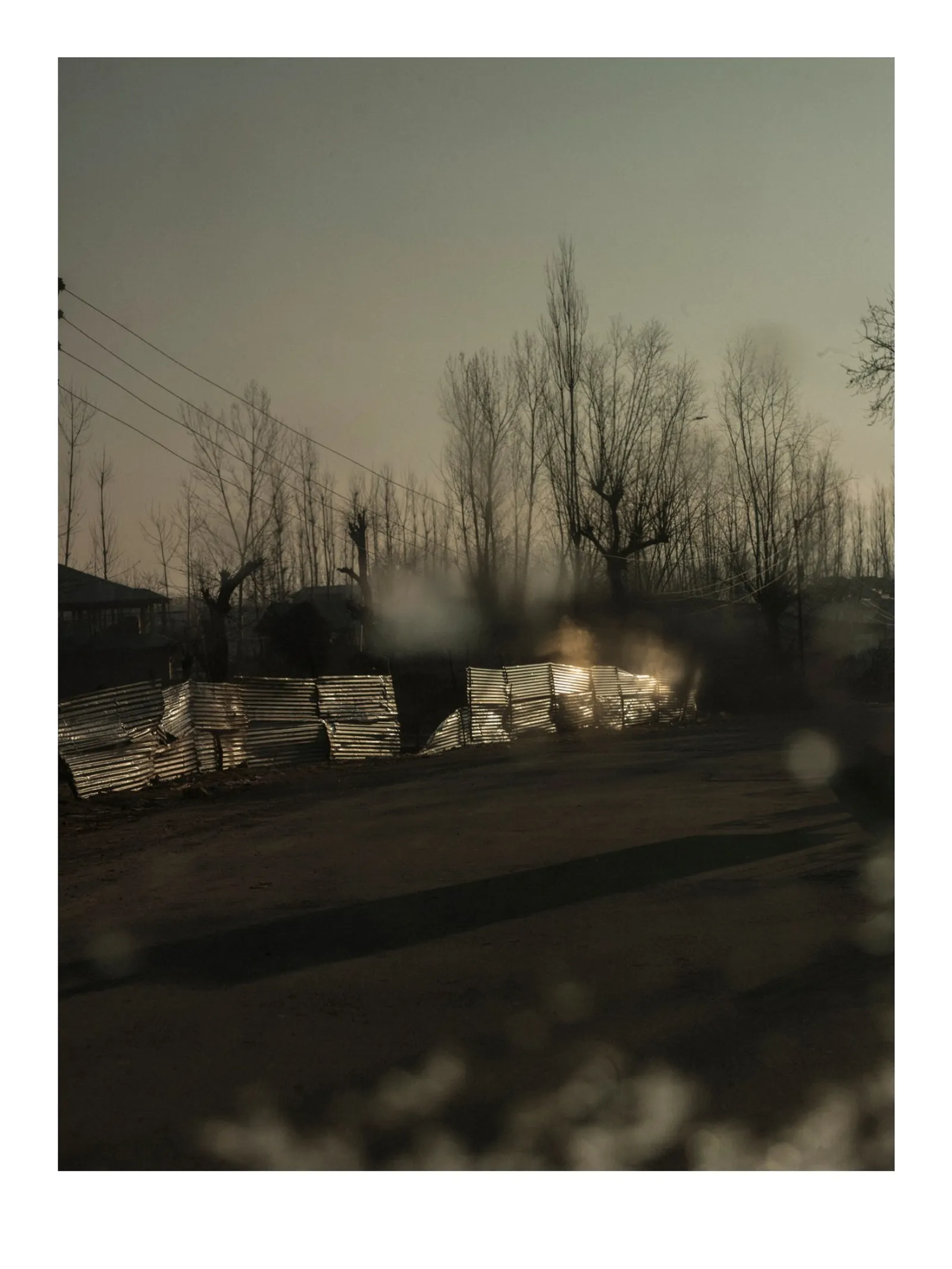 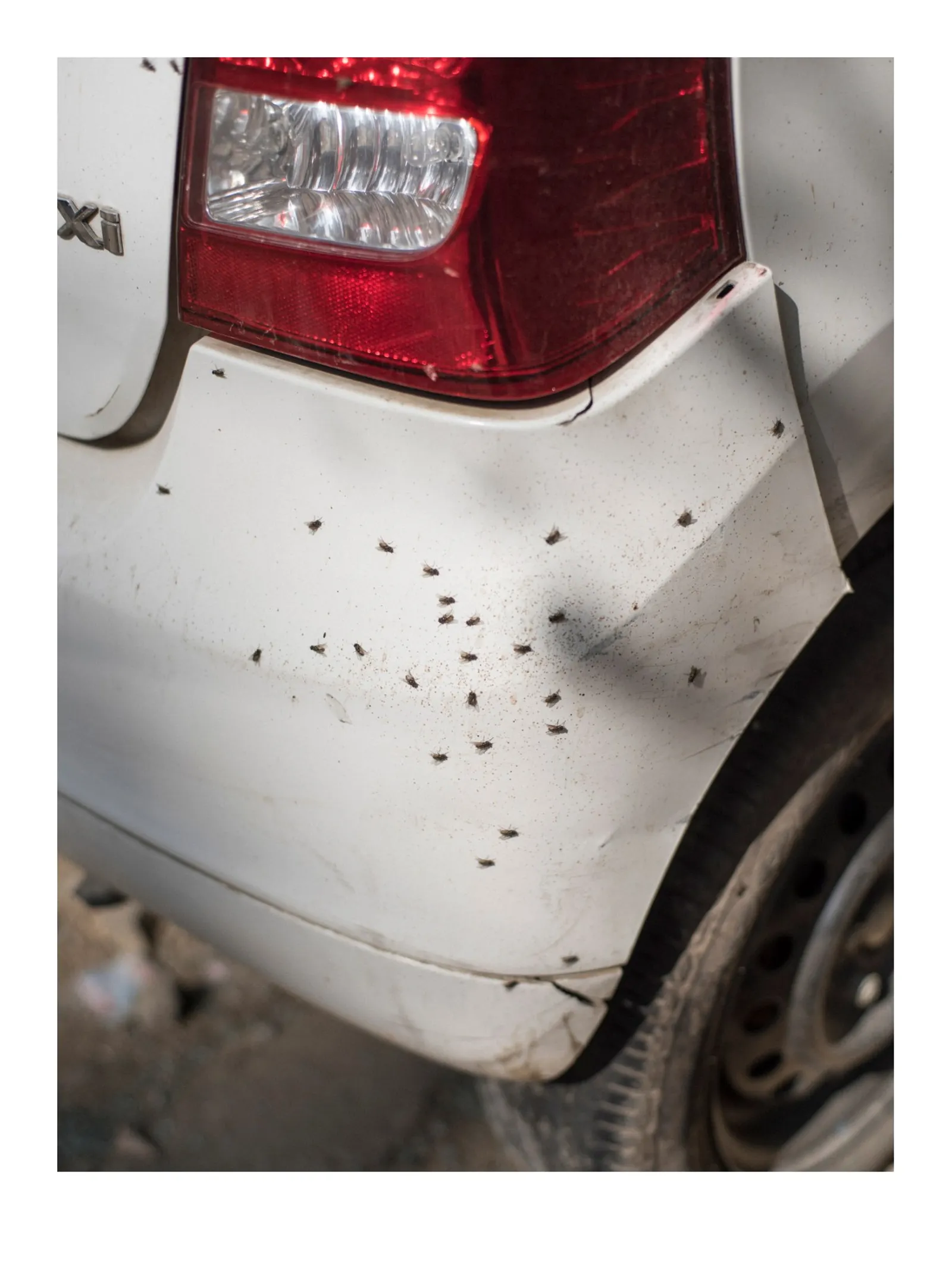 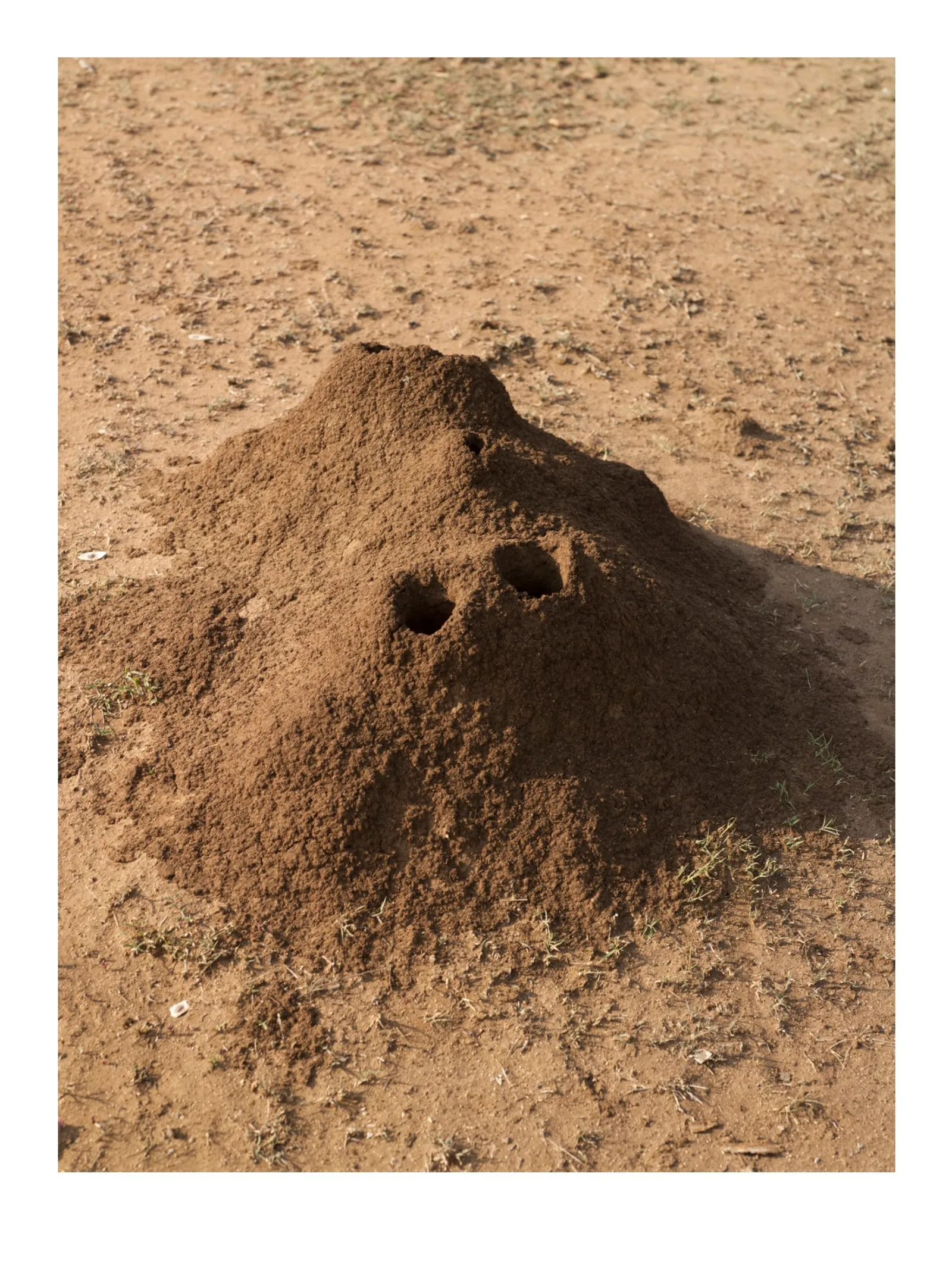 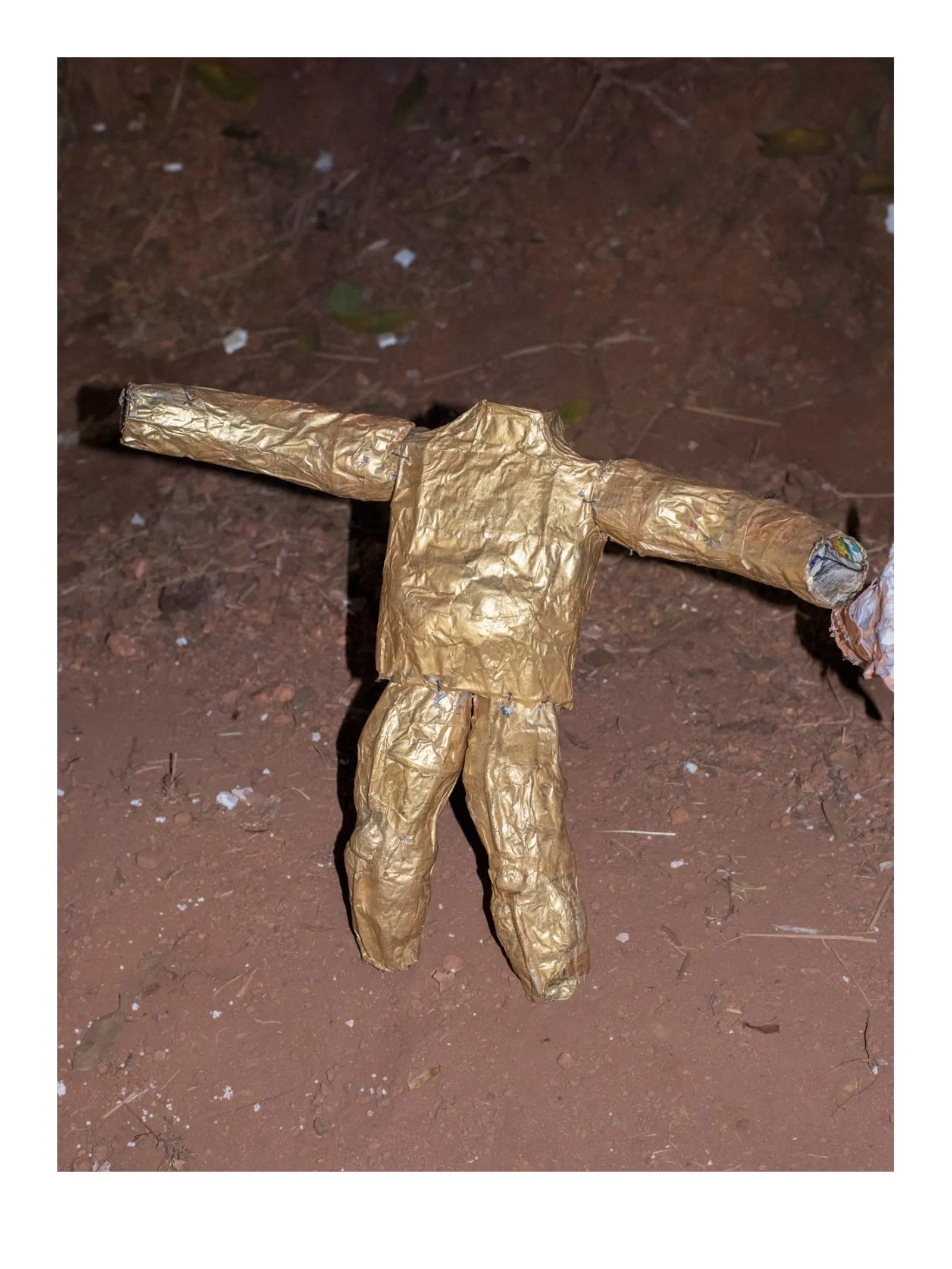 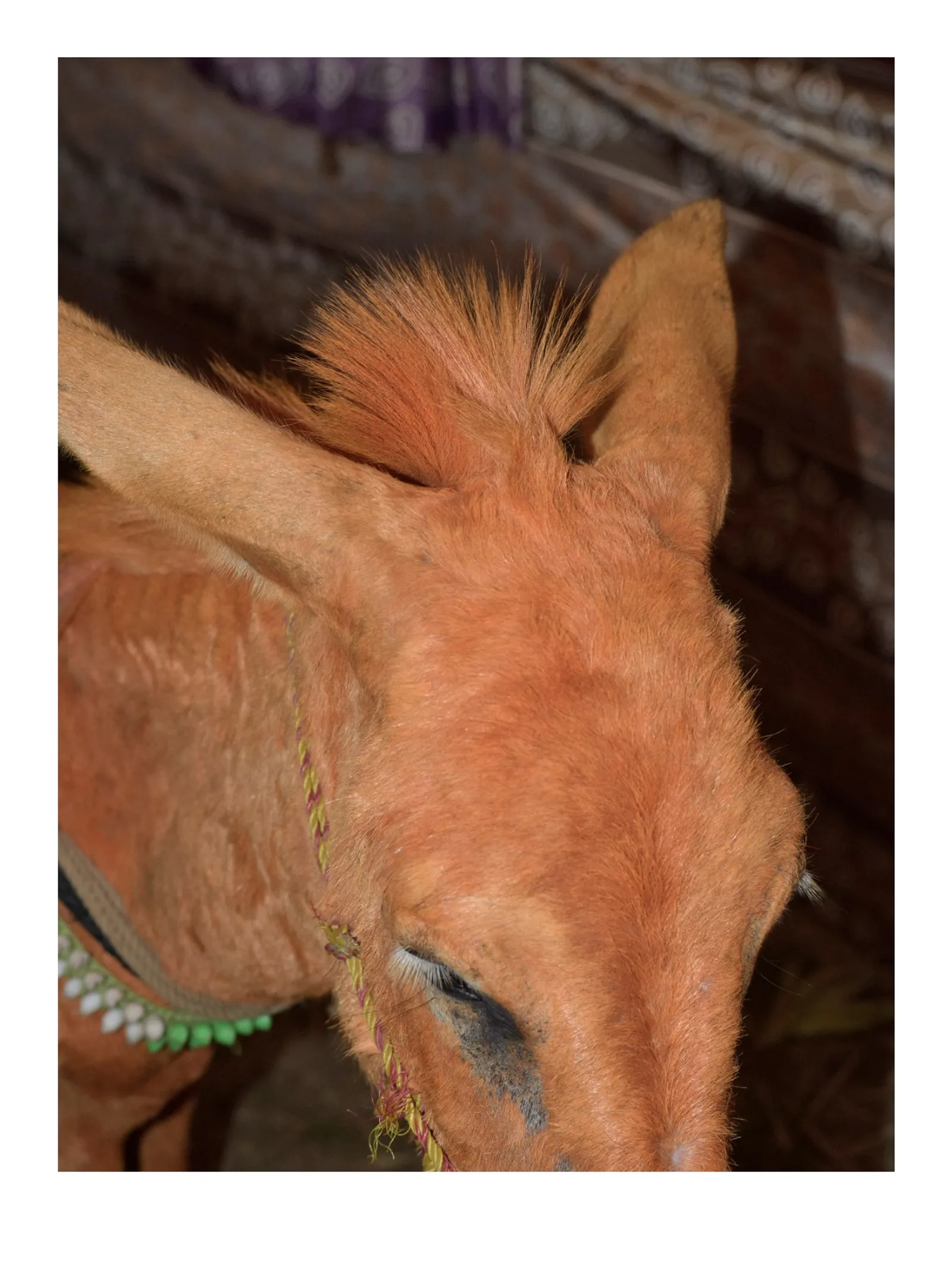 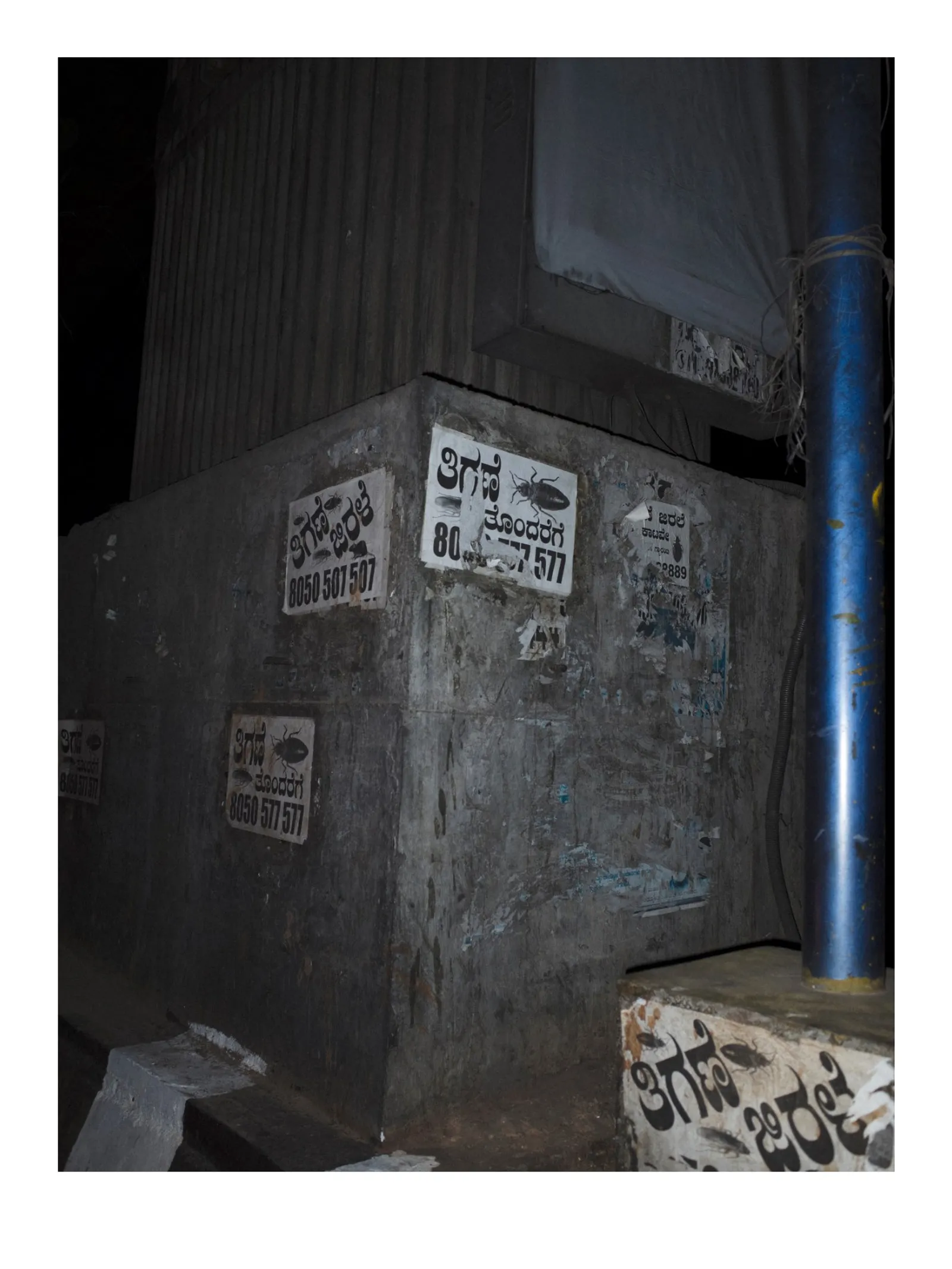 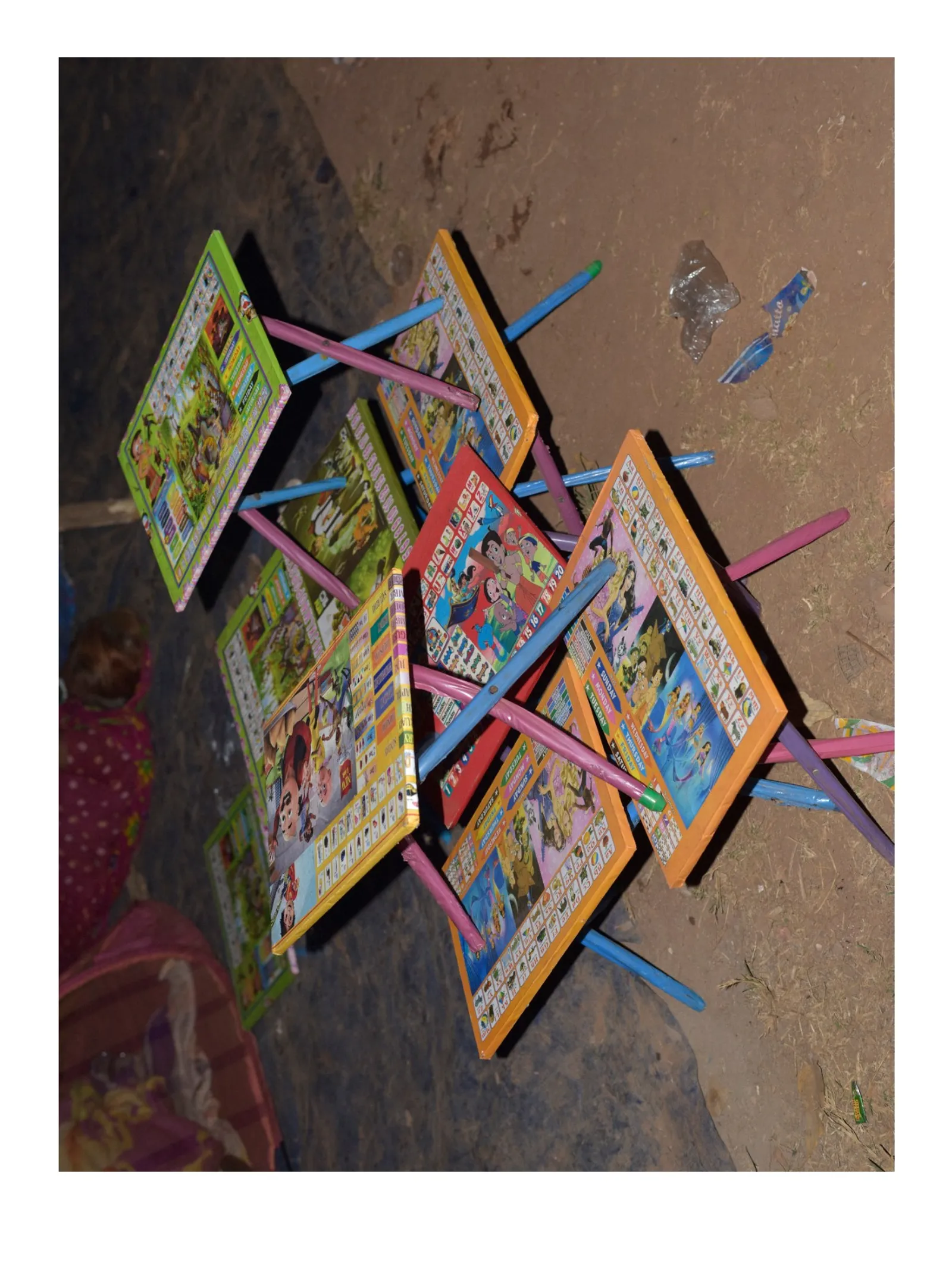 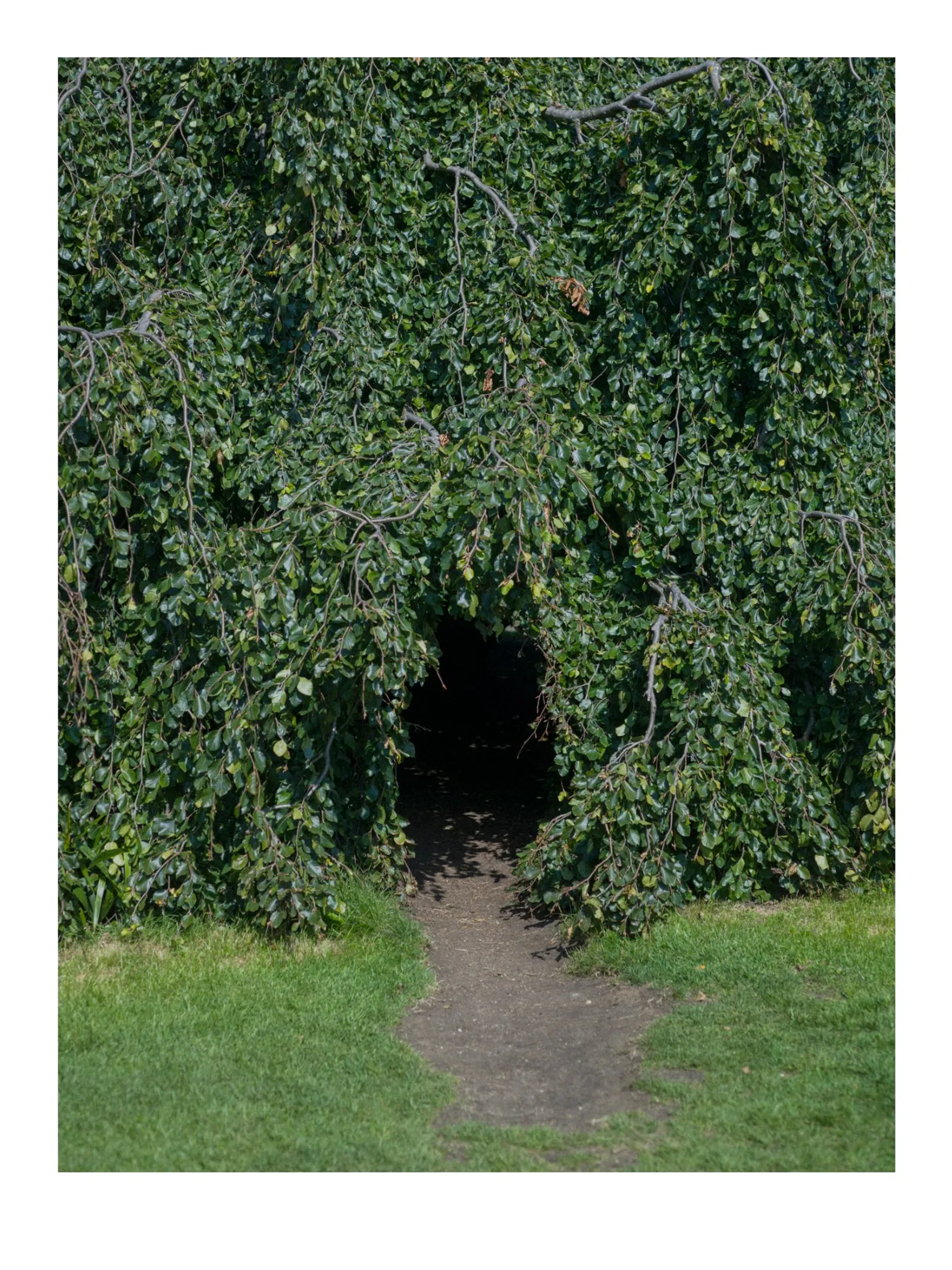 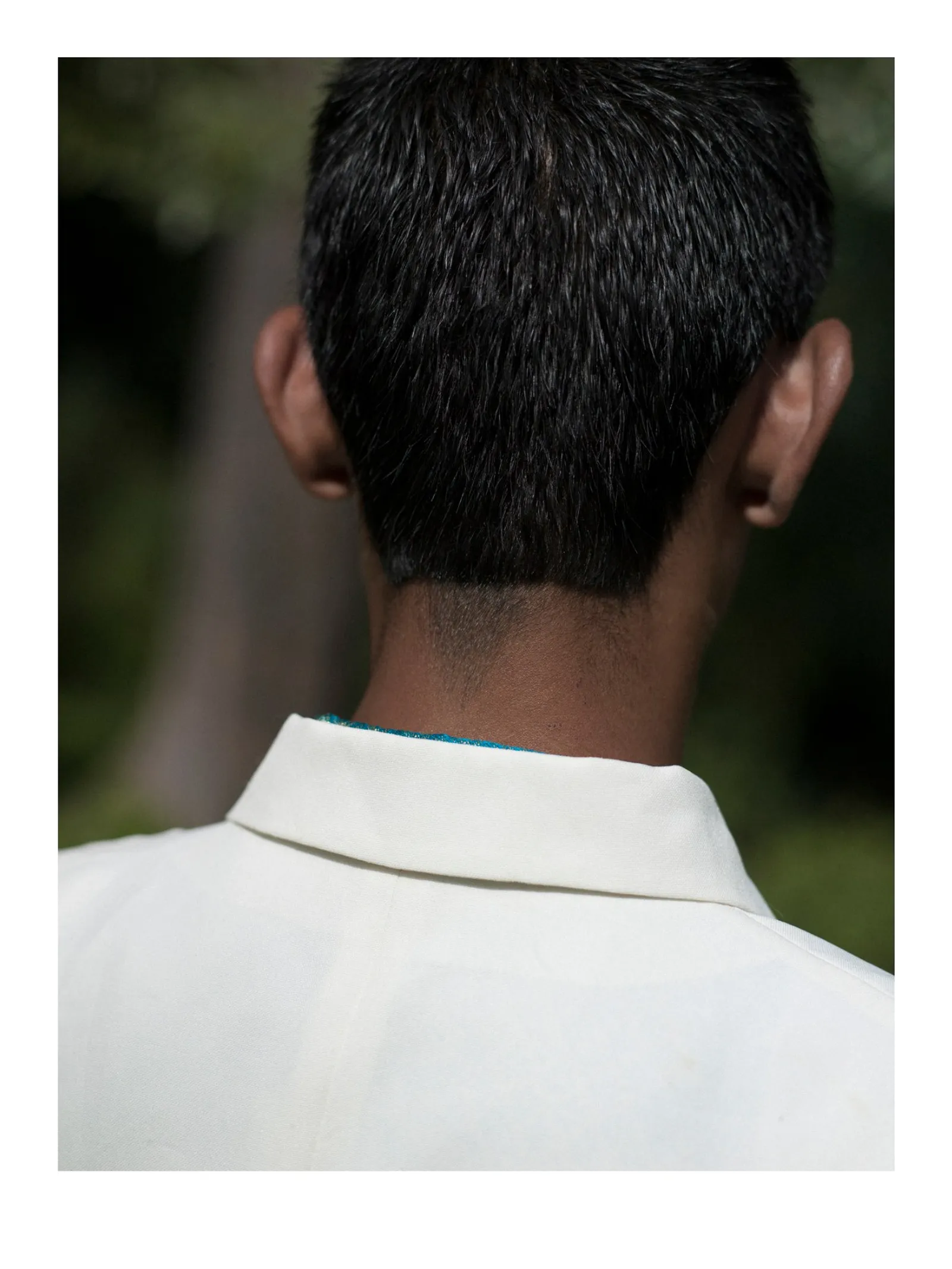 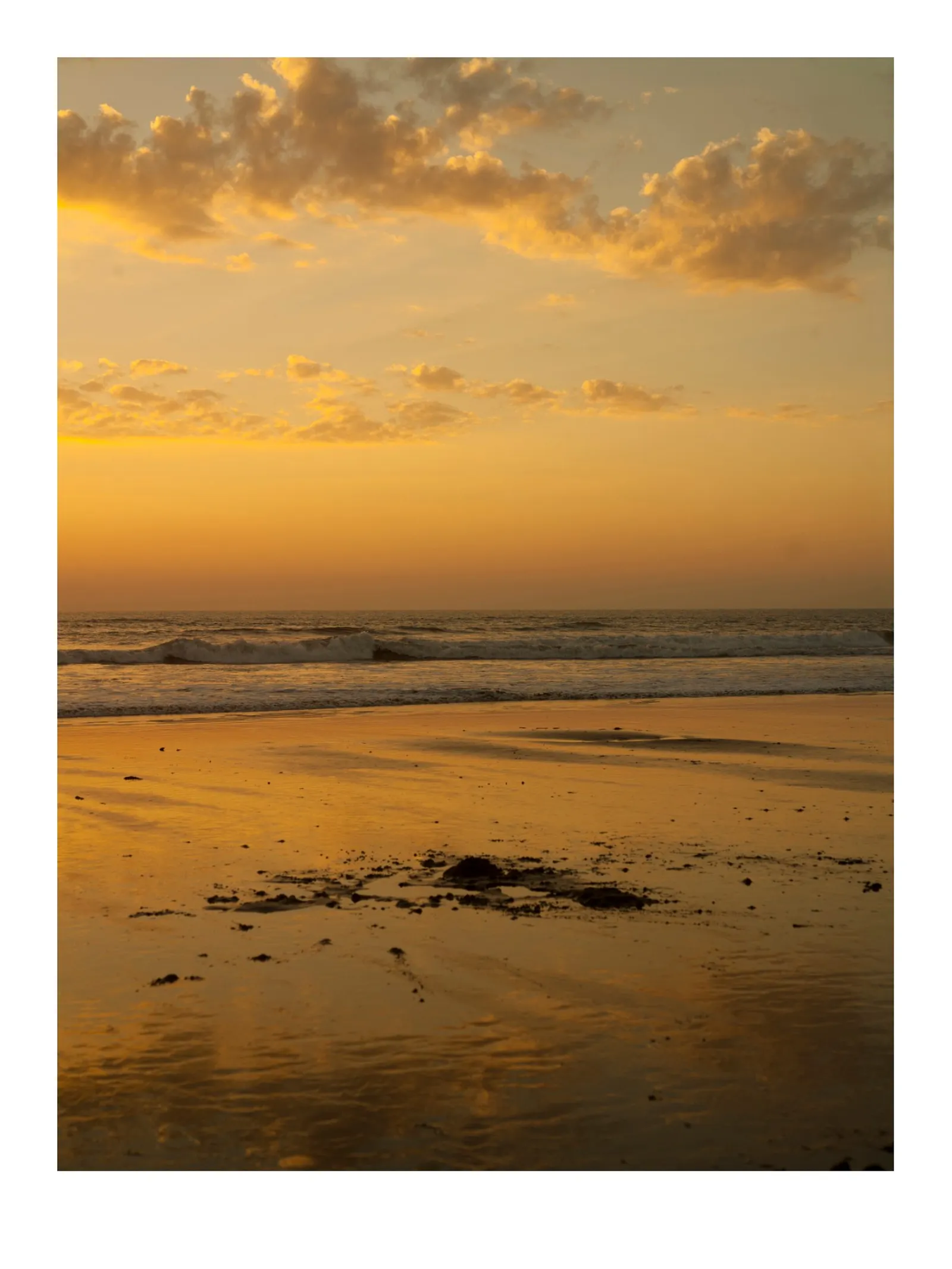 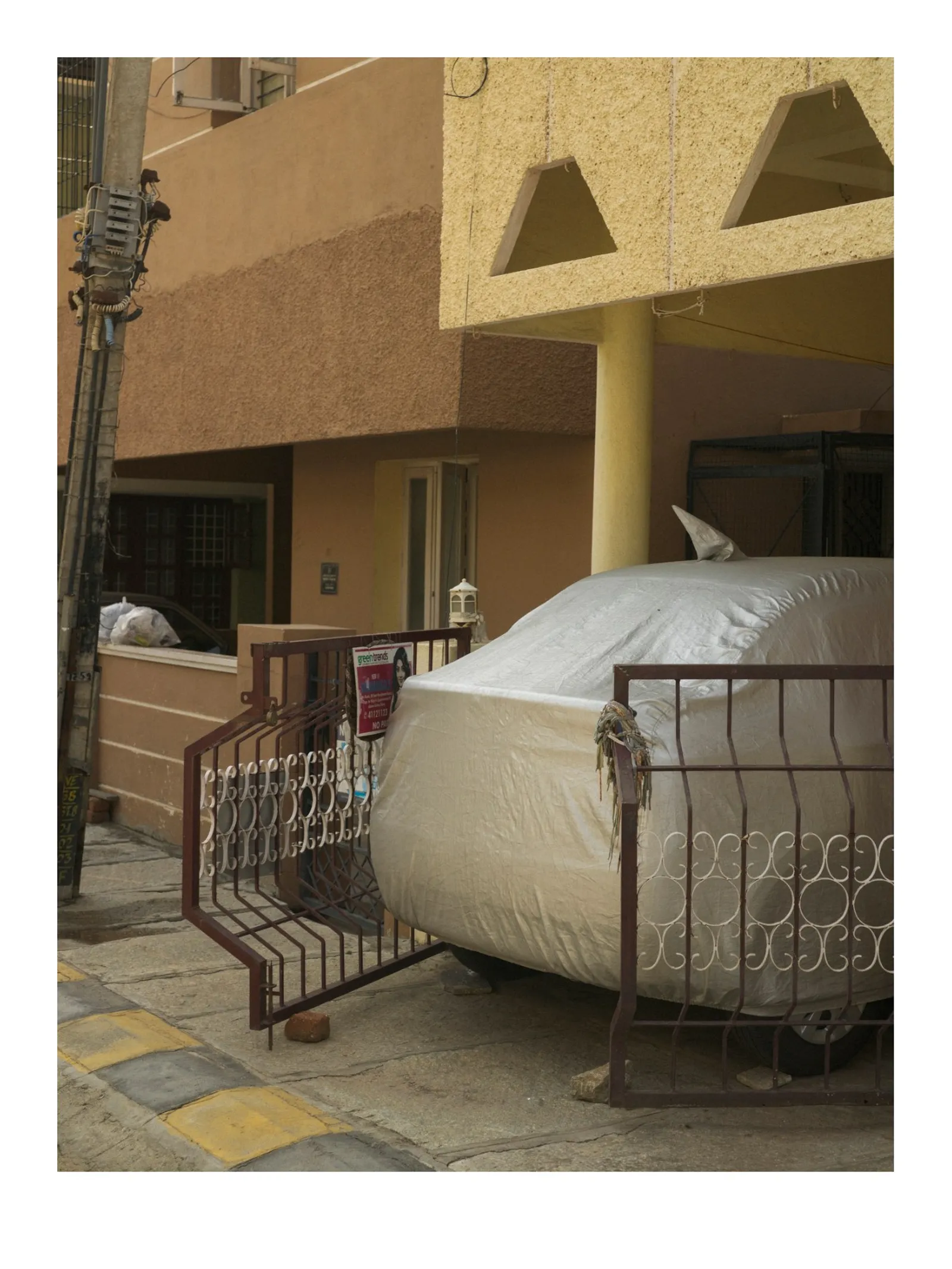 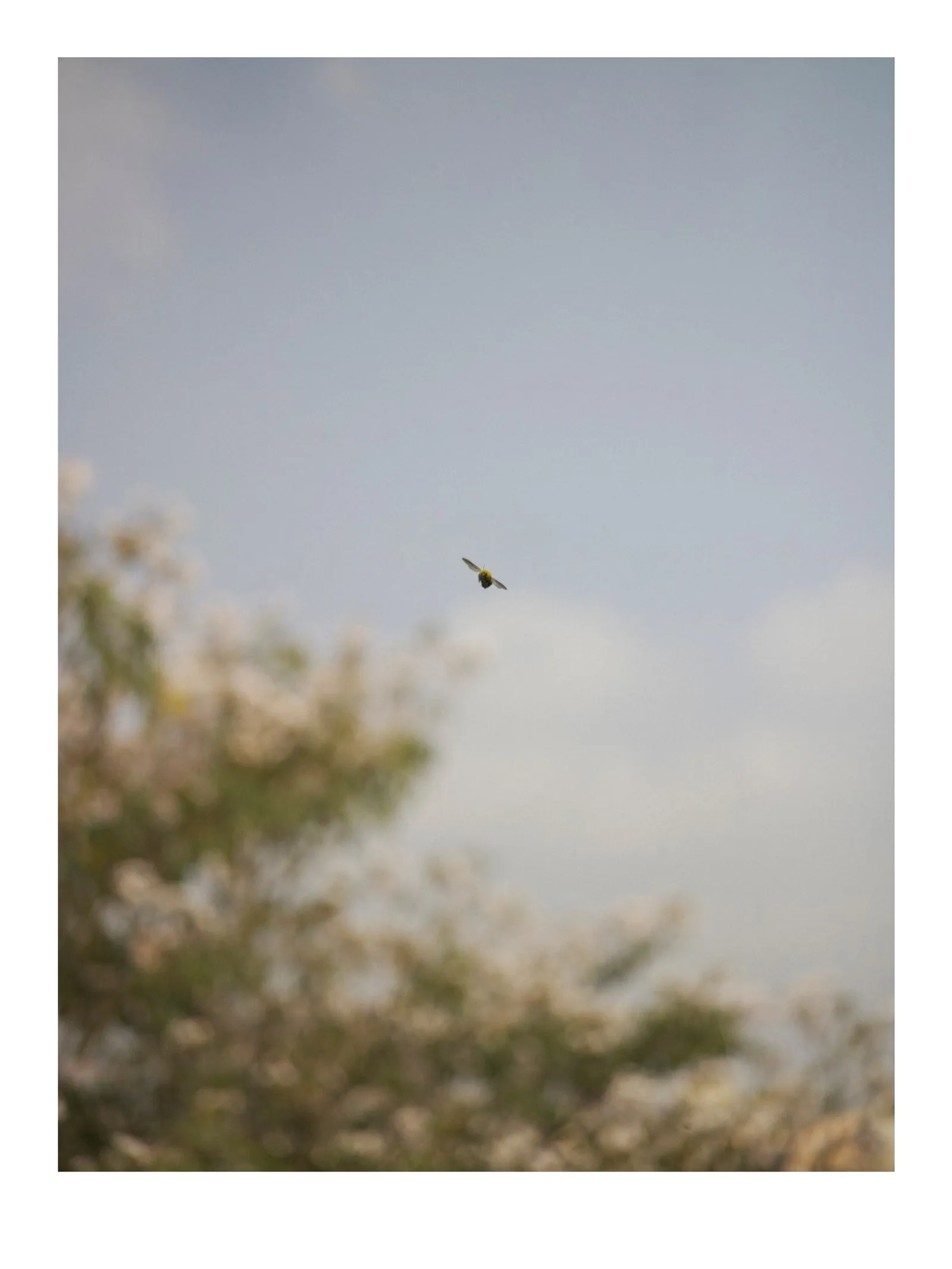 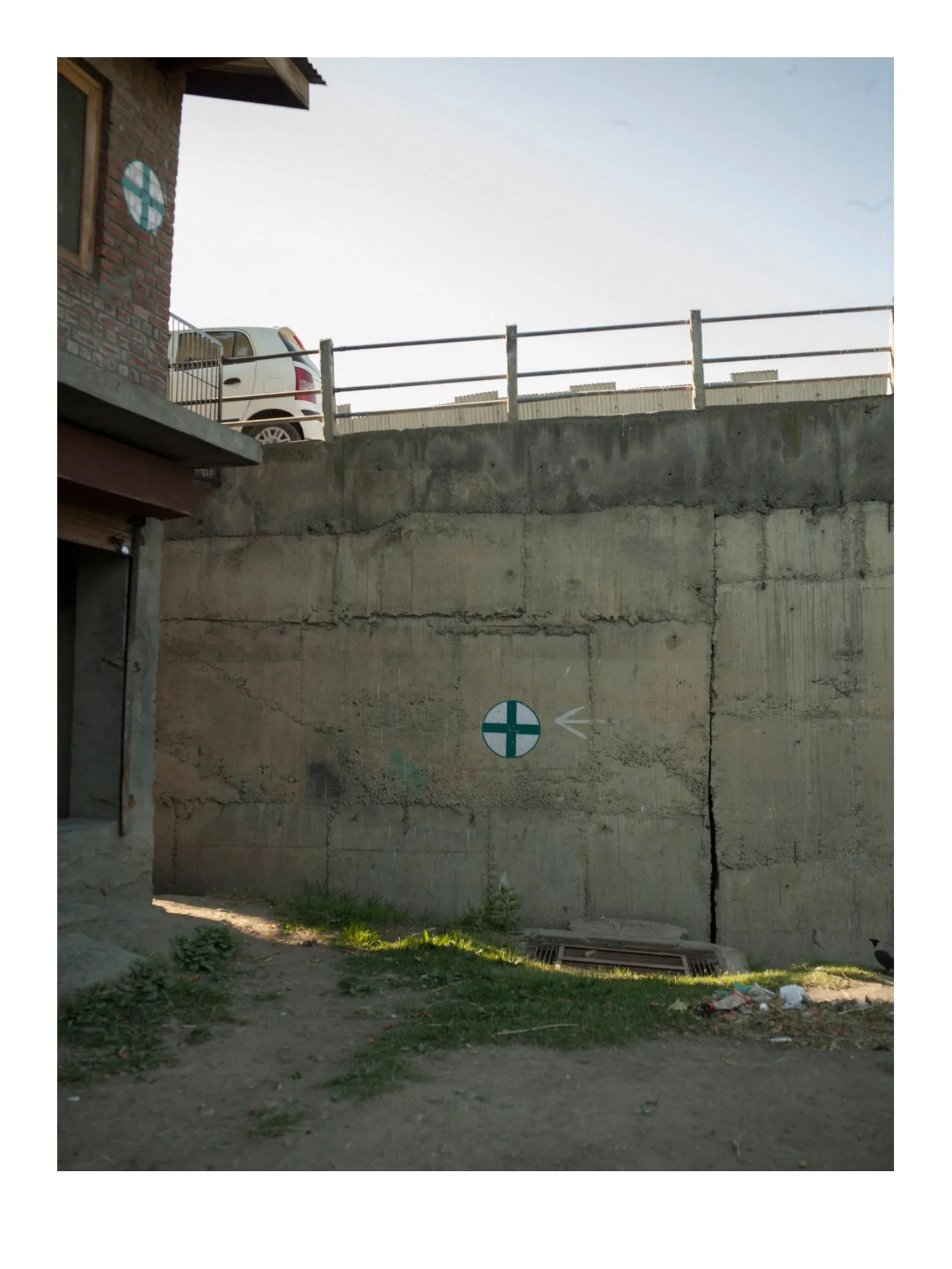 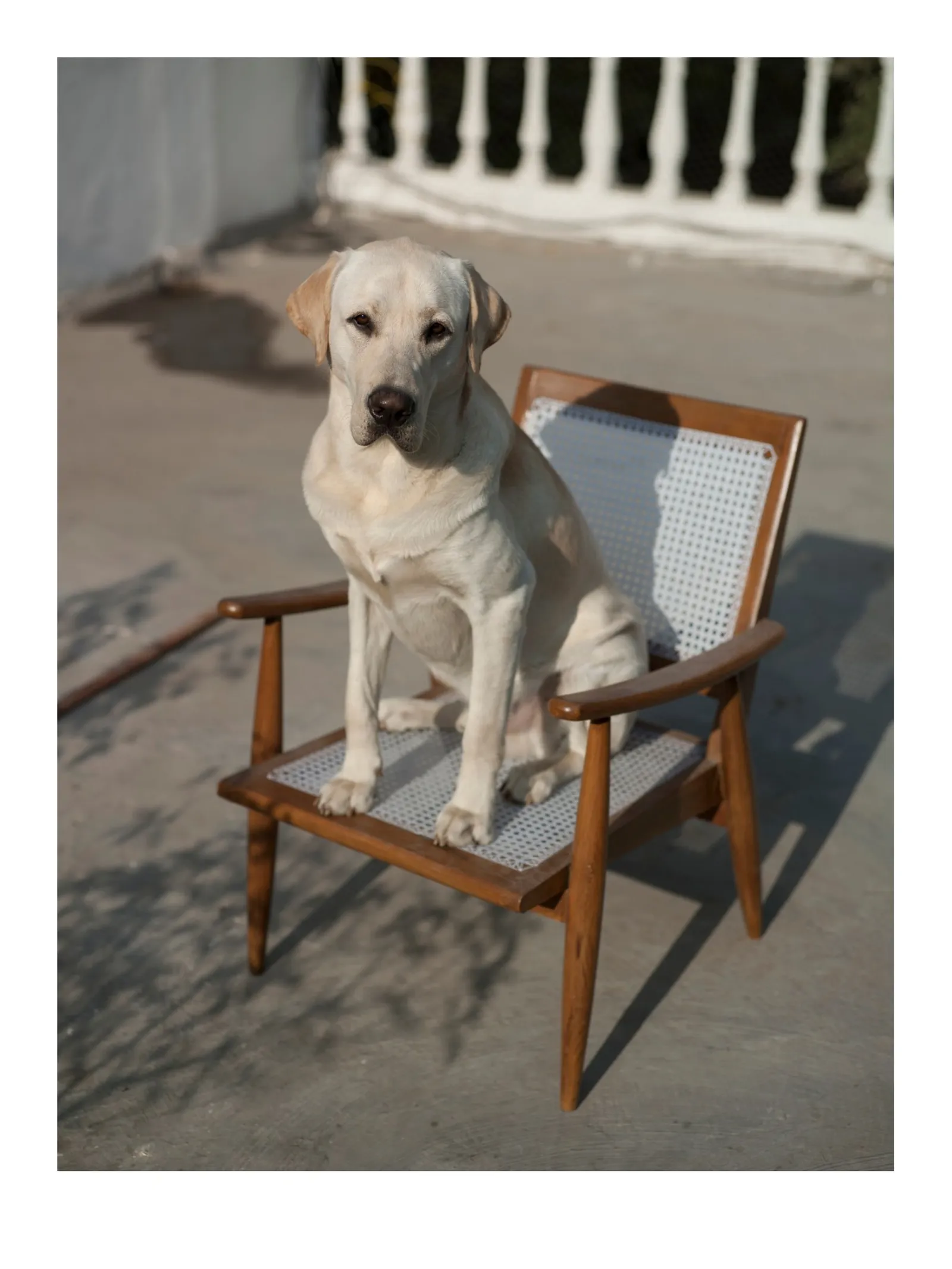 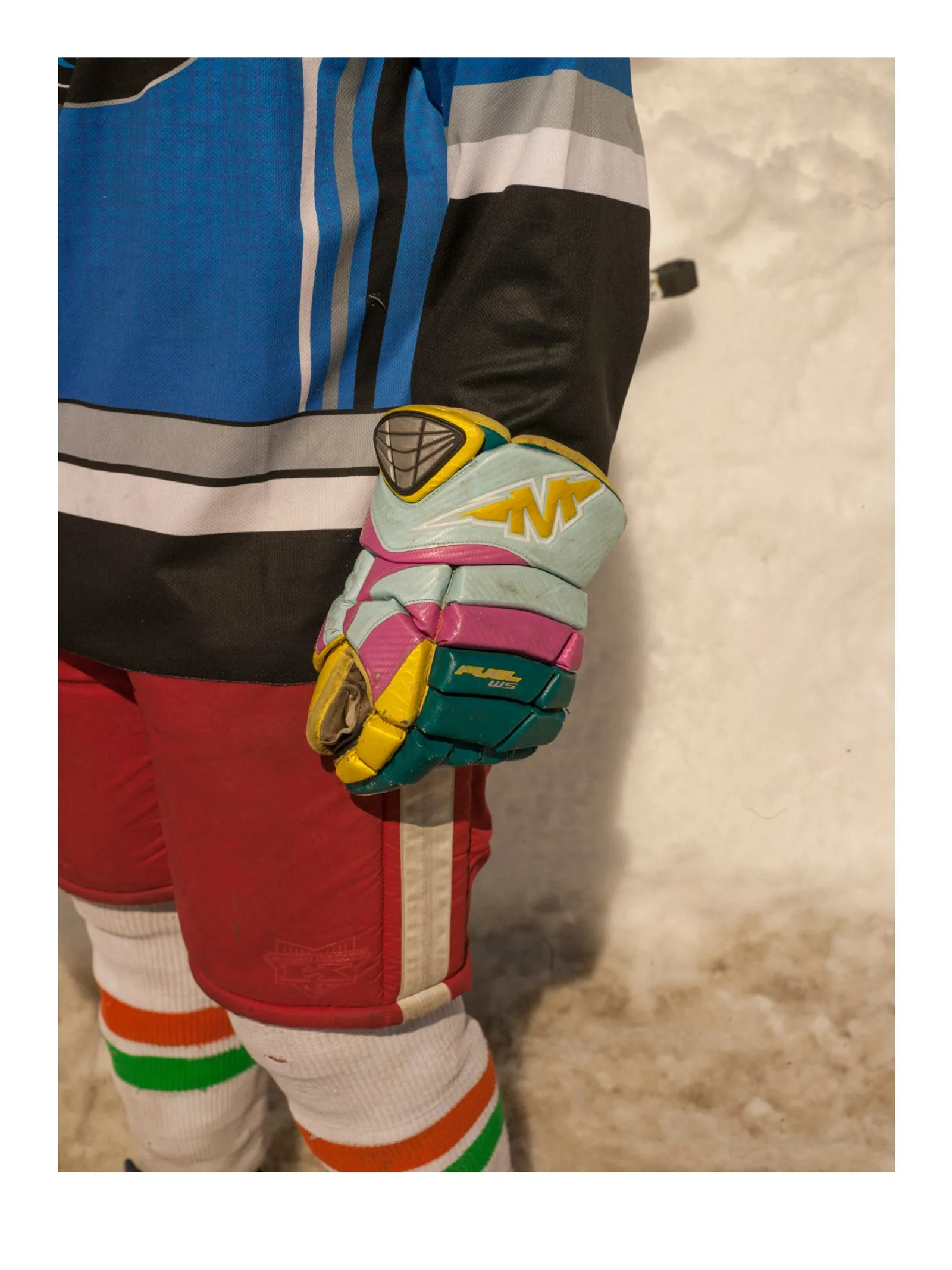 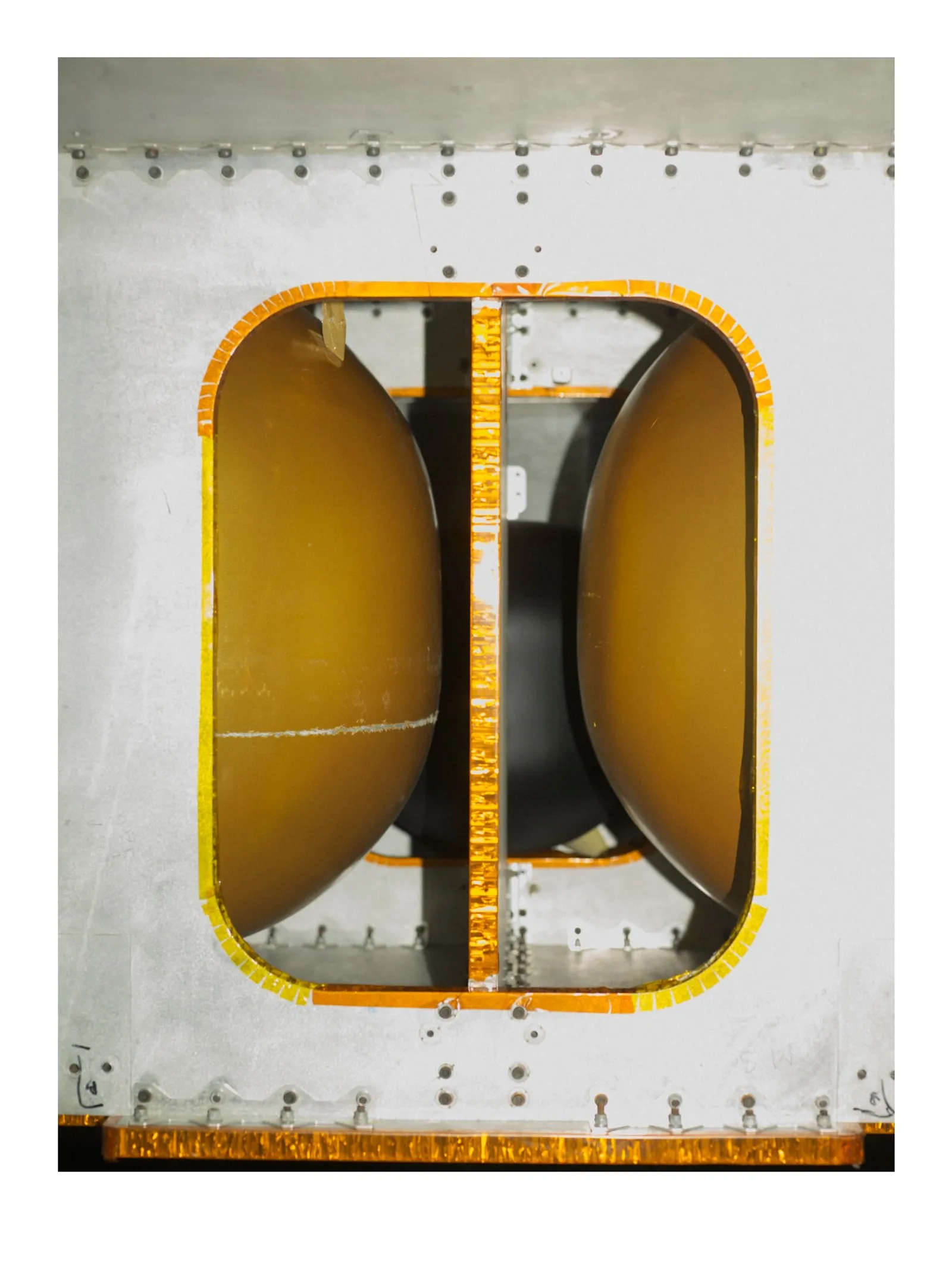 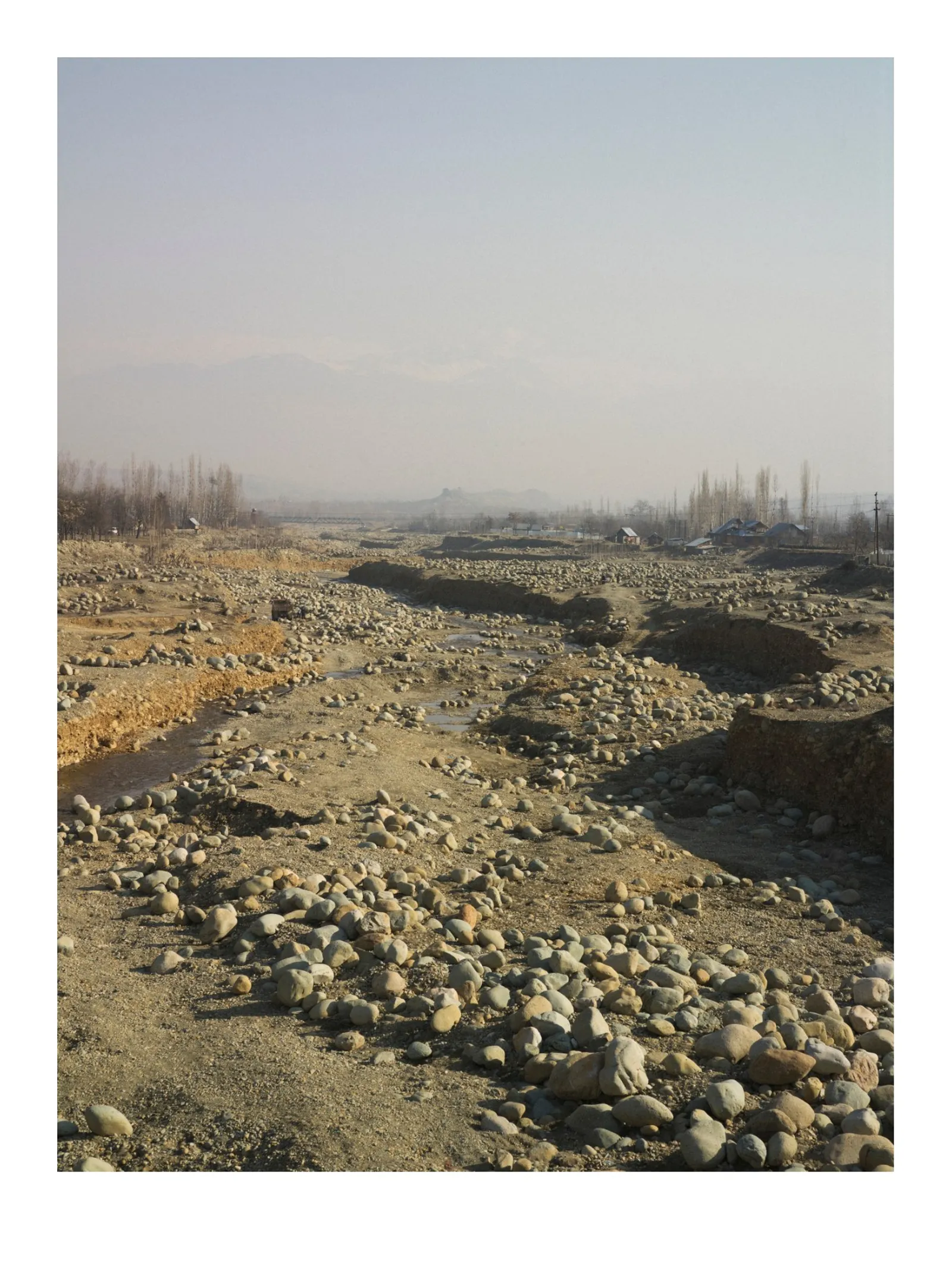 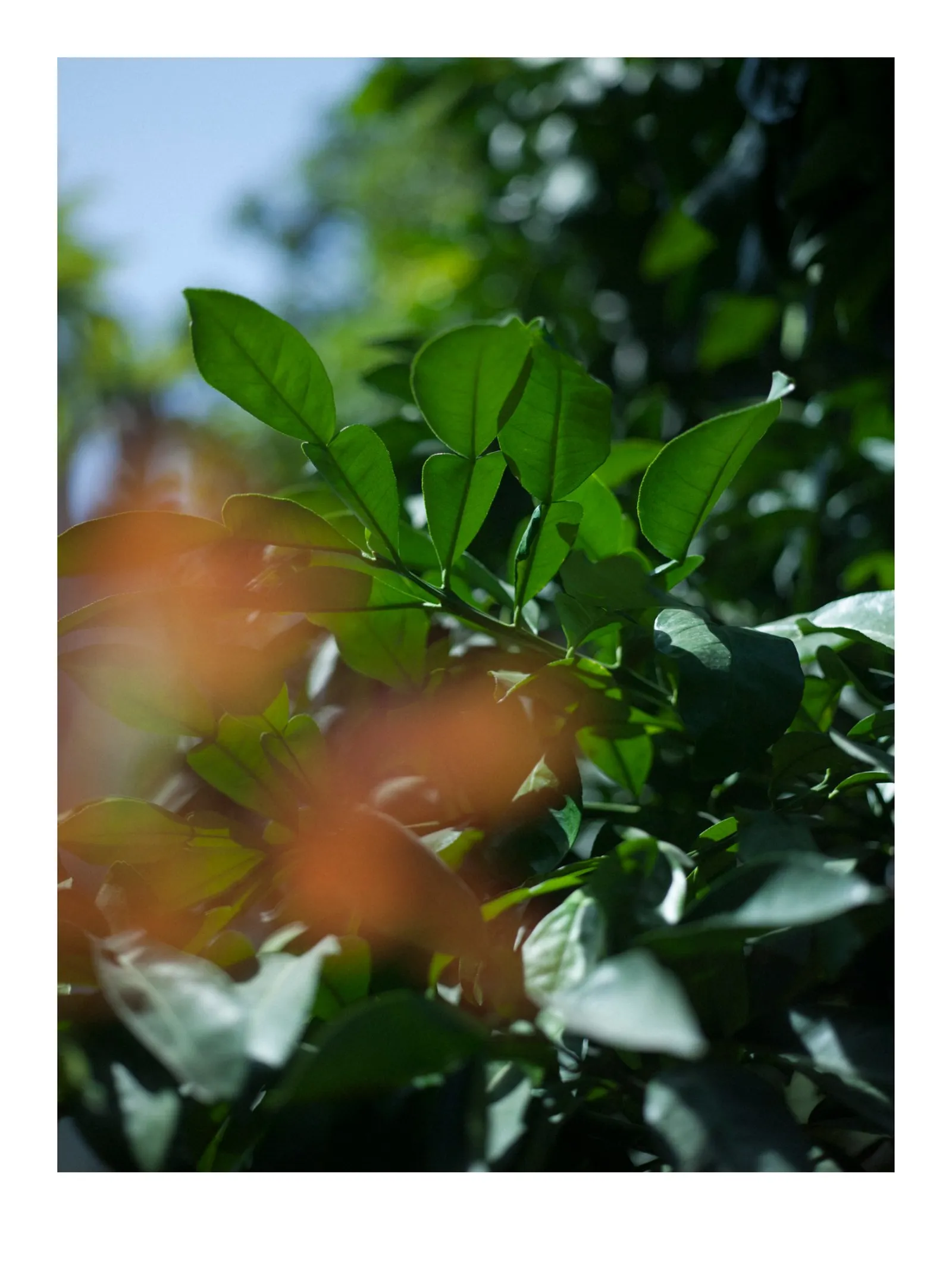 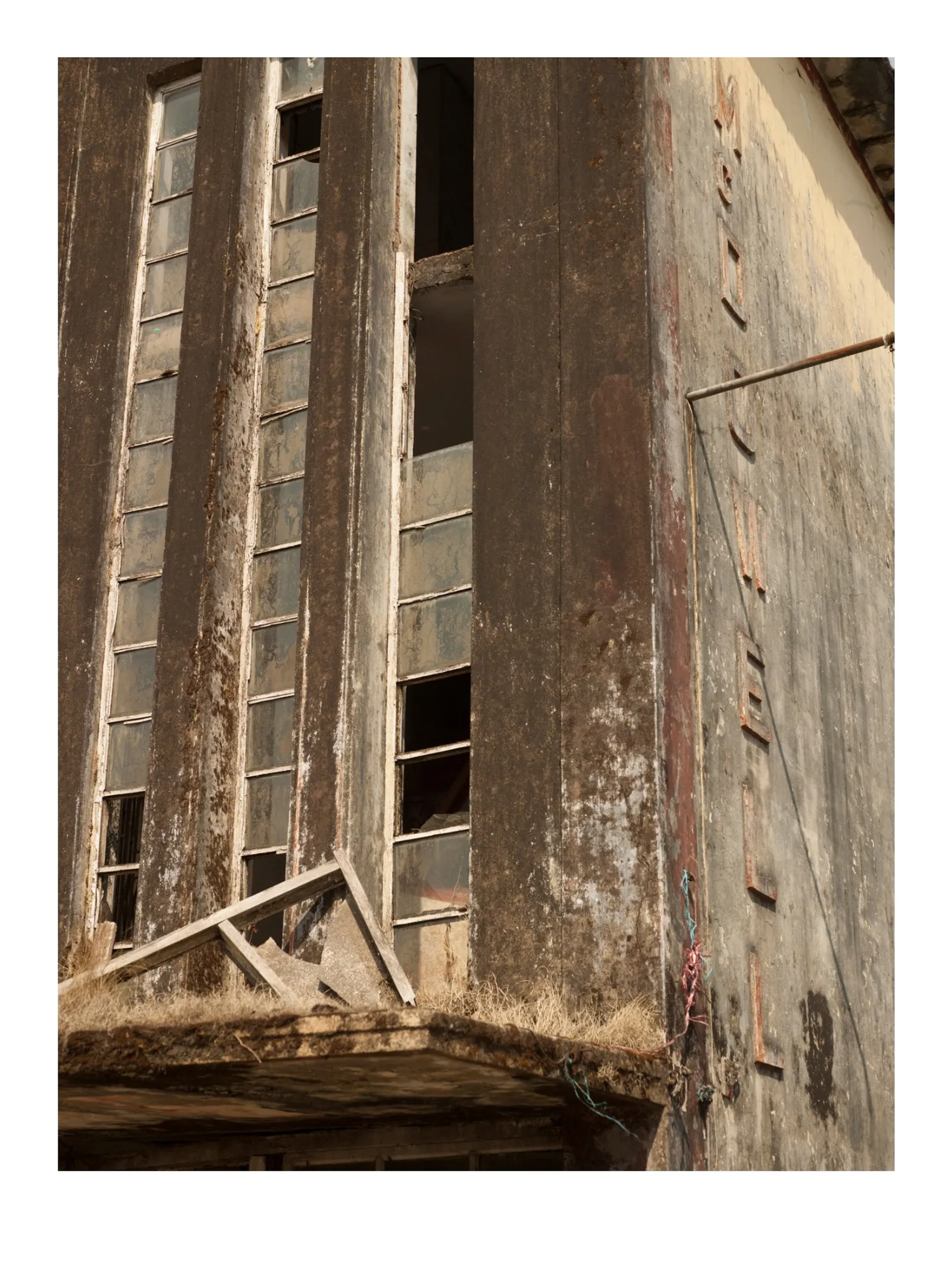 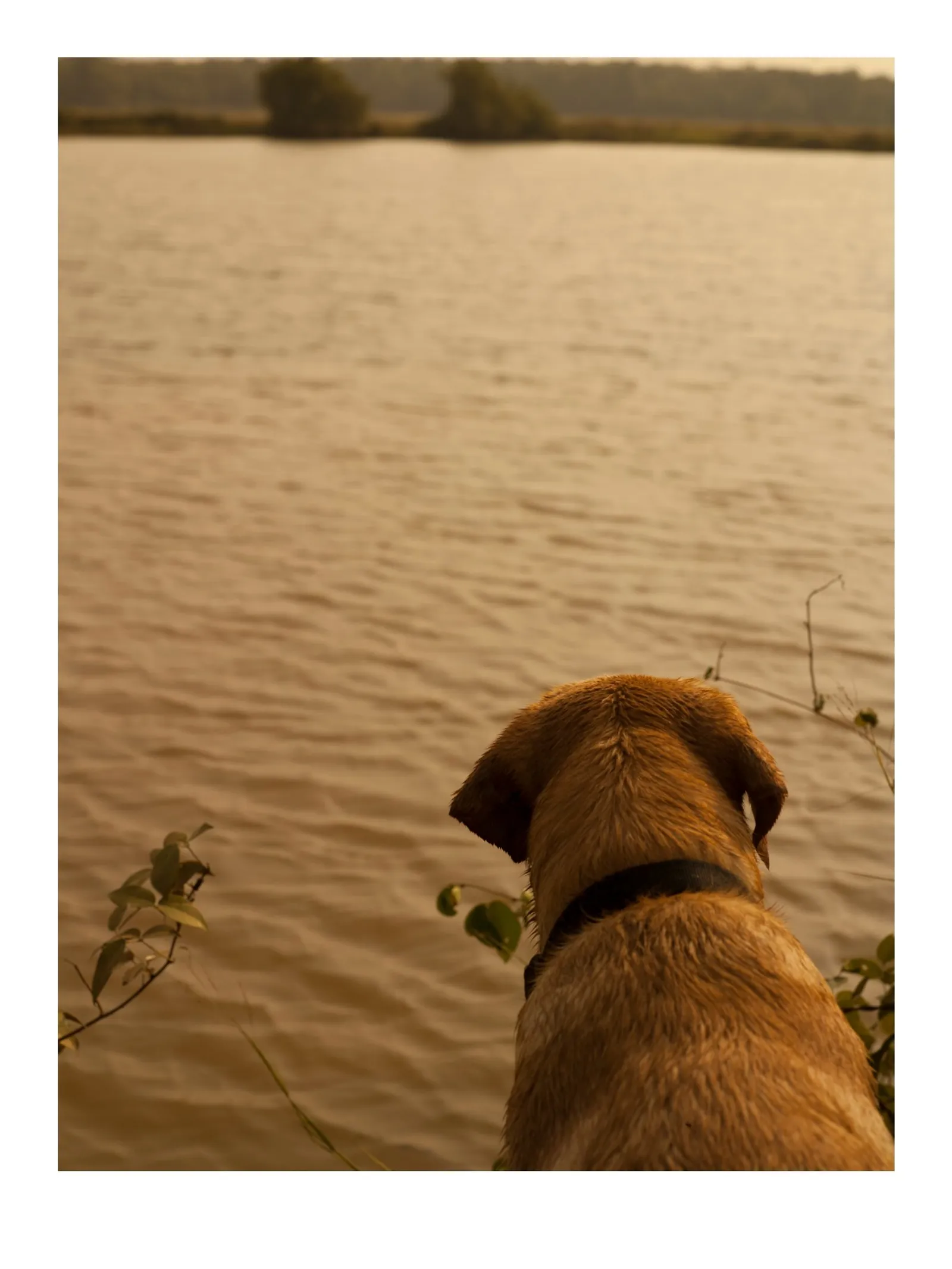 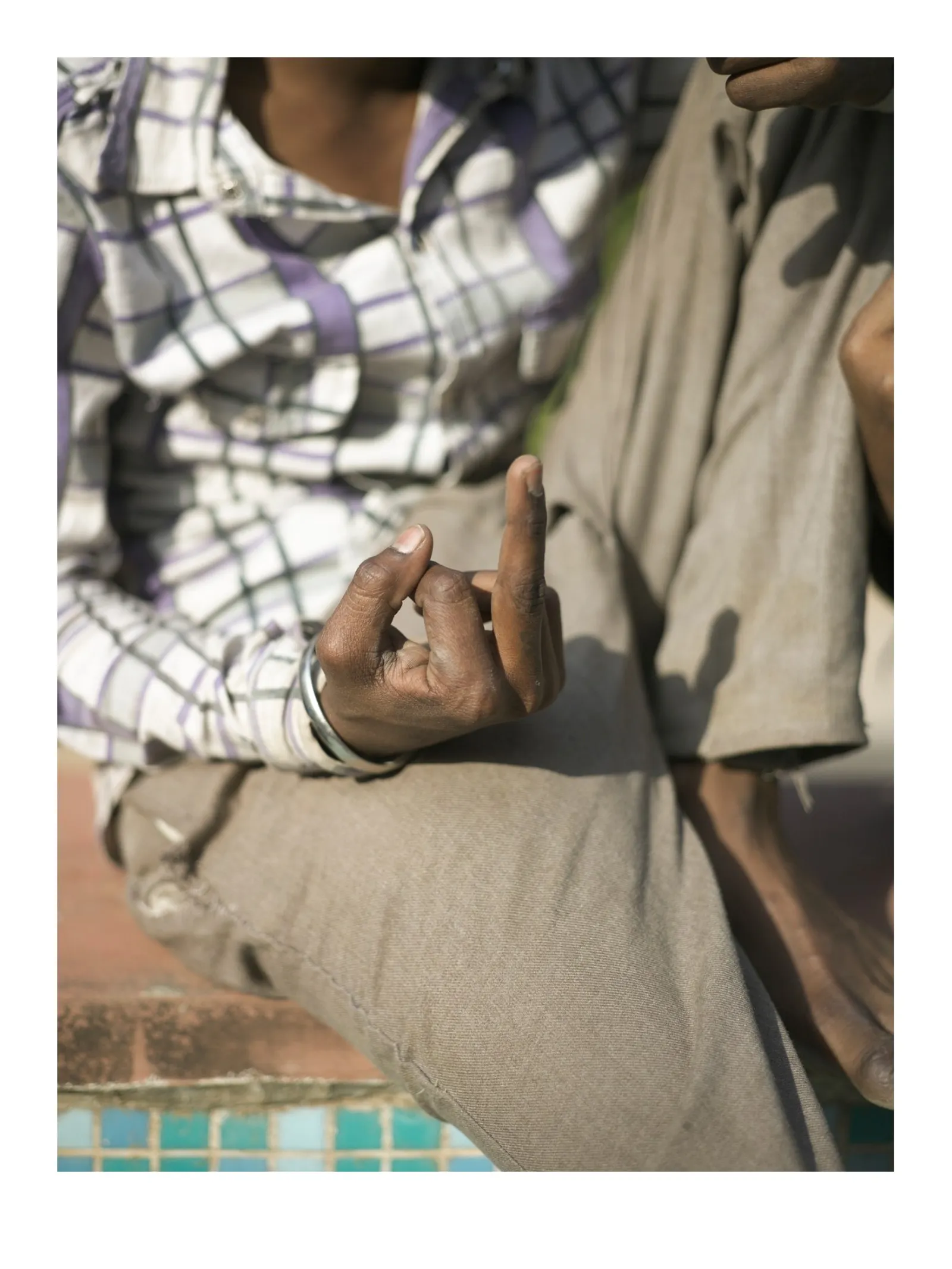  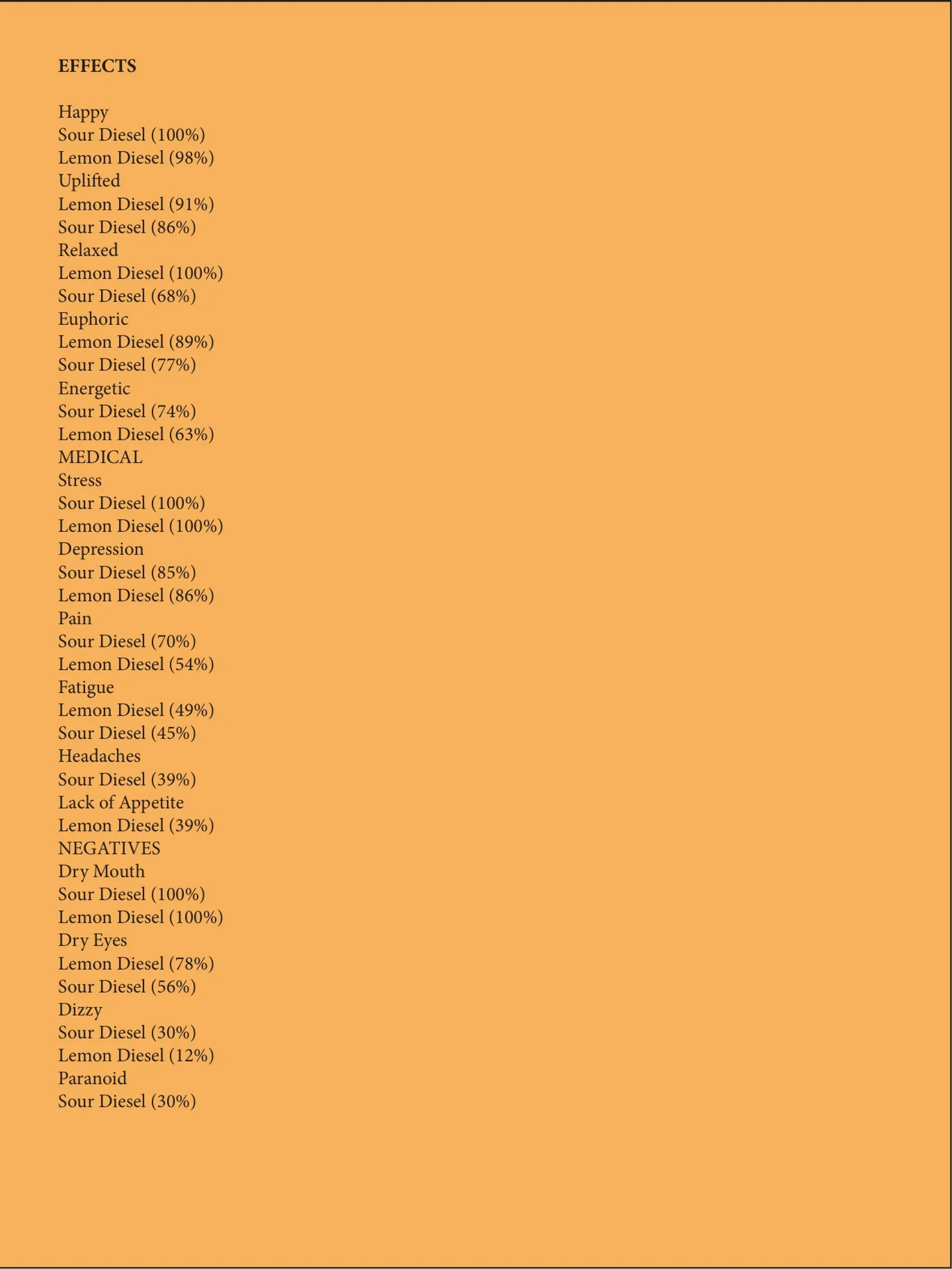  | |||
| 006 | Girl Scout Cookies | 46 pp · 21 × 28 cm | 2019 |
| Anonymous strangers write about how the drug made them feel, and this book prints them. Their reviews run alongside the effects the strain is marketed on, all of it set against a wandering sequence of uncaptioned photographs. The name the strain lends the book could belong to something harmless on a kitchen shelf. The reviews are where people give themselves away, sliding from pharmacological promise into plain confession. The pictures are asked to carry that admission and never make one.    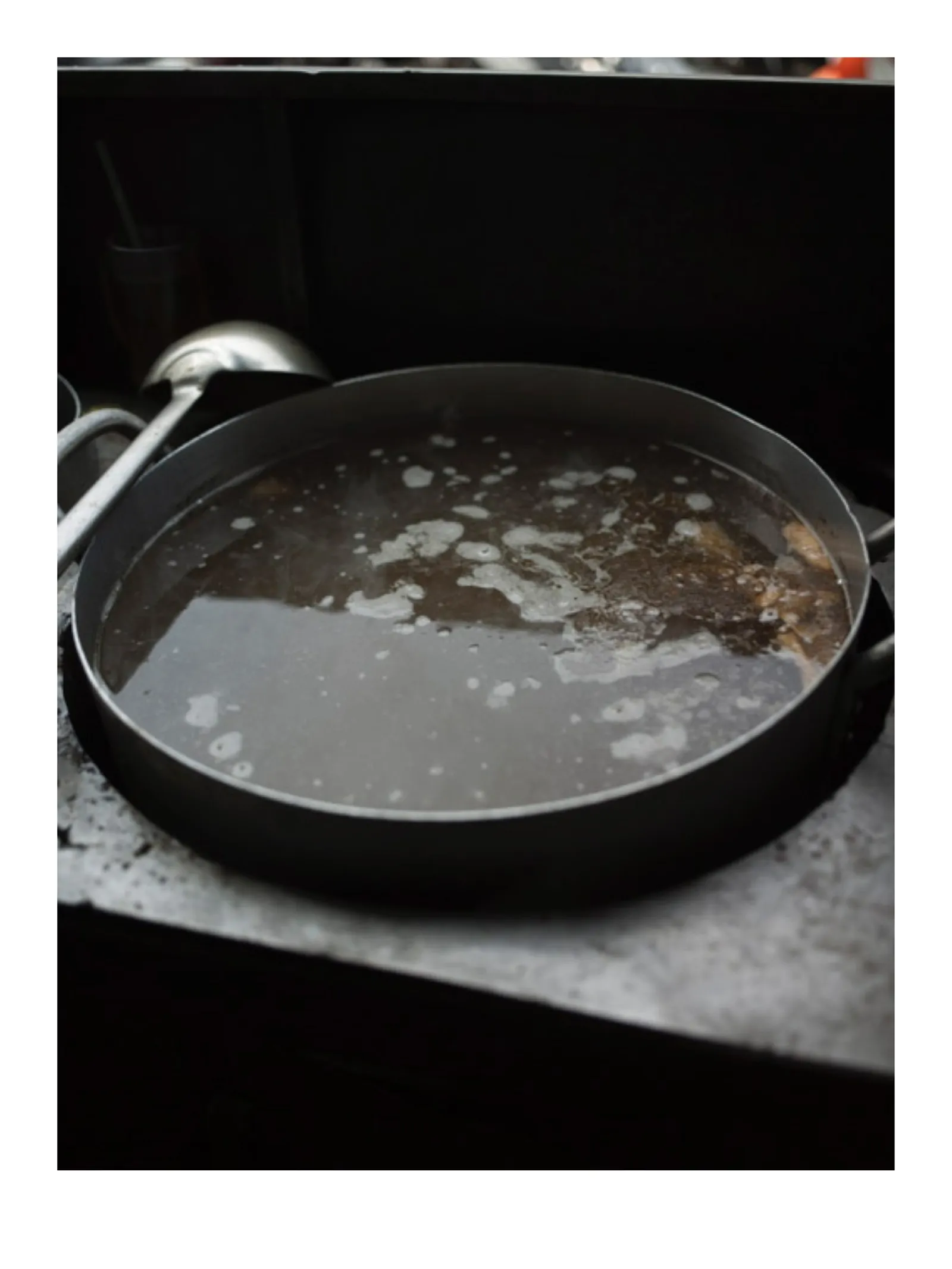 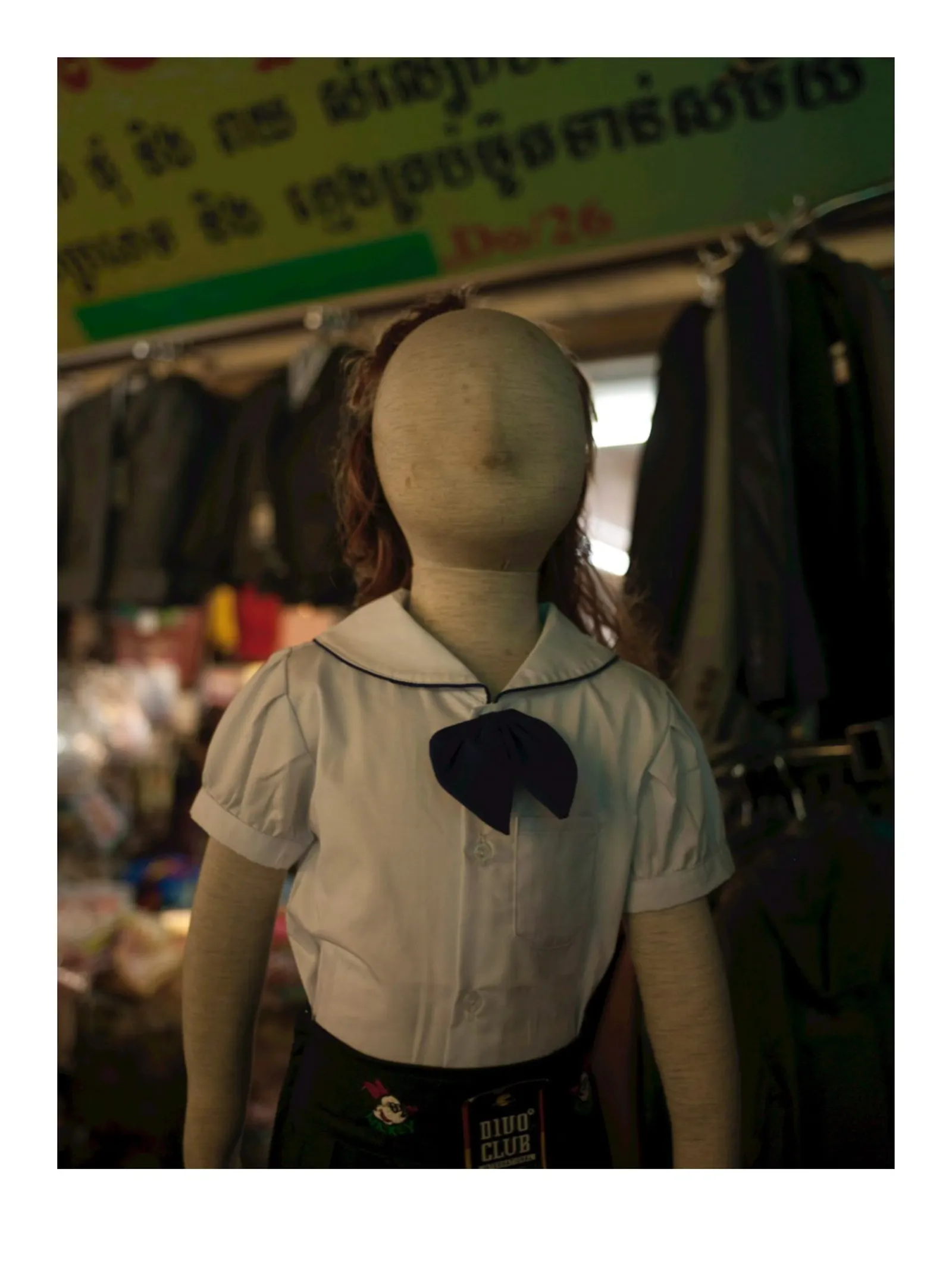 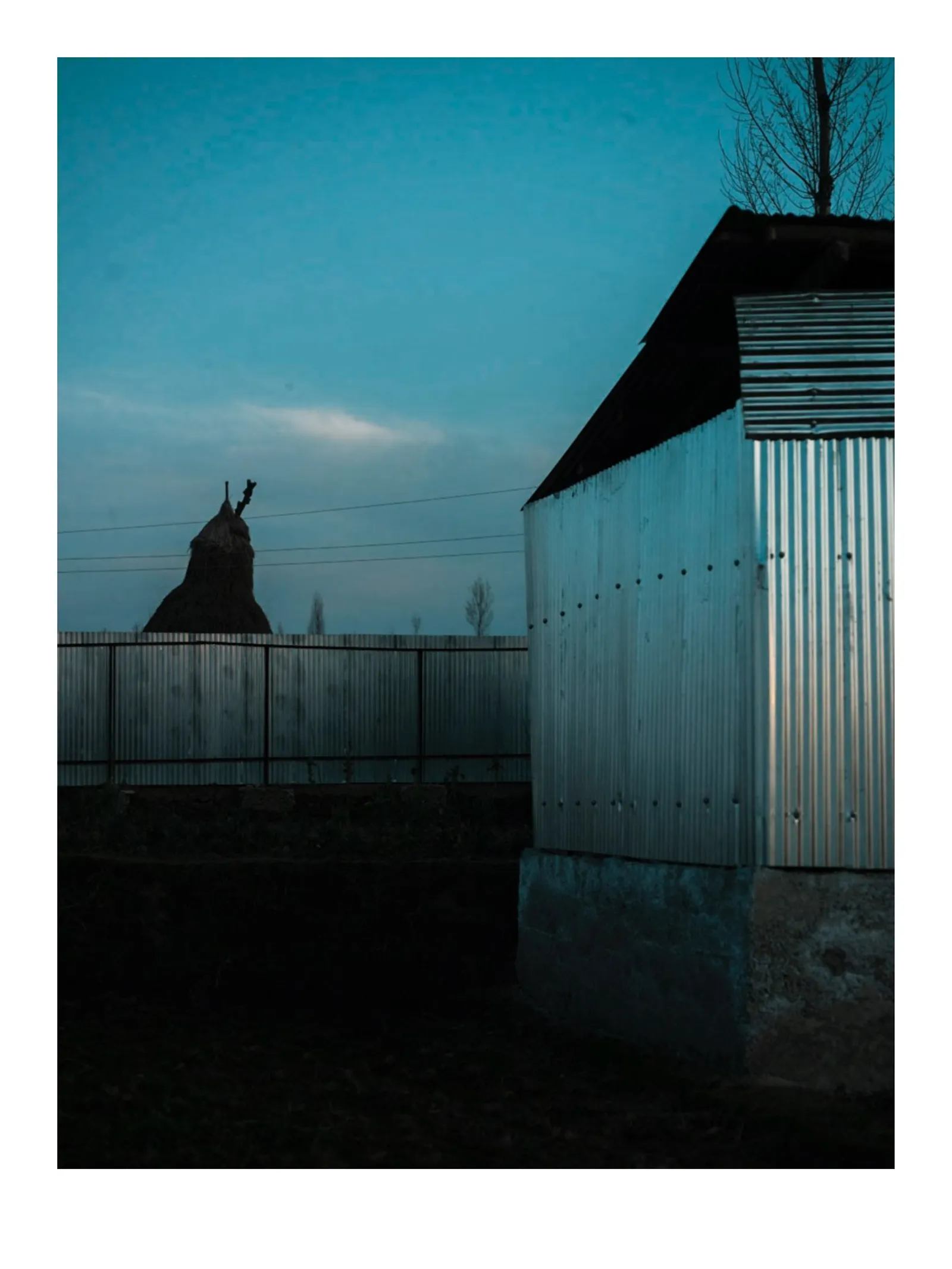 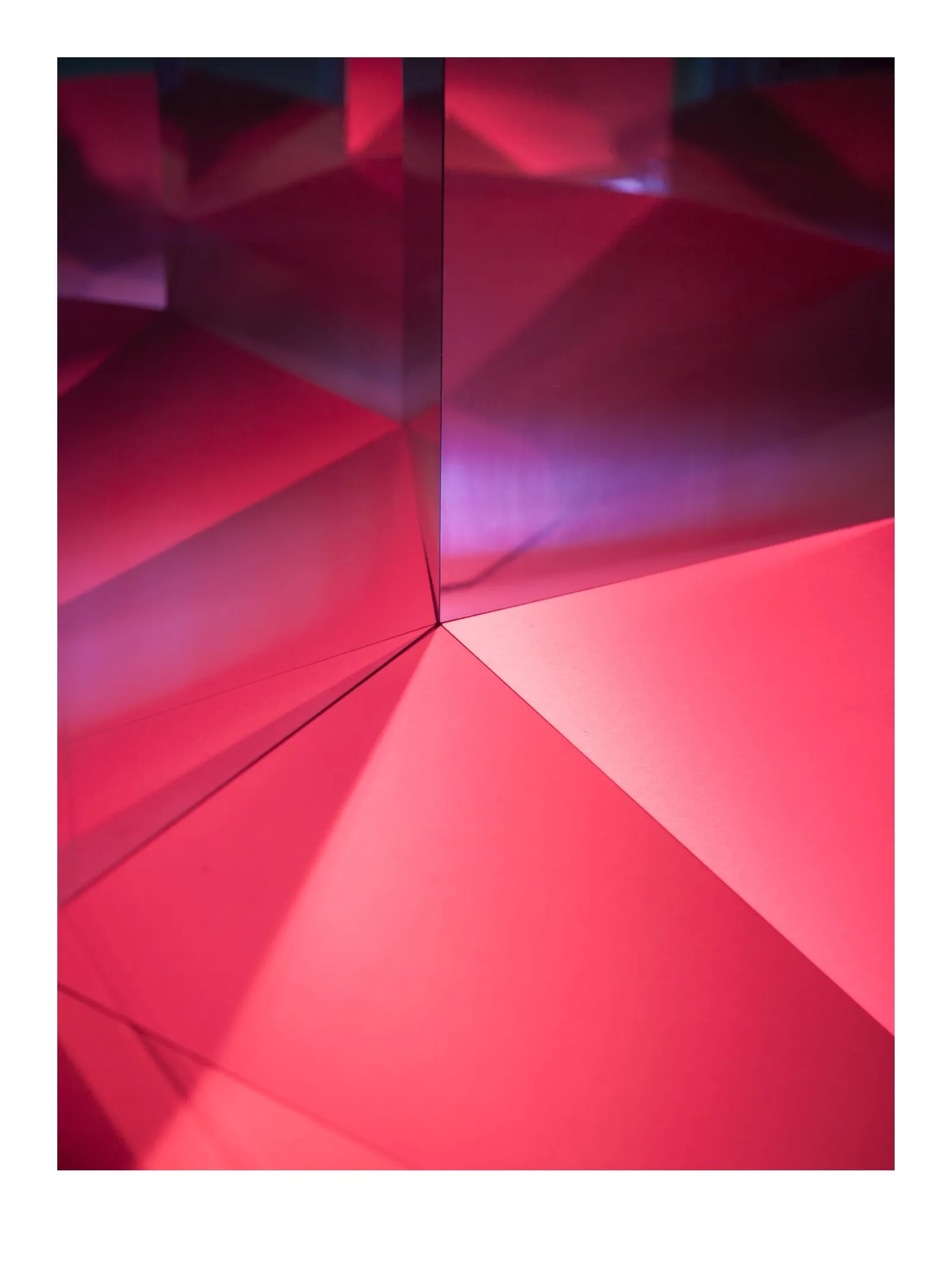 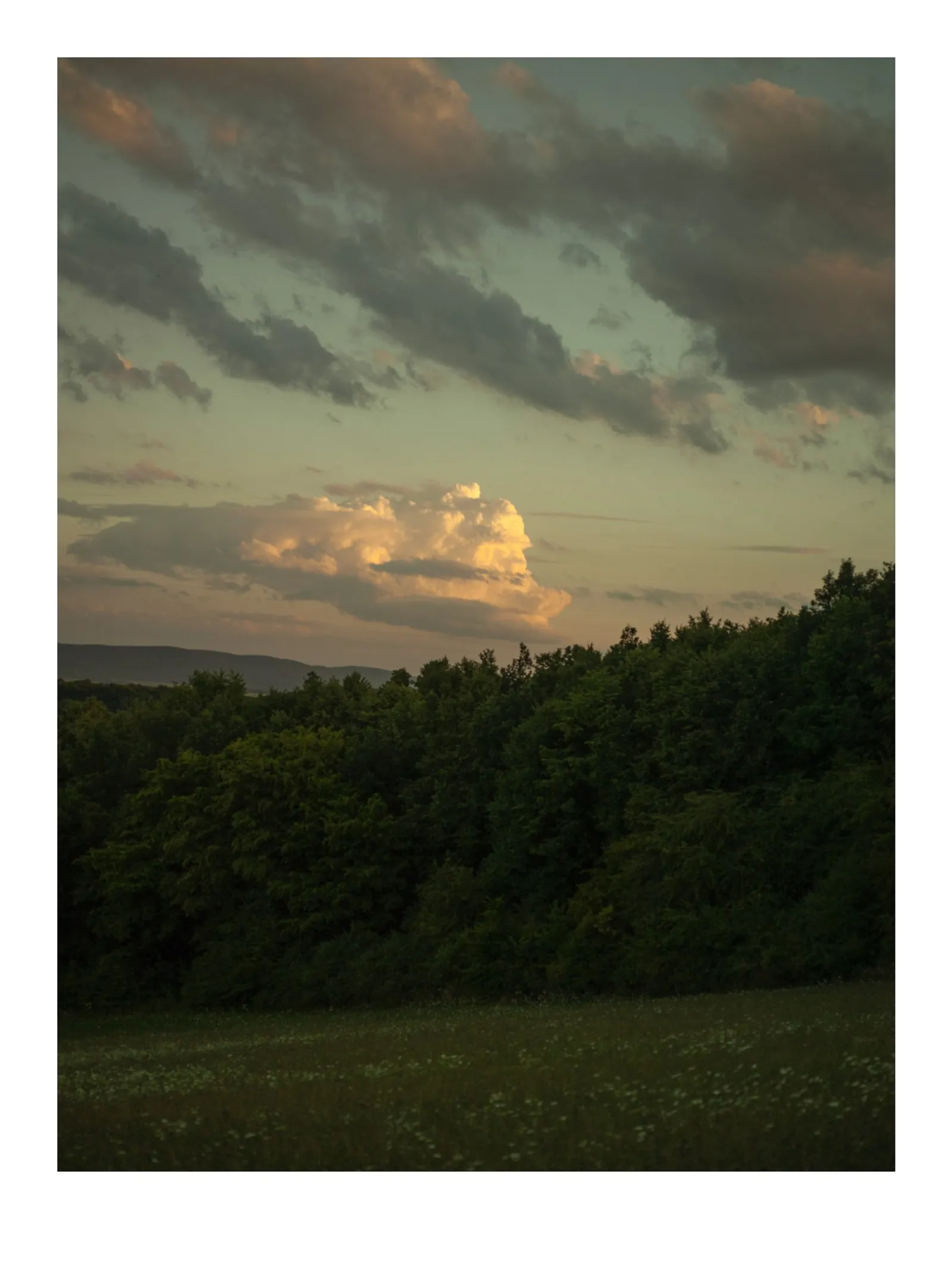 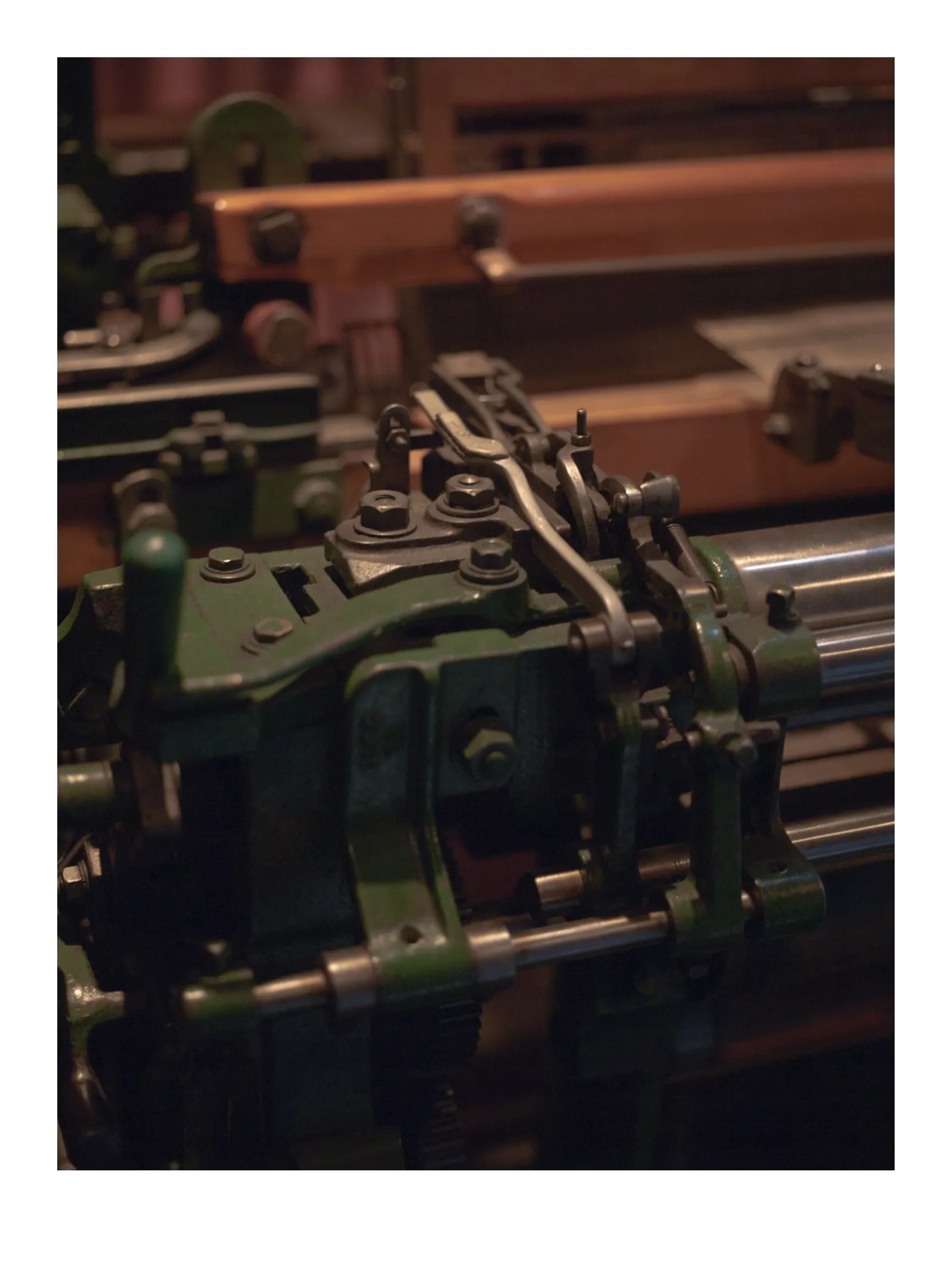 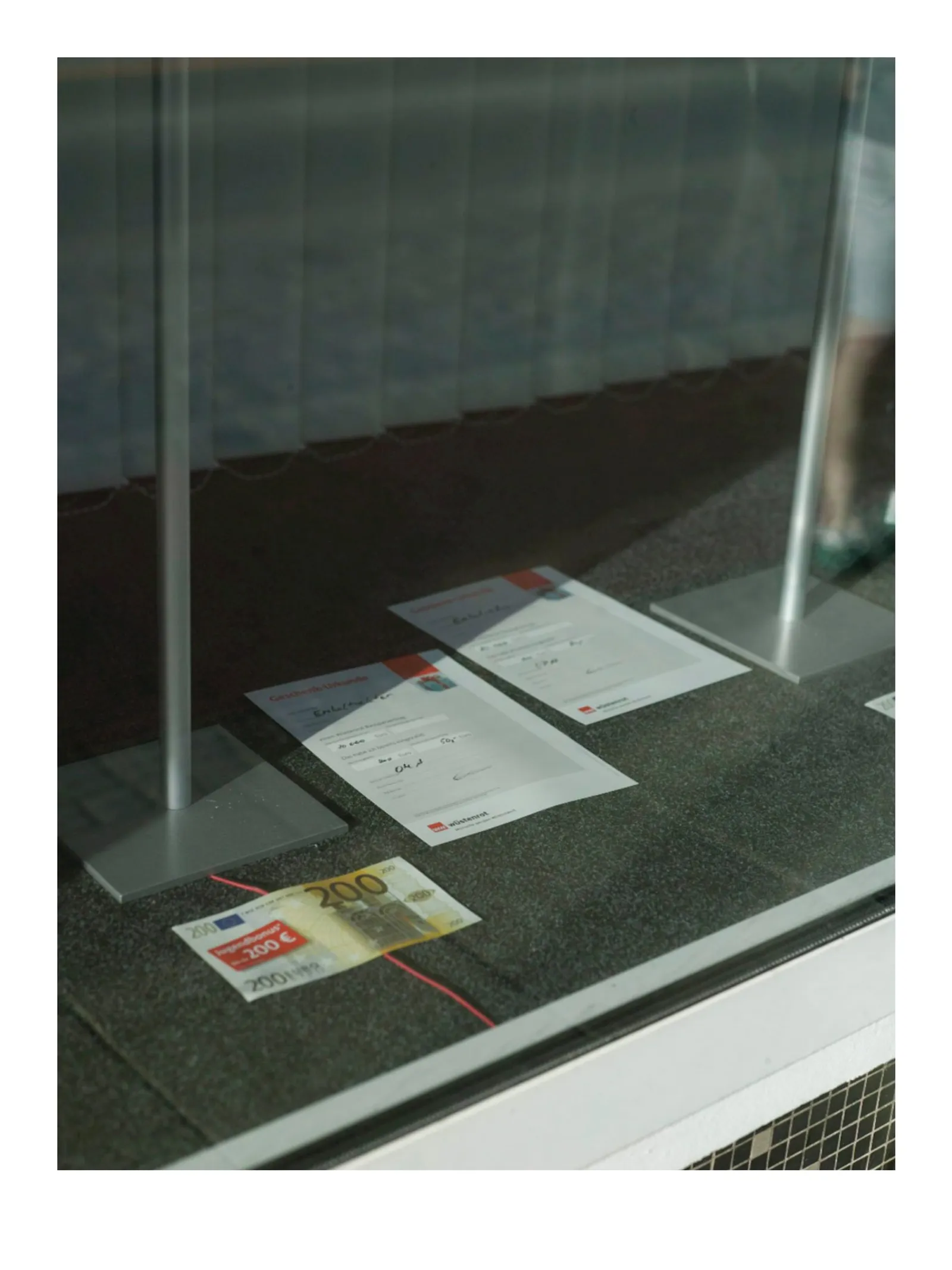     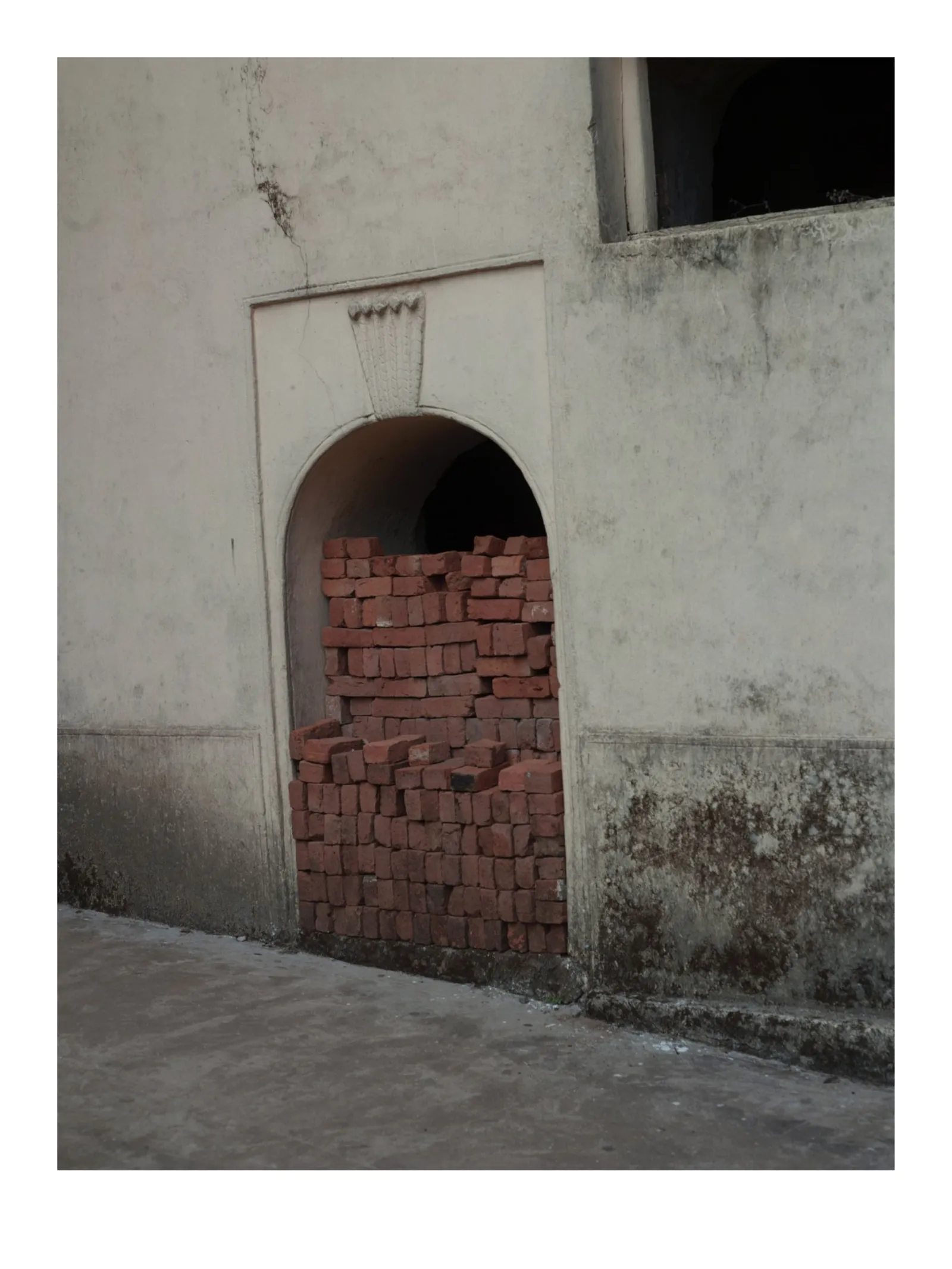 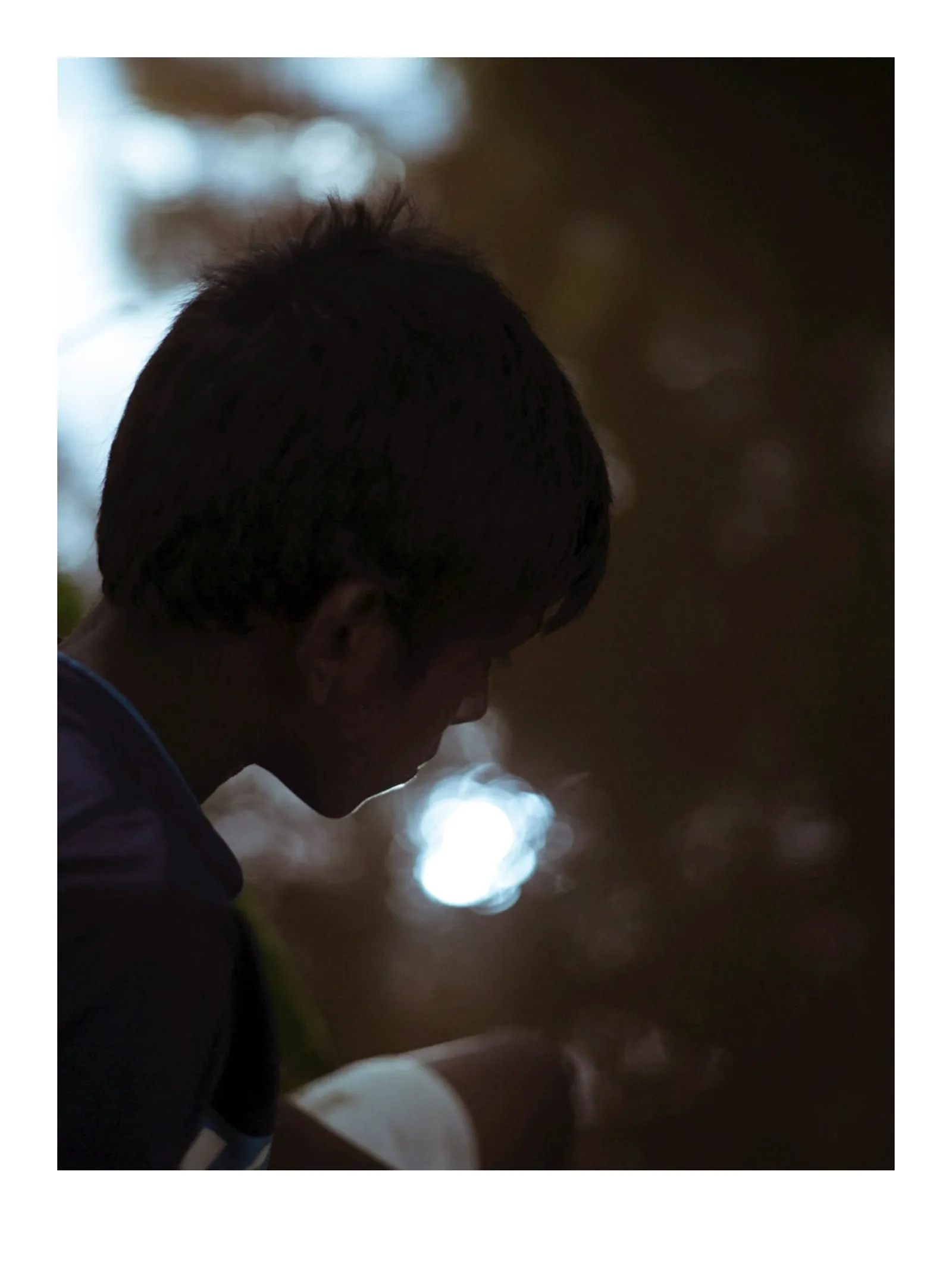 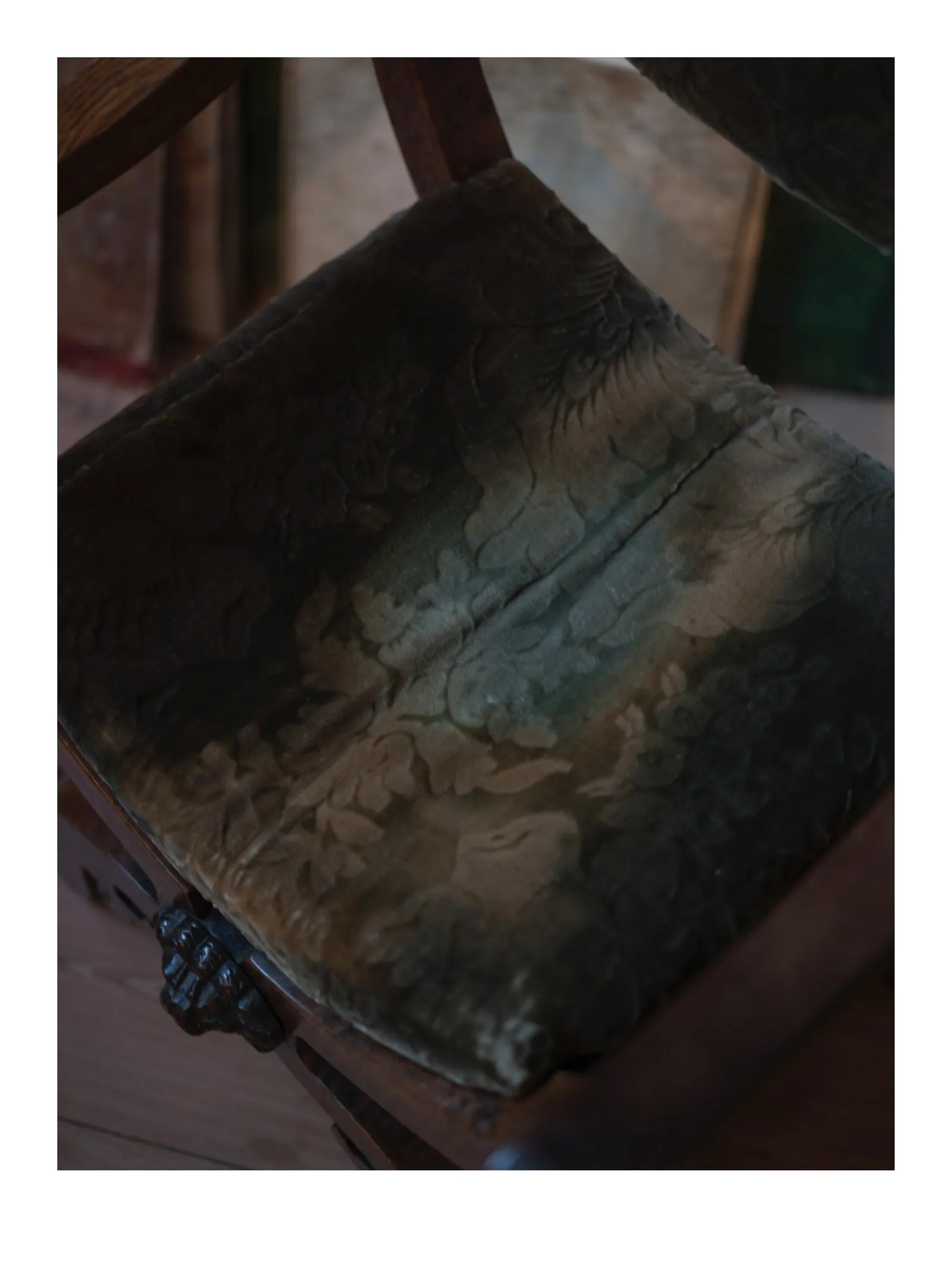 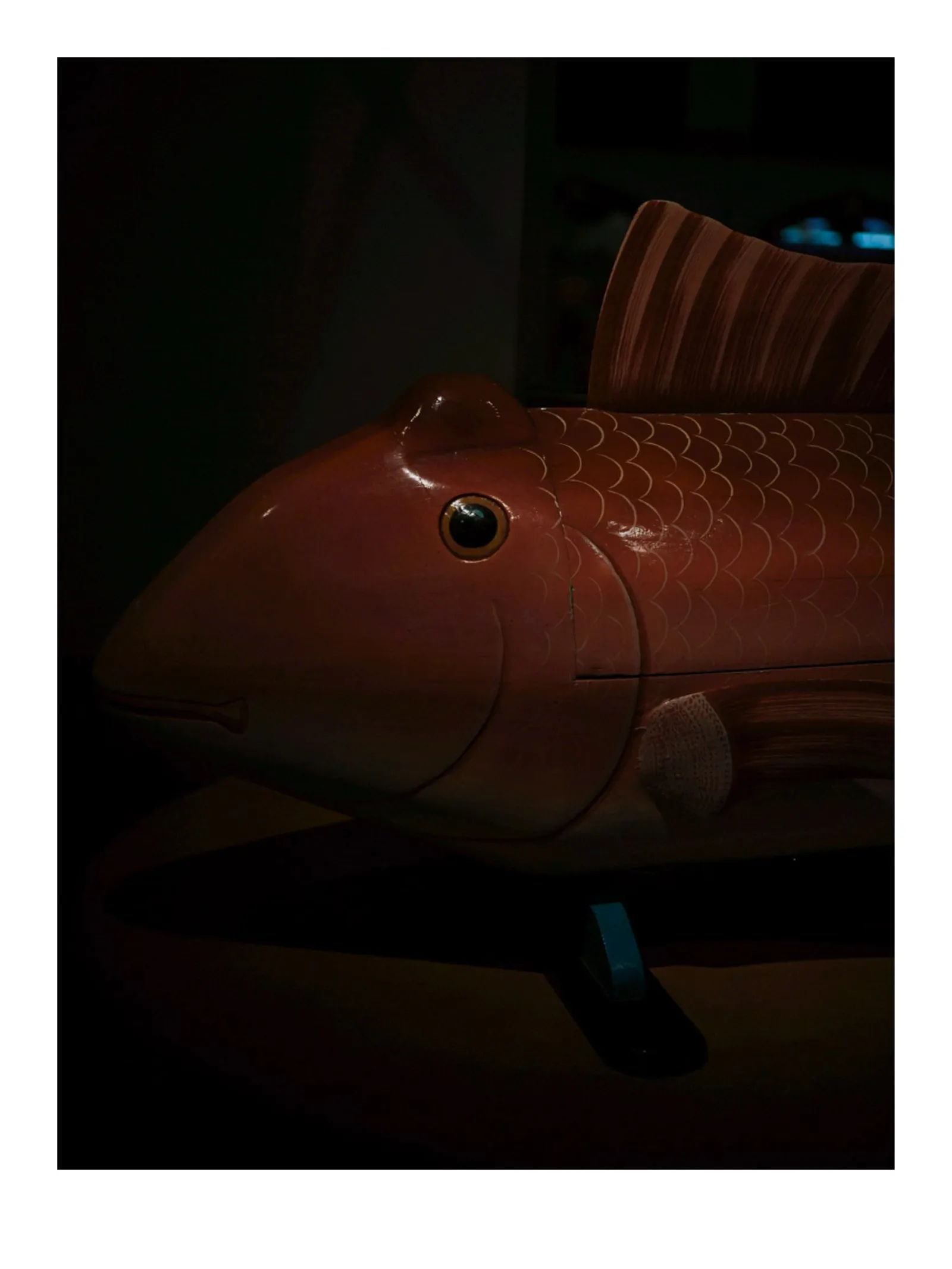 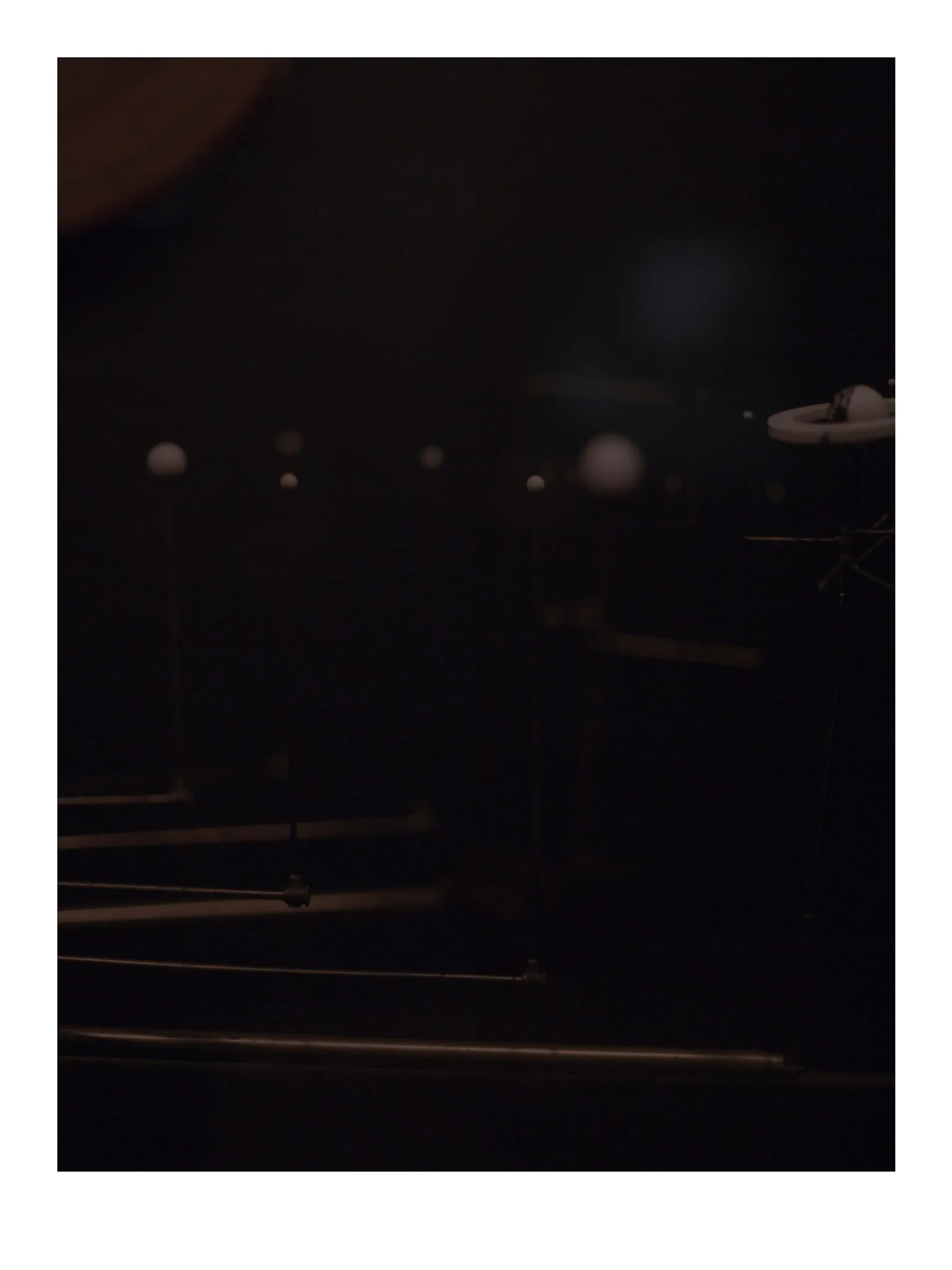 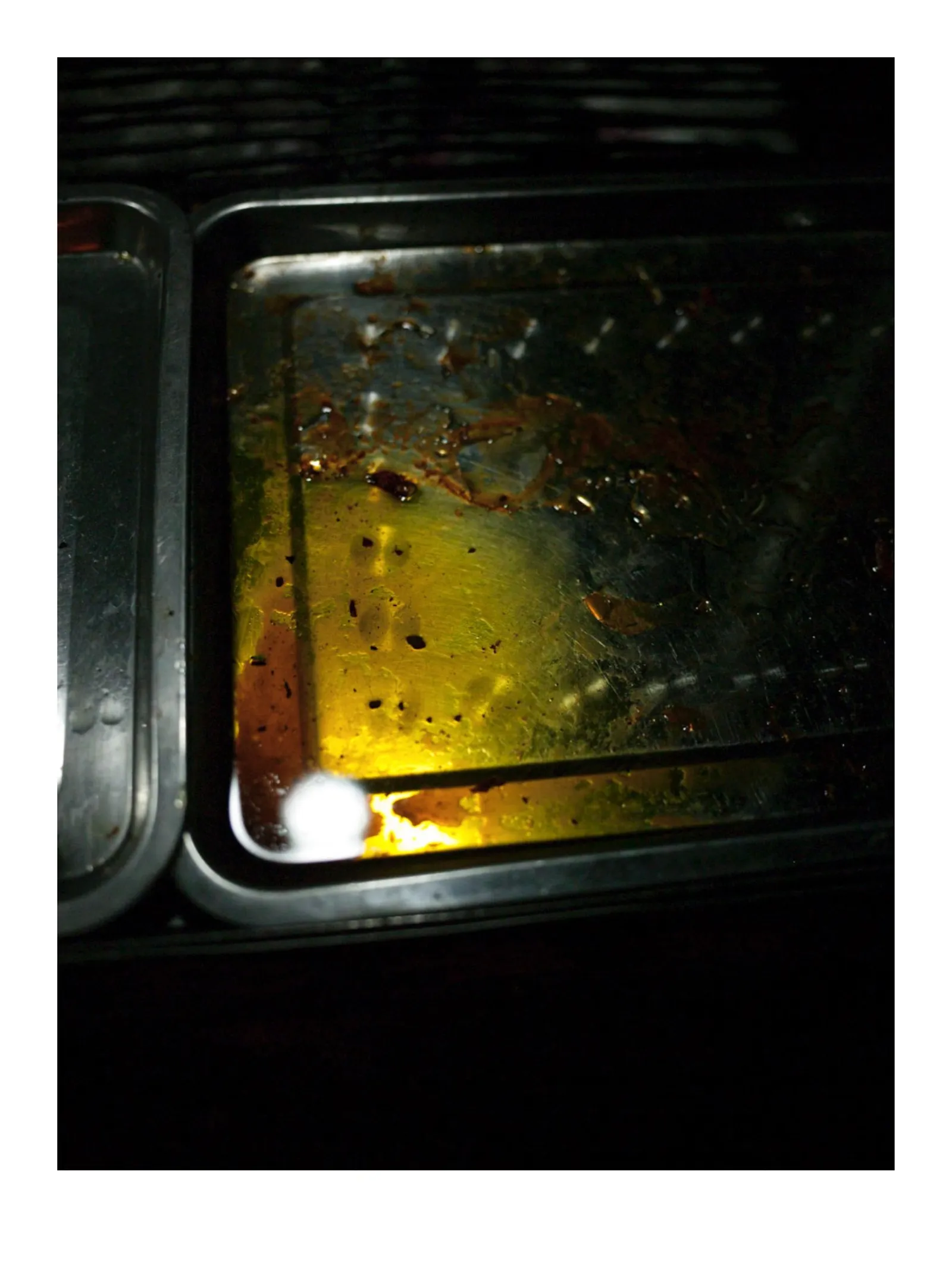 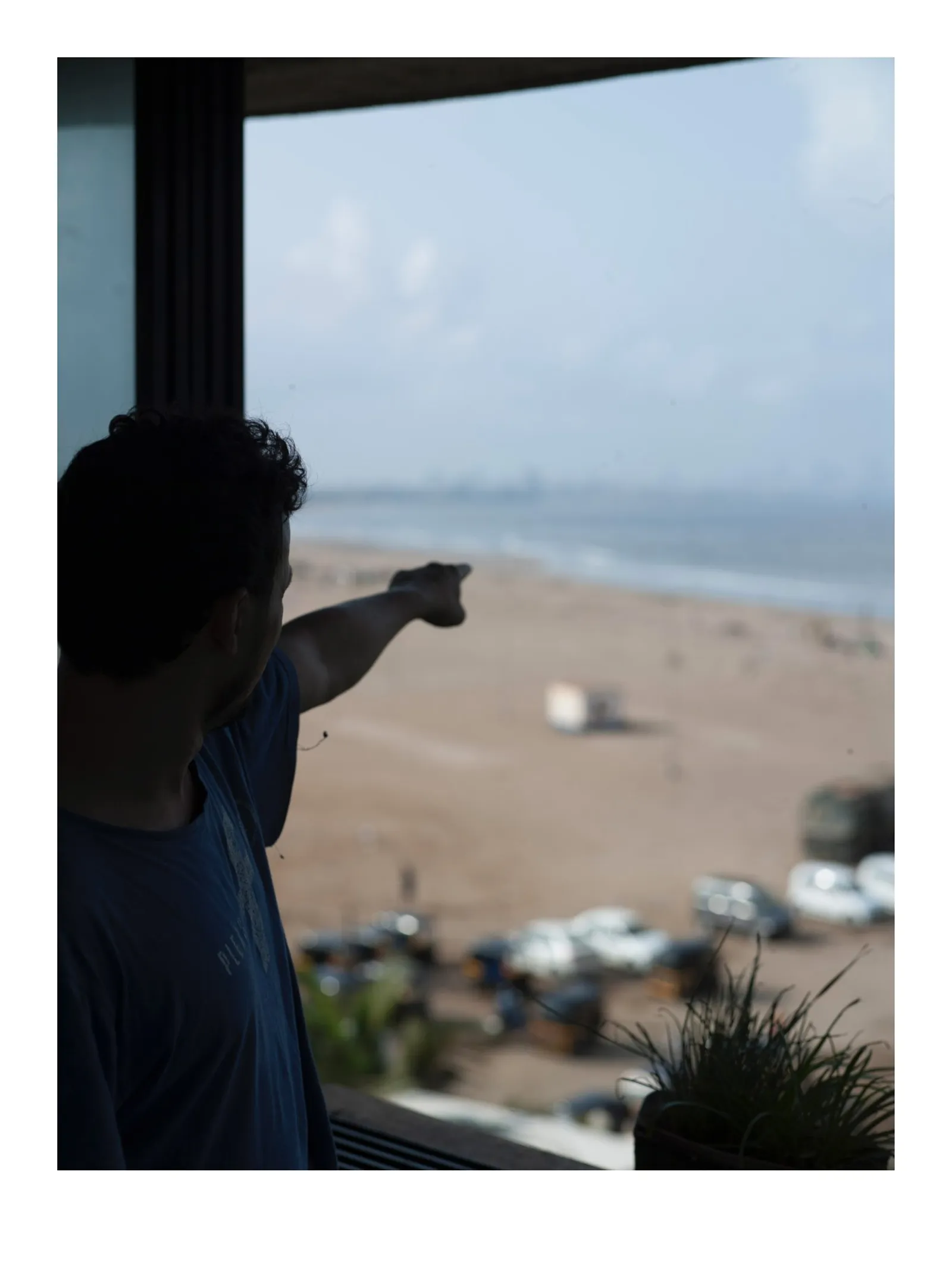 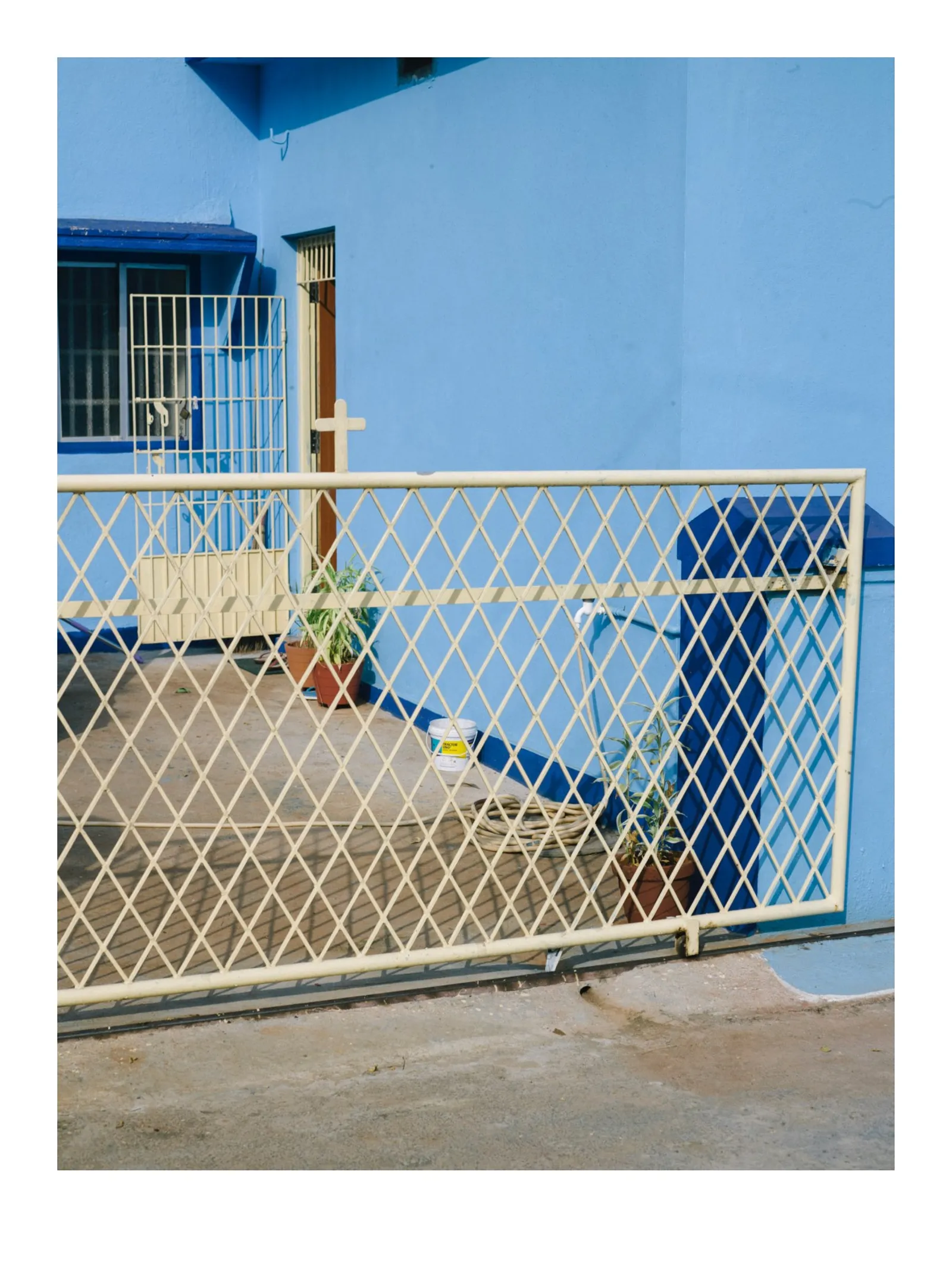 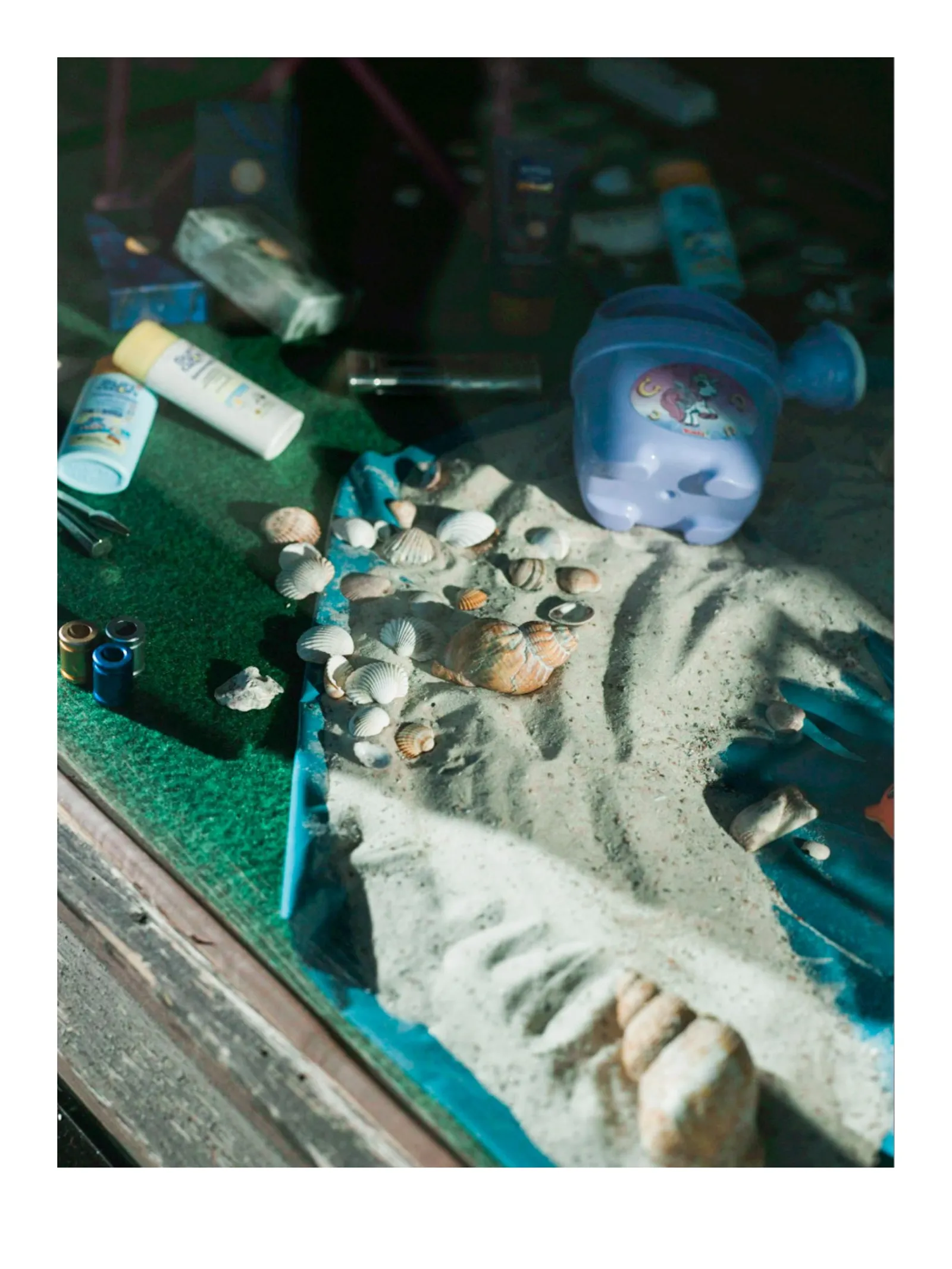 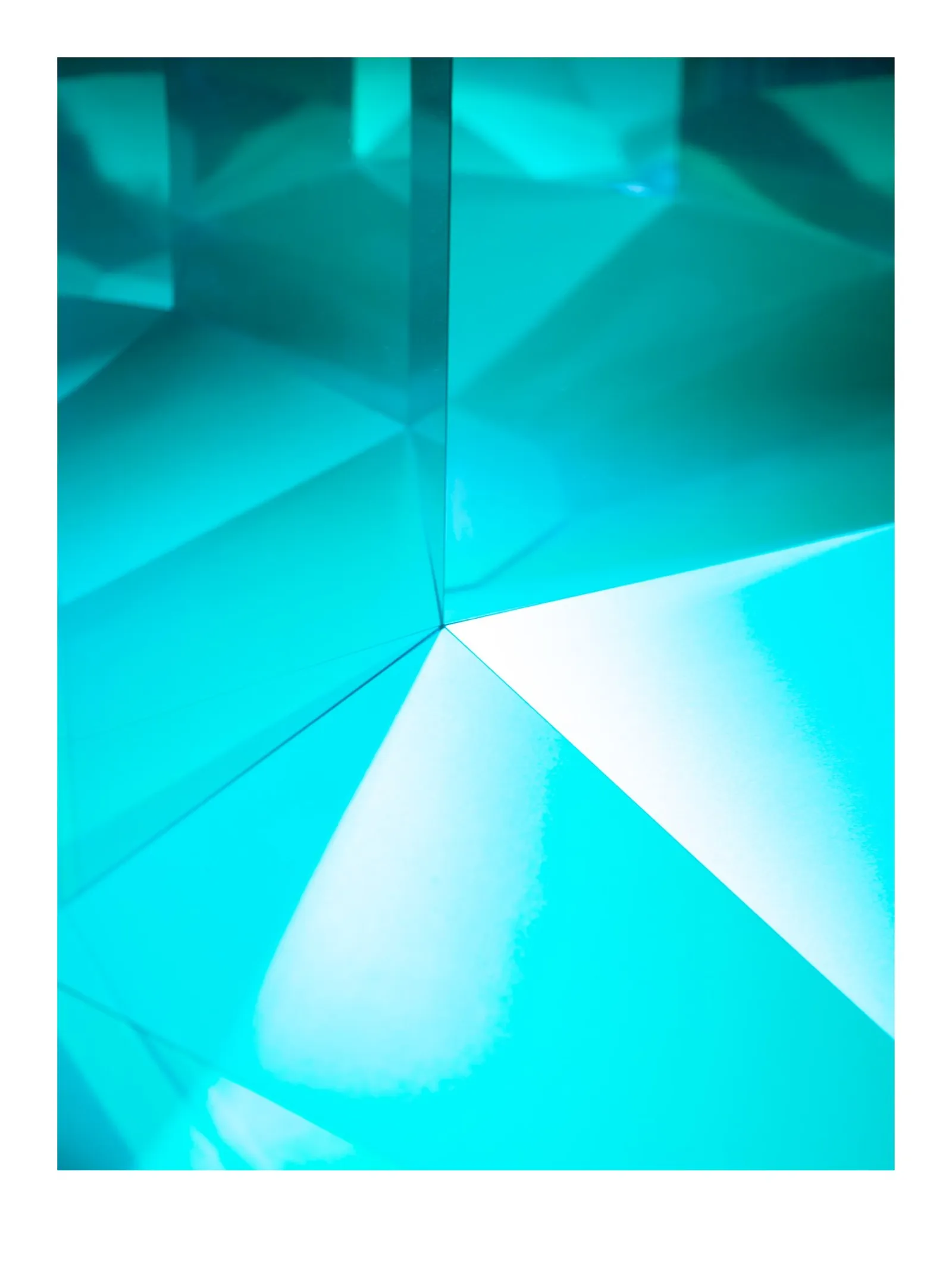 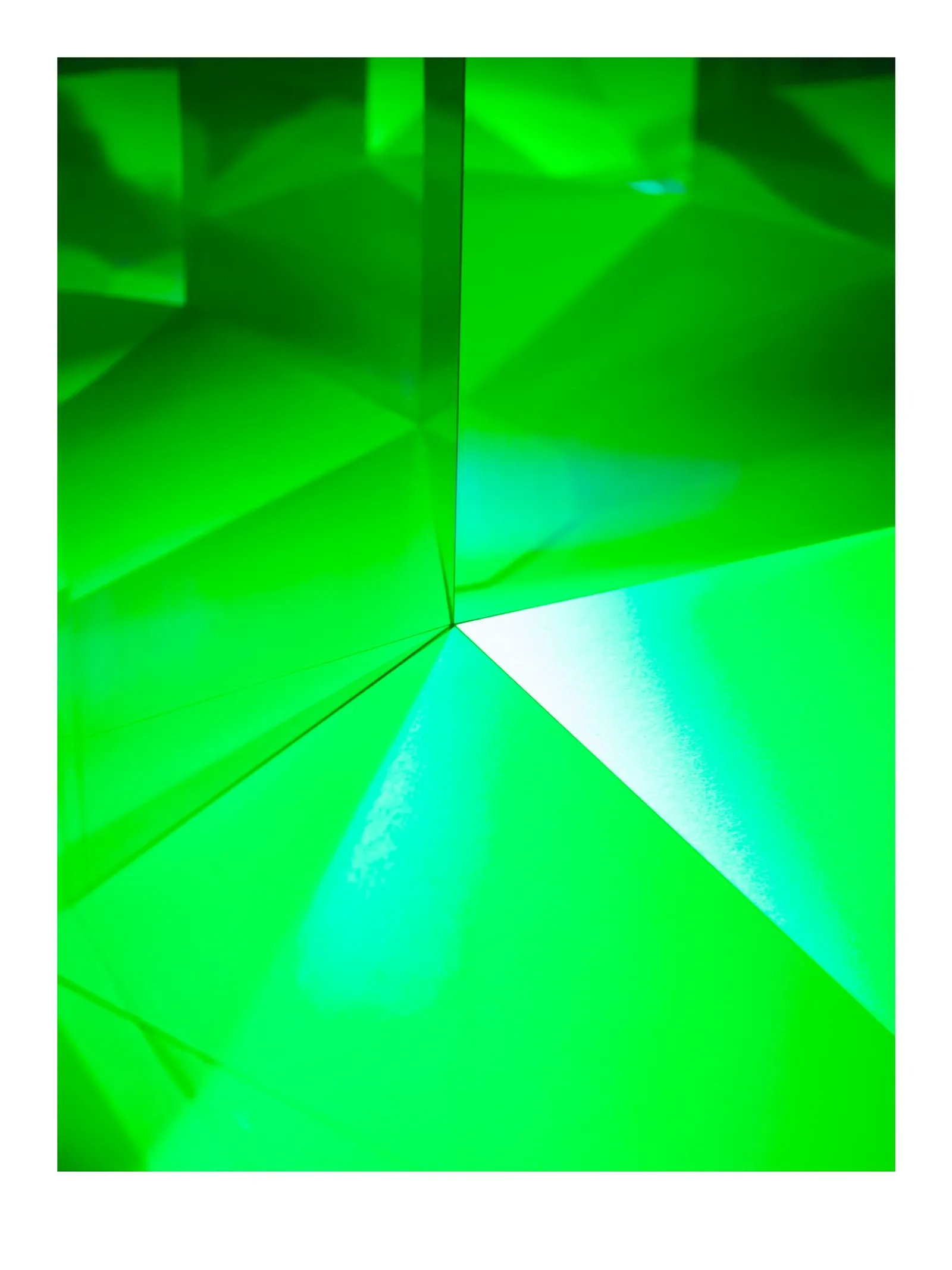 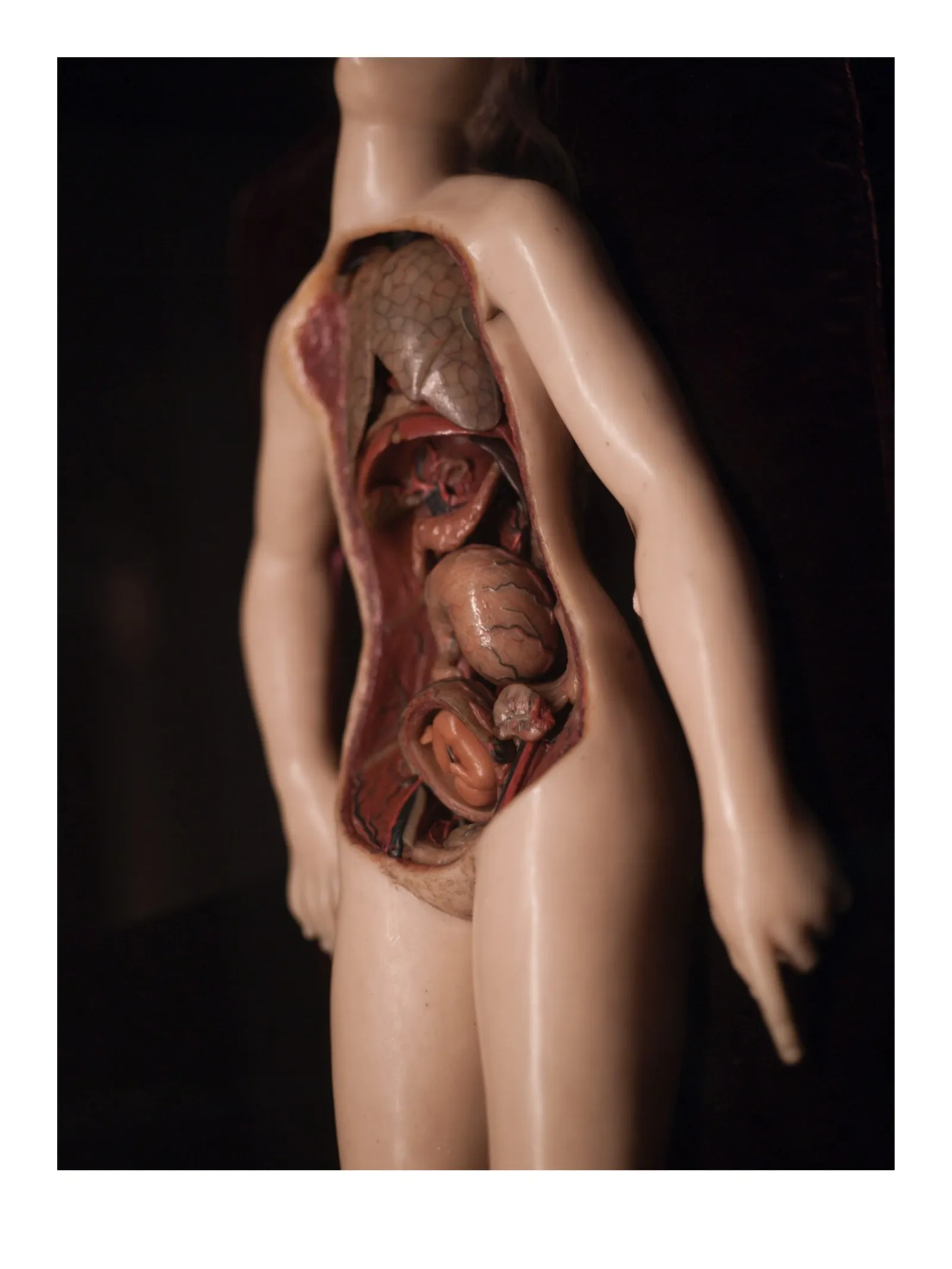 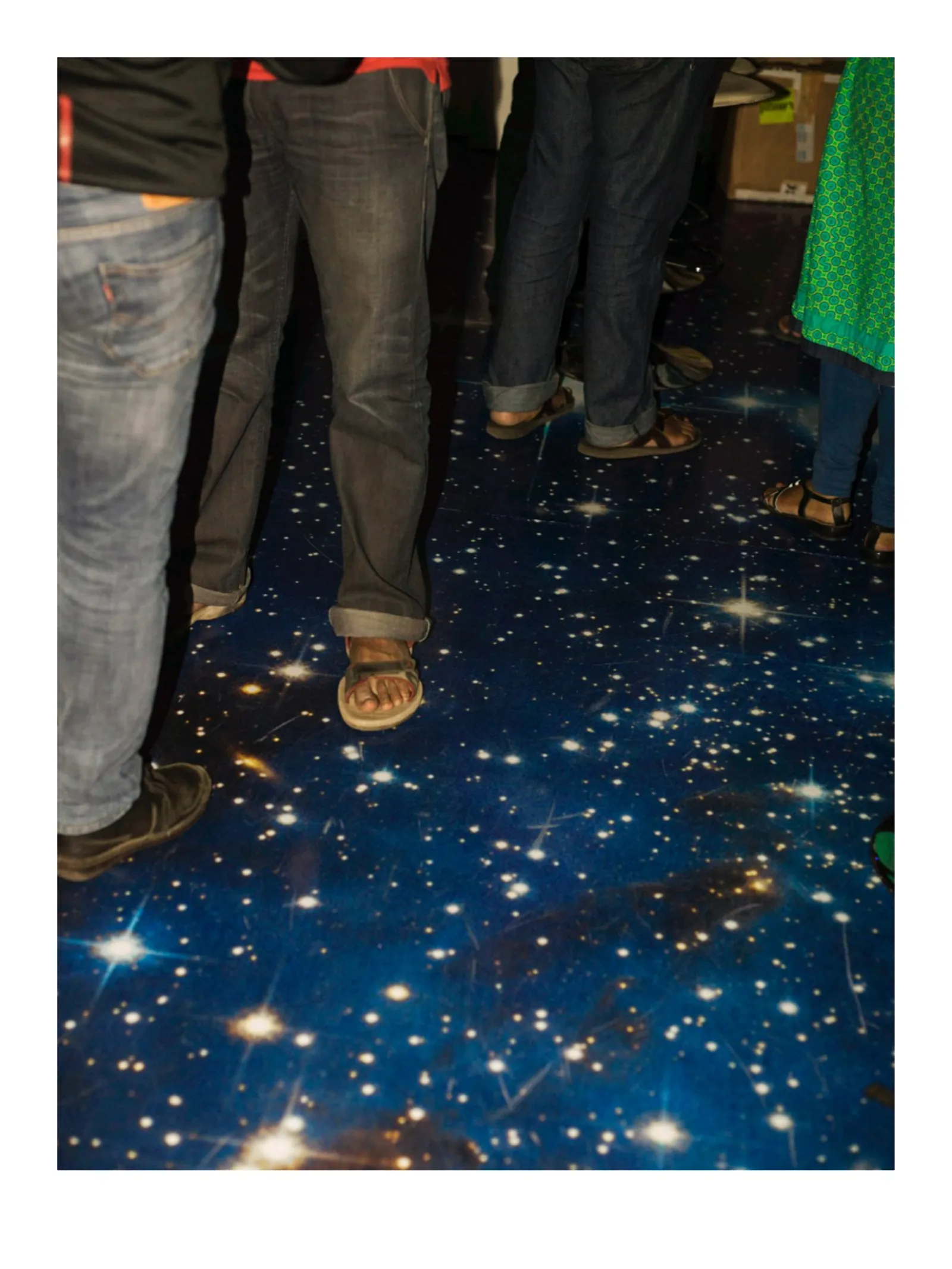 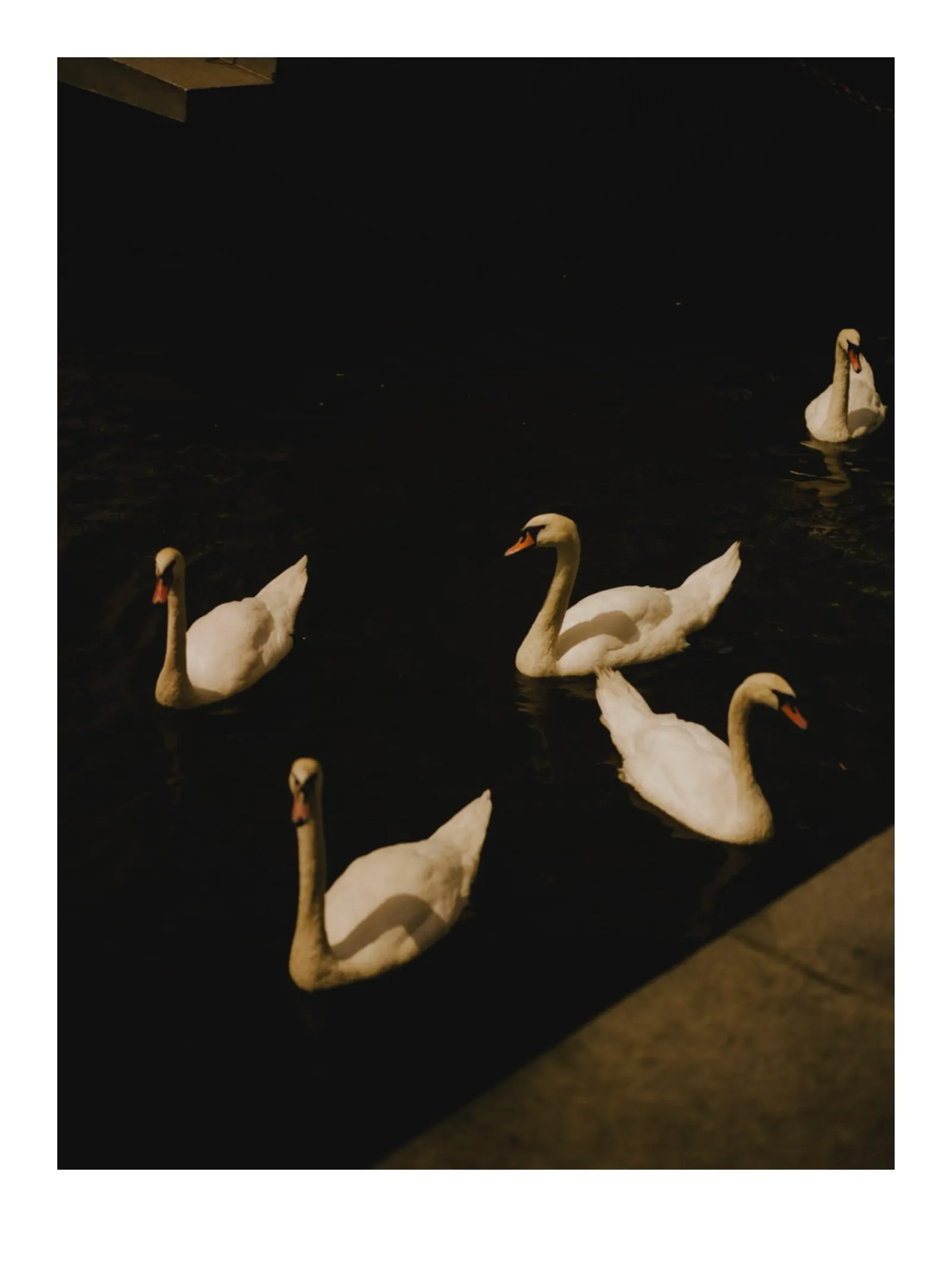 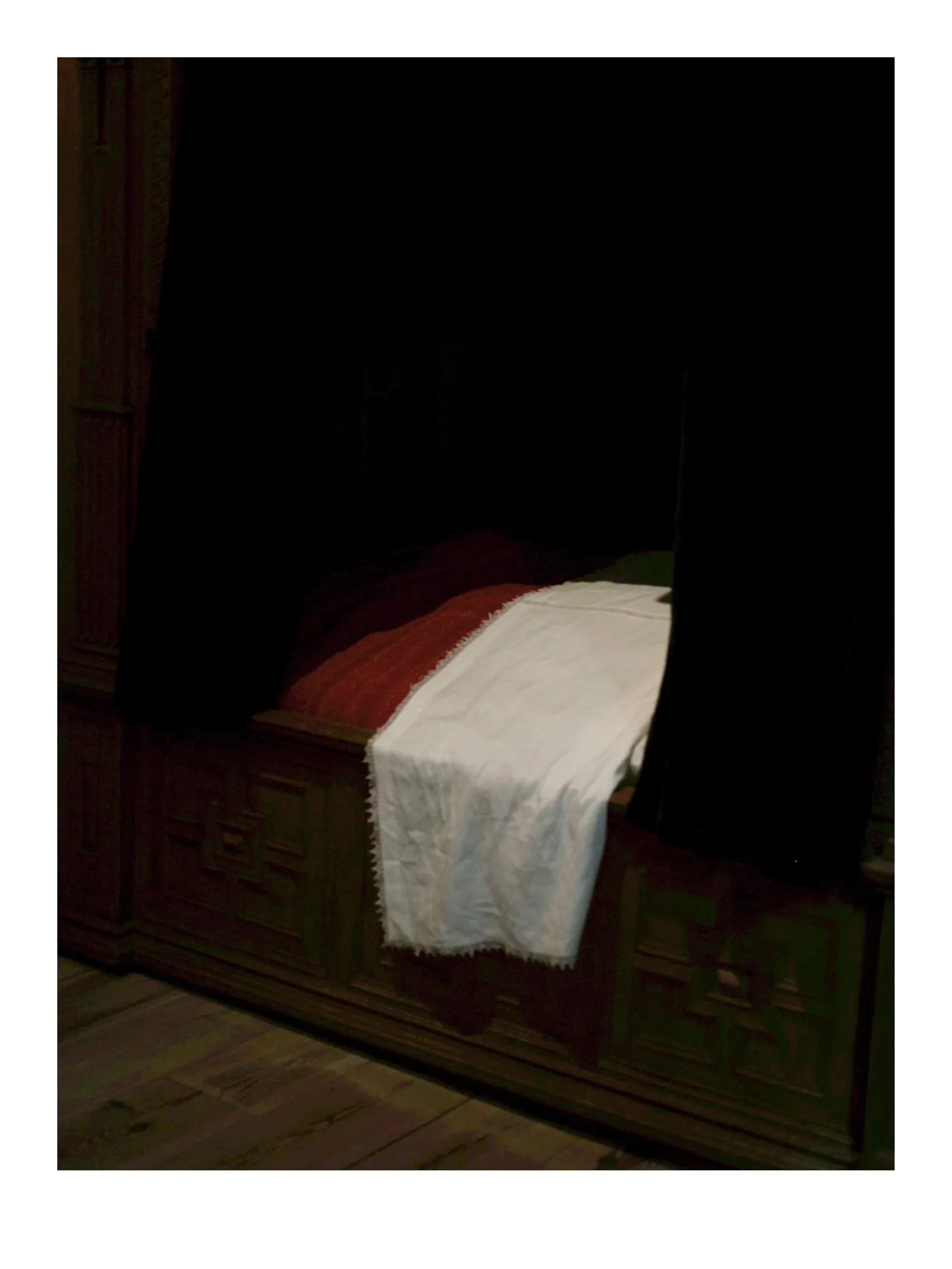   | |||
| 005 | It's Better in Goa | 28 pp · 29.7 × 42 cm | 2017 |
| It’s Better in Goa was made inside an old shop in Panjim, a narrow half-lit place of glass cabinets and wooden rails, and the photographer’s own quiet source for t-shirts. The pictures move through it slowly. The Goa sold to tourists hangs here second-hand and softened, its brightness gone tender under years of afternoon sun. Shot almost entirely in that warm backlight, the book is a portrait of a room that has quietly outlasted its own fashion, and of the odd affection we keep for things made to be thrown away. Out of print 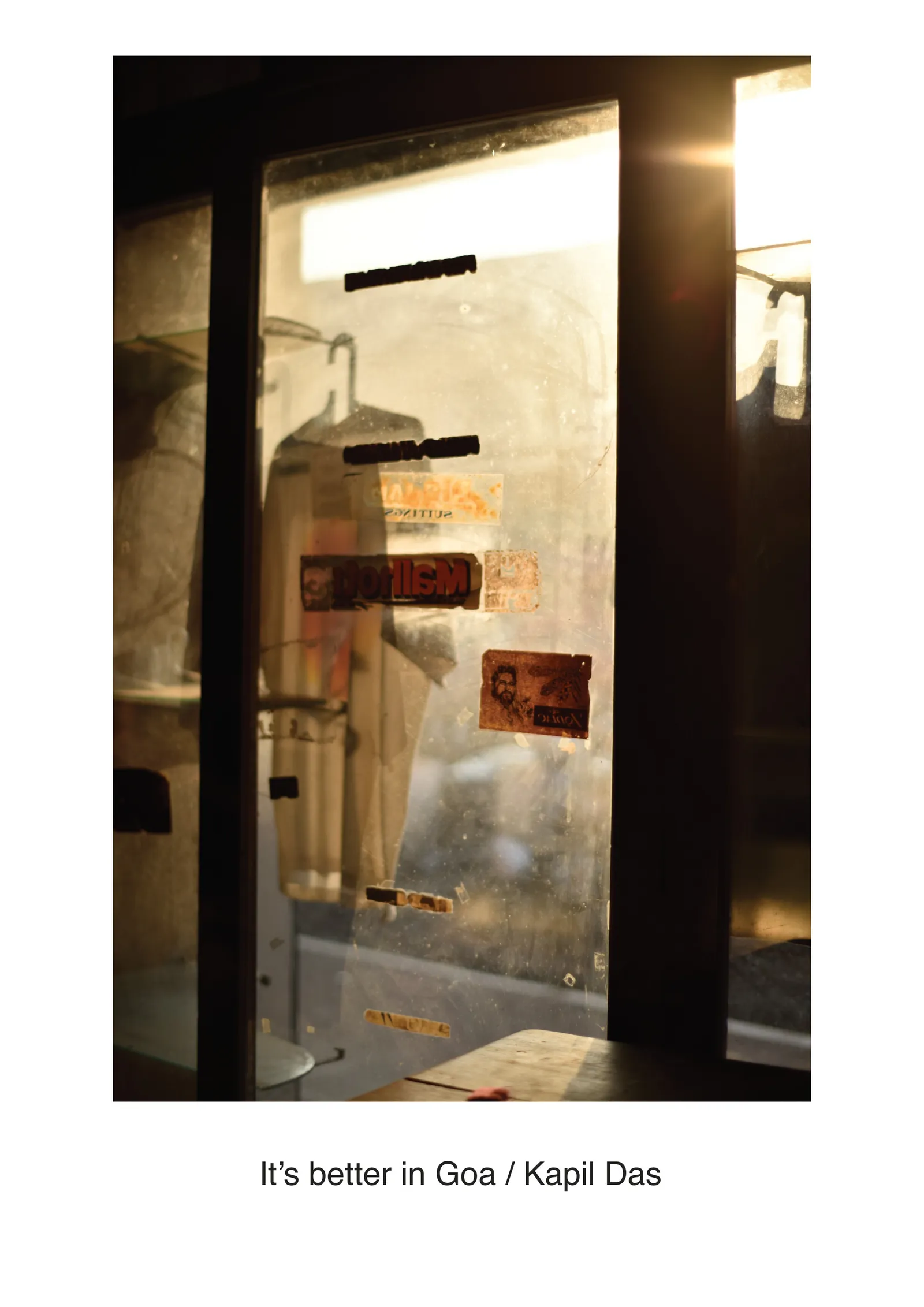  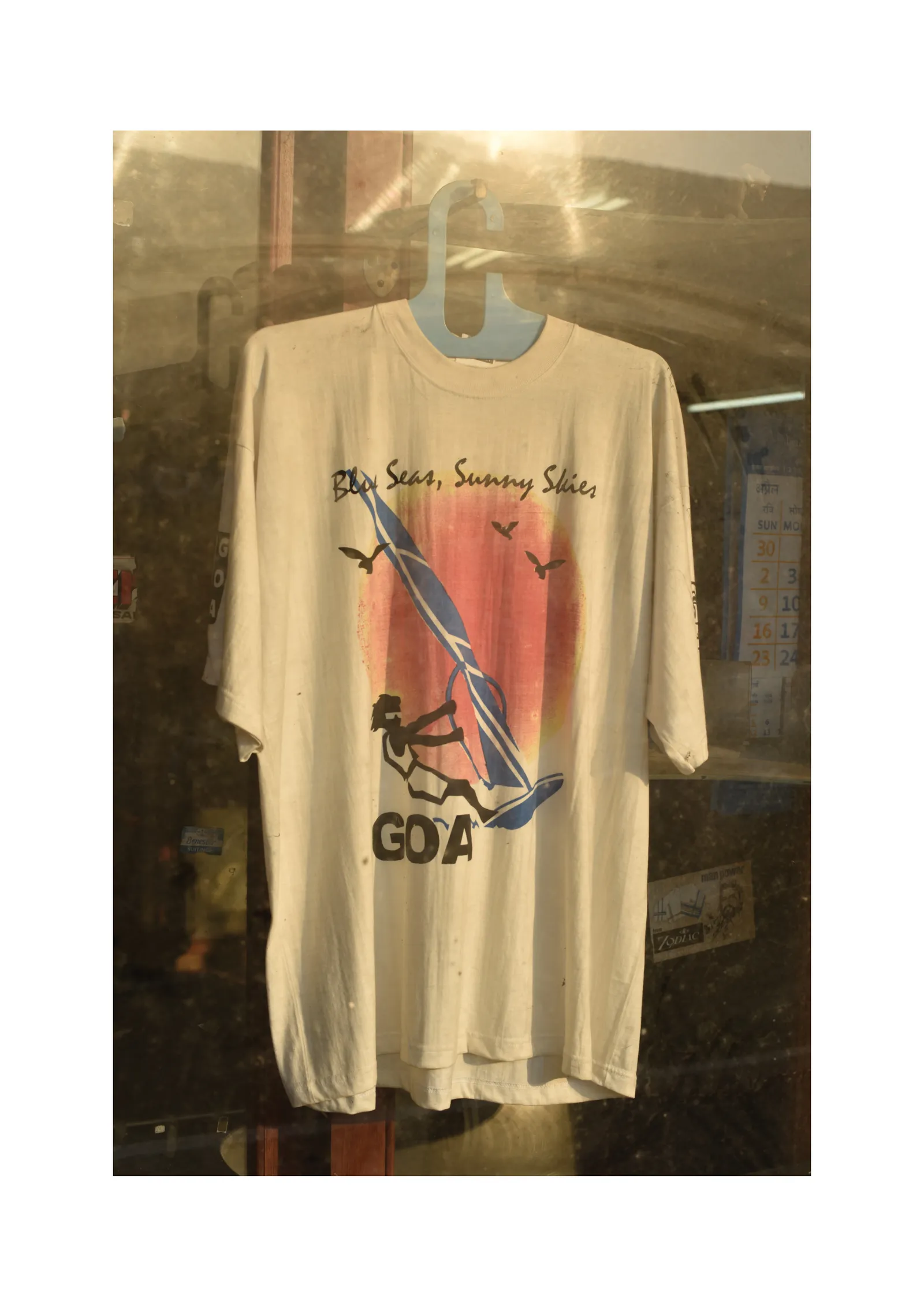 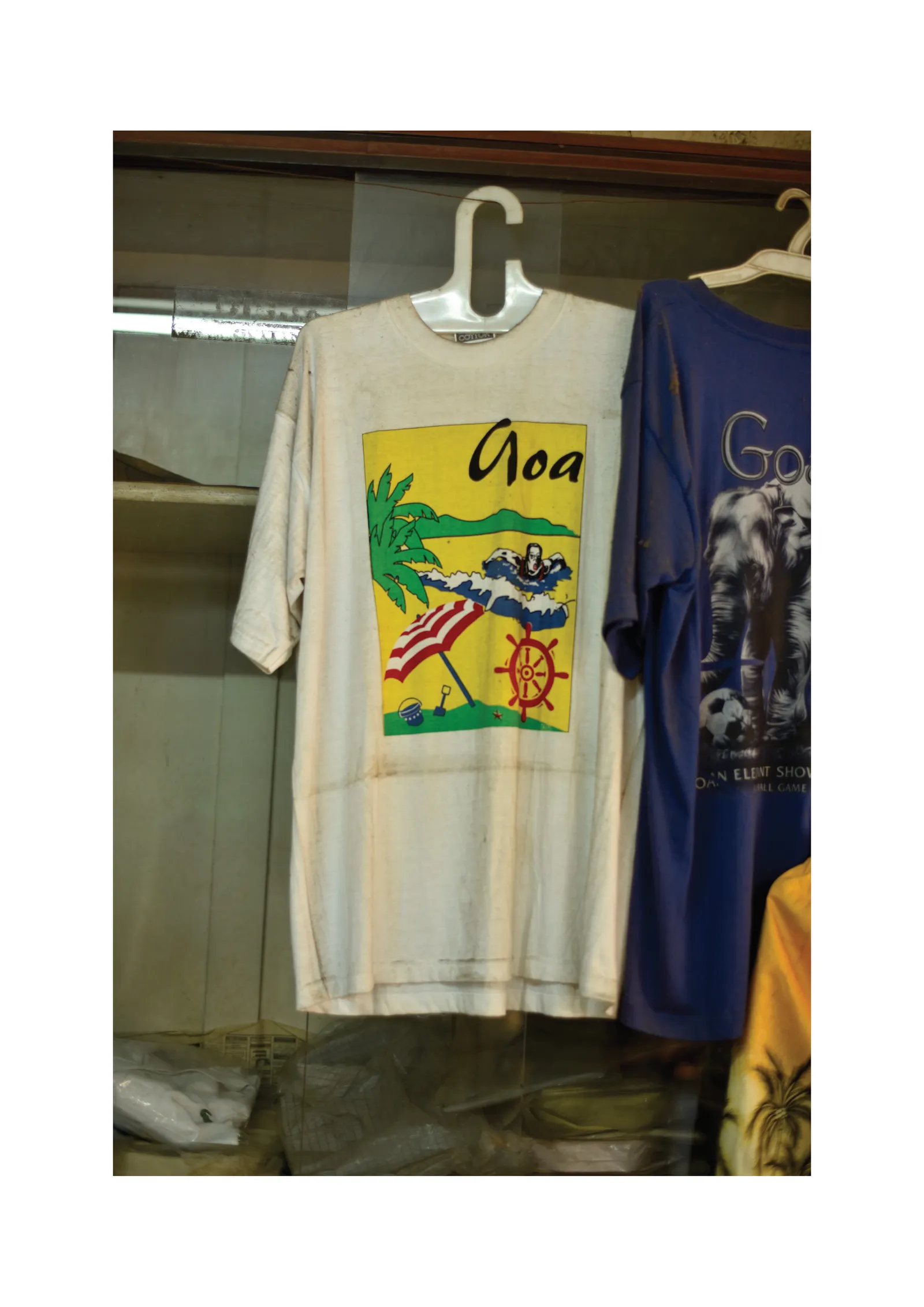 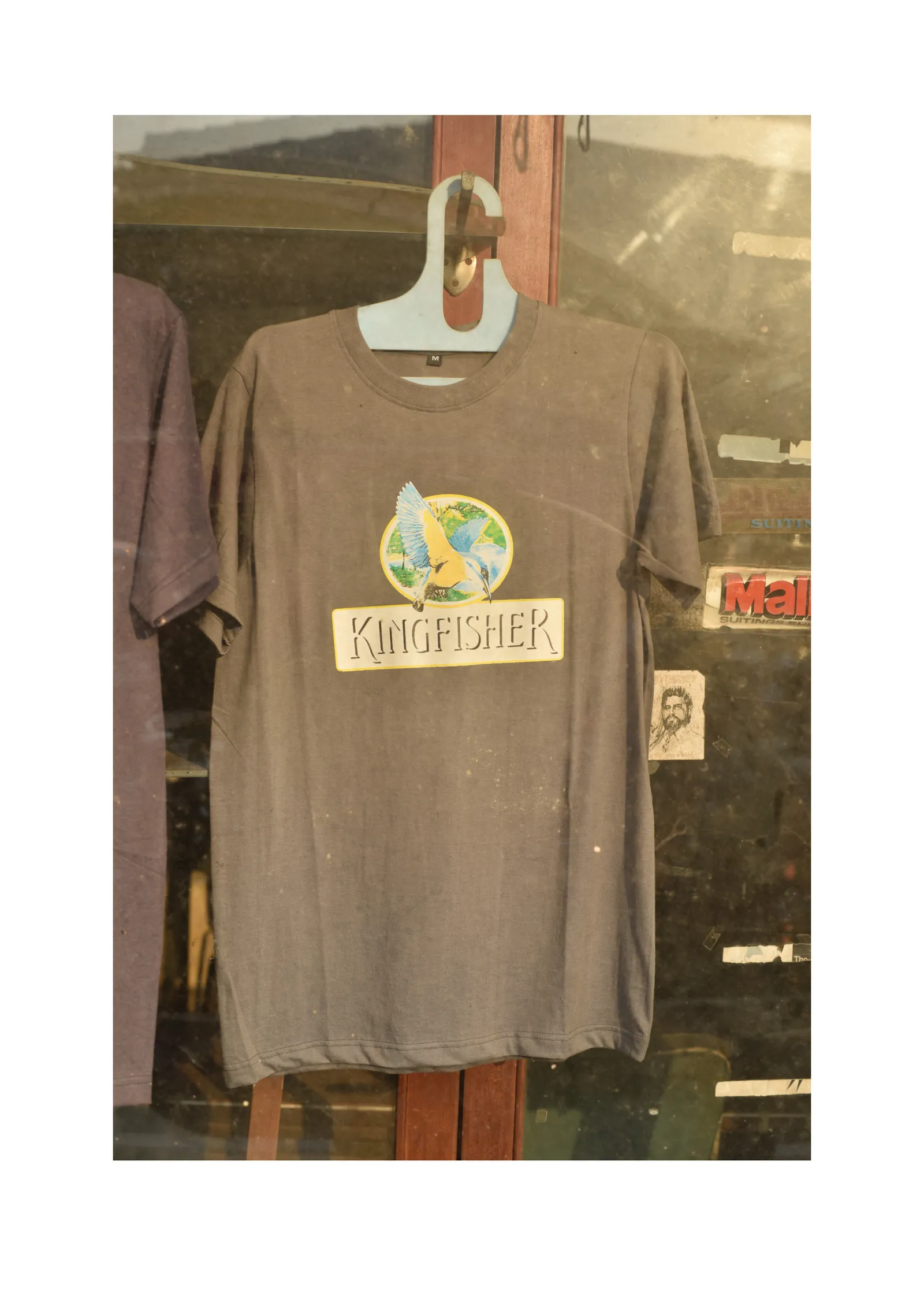 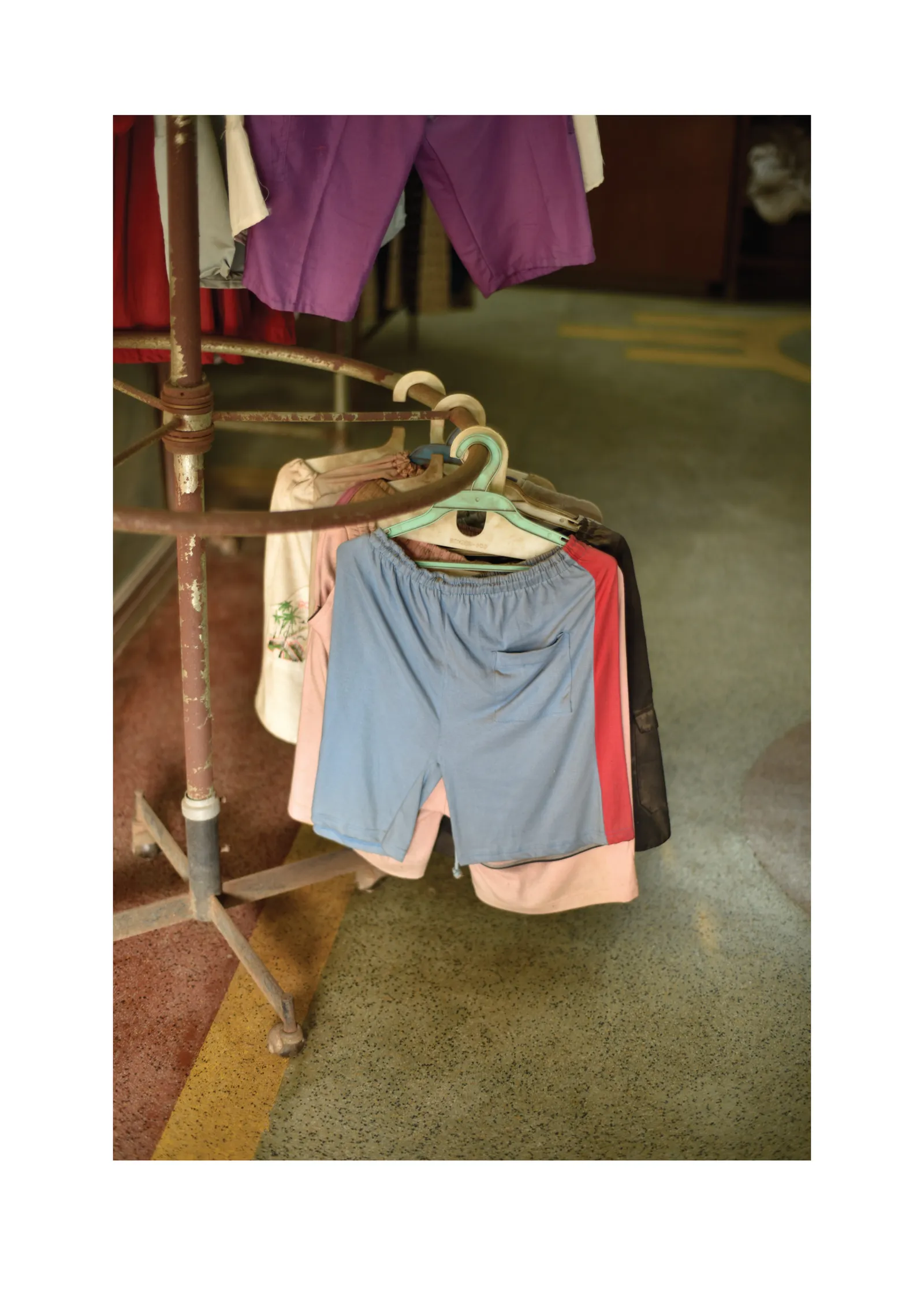 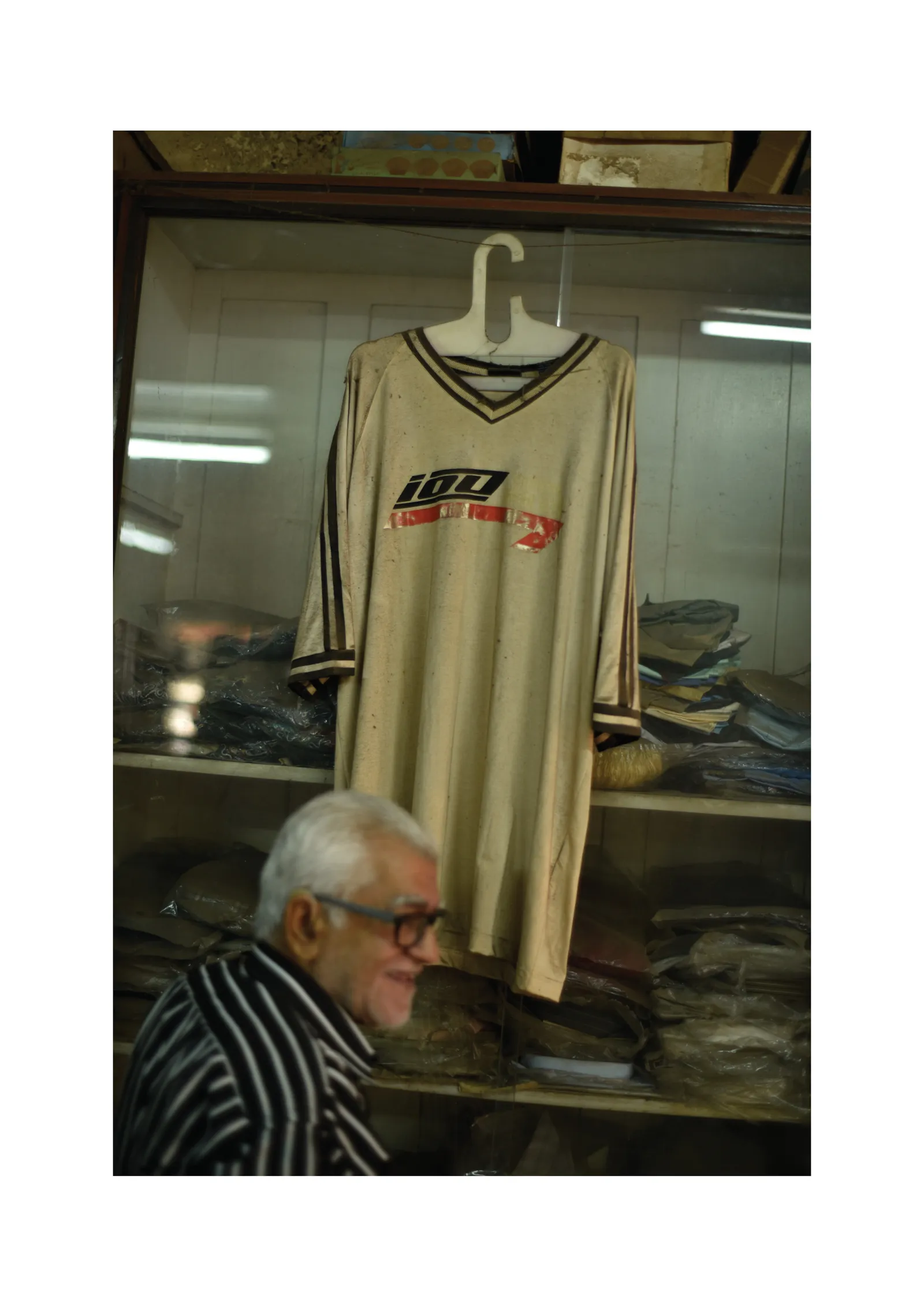 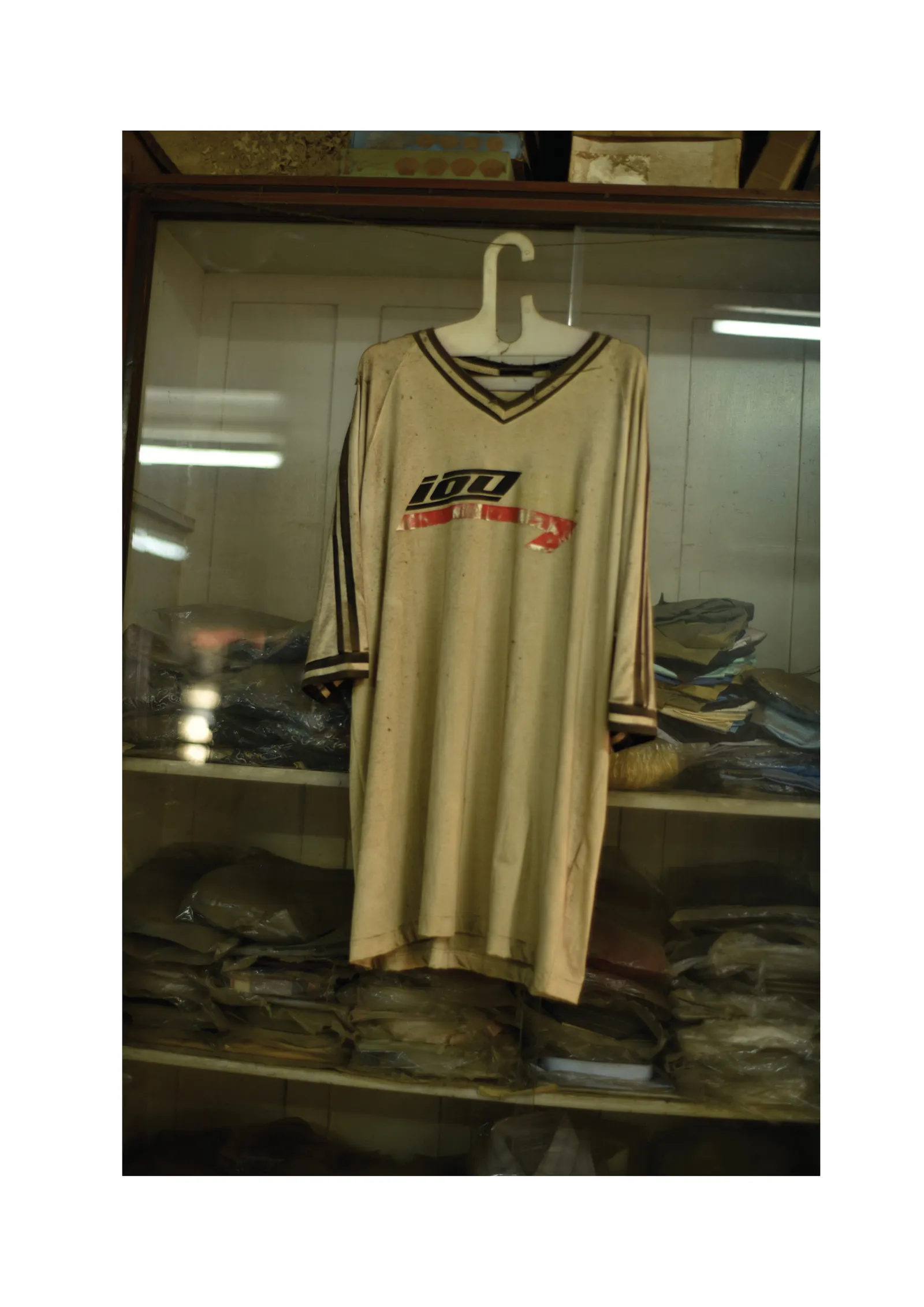 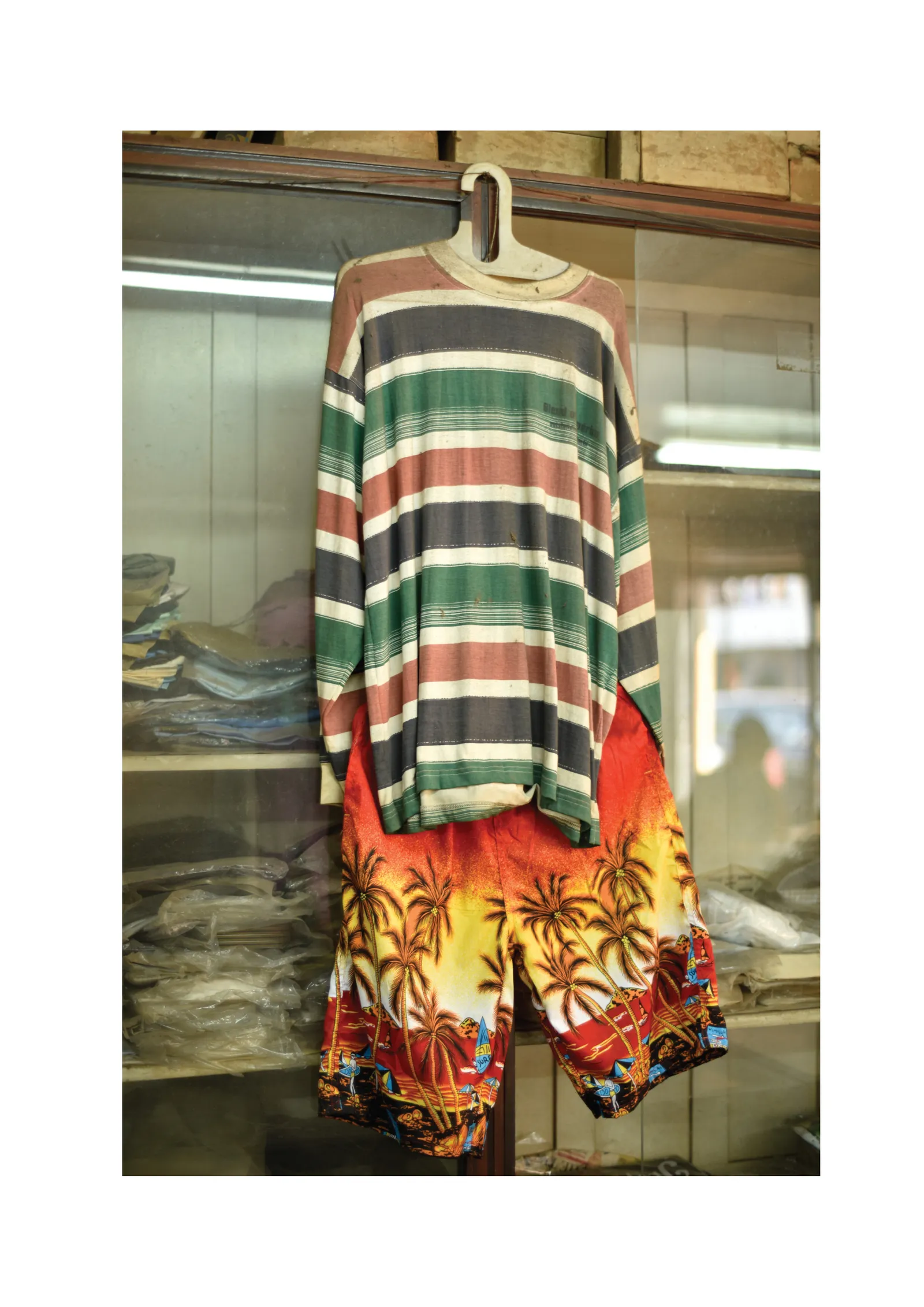 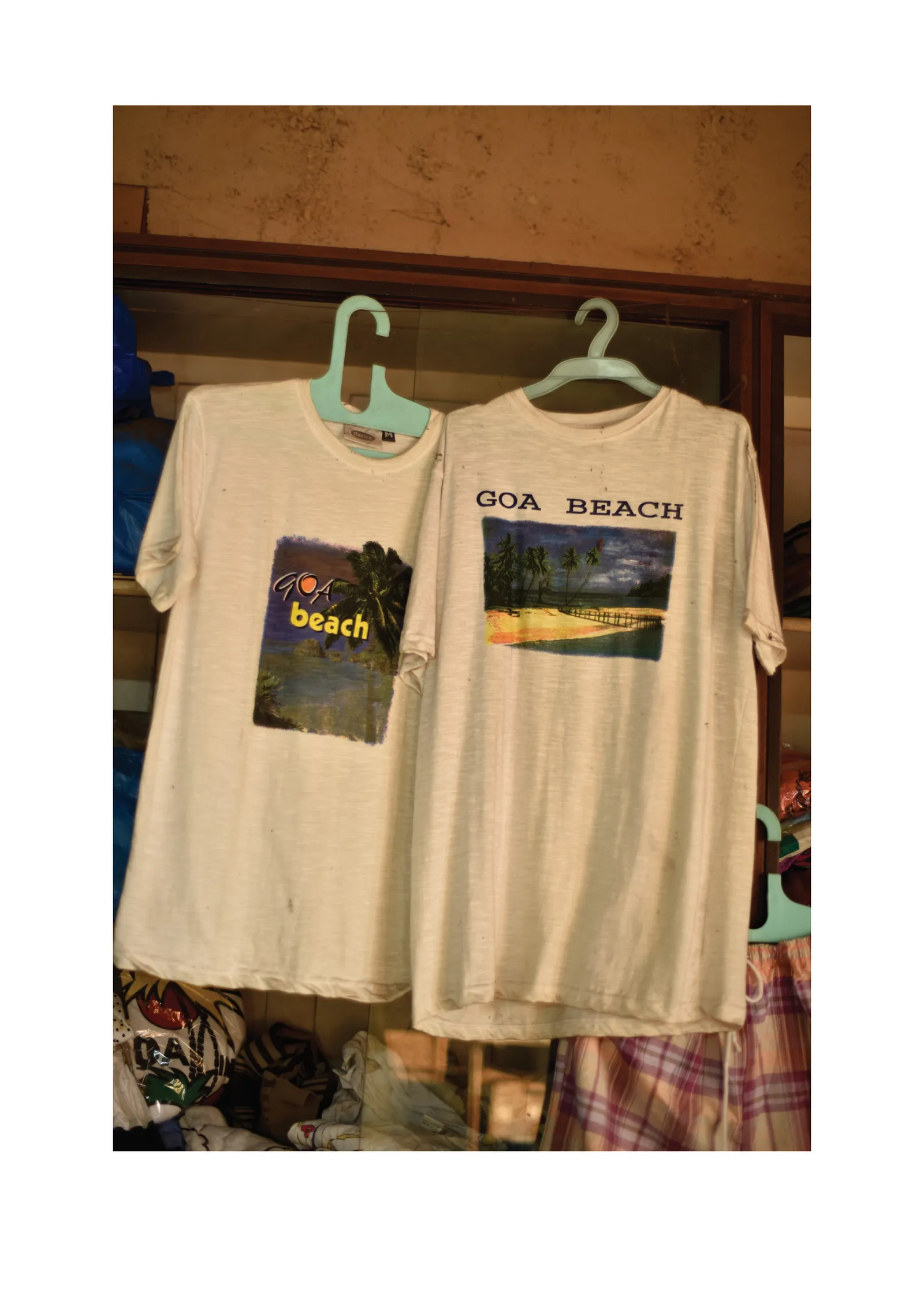 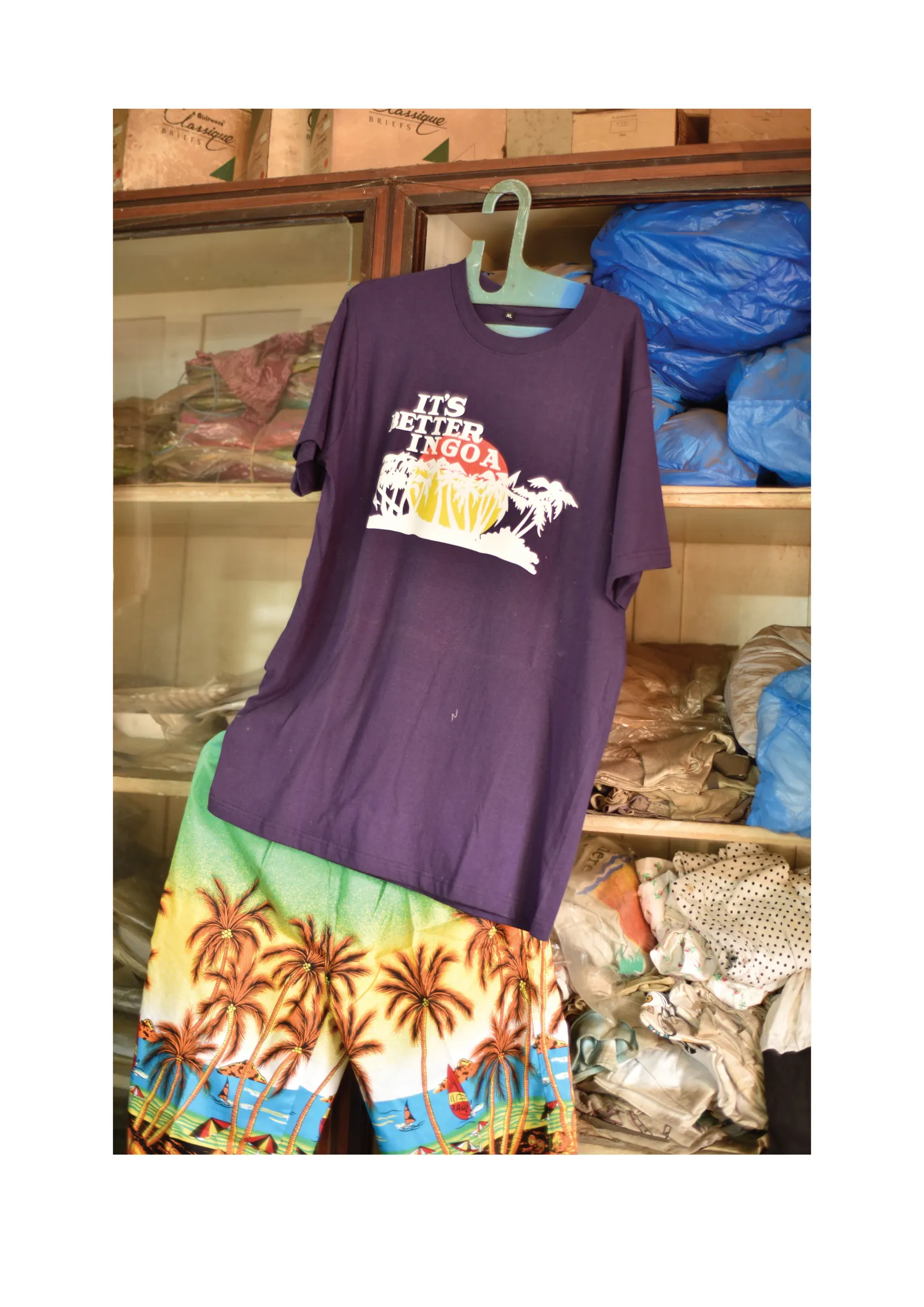 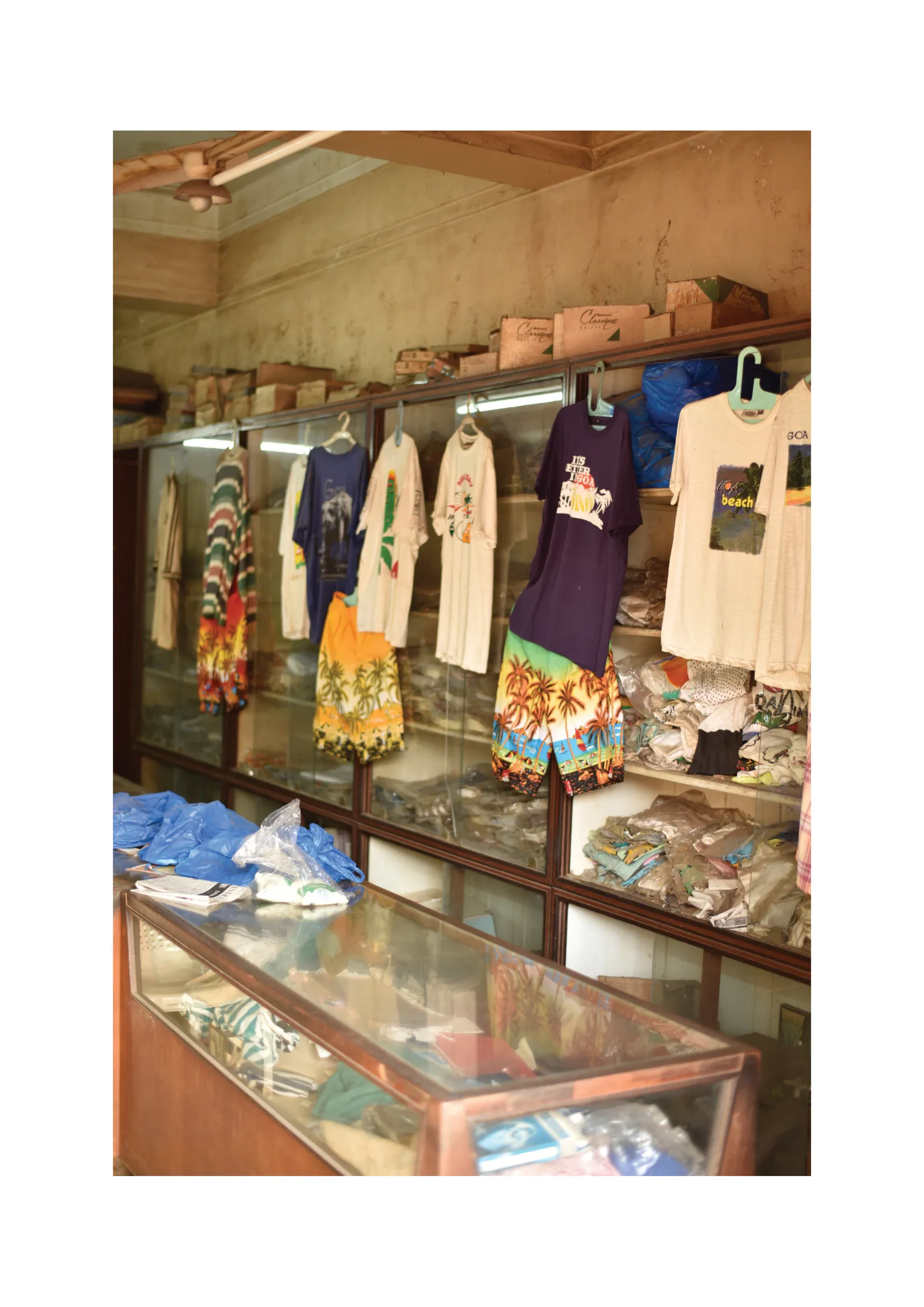 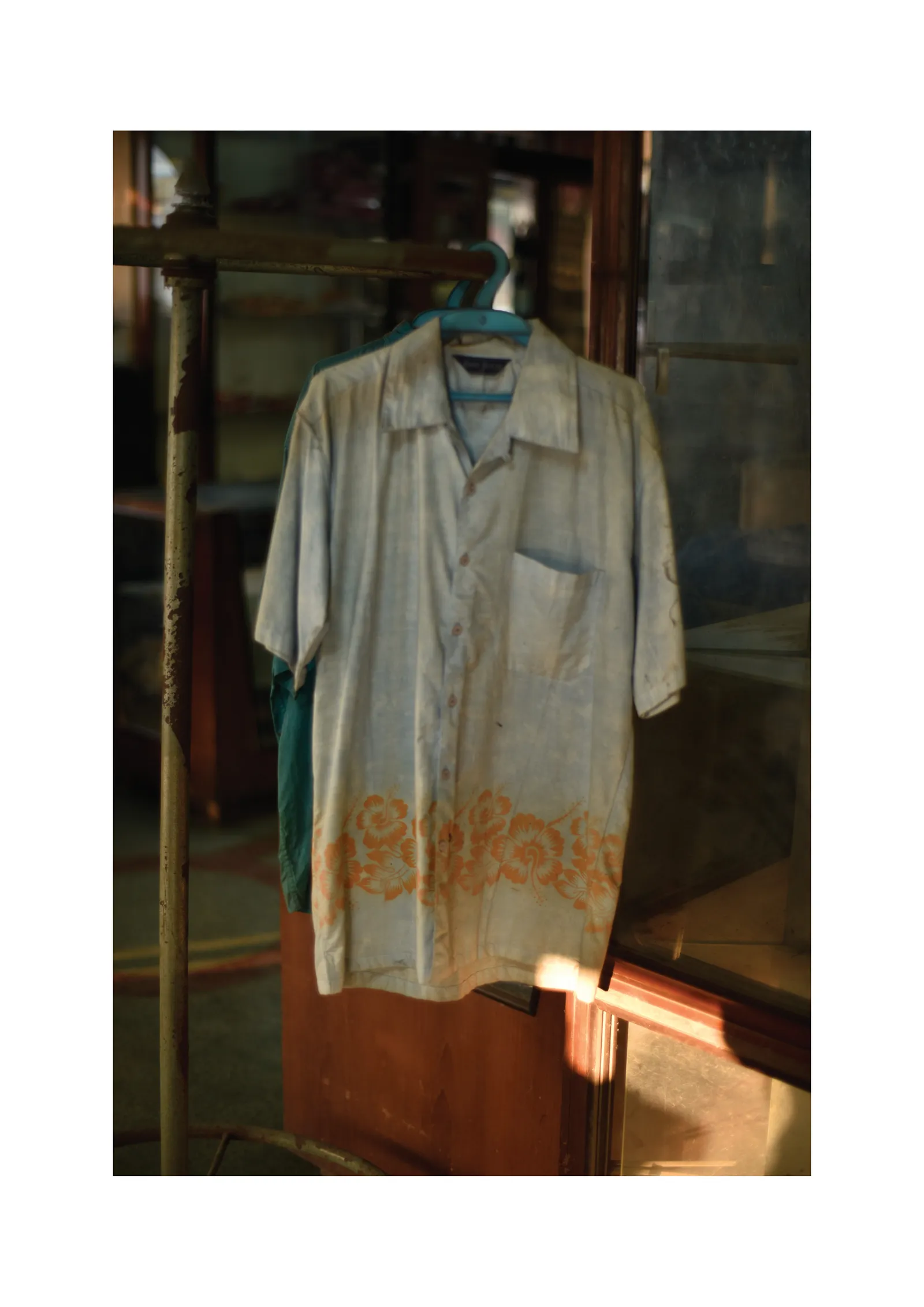 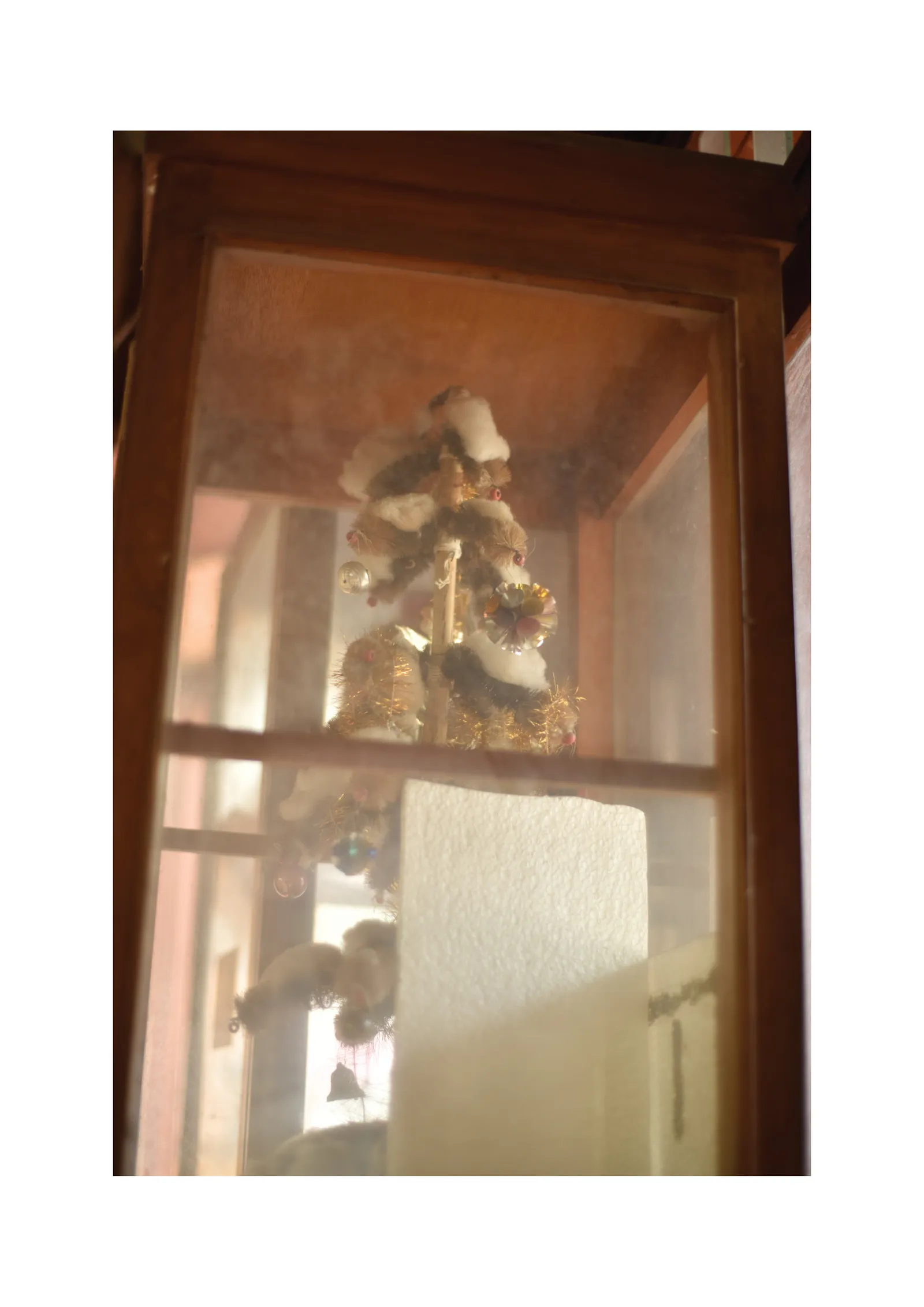 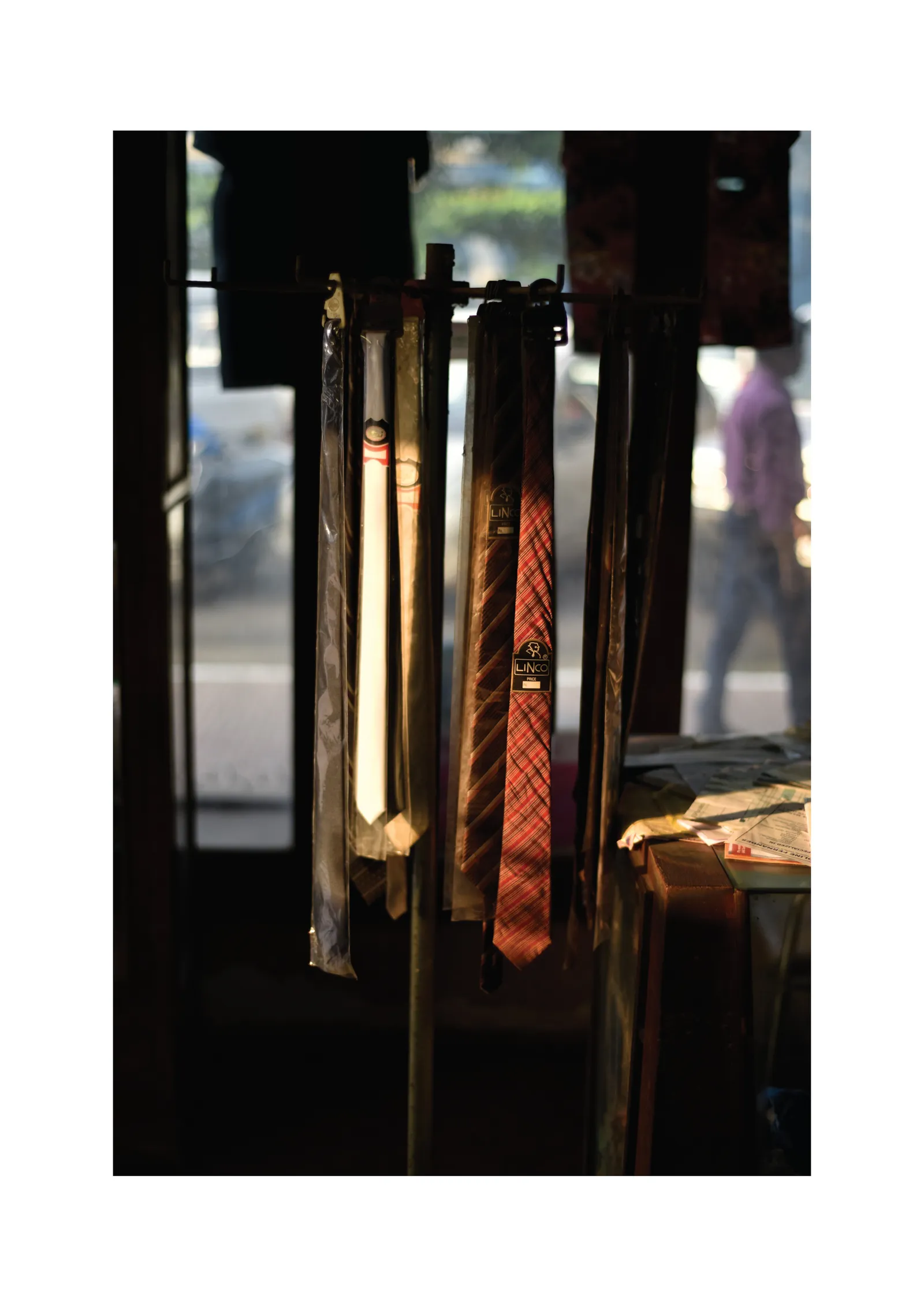 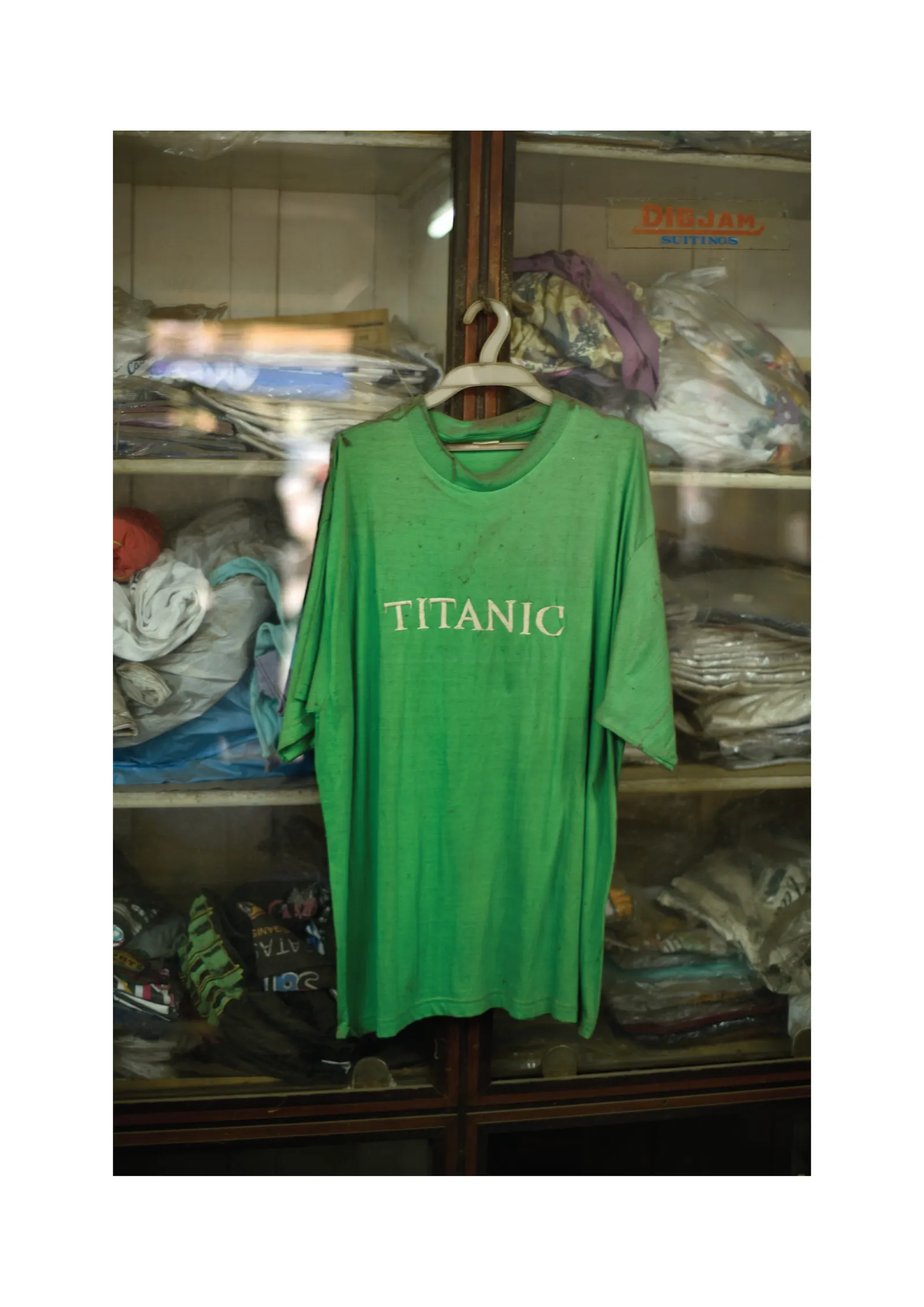 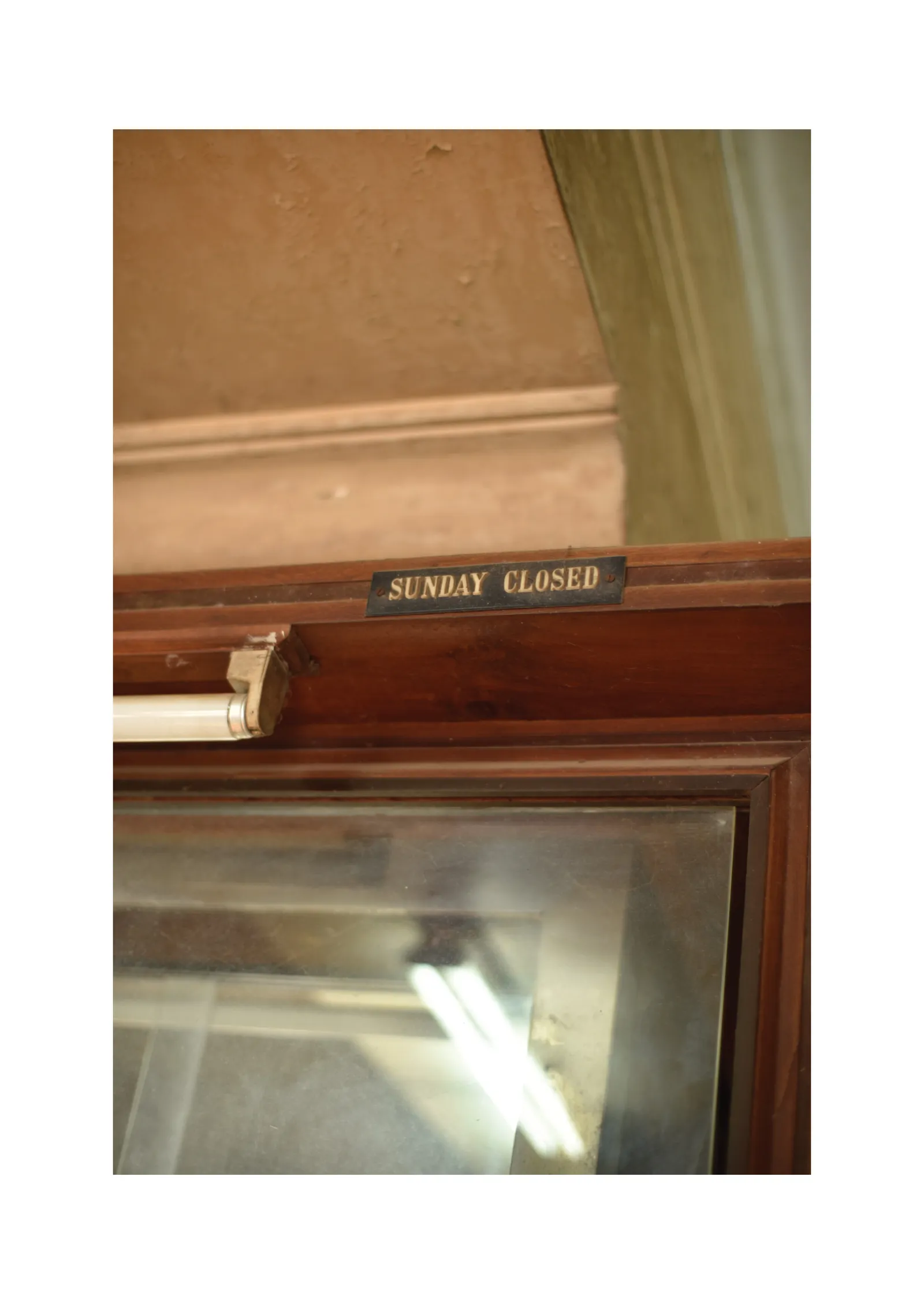 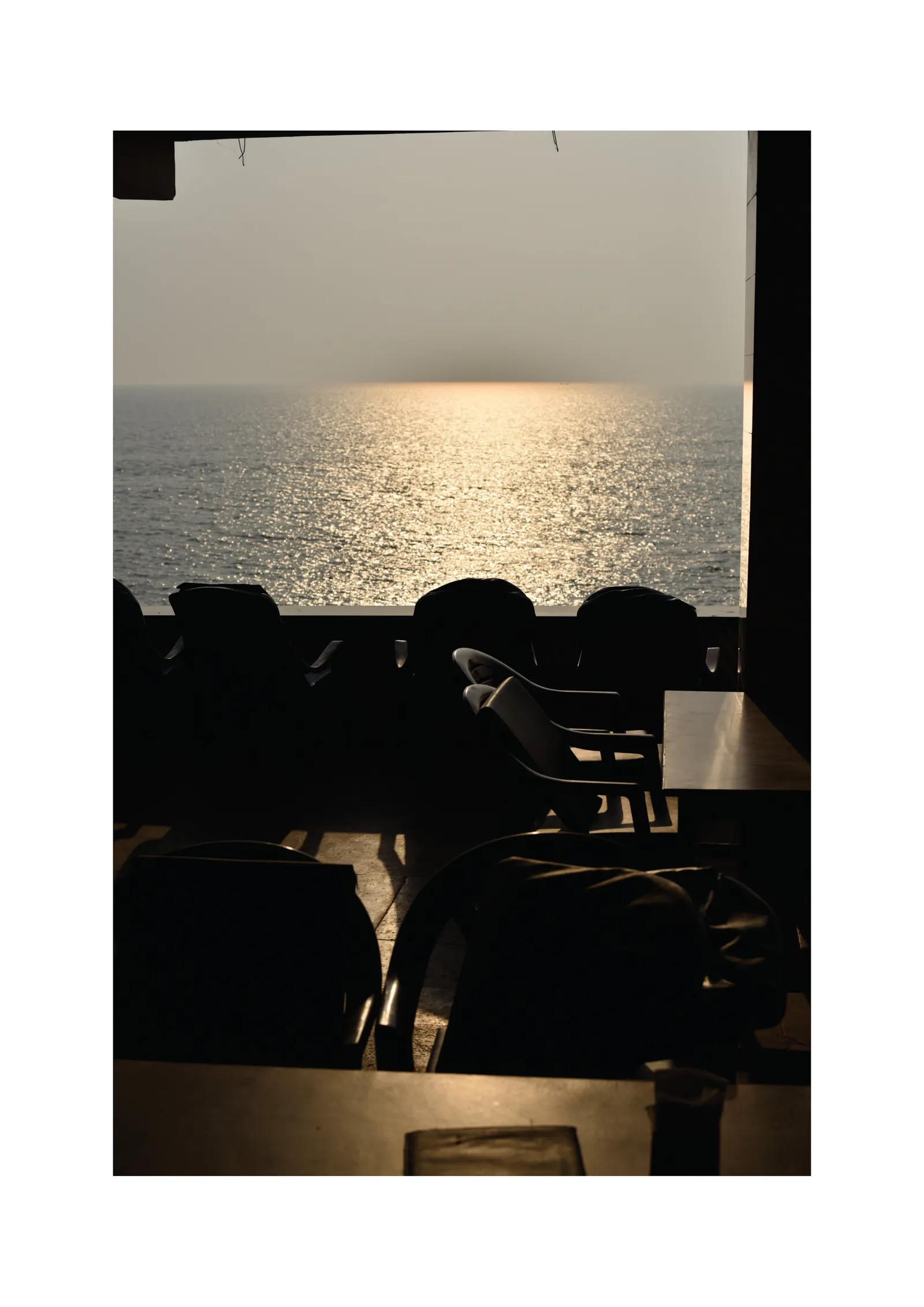 | |||
| 004 | Coloured People | 64 pp · 14 × 18 cm | 2017 |
| Coloured People is an homage to the most homaged photobook of all, Ed Ruscha’s Colored People (1972): same 14 × 18 cm, same 64 pages, same deadpan specimens floating on white. Ruscha’s coloured people were cacti. These are Indians, filed under ‘coloured’ long before any camera arrived, photographed smeared in actual pigment, so that the old label is finally, cheerfully accurate. Everyone here is coloured twice, once by the census and once by the smear. And the title picks up a ‘u’ on its way east: the British spelling India was left holding, quietly correcting Ruscha’s American in the empire’s own hand. Not for sale    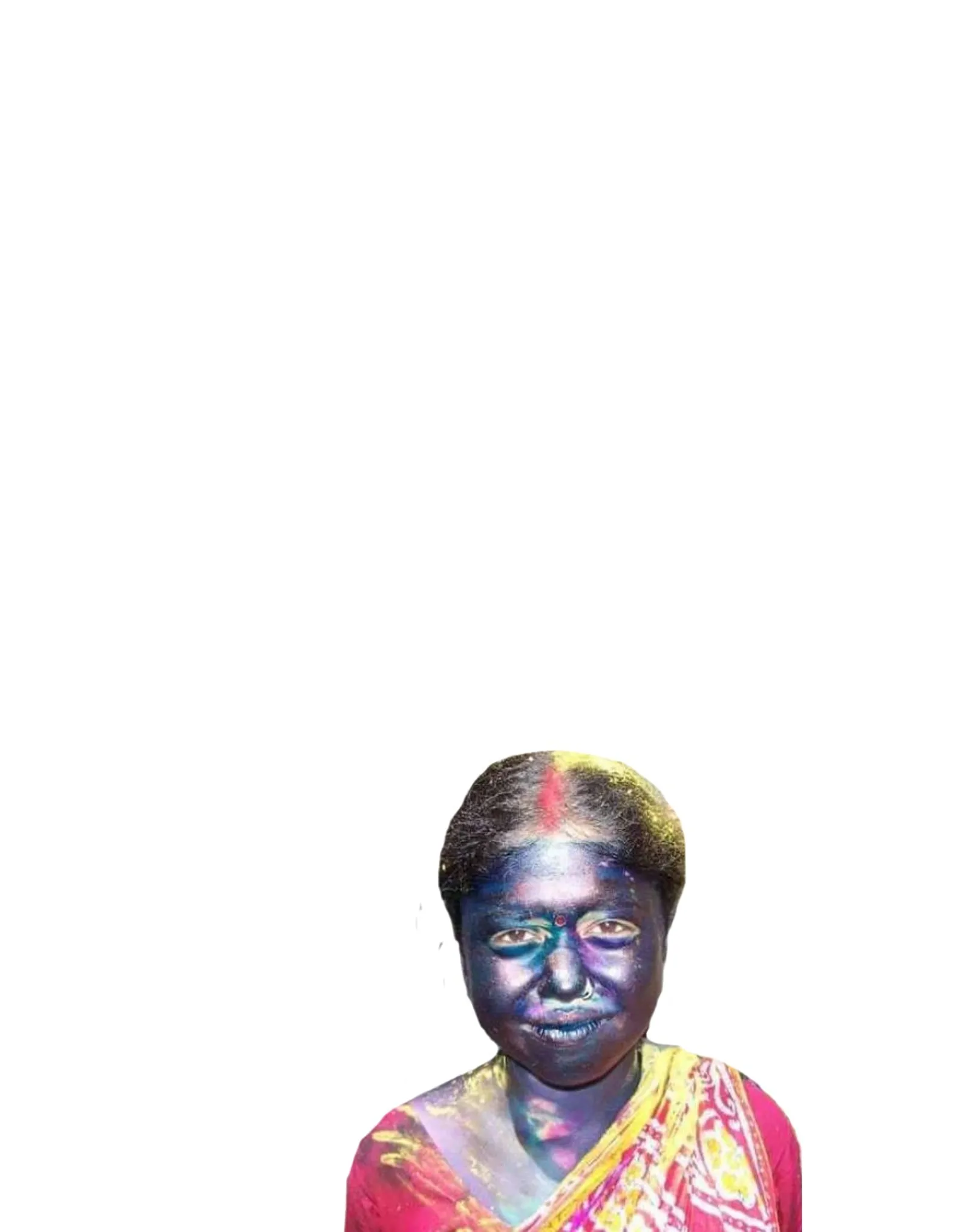 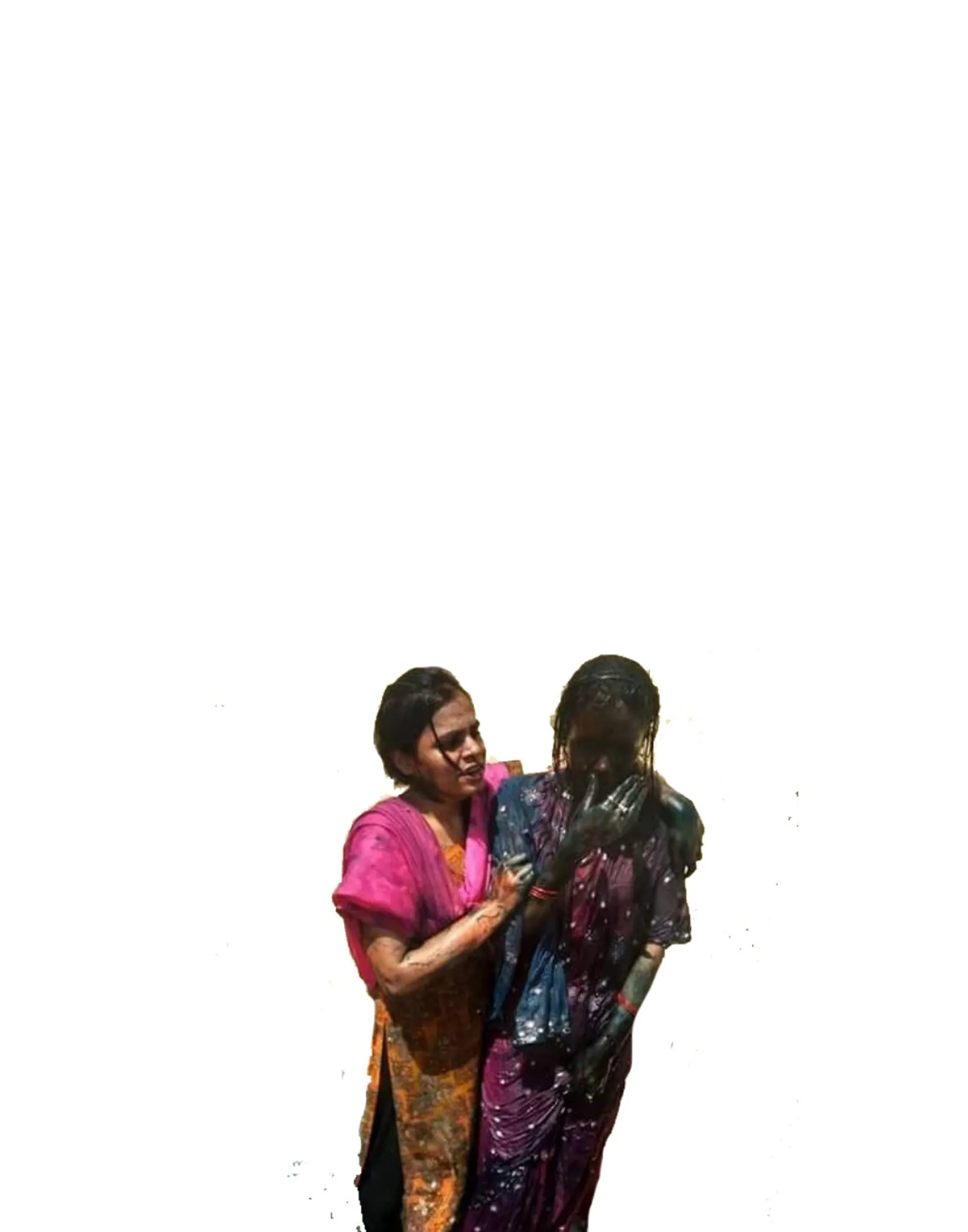 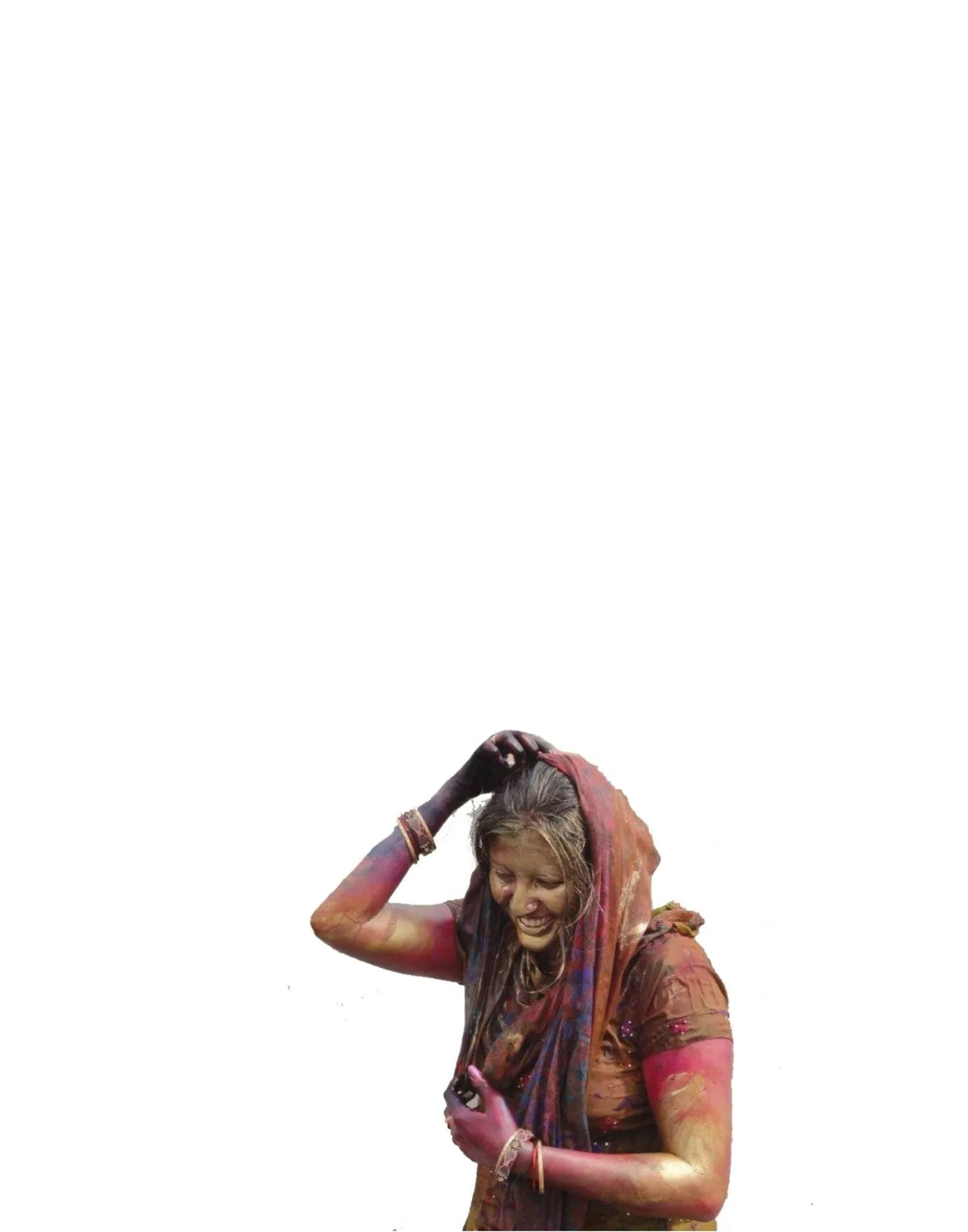 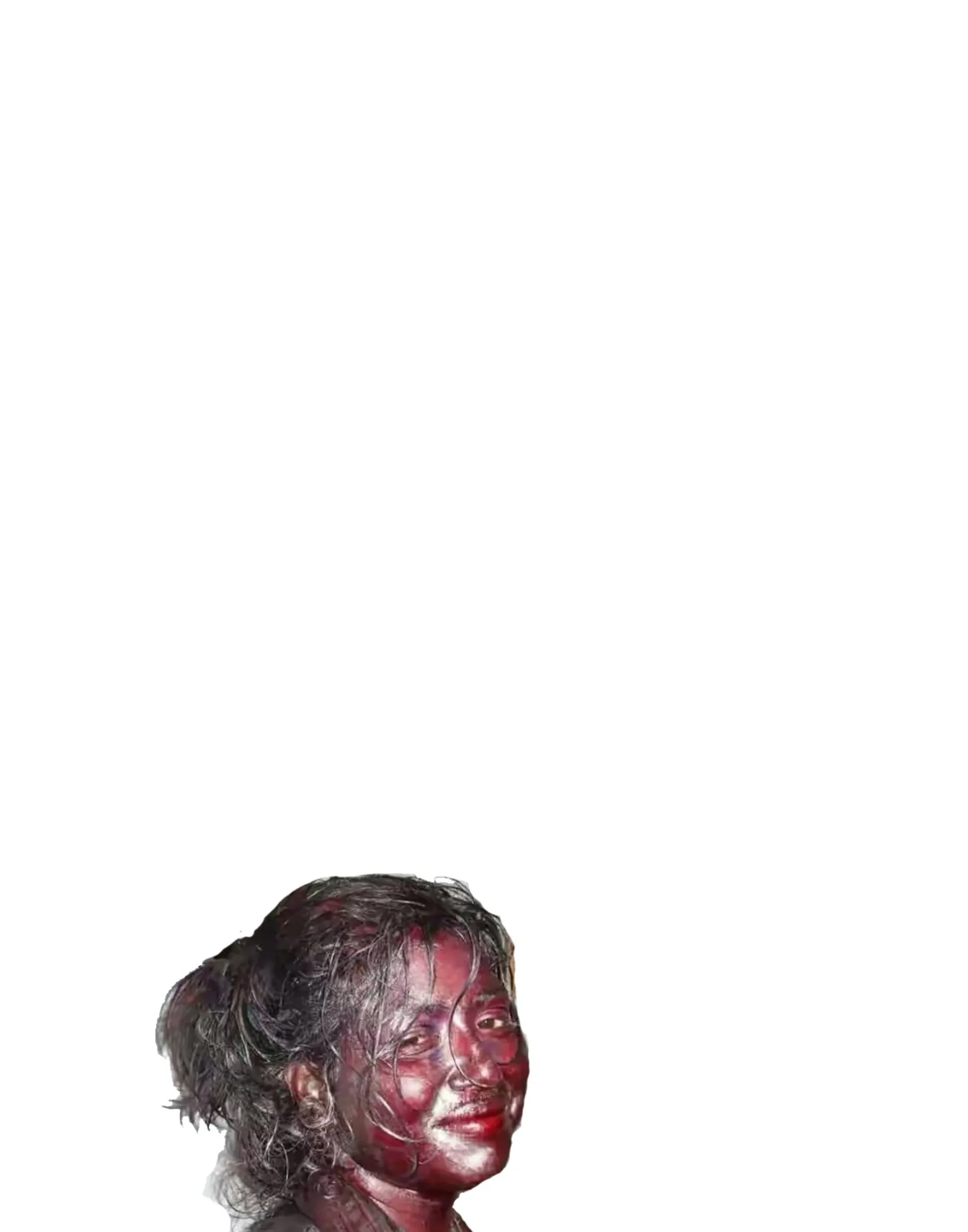 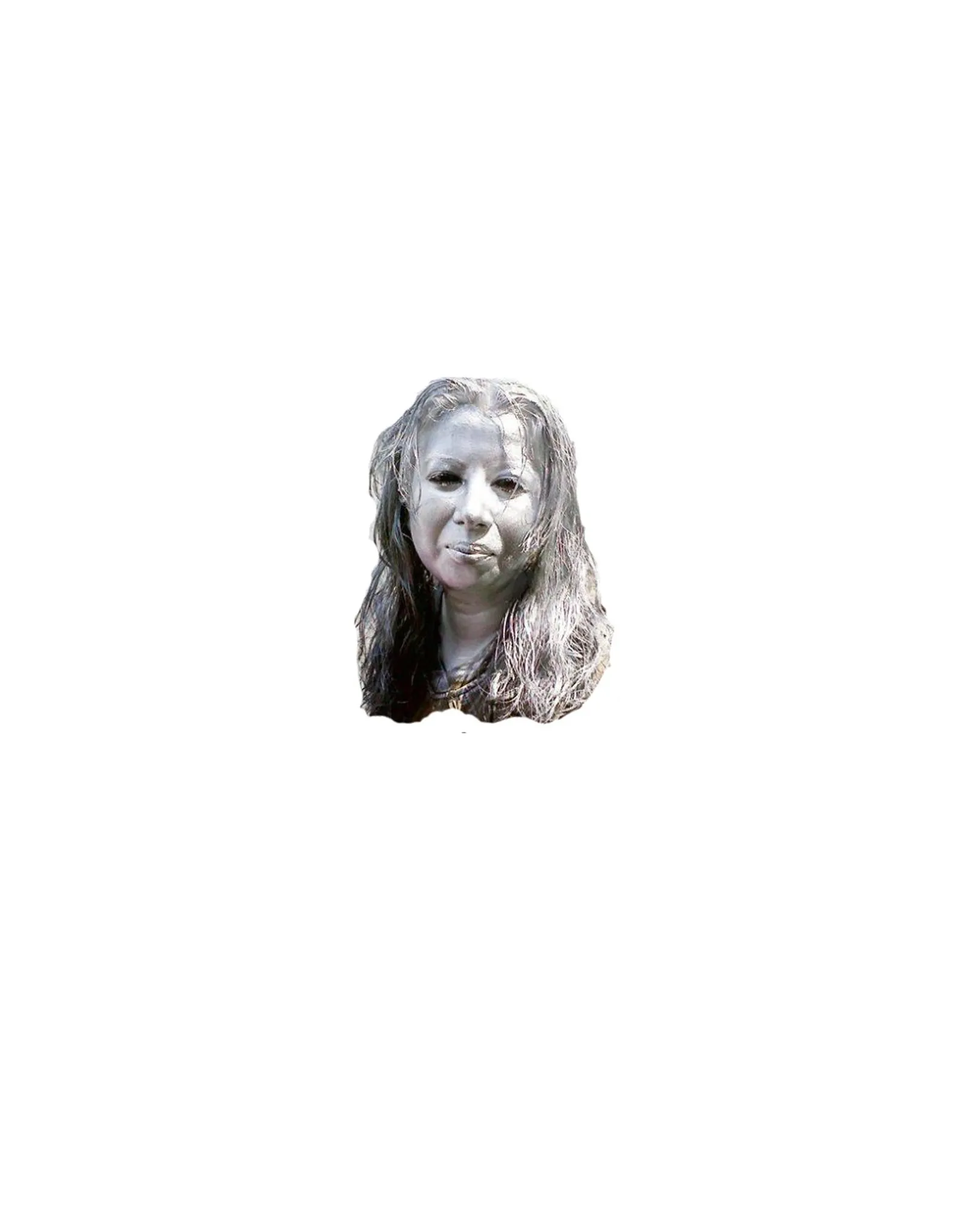 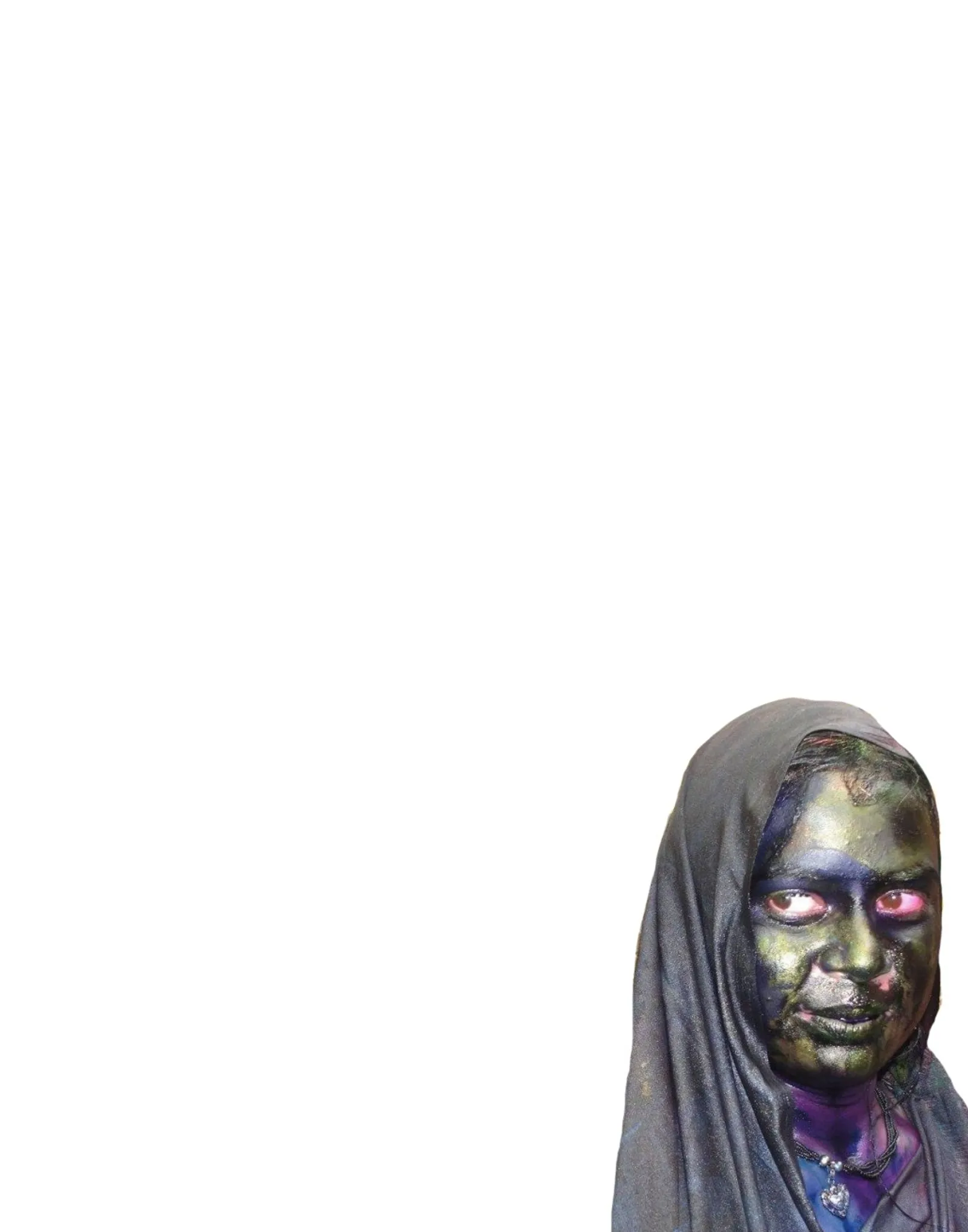 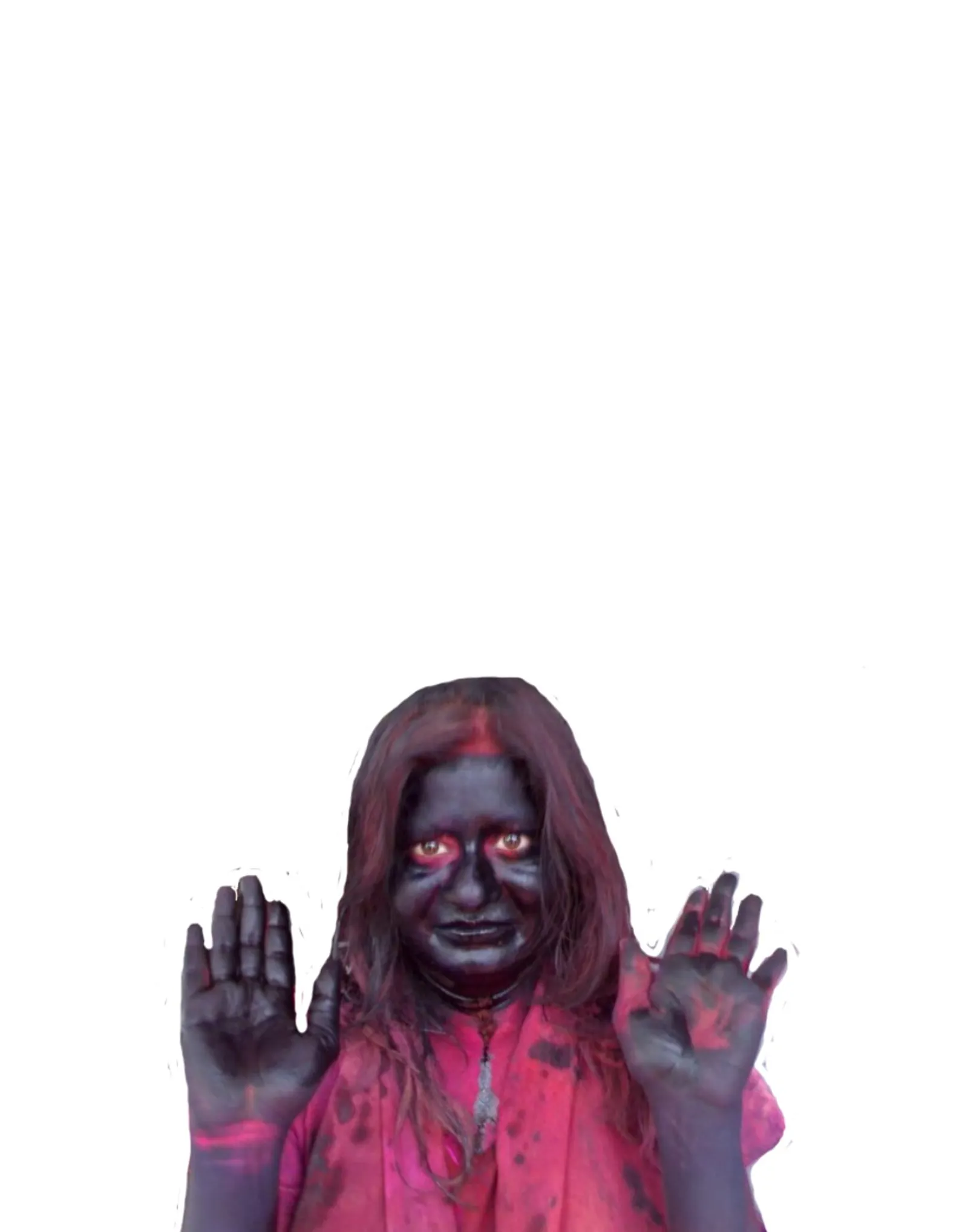 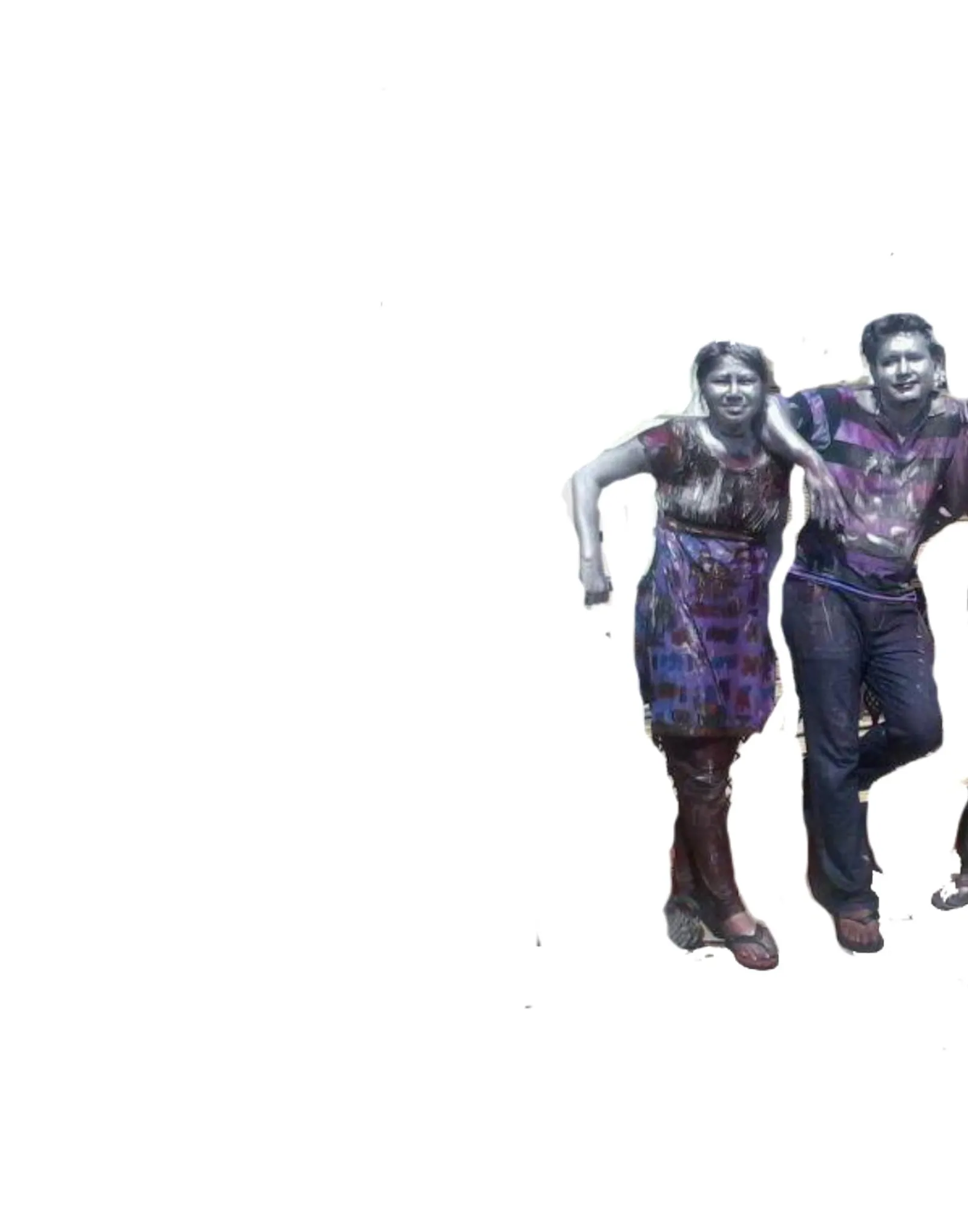 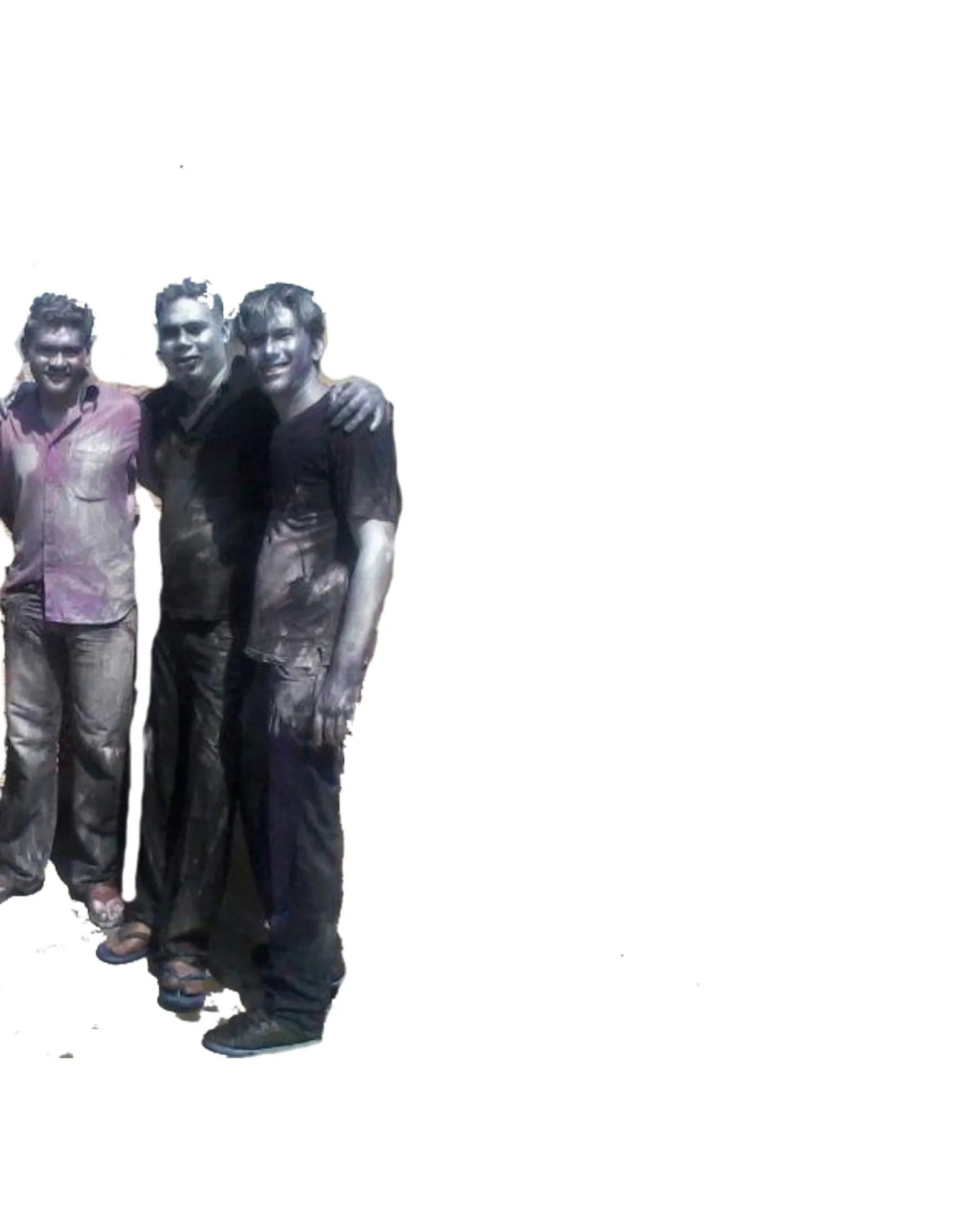 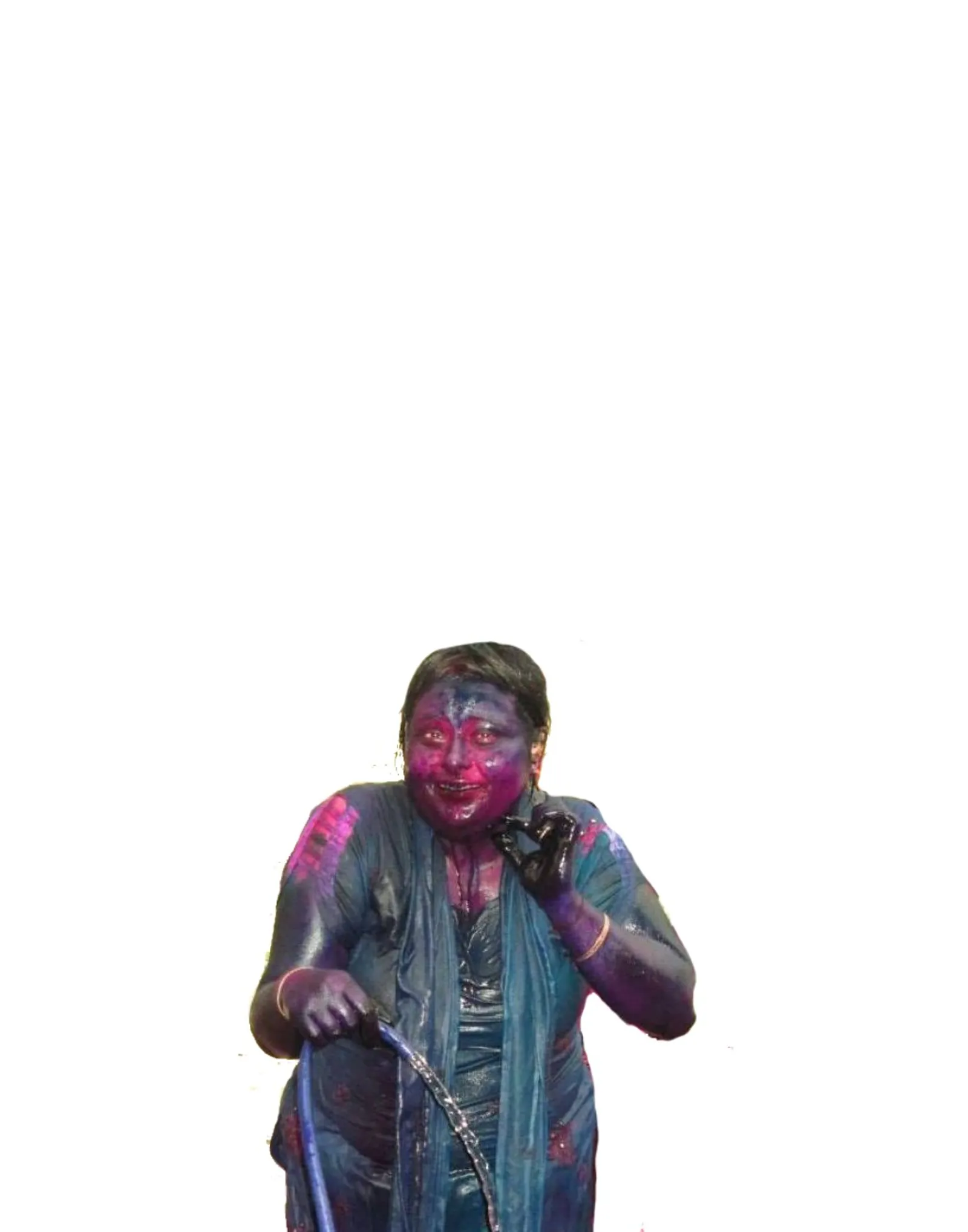  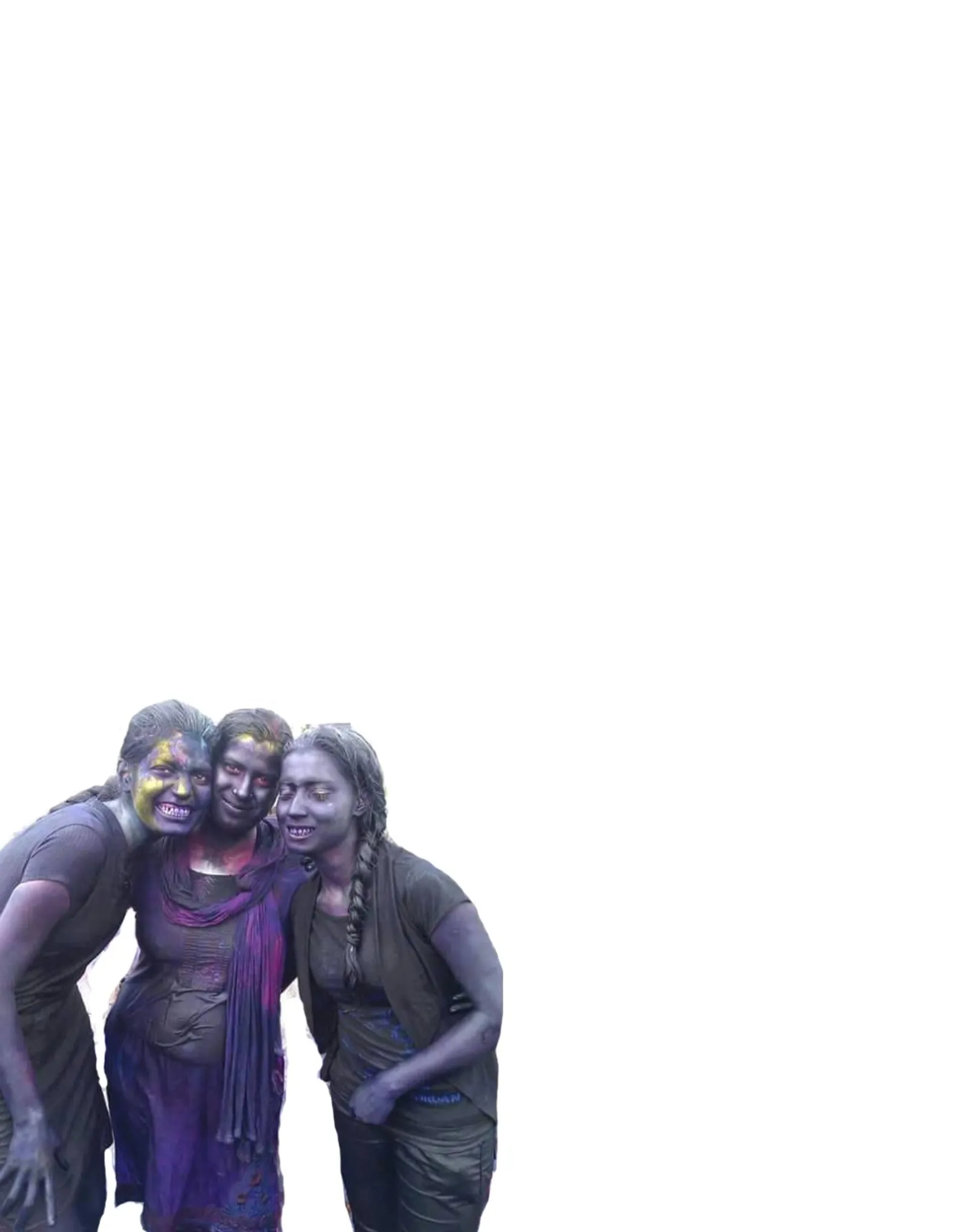 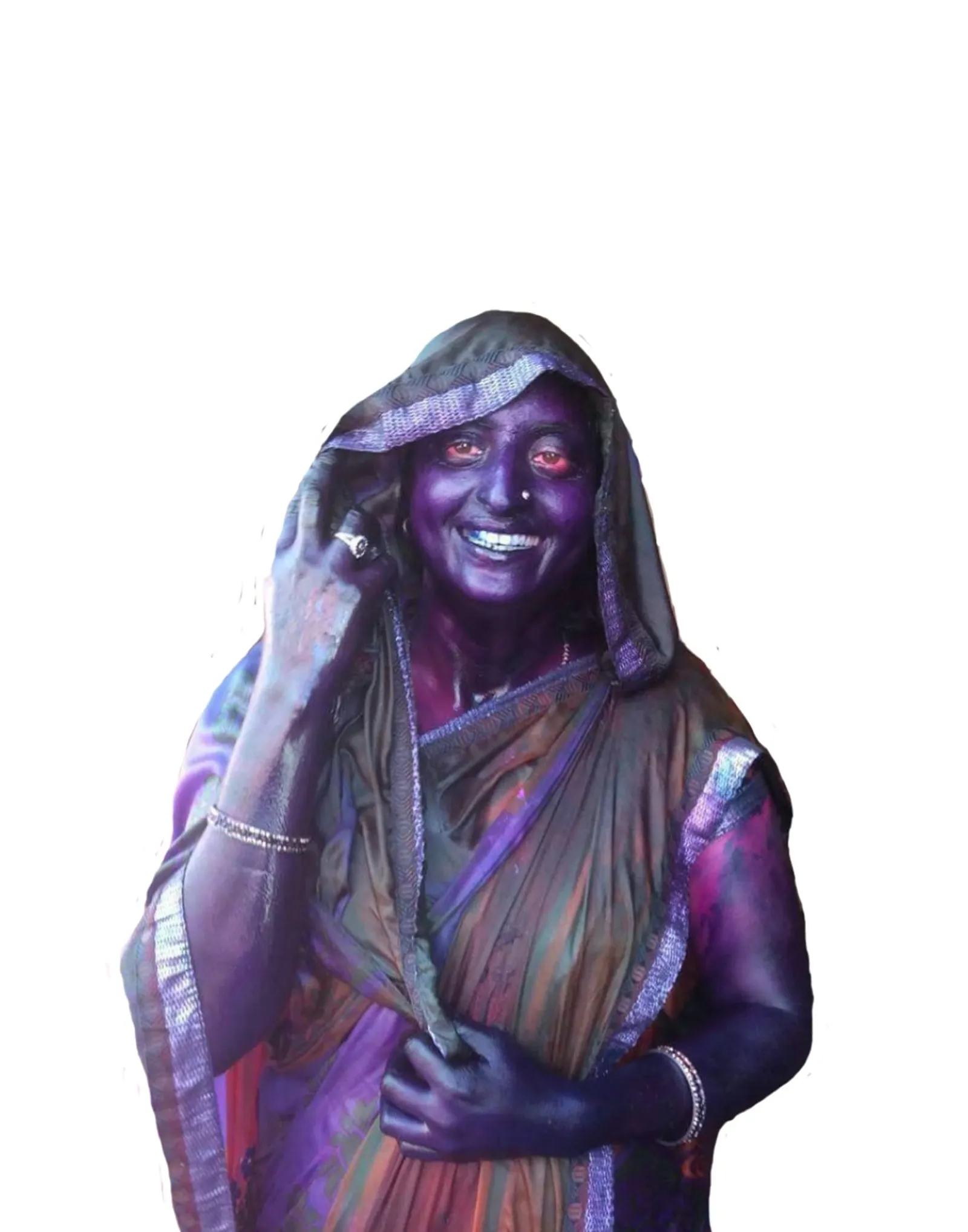 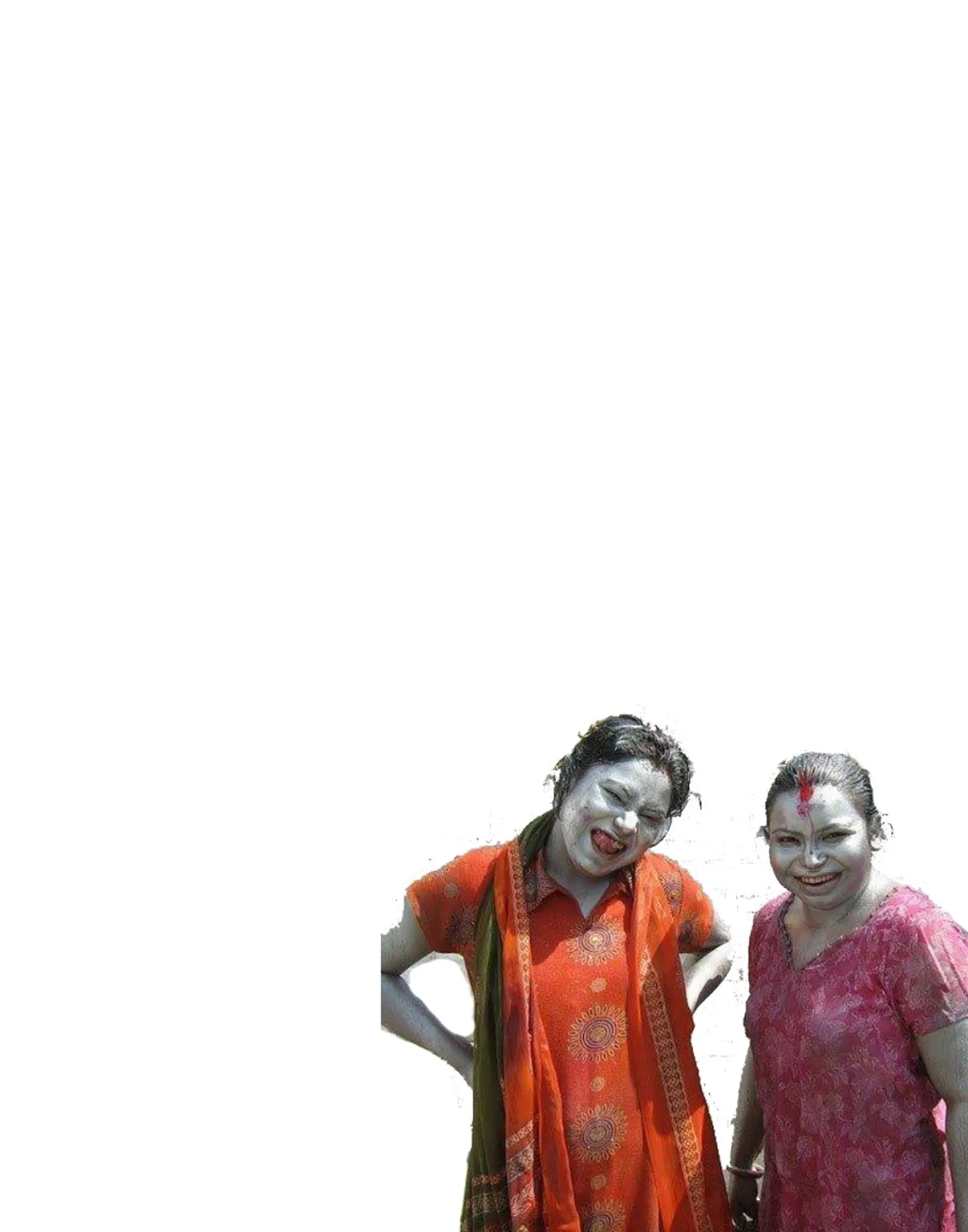 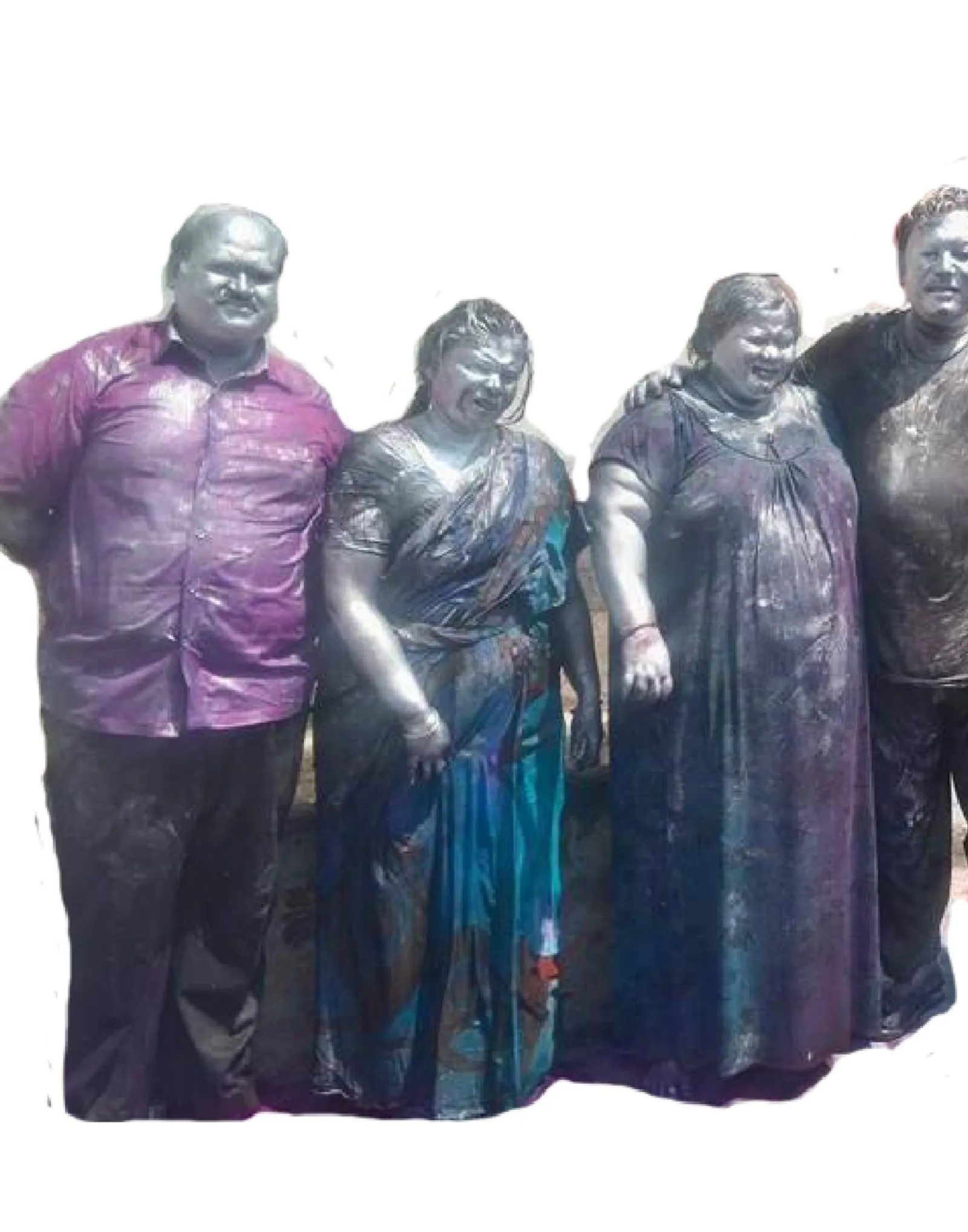 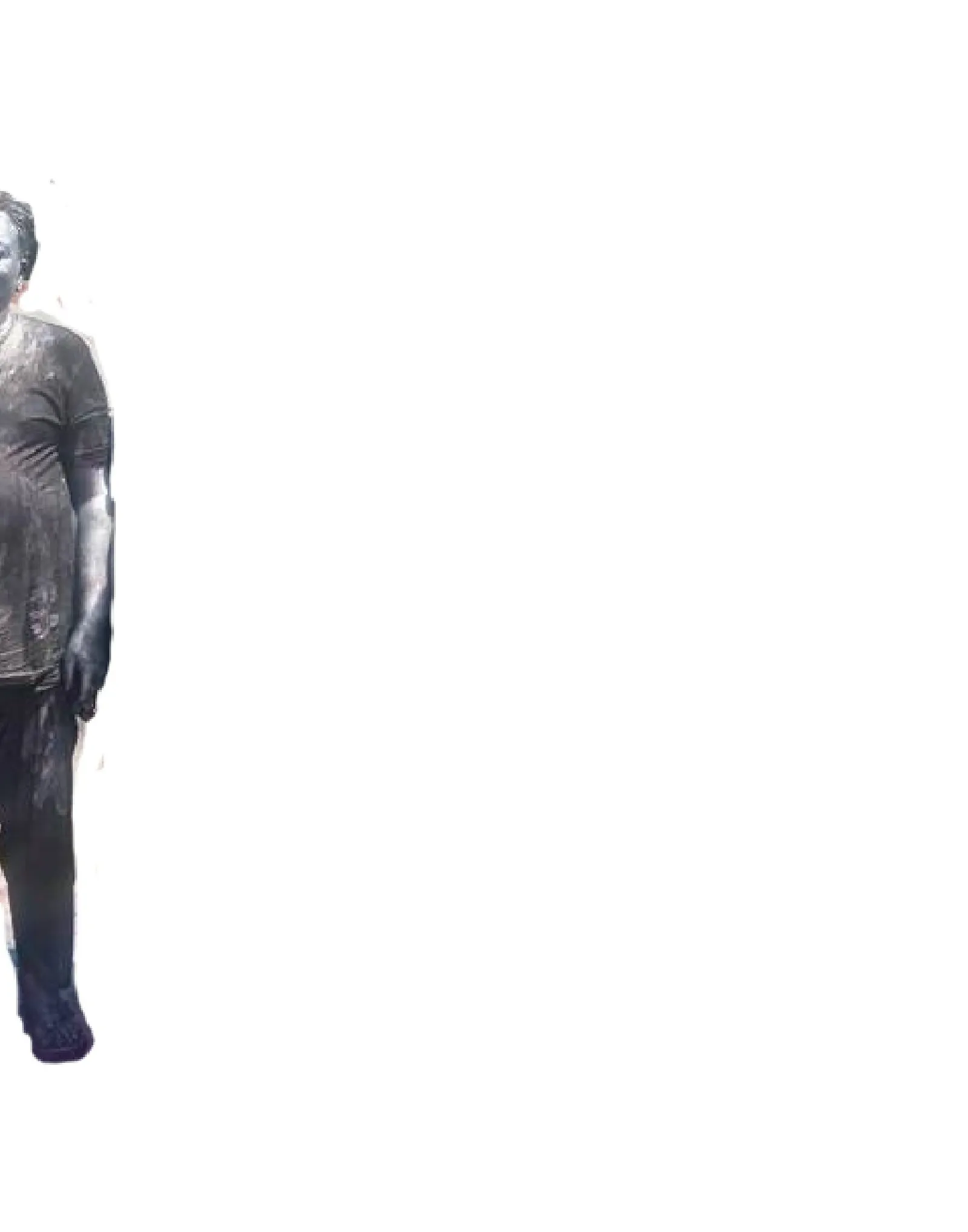 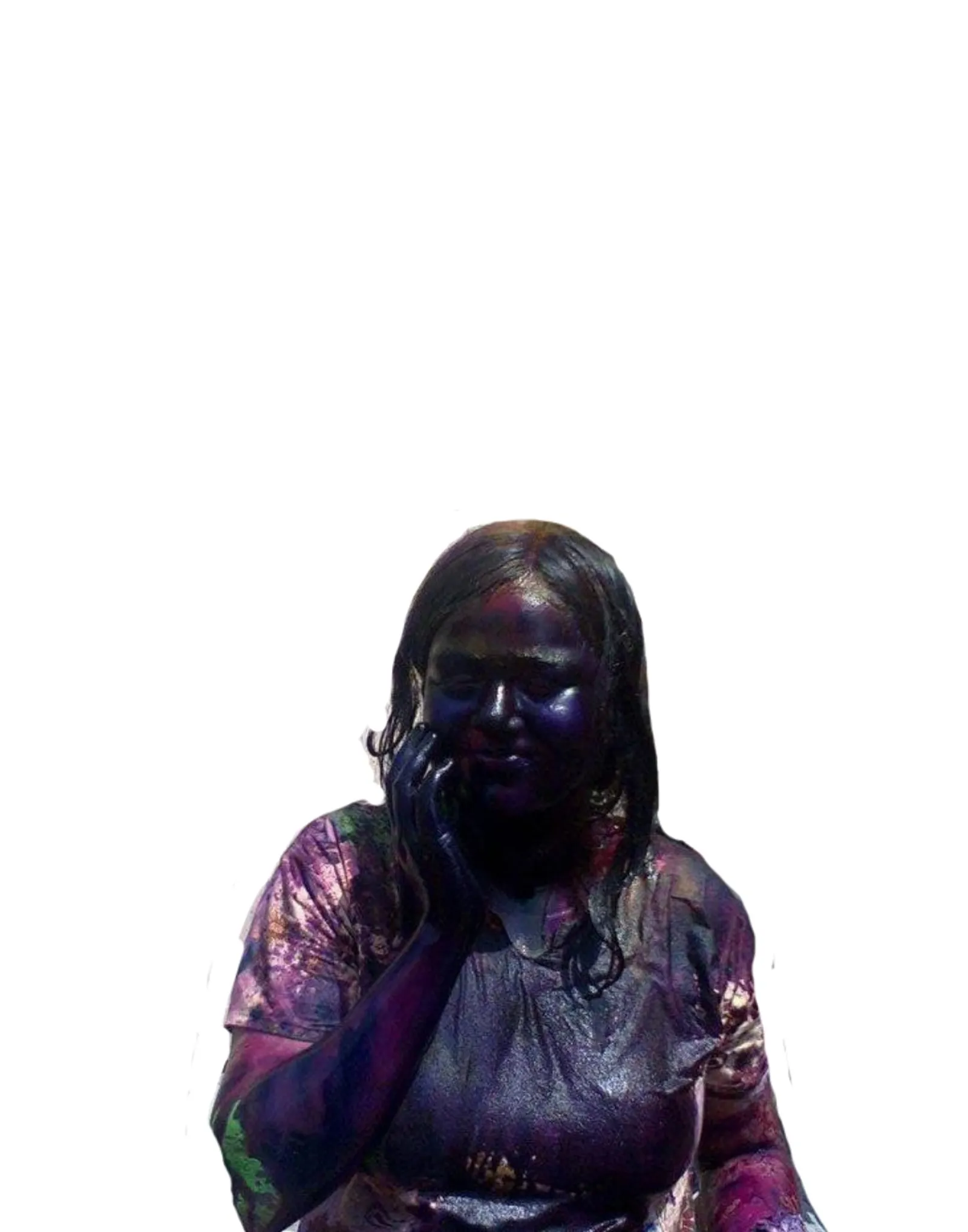  | |||
| 003 | Rapunzel | 40 pp · 17 × 25 cm | 2016 |
| In this book hair is a portable space for intimacy, privacy and sexuality. Out of print 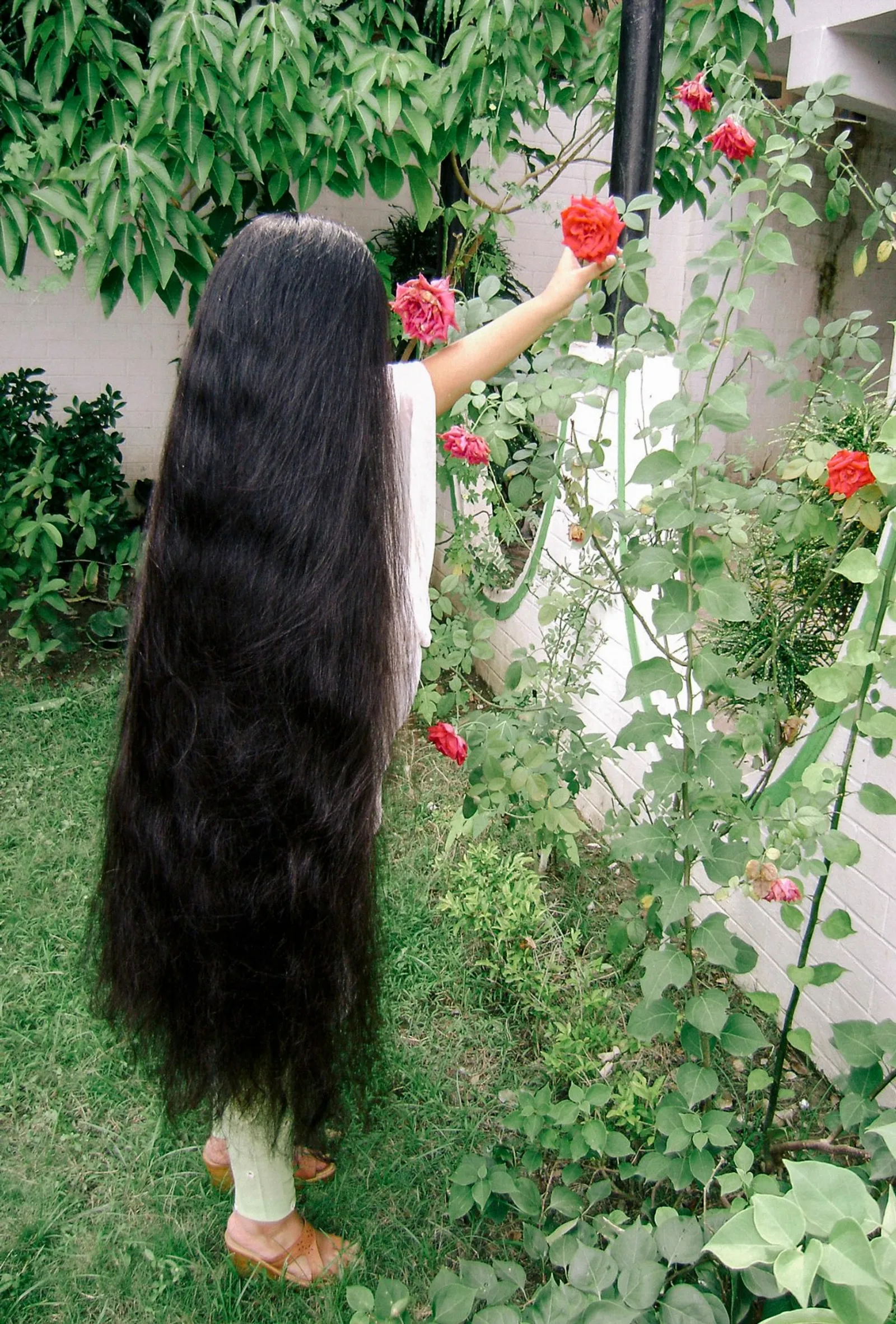   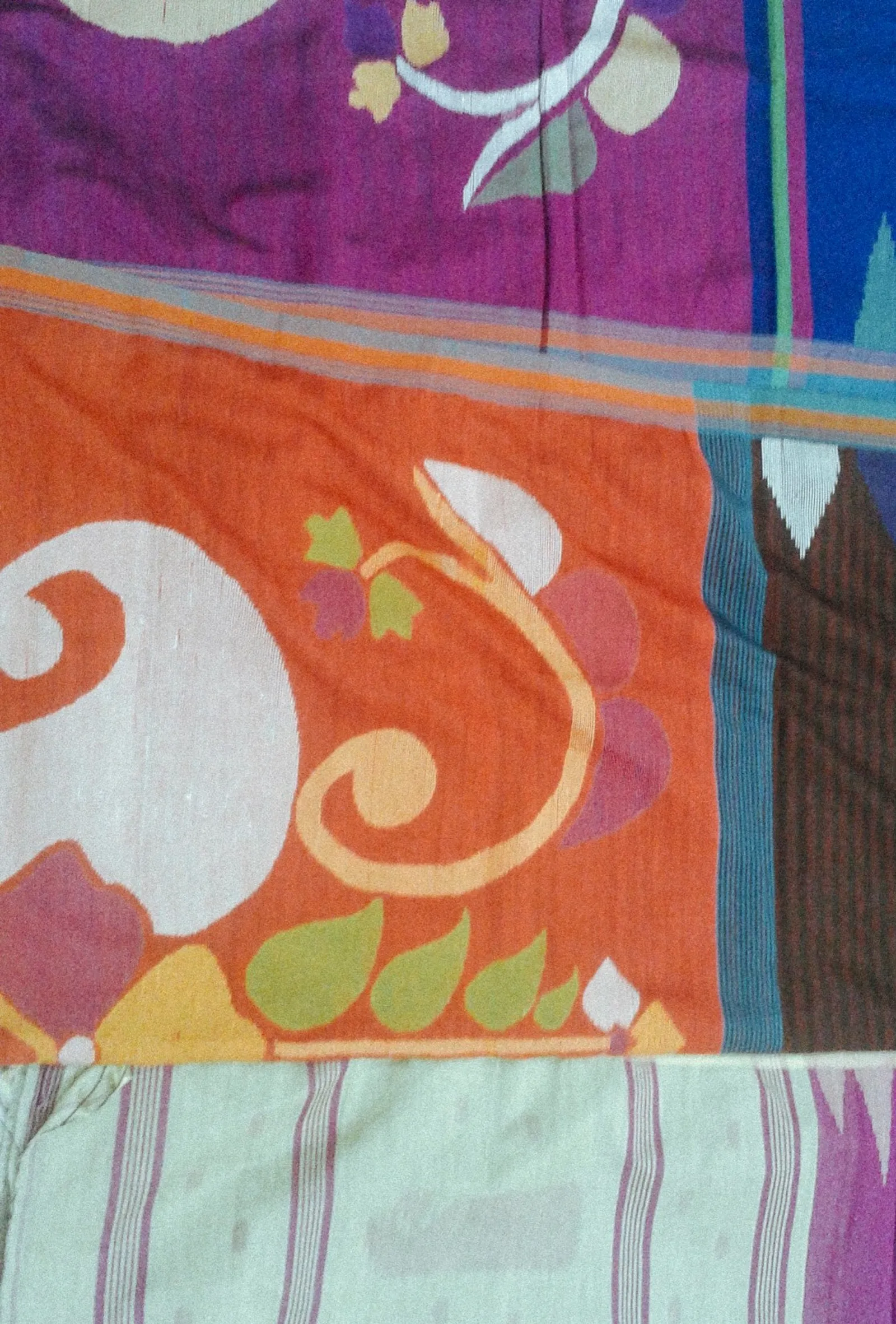 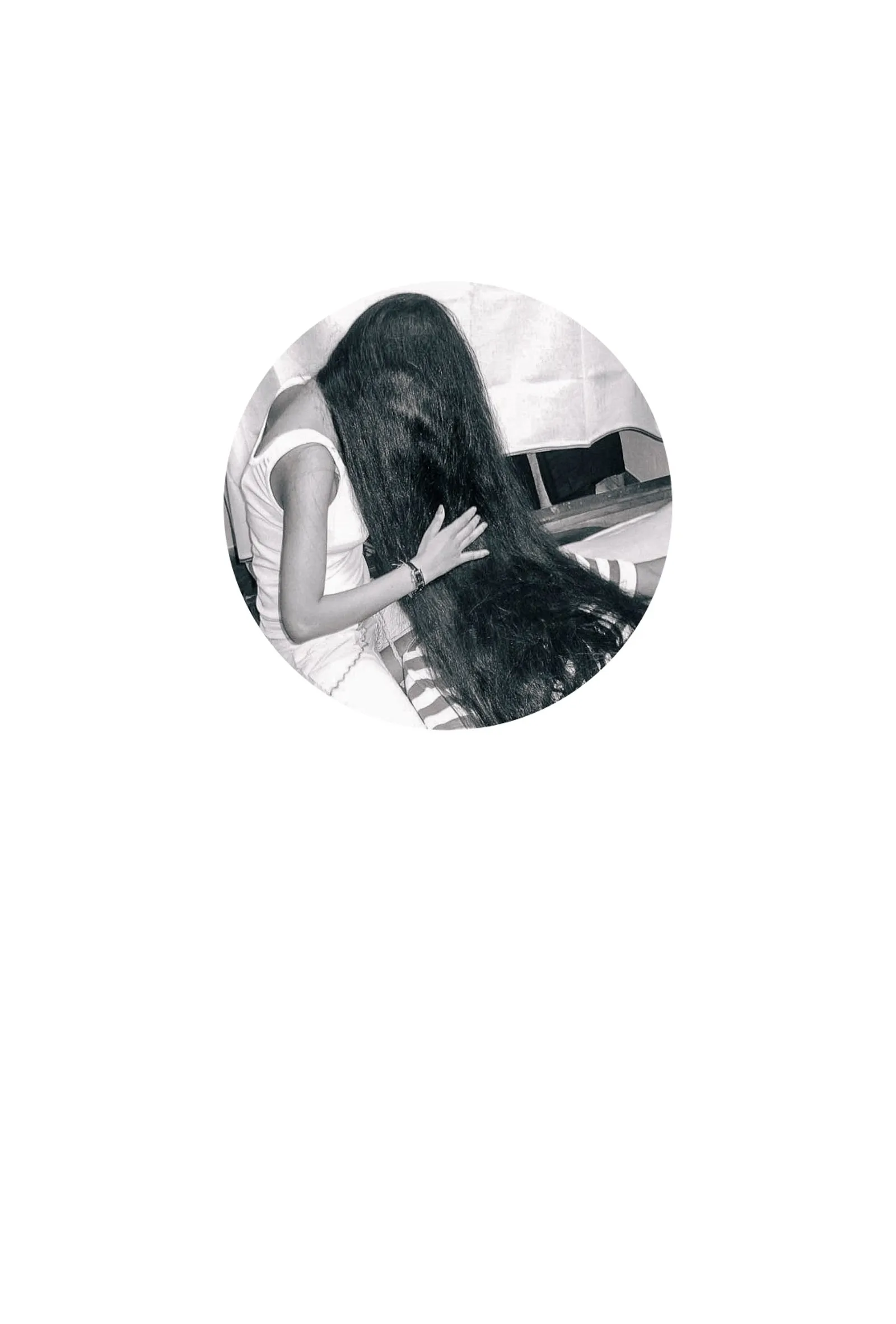 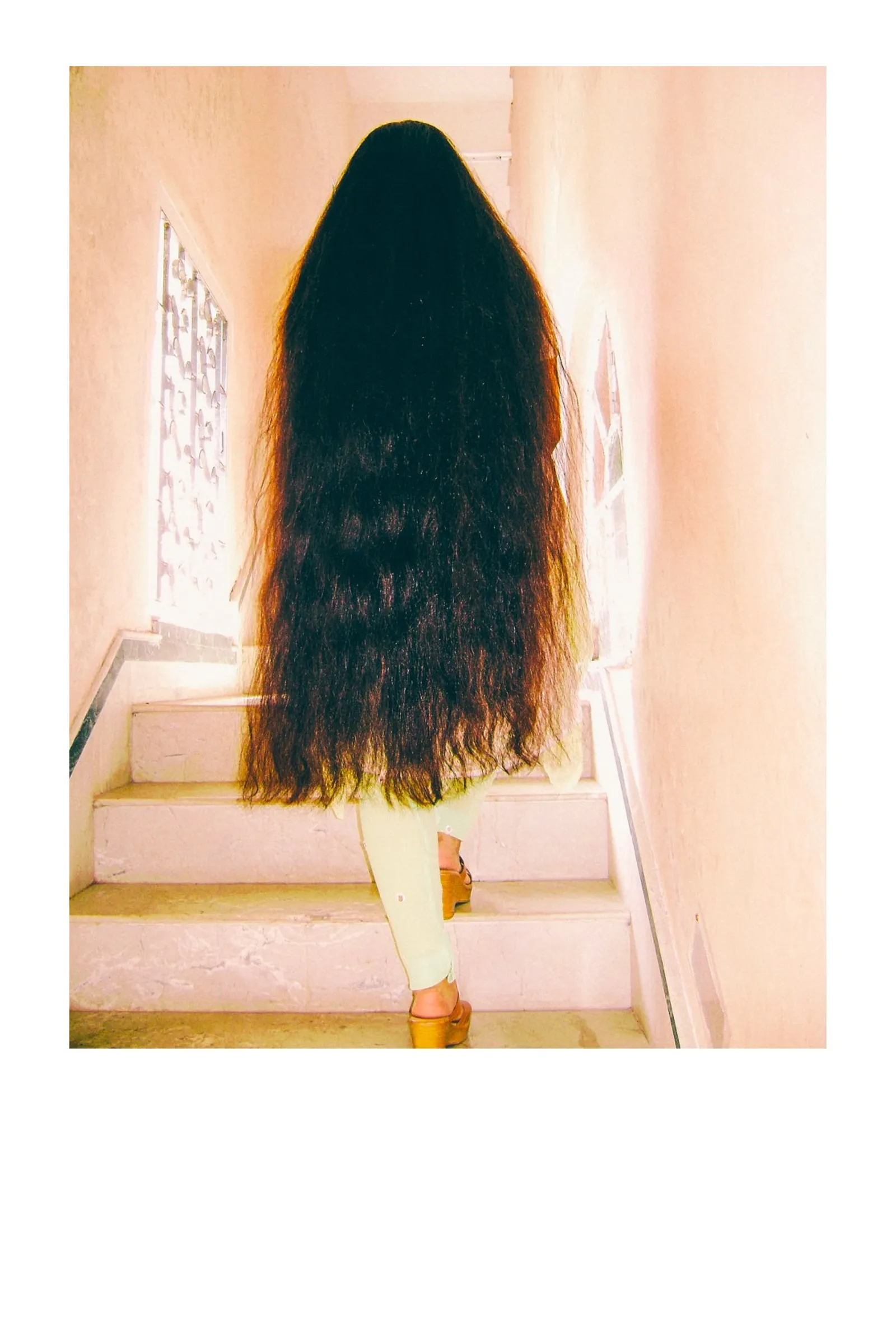 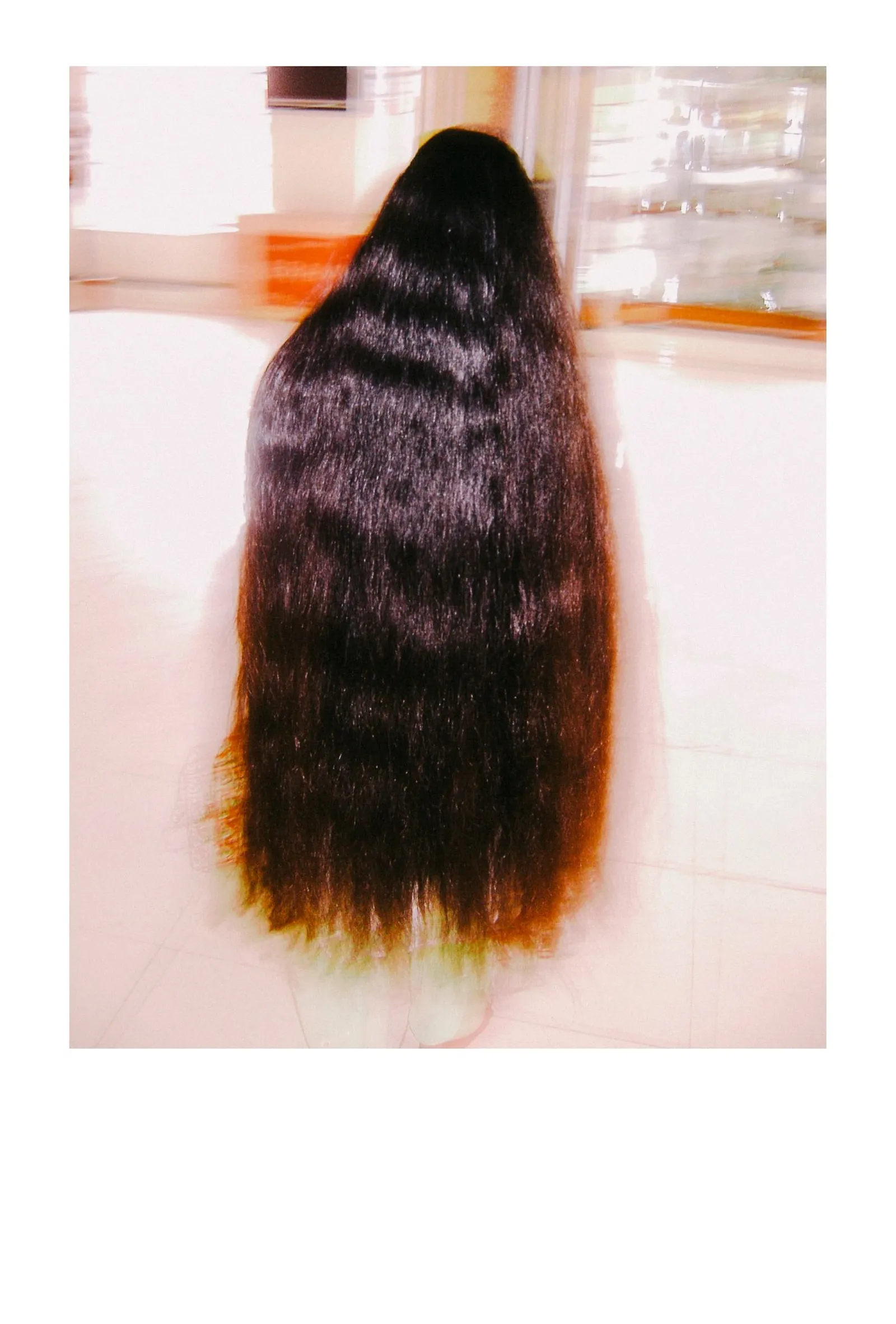 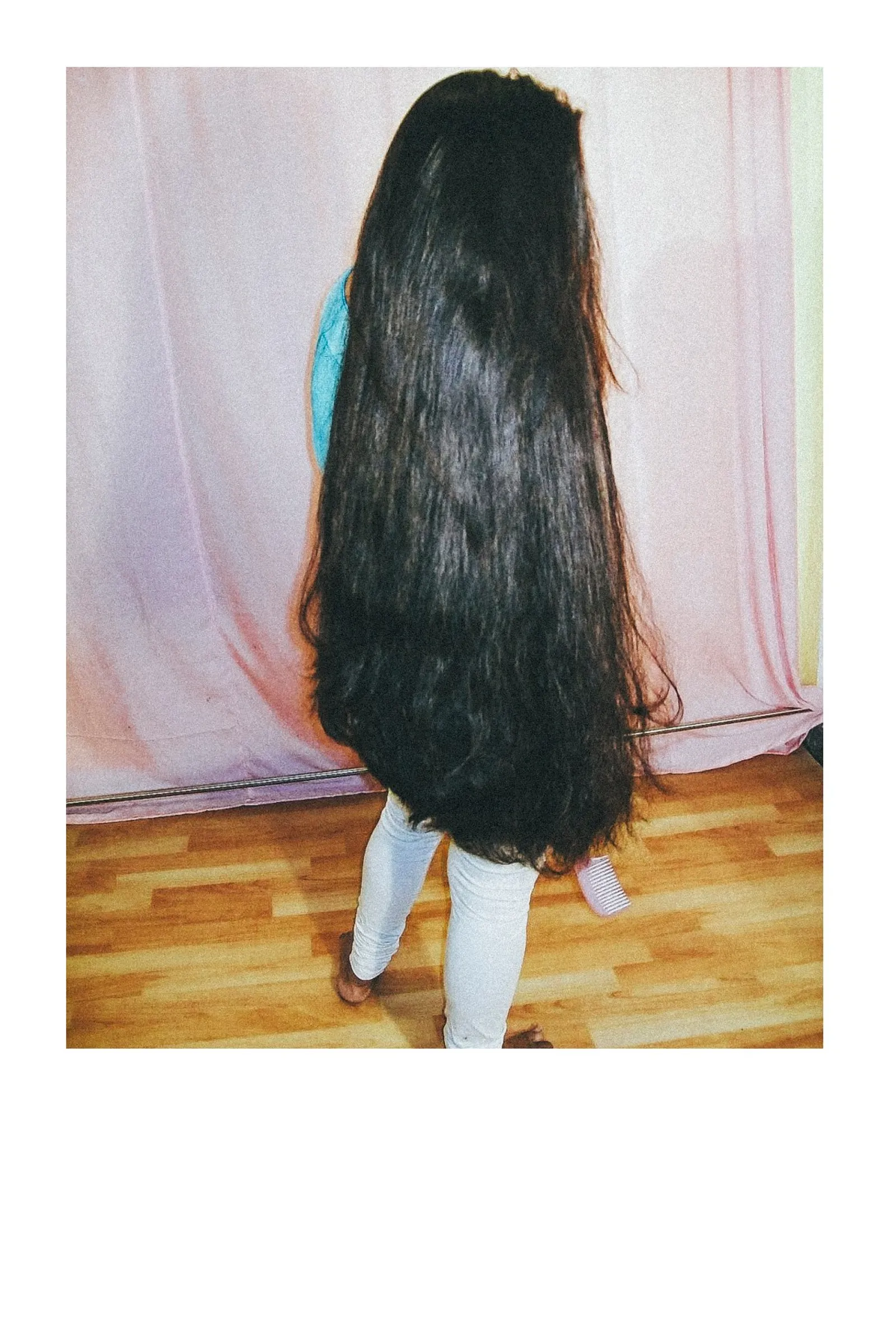 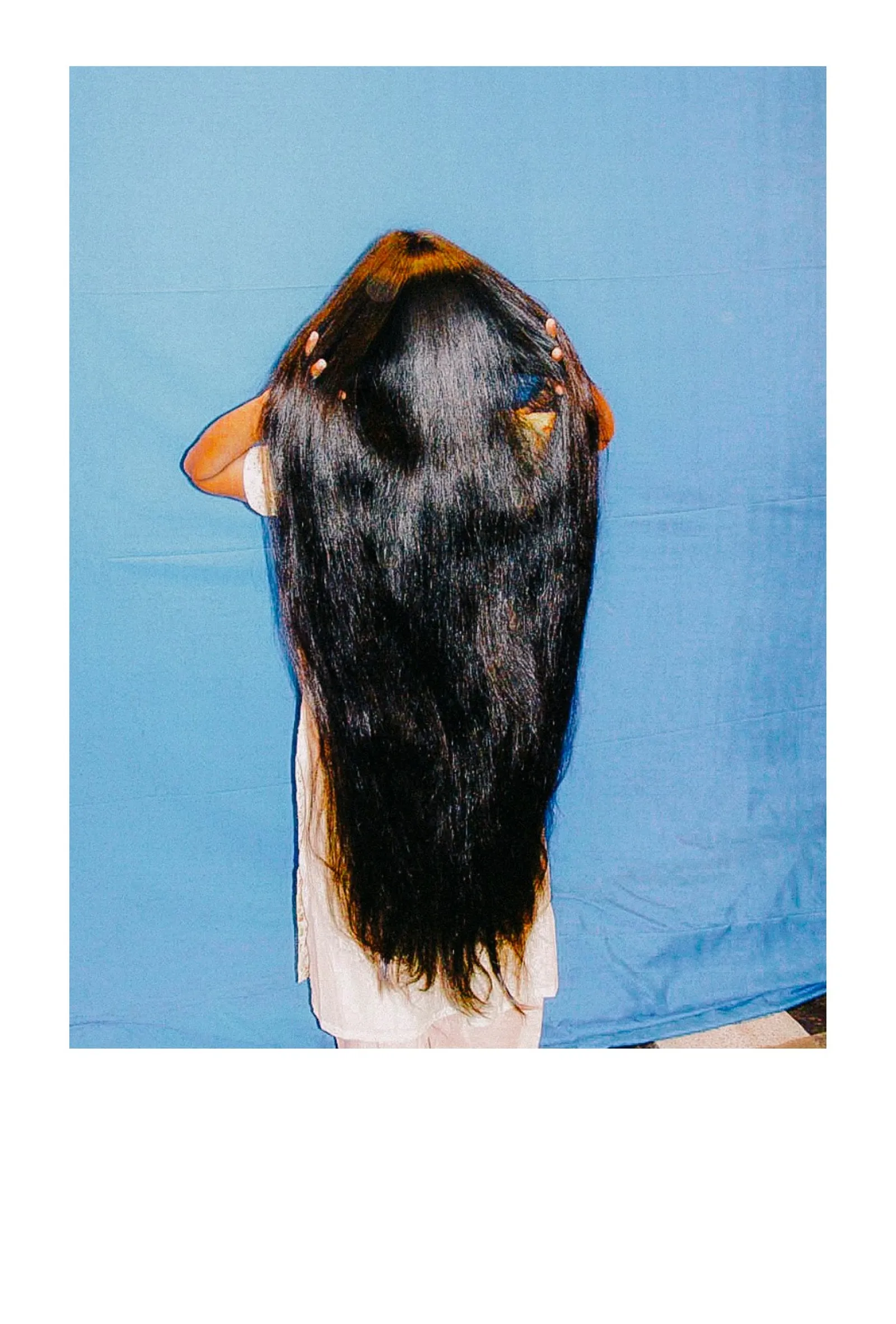 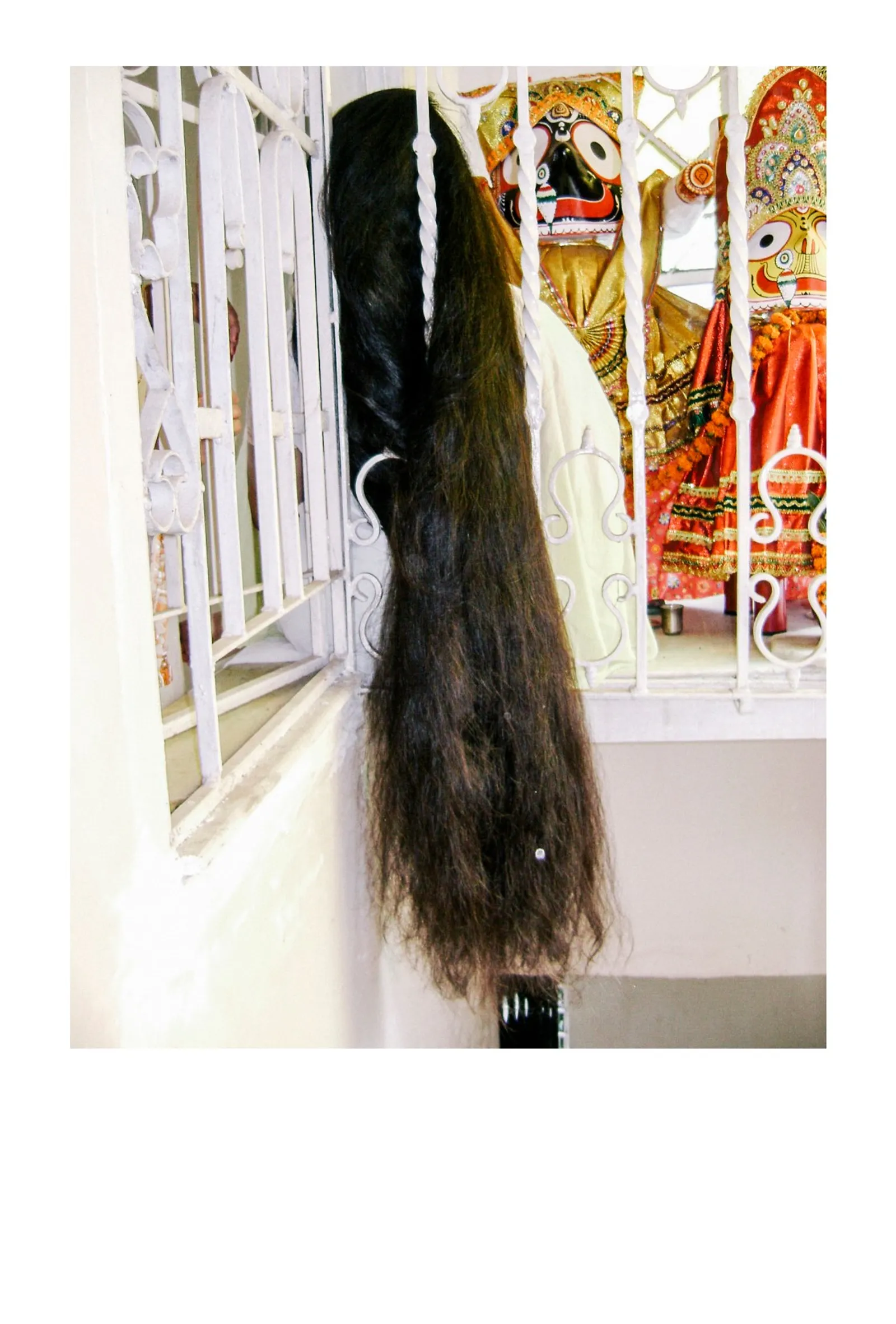 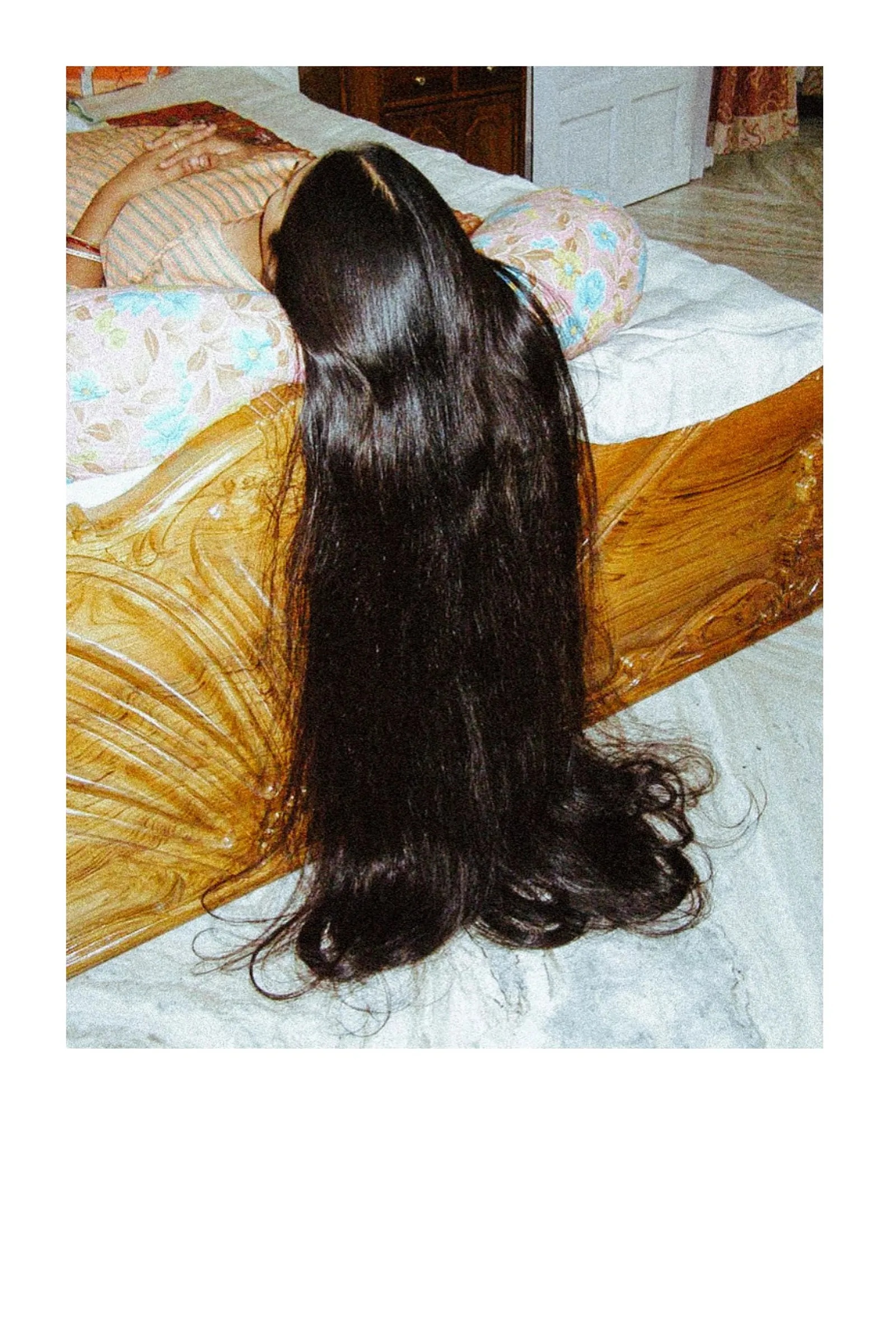 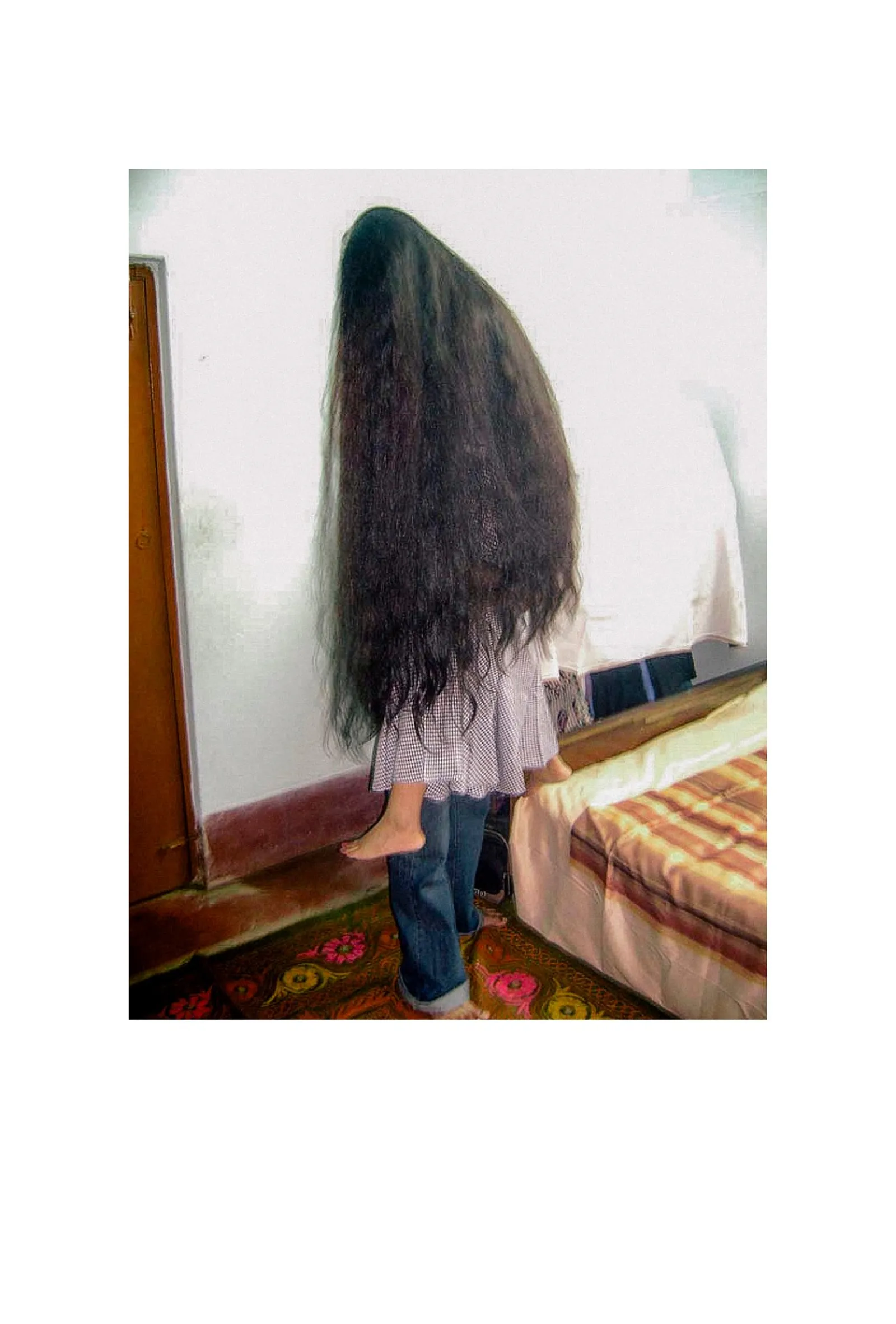 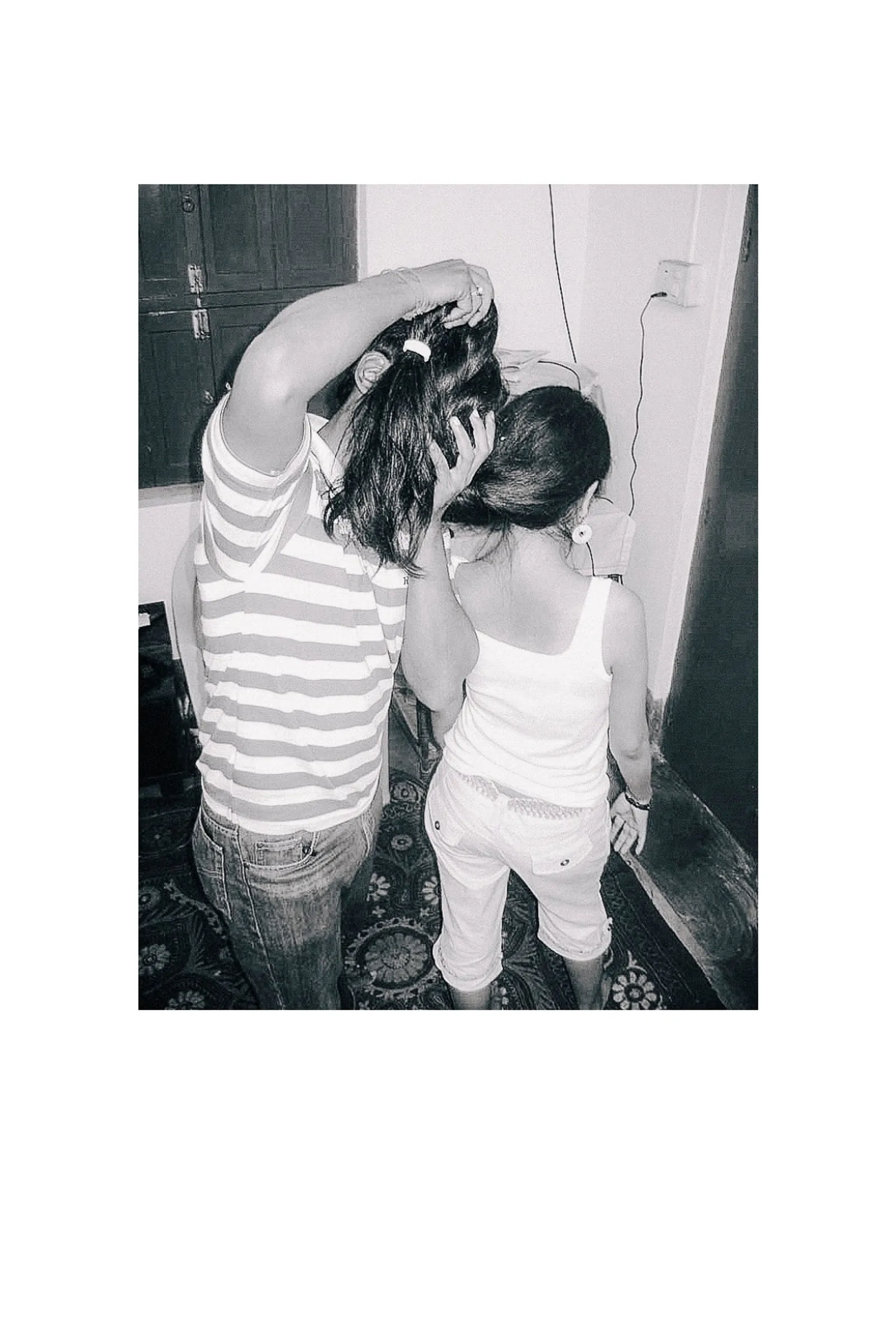 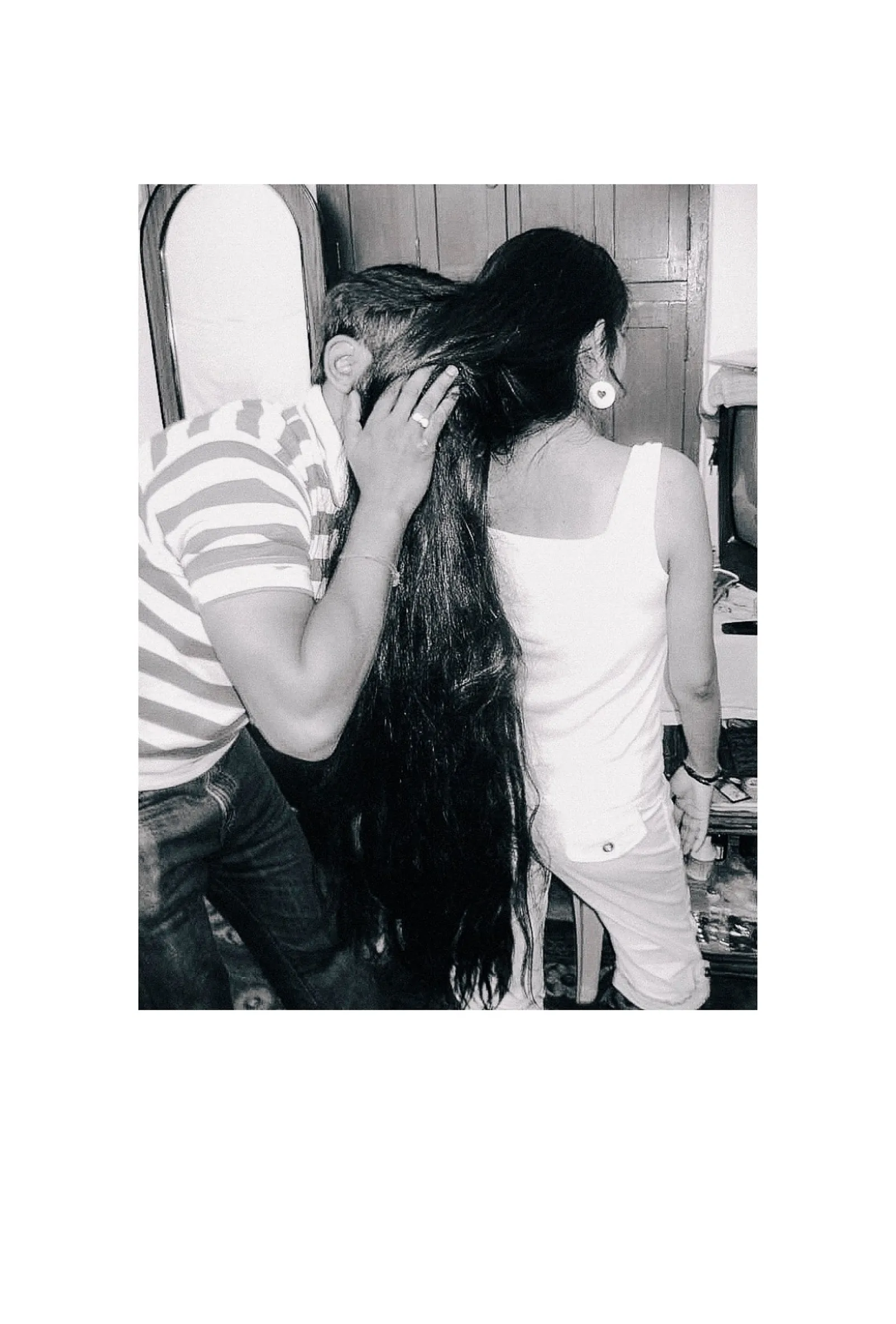 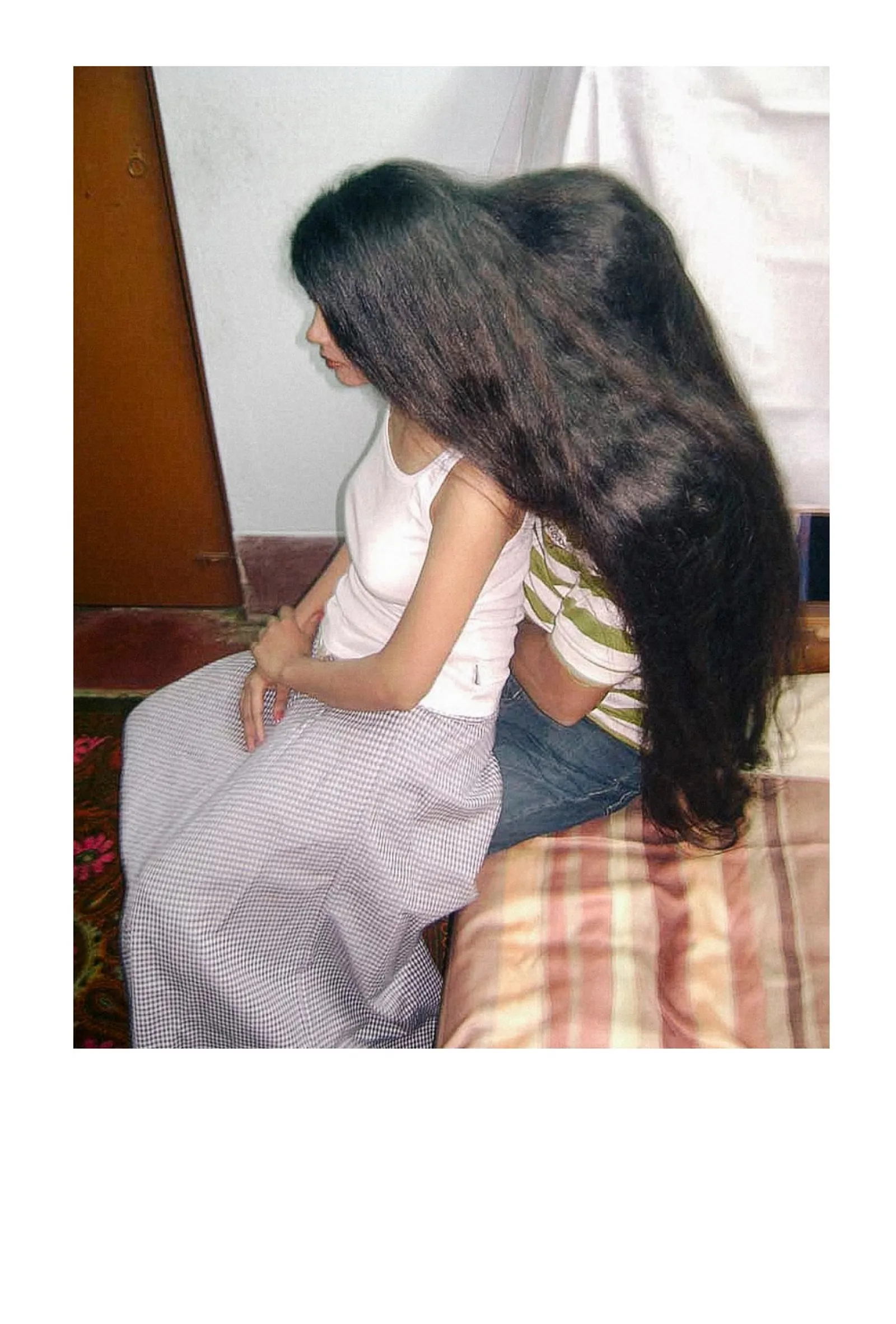  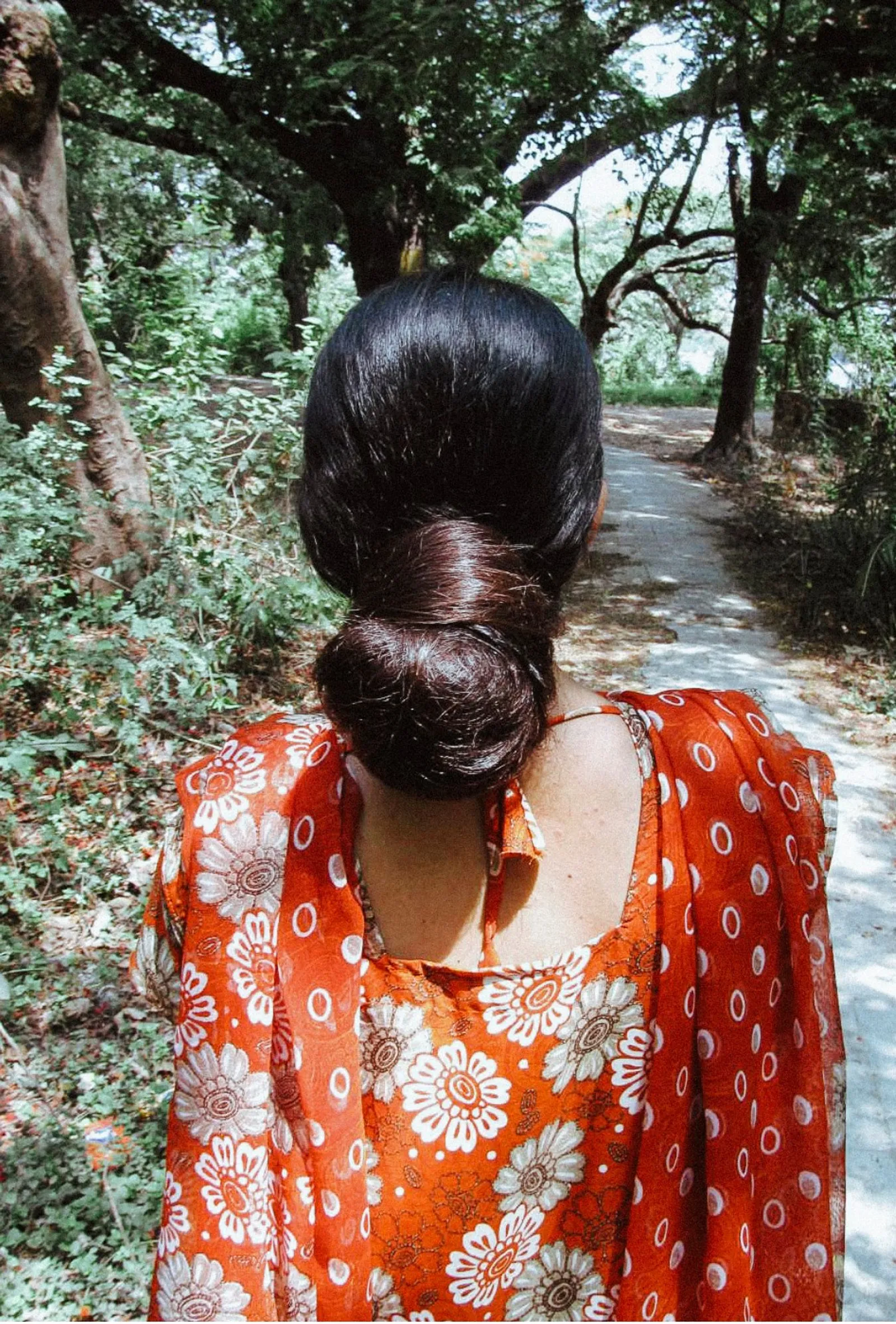 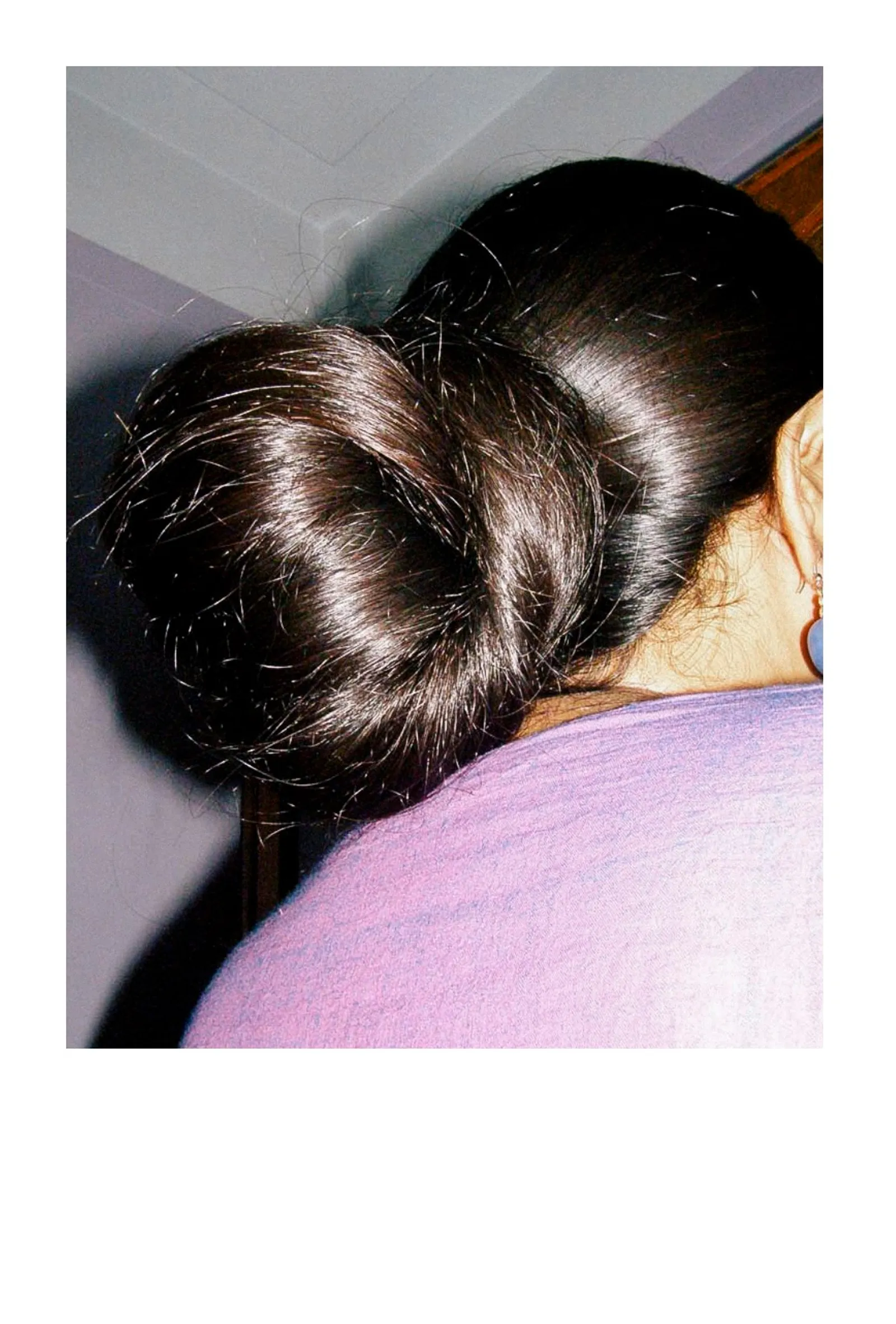 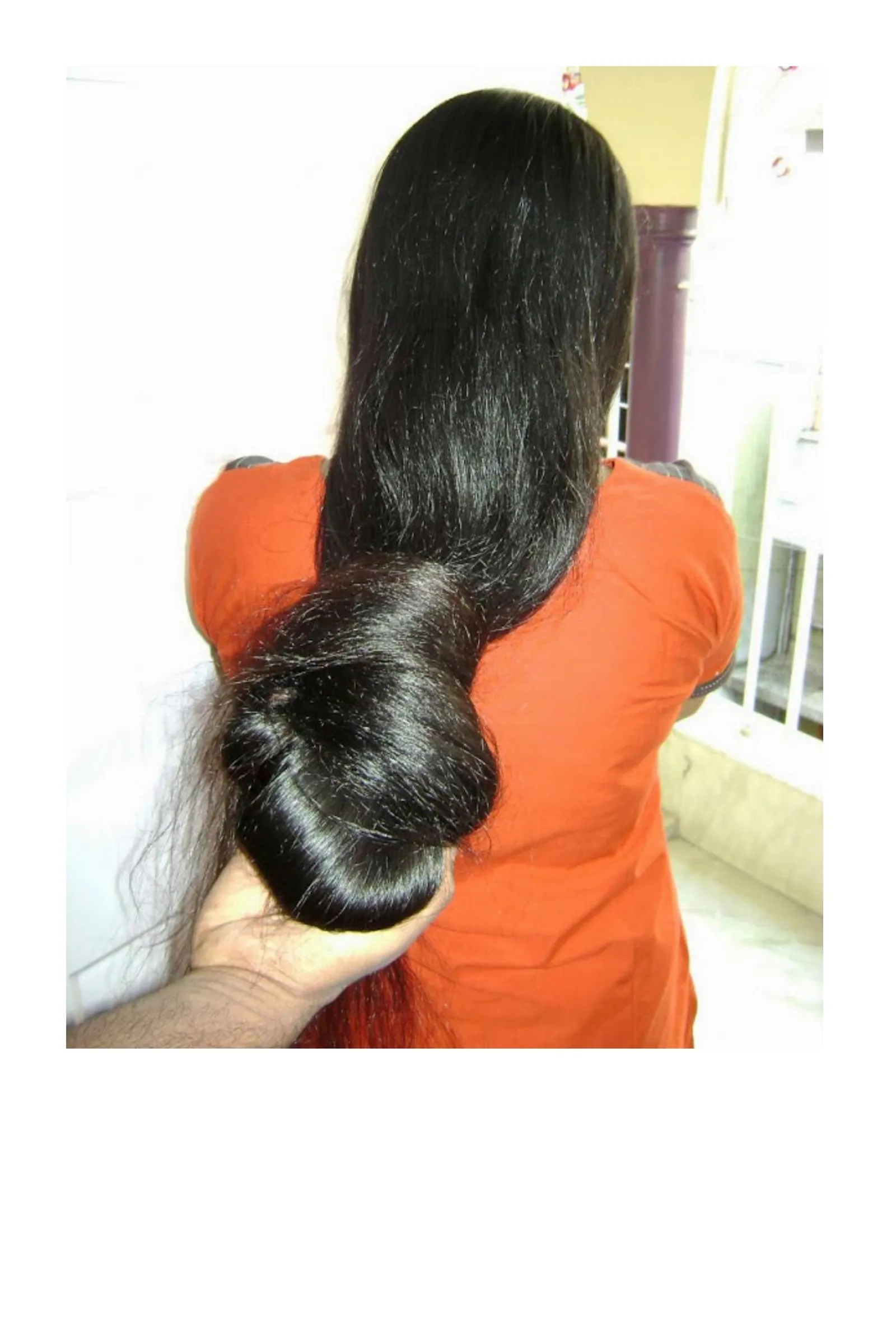 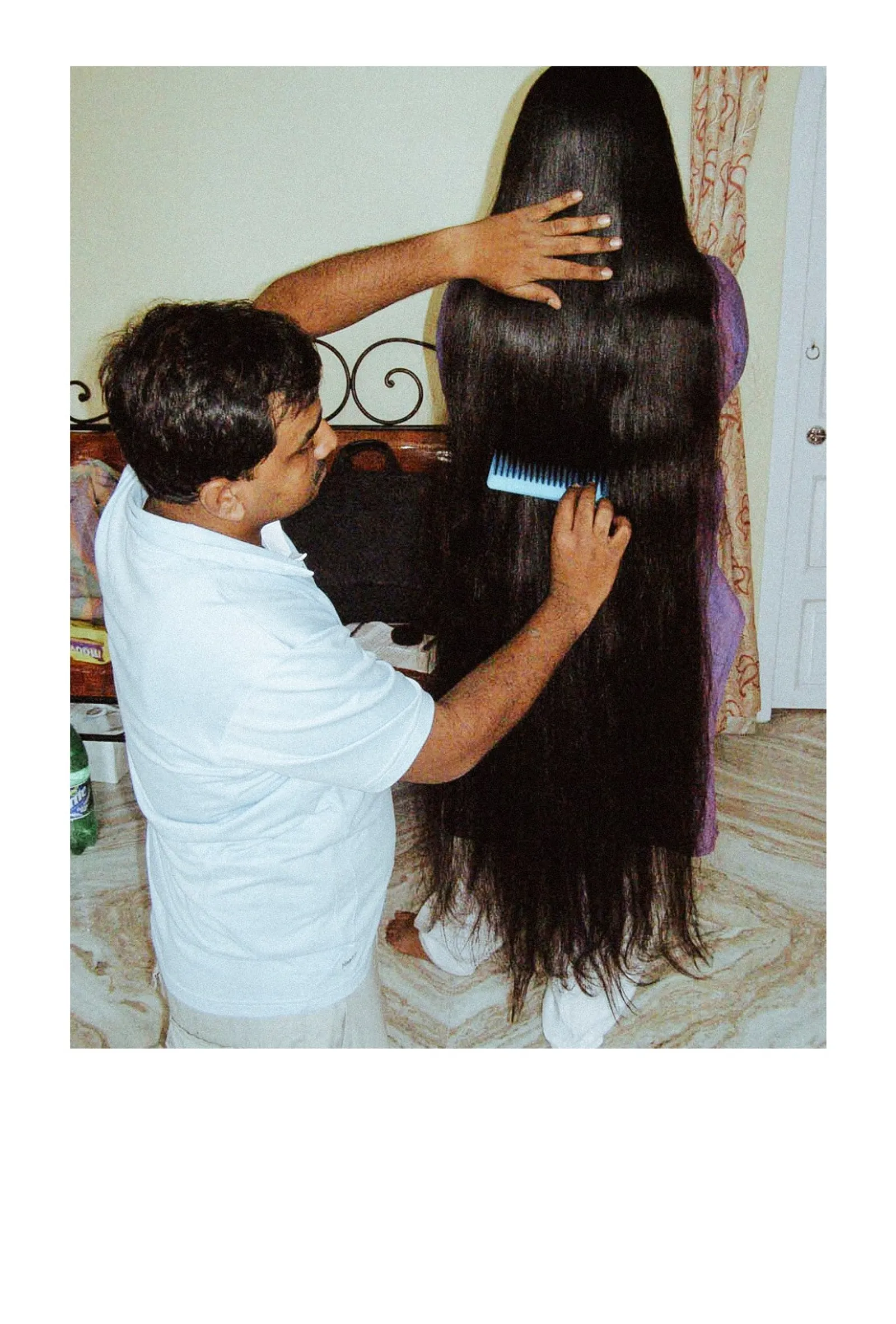  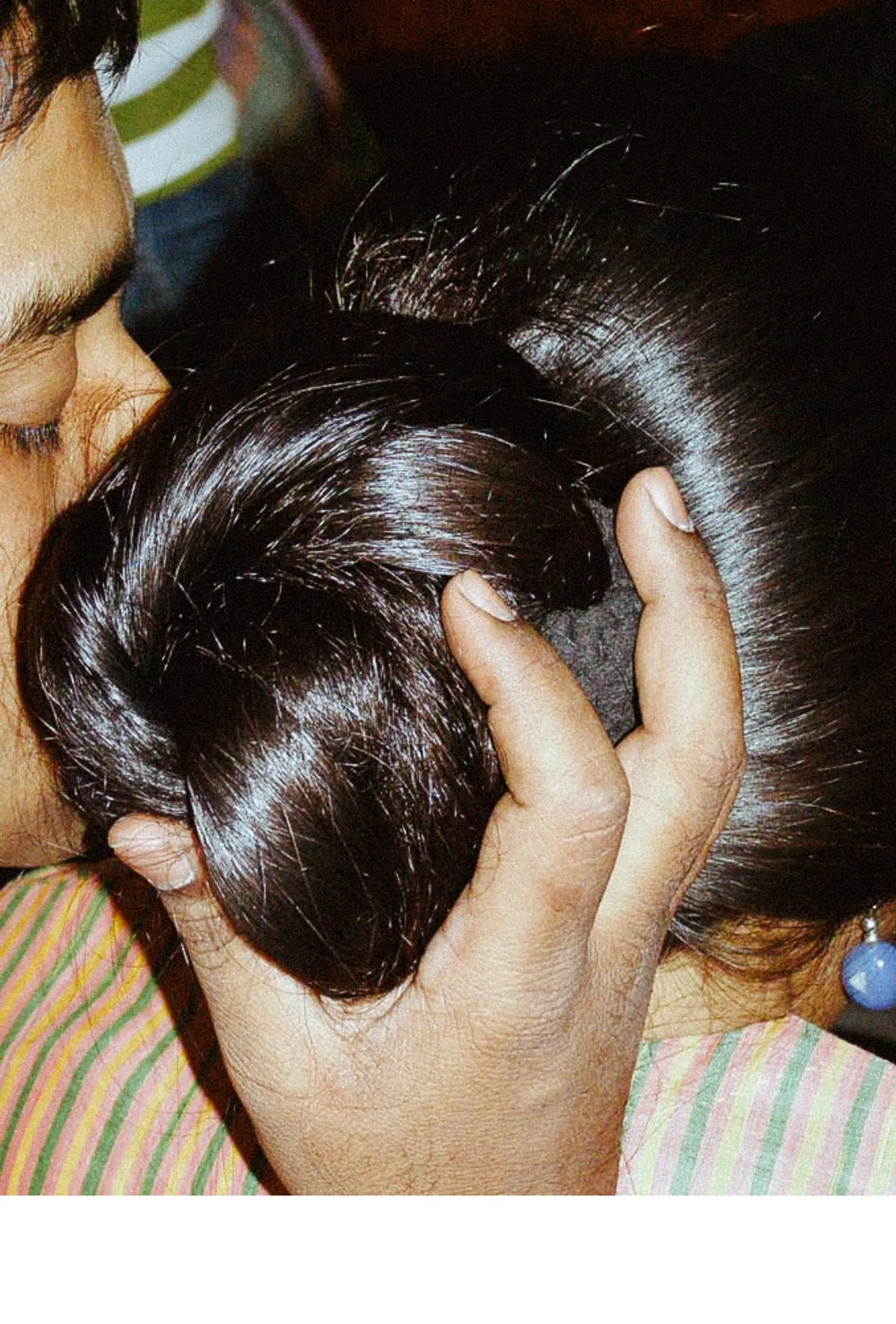 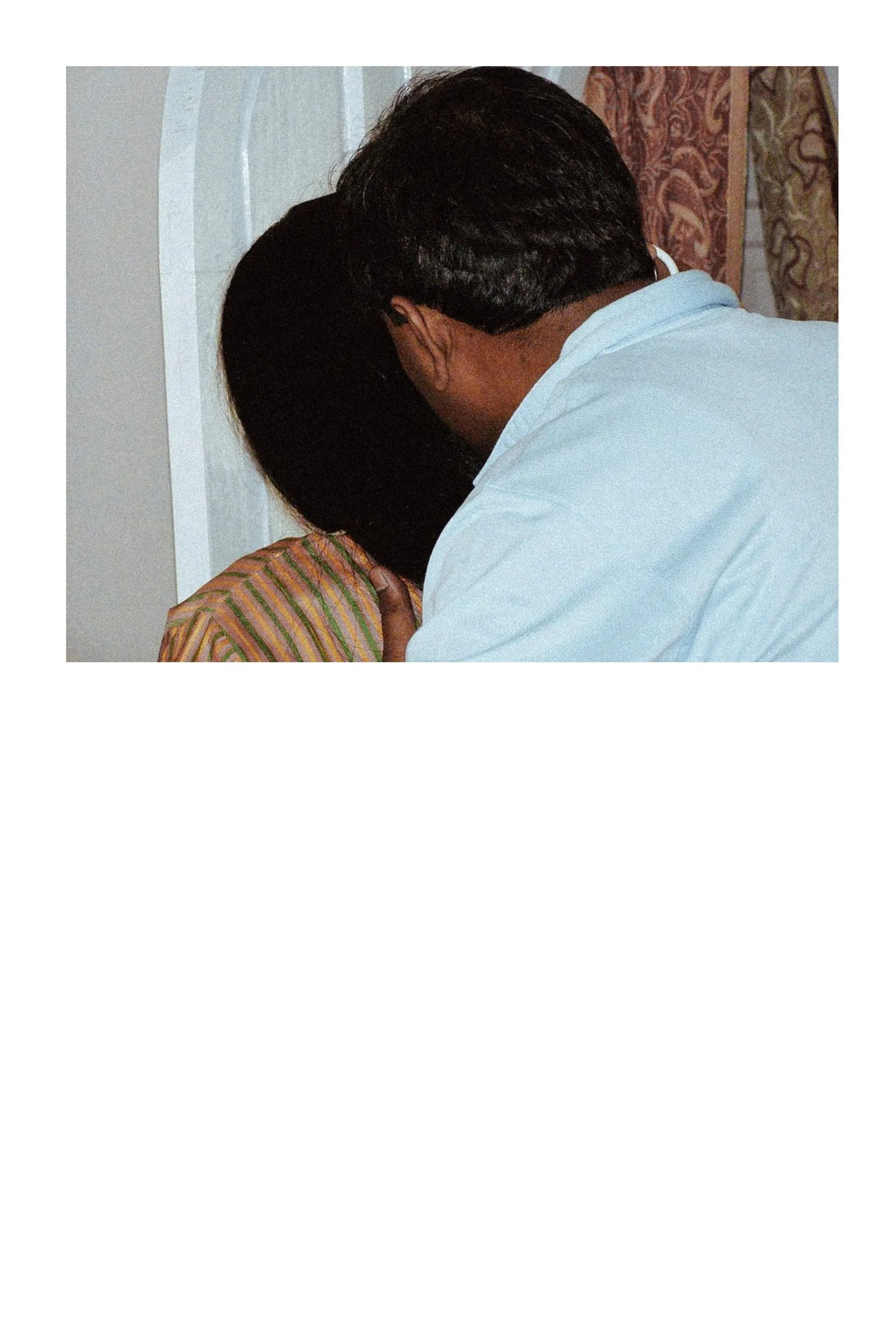 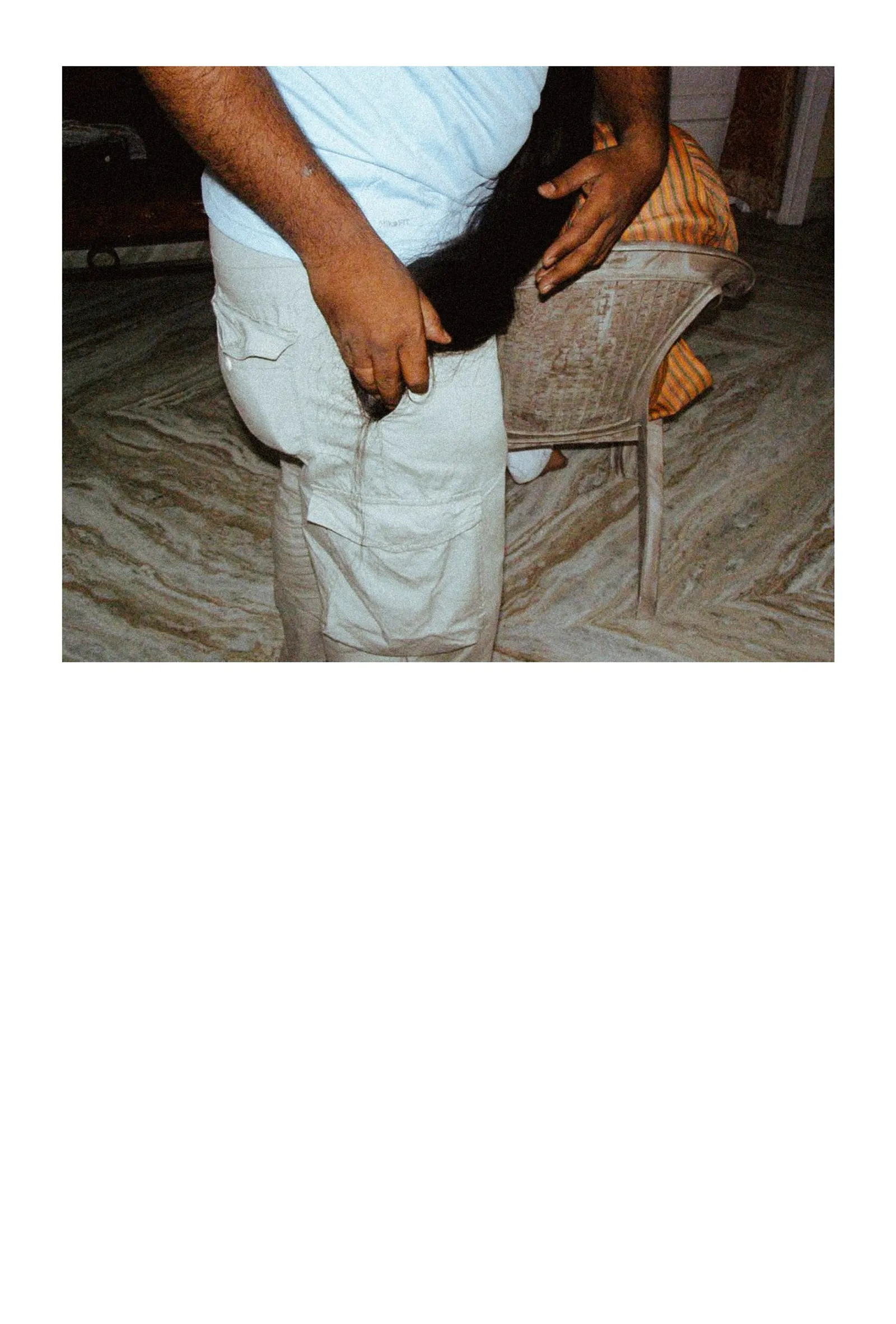 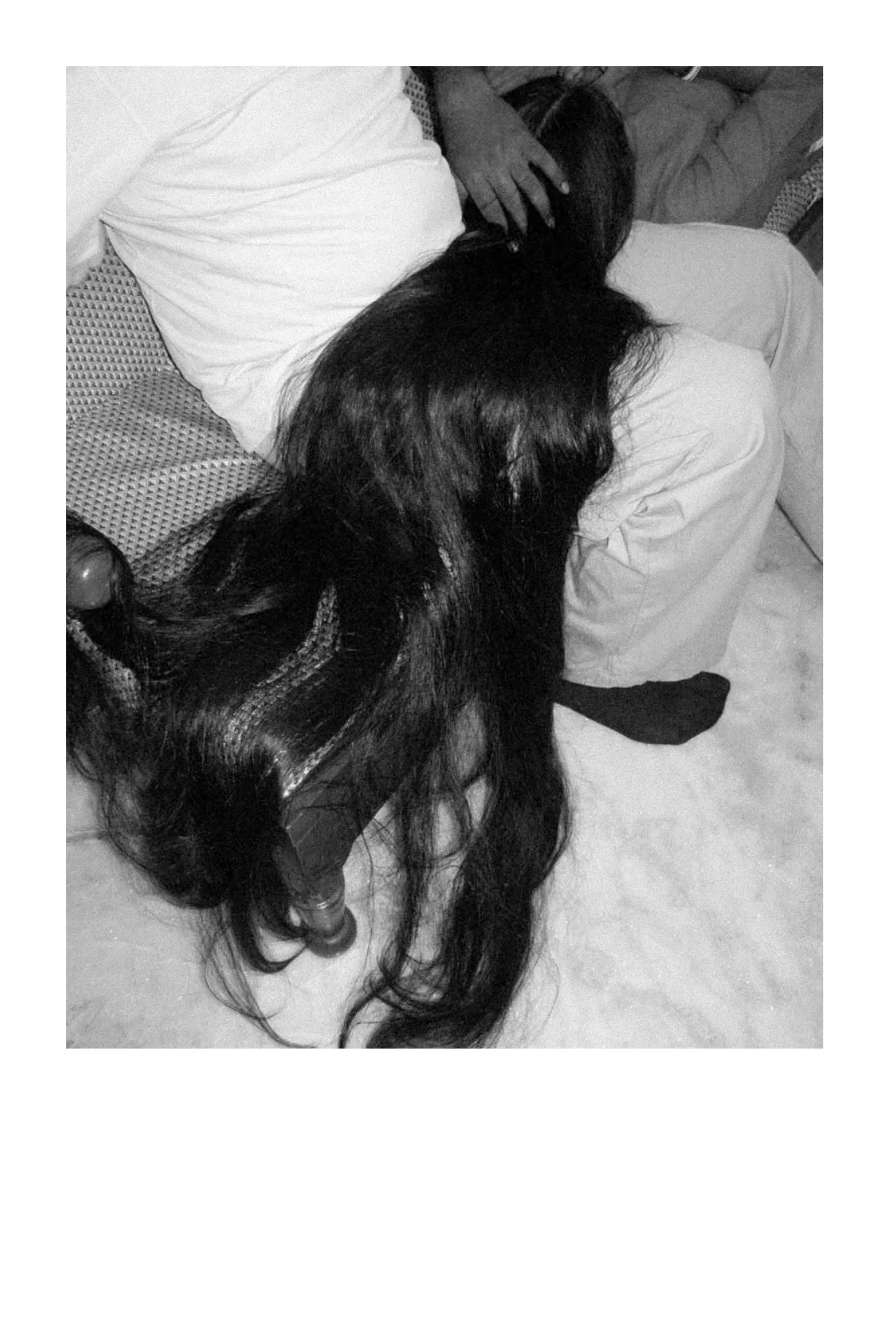 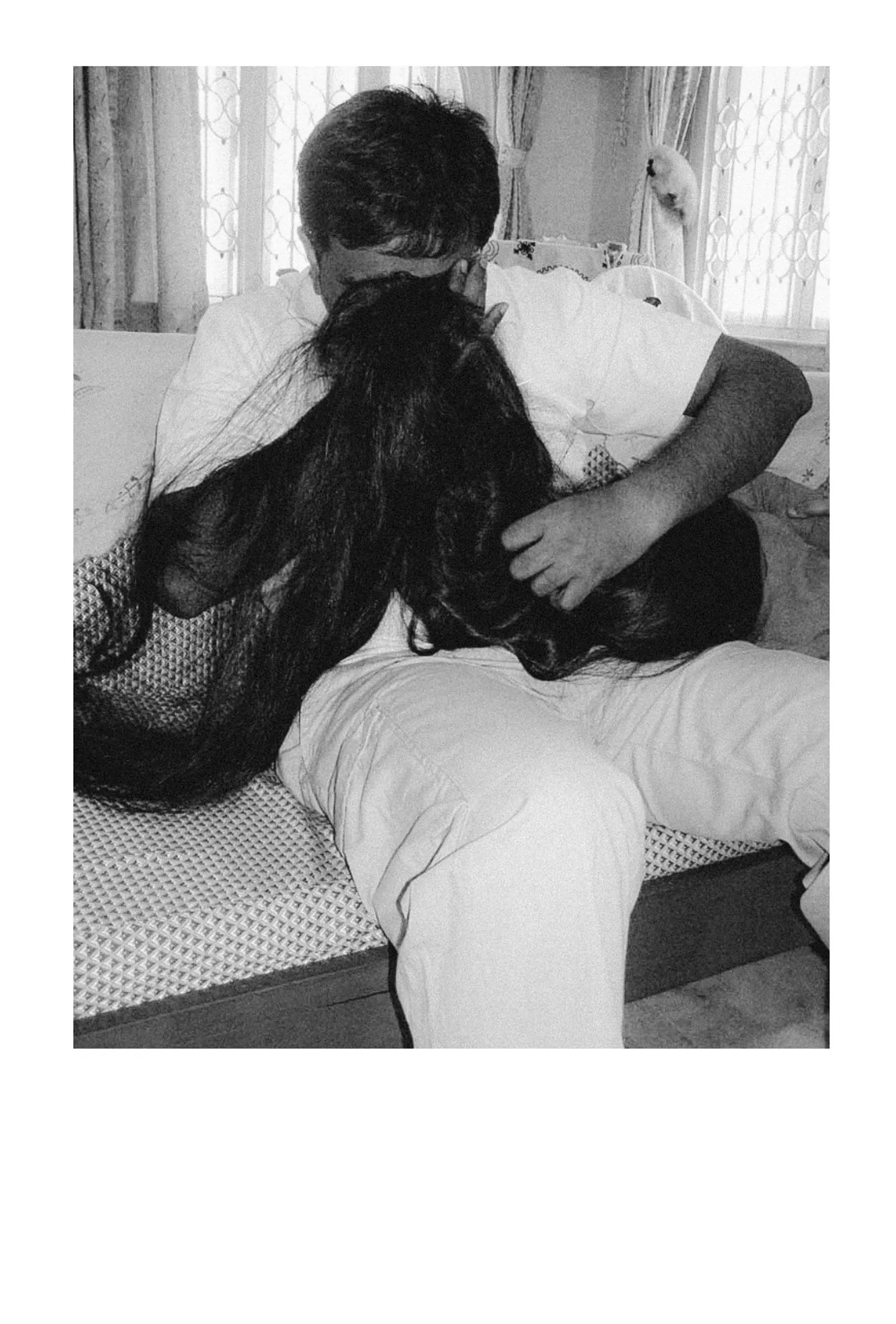 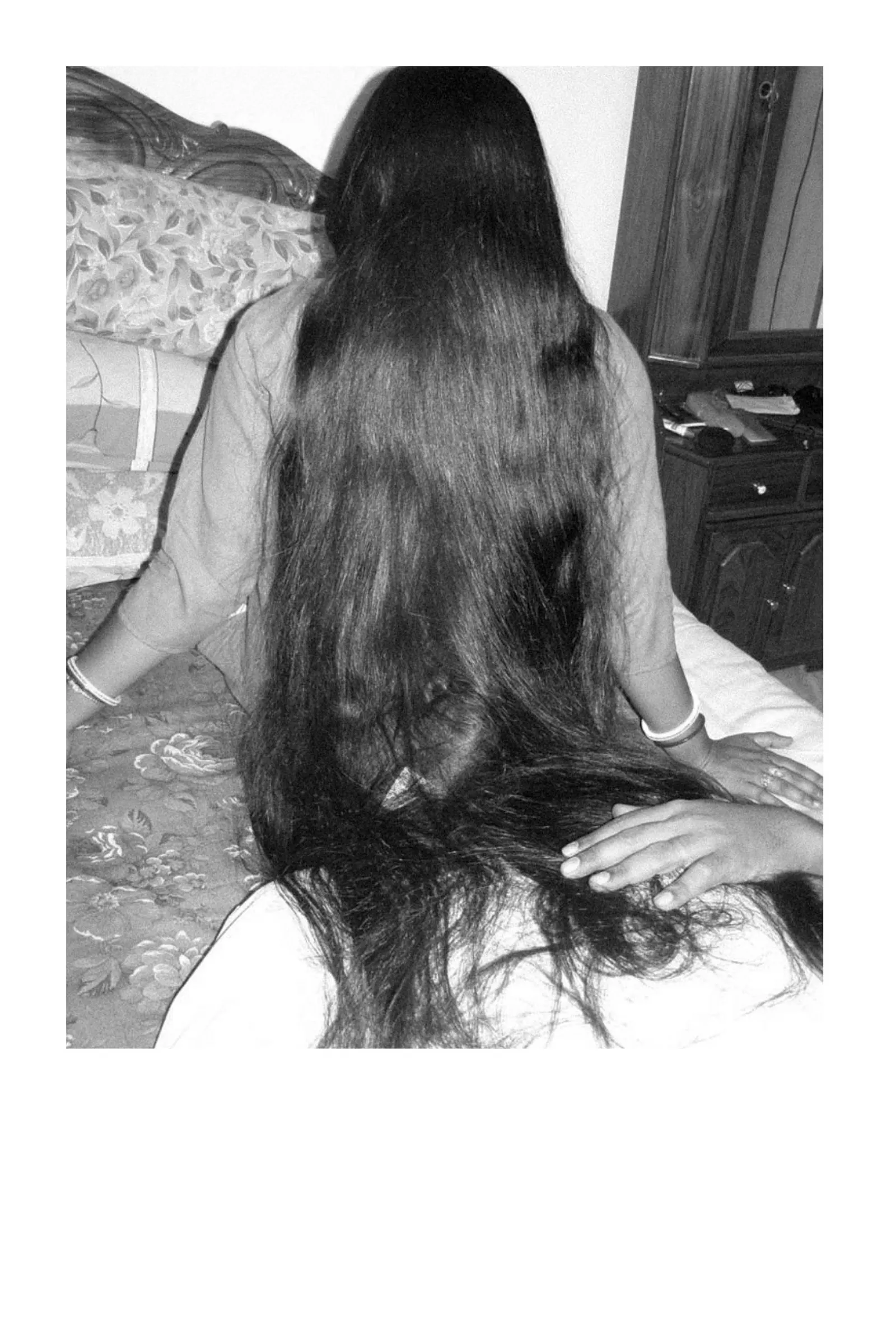   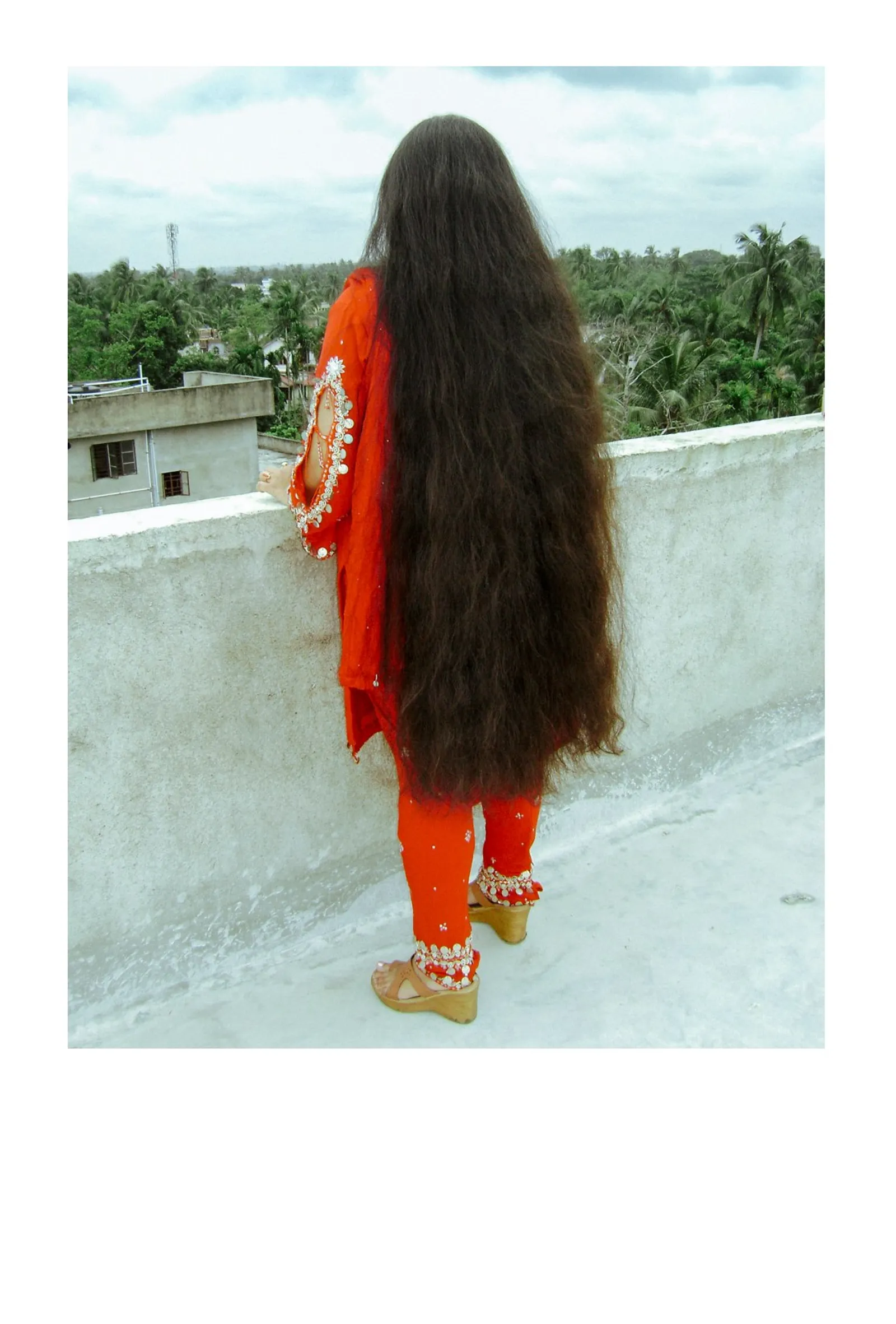 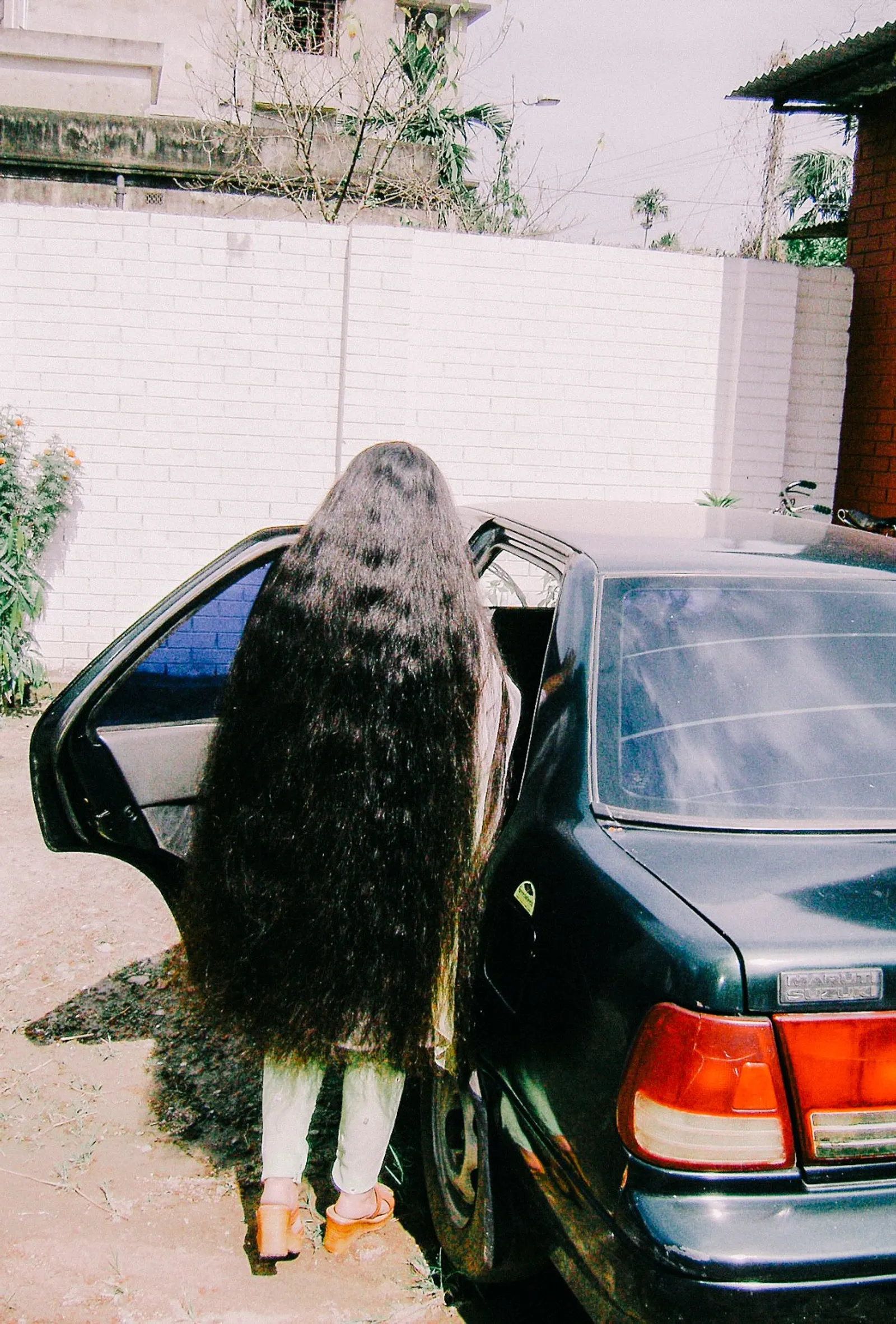 | |||
| 002 | Hill of Poisonous Trees | 45 pp · 27 × 25 cm | 2016 |
| Hill of Poisonous Trees moves between two kinds of surface. First the marks scored by hand into the walls of a place emptied and left to itself. Then the stone, ancient temple reliefs where battle is carved with tenderness and mastery, war made beautiful and made permanent. Eight hundred years lie between them, and nothing lies between them at all. The book is a record of one unbroken human activity, the making of ruin and the marking of it, rather than of a place or a time. It sets the crude hand beside the master’s chisel and finds them at the same work. Mutual destruction, it proposes, is something we are always doing rather than an event we remember, and the surfaces, high and low, keep the score. Not for sale | |||
| 001 | Joker | 396 pp · 29.7 × 42 cm | 2016 |
| Joker was conceived as an anti-object, a book set against the preciousness of the photobook, and became one by mistake. A document field filled in wrongly swelled the file to A3 and 396 pages. It was never meant to be this big. Once the error was found it was obeyed rather than corrected, and the photographs went in page after page like sums. What arrived was a ledger. The title names the wrong value dealt into the field, and the hand played anyway. Shortlisted for the MACK First Book Award. Not for sale | |||